
Introduction: Medical Volunteer Work on the Frontlines of Global Health
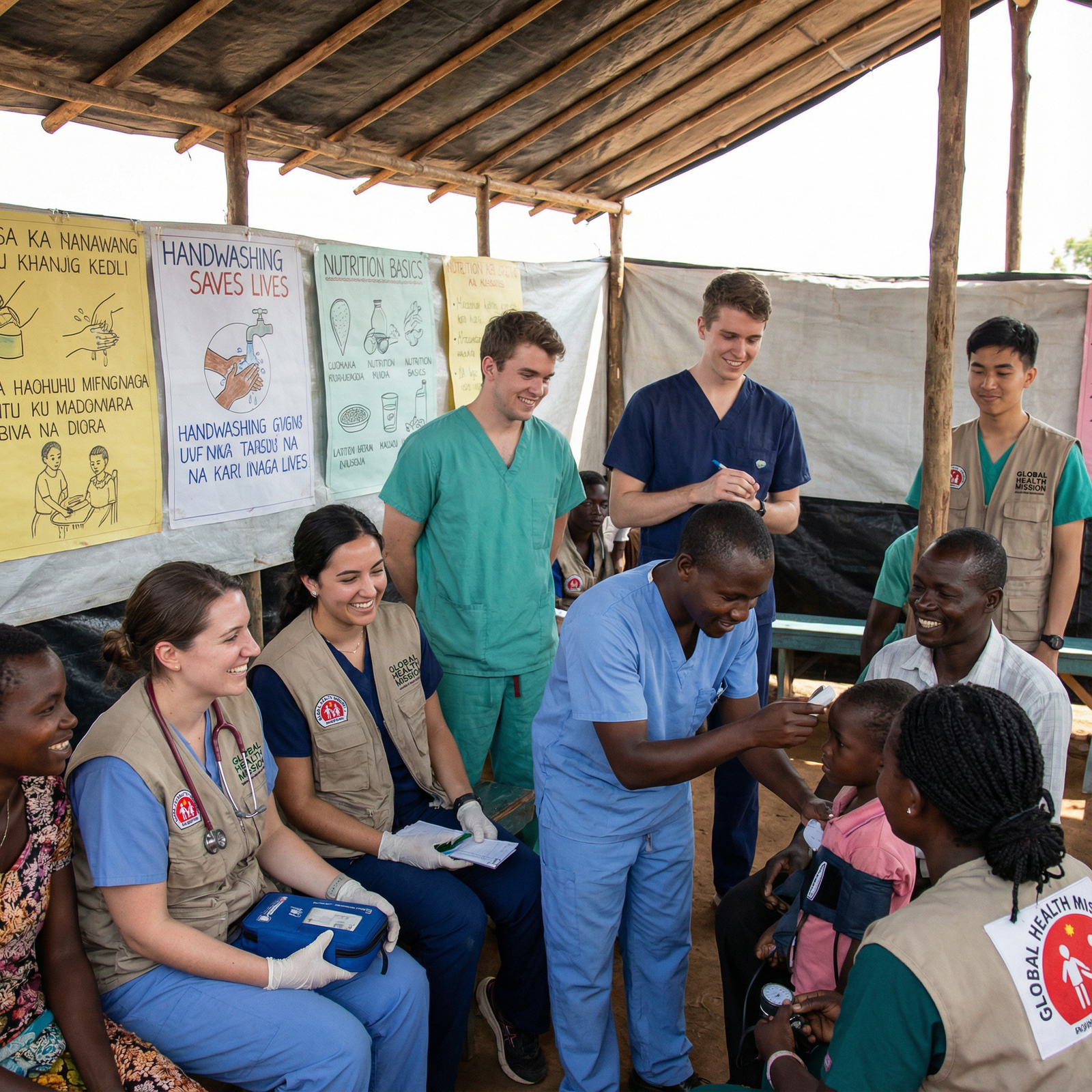
In many parts of the world, Healthcare Access is still shaped by geography, income, and conflict. Even in high‑income countries, there are neighborhoods and populations who struggle to see a clinician, afford medications, or obtain preventive care. Against this backdrop, medical volunteer work has become a powerful force in advancing Global Health, strengthening health systems, and supporting Community Empowerment.
From disaster zones to rural villages, from refugee camps to urban free clinics, volunteer healthcare professionals serve as frontline partners—working alongside local teams to provide essential services, health education, and capacity-building. Their Volunteering Stories reveal not only clinical impact, but also deep personal and professional transformation.
This enhanced guide will:
- Explain what medical volunteer work really involves
- Share expanded stories from the frontlines in Haiti, Southeast Asia, Puerto Rico, and beyond
- Highlight ethical considerations and best practices for sustainable, responsible Global Health engagement
- Offer actionable advice for students, residents, and practicing clinicians who want to get involved
Whether you are planning your first medical mission or reflecting on past trips, these experiences can shape your clinical judgment, your understanding of health equity, and your sense of purpose in medicine.
Understanding Medical Volunteer Work and Its Many Forms
Medical volunteer work is far more than flying in, seeing patients, and flying out. At its best, it is a collaborative, skill-sharing partnership with local communities and health systems, focused on sustainability and respect.
Who Participates in Medical Volunteer Work?
While physicians are often the most visible volunteers, effective medical missions rely on a broad interdisciplinary team:
- Doctors: General practitioners, internists, pediatricians, surgeons, obstetricians, anesthesiologists, psychiatrists, and other specialists
- Nurses and Nurse Practitioners: Providing triage, primary care, health education, and continuity of care
- Pharmacists: Managing medication logistics, patient counseling, and formulary decisions in resource-limited settings
- Allied Health Professionals: Physical therapists, occupational therapists, respiratory therapists, lab technicians, radiology technicians
- Mental Health Professionals: Psychologists, social workers, counselors addressing trauma, chronic stress, and mental health stigma
- Public Health and Epidemiology Volunteers: Supporting surveillance, vaccination campaigns, outbreak response, and health systems strengthening
- Non‑Medical Volunteers: Logistical coordinators, interpreters, drivers, data managers, educators, and community organizers
For medical students and residents, these settings can become intense learning environments—requiring rapid adaptation, cultural humility, and thoughtful supervision.
Where and How Does Medical Volunteer Work Happen?
Medical volunteer missions can take multiple forms, each with specific risks and benefits:
Short‑Term Medical Missions (1–4 weeks):
- Disaster response (earthquakes, hurricanes, epidemics)
- Mobile clinics in rural or marginalized areas
- Focused surgical camps (e.g., cataracts, cleft lip/palate, obstetric fistula repair)
Long‑Term or Recurrent Programs:
- Partnerships between hospitals in high‑ and low‑resource settings
- Longitudinal training of local clinicians and community health workers
- Ongoing specialty clinics (e.g., cardiology, oncology, HIV care)
Local and Domestic Volunteering:
- Free and charitable clinics
- Street medicine outreach for people experiencing homelessness
- School-based health education and screening programs
- Telehealth services for rural areas
Crucially, sustainable programs are built with, not for, communities. The most impactful initiatives are designed and led by local partners, with international volunteers filling specific gaps rather than displacing local capacity.
Organizations That Support Global Health Volunteer Missions
Several well‑established organizations coordinate medical volunteer work and help safeguard ethical standards:
- Médecins Sans Frontières (Doctors Without Borders): Emergency response and long-term projects in conflict zones and low‑resource settings
- Operation Smile: Cleft lip and palate surgery and local surgical training
- International Medical Corps: Humanitarian response, primary care, and health systems strengthening
- Partners In Health: Long-term public health and clinical partnerships in multiple countries
- Red Cross / Red Crescent Societies: Disaster preparedness and emergency medical response
- Local NGOs and Faith-Based Organizations: Often deeply embedded in communities; some run clinics and hospitals with volunteer support
When exploring opportunities, prioritize organizations that:
- Center local leadership and decision‑making
- Invest in training and mentorship of local staff
- Focus on long‑term capacity over short‑term numbers alone
- Have transparent ethical guidelines and robust pre‑deployment training
Professional and Personal Skill Development
For residents, students, and early‑career clinicians, well-designed medical volunteer experiences can:
- Sharpen diagnostic reasoning when labs and imaging are limited
- Train you to improvise with scarce resources while preserving patient safety
- Deepen cultural competence and communication skills across language and belief systems
- Illuminate structural determinants of health—poverty, policy, conflict, and climate
- Help clarify your career goals in Global Health, primary care, or health policy
Done thoughtfully, this work is not only about “helping others”—it can profoundly reshape how you understand medicine, justice, and your own role in the healthcare ecosystem.
Inspiring Volunteering Stories from the Frontlines of Care
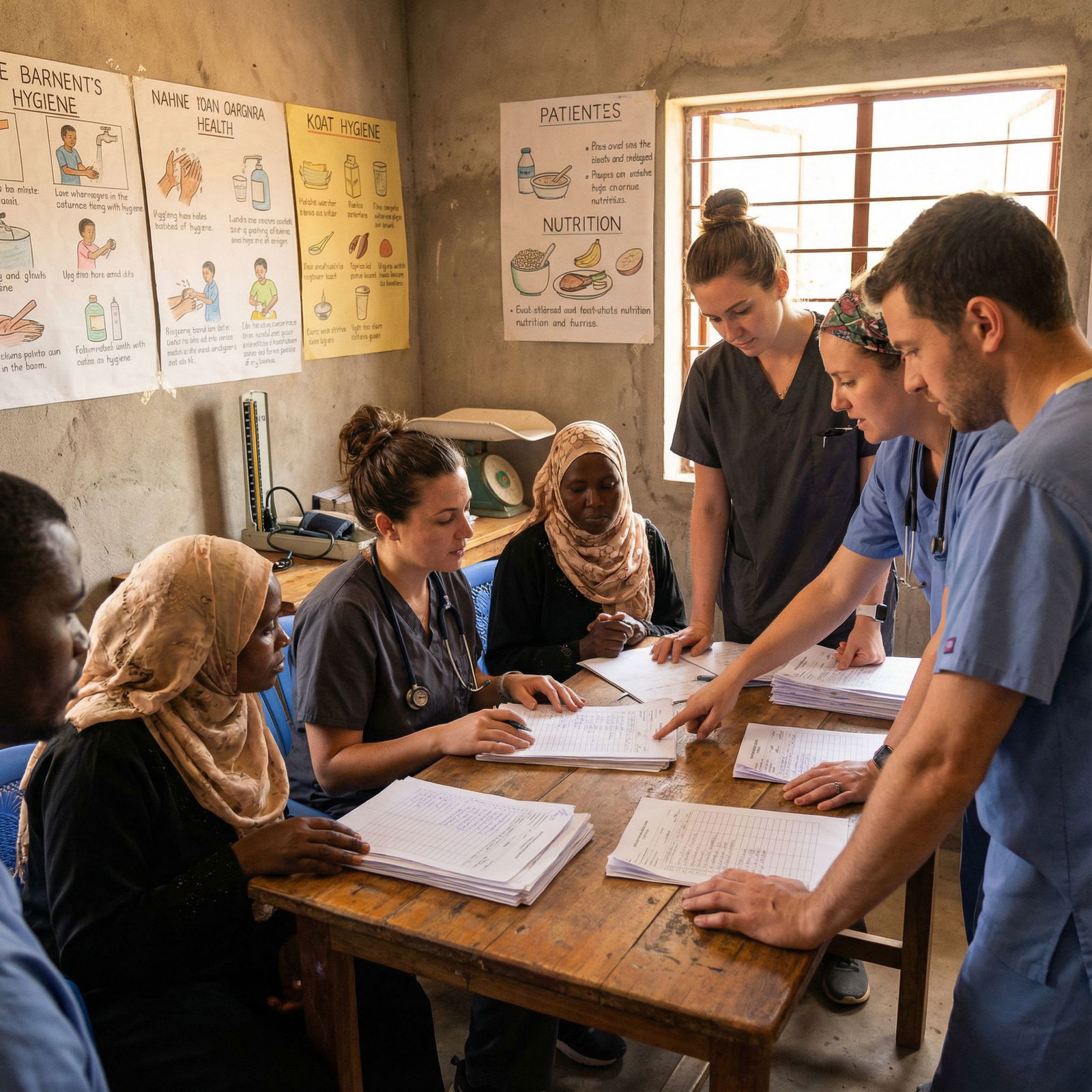
Narratives from the field illuminate why medical volunteer work matters and how it can change both communities and clinicians. Below are deeper, expanded stories based on common experiences shared by volunteers around the world.
Story 1: Healing Hearts and Systems in Haiti
When a catastrophic earthquake struck Haiti in 2010, pediatrician Dr. Sarah Mitchell left her clinic in Portland, Oregon, to join a medical team partnering with a local hospital.
She arrived to find:
- Overcrowded wards and makeshift tents serving as clinics
- Limited electricity and running water
- Children with preventable illnesses that had become life‑threatening in the chaos
Alex’s Story: A Single Patient, A Community Response
One day, a mother carried in her six‑month‑old son, Alex, lethargic and severely dehydrated. Intravenous fluids were scarce. Prepackaged oral rehydration salts were limited. What Sarah had, however, was:
- Clinical training in pediatric dehydration management
- Knowledge of low‑cost rehydration methods
- A team of local nurses and community health workers eager to learn and help
Working together, they:
- Prepared a safe, low-tech oral rehydration solution using locally available ingredients under hygienic conditions.
- Trained Alex’s mother and nearby caregivers on recognizing early signs of dehydration.
- Developed a basic community hydration program—identifying at‑risk children and providing weekly check‑ins.
Within days, Alex began to recover. Over weeks, as the hydration and nutrition education program expanded, clinic visits for severe dehydration dropped. This was more than one child’s recovery; it was community empowerment in action.
Sarah later reflected that Haiti transformed her from a clinician who treated individual patients into a physician who thought systematically about public health and prevention:
“I came to Haiti hoping to help for a few weeks. I left with a commitment to weaving Global Health and equity into everything I do—even in my practice at home.”
Her ongoing involvement now includes remote mentoring of Haitian pediatric trainees and supporting grant proposals for community health worker programs—demonstrating how a short-term deployment can evolve into a long-term partnership.
Story 2: Bringing Smiles and Confidence to Southeast Asia
Oral and maxillofacial surgeon Dr. James Kim first encountered Operation Smile during residency. Years later, he volunteered for a week‑long mission in Vietnam focused on children with cleft lip and palate—conditions that not only affect feeding and speech but can also lead to profound social stigma.
Linh’s Transformation: More Than a Surgery
Among the many children screened, Linh, a quiet 8‑year‑old girl, stood out. She avoided eye contact, clung to her father, and had stopped going to school because of relentless bullying. Her father had sold belongings and traveled for hours to reach the mission site.
James and the surgical team:
- Completed a careful preoperative evaluation to ensure Linh could safely undergo anesthesia
- Coordinated with speech therapists and local pediatricians to plan for long-term follow-up
- Performed a cleft lip repair that took less than two hours—but would change a lifetime
When Linh awoke and saw herself in a mirror, she hesitated, then smiled tentatively—a small gesture that felt monumental to her family and the team. Her father wept openly, saying that this operation restored his daughter’s future.
For James, the experience reframed his understanding of surgery:
“In residency, I focused on technical perfection and outcomes data. In Vietnam, I saw how a single procedure can alter a child’s identity, her social world, and her opportunities. Surgery became not just anatomy and sutures—but dignity, hope, and empowerment.”
Importantly, Operation Smile worked closely with local surgeons, anesthetists, and nurses, providing hands‑on training, equipment support, and co‑managed cases. Over time, this model helped build in‑country capacity so that these life‑changing operations could be performed year‑round by local teams—an example of Global Health partnership at its best.
Story 3: Nursing Leadership in Crisis—Responding to Hurricane Maria in Puerto Rico
After Hurricane Maria devastated Puerto Rico in 2017, much of the island’s infrastructure—including hospitals, clinics, and pharmacies—was left in ruins. Emily Coates, a critical care nurse and seasoned volunteer with the American Red Cross, joined a multidisciplinary response team.
Carmen’s Story: Chronic Disease in a Disaster Zone
In an emergency shelter housed in a school gym, Emily met Carmen, a woman in her 60s with diabetes, hypertension, and heart failure. Carmen had lost:
- Her home
- Her medications
- Her medical records
She had not taken her medications for days and was already showing signs of decompensation.
Emily’s team did not have a fully stocked pharmacy. But by leveraging local knowledge and collaboration, they:
- Created a simple, paper-based medication reconciliation form to use across shelters.
- Coordinated with remaining pharmacies to prioritize life-sustaining chronic medications.
- Set up daily blood pressure and blood glucose screening stations in the shelter.
- Worked with community leaders to identify other high-risk patients like Carmen.
Carmen was restarted on her essential medications and given a clear, pictorial regimen to follow. Emily checked in daily, watching Carmen’s numbers stabilize and her anxiety diminish.
Reflecting on the experience, Emily noted that disaster response is not only about trauma and infection:
“In a crisis, chronic disease management can be just as life‑saving as suturing a wound. My volunteer work taught me to see every patient—acute or chronic—as part of the global health picture.”
Her experience in Puerto Rico later led her to pursue an advanced degree in public health nursing, focusing on disaster preparedness and community resilience.
Story 4: Local Volunteering—Global Health Lessons at Home
Not all transformative Global Health experiences require a passport. During her internal medicine residency, Dr. Aisha Rahman volunteered weekly at an urban free clinic serving undocumented immigrants and people experiencing homelessness.
There, she encountered:
- Advanced disease due to lack of preventive care
- Language barriers and mistrust of institutions
- Complex social determinants—housing, food insecurity, legal vulnerabilities
By working with interpreters, social workers, and community organizers, Aisha learned to:
- Advocate for medication assistance programs
- Connect patients to pro bono legal resources and shelters
- Practice trauma‑informed care for survivors of violence and displacement
When she later joined an overseas HIV clinic as a short-term volunteer, she recognized many of the same themes: stigma, structural barriers, and the need for respectful, patient‑centered care. Her story highlights that Global Health is not just “over there”—it is also right here, in our own cities and communities.
The Broader Impact of Medical Volunteer Work
These frontlines stories reveal multiple layers of impact—on individuals, communities, health systems, and volunteers themselves.
Empowering Communities and Strengthening Healthcare Access
Effective medical volunteer work prioritizes capacity-building over one‑time interventions. This can include:
Training and Mentoring Local Health Workers
- Bedside teaching on clinical reasoning and procedures
- Formal workshops on emergency medicine, obstetrics, or infection control
- Remote consultation and ongoing mentorship via telehealth
Health Education and Prevention Programs
- Nutrition workshops, like those Sarah helped start in Haiti
- Vaccination campaigns coordinated with local authorities
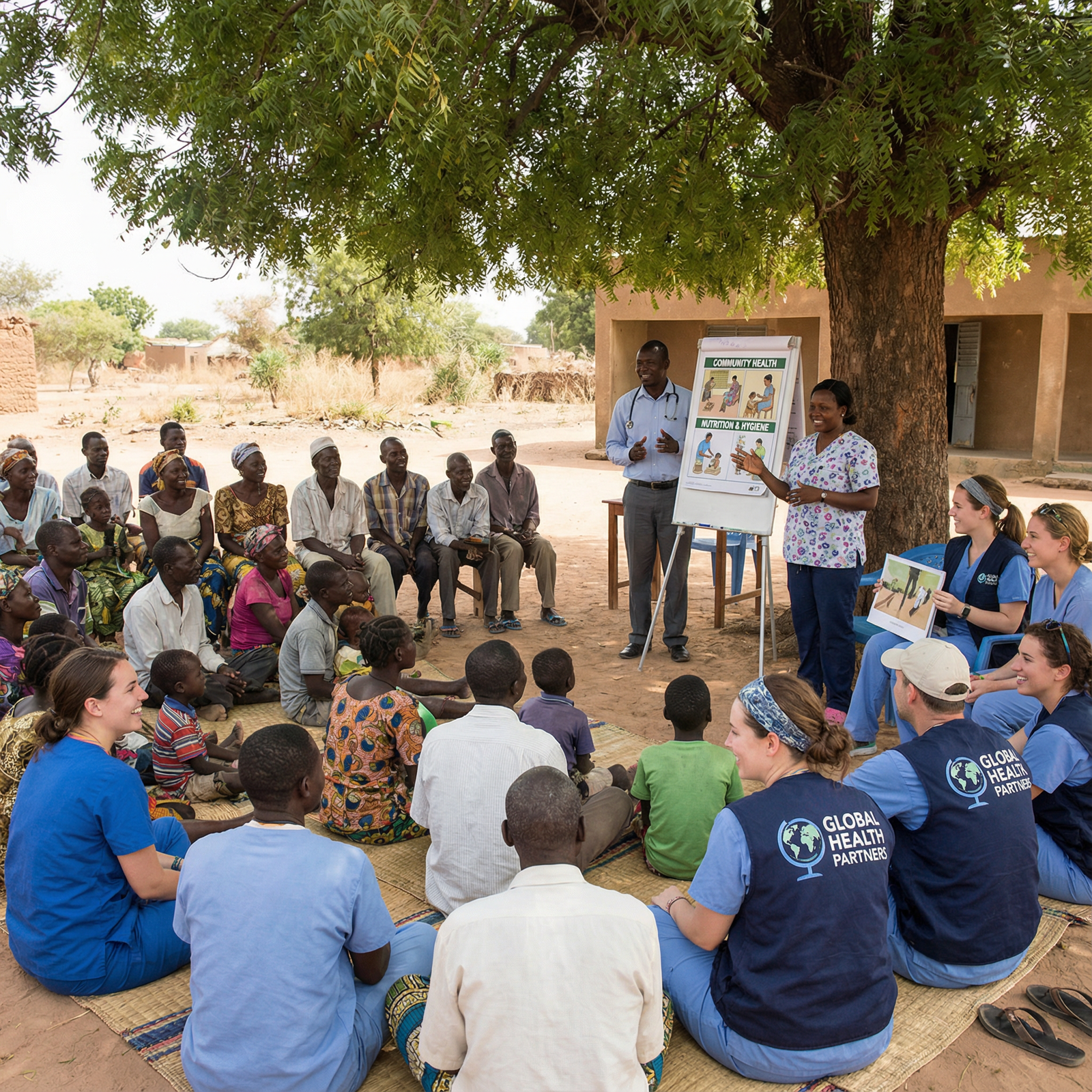
- Community talks on maternal health, hygiene, or chronic disease management
Over time, these initiatives can:
- Reduce the burden of preventable illness
- Improve patient trust in local health systems
- Create local champions who advocate for better health policies
Personal Transformation: How Volunteering Shapes Clinicians
Many volunteers describe a profound internal shift:
Deepened Empathy and Cultural Humility
Exposure to different worldviews and belief systems around illness, death, and healing can reshape how you take histories, break bad news, and respect patient autonomy.Strengthened Clinical Ingenuity and Problem‑Solving
Learning to treat pneumonia without advanced imaging or manage chronic conditions with limited formularies forces you to rely on fundamentals: history, physical exam, and critical thinking.Reframed Career Paths and Priorities
Some volunteers pursue additional training in Global Health, tropical medicine, public health, or health policy. Others integrate advocacy work—on climate, migration, or health equity—into clinical careers.
Above all, many describe an enduring sense of shared humanity and an awareness that every patient encounter is connected to larger social, economic, and political forces.
Building Long-Term Global Health Partnerships
When done ethically, medical volunteer work can lay the foundation for durable Global Health collaborations:
- Institutional Partnerships between hospitals or universities, supporting bilateral exchanges of residents, faculty, and research
- Joint Quality Improvement Projects, such as infection control initiatives or maternal mortality reduction programs
- Shared Advocacy for policy changes—funding primary care, supporting community health workers, or addressing environmental determinants of health
Critically, sustainable partnerships:
- Align with local health priorities (not just volunteer interests)
- Include clear plans for handover, training, and local ownership
- Recognize and address power imbalances between high‑ and low‑resource institutions
Getting Involved: Practical Steps and Ethical Considerations
For medical students, residents, and practicing clinicians inspired by these Volunteering Stories, careful preparation is essential.
Choosing the Right Opportunity
When evaluating programs in Medical Volunteer Work, ask:
What is the role of local partners?
- Are they involved in program design and leadership?
- Is there a clear plan for continuity of care after volunteers leave?
What are the goals and metrics of impact?
- Are they tracking more than just the number of patients seen or surgeries performed?
- Do they measure capacity-building and long-term outcomes?
What support is provided to volunteers?
- Pre‑departure training (language basics, cultural context, safety)
- Clinical and ethical guidelines for practice in low-resource settings
- Onsite supervision and clear scope of practice
Is the work aligned with your training level?
- Avoid any setting that expects you to work beyond your competence or license.
- Medical students should function in supervised roles with defined educational objectives.
Preparing Clinically, Logistically, and Emotionally
Clinical Preparation
- Review common conditions in the region (e.g., malaria, TB, obstetric emergencies).
- Learn adapted guidelines for low-resource settings (e.g., WHO protocols).
Cultural and Language Preparation
- Learn key phrases in the local language (greetings, symptoms, polite forms).
- Understand cultural norms around gender, decision‑making, and traditional medicine.
Logistical Considerations
- Vaccinations, travel insurance, licensure/credentialing requirements
- Cost breakdown and options for fundraising or institutional support
Emotional Readiness
- Anticipate exposure to suffering, moral distress, and system limitations.
- Plan for debriefing and mental health support after returning home.
Practicing Ethical and Sustainable Volunteering
To avoid harm and maximize benefit:
Work Within Your Competence
Do not perform procedures or make decisions beyond your training, especially without supervision.Prioritize Continuity of Care
Ensure patients have follow‑up options, clear instructions, and access to necessary medications after you leave.Center Community Voices
Listen more than you speak. Ask community leaders what they need and how you can best support existing efforts.Reflect and Advocate After You Return
Share what you learned in a way that respects patient privacy and avoids stereotypes or “poverty tourism.”
Advocate for policy changes or resource allocation that address the root causes of poor Healthcare Access.
FAQs: Medical Volunteer Work, Global Health, and Your Career
1. How can I get started in medical volunteer work as a student or resident?
Begin locally. Volunteer at free clinics, mobile outreach programs, or school health fairs to build experience with underserved populations. Simultaneously, explore Global Health programs at your institution—many medical schools and residency programs have partnerships abroad. When considering international work, look for structured electives or fellowships with clear educational objectives, strong local partnerships, and experienced mentors.
2. What qualifications do I need to join a global medical mission?
Requirements vary by organization and role:
- Physicians and Advanced Practice Providers: Valid license, board certification or board eligibility, malpractice coverage, and relevant experience.
- Nurses and Allied Health Professionals: Current licensure, verification of skills, sometimes specialized training (e.g., emergency response).
- Students and Trainees: Typically must work under supervision with defined scopes.
- Non‑Medical Volunteers: Skills in logistics, translation, data entry, education, or administration are often welcome.
Most reputable organizations will conduct background checks, credentialing, and sometimes require specific training in Global Health or humanitarian principles.
3. Are there costs associated with medical volunteer work, and can they be offset?
Frequently, yes. Volunteers may be responsible for:
- Airfare and local transportation
- Housing and meals
- Travel insurance and visas
- Vaccinations and prophylactic medications
Some organizations cover part or all of these costs, especially for longer deployments. Many trainees obtain institutional funding, scholarships, or use crowdfunding to offset expenses. Importantly, ensure that any funds raised primarily support sustainable local health initiatives, not just volunteer travel.
4. How can I be sure my volunteer work is ethical and not causing harm?
Ask critical questions before committing:
- Does the program have robust local partnerships and leadership?
- Is your scope of practice clearly defined and appropriate to your training?
- Are there systems for continuity of care and referral once volunteers leave?
- How are local health systems affected—are you complementing, not competing with, local providers?
Look for organizations that follow established ethical frameworks such as the Working Group on Ethics Guidelines for Global Health Training or similar standards.
5. How do medical volunteer experiences enhance my professional development and residency applications?
Thoughtful Medical Volunteer Work can strengthen your:
- Clinical Competence: Exposure to diverse pathology and resource-limited practice.
- Systems Thinking: Understanding Social Determinants of Health and health systems design.
- Leadership and Teamwork: Working in multidisciplinary, cross‑cultural teams.
- Reflective Practice: Ability to critically analyze your role, biases, and impact.
On residency or job applications, these experiences stand out when you can articulate:
- What you learned (not just what you did)
- How you ensured ethical, sustainable engagement
- How the experience changed your practice and long‑term career goals
By engaging in medical volunteer work—whether abroad or in your own community—you join a global movement striving to make healthcare more equitable, humane, and accessible. Done with humility, preparation, and respect, your contribution can help strengthen healthcare access, advance Global Health, and support true community empowerment—while profoundly shaping the kind of clinician you become.


