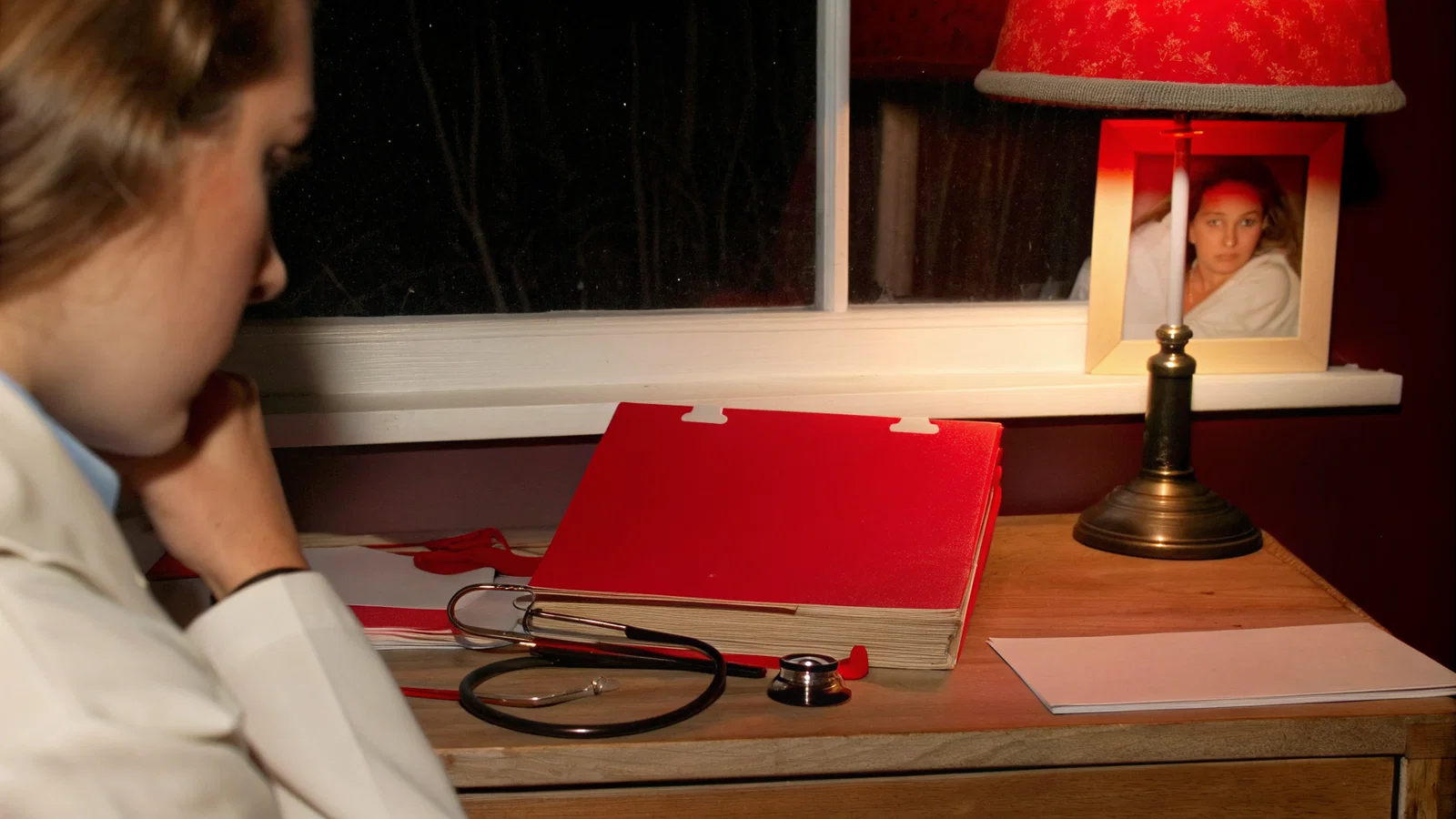
What if the thing you're proudest of is actually the thing you should be most ashamed of?
I asked myself that at 2 a.m. on a Tuesday, staring at the ceiling, replaying a mission trip from three years ago like it was security footage in a trial. The trial of me. If you're here, you probably know the feeling. You did the trip. You cried on the plane home. You wrote about it in your personal statement with total sincerity. And then somewhere between that global health lecture and a late-night scroll through articles about "voluntourism," the whole memory curdled.
Now you can't stop asking: Did I actually help? Or did I just show up, take up space, and fly home with photos?
Let's sit in that question together. I promise it gets less terrifying.
The Unsettling Question: Did I Actually Help?
Here's my version, since fair's fair. I was nineteen, one week at a rural clinic, doing things like taking blood pressures, handing out vitamins, and holding a toddler while his mom got her teeth cleaned. At the time it felt seismic. I journaled every night. I came home "changed."
Then, in my second year, a classmate casually referred to short-term mission trips as "poverty tourism with a stethoscope," and my stomach dropped through the floor. Because suddenly every memory had a shadow. That toddler I was holding, was I comforting him, or was I a prop? Those blood pressures, did anyone act on the high readings, or did we just write numbers on a card and wave goodbye? The kid with the fever we gave acetaminophen to on day three. What happened to him on day eight? I don't know. I will never know. My brain treats that unknown like a confirmed catastrophe, every single time it replays.
If any of that sounds familiar, hear this first: the doubt itself is incredibly common. I'd argue it's nearly universal among anyone who does mission work and then continues learning. Medical training literally rewires your brain to hunt for what went wrong. We run morbidity and mortality conferences. We're taught to audit our own decisions relentlessly. Of course that lens eventually turns toward your past. It's not a bug. It's the job.
But here's the distinction that saved me, and it's the one you need to hold onto: your feelings about the mission are not evidence about the mission. Objective outcomes and subjective doubt are two separate tracks. The blood pressure screenings happened regardless of how queasy you feel about them now. The infected teeth the team dentist extracted got extracted. The referrals to the regional hospital were made. Your current nausea doesn't travel back in time and rewrite any of that.
Feelings are data. They're not verdicts. My anxious brain hates that sentence, which is exactly why I've repeated it to myself roughly four hundred times.
Why Your Mission Looks Different Now
So why does a memory that once glowed now feel radioactive? A few reasons, and none of them are "because you're secretly a terrible person."
You grew. The person who boarded that plane at nineteen is not the person reading this. You now know about continuity of care, sustainability, scope of practice, power dynamics. You can't un-know it, and you can't fairly evaluate a nineteen-year-old's decisions with a twenty-four-year-old's training. That's not a trial. That's a rigged courtroom.
New knowledge reframes old practices. The first time you learn that starting a patient on antihypertensives with no refill plan can be worse than doing nothing, every mission memory flashes red. That reframe is real and worth listening to, but it describes the system, not necessarily your behavior inside it.
Experience is both a blessing and a curse. The curse: you see the cracks now. The blessing: you'll never un-see them, which makes you a safer, humbler clinician going forward. Honestly? If you could look back at everything you did at nineteen and feel nothing but warm pride, that would worry me. The cringe is the price of growth.
It helps to see the trajectory mapped out, because this reframing process is predictable:
Notice there are two exits from "Reframe Experience." Both are normal. The second one just needs more attention.
What 'Doing Harm' Actually Means in Missions
Now the part my anxious brain both craves and dreads: let's define terms, because "harm" is doing a lot of unearned work in my 2 a.m. spirals.
First, actual harm exists in mission work. Let's not dodge it. The genuine red lines:
- Scope violations. Students suturing, pulling teeth, or delivering babies abroad when they'd never be allowed within a hundred feet of those procedures at home. This is wrong. Full stop. A patient's poverty doesn't lower the standard of care they deserve, and "well, it was better than nothing" doesn't launder an unlicensed procedure.
- Continuity failures. Starting medications nobody can continue, or diagnosing conditions with no referral pathway. The intention is good. The outcome can be genuinely bad.
- Resource distortion. A community rearranging its entire week around the visiting team, local clinicians sidelined while volunteers who paid $3,000 to be there do work locals could be paid to do.
- Dignity violations. Patient photos on Instagram. It was never okay, and most of us knew that even then.
But here's where the guilt complex enters, and I know it intimately. My brain takes "this trip had structural problems" and inflates it into "I personally destroyed lives." Those are wildly different claims. Actual harm has a shape: an identifiable patient, an identifiable action, an identifiable bad outcome. A guilt complex is vague, ambient dread with no specifics attached. Vague dread is not evidence.
And the not-knowing? Agony, yes. Proof of disaster, no. "I don't know what happened to the kid with the fever" is uncertainty, not an outcome. Most likely, the supervising physician's protocol handled it, the referral was made, and life went on. My catastrophizing brain fills the blank with the worst possible ending every time. That's a thinking error, not a memory.
You're also not alone in the pattern of what you worry about:
Look at that last bar. Over half of returning volunteers question their overall impact. The majority experience you're having is... the majority experience. That doesn't make it comfortable, but it should make it less lonely.
One more thing, and I say this with love, as someone who does it constantly: self-doubt becomes unhealthy when it stops producing insight and starts producing only punishment. If you've extracted the lesson and you're still flogging yourself six months later, that's not ethics anymore. That's rumination wearing an ethics costume.
Moving Forward: Integration and Growth
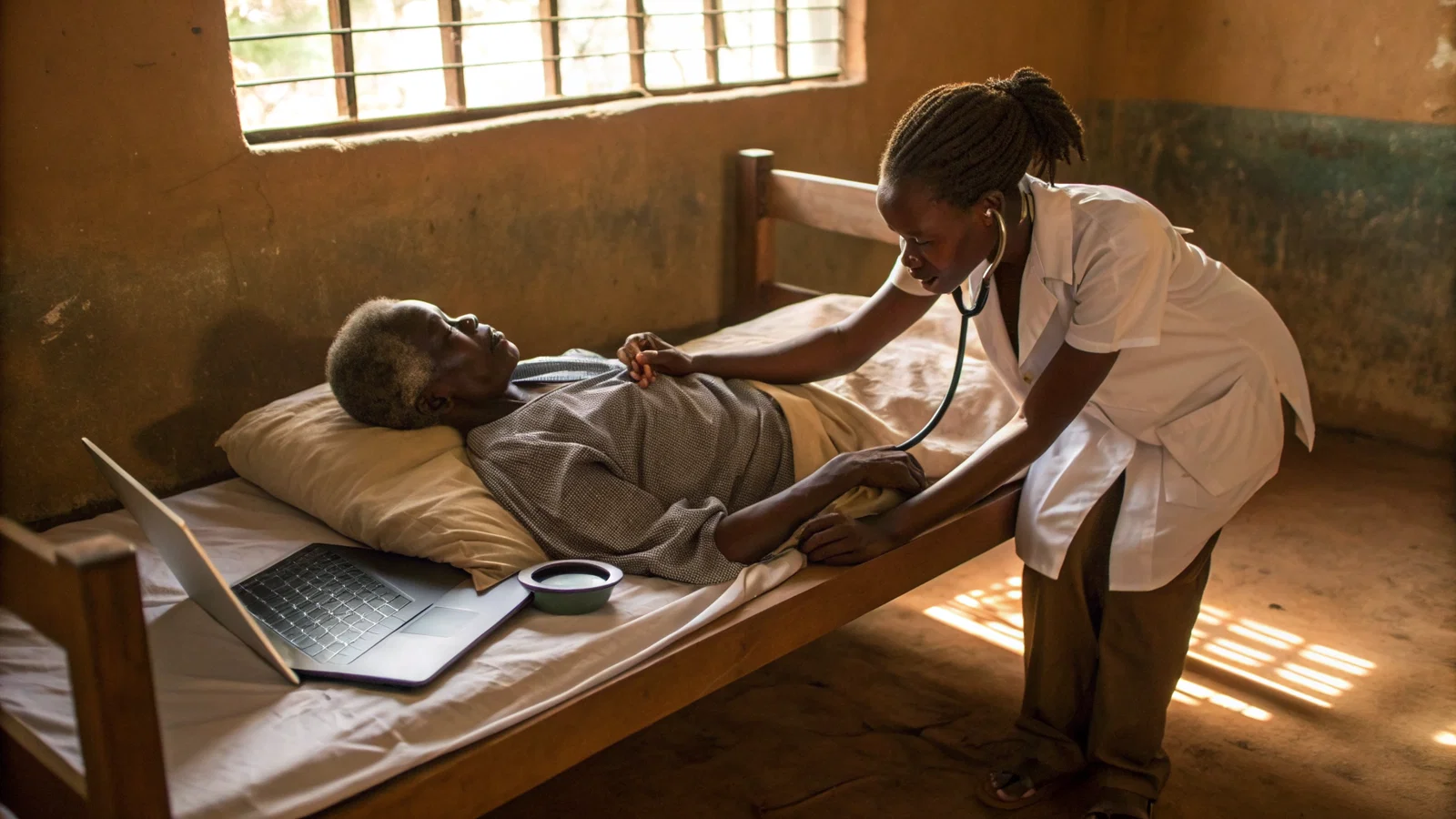
Okay. So what do we actually do with all this? Here's what has worked for me, in rough order:
- Audit honestly. Write down what you actually did, under whose supervision, within what structure. Not the highlight reel, not the horror film. The facts. Mine looked considerably less damning on paper than in my head.
- Ask someone who was there. I eventually emailed the family physician who supervised our trip and asked the terrifying question directly: "Looking back, do you think we helped?" Her answer was honest and nuanced, things she'd do differently, things that genuinely mattered. It was about 5% as devastating as the version my brain had written.
- Write the real version. Before you ever write about the trip for an application, write the honest one for yourself. Doubt included. Ironically, that reflective complexity is exactly what makes application essays compelling, "I learned and grew" beats "I was a hero" every time.
- Change the next one. Let the doubt upgrade your standards instead of shrinking you.
On that last point, my vetting checklist for any future mission work:
- Is it locally led, with community priorities driving the agenda?
- Is there a real continuity of care plan for anything we start?
- Are student roles scope-appropriate, nothing I couldn't do at home?
- Is there a hard no-patient-photo policy?
- Does the organization have a long-term partnership, not a drop-in model?
A program that flinches at those questions has answered them.
And if the rumination is eating your sleep for weeks on end, if you can't open your personal statement without a shame spiral, if you're rehearsing confessions in the shower, please talk to someone. A therapist who works with medical trainees has heard this exact spiral before. Saying it out loud deflates it in a way that thinking it for the thousandth time never will.
Key Takeaways
- Feeling doubt about past mission work is normal and usually signals growth, not harm. The people who should worry are the ones who never question anything.
- Reframing your experience shows professional maturity, not professional failure. Ethical discomfort is what an ethical conscience feels like.
- Processing these feelings constructively makes you a better future physician. The goal isn't to erase the doubt, it's to let it steer.
So here's my ask, partly because I need it too. Tonight, when the replay starts, and it probably will, don't just lie there absorbing it. This week, do one concrete thing: write the honest version of what happened, or send the email to the person who supervised you. Ask the hard question out loud.
And if you've already made it through this spiral to the other side, share what helped you. Somewhere out there, another applicant is awake at 2 a.m. right now, putting themselves on trial over a trip that mostly did good. I'll be reading the responses. Probably at 2 a.m., if I'm being honest.