
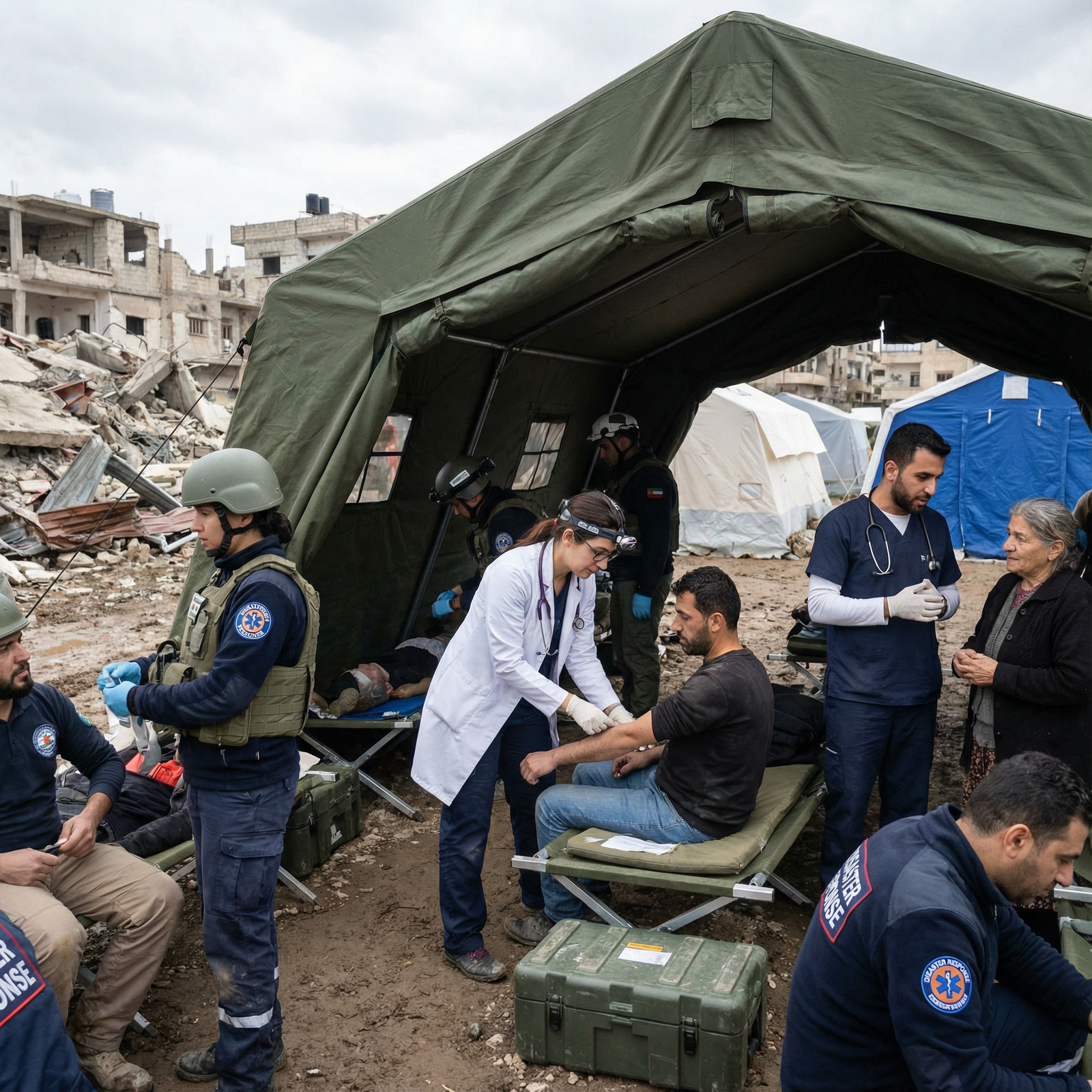
The thing no one tells you is this: your proudest “service” story might be the one that makes an interviewer’s face go tight.
You know the one. The week in Guatemala. The pop‑up clinic in Haiti. The “global health” thing where you took 300 pictures of kids you can’t name. The trip you thought was your biggest asset… and now you’re hearing the phrase “voluntourism” and feeling physically ill.
Let’s walk straight into the nightmare scenario you’re obsessing over: you’re in an interview, you bring up your medical mission work, and instead of smiling and nodding, the interviewer starts pushing on the ethics. Hard.
You feel your stomach drop. You suddenly hate every photo on your application.
I’m going to be blunt: this can go badly if you’re defensive, naive, or clearly using the trip as a flex. But it absolutely doesn’t have to sink you. In fact, handled well, it can be one of the strongest evidence that you’ve grown, learned, and actually understand medical ethics in the real world.
Why Are Interviewers Skeptical About Medical Missions Now?
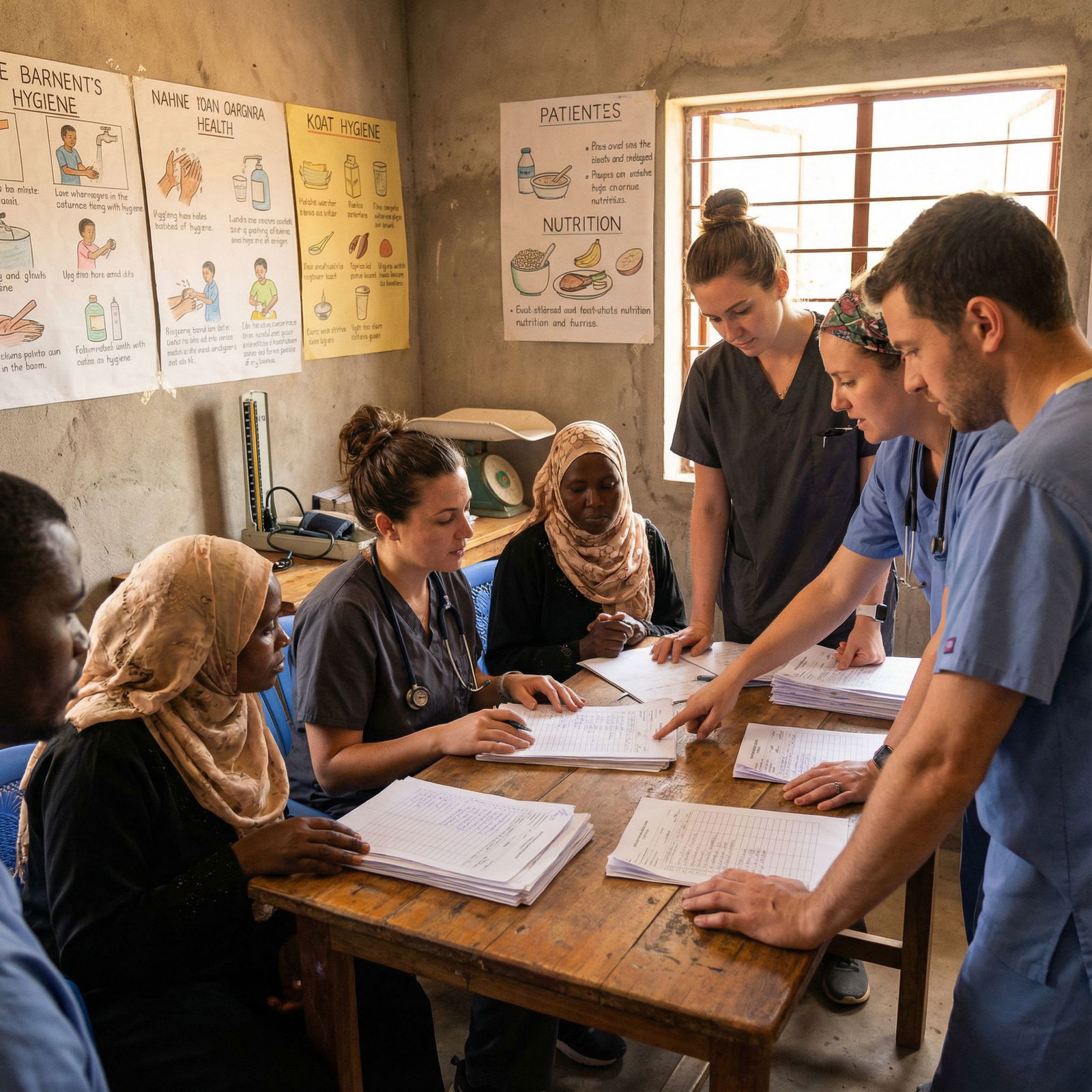
Years ago, saying “I went on a medical mission trip” automatically got you warm smiles. Now? People are more cautious. Honestly, rightfully so.
Here’s why they might question you:
They’ve seen the worst cases. Pre‑meds taking blood pressures and calling it “clinical experience.” Students posting Instagram photos holding babies, never mentioning any local staff. Programs dropping into communities for 5 days and then vanishing, leaving chaos and dependency behind.
They know about power dynamics. You—often from a wealthier country—fly in, do “good”, fly out. Patients don’t know your training level, can’t really consent in a meaningful way if translation is sketchy, and may feel like they can’t say no. That’s an ethical minefield.
They worry about supervision. Were you doing things you weren’t trained for? Were there licensed local clinicians overseeing care? Or were you and a handful of Americans basically running the show with minimal context and zero long‑term follow‑up?
They’ve read the critiques. Voluntourism. Savior complex. “Poverty porn.” Cultural insensitivity. Short‑term trips that satisfy student CVs more than community needs.
So when they see “medical mission” on your application, they might not be thinking, “Wow, how noble.” They might be thinking, “Let’s see if this applicant actually understands the ethics—or if they just wanted nice photos and a personal statement hook.”
That’s the subtext. And it’s exactly why you’re right to be nervous—and also why you can be prepared.
The Worst‑Case Scenario You’re Imagining (And How It Actually Plays Out)

| Step | Description |
|---|---|
| Step 1 | Interviewer asks about mission trip |
| Step 2 | Applicant defensive |
| Step 3 | Applicant reflective |
| Step 4 | Red flag |
| Step 5 | Ethics maturity |
| Step 6 | Ethics question? |
Here’s the painful version your brain keeps replaying:
You: “On my medical mission to Honduras—” Interviewer (eyebrow up): “Medical mission? Tell me about your exact role. Were you providing medical care directly?” You: frozen.
Or worse:
Interviewer: “How do you respond to critics who say short‑term missions are more about voluntourism than sustainable care? Do you think your trip might have done harm?”
Your internal monologue: “Oh my god, they hate me, I’m unethical, I shouldn’t have gone, I’m not matching anywhere, I’m doomed.”
Let’s talk about how this actually gets evaluated.
They’re not looking for:
Flawless answers. A perfect, fully theorized global health dissertation. Some smug declaration that your trip was 100% ethical and criticism is overblown.
They’re looking for:
- Self‑awareness
- Humility
- Ability to recognize imperfect situations
- Willingness to critique your own experiences
- Evidence you’ve thought about patient autonomy, consent, sustainability, and power
A rigid, defensive, “No, it was definitely good and anyone who says otherwise just doesn’t get it” answer? Massive red flag.
A thoughtful, “Yeah, I’ve really wrestled with that, and here’s what I’ve come to understand about the ethics and my own role” answer? Very different vibe. That’s maturity.
A Better Way That Conversation Can Go
Interviewer: “Some people criticize medical missions as exploitative or unsustainable. How do you think about the ethics of your trip?”
Stronger answer (in your own words, obviously):
“I’ve thought about that a lot, honestly. When I first signed up, I was mostly excited to ‘help.’ After being there and then reading more afterward, I realized how complicated it is.
On my trip to [country], our clinic was run by local physicians, and I worked as support—mostly taking vitals, organizing charts, and helping with patient flow. I wasn’t making clinical decisions, which I now understand is crucial. I did notice gaps though: we were only there for a week, and I remember worrying about follow‑up for patients with chronic conditions. Since then I’ve become more interested in models that partner with local systems long‑term rather than just short visits. It pushed me to ask harder questions about who benefits most and how to avoid turning someone else’s healthcare system into my learning playground.”
You admit it’s messy. You show you’re not naive. You connect it to how your thinking changed.
That’s what rescues the situation.
How to Talk About Your Role Without Sounding Unethical (Or Clueless)
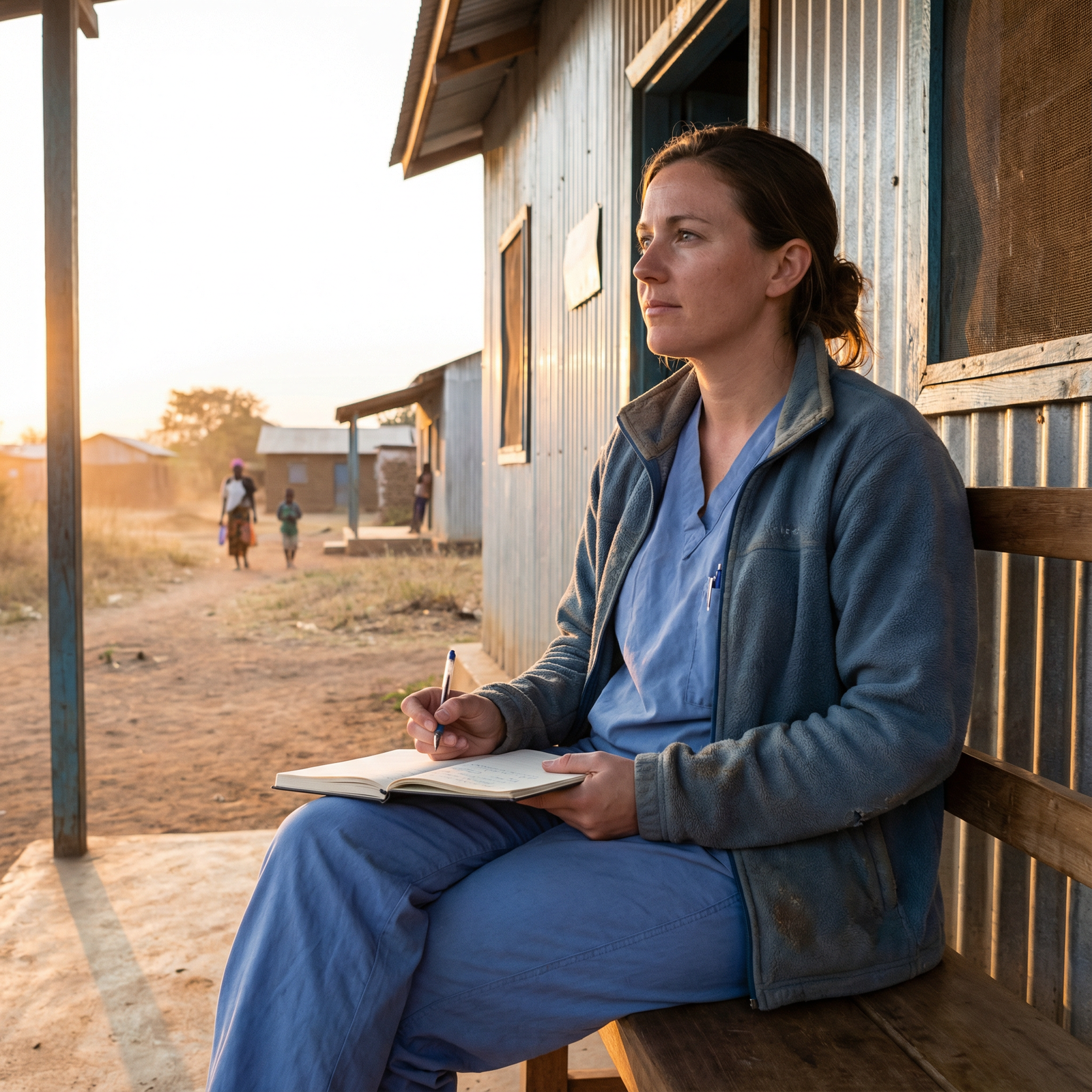
The part you’re terrified of: “Were you actually practicing medicine you weren’t trained for?”
Here’s where interviewers get twitchy:
“I did injections.”
“I helped with tooth extractions.”
“I sutured a wound.”
“I diagnosed malaria.”
If you were a pre‑med or early med student and you say any of that like it’s normal and fine, they will mentally file you under “does not understand scope of practice.”
You need to be absolutely clear on three things:
- What exactly you did.
- Who supervised you (and how closely).
- What ethical concerns you now see in hindsight.
You can be honest without incriminating yourself as long as you show growth.
For example:
“We were encouraged to help in procedures, and in the moment I didn’t fully appreciate how problematic that could be in terms of consent and scope of practice. If I were in that situation now, I’d push back or set firmer boundaries.”
That answer is a lot better than pretending everything was perfect.
If you truly did things that crossed lines, own that you now see the issue:
- “At the time I didn’t fully grasp how my lack of training could impact patient safety.”
- “Looking back, I think the program put students in roles that were too clinical for our level.”
- “That experience actually made me more cautious about any future global health work—I’d want to be in a structure where my scope is clearly defined and appropriate.”
They’re asking: Do you understand now? Will you repeat this pattern as a resident? If you show insight, you’re in much better shape than you think.
The “Voluntourism” Question You’re Dreading
, Sustainability, Cultural sensitivity, Power dynamics, Motivation, Follow-up care](https://cdn.residencyadvisor.com/images/articles_svg/chart-common-interviewer-concerns-about-short-term-medic-7171.svg "Common interviewer concerns about short-term medical missions")
| Category | Value |
|---|---|
| [Scope of practice](https://residencyadvisor.com/resources/medical-missions/i-felt-over-my-head-on-a-mission-will-that-story-hurt-me-in-interviews) | 85 |
| Sustainability | 80 |
| Cultural sensitivity | 70 |
| Power dynamics | 65 |
| Motivation | 60 |
| Follow-up care | 55 |
Here’s the knife‑twist question:
“Some argue that short‑term mission trips primarily serve the volunteers, not the communities. To what extent do you think your experience was more about you than about them?”
Your amygdala: “I’m exposed. They know.”
Don’t do the reflexive “No, no, it was completely for them!” thing. That sounds dishonest. And simplistic.
The more honest (and effective) answer usually sounds like:
“I think both are true. It absolutely benefitted me—I gained perspective, I learned a lot, and it shaped my interests. But I don’t think that automatically makes it wrong. The harder question is whether the way we engaged was actually aligned with the community’s priorities and if we contributed to anything sustainable.
On my trip, I can see how parts of it were very volunteer‑centric: we were there briefly, we didn’t speak the language well, and the program’s marketing definitely focused on ‘life‑changing experiences’ for students. At the same time, the clinic itself was run year‑round by local staff, and our role was mainly logistics and overflow support. I’ve become more critical about these models since then, and if I do global health in the future, I’d want to be involved in longer‑term partnerships rather than stand‑alone trips.”
That shows:
- You can hold nuance.
- You’re willing to critique what you participated in.
- You’re not addicted to painting yourself as the hero.
That’s exactly the kind of ethical maturity they’re screening for.
What If My Program Was Actually… Kind of Bad?
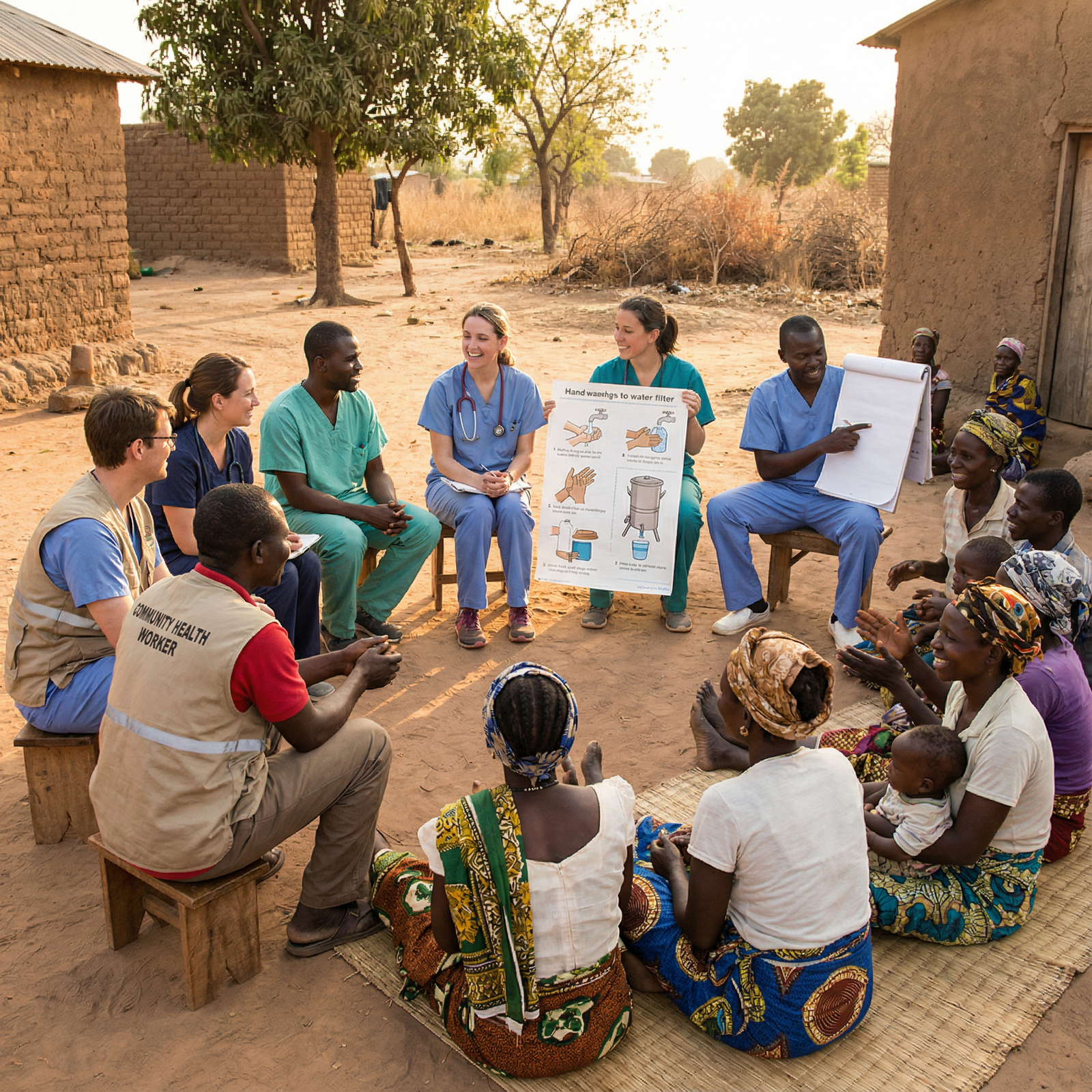
This is the fear under everything: what if, when you strip away all the nice language, your trip really was exploitative, disorganized, or ethically shaky?
Here’s the hard truth: a lot of these programs are. I’ve seen applicants describe situations that made faculty in debriefs visibly uncomfortable.
But you’re not being evaluated on having a morally perfect past. You’re being evaluated on what you do with it now.
If it was bad, say so—carefully and thoughtfully.
“I’ve come to feel uneasy about some aspects of the trip. For example, there was pressure for students to have ‘hands‑on’ experiences that, in retrospect, didn’t match our training level. At the time, I rationalized it because everyone around me was doing it and it felt like the norm. Since then, I’ve learned more about global health ethics and realized that good intentions aren’t enough without appropriate structures and respect for patient autonomy.
It’s actually what pushed me to seek out more longitudinal work in underserved communities here in the US, where I can be supervised in a more appropriate setting and contribute consistently. I still value what I learned, but I see it more clearly now.”
That’s not a confession that tanks you. That’s adult reflection.
You are allowed to have changed your mind. In fact, it’s almost expected.
How To Prepare So You Don’t Freeze In The Room

| Step | Description |
|---|---|
| Step 1 | Review your mission experience honestly |
| Step 2 | Identify ethical gray areas |
| Step 3 | Read on global health ethics |
| Step 4 | Draft 2-3 key reflection points |
| Step 5 | Practice out loud with mock interviewer |
| Step 6 | Refine answers to be concise and honest |
You’re not going to magically improvise your way through this when you’re sleep‑deprived, over‑caffeinated, and staring at a stone‑faced surgeon across the table. You need reps.
Do this now, not the night before:
Start with brutal honesty on paper. Write down what you actually did. No buzzwords. No “served the underserved” fluff. Just: what was my role, hour by hour? What did I touch? Who supervised me? What made me uncomfortable even then?
Circle anything ethically questionable. Scope of practice, consent, photos, language barriers, lack of follow‑up, power imbalances, savior vibes. Don’t sugarcoat.
Read something serious on global health ethics. Not a travel blog. Pieces by Paul Farmer, articles about short‑term medical missions, or position statements from major organizations. You want language and frameworks to name what you saw: sustainability, capacity‑building vs. extraction, patient autonomy, colonialism in global health.
Build 2–3 key reflection points. You don’t need a TED Talk. You need a few clear sentences on:
- What you learned ethically
- How your perspective changed
- How it shapes what you’ll do differently going forward
Practice out loud. With a friend, advisor, or just your phone recording. If you sound rehearsed and robotic, loosen it up. If you sound defensive, insert more “Yeah, that’s a fair concern” type acknowledgements.
You’re aiming for: calm, honest, reflective. Not: tearful confession or PR spin.
A Quick Reality Check
| Approach to Mission Story | Interviewer Risk | Potential Benefit |
|---|---|---|
| Defensive, braggy, naive | High | Very low |
| Vague, evasive, downplays role | Medium | Low |
| Honest, reflective, self-critical | Low | Very high |
| Doesn’t mention trip at all | Very low | None |
You’re catastrophizing this into “If they ask, I’m done.”
You’re not.
If your mission work is on your application, they already know about it. If it was going to be an auto‑reject, it would’ve happened before the interview. The fact that you’re in the chair means they’re at least open to the idea that this could be a strength—or at worst, neutral.
What turns it into a problem is:
- Arrogance (“We went in and fixed their system”)
- Cluelessness (“I never really thought about consent in that context”)
- Performative “helping” language with zero substance
- Dishonesty or obvious spin
What turns it into a plus is:
- Clear understanding of ethical issues
- Admitted discomfort with parts of it
- Evidence of changed behavior or priorities afterward
- Respect for local providers and systems
Your mission trip doesn’t have to be your golden ticket. But it also doesn’t have to be your doom.
FAQ (Exactly 6 Questions)
1. Should I even bring up my medical mission work, or should I avoid it?
If it’s already in your primary, secondaries, or activities, they can see it. Avoiding it completely just looks weird. You don’t have to make it your headline story, but you should be ready to talk about it straightforwardly if they ask. If you feel sick about the ethics and have no reflection beyond “It was amazing,” then yeah, maybe don’t voluntarily center it. But silence rarely helps; thoughtful context usually does.
2. What if they ask, “Would you do that trip again?” and I honestly don’t know?
Say that. Something like: “Parts of it, yes; parts, no. I’d want much clearer supervision and stronger integration with the local health system. If I could do it over, I’d choose a program that emphasizes long‑term partnership and student roles that match training level.” Ambivalence, explained well, is more impressive than fake certainty.
3. I did procedures I shouldn’t have. Do I admit that?
You don’t need to give a graphic play‑by‑play, but you shouldn’t lie. Focus on the ethical insight: “We were encouraged to help in clinical tasks that, in hindsight, were beyond appropriate scope for a pre‑med. At the time I didn’t fully grasp the implications; now I do, and I’d draw a hard line there in the future.” The key is that you recognize the problem now and won’t repeat it.
4. What if my program was actually pretty solid and ethical—will they still grill me?
They might still probe, and that’s not an attack; it’s an opportunity. You can say, “I chose that program specifically because it was partnered with a local hospital, run year‑round, and my role was non‑clinical support. That said, I still think any short‑term foreign work raises questions about sustainability and power dynamics, and I’ve thought a lot about those.” Even “good” programs aren’t ethically simple. Show that you know that.
5. How do I keep from sounding like I’m bragging about ‘saving’ people?
Cut all the savior language. No “we gave them what they didn’t have” or “they were so grateful.” Talk instead about what you learned, how skilled the local staff were, how limited your role was, and how the experience complicated your assumptions. Center their system, not yourself as the hero. If you hear yourself saying “changed their lives,” stop and rephrase.
6. What if I start to cry or get visibly upset when they question my ethics?
You won’t be the first. Or the last. If it happens, breathe, own it briefly, then pivot to substance: “I’m getting emotional because I’ve wrestled with this a lot. I care about doing this kind of work responsibly, and part of that has been confronting where my early experiences were imperfect. What I’ve taken from it is…” Then move into your reflection. Vulnerability is fine. Spiraling and shutting down is what you want to avoid—practice will help.
Key points:
- Interviewers questioning your mission work isn’t a trap; it’s a test of your ethical maturity.
- Honest, reflective, self‑critical answers turn a risky topic into a strength.
- Your past doesn’t need to be perfect—but your willingness to learn from it is non‑negotiable.


