The outfit you wear to residency interviews can quietly sabotage you more than a mediocre Step score.
Programs will forget your exact research project. They will not forget the person in the wrinkled suit, the 4-inch stilettos limping through rounds, or the candidate whose perfume cleared a conference room.
You are applying to join a team that handles very sick people at 3 a.m. They are looking for someone who looks like they can be paged into the ICU without making the nursing staff roll their eyes. Your appearance sends that signal before you say a single word.
Let me walk you through the mistakes residents still talk about years later—and how you avoid becoming the story.
The “Trying Too Hard” Outfit That Backfires
There is a very specific kind of interview outfit that screams: “I dressed for finance, not medicine.”
Residents remember:
- The bright red power suit with shoulder pads that rivaled a 1980s legal drama.
- The shiny, almost reflective tie with a giant designer logo front and center.
- The applicant in a tight bodycon dress and blazer, tugging the hem down every time they sat.
You do not want to be memorable for your outfit. You want to be slightly boring, professionally invisible, and put-together.
Common “Trying Too Hard” Errors
Loud colors
Neon anything. Fire-engine red suit. Royal purple blazer. Can you wear a colored blouse or tie? Yes. But if your outfit is the most colorful thing in a hospital hallway, you overshot.Aggressive patterns
Giant florals, bold plaids, novelty ties, anything that looks like you might go from interview to cocktail bar. Residents remember the “pineapple tie guy” years later. Not for his publications.Overly trendy pieces
Cropped blazers. Extremely tapered ankle pants that ride up when you sit. Deep V blouses. Chunky fashion sneakers “styled” with a suit. Medicine is conservative. If it looks like Instagram fashion content, do not wear it to a residency interview.Clearly expensive flex pieces
Visible designer belt logos, huge brand name handbag, flashy watch that costs more than a PGY-1 salary. Program staff will notice. Some will not like it. You do not need to look rich. You need to look reliable.
Safest lane:
Neutral or muted suit (navy, charcoal, dark gray, black). Simple shirt/blouse. Modest accessories. You should look like you could step onto a conservative hospital floor and blend in.

The Fit Problem: Sloppy, Tight, or Clearly Borrowed
If you force me to pick the single biggest appearance killer, this is it: bad fit.
People obsess over suit color and forget the obvious—does it actually fit your body?
Residents still talk about:
- The applicant whose sleeves swallowed half their hands.
- The person whose pants were so long the hem was chewed to pieces by their own shoes by midday.
- The tight blazer that pulled awkwardly when they shook hands or sat, clearly one size too small.
The Three Main Fit Disasters
- The “borrowed suit” look
You know it when you see it. Jacket hanging like a coat. Pants ballooning at the thighs or puddling at the ankles. Shoulder seams halfway to the biceps. Nobody cares if you bought your suit used or on sale. They care if you look like a kid playing dress-up.
(See also: Red Flags That Quietly Sink Applicants Before the Interview Invite for more details.)
The “I bought this when I was 20” suit
Med school weight changes. Muscle gain, stress gain, or loss—it all shows. That college interview suit might technically button, but if it pulls, gaps, or restricts movement, it is a problem. You will be sitting, standing, walking tours. Residents notice when your outfit looks like it is working harder than you are.The too-tight “tailored” mistake
Tailoring is good. Painted-on pants or a blazer that cannot close comfortably is not. If you cannot sit without adjusting something, it is too tight. Tight clothing also telegraphs poor judgment on a day that is literally about judgment.
Minimum fit standards:
- Shoulder seams sit at the edge of your shoulders
- Sleeves end roughly at the wrist bone, not mid-hand or mid-forearm
- Pants hem hits near the top of your shoes; no puddling, no ankles on full display when standing
- You can raise your arms, sit, and walk without tugging or pulling constantly
Spend $20–50 on basic tailoring if you can. Cheap suit + good tailoring looks far better than expensive suit + bad fit.
Shoes: Silent Dealbreaker
People underestimate shoes until they are halfway through a 6-hour interview day, limping behind a chief resident.
Residents remember:
- The applicant who literally removed their shoes during the lunch Q&A because their heels hurt.
- The guy in athletic sneakers with a full suit—looked like he sprinted in from the gym.
- Open-toed sandals in January in a Northeast program. That one still gets laughs.
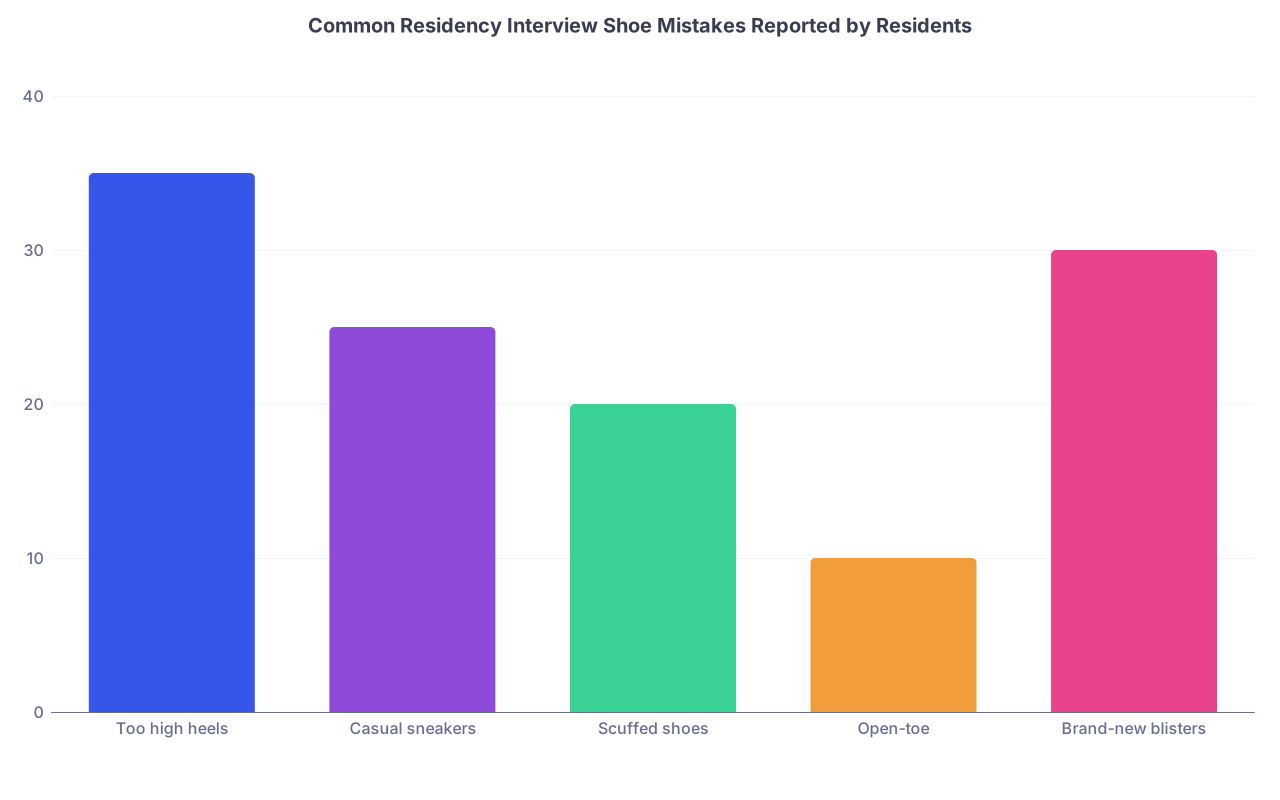
| Category | Value |
|---|---|
| Too high heels | 35 |
| Casual sneakers | 25 |
| Scuffed shoes | 20 |
| Open-toe | 10 |
| Brand-new blisters | 30 |
Shoes That Get You Talked About (For the Wrong Reasons)
- High heels over ~2.5–3 inches. You will walk. A lot. Halls, stairs, sometimes outdoors. If you have not worn them through a full day before, do not test them on interview day.
- Fashion sneakers, athletic shoes, or anything clearly casual. Even “nice white leather sneakers” read as casual in many academic institutions. Some East Coast attendings will comment later.
- Open-toed shoes, sandals, flip-flops. This is not a summer brunch.
- Dirty, scuffed, or falling-apart shoes. The “blown-out heel” story circulates long after match day.
The safe zone:
Low, closed-toe, clean, comfortable shoes you have already broken in. Black or brown leather/pleather. Flats, small block heels, basic oxfords, simple loafers.
Break them in with a few full days of wear before your first interview. You should not be thinking about your feet at all that day.
Hygiene and Grooming: The Quiet Red Flags
Nobody will say this to your face, so I will.
Residency interviews are where hygiene problems kill otherwise strong applications. No program wants to bring in someone the nurses will complain about two weeks into intern year.
Residents still remember:
- The applicant whose cologne hit the room before they did.
- Someone with dandruff all over a black blazer.
- Multiple candidates with visibly dirty nails on handshakes.
- Overwhelming body odor after a walking tour because their outfit fabric trapped sweat.
The Big Grooming Mistakes
Strong scents
Perfume, cologne, essential oils, heavy-scented lotions. Interview rooms are small. People have allergies, asthma, migraines. Overly scented candidates create real physical discomfort. I have heard residents say, “I could not focus on what she was saying because of the perfume.”Use unscented or very lightly scented products. If someone can smell you from more than arm’s length away, it is too much.
Hair distractions
Constantly flipping hair, adjusting buns, or tucking stray strands behind your ear. Hair that falls into your face every time you look down at your notes. Extreme styles that draw more attention than your words.Tie it back, pin it, or style it so you are not touching it all day. Residents absolutely notice when someone fiddles with their hair in every conversation.
Facial hair issues
For people with beards or mustaches: scruffy, uneven, or clearly “I haven’t shaved for a week” does not read as professional. Either commit to a clean, maintained style or shave. Patchy half-grown stubble is a mistake.Hands and nails
This one sounds harsh, but I have seen it change the vibe in an interview room. Dirty nails, chewed skin, broken polish, or extremely long and elaborate acrylics. Remember, they are picturing you gloving up, writing orders, doing procedures. If your nails look like they fight with surgical gloves, residents will talk.Clothes that show sweat badly
Light gray shirts with massive sweat circles by mid-morning. Synthetic fabrics that trap heat. Overly thick layers. You will be nervous. You will sweat.Pick breathable fabrics. Consider an undershirt if you sweat easily. Test your outfit by wearing it in a slightly warm environment for a couple hours and see what happens.
Jewelry, Bags, and Accessories That Distract
You are not expressing your personality with accessories. You are interviewing for a job.
Residents remember:
- The jangling bracelet person, audible every time they moved their hand.
- The enormous statement necklace catching the overhead lights in every conference room.
- The giant backpack bursting with stuff, banging into chairs and people on tours.
- The applicant rolling a carry-on suitcase through the hall all day instead of checking it or leaving it in a safe room.
Accessory Traps
- Noisy jewelry: multiple bangles, charm bracelets, anything that clinks when you move.
- Large, flashy earrings or big hoops that pull focus during conversation.
- Huge statement necklaces, visible brand logos, or layered chains.
- Overstuffed, enormous tote bags that make you look like you are moving in, not visiting.
- Backpacks that make you look like a student shadowing, not a professional candidate.
Simple rule:
You should be able to walk, sit, stand, shake hands, and gesture without your accessories making noise, catching, or needing adjustment.
Carry one medium-sized, neutral bag or briefcase. It should fit:
- A folder or padfolio
- Wallet/keys/phone
- A small snack and water bottle
- Maybe a notebook
If you are traveling, keep luggage separate. Use hotel bag check, car trunk, or the interview day storage area if provided. Rolling a suitcase around the hospital feels amateur.
Cultural and Personal Style: Where People Misjudge the Line
You do not need to erase your identity. But you do need to understand the setting.
Here is where people miscalculate:
- Using the interview as the moment to “make a statement” with clothing.
- Assuming “business casual” in the invite email means what it means in tech or startups. It does not.
- Pushing personal style so far that it becomes the main thing everyone remembers.
| Item | Safe Choice | Risky Choice |
|---|---|---|
| Suit Color | Navy, charcoal, dark gray | Bright red, white, loud patterns |
| Shoes | Low, closed-toe, neutral | High heels, sneakers, open-toe |
| Bag | Medium, simple, neutral | Huge tote, flashy designer, backpack |
| Jewelry | Minimal, non-noisy | Statement pieces, jangling bracelets |
| Scent | None or very light | Strong perfume/cologne |
Religious dress, cultural hairstyles, and modesty standards are not the problem, as long as they are clean, neat, and professional. The problem is using “personal style” as an excuse for sloppy, attention-seeking, or inappropriate choices.
If your outfit makes you think “This really expresses who I am,” that is already a warning sign. The interview is not about your style. It is about your professionalism and fit for the team.
Virtual Interview Appearance Mistakes People Still Laugh About
Virtual interviews did not eliminate appearance issues. They just changed the format.
Residents remember:
- The applicant in a full suit jacket and… clearly gym shorts when they had to stand up to fix a tech issue.
- Terrible backlighting making someone look like a witness in a crime documentary.
- The person in bed with pillows propped up behind them, wearing a blazer over a t-shirt.
- Loud print pajamas visible on the lower half when the camera slipped.

| Step | Description |
|---|---|
| Step 1 | Start |
| Step 2 | Check camera framing |
| Step 3 | Check lighting |
| Step 4 | Check background |
| Step 5 | Check outfit full-length |
| Step 6 | Ready for interview |
| Step 7 | Head & shoulders centered? |
| Step 8 | Face clearly visible? |
| Step 9 | Neutral & uncluttered? |
| Step 10 | Professional head to toe? |
Virtual-Specific Pitfalls
- Dressing only from the waist up. If you have to stand unexpectedly, you are exposed. Dress fully.
- Busy or messy backgrounds. Unmade bed, piles of laundry, posters, shared spaces. It all gets noticed.
- Terrible lighting making it hard to see your face. That matters more than you think; poor lighting feels subconsciously like you are hiding.
- Sitting too close to or far from the camera, or at odd angles. You should be centered, shoulders and head visible, at eye level.
Still wear a suit or equivalent. Still do your hair and grooming fully. Programs remember who treated virtual like a real interview and who treated it like a Zoom class.
Last-Minute Panic Moves That Wreck an Otherwise Good Plan
You can plan the perfect outfit and still ruin it with day-of decisions.
These are the classic last-minute errors:
- Trying a brand-new hairstyle on interview morning “just to see.”
- Wearing a new shirt or shoes for the very first time that day.
- Switching outfits in the hotel because you saw what someone else posted on social media.
- Adding a bold accessory at the last second because you are worried your outfit is “too plain.”
Do not improvise on interview day.
Wear your full outfit, head to toe, at least once before: walk in it, sit in it, ride in a car or public transit in it. See if anything wrinkles badly, rubs, rides up, or exposes more than you intended when you move.

Pack backups: extra pair of socks or stockings, stain remover pen, small sewing kit or safety pins, basic makeup/hair products for quick fixes. Things go wrong. Being prepared for that is part of looking professional.
What Residents Actually Remember About Your Appearance
They do not sit around after interview day saying “Her suit was navy instead of charcoal.” They remember much simpler categories:
- Looked professional vs looked sloppy
- Looked comfortable vs clearly struggling with shoes/clothes
- Looked appropriate vs drew attention away from what they said
Over and over, I hear versions of:
- “She was great, I almost did not notice what she was wearing—just that it looked professional.”
- “I remember her shoes because she could barely walk in them.”
- “He seemed solid, but the strong cologne was brutal in that small room.”
- “They looked like they had never worn a suit before.”
You want to fall into the first group. The “I barely noticed their outfit, but I remember their answers” group.
Three Things To Remember
- You do not get points for creativity with your interview outfit. You get points for disappearing into the general category of “professional, put-together, appropriate.”
- Residents and faculty notice basic fit, hygiene, and comfort more than color or brand. Do not let preventable details—dirty shoes, wrinkled blazer, overpowering perfume—be what they talk about afterward.
- Test everything in advance. Full outfit, full day. If anything rides up, falls down, hurts, jingles, or needs constant fixing, change it before you walk into a hospital with an interview badge around your neck.