Why Emergency Protocols Matter for On-Call Success
The reality of residency is that emergencies rarely announce themselves politely. One moment you’re writing notes; the next, you’re sprinting to a code, being paged about a hypotensive patient, or called to the ED for a crashing trauma. In these high-stakes moments, your ability to recall and apply core emergency protocols—without fumbling through an app or flipping pages—is what keeps care safe and efficient.
This guide walks through the foundational emergency protocols every resident, regardless of specialty, should have essentially memorized for on-call work. It’s not a substitute for formal training like BLS, ACLS, ATLS, or official hospital guidelines. Instead, it’s a structured framework to help you:
- Prioritize patient safety when seconds matter
- Communicate clearly and confidently with your team
- Apply Emergency Medicine–level thinking even from the ward or ICU
- Build durable, “under pressure–ready” clinical skills in crisis management
Use this as a roadmap for what you should know cold, what you should review regularly, and how to keep your emergency knowledge sharp throughout residency.
The Role of Emergency Protocols in Safe, Efficient Patient Care
How Protocols Protect Patients and Residents
Emergency protocols are not just checklists; they are the distilled version of decades of evidence and experience in high-risk situations. When you’re on call at 3 a.m., they serve several critical functions:
- Reduce cognitive load: In a crisis, your working memory is limited. Protocols offload decision-making so you can focus on nuance instead of reinventing the approach.
- Lower error rates: Standardized steps reduce omissions—for example, missing glucose in an altered patient or forgetting to check a rhythm before shocking.
- Create a shared mental model: When everyone knows the same algorithm (e.g., ACLS), your team moves in sync with fewer miscommunications.
- Support legal and professional safety: Following recognized protocols (and documenting that you did) supports you if decisions are later reviewed.
For residents juggling multiple patients and pages, protocols are your default safe path while you gather more data, call for help, or escalate care.
High-Yield Emergencies You’re Most Likely to Face
On any typical call, you may be the first physician to respond to:
Cardiac Arrest and Periarrest States
- Pulseless VT/VF, PEA, asystole
- Symptomatic bradycardia, unstable tachyarrhythmias
Airway and Breathing Emergencies
- Acute respiratory distress, hypoxia, airway obstruction, status asthmaticus
Neurologic Emergencies
- Ischemic stroke, intracranial hemorrhage, status epilepticus, acute delirium
Shock and Sepsis
- Hypovolemic, septic, cardiogenic, and obstructive shock
Allergic and Anaphylactic Reactions
- From mild urticaria to full anaphylaxis with hypotension and airway compromise
Trauma and Bleeding
- Blunt and penetrating trauma, GI bleeds, postoperative hemorrhage, falls
You won’t manage all of these alone—but you will often be the first MD at the bedside. Knowing initial protocols cold allows you to stabilize rapidly, then hand off smoothly to Emergency Medicine, ICU, Surgery, or your attending.
Your Responsibility as a Resident on Call
No one expects you to know everything, but they do expect you to:
- Recognize “sick vs not sick” in seconds
- Start evidence-based initial management without delay
- Call for backup early and clearly
- Use protocols and hospital policies/procedures as your backbone
Memorizing key emergency protocols isn’t about being heroic; it’s about being safe, reliable, and consistent in your Patient Care under pressure.
Core Emergency Protocols Every Resident Should Know Cold
1. Basic Life Support (BLS): The Non-Negotiable Foundation
BLS is the single protocol you will use most often across all settings. Every resident in any Medical Residency should be able to move into BLS mode almost reflexively.
Key Elements of High-Quality BLS
Scene and patient safety: Quickly ensure no immediate danger (e.g., electrical hazard).
Check responsiveness and breathing:
- Tap and shout: “Sir, can you hear me?”
- Look for normal breathing; gasping is not normal.
Activate emergency response:
- Call a code or rapid response per hospital protocol.
- Ask specifically: “You—call the code and bring the crash cart.”
Start chest compressions immediately if no pulse is felt within 10 seconds:
- Rate: 100–120/min
- Depth: at least 2 inches (5 cm) in adults
- Full chest recoil between compressions
- Minimize interruptions—no more than 10 seconds for checks
Compression-to-ventilation ratio:
- Single rescuer without advanced airway: 30:2
- Once advanced airway in place: continuous compressions with 1 breath every 6 seconds
Early defibrillation with AED or defibrillator:
- Turn it on, follow prompts
- Clear before delivering shock
Practical Resident Tips
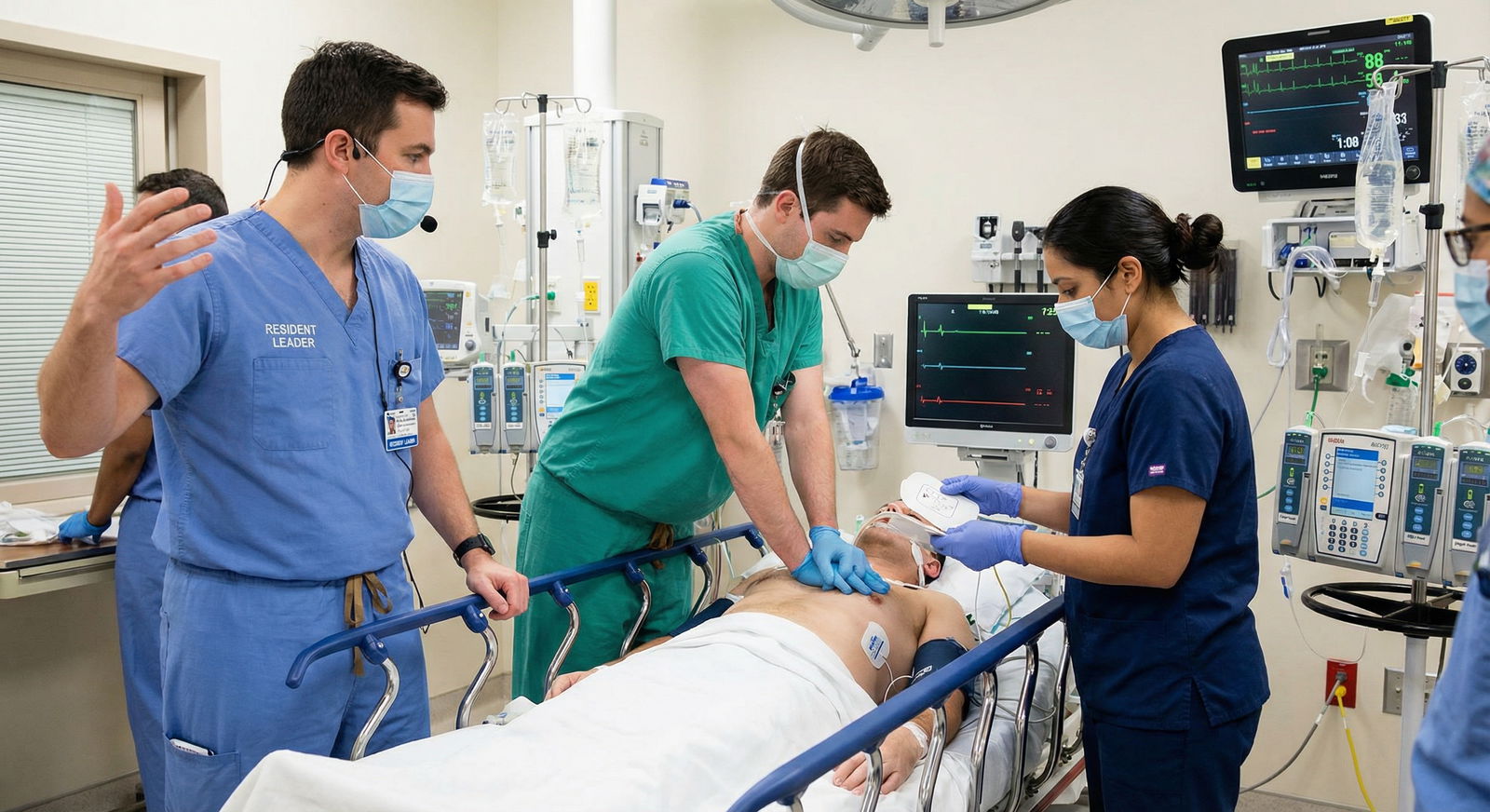
- Insist on hard, fast, and deep compressions; switch compressors every 2 minutes.
- If you’re the only doctor at the beginning, focus on BLS and leadership; delegate tasks (monitor, medications, documentation).
- Leading a code is easier once BLS is automatic—you can then manage rhythm interpretation and advanced measures.
2. Advanced Cardiovascular Life Support (ACLS): From BLS to Leadership
ACLS builds on BLS by adding rhythm-based algorithms, medications, and systematic post-resuscitation care. Even if you’re not in Emergency Medicine or Critical Care, you will encounter situations where ACLS-level thinking is necessary.
Core ACLS Rhythms and Algorithms
Know the basic branches and what to do first:
Shockable Rhythms: Pulseless VT/VF
- Immediate defibrillation (e.g., 200 J biphasic, follow local settings)
- Resume CPR immediately after shock
- Epinephrine 1 mg IV every 3–5 minutes
- Consider amiodarone (e.g., 300 mg IV bolus, then 150 mg) for refractory VT/VF
Non-Shockable Rhythms: PEA/Asystole
- CPR first, no shock for asystole or PEA
- Epinephrine 1 mg IV every 3–5 minutes
- Aggressively search for reversible causes: the H’s and T’s
- Hypovolemia, hypoxia, hydrogen ion (acidosis), hypo-/hyperkalemia, hypothermia
- Tension pneumothorax, tamponade, toxins, thrombosis (pulmonary/coronary)
Bradycardia with a Pulse (Symptomatic)
- Atropine 1 mg IV, repeat q3–5 min up to 3 mg
- If ineffective: transcutaneous pacing, dopamine or epinephrine infusion
- Address underlying cause (e.g., ischemia, meds, electrolyte abnormalities)
Tachycardia with a Pulse
- Assess stable vs unstable: hypotension, chest pain, altered mental status, signs of shock
- Unstable: synchronized cardioversion
- Stable, narrow complex SVT: vagal maneuvers, then adenosine if appropriate
- Stable, wide complex: consider antiarrhythmics (e.g., amiodarone) and expert consultation
Post–Cardiac Arrest Care
If ROSC (return of spontaneous circulation) is achieved:
- Stabilize airway, breathing, and circulation
- Target oxygen saturation usually 94–98% (avoid both hypoxia and hyperoxia)
- Maintain systolic BP > 90 mmHg / MAP ≥ 65 mmHg with fluids and vasopressors
- Consider targeted temperature management per institutional protocol
- Get emergent cardiology and ICU input
Resident Pearls
- Before shocking, verbally and clearly say: “Everyone clear? I’m clear, you’re clear, we’re all clear. Shocking now.”
- In codes, keep speaking out loud: announce rhythm, time of medications, pulse checks. Clear verbalization sharpens team performance and documentation.
3. Stroke Recognition and Early Management: Time Is Brain
Rapid stroke recognition and immediate activation of protocols are among the most impactful actions you’ll take as a resident.
FAST and Beyond: Recognizing Acute Stroke
The FAST mnemonic remains core:
- Face: Ask patient to smile—look for unilateral droop
- Arms: Ask them to raise both arms—one drifts down or cannot rise
- Speech: Slurred, inappropriate, or aphasic speech
- Time: Note last known well (critical for thrombolysis decisions)
Consider adding BE-FAST (including Balance and Eyes) to catch posterior strokes.
Other red flags:
- Sudden severe headache (“worst of life”)
- Sudden visual changes, diplopia
- Sudden loss of coordination or gait instability
- Sudden confusion, decreased level of consciousness
Initial Stroke Protocol Steps
- Activate stroke alert per hospital protocol as soon as you suspect stroke.
- Rapid vitals, fingerstick glucose (rule out hypoglycemia).
- Establish IV access, draw labs as per “stroke panel.”
- Obtain immediate non-contrast CT head to rule out hemorrhage.
- Document:
- Exact time the patient was last known normal
- Onset mode (sudden vs gradual)
- Associated symptoms (seizure, trauma, anticoagulants)
You are not responsible for making the final tPA/thrombectomy decision—but you are responsible for not delaying that decision.
Resident Pearls
- Don’t be reassured by “they’re improving”—treat as stroke until proven otherwise.
- Learn your institution’s stroke order set and use it; this decreases missed steps and speeds imaging and treatment.
4. Anaphylaxis: Think Epinephrine First, Not Last
Anaphylaxis is one of the most time-sensitive emergencies and one where hesitation can kill. Memorize this sequence.
Recognizing Anaphylaxis
Suspect anaphylaxis when there is:
- Acute onset (minutes to hours) of:
- Skin or mucosal involvement (urticaria, flushing, angioedema)
plus respiratory compromise (dyspnea, wheeze, stridor) or hypotension
- Skin or mucosal involvement (urticaria, flushing, angioedema)
Or:
- Known exposure to allergen with:
- Hypotension
- Respiratory compromise
- Persistent GI symptoms (vomiting, cramping, diarrhea)
Management Protocol
Immediate Epinephrine – Do Not Delay
- Dose: 0.3–0.5 mg IM (1:1000 concentration), usually in the mid-outer thigh
- Repeat every 5–15 minutes as needed for persistent symptoms
Airway and Breathing
- High-flow oxygen; monitor for stridor, hoarseness, and swelling
- Be ready to call Anesthesia/Emergency Medicine early if airway is at risk
Circulation
- Place patient supine with legs elevated (if tolerated)
- IV access and rapid isotonic fluid bolus (e.g., 1–2 L normal saline) for hypotension
Adjunct Medications (After Epinephrine)
- H1 antihistamine (e.g., diphenhydramine IV)
- H2 blocker (e.g., famotidine IV) per local protocol
- Corticosteroids (e.g., methylprednisolone) to reduce risk of biphasic reaction
Monitoring and Disposition
- Continuous monitoring of vitals and respiratory status
- Observe for several hours due to risk of recurrence
- Admit high-risk patients (severe reaction, airway compromise, comorbidities)
Resident Pearls
- Don’t “wait and see” with just antihistamines for a systemic reaction. If you’re debating epinephrine, you probably should give it.
- Document suspected trigger, timing of symptom onset, all interventions, and clearly prescribe/arrange an epinephrine auto-injector at discharge with allergy referral.
5. Sepsis and Shock: Recognize Early, Treat Aggressively
Sepsis is common on call and can deteriorate quickly. Early recognition and adherence to a sepsis protocol are among the highest-yield Patient Care actions you can take.
Recognizing Sepsis
Sepsis is life-threatening organ dysfunction caused by a dysregulated response to infection. Clues:
- Suspected or confirmed infection plus:
- Hypotension or tachycardia
- Tachypnea or hypoxia
- Altered mental status
- Oliguria
- Lactate elevation
- Abnormal WBC
Think of sepsis when:
- The nurse says, “This patient just doesn’t look right.”
- Vitals are trending worse over hours.
- There is a new change in mentation in an elderly or ICU patient.
Initial Sepsis Bundle (First Hour Priorities)
Recognize and Activate
- Use your hospital’s sepsis alert/rapid response system if available.
Obtain Labs and Cultures
- Basic labs: CBC, CMP, lactate
- Blood cultures (ideally before antibiotics if no major delay)
- Urinalysis, other cultures as indicated by suspected source
Start Broad-Spectrum Antibiotics Early
- Ideally within 1 hour of recognizing sepsis
- Follow local antibiogram and institutional guidelines
- De-escalate later once cultures and sensitivities return
Fluid Resuscitation
- Initial bolus typically ~30 mL/kg of isotonic crystalloids in shock (adapt per comorbidities and institutional guidelines)
- Reassess response with vitals, urine output, mental status
Vasopressors for Persistent Hypotension
- If MAP < 65 mmHg after adequate fluids, start vasopressors (e.g., norepinephrine)
- Typically initiated in ICU/ED, but you may be the one to recognize the need and call for transfer
Resident Pearls
- Treat sepsis like trauma—it’s a true emergency requiring rapid, protocolized care.
- Use order sets; they ensure timely labs, antibiotics, and fluids.
- Document your thought process: suspected source, initial lactate, volume of fluids given, and specialist consults.
6. Trauma and ATLS: The Primary Survey Mindset
You may not be in the trauma bay every day, but ATLS principles apply to many emergencies—even falls on the ward or postoperative bleeds.
Primary Survey (A-B-C-D-E)
A – Airway with Cervical Spine Protection
- Is the patient speaking? If not, assess patency.
- Consider c-spine immobilization with trauma mechanism.
- Call Anesthesia or ED early for difficult airways.
B – Breathing
- Inspect (chest rise, symmetry), auscultate (breath sounds), palpate
- Look for signs of tension pneumothorax, flail chest, severe asthma
C – Circulation with Hemorrhage Control
- Check pulses, skin color, capillary refill
- Look for external bleeding; apply direct pressure or tourniquets as needed
- Initiate IV access and fluid resuscitation; consider massive transfusion protocol when indicated
D – Disability (Neurologic Status)
- Assess GCS, pupils, limb movement
- Check for lateralizing signs, seizure activity
E – Exposure and Environmental Control
- Fully expose the patient to inspect for injuries
- Prevent hypothermia with warm blankets and fluids
Secondary Survey
Once life threats are addressed:
- Detailed head-to-toe exam
- Focused imaging (CT head, C-spine, chest/abdomen/pelvis depending on mechanism)
- Review history (AMPLE: Allergies, Medications, Past medical history, Last meal, Events)
Resident Pearls
- The ATLS primary survey applies outside of classic trauma: use it for any crashing patient—start at airway and work down.
- If you suspect a major bleed (GI, post-op, trauma), call for help early (Surgery, GI, ICU) while you simultaneously stabilize per protocol.
How to Memorize and Maintain Emergency Protocols Under Pressure
Knowing protocols intellectually is very different from using them fluently at 3 a.m. The goal is automaticity—you shouldn’t need to think, “What comes next?” in the middle of a crisis.
High-Yield Techniques for Memorization
Chunking and Algorithms
- Break protocols into structured chunks: e.g., in sepsis: “Recognize–Labs–Antibiotics–Fluids–Pressors.”
- Draw the flowcharts by hand until you don’t need to look at them.
Mnemonics and Acronyms
- Use classic ones: FAST for stroke, H’s and T’s for PEA, AMPLE in trauma.
- Create personal mnemonics for medication doses or steps that you tend to forget.
Flashcards and Spaced Repetition
- Use digital tools (e.g., Anki) for ACLS drugs, shock criteria, stroke eligibility timelines.
- Schedule brief daily or weekly reviews rather than cramming before recertification.
Case-Based Learning
- Turn every real emergency into a learning case: Afterward, reconstruct the scenario:
- What went well?
- Which protocol steps did you miss or hesitate on?
- How will you approach it next time?
- Turn every real emergency into a learning case: Afterward, reconstruct the scenario:
Simulation and Team Practice
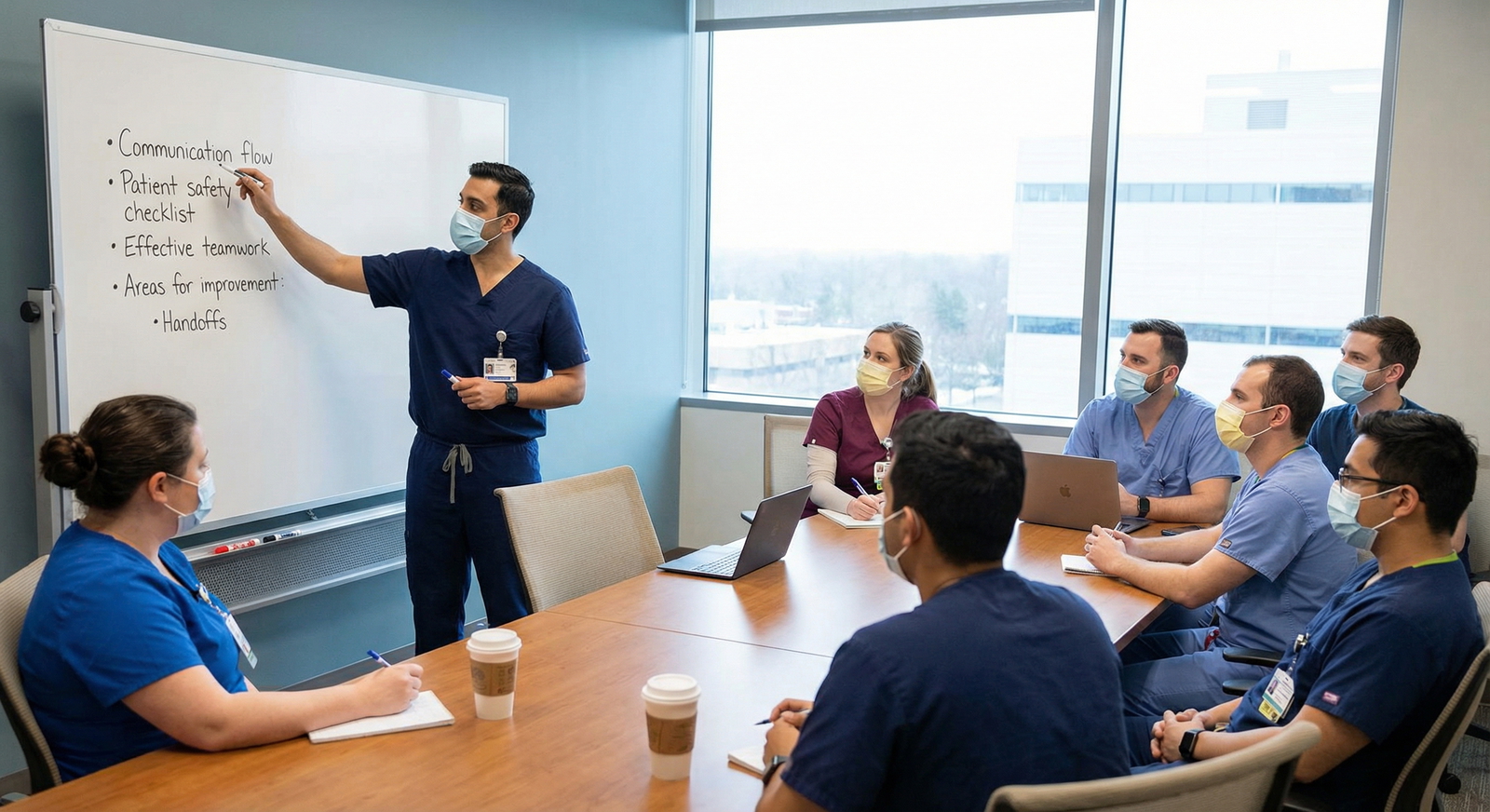
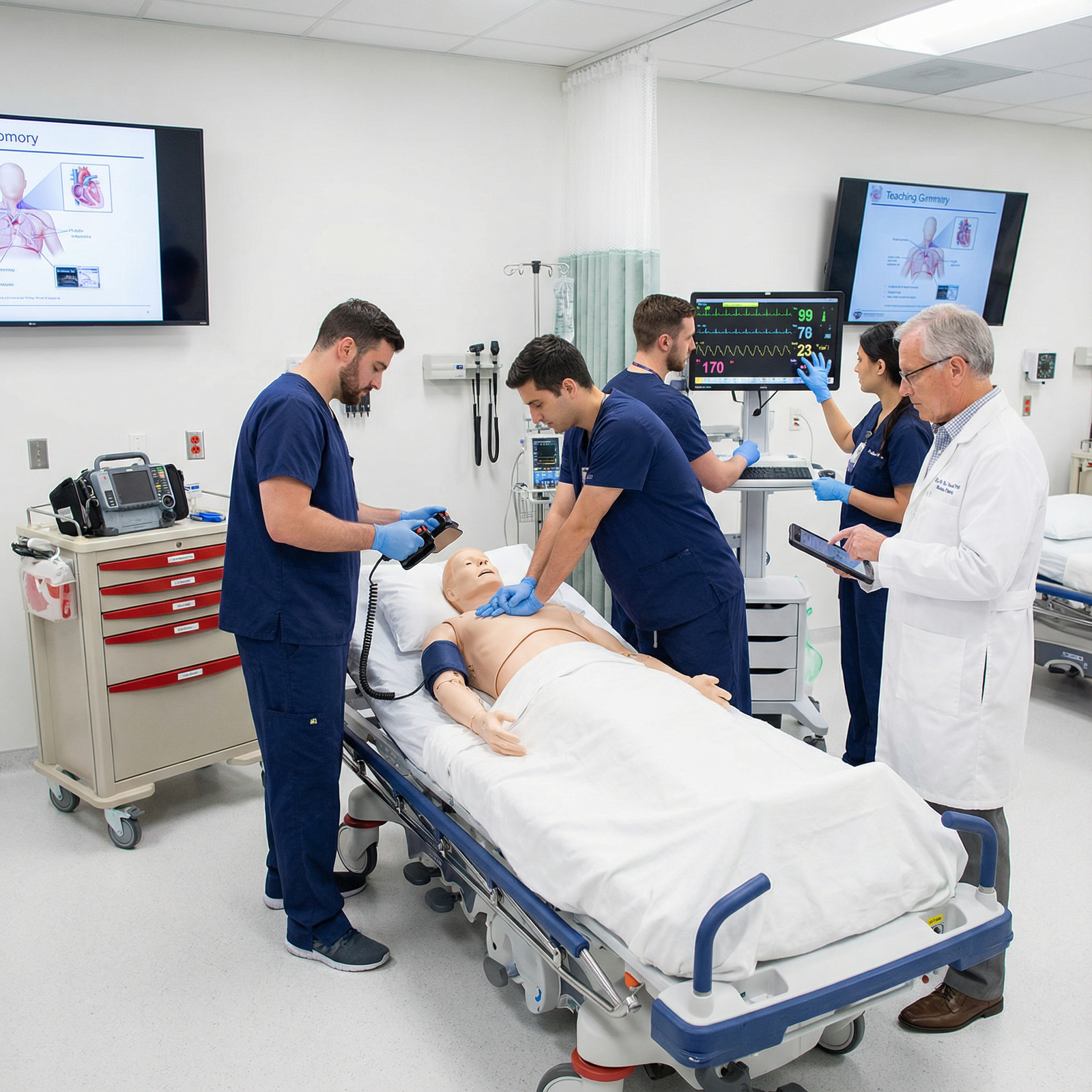
- Participate actively in code simulations, mock strokes, sepsis drills, airway workshops.
- Volunteer to be team leader occasionally—leadership practice accelerates your mastery of protocols and communication.
- Debrief honestly with nursing staff and colleagues—they often see where processes can improve.
Learning with Your Colleagues
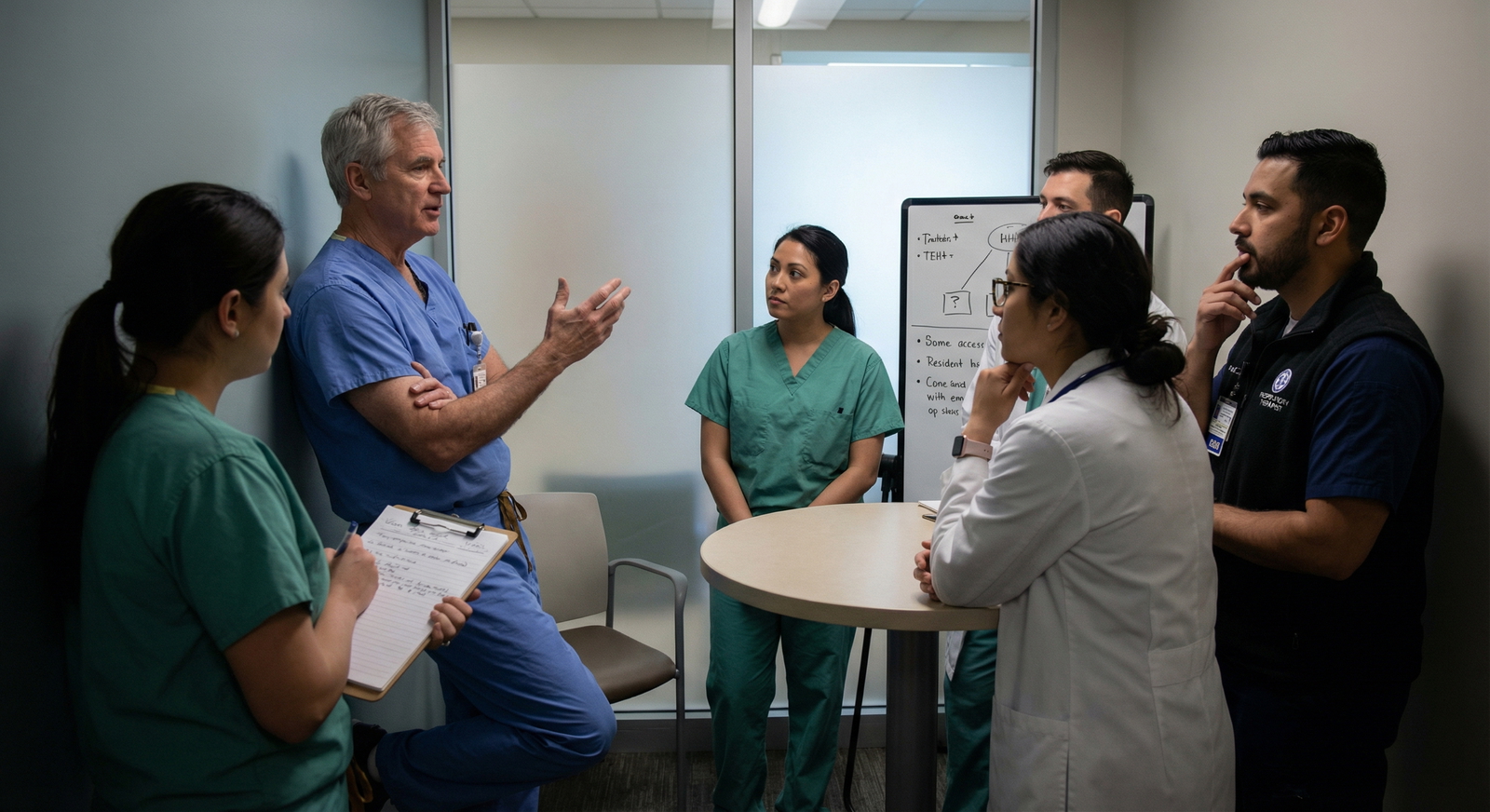
- Run short, focused “on-call huddles” at the start of shift:
- 5–10 minutes on one protocol (e.g., “today we review symptomatic bradycardia”).
- Do “hallway quizzes” with peers:
- “You walk in, patient is hypotensive and febrile—what’s your first three steps?”
Continuous Updating and Specialty-Specific Nuances
Guidelines and Protocols evolve:
- Keep your BLS, ACLS, ATLS, PALS certifications current.
- Review major guideline updates (AHA, Surviving Sepsis, stroke societies).
- Understand how your own specialty modifies protocols:
- OB/Gyn: management of eclampsia, postpartum hemorrhage
- Pediatrics: age-specific doses and vital signs
- Psychiatry: medical clearance and management of agitation/delirium
FAQs: Emergency Protocols and On-Call Survival for Residents
1. What should I do if I blank on a protocol during a real emergency?
- Stabilize first: Fall back on ABCs—airway, breathing, circulation. That alone often buys time.
- Say it out loud: “I’m focusing on ABCs while we get help.” This reassures the team and clarifies priorities.
- Use your resources:
- Ask for help from a more senior resident, nurse, or respiratory therapist.
- Use your hospital’s code/emergency order sets—they’re protocols embedded in the EMR.
- Afterward, debrief and review that protocol the same day if possible; the emotional charge dramatically improves retention.
2. How can I efficiently study emergency protocols during residency?
- Integrate review into your routine clinical work: look up the protocol after every emergency you encounter.
- Use short daily habits: 5–10 minutes of flashcards or algorithm review is more sustainable than long, infrequent sessions.
- Join or start a resident-led emergency medicine review group where you rotate topics like ACLS rhythms, sepsis, and stroke.
3. How does teamwork influence outcomes in emergency situations?
- Good teamwork:
- Speeds up interventions (e.g., defibrillation, antibiotics, imaging).
- Reduces duplicated efforts and missed steps.
- Lowers cognitive burden on the team leader.
- As a resident, you can:
- Assign clear roles: compressor, airway, meds, recorder.
- Communicate in closed-loop fashion: “Jane, give 1 mg epinephrine IV now.” “Epinephrine 1 mg IV given.”
- Invite input: “Anything else we’re missing?” Nurses and RTs often catch important details.
4. Beyond memorizing protocols, how else can I prepare for on-call duties?
- Learn your hospital’s layout and logistics: where the crash carts, code buttons, and key units (ICU, CT suite, ED) are located.
- Know your escalation chain: which attending to call when, how to reach them quickly, and what information they expect.
- Create a personal on-call checklist: batteries charged, key phone numbers written down, frequently used drug doses noted.
- Take care of yourself: hydrate, eat when you can, and take brief mental resets where possible—fatigue greatly impairs protocol recall.
5. Are these protocols different in Emergency Medicine versus the wards?
The core principles (ACLS, sepsis bundles, stroke algorithms, ATLS) are the same across settings, but:
- In Emergency Medicine, teams and resources are usually centralized and optimized for rapid response.
- On the wards or ICU, you may need to:
- Recognize deterioration earlier (before full arrest).
- Activate rapid response teams.
- Initiate aspects of protocols (fluids, oxygen, initial meds) while arranging urgent transfer.
Regardless of specialty or location, your responsibility is to recognize emergencies early, start standard-of-care interventions, and mobilize the right teams quickly.
Memorizing and internalizing emergency protocols is one of the most powerful ways to make your on-call shifts safer—for your patients, your colleagues, and yourself. With deliberate practice, repetition, and teamwork, these algorithms become part of your clinical reflexes, allowing you to deliver calm, decisive, and effective care in the most chaotic moments of residency.