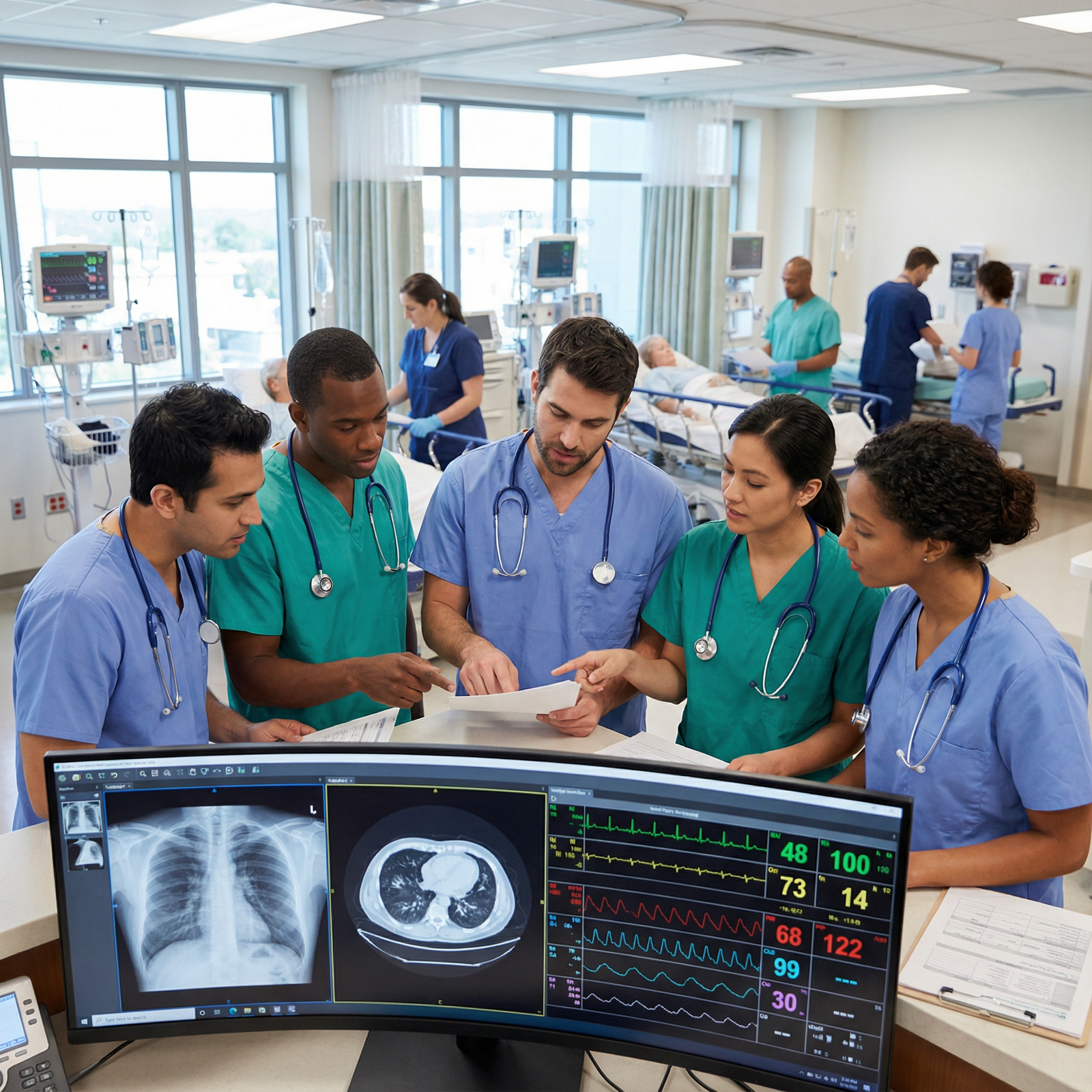
Preparing for the Unexpected: Essential Tools for Residents on the Frontlines
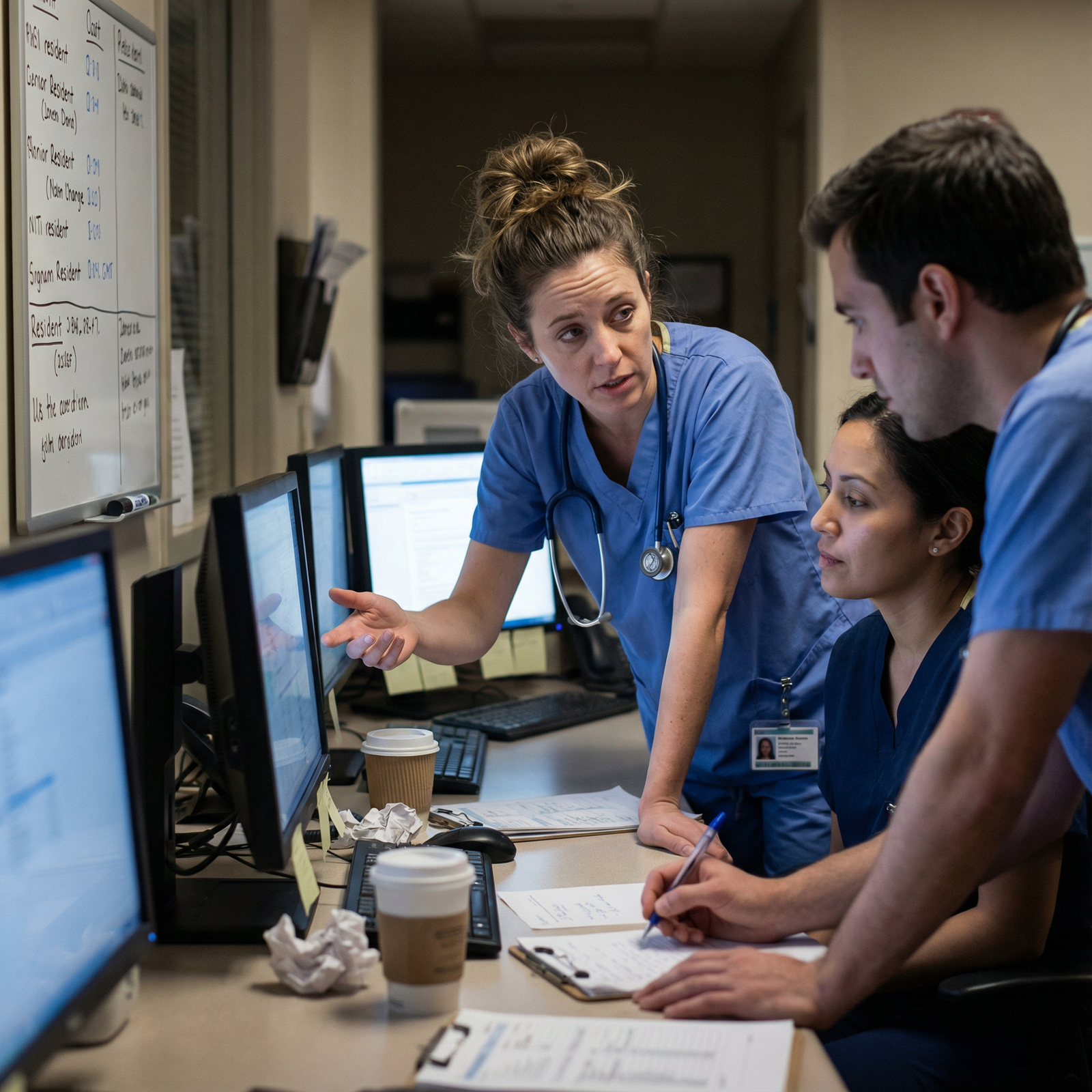
Residency places you at the intersection of high expectations, limited time, and unpredictable clinical demands. Whether you’re in Emergency Medicine, internal medicine wards, ICU, surgical rotations, or continuity clinic, you are often the first responder when something suddenly deteriorates.
Being “ready for anything” isn’t just about medical knowledge—it’s about systems, tools, habits, and mindset that allow you to perform reliably under pressure while protecting yourself from burnout.
This enhanced guide dives deeper into practical tools and strategies resident physicians can deploy to navigate the unexpected: from digital and clinical tools to mental frameworks, burnout prevention, and real-world examples you’ll recognize from call nights and busy shifts.
Understanding the Reality of Residency on the Frontlines
Before building your toolkit, it’s important to name the pressures you’re operating under. This isn’t just about stress—it’s about designing systems that work in this reality.
The High-Stakes, High-Variability Environment
Residency is defined by constant variability:
Time-sensitive decisions
- A rapid response called overhead.
- A patient in septic shock whose blood pressure is crashing.
- A trauma activation rolling into the Emergency Department.
In each case, you have minutes—or seconds—to act.
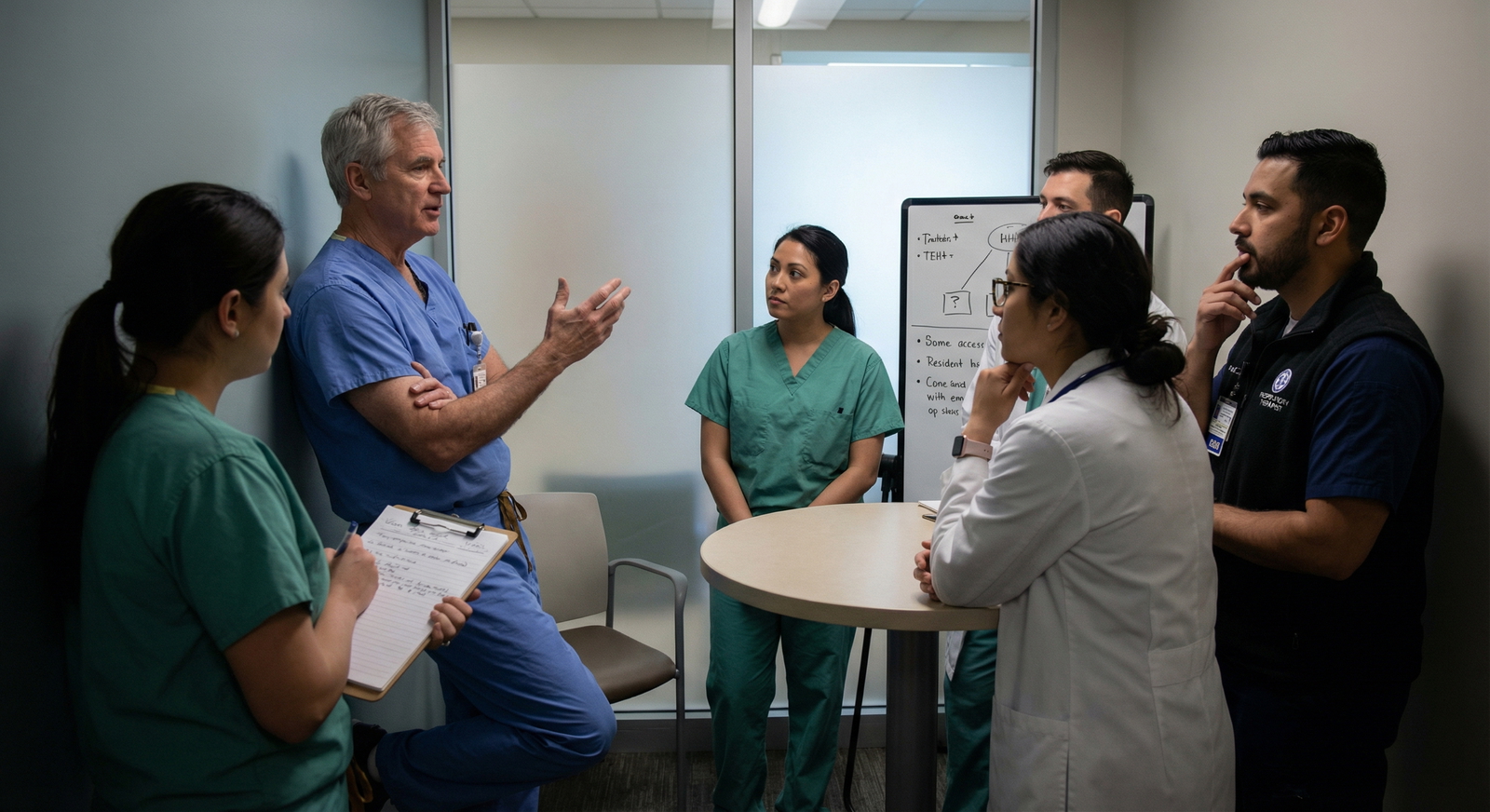
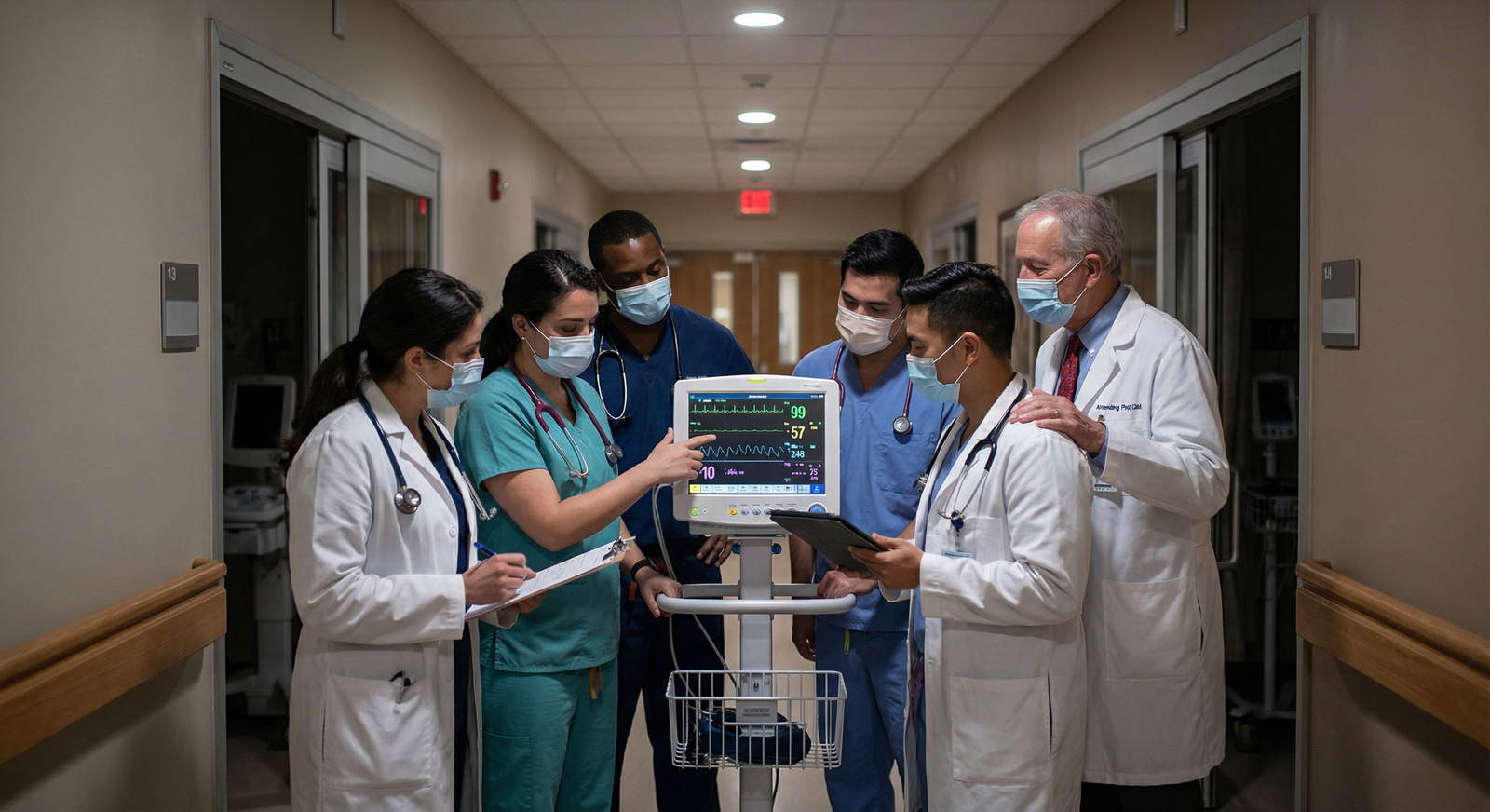
Interdisciplinary coordination
You might be:- Calling pharmacy about STAT antibiotics
- Coordinating with respiratory therapy for BiPAP
- Handing off a critical patient to the ICU team
This requires clear, efficient communication across disciplines, often in noisy, chaotic settings.
Cognitive overload and task switching
You’re signing out, admitting new patients, answering pages, updating families, and placing orders—all while trying not to miss subtle clinical changes.Emotional intensity
- Breaking bad news
- Losing a patient unexpectedly
- Managing distressed or angry families
Over time, these experiences can accumulate and contribute to compassion fatigue and burnout if not recognized and managed.
Core Skill Set for Surviving and Thriving
To function in such an environment, resident physicians need more than just medical knowledge.
1. Clinical Knowledge and Pattern Recognition
You need:
- A strong foundation in pathophysiology and guidelines
- The ability to recognize “sick vs. not sick” quickly
- Familiarity with common emergencies: sepsis, STEMI, anaphylaxis, stroke, status epilepticus, trauma, acute abdomen, and postpartum hemorrhage
This doesn’t mean knowing every detail instantly; it means knowing how to identify red flags and where to find reliable information fast.
2. Critical Thinking Under Pressure
Strong critical thinking in residency includes:
- Rapid assessment and prioritization (“What will kill this patient first?”)
- Hypothesis-driven decision-making: building and narrowing a differential
- Comfort with uncertainty and incomplete data
- Knowing when to escalate care and when to call for help
3. Adaptability and Flexibility
Your plans will constantly be disrupted:
- The patient you thought would be a simple discharge suddenly decompensates
- A code is called during your pre-rounding
- A staffing shortage shifts your responsibilities mid-shift
Adaptable residents:
- Reprioritize in real time
- Maintain composure amid changing plans
- Use checklists and tools that help them reset quickly
Essential Tools for Resident Physicians Facing the Unexpected
Your “toolkit” as a resident spans beyond a stethoscope. It includes digital tools, organizational systems, clinical resources, and strategies for emotional resilience and burnout prevention.
1. Communication Tools for Safer, Faster Care
Communication is often the deciding factor between chaos and controlled response during emergencies.
Digital Apps and Platforms
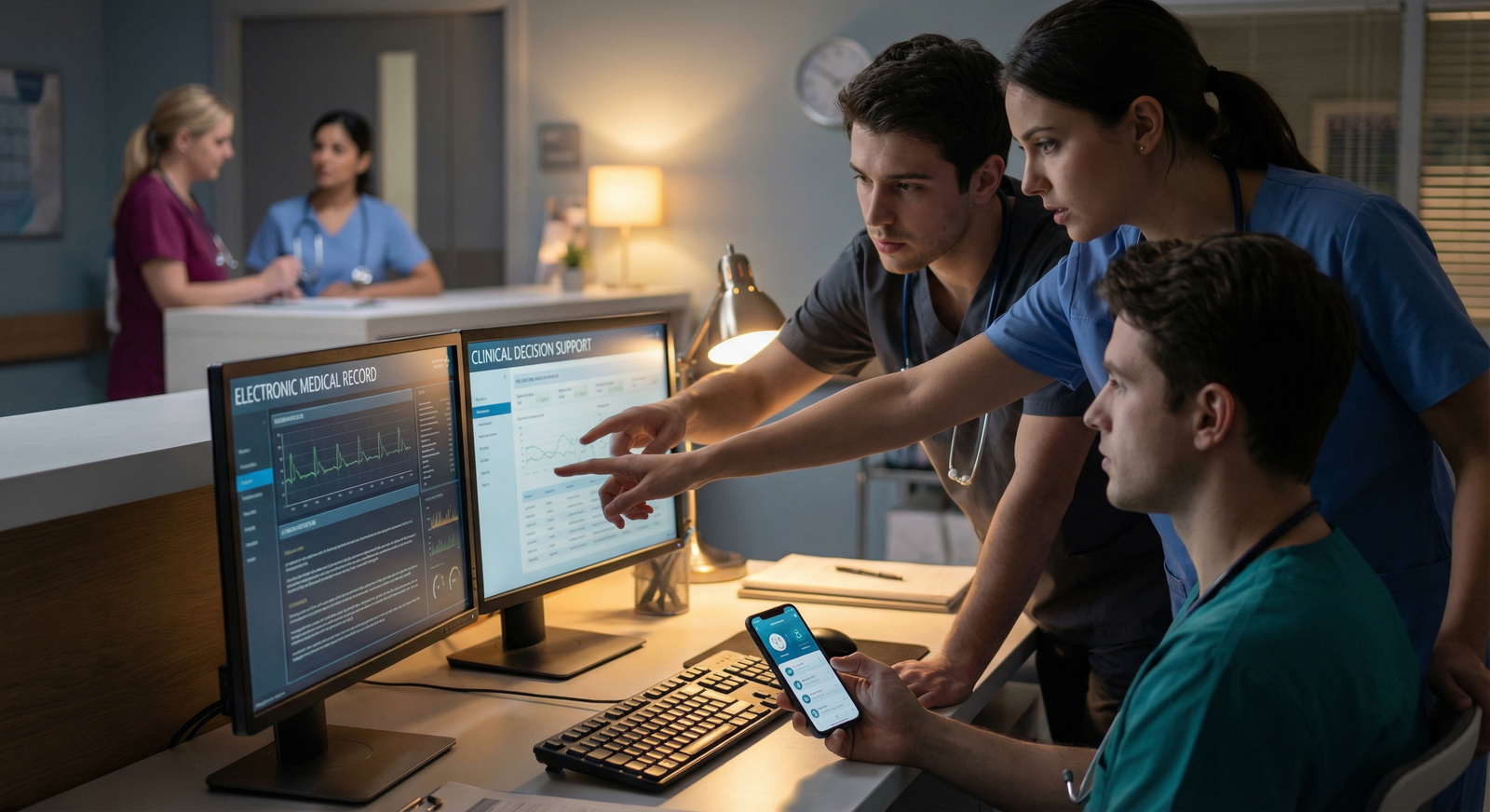
Clinical decision support
These tools help you verify dosages, check guidelines, and confirm management plans in real time:- UpToDate, DynaMed, or ClinicalKey
- MDCalc for risk scores (e.g., Wells, CHA₂DS₂-VASc, HEART, PERC)
- Antibiotic or formulary apps based on your institution or local ID service
Secure messaging and paging platforms
- Hospital-approved secure messaging apps (e.g., TigerConnect, Halo, Voalte, Epic secure chat)
- Use group chats wisely (e.g., rapid contact with pharmacy, RT, ICU team)
Telemedicine / virtual consults
- Zoom, Teams, or integrated EHR video tools can enable real-time curbside discussions with subspecialists, especially in smaller or rural hospitals.
- In Emergency Medicine rotations, remote stroke neurologist consults are now common—and often time-saving.
High-Yield Communication Frameworks
Beyond the technology, you also need structure:
SBAR (Situation, Background, Assessment, Recommendation) for pages and handoffs:
- Situation: “I’m calling about Mr. X in room 321 with new hypotension.”
- Background: “Admitted today with pneumonia, now on day 2 of antibiotics.”
- Assessment: “BP 80/50, tachycardic, febrile, urine output low.”
- Recommendation: “I think he’s septic. I recommend fluid bolus, broadening antibiotics, and possible transfer to higher level of care. Can you evaluate at bedside?”
Closed-loop communication in emergencies:
- Assign tasks by name: “Alex, please start chest compressions.”
- Confirm receipt: “Yes, starting compressions now.”
Clear structure reduces errors when the unexpected hits.
2. Organizational Aids to Keep Chaos Manageable
Organization is not a luxury in residency—it’s a survival skill that directly affects patient safety, clinical skills development, and burnout prevention.
Digital Planning and Task Management
Task boards and trackers
- Trello, Notion, Asana (if allowed and compliant with your institution’s privacy rules—never add protected health information).
- Use these for:
- Long-term projects (QI projects, research, presentations)
- Fellowship/job applications
- Exam study plans
Note-taking systems for clinical learning
- OneNote, Notion, Evernote, or a simple Google Doc
- Keep:
- “Cases I never want to forget”
- One-liner pearls (e.g., “In DKA, always check for precipitating cause; infection and nonadherence are most common.”)
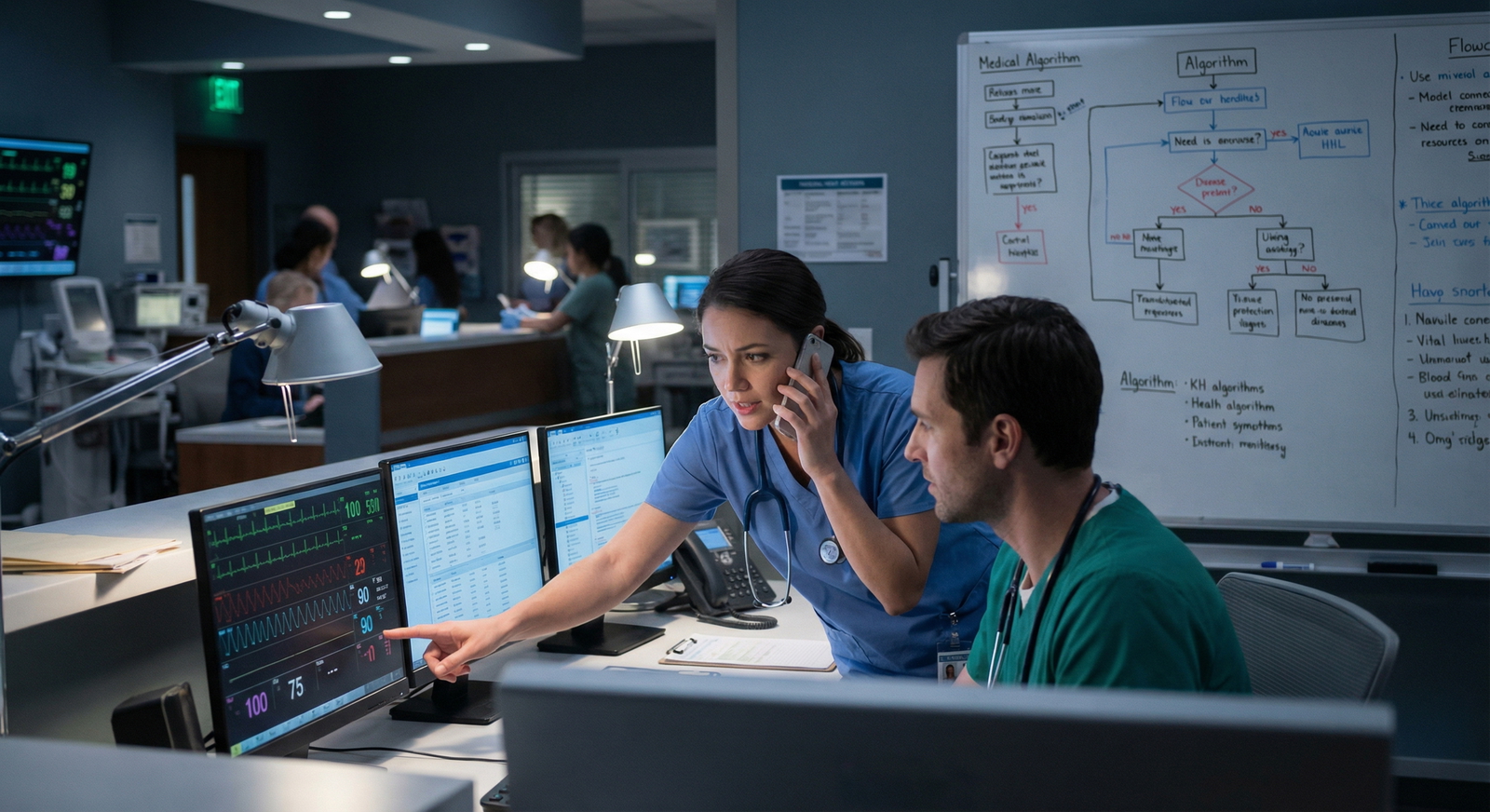
- Algorithms you frequently reference (e.g., asthma exacerbation step-up approach)
You’ll revisit these notes for boards, interviews, and when supervising junior learners.
Checklists and Cognitive Aids
Checklists dramatically reduce errors under stress and are common in high-reliability fields like aviation—and increasingly in medicine.
Common checklist examples:
- Admission checklist (labs, imaging, cultures, DVT prophylaxis, med reconciliation)
- Pre-op assessment checklist
- ICU rounding checklist (vent settings, sedation, nutrition, lines, code status)
- Handoff checklist (active issues, overnight “if/then” plans, pending results)
Emergency algorithms:
- Printed or badge-card ACLS/PALS algorithms
- Pocket cards for sepsis bundle, stroke workup, chest pain protocols, trauma primary survey
These frees up cognitive bandwidth so you can focus on nuanced clinical decisions.
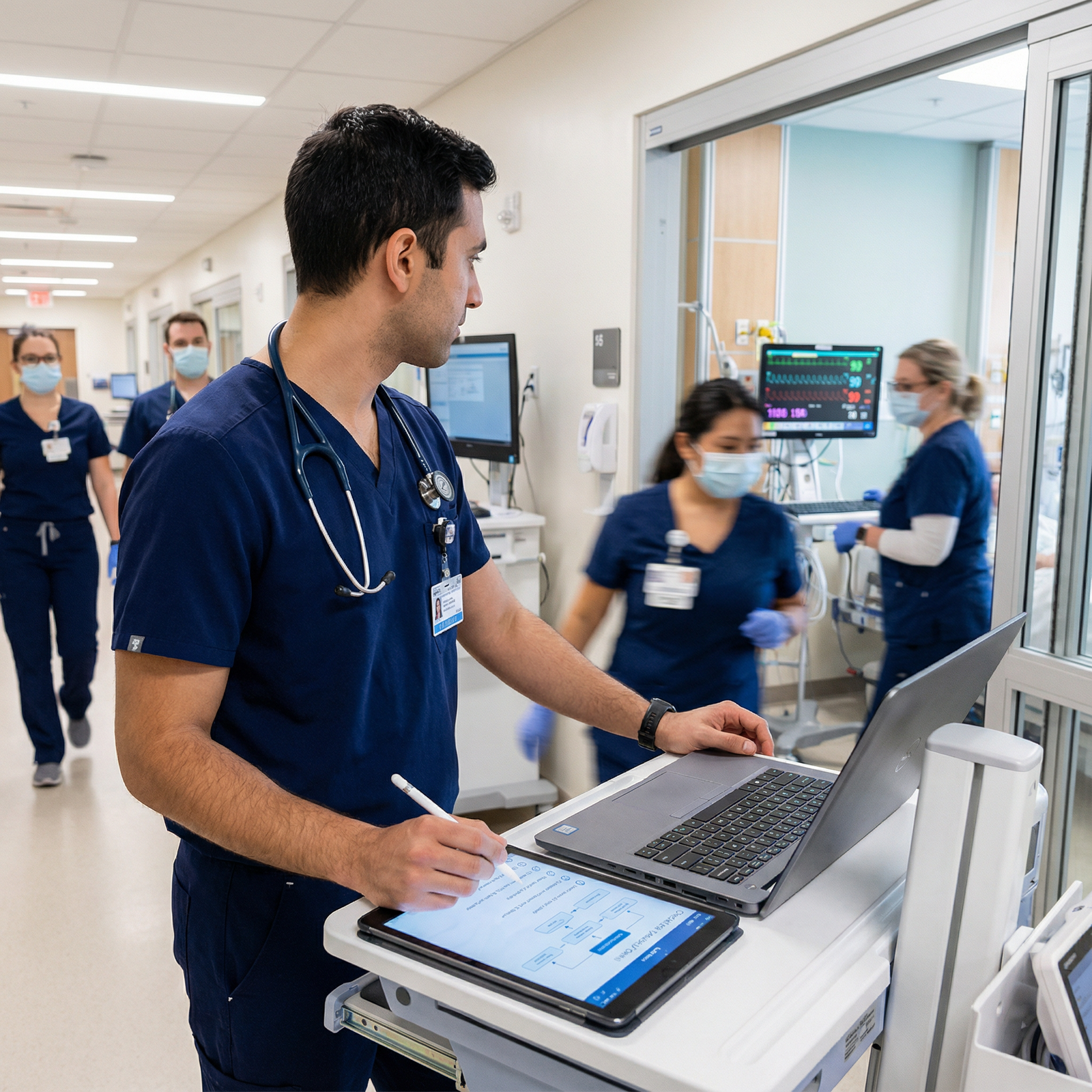
3. Clinical Tools to Respond Rapidly and Safely
While the hospital provides much of the equipment, having the right personal clinical tools and references can streamline your response when seconds matter.
Core Portable Clinical Tools
High-quality stethoscope
- Essential for rapid cardiovascular and pulmonary assessments in all specialties.
- In noisy ED or ICU environments, better acoustics truly matter.
Penlight and reflex hammer
- For quick focused neuro exams, pupillary responses, and bedside diagnoses.
Pocket-size blood pressure cuff and pulse oximeter (if permitted)
- Particularly helpful in resource-limited or outpatient settings.
Pocket reference cards or apps
- Doses of vasopressors, sedatives, paralytics
- Pediatric dosing by weight
- Vent settings and adjustment tips for common scenarios
These clinical tools reduce hesitation when the unexpected occurs—especially early on-call when you may not be surrounded by a full team.
Structured Clinical Frameworks
Rather than relying on memory alone, build habits around structured approaches:
Primary & secondary survey (especially in Emergency Medicine and trauma rotations)
- Airway, Breathing, Circulation, Disability, Exposure (ABCD(E))
- Then secondary head-to-toe assessment
Standardized approaches for common emergencies:
- Chest pain: rule out life-threatening causes—ACS, PE, dissection, pneumothorax, pericardial tamponade
- Shortness of breath: categorize as airway, alveolar, interstitial, vascular, neuromuscular, or psychogenic
- Altered mental status: AEIOU-TIPS or similar mnemonic
These frameworks let you quickly anchor your thinking and prompt you to consider critical diagnoses even under pressure.
4. Emotional Resilience and Burnout Prevention Tools
Unpredictable events are not only medically challenging—they’re emotionally taxing. Sustainable performance as a resident hinges on protecting your mental health.
Mindfulness, Micro-breaks, and Grounding
Mindfulness apps:
- Headspace, Calm, Insight Timer, Ten Percent Happier
- Use 5-minute sessions between patients, before sign-out, or after a code.
Simple in-the-moment strategies:
- Box breathing (inhale 4 sec, hold 4 sec, exhale 4 sec, hold 4 sec) before high-stakes procedures
- Grounding techniques (5 things you can see, 4 you can feel, 3 you can hear, 2 you can smell, 1 you can taste) after emotionally intense encounters
These tools help you reset more quickly so one difficult encounter doesn’t derail your entire shift.
Peer Support and Community
Peer debriefs
- Informal discussions with co-residents after critical events (“What went well? What would we change?”)
- Normalize emotions like guilt, anxiety, helplessness, or anger.
Formal support systems
- Resident wellness committees
- Balint groups or reflective practice sessions
- Confidential counseling services or Employee Assistance Programs
Burnout prevention is not about “being tougher”; it’s about building sustainable systems of support and acknowledging that emotional processing is part of professional growth.
Healthy Routines That Protect Performance
Even small, consistent habits make a difference:
- Sleep hygiene strategies on night float (eye mask, blackout curtains, noise machine)
- Keeping shelf-stable healthy snacks in your bag or call room
- Short movement routines (5–10 minutes of stretching or walking) during lulls
- Setting “micro-boundaries” around your time off (e.g., no checking work messages for the first hour after you get home)
These are not luxuries. They’re operational necessities that reduce error risk and support long-term career longevity.
5. Continuous Education as a Tool for Confidence and Adaptability
Ongoing learning is one of your most powerful tools for dealing with the unexpected.
Targeted Learning for Your Clinical Gaps
Instead of trying to “know everything,” focus on:
- Diagnoses that routinely surprise you on rounds
- Cases that went poorly or felt uncomfortable
- Patterns in feedback you’ve received
Use these triggers to:
- Look up guidelines that apply to those scenarios
- Watch short procedural videos before performing a skill again
- Discuss complex cases with attendings or fellows afterward
This turns difficult moments into fuel for growth rather than sources of shame.
High-Yield Educational Resources
Professional organizations
- American College of Physicians (ACP), American College of Emergency Physicians (ACEP), American Academy of Family Physicians (AAFP), surgical societies, etc.
- Many offer:
- Resident discounts
- Board review material
- Journal clubs and podcasts
- Simulation courses
Podcasts and asynchronous learning
Especially on commutes:- EM-focused shows for Emergency Medicine rotations
- Internal medicine and ICU podcasts for ward and critical care months
- Specialty-specific board review series
Mentorship and near-peer teaching
- Senior residents often provide the most practical advice on time management and real-world decision-making.
- Attendings can help with career planning, difficult conversations, and handling errors.
Tying your learning to real patients and real stress points builds a clinical instinct that’s invaluable during high-pressure, unexpected situations.
Real-World Applications: Tools in Action
Case Study 1: Rapid Deterioration on Night Float
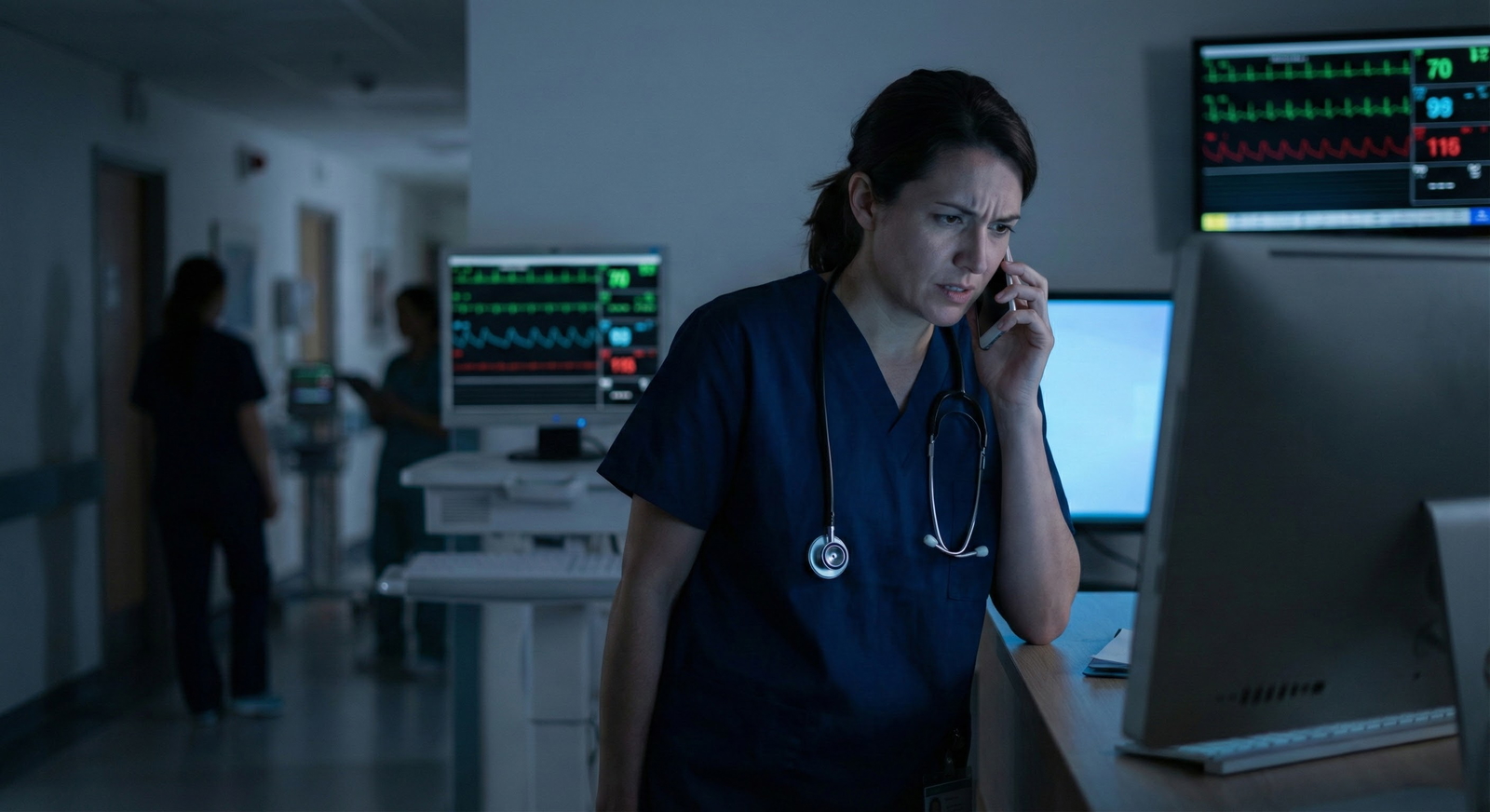
You’re the cross-cover resident on night float. A nurse pages you:
“Your patient in room 714 isn’t looking good. BP is 82/50, HR 120, fever 39.2°C.”
You’ve never personally taken care of this patient before.
How your toolkit activates:
Communication & framework
- You immediately use SBAR when you call the nurse back to clarify:
- Confirm vitals, urine output, mental status, oxygenation.
- You tell the nurse: “I’ll be there in under 2 minutes—please get a full set of vitals and STAT fingerstick glucose.”
- You immediately use SBAR when you call the nurse back to clarify:
Organizational & clinical tools
- At bedside, you run a rapid ABC assessment.
- You mentally run a sepsis checklist:
- Suspected source? Recent cultures? Current antibiotics?
- Order labs: CBC, lactate, CMP, blood cultures, UA, CXR.
- You pull up your pocket reference for sepsis fluid and vasopressor dosing.
Communication escalation
- Using secure messaging, you notify your senior/attending: “Concern for sepsis with hypotension despite initial fluid bolus. Request bedside evaluation and consideration of ICU transfer.”
Emotional resilience afterward
- After the patient stabilizes in the ICU, you take 3 minutes in the stairwell to do box breathing and mentally debrief:
- What did I do well?
- What would I change next time?
- You jot down a brief note in your learning log about the case for later review of sepsis guidelines.
- After the patient stabilizes in the ICU, you take 3 minutes in the stairwell to do box breathing and mentally debrief:
Case Study 2: Unexpected OR Call-in on a Surgical Rotation
A co-resident calls in sick just as a complex case is starting in the OR. You’re pulled from clinic at the last minute to scrub in.
How your toolkit activates:
Preparation in motion
- As you walk to the OR, you quickly review the procedure steps on a reputable surgical app or a saved PDF protocol on your phone (outside patient care areas).
- You mentally rehearse your role: exposure, retraction, suturing.
Clarifying communication
- Before incision, you ask the attending:
- “Can we quickly review your expectations for my role in this case?”
- This manages uncertainty and improves team function.
- Before incision, you ask the attending:
Utilizing continuous education
- You recall key points from a recent webinar on preventing surgical site infections and apply them: antibiotic timing, sterile technique, wound closure strategies.
Managing anxiety and stress
- You take two slow, controlled breaths as the time-out ends, grounding yourself in the present moment.
- After the case, you ask the attending for concrete feedback on your performance and document it in your learning system.
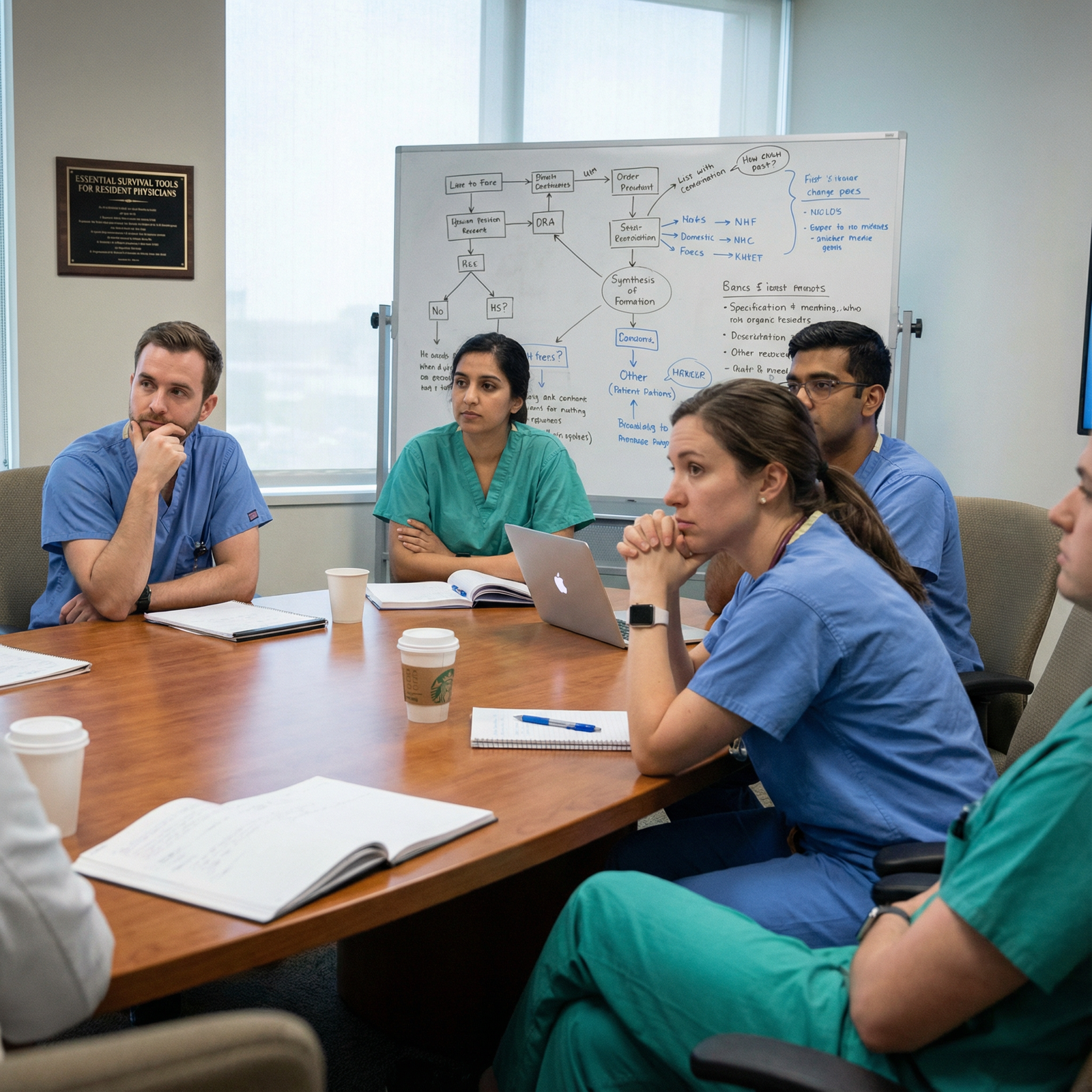
Conclusion: Building Your Personal Frontline Toolkit
Unexpected situations are not rare events in residency—they are the norm. What distinguishes resilient, effective resident physicians is not perfect knowledge, but reliable systems:
- Communication tools that get the right information to the right people, fast
- Organizational aids that keep your cognitive load manageable
- Clinical tools that support rapid, safe decisions in emergencies
- Emotional resilience and burnout prevention practices that protect your well-being and performance
- Continuous education habits that turn every case—especially the hard ones—into long-term growth
You will never feel completely “ready” for everything. No one does. But by intentionally assembling and refining your toolkit, you can face the unpredictability of residency with greater confidence, clarity, and compassion—for your patients and for yourself.
Frequently Asked Questions (FAQ)
1. What should I prioritize in my daily preparation as a resident?
Focus on three pillars each day:
- Clinical readiness:
- Know your patients thoroughly.
- Have quick access to key references (apps, notes, algorithms).
- Communication readiness:
- Use structured handoffs (like SBAR).
- Clarify roles during high-risk events (codes, rapid responses, OR cases).
- Personal readiness:
- Aim for sleep, hydration, small healthy snacks, and short recovery moments during shifts.
These basics significantly improve decision-making under pressure.
- Aim for sleep, hydration, small healthy snacks, and short recovery moments during shifts.
2. How can I realistically prevent burnout during residency?
While you can’t control workload or call schedules, you can:
- Set small, sustainable wellness habits (short walks, 5-minute mindfulness, limiting work tasks at home when possible).
- Build a support network of co-residents, mentors, and friends outside medicine.
- Use institutional resources: counseling, wellness programs, or coaching if available.
- Recognize early signs of burnout (emotional exhaustion, cynicism, reduced sense of accomplishment) and seek help early—this is a professional strength, not a weakness.
3. Are there resources specifically tailored for resident physicians in Emergency Medicine and other high-acuity fields?
Yes. Consider:
- Specialty organizations: ACEP, SAEM, SCCM, surgical societies, and others, many with resident sections.
- EM- and ICU-focused podcasts, blogs, and video channels that review real cases and current evidence.
- Simulation labs and mock codes at your institution—volunteer whenever possible.
These are especially valuable for building confidence in managing unexpected emergencies.
4. How important is mentorship during residency, and how do I find a good mentor?
Mentorship is crucial for:
- Clinical growth and decision-making
- Career planning (fellowship vs. job, academic vs. community practice)
- Navigating institutional politics and difficult situations
To find a mentor:
- Start with attendings whose teaching style you respect.
- Ask senior residents who they turn to for advice.
- Be specific when you reach out: “I admire how you manage complex patients and was wondering if you’d be open to meeting a few times a year for mentorship.”
5. What role does continuous education play in handling unexpected clinical situations?
Continuous education:
- Keeps your clinical skills current with evolving guidelines and evidence
- Improves your pattern recognition, letting you identify red flags faster
- Enhances your adaptability, so novel or rare presentations feel less overwhelming
- Increases your confidence, which is critical when you must make time-sensitive decisions
Link education to your real patient encounters, and your learning will stick—and show—when the next unexpected situation arises.
By intentionally building and refining your toolkit across communication, organization, clinical skills, resilience, and ongoing education, you won’t just survive residency—you’ll grow into the kind of physician patients and colleagues depend on when it matters most.