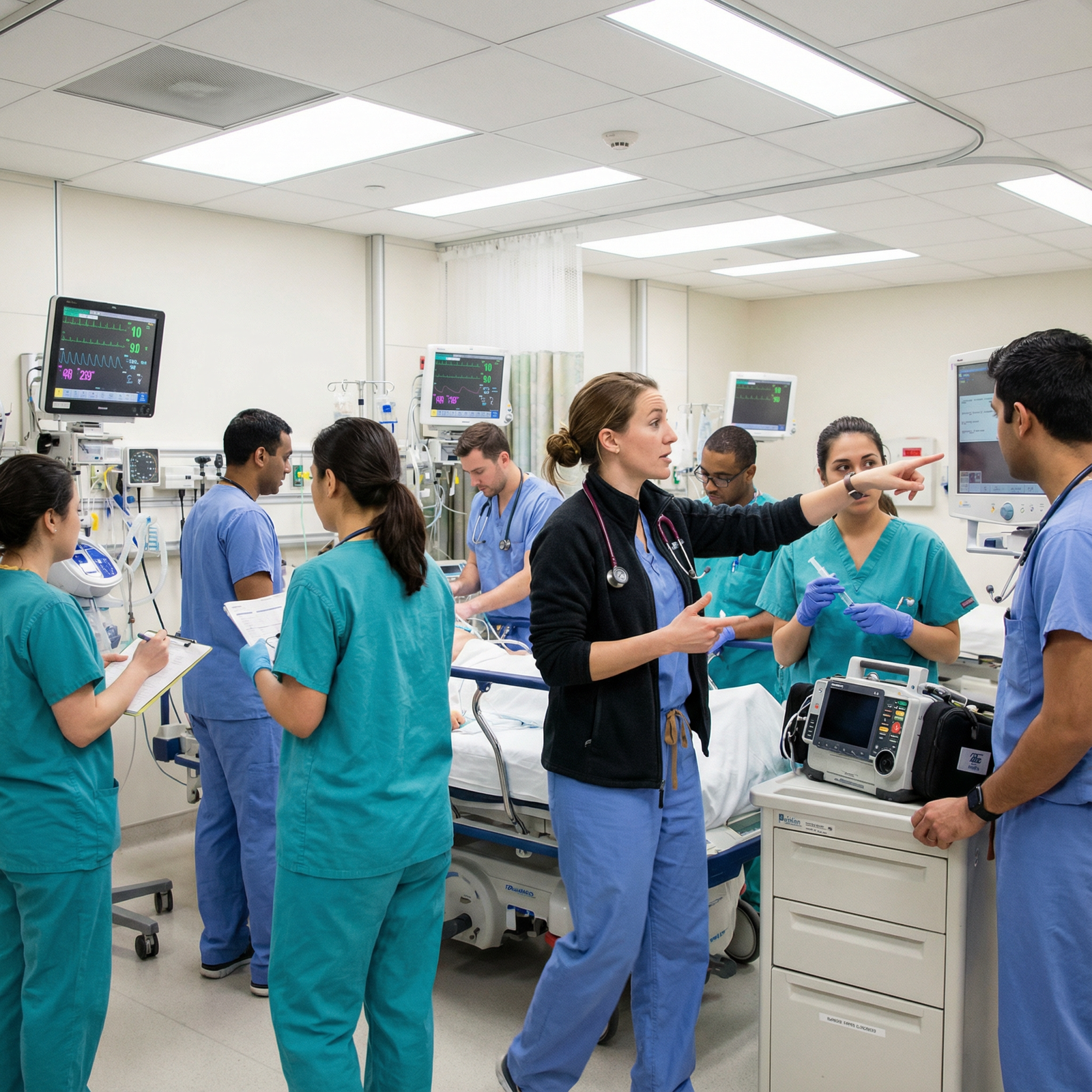
Introduction: Residency, Responsibility, and the Reality of Crises
The journey of medical training is demanding under the best of circumstances. As a resident, you balance steep learning curves, long hours, and the growing expectation that you are not just a trainee, but an emerging healthcare leader. Nowhere is that expectation more visible—or more stressful—than during unexpected medical crises.
These high-stakes moments test not only your clinical knowledge and procedural skills, but also your capacity for Crisis Management, clear thinking, and teamwork under extreme pressure. Whether you’re on night float, in the ICU, covering cross-coverage pages on the wards, or in the ED, every shift carries the potential for a patient to decompensate without warning.
This playbook is designed to support Resident Education by giving you a structured, practical approach to navigating unexpected crises. You’ll find:
- A clear definition of what constitutes an unexpected medical crisis
- Foundational skills to build before the crisis hits
- A step-by-step crisis response protocol
- Scenario-based guidance for common emergencies
- Strategies for reflection, resilience, and growth after the event
The goal is not just survival on call—it’s progression toward confident, effective Healthcare Leadership in any acute situation.
Understanding Unexpected Medical Crises in Residency
Unexpected medical crises are acute, time-sensitive events that threaten life or organ function and demand immediate intervention. While some occur in high-acuity areas like the ICU or ED, many unfold on general wards or step-down units—often when you are the most junior clinician physically present.
What Counts as an Unexpected Medical Crisis?
An unexpected crisis is not just “a sick patient”; it typically involves a sudden, significant deterioration in clinical status, such as:
- Rapid hemodynamic instability (e.g., hypotension, tachyarrhythmias, massive hemorrhage)
- Airway compromise or acute respiratory failure
- Cardiopulmonary arrest or peri-arrest situations
- Severe neurologic deterioration (e.g., status epilepticus, sudden focal deficits, altered mental status with airway concerns)
- Anaphylaxis or other life-threatening allergic reactions
- High-impact trauma or multi-system injuries
These crises are often unpredictable, but their patterns are not. As you progress in your Medical Training, you will begin to recognize early warning signs and risk profiles—giving you a critical edge in early intervention.
Common Types of Medical Crises Residents Encounter
1. Cardiac Arrest and Peri-Arrest States
- Sudden loss of pulse, unresponsiveness
- Ventricular fibrillation/tachycardia, pulseless electrical activity (PEA), asystole
- Often preceded by worsening vitals, new arrhythmias, or chest pain
Core focus: Immediate CPR, high-quality chest compressions, defibrillation when indicated, and strict adherence to ACLS algorithms.
2. Anaphylaxis and Severe Allergic Reactions
- Rapid onset of respiratory distress, wheezing, stridor, hypotension, urticaria, angioedema
- Frequently medication-related (e.g., antibiotics, contrast, peri-op drugs), but can be food or latex
Core focus: Intramuscular epinephrine without delay, airway protection, fluid resuscitation, adjunctive steroids and antihistamines.
3. Acute Respiratory Failure
- Sudden hypoxia, hypercapnia, increased work of breathing, altered mental status
- Causes: pneumonia, pulmonary embolism, COPD/asthma exacerbations, flash pulmonary edema, opioid oversedation, neuromuscular weakness
Core focus: ABCs with early oxygen support, non-invasive ventilation vs. intubation, close monitoring of response.
4. Trauma and Massive Hemorrhage
- Blunt or penetrating injuries, falls, motor vehicle crashes, post-op bleeding
- May present via ED or develop on the wards (e.g., GI bleed, retroperitoneal hemorrhage, post-surgical bleed)
Core focus: Primary survey (ABCDE), rapid stabilization, massive transfusion protocols when indicated, early surgical consultation.

Building the Foundation: Core Skills Before the Crisis Hits
Effective Crisis Management begins long before a code is called. The residents who perform best in emergencies are not necessarily the ones with the most raw knowledge, but those who have built strong, transferable core skills.
1. High-Impact Communication Skills
Communication in a crisis is not about eloquence; it’s about clarity, brevity, and structure.
- Use standardized frameworks like SBAR (Situation, Background, Assessment, Recommendation) when calling a Rapid Response or senior:
- Situation: “This is Dr. Smith, PGY-2 on Med A. I’m calling about Mr. Jones in room 403 who is acutely hypotensive.”
- Background: “He is post-op day 1 from colectomy with a history of CAD.”
- Assessment: “BP dropped from 120/70 to 80/40 over 10 minutes, HR 120, cool extremities, mental status worsening.”
- Recommendation: “I’ve started a fluid bolus and ordered stat labs. I’d like support at bedside to help assess for sepsis vs. bleeding.”
- Practice closed-loop communication during emergencies:
- Give specific tasks: “Nurse Lee, please draw a venous blood gas and lactate now.”
- Require verbal confirmation: “Copy, I’ll draw the VBG and lactate now.”
- Confirm completion: “The VBG is sent; results pending.”
- Be explicit and calm: Avoid vague phrases like “someone should” or “maybe we could.” Use “I need,” “Please do,” and “Now” when time-critical.
Actionable tip: During ordinary rounds, actively practice concise SBAR handoffs. The muscle memory you develop will serve you when the stakes are higher.
2. Situational Awareness: Seeing the Whole Picture
Situational awareness is a hallmark of effective Healthcare Leadership. It means:
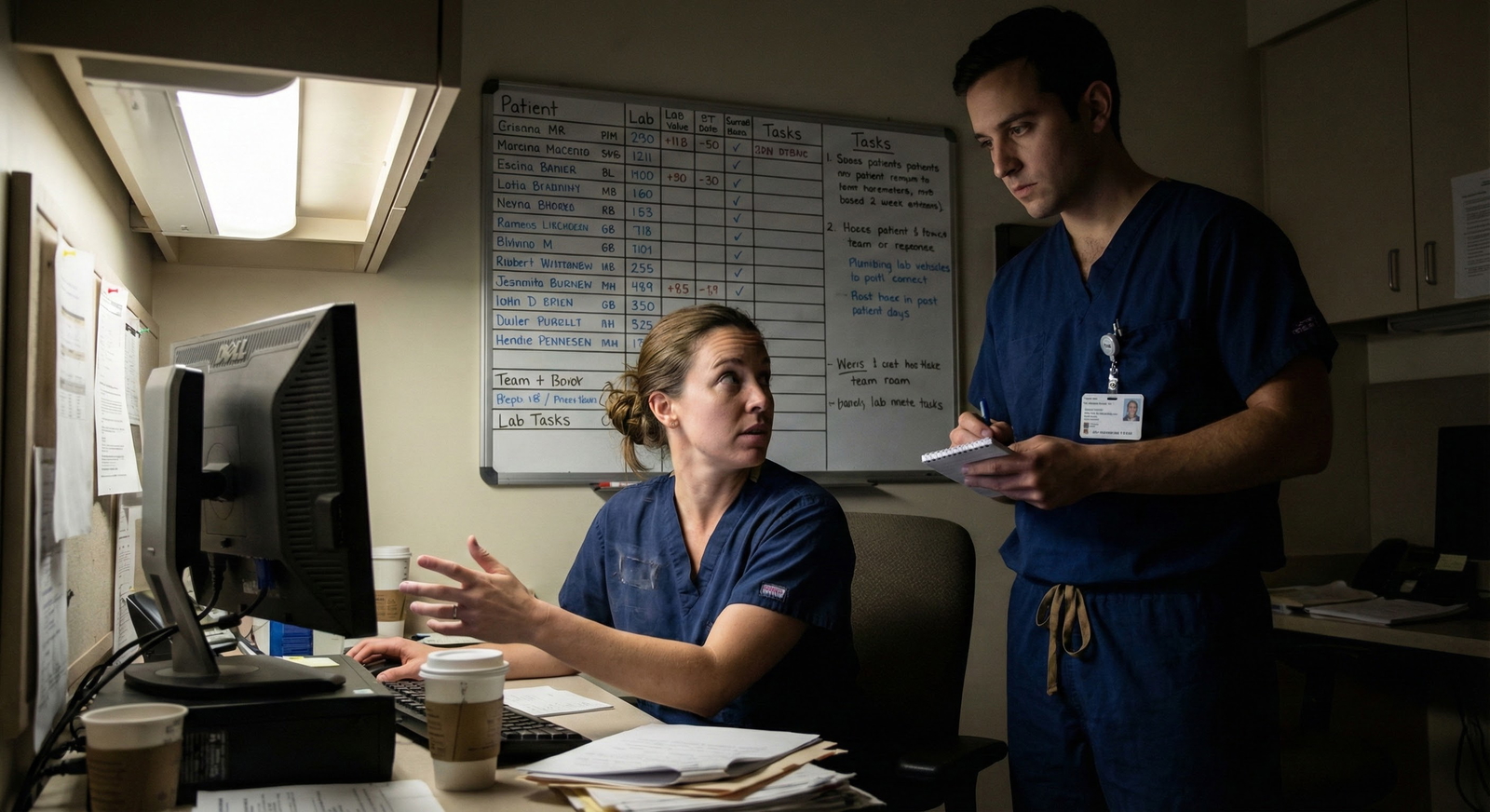
- Knowing who your sickest patients are at the start of the shift
- Tracking trends rather than isolated data points (e.g., gradual rise in respiratory rate, subtle decline in blood pressure)
- Understanding environmental constraints: Where is the crash cart? Where is the nearest defibrillator? Who are the nurses on this unit?
Practical strategies:
- Pre-shift check-in: Start each shift by identifying:
- Patients on vasopressors, high-flow oxygen, or BiPAP
- Recent admissions from ED/ICU
- High-risk post-op patients
- Micro-huddles: Do brief bedside huddles with nurses when a patient looks “off” even if vitals aren’t dramatic yet.
- Know your escalation pathways: Understand when and how to call Rapid Response, attendings, anesthesia, or specific specialty teams.
3. Teamwork and Delegation Under Pressure
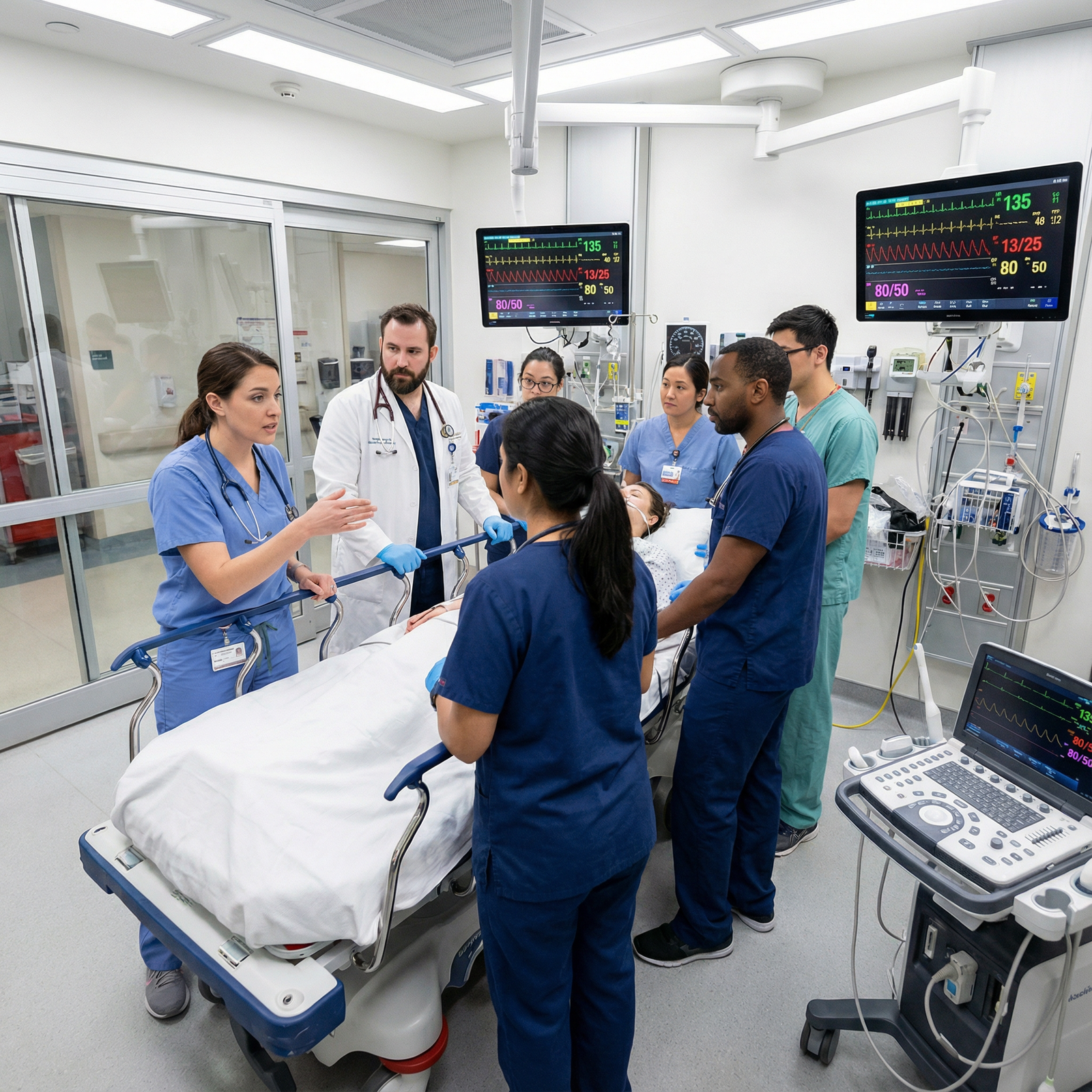
In a real crisis, you cannot do everything yourself. Recognizing and utilizing the strengths of your team is a core element of modern Emergency Protocols.
- Role clarity:
- Designate a team leader (often you, as the resident on scene).
- Assign specific roles: airway, compressor, medication nurse, recorder, runner.
- Delegate tasks you’ve already “mentally checked off”:
- “Please place two large-bore IVs.”
- “Start a liter of normal saline wide open.”
- “Call the ICU fellow and let them know we have a likely intubation.”
- Respect every discipline: Nurses, respiratory therapists, pharmacists, and techs often have deep experiential knowledge in crisis workflow—listen to them.
4. Clinical and Procedural Competence
While you can’t predict exactly which skill you’ll need at 2 a.m., you can ensure you are prepared for the most common emergencies.
Residents should prioritize competency in:
- Airway management basics:
- Positioning, bag-valve-mask ventilation, recognizing when to call anesthesia vs. attempting intubation
- Circulation support:
- Starting peripheral IVs under pressure
- Knowing vasopressor options and indications in your hospital
- Interpreting basic EKG and telemetry changes quickly
- Essential procedures (depending on specialty and institution):
- Central venous line placement
- Arterial line placement
- Chest tube or needle thoracostomy (for procedure-heavy specialties/emergency settings)
- Emergent bedside ultrasound (FAST exam, lung ultrasound, IVC assessment)
Use your residency’s simulation center, procedural workshops, and supervised opportunities to deliberately practice these skills before you are in a true crisis.
The Crisis Response Protocol: A Step-by-Step Framework
When a crisis erupts—an overhead code announcement, a frantic nurse page, a monitor alarming—the most stabilizing force you can bring is structure. A clear, repeatable framework helps you overcome adrenaline, cognitive overload, and uncertainty.
Step 1: Rapid Scene and Patient Assessment
The first 30–60 seconds are crucial.
- Safety check: Is the environment safe? (e.g., electrical hazards, physical aggression, large volume blood loss requiring PPE)
- Initial impression: From the door, assess:
- Level of consciousness
- Work of breathing
- Color (cyanosis, pallor)
- Position and movement
- ABCs first, always:
- Airway: Open? Obstructed? Gurgling, stridor, snoring?
- Breathing: Rate, depth, use of accessory muscles, saturations.
- Circulation: Pulse present? Rate and quality? Skin perfusion? Overt bleeding?
If the patient is unresponsive and pulseless, immediately initiate CPR and call the code—do not delay compressions for additional assessment.
Step 2: Activate the Appropriate Emergency Response
Once you recognize a crisis, escalate promptly.
- Call for help early:
- Use your hospital’s Rapid Response or Code Blue system.
- Communicate clearly: “This is a Code Blue in Room 712; unresponsive patient, no pulse.”
- Delegate notification tasks while you continue direct care:
- “You, please hit the code button.”
- “Call the ICU fellow and let them know we have a crashing patient.”
- Anticipate what’s coming:
- Pull the crash cart to bedside.
- Clear space around the bed for the team.
- Ensure suction and oxygen are functioning.
Step 3: Stabilize Using a Systematic, Algorithmic Approach
Airway
- Position the patient (head tilt-chin lift or jaw thrust if trauma suspected).
- Suction secretions or emesis.
- Apply supplemental oxygen via non-rebreather mask.
- If inadequate ventilation: Bag-valve-mask with two-person technique if possible.
- Activate anesthesia or advanced airway team early if intubation is likely.
Breathing
- Monitor respiratory rate, oxygen saturation, and chest movement.
- Consider non-invasive ventilation (BiPAP/CPAP) for appropriate patients (e.g., COPD exacerbation, cardiogenic pulmonary edema) if they can protect their airway.
- If respiratory arrest or impending arrest: Prepare for intubation and mechanical ventilation.
Circulation
- Check central and peripheral pulses; measure blood pressure urgently.
- Establish at least two large-bore IVs; if not possible, consider intraosseous access.
- Give fluid bolus if hypotensive (e.g., 500–1000 mL crystalloid in adults, tailored to comorbidities such as heart failure).
- Use standardized algorithms:
- ACLS for cardiac arrest and arrhythmias
- Sepsis bundles for suspected septic shock
- Massive transfusion protocol for hemorrhagic shock
Step 4: Continuous Monitoring, Reassessment, and Documentation
A crisis is not static. As interventions take effect—or fail—you must continuously re-evaluate.
- Reassess ABCs frequently: Every few minutes or after each major intervention.
- Trend vitals and mental status: Are you moving in the right direction?
- Adjust plan based on data: Labs, EKG, imaging, bedside ultrasound can rapidly refine your differential diagnosis.
- Keep everyone updated:
- “We’ve given 1 liter of fluid; BP has improved from 70/40 to 95/60.”
- “Sats still low despite oxygen; we’re preparing for intubation.”
Effective documentation during and after the crisis supports continuity of care, quality improvement, and medico-legal protection.
Step 5: Debrief, Reflect, and Learn
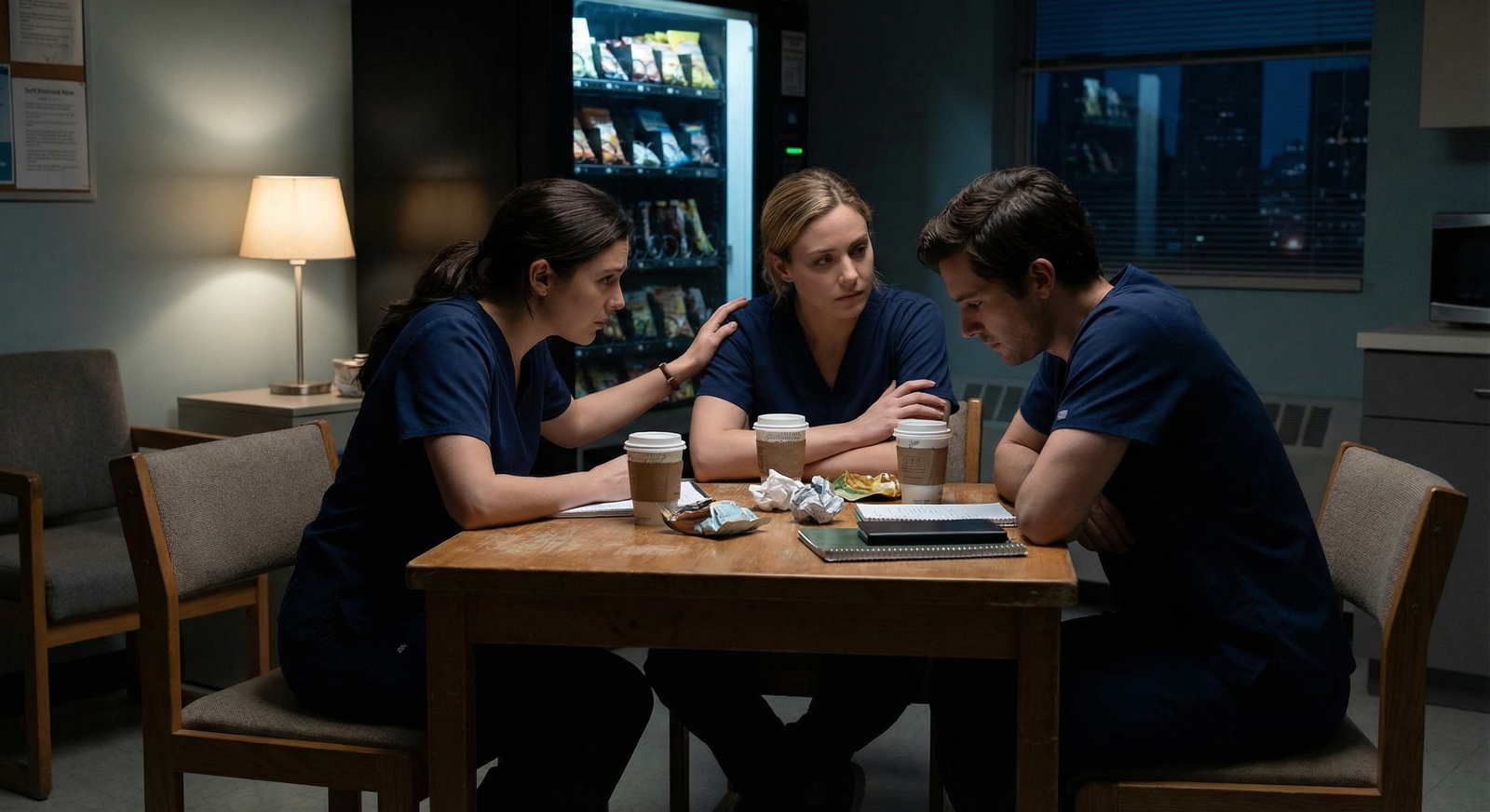
Once the patient is stabilized or the event concludes, a structured debrief is essential—for learning and for psychological safety.
- Short, immediate huddle (5–10 minutes):
- What went well?
- What could we have done differently?
- Were there any delays, communication breakdowns, or equipment issues?
- Longer reflection (later):
- Review chart, labs, imaging, and final diagnosis.
- Discuss with senior residents or attendings what you might change next time.
- Capture key takeaways in a journal or learning log.
This reflective step transforms each crisis into a powerful tool for professional growth and better future performance.
Refining Crisis Management Skills Over Time
Repeated exposure to medical emergencies doesn’t automatically make you better at managing them. Intentional practice and structured learning do.
1. Use Simulation as a Training Ground
Simulation training is one of the most effective tools in Resident Education for high-stakes, low-frequency events.
- Participate actively in:
- Mock codes (adult and pediatric)
- Interdisciplinary simulations with nurses, RTs, and pharmacists
- Specialty-specific emergencies (e.g., obstetric hemorrhage, trauma activation, status epilepticus)
- Focus on:
- Role clarity and leadership
- Communication patterns
- Familiarity with your institution’s Emergency Protocols and equipment
Ask your program to tailor simulations to your perceived gaps—e.g., first-time code leadership, difficult airway scenarios, or sepsis recognition.
2. Develop Stress Management and Cognitive Resilience
Your ability to function in a crisis is directly related to how you manage your own stress response.
Helpful tactics:
- Micro-resets: Before entering a room or starting a code, take one controlled deep breath: in for 4 seconds, out for 6 seconds. This can reduce sympathetic overdrive and sharpen focus.
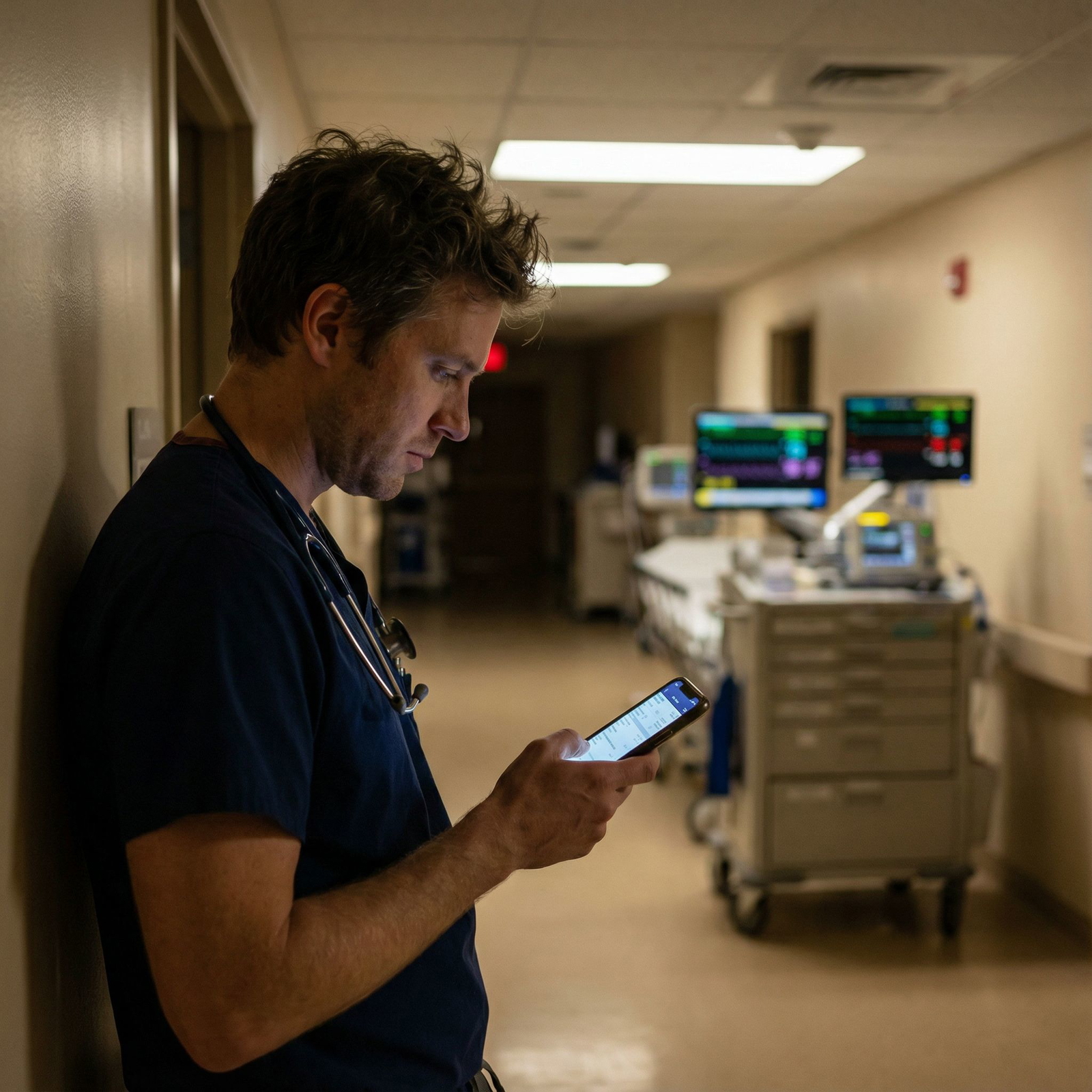
- Cognitive offloading: Use checklists, reference cards, or your hospital’s code apps instead of relying solely on memory.
- Mental rehearsal: On quiet nights, visualize responding to a crashing patient on your service. Walk through your first three actions and what orders you’d place.
Post-event, schedule time for decompression. Even 5–10 minutes walking outside the unit, hydrating, and briefly grounding yourself can prevent cumulative burnout.
3. Learn From Complex or “Paradoxical” Cases
Some crises don’t follow the textbook. Outcomes can be unexpectedly poor—or unexpectedly good.
- Seek out case reviews:
- Morbidity and Mortality (M&M) conferences
- Root cause analyses for serious safety events
- Ask uncomfortable questions:
- Did we miss early warning signs?
- Were there cognitive biases at play (anchoring, premature closure)?
- Were there system-level barriers (staffing, equipment availability)?
- Translate insight into action:
- Implement personal checklists or reminders.
- Advocate for system improvements (e.g., standardized sepsis screening).
4. Maintain Open Communication and a Culture of Safety
Crisis Management is not only about what happens in the room—it’s about the culture you help create.
- Encourage questions from nurses and junior colleagues.
- Invite feedback on your leadership during codes.
- Normalize phrases like:
- “I might be missing something—does anyone see anything else?”
- “If you’re concerned about a patient, please call me early. I want to know.”
This psychological safety prevents near-misses from becoming full-blown crises.

Navigating Specific High-Risk Crisis Scenarios
While no two emergencies are identical, having a mental model for common scenarios will speed your response and reduce cognitive load.
Cardiac Arrest and Peri-Arrest Situations
Key Actions:
- Immediately assess responsiveness and pulse.
- If no pulse: start high-quality CPR and call Code Blue.
- Follow ACLS algorithms rigorously:
- Defibrillate shockable rhythms as soon as possible.
- Administer epinephrine at recommended intervals.
- Reassess rhythm every 2 minutes.
- Use capnography, ultrasound, and clinical context to search for reversible causes (the “Hs and Ts”).
Leadership Point: As a resident, you are often expected to lead:
- Stand at the foot of the bed where you can see everyone.
- Call out the rhythm, cycle times, and medications clearly.
- Assign someone specifically to track timing and meds.
Anaphylaxis
Key Actions:
- Recognize early: skin findings plus airway, breathing, or circulatory compromise.
- Administer IM epinephrine in the mid-outer thigh immediately—do not wait for IV access.
- Provide high-flow oxygen and place patient supine with legs elevated if hypotensive.
- Establish IV access for fluids and adjunct meds (H1/H2 blockers, steroids).
- Observe closely; biphasic reactions can occur.
Leadership Point: Emphasize the non-negotiable role of early epinephrine to any hesitant team member or trainee.
Trauma and Massive Hemorrhage
Key Actions:
- Apply ABCDE trauma survey:
- Airway with C-spine control
- Breathing (tension pneumothorax, open chest wounds)
- Circulation (identify and control major bleeding, initiate massive transfusion when indicated)
- Disability (rapid neuro assessment)
- Exposure (fully expose but prevent hypothermia)
- Use bedside ultrasound (FAST exam) if available to assess for internal bleeding.
- Coordinate with trauma surgery, interventional radiology, and anesthesia as early as possible.
Leadership Point: Your role may be “bridge leadership”—stabilizing and coordinating until the full trauma team arrives.
Frequently Asked Questions: Crisis Management for Residents
1. What should I do if I feel overwhelmed during a medical crisis?
Feeling overwhelmed is common, especially early in residency. Prioritize:
- One next step: Focus on the next critical action (e.g., “Check airway,” “Start compressions”) instead of the entire problem.
- Use your team: Say out loud, “I need help with X; can someone do Y?”
- Grounding breath: Take a single slow, deliberate breath before speaking. This often shifts you from panic to purpose.
If you notice persistent anxiety or intrusive thoughts between shifts, talk with a trusted senior, mentor, or mental health professional. Early support is a sign of professionalism, not weakness.
2. How can I best prepare myself for unexpected crises during residency?
- Engage in simulation training whenever offered; ask to lead codes in a controlled environment.
- Review Emergency Protocols (ACLS, sepsis, anaphylaxis, trauma) regularly; use pocket cards or apps.
- Know your environment: Practice locating crash carts, oxygen supplies, and emergency medications on your units.
- Debrief after each real event, even briefly, to consolidate learning.
Preparation is cumulative; small investments each week compound into major improvements across your training.
3. What resources or tools are most helpful in real-time medical emergencies?
- Institutional algorithms and checklists (laminated cards, posters, or EMR-embedded order sets)
- Mobile apps endorsed by your institution (e.g., ACLS apps, sepsis tools)
- Point-of-care ultrasound for quick assessment of cardiac function, volume status, pneumothorax, and internal bleeding
- Team expertise: Nurses, RTs, pharmacists, and more senior physicians are invaluable real-time resources
Familiarize yourself with these tools during non-emergent time so you can access them rapidly under pressure.
4. How important is teamwork during medical emergencies—and how can I improve it?
Teamwork is fundamental to patient outcomes in crises. To enhance it:
- Practice clear role assignment during codes and rapid responses.
- Use closed-loop communication to prevent missed or duplicated tasks.
- Model respect and calm even if you feel stressed; your tone sets the emotional temperature.
- Participate in interprofessional training to build trust across disciplines.
Strong team function can compensate for individual inexperience; the reverse is rarely true.
5. What strategies can I use to manage stress and emotional impact after a difficult crisis?
- Debrief with peers and mentors—not just clinically, but emotionally.
- Use brief self-care rituals post-event: hydrate, step outside for fresh air, take a few minutes of quiet.
- Reflect and write: Many residents find brief written reflections helpful in processing intense events.
- Access formal support: Many programs offer resident wellness services, counseling, or peer support groups.
Repeated exposure to suffering and high-stakes decisions can accumulate over time. Proactively supporting your emotional health is vital for a sustainable career.
By deliberately building your foundational skills, embracing structured response protocols, and approaching each crisis as both a responsibility and a learning opportunity, you can grow into the kind of clinician who not only survives residency, but leads with confidence in the most challenging moments.