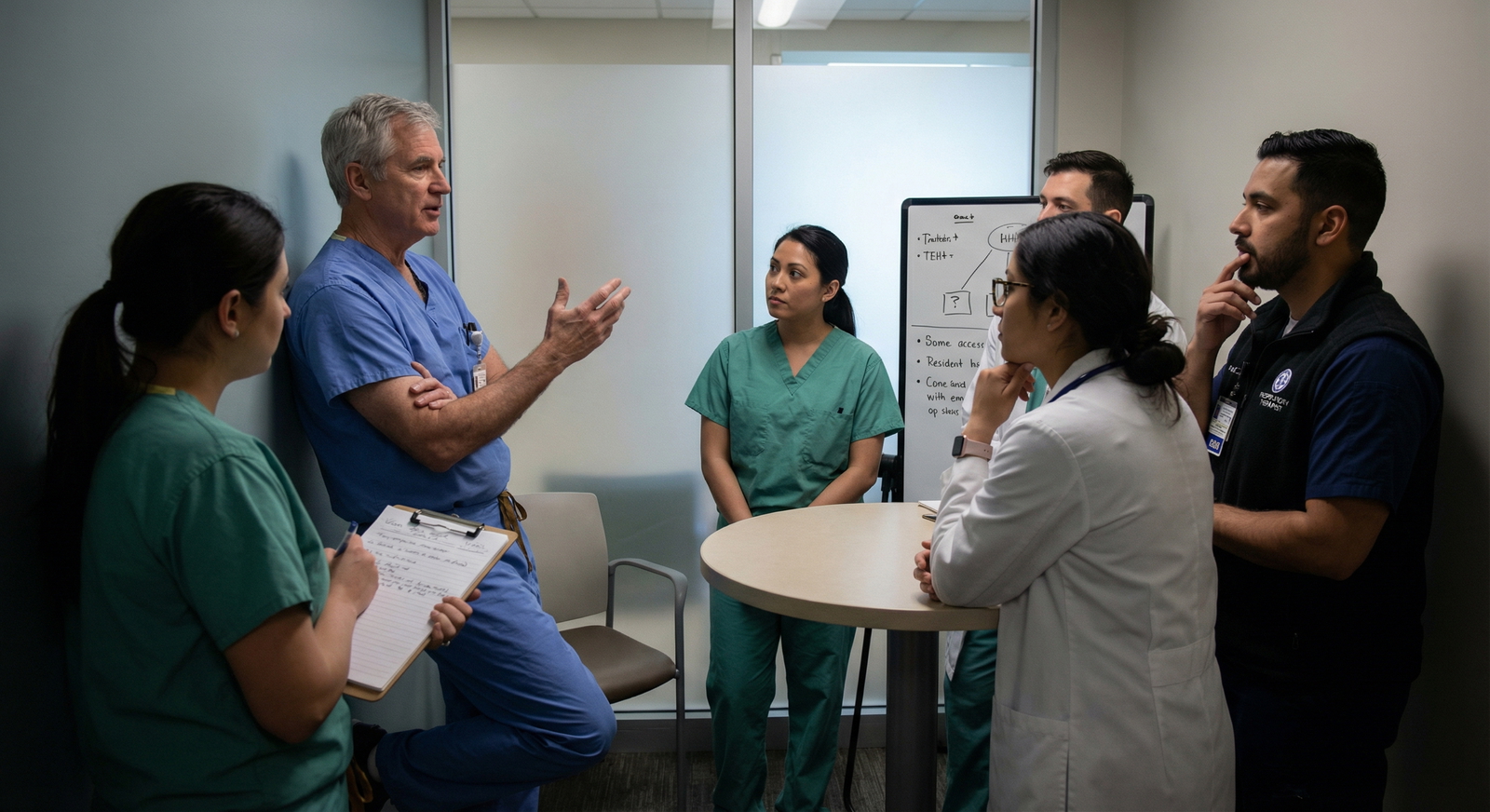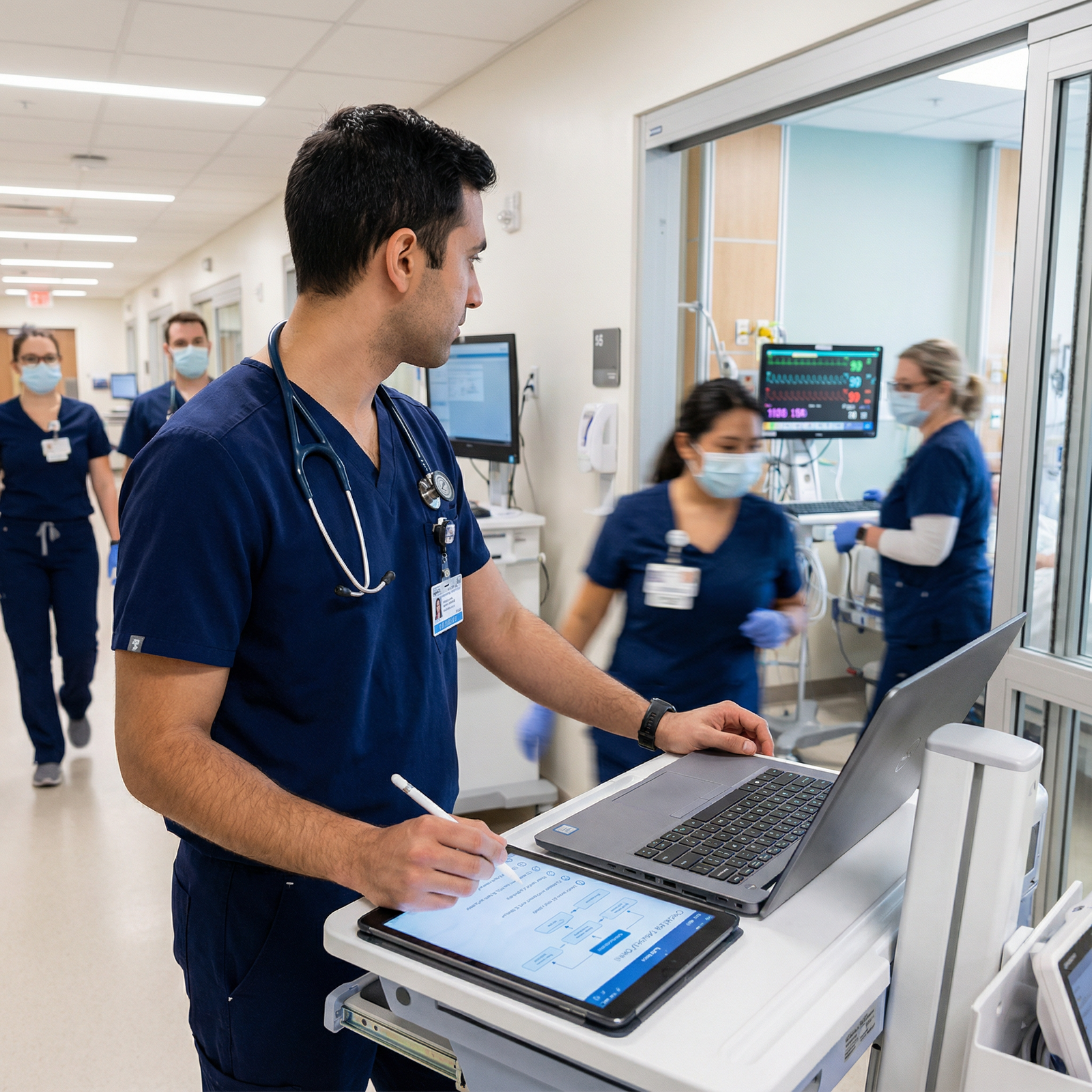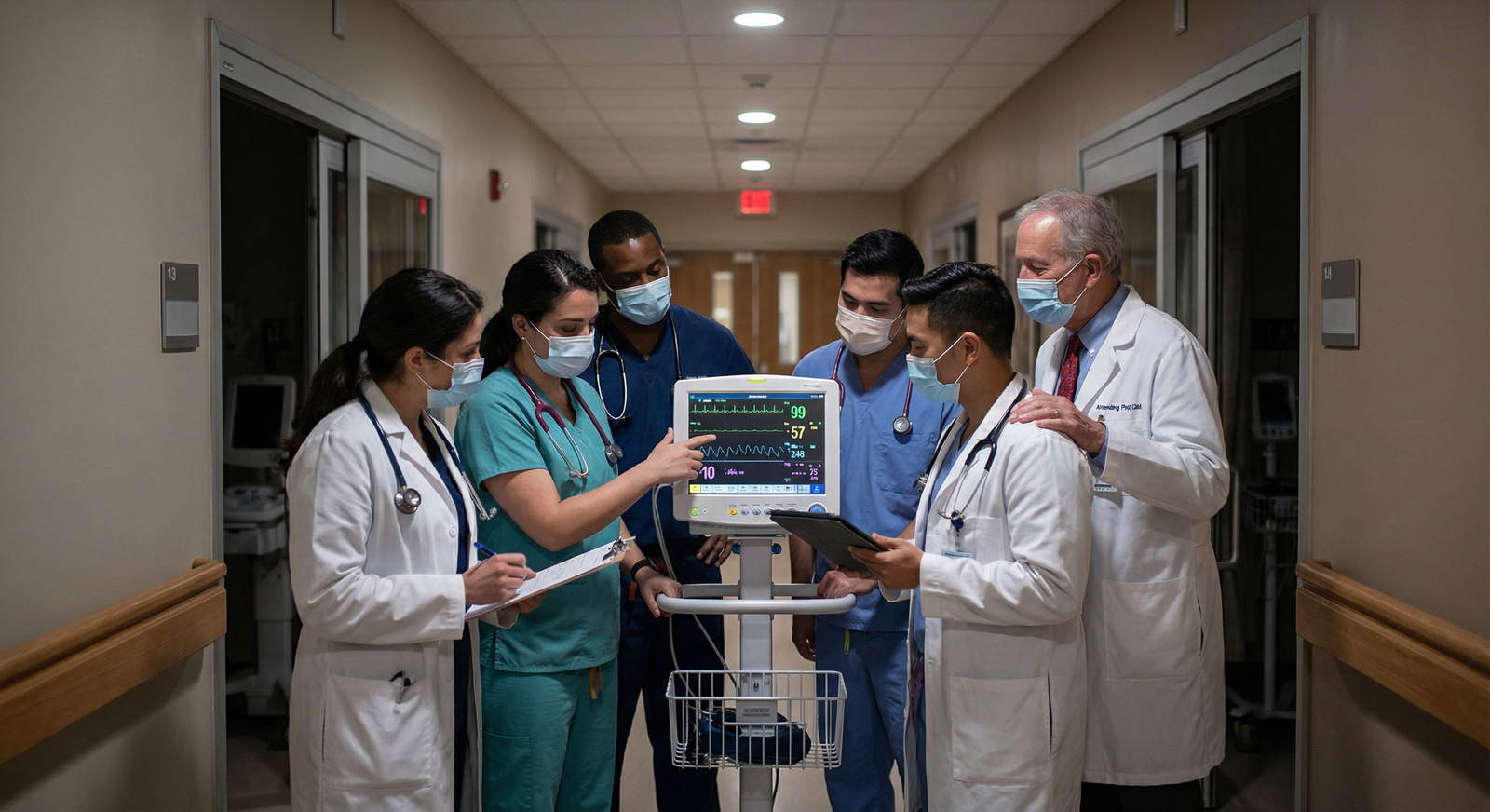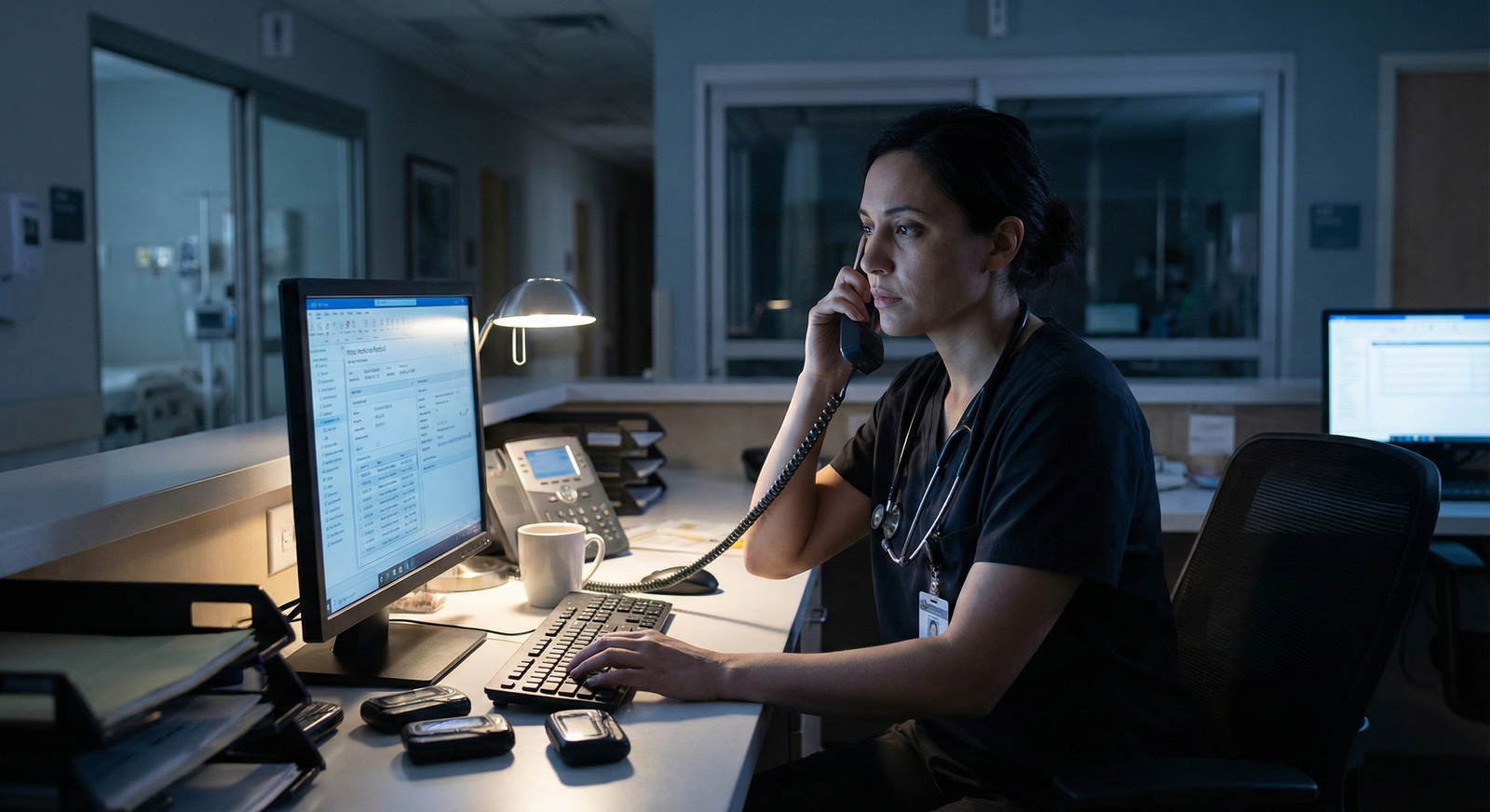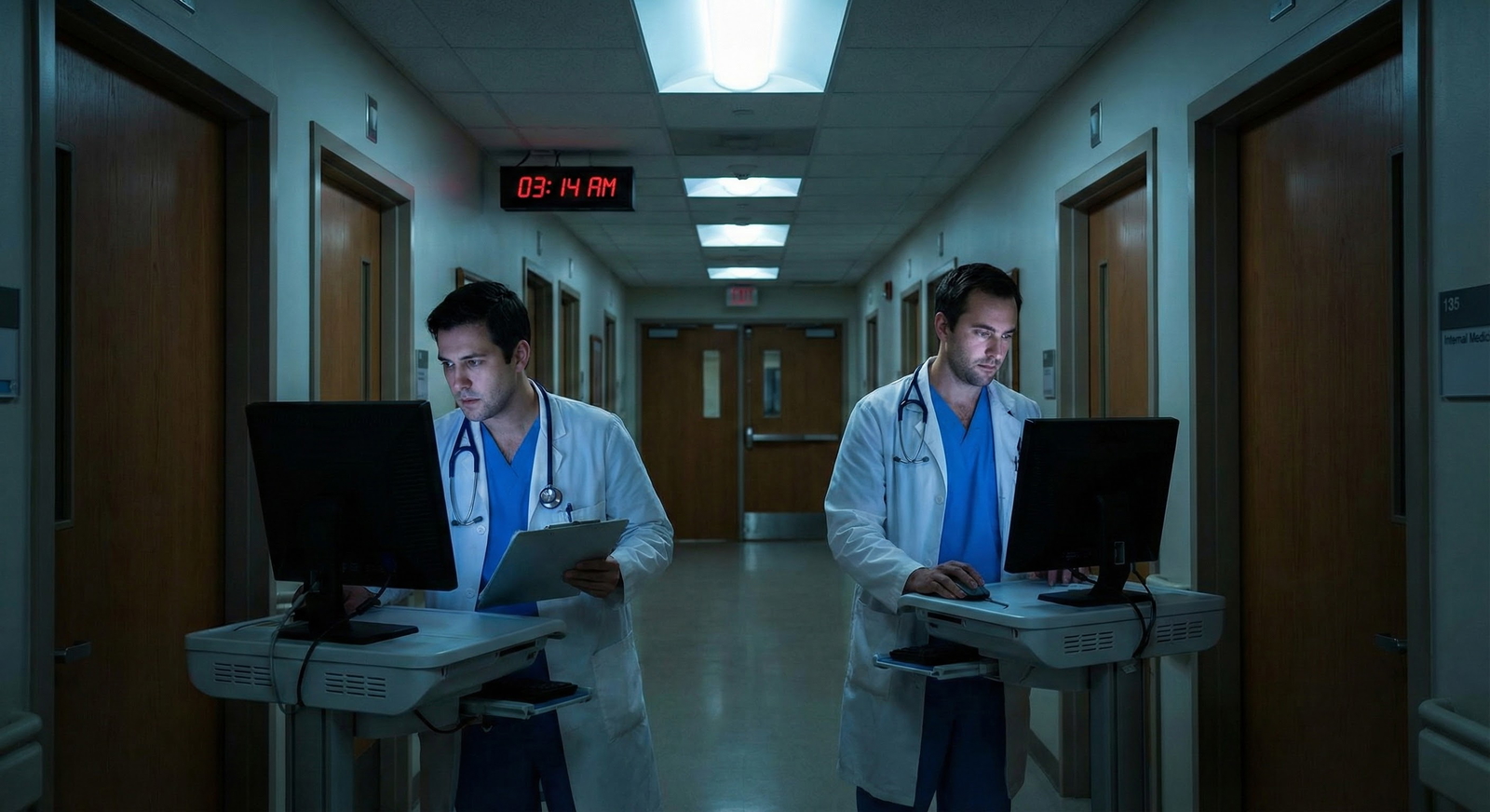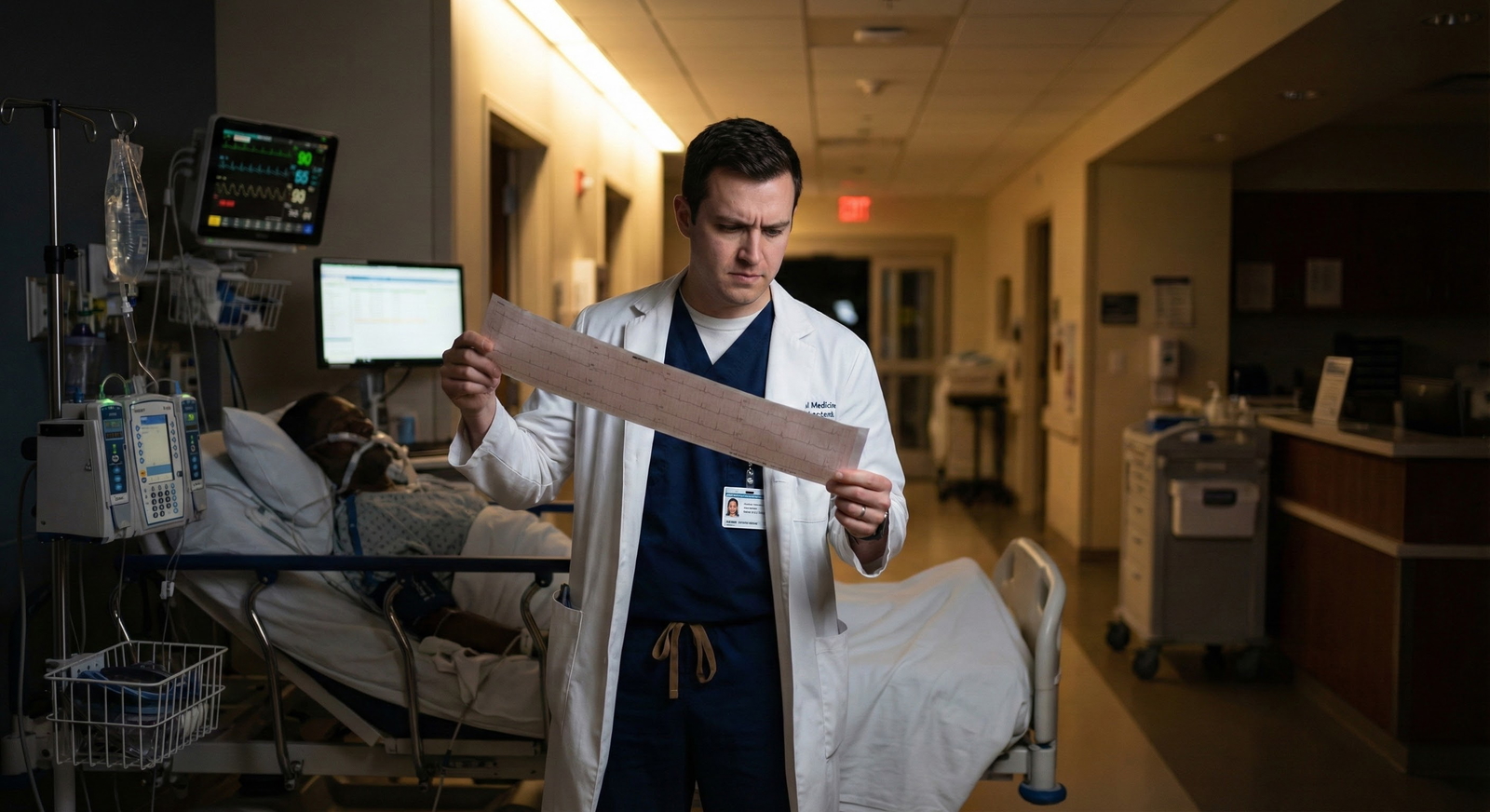
Mastering on-call emergencies is a defining part of residency. The bleary 3 a.m. pages, the rush to the bedside, and the weight of critical decisions are where medical professionals grow from learners into confident clinicians. While the unpredictability of On-call emergencies can feel overwhelming, there are practical strategies you can use to stay composed, deliver excellent patient care, and protect your own well-being.
This expanded guide takes the original “Top 10 Tips for Handling On-Call Emergencies Like a Pro” and deepens it with concrete examples, step-by-step approaches, and actionable Healthcare tips grounded in real-life residency experience.
Understanding On-Call Life and Emergency Demands
Being on call is more than just being available after hours. It’s a unique environment that tests your clinical reasoning, communication, time management, and Stress management skills all at once.
Why on-call experience matters in residency
Across disciplines—internal medicine, surgery, OB/GYN, pediatrics, emergency medicine, and rural or community practice—on-call shifts:
- Expose you to high-acuity Patient care scenarios
- Accelerate your clinical decision-making skills
- Build resilience and confidence under pressure
- Teach you to function within and lead multidisciplinary teams
Handled well, these experiences become powerful learning opportunities. Handled poorly, they can contribute to burnout, errors, and moral distress. The difference often lies in preparation, mindset, and systems you put in place for yourself.
1. Stay Organized with Essential Tools and Systems
Organization is your first line of defense against chaos. When the pager starts going off constantly, having reliable tools and routines reduces cognitive load and prevents avoidable mistakes.
Build your on-call “go-bag”
Think of your on-call bag as a mobile workstation. At minimum, consider packing:
- Clinical tools
- Stethoscope (and a backup if feasible)
- Penlight
- Reflex hammer (depending on specialty)
- Scissors or trauma shears
- Documentation essentials
- Small notepad or index cards
- Multiple pens and a highlighter
- Sticky notes for quick reminders
- Digital supports
- Fully charged phone with:
- Up-to-date medical reference apps (e.g., drug dosages, clinical calculators)
- Secure messaging app used by your institution
- Portable charger or power bank
- Fully charged phone with:
- Comfort items
- Refillable water bottle
- Healthy snacks (nuts, granola bars, dried fruit)
- Lightweight sweater or fleece (hospitals can be cold at 3 a.m.)
Keep this bag packed and stored in the same place so you can grab it quickly. Replace used items (snacks, notepads, dead pens) after each shift.
Use checklists and templates
Under stress, memory fails. Checklists protect you and your patients:
- Initial assessment checklist: ABCs, vitals, focused H&P, allergies, code status.
- Common emergencies: Brief algorithms for chest pain, dyspnea, sepsis, altered mental status, postoperative complications, and common obstetric or pediatric emergencies depending on your specialty.
- Admission/consult templates: A structured format for history, exam, assessment, and plan speeds documentation and clarifies your thinking.
Store checklists digitally (notes app, PDF in your phone) or carry a laminated card in your pocket.
2. Maintain Strong Communication Skills Under Pressure
In On-call emergencies, your words can be as critical as your hands. Clear, concise communication directly impacts safety and Patient care outcomes.
Use structured communication: SBAR and beyond
SBAR (Situation, Background, Assessment, Recommendation) is powerful when:
- Calling an attending or senior resident
- Requesting urgent assistance from a consultant
- Handover to the ICU team or code team
- Giving sign-out to the next shift
Example when escalating care:
- Situation: “This is Dr. Patel, the night float. I’m calling about Mr. Jones in room 512 who is acutely hypotensive.”
- Background: “He is a 72-year-old with sepsis from pneumonia, admitted 6 hours ago, on broad-spectrum antibiotics and 2L fluid bolus.”
- Assessment: “His BP dropped from 110/70 to 80/50 over the last 20 minutes, HR 120, RR 28, O2 sat 90% on 4L, febrile at 38.9°C. Lungs have new crackles.”
- Recommendation: “I’m concerned he is progressing to septic shock. I’ve started another 1L fluid bolus and ordered lactate and blood cultures. I’d like your input on starting vasopressors and possible transfer to ICU.”
This format helps you sound organized even when you feel overwhelmed.
Clarify and confirm orders
In noisy environments—alarms beeping, colleagues talking, multiple pages ringing—miscommunication is common. To prevent errors:
- Repeat back orders: “To confirm: you’d like 1 mg IV lorazepam now, repeat in 10 minutes if still seizing, and then load with 1 g IV levetiracetam?”
- Clarify ambiguous instructions: Ask about specific drug, dose, route, timing, and parameters for holding or repeating.
- Document promptly: Put the order into the EMR as soon as feasible and note who gave the order and at what time.
Communicate with empathy
On-call, you’ll often interact with anxious families and distressed patients at odd hours. Simple communication behaviors can dramatically improve trust and cooperation:
- Introduce yourself and your role clearly.
- Sit down when delivering serious information—it conveys presence even if you’re pressed for time.
- Acknowledge emotions: “I can see this is really scary; we’re doing everything we can to stabilize her.”
- Give short, clear updates rather than technical monologues.
Effective communication supports both high-quality Patient care and better Stress management for everyone involved.

3. Practice Effective Time Management and Triage
During a busy night, you may be juggling multiple admissions, cross-cover calls, new consults, and rapidly evolving emergencies. Time management becomes synonymous with safe medicine.
Master prioritization and triage
Not all pages are created equal. Quickly categorize tasks:
- Life-threatening (immediate response)
- Chest pain concerning for ACS
- Acute dyspnea, hypoxia, or airway compromise
- Hypotension, suspected sepsis, anaphylaxis
- Active seizures or acute neurological deficits
- Time-sensitive but stable
- New fever in neutropenic patient
- Worsening pain post-op without red flags
- Rising creatinine, critical lab abnormalities
- Non-urgent
- Routine medication reconciliation
- Non-emergent lab follow-ups
- Social issues that can be addressed later in shift
When multiple urgent issues occur at once, identify which patient is sickest, not loudest. Ask nursing staff for current vitals and mental status to help prioritize.
Use mental or written task lists
Keep a running list of:
- Patients to see (organized by urgency)
- Orders pending or needing follow-up (labs, imaging, cultures)
- Call-backs and pages awaiting response
- Disposition decisions (admit vs. discharge, transfer to higher level of care)
Update this list regularly. Crossing items off provides a sense of control and helps prevent overlooking something important in the chaos of On-call emergencies.
Set realistic mini-deadlines
Time blocks can help:
- “See the hypotensive patient in the ICU within 5 minutes.”
- “Place admission orders for the new CHF patient within 15–20 minutes.”
- “Reassess pain control for the post-op patient within 30–45 minutes.”
This structure improves both efficiency and Stress management by breaking the night into manageable segments.
4. Know Your Resources, Colleagues, and System
You are never truly alone, even at 2 a.m. One of the most powerful Healthcare tips for on-call success is learning your environment thoroughly.
Map out your support network
Before or early in a rotation, learn:
- Who’s in-house overnight: senior residents, hospitalists, intensivists, anesthesiology, surgery, OB, pediatrics, rapid response or code teams.
- Who’s on-call from home: subspecialty attendings (cardiology, neurology, GI, etc.) and how they prefer to be contacted.
- Ancillary services: respiratory therapy, pharmacy, social work, case management, chaplaincy—especially for complex Patient care and crisis moments.
Introduce yourself to nurses and unit secretaries; they often know the “real” workflow and can help you navigate the hospital efficiently.
Understand your hospital’s infrastructure
Spend time learning:
- Where critical equipment is stored (airway carts, code carts, ultrasound machines, difficult-intubation equipment).
- How to activate rapid response and code teams.
- The layout of key units (ICU, OR, radiology, ED) and the fastest routes between them.
- The hospital’s escalation policies for deterioration (e.g., Early Warning Scores, sepsis protocols).
Knowing these details in advance saves precious time during true emergencies.
5. Stay Calm and Focused Under Pressure
Your psychological response to stress directly affects your clinical performance. Developing deliberate Stress management strategies is as important as memorizing drug dosages.
Use brief, in-the-moment calming techniques
When your heart is racing and your mind feels scattered:
- Box breathing: Inhale for 4 seconds, hold 4, exhale 4, hold 4. Repeat 3–4 times while walking to the patient’s room.
- Grounding technique: Silently name 3 things you can see, 2 things you can hear, 1 sensation you can feel (e.g., your feet on the floor).
- Reset phrase: A short internal cue like “slow is smooth, smooth is fast” or “one step at a time” can break the cycle of panic.
These micro-interventions take less than a minute but can return you to a state where rational decision-making is possible.
Think in algorithms, not panic
For common emergencies, anchor yourself to simple frameworks:
- ABC (Airway, Breathing, Circulation) for any unstable patient.
- MONA, then more advanced therapy for suspected ACS, adapted to current guidelines.
- Sepsis bundles for suspected infection with instability.
When you feel overwhelmed, start with what you know: stabilize ABCs, get vitals, call for help early, then add complexity as more data becomes available.
6. Don’t Hesitate to Ask for Help or Escalate Care
One of the most important skills in residency is recognizing the limits of your current knowledge and experience.
Reframe “asking for help” as good medicine
High-quality Patient care often depends on early escalation, not heroic solo efforts. Consider calling for help when:
- A patient’s status is deteriorating despite initial interventions.
- You are considering high-risk medications (e.g., vasopressors, thrombolytics).
- You’re out of your depth with a complex or rare presentation.
- You anticipate a difficult conversation beyond your training (e.g., new poor prognosis disclosure, goals-of-care discussions).
Be prepared when you call:
- Have the chart open and vitals ready.
- Use SBAR.
- Offer your assessment and plan; attendings appreciate that you’ve thought things through, even if your plan changes after discussion.
Build a culture of mutual support
Cultivate relationships with colleagues where:
- It’s normal to run cases by each other.
- Seniors check in on juniors proactively during hectic nights.
- You debrief after tough codes or bad outcomes.
This doesn’t just improve Patient care; it also buffers against burnout and moral injury.
7. Stay Informed: Commit to Continuous Learning
On-call shifts are intense, but they’re also unmatched learning opportunities if you approach them systematically.
Prepare before the shift
- Review common emergency protocols relevant to your service (e.g., stroke, STEMI, sepsis, DKA, postpartum hemorrhage, pediatric respiratory distress).
- Skim quick reference guides for drug dosing, especially weight-based pediatric dosing, sedation, and resuscitation medications.
- Practice with simulation if available—mock codes, airway labs, and scenario-based learning significantly improve on-call performance.
Convert cases into lasting learning
After an emergency:
- Take 5–10 minutes when things calm down to review guidelines or UpToDate on the condition you just managed.
- Look up questions that came up: “When exactly should I start vasopressors in sepsis?” “Which imaging is best for suspected PE in pregnancy?”
- Ask your attending or senior for feedback on your assessment and management.
Repeated cycles of experience → reflection → reading → feedback rapidly accelerate your competence in On-call emergencies.
8. Take Care of Yourself: Fatigue, Nutrition, and Boundaries
Residency culture often glorifies exhaustion, but chronically sleep-deprived, depleted Medical professionals are more likely to make mistakes and burn out.
Optimize sleep and rest when you can
- Pre-call: Aim for solid sleep the night before a known long or overnight shift.
- On-call: If your system allows for call-room sleep, use it when work temporarily slows down. Even a 20–30 minute nap can improve cognitive performance.
- Post-call: Protect time for recovery sleep. Avoid committing to major responsibilities immediately post-call if possible.
Fuel your body for endurance
Long stretches without food or hydration worsen irritability, headache, and poor concentration:
- Bring portable, protein-rich snacks you can eat quickly between calls.
- Keep a water bottle nearby and associate certain tasks (e.g., checking vitals, entering orders) with taking a sip.
- Limit excessive caffeine late in the night; small, spaced-out doses are better than massive jolts that cause crashes.
Recognize signs of burnout and seek support
Frequent on-call shifts can magnify stress. If you notice:
- Persistent depersonalization (“I don’t care about these patients anymore”)
- Frequent tears, irritability, or emotional numbness
- Difficulty feeling joy outside of work
Reach out early—to a trusted attending, program leadership, wellness resources, or counseling services. Taking care of your own mental health is not optional; it’s essential for sustainable Patient care.
9. Use Technology to Your Advantage
Technology, used wisely, can significantly enhance your efficiency and safety during On-call emergencies.
Leverage clinical decision support tools
- Medical calculators: For creatinine clearance, anion gap, electrolyte correction, pediatric dosing, and risk scores (e.g., Wells, TIMI, CHA₂DS₂-VASc).
- Drug reference apps: Check renal dosing, drug interactions, and contraindications quickly.
- ECG and imaging resources: Apps or institutional resources with reference libraries and interpretation guides can support real-time learning.
Always cross-check against your hospital’s formulary and guidelines, but don’t hesitate to use technology to reduce cognitive load and avoid calculation errors at 3 a.m.
Embrace telemedicine and remote collaboration
In some settings, especially rural or resource-limited environments:
- Telemedicine consults can connect you with subspecialists (e.g., telestroke, tele-ICU).
- Secure video or photo sharing (within HIPAA-compliant platforms) can help consultants see rashes, wounds, or imaging findings.
Used appropriately, these tools extend your capabilities as a resident and improve access to expert Patient care.
10. Reflect and Review After Each Shift
The shift ends, but your growth doesn’t. Reflection transforms difficult nights into powerful learning and resilience-building experiences.
Conduct brief debriefs
When feasible:
- Ask your senior or attending: “Can we quickly review that sepsis case?” or “Anything you would have done differently for that code?”
- Participate in formal or informal debriefs after resuscitations or unexpected events.
Focus on:
- What went well (teamwork, timeliness, communication)
- What could be improved (role clarity, early recognition, resource use)
- Concrete steps you’ll take next time
Keep a learning and reflection journal
Consider a private digital or paper journal where you:
- Log memorable cases (without identifiable patient information)
- Note “things I want to read more about”
- Reflect on emotional reactions—frustration, fear, pride, sadness
Patterns will emerge over time, helping you track your development and identify areas that need more attention.
Reflection is not just about clinical performance; it also helps with Stress management and meaning-making in a demanding profession.

Expanded FAQ: Handling On-Call Emergencies Like a Pro
1. What should I pack for my on-call shift to stay prepared and efficient?
Aim for a balance of clinical tools, organization aids, and self-care items:
- Clinical: stethoscope, penlight, reflex hammer (as needed), trauma shears.
- Organization: notepad, multiple pens, reference cards, phone with medical apps, portable charger.
- Self-care: water bottle, healthy snacks, light sweater, small toiletry kit (toothbrush, face wipes).
- Optional: earplugs and eye mask if you have a call room and can nap.
Keeping a dedicated on-call bag that you restock after each shift saves time and mental energy.
2. How can I best manage stress and anxiety during busy or overwhelming shifts?
Use layered Stress management strategies:
- Before shift: Brief mindfulness or breathing exercise, review protocols for common emergencies.
- During shift: Apply quick tools (box breathing, grounding techniques) before entering high-stress situations; lean on algorithms and checklists instead of improvising under pressure.
- After shift: Debrief with colleagues, journal briefly about challenging cases, and prioritize sleep and recovery.
If anxiety becomes persistent or debilitating, seek professional support—many institutions offer confidential counseling for Medical professionals.
3. Is it really okay to ask for help in the middle of the night, and how do I do it without feeling incompetent?
Yes. Asking for help is a core professional skill, not a weakness. To do it effectively:
- Gather key facts (vitals, labs, brief history) before calling.
- Use SBAR to frame your concern.
- Offer your assessment and proposed plan, then invite feedback: “I’m thinking this might be sepsis, and I’d like to start fluids and broad-spectrum antibiotics now. Do you agree or suggest adjustments?”
- Remember that your primary duty is excellent Patient care; most attendings would rather be called early than late in a deteriorating situation.
Over time, you’ll develop better judgment about when you can manage independently and when to escalate.
4. What hospital resources should I familiarize myself with before taking my first call?
Before your first on-call shift on a new service or in a new hospital, try to learn:
- The locations of ICU, ED, OR, radiology, and code carts.
- How to activate rapid response and code teams.
- Who’s in-house overnight vs. on-call from home (attendings, consultants).
- Where to find clinical pathways and emergency protocols in your EMR or intranet.
- How to quickly contact pharmacy, respiratory therapy, and radiology.
If possible, ask a senior resident or nurse to give you a brief “systems tour” during your orientation.
5. How can reflection after shifts actually improve my future performance?
Reflection turns experience into expertise. When you intentionally review:
- What happened (objective facts)
- What you did and why (your reasoning)
- What you might change next time
You strengthen your clinical judgment and pattern recognition. Over time, you’ll notice:
- Faster recognition of subtle signs of deterioration
- More confidence in choosing and justifying management plans
- Better communication strategies with patients, families, and teams
Combining reflection with targeted reading and feedback from seniors creates a powerful cycle of continuous improvement.
By integrating these ten strategies into your on-call routine—staying organized, communicating clearly, managing your time, knowing your resources, keeping calm, seeking help appropriately, learning continuously, caring for yourself, using technology wisely, and reflecting intentionally—you can transform On-call emergencies from overwhelming crises into manageable, meaningful experiences.
These are the habits that distinguish resilient, effective Medical professionals and lay the foundation for a long, sustainable career in high-quality Patient care.