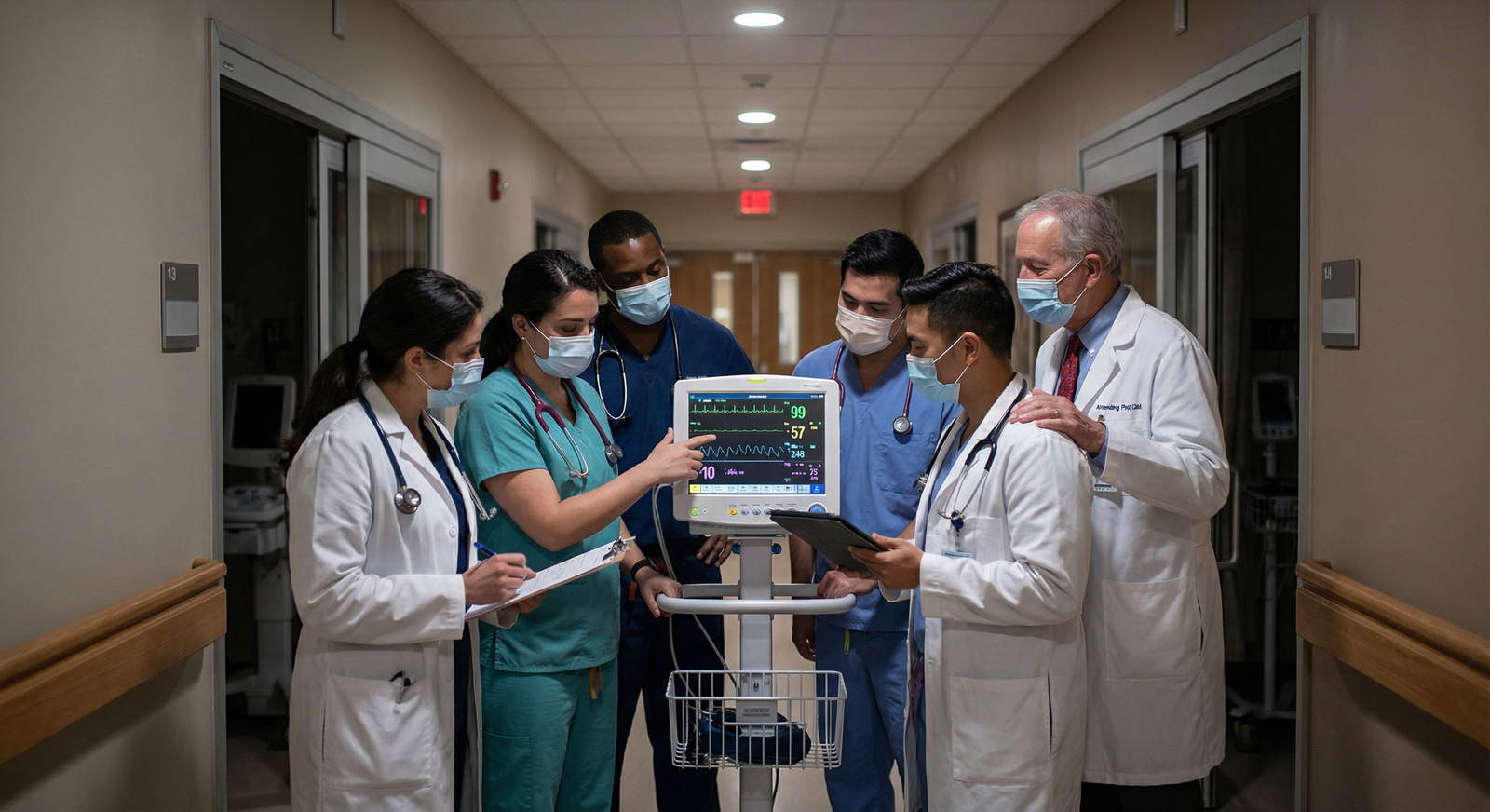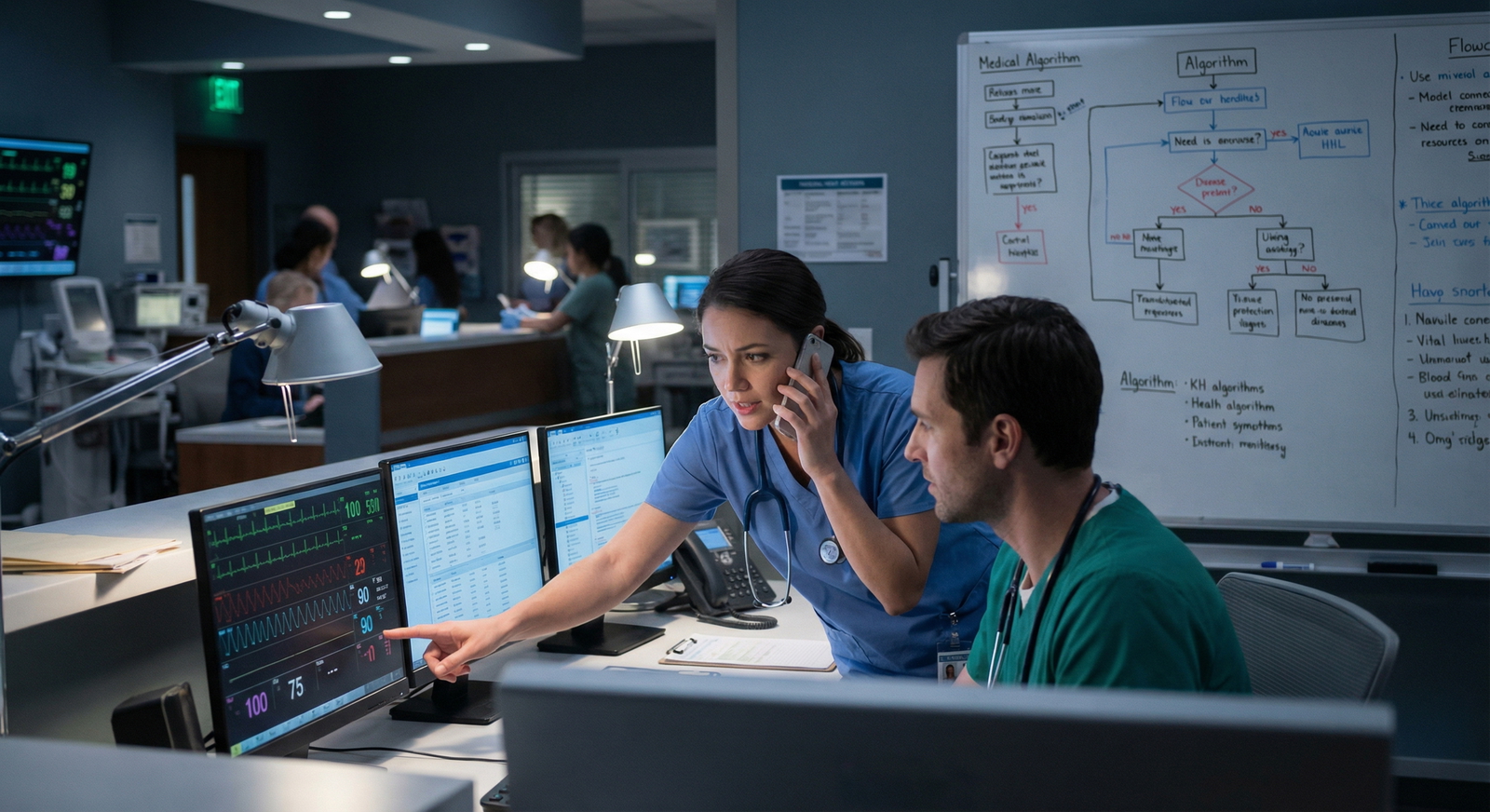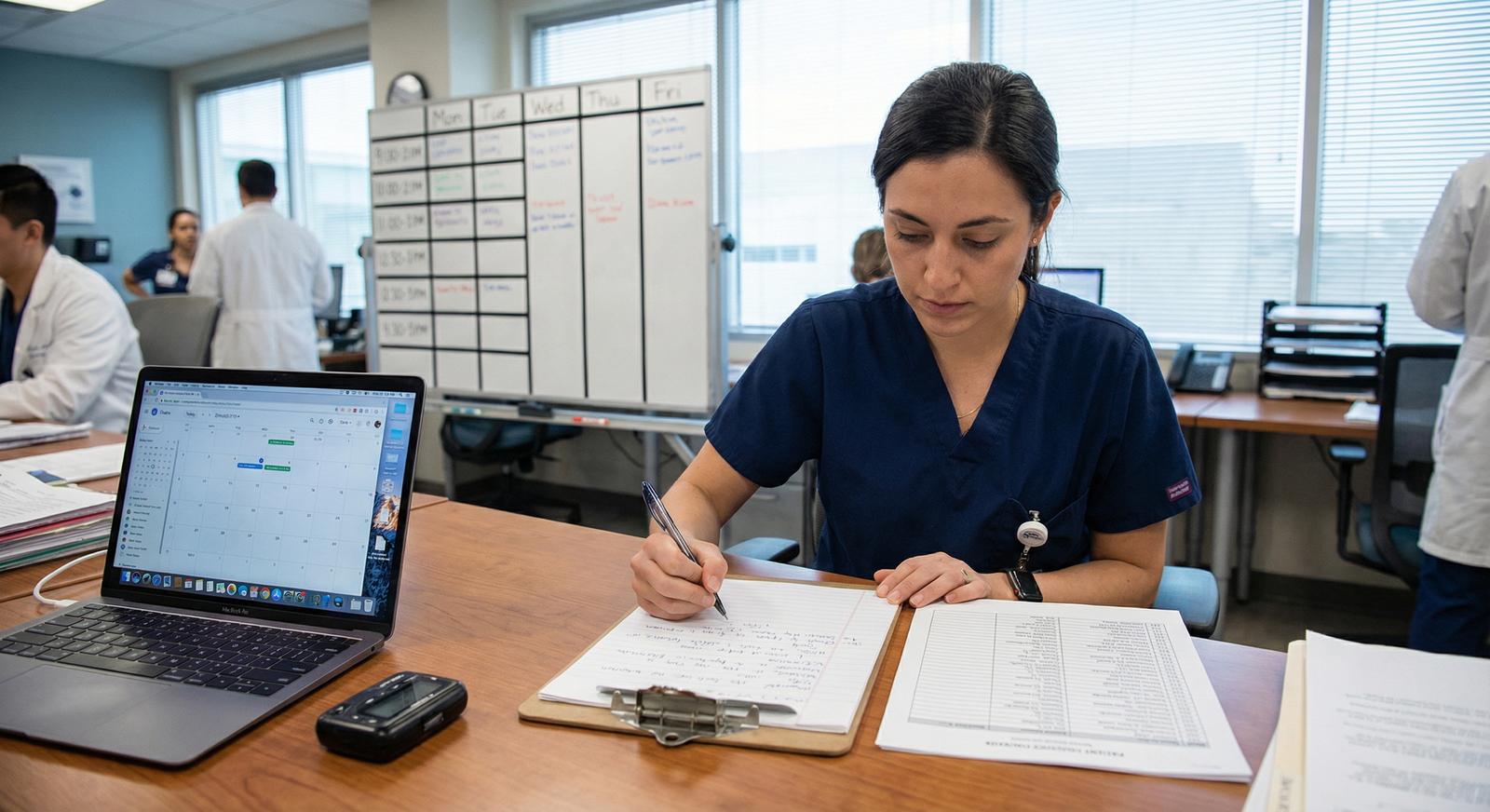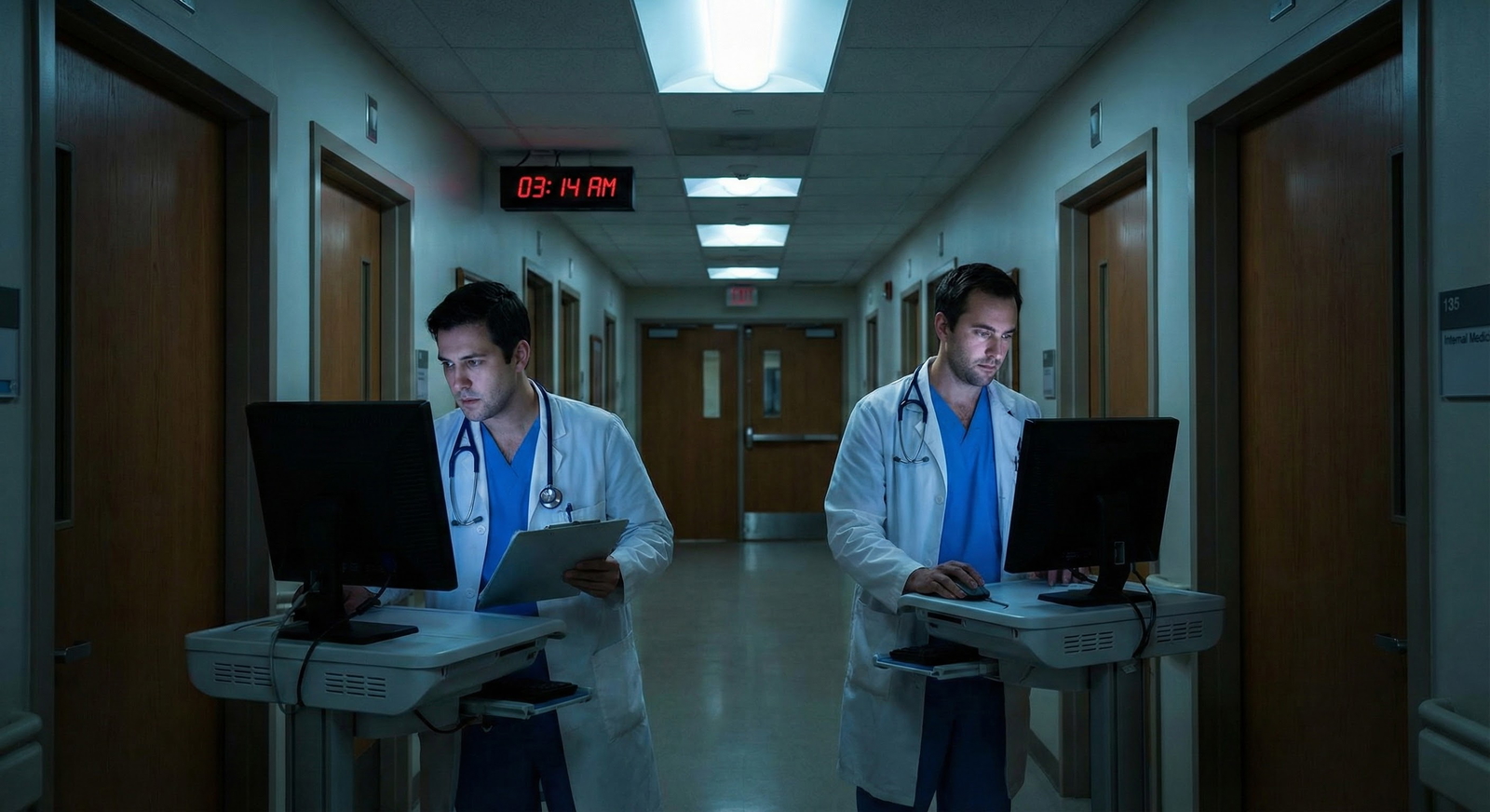
Residency is a proving ground—not just for your clinical skills, but for your ability to function under intense, sustained pressure. Long hours, critically ill patients, demanding attendings, and the constant awareness that your decisions have real consequences for patient lives can make Residency Life feel like an ongoing stress test.
Learning practical Stress Management techniques is no longer optional; it’s essential for Physician Well-being, patient safety, and your long-term career sustainability. This guide focuses on managing high-stress and true crisis situations—those moments when you feel overwhelmed, flooded, or on the verge of shutting down—and offers concrete tools you can start using on your next shift.
Understanding Stress in Residency and Crisis Situations
Before you can manage stress effectively, it helps to understand what’s actually happening—to your brain, your body, and your behavior—when you’re under pressure.
The Nature of Stress in Residency
Stress is a normal physiological and psychological response to perceived demands or threats. In residency, those “threats” often include:
- Time Pressure: Back-to-back admissions, codes, cross-cover calls, and a pager that never seems to stop.
- High Stakes: Critically ill patients, rapid decompensations, and the fear of missing something important.
- Uncertainty and Complexity: Making time-sensitive decisions with incomplete information or evolving clinical pictures.
- Interpersonal Demands: Managing interactions with attendings, consultants, nurses, patients, and families—often all at once.
- Performance Evaluation: Constantly being observed, assessed, and compared to peers.
Research consistently shows that a majority of residents experience significant burnout symptoms, including emotional exhaustion and depersonalization. This is not a personal failing; it’s a predictable response to a high-intensity environment.
How Stress Shows Up: Physical, Cognitive, and Emotional Signs
Recognizing your own early warning signs lets you intervene before stress becomes overwhelming.
Physical Signs:
- Racing heart, shortness of breath
- Sweaty palms, tremors, or feeling shaky
- Headaches or GI discomfort
- Insomnia or fragmented sleep
- Increased muscle tension, jaw clenching
Cognitive Signs:
- Tunnel vision—focusing on one detail and missing the big picture
- Difficulty prioritizing tasks or planning next steps
- Mental “fog,” slow recall, or trouble with simple calculations
- Increased error risk or second-guessing yourself constantly
Emotional and Behavioral Signs:
- Irritability, snapping at colleagues or family
- Feeling detached, numb, or cynical about work
- Tearfulness after shifts, especially after bad outcomes
- Procrastination, avoidance, or dreading coming to work
- Increased reliance on caffeine, alcohol, or other substances
Recognizing that these responses are common and physiologic, not moral failings, is a crucial step in Crisis Navigation and Mental Health preservation.
Core Principles of Managing High-Stress Moments
Effective Stress Management during residency is less about eliminating stress (which is unrealistic) and more about regulating your response so you can still think clearly and act safely.
Principle 1: Control What You Can, Acknowledge What You Can’t
You cannot control patient pathology, ED volumes, or attending personalities. You can control:
- Your breathing and physical grounding
- How you prioritize tasks
- How and when you ask for help
- How you talk to yourself during crises
Shifting your focus from “this is all out of control” to “here are three specific things I can do right now” is powerful.
Principle 2: Aim for “Safe and Effective,” Not “Perfect”
Perfectionism is rampant in medicine and becomes toxic in crisis. In true high-stress situations:
- Focus on what is safe, evidence-based, and timely
- Accept that some decisions will be made without complete information
- Use guidelines, checklists, and team input to offset personal uncertainty
Techniques for Managing High-Stress Situations in Real Time
This section focuses on what you can do in the moment—during codes, rapid responses, cross-cover chaos, and overwhelming shifts.
1. Prioritize Self-Care as a Clinical Skill, Not a Luxury
Self-care often sounds abstract, but in residency it directly affects diagnostic accuracy, reaction time, and emotional stability.
Build a “Minimum Viable Self-Care” Plan
You may not be able to hit ideal wellness goals, but you can maintain core functions:
Sleep Protection (as feasible)
- Aim for consistent sleep windows on off days.
- Use earplugs, eye masks, or white-noise apps when post-call.
- Avoid stacking consecutive all-nighters whenever scheduling allows.
Nutrition Under Pressure
- Keep quick, high-protein snacks in your bag or locker (nuts, protein bars, trail mix).
- Try to eat something every 4–6 hours, even if it’s small.
- Hydrate: set an alarm or tie water breaks to routine tasks (e.g., each time you sit to chart, drink).
Micro-Activity During Shifts
- Take the stairs when time permits.
- Do 60–90 seconds of stretching between patients or while waiting for labs.
- A brisk 5-minute walk around the unit or outside can reset your nervous system.
These are not “nice to haves”—they are foundational to safe clinical performance.
2. Cultivate Resilience Through Reflection and Support
Resilience is less about being “tough” and more about recovering and learning after stress and adversity.
Use Structured Reflection After Difficult Events
After a code, bad outcome, or conflict, ask yourself:
- What happened factually?
- What did I do well?
- What would I do differently next time?
- What support do I need now (information, debrief, rest, counseling)?
Even a 5-minute mental review while walking to your car, or a few journaling bullets before bed, can transform distressing experiences into learning and growth.
Build a Personal Support Network
- Inside the hospital: Identify 2–3 peers and at least one senior resident or attending you feel safe being honest with.
- Outside medicine: Maintain at least one non-medical relationship where you can talk about life beyond the hospital.
- Virtual communities: Physician well-being and peer-support groups (through national specialty organizations or online forums) can normalize your experience.
3. Use Mindfulness and Grounding Techniques in the Moment
Mindfulness is not about clearing your mind—it’s about anchoring your attention so your brain can function under pressure.
Tactical Breathing for Crisis Moments
When your heart is racing and your thoughts are spiraling, try:
- Box Breathing (4–4–4–4)
- Inhale through your nose for 4 seconds
- Hold for 4 seconds
- Exhale slowly through your mouth for 4 seconds
- Hold empty for 4 seconds
- Repeat 4 times
You can do this:
- While scrubbing for a procedure
- As you walk to a rapid response
- Before calling a difficult family meeting
This helps shift your nervous system from full “fight-or-flight” toward a more regulated state.
5-4-3-2-1 Grounding for Overwhelm
If you feel panicky or mentally frozen:
- Name 5 things you can see
- 4 things you can touch
- 3 things you can hear
- 2 things you can smell
- 1 thing you can taste or are grateful for
This simple process brings you back into your body and the present moment, so you can think clearly.
4. Master Time Management Under Pressure
Effective time management is one of the most powerful tools for Crisis Navigation in Residency Life.
Triage Your To-Do List Like a Patient List
Think of your tasks like patient acuity:
- Emergent: Must be done now (unstable vitals, STAT labs, orders delaying critical care).
- Urgent: Must be done soon, but can wait until emergent tasks are complete (consult calls, family updates).
- Routine: Important but can be batched and done later (documentation details, non-urgent follow-ups).
Use simple rules:
- When everything feels urgent, ask: “What will harm the patient if delayed?”
- Group similar tasks (all consult pages at once, orders for several patients at once) to reduce cognitive switching.
Use Simple Tools and Scripts
- Create templates in your EMR for common notes.
- Use pre-written checklists for admissions, sepsis workup, chest pain, stroke, etc.
- Maintain a small pocket card or phone note with your personal crisis checklist (e.g., airway-breathing-circulation, key labs, key orders for common emergencies).
5. Communicate Effectively to Reduce Stress and Error
Poor communication fuels anxiety, confusion, and mistakes—especially under stress. Intentional, structured communication supports both patient safety and your own peace of mind.
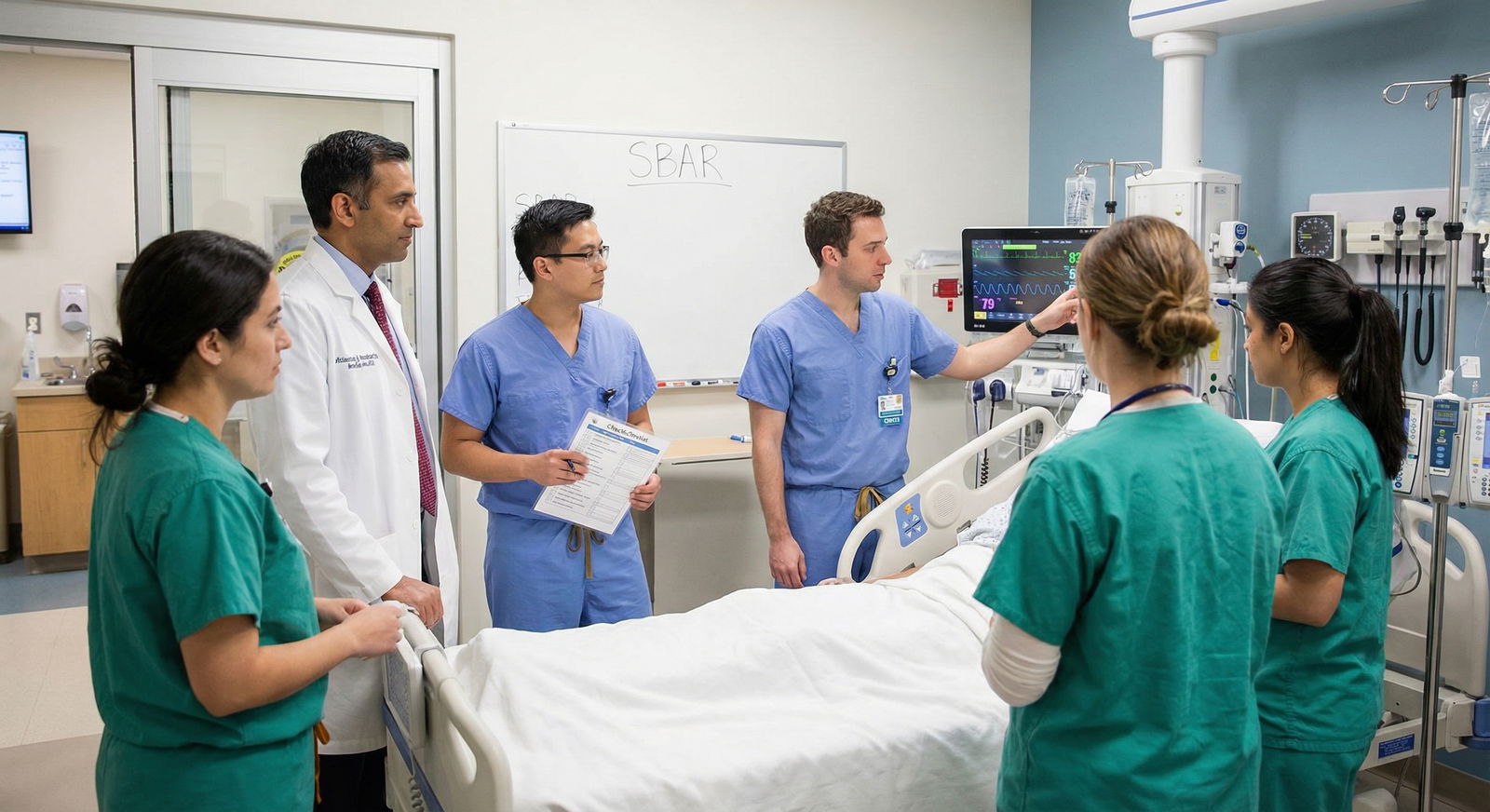
Use SBAR for High-Stakes Conversations
The SBAR framework is especially useful with attendings and consultants:
- S – Situation: “This is Dr. X, the night float on 8W. I’m calling about Mr. Y with acute hypotension.”
- B – Background: “He’s a 67-year-old with sepsis secondary to pneumonia, currently on IV ceftriaxone and azithromycin…”
- A – Assessment: “He’s increasingly tachycardic, BP 78/40, MAP in the low 50s despite fluids. I’m concerned about septic shock.”
- R – Recommendation: “I’d like to start vasopressors and move him to a higher level of care. Do you agree, and would you recommend any additional diagnostics?”
SBAR helps you stay organized—even when your mind feels scattered.
Normalize Asking for Clarification
In high-stress situations:
- Repeat back critical orders: “To confirm, you’re asking for 2 mg IV lorazepam now and prepare for intubation?”
- Ask direct, concise questions: “Given X and Y, is your priority that I do A or B first?”
- Remember: clarifying is safer than guessing, and attendings generally prefer questions to prevent errors.
Participate in and Advocate for Debriefing
After codes, near-misses, or team conflicts:
- Join (or initiate) brief debriefs: “Can we take 5 minutes to talk through what went well and what we can improve next time?”
- Focus on systems and processes, not blame.
- Share both emotional and clinical reactions—it reinforces shared humanity and peer support.
Recognizing When Stress Becomes a Crisis
There is a difference between acute high stress and chronic distress or mental illness. Recognizing when you’re moving into dangerous territory is vital for long-term Physician Well-being.
Warning Signs You Should Not Ignore
- Persistent sadness, hopelessness, or numbness
- Loss of interest in things you used to enjoy—even on days off
- Increasing anger or emotional volatility
- Recurrent thoughts that patients would be better off without you
- Thoughts of self-harm, wishing you would not wake up, or considering suicide
- Escalating use of alcohol, sedatives, or other substances to cope
If you notice these in yourself or a colleague, it’s not “just residency.” These are signs that professional help is needed.
When and How to Seek Help
Institutional resources:
- Employee assistance programs (EAP)
- Resident wellness offices
- Confidential counseling services
- Peer support or Balint groups
External resources:
- Independent therapists experienced with healthcare workers
- National physician support lines or crisis hotlines
- Specialty-specific wellness programs through professional societies
Emergency support:
- If you have active thoughts of self-harm with intent or plan, seek immediate help through an ED, crisis line, or trusted colleague who can accompany you.
Seeking help is a professional action, not a weakness. Healthy physicians provide safer care.
Developing Healthy Long-Term Coping Strategies
Effective coping in residency is about sustainability—what you can maintain over months and years.
1. Constructive Coping vs. Numbing
Constructive Coping Examples:
- Talking with a trusted peer after a hard shift
- Exercising, yoga, or walking
- Creative activities (music, writing, art)
- Mindfulness, prayer, or spiritual practices
- Therapy or coaching
Numbing or Maladaptive Coping Examples:
- Drinking to black out after shifts
- Relying on sleeping pills or benzodiazepines regularly without supervision
- Isolating completely from family and friends
- Doom-scrolling or gaming all night to avoid thinking about work
The goal is not perfection—it’s noticing patterns and gently steering yourself toward strategies that truly restore rather than just distract.
2. Using Humor and Connection Wisely
Humor can be an excellent coping tool when:
- It’s used to connect with colleagues and relieve tension
- It doesn’t target patients, identities, or vulnerable groups
- It allows people to exhale after high-stress events
Dark humor is common in medicine, but be mindful:
- If jokes are the only way feelings are expressed, people may be struggling underneath.
- If humor leaves someone feeling uncomfortable or hurt, it adds to stress rather than easing it.
3. Protecting Work–Life Boundaries
Absolute balance may be impossible in residency, but intentional boundaries are still realistic:
Micro-boundaries during the day
- Take 2–3 minutes to eat without charting when possible.
- Step outside once per shift for fresh air if you can safely leave the unit.
Post-shift transitions
- Create a small “off-ramp” ritual when you leave the hospital: change shoes, a short walk, a specific playlist.
- Limit rehashing every mistake on the drive home. Note learning points, then give yourself permission to mentally clock out.
Days off
- Schedule one genuinely restorative activity (sleep in, brunch, hike, visit a friend).
- Protect at least part of the day from medical tasks—no reading, no EMR, no email, if possible.

Practical Crisis Navigation Checklist for Residents
When everything feels like it’s falling apart, it helps to have a simple, repeatable structure. Consider this quick Crisis Navigation checklist:
Pause and Breathe (10–20 seconds if safe)
- One or two cycles of box breathing.
- Orient to: Who is the sickest patient? What must be done in the next 5 minutes?
Stabilize the Most Critical Issue
- Airway, breathing, circulation first.
- Call for help early: charge nurse, rapid response, senior resident, or attending.
Delegate and Communicate
- Assign specific tasks: “You get vital signs; you call RT; you prepare meds.”
- Use SBAR for consults and updates.
Reassess and Reprioritize
- After initial steps, ask: “What’s the new biggest risk?”
- Adjust your plan based on new data.
Document and Debrief
- Complete essential documentation as soon as feasible.
- Debrief briefly with team; identify learning points and emotional reactions.
Recover and Reflect
- Take a short break if safely possible (even 2 minutes).
- Later, reflect or journal: what to keep, what to change.
Frequently Asked Questions (FAQ)
1. What are some immediate strategies for coping with acute stress in the middle of a crisis?
- Use box breathing or another controlled breathing technique while walking between tasks or waiting for labs.
- Ground yourself with a quick 5-4-3-2-1 sensory exercise.
- Mentally state your next one or two priorities: “Call attending, stabilize BP.”
- Ask for help early—activate the team (nurses, RT, senior, rapid response) rather than trying to do everything yourself.
These steps help your brain shift from panic to problem-solving.
2. How can I find supportive colleagues and build a safety net during residency?
- Attend residency social events, wellness activities, and journal clubs where informal connections form.
- Identify one or two co-residents you feel comfortable being honest with and check in regularly.
- Use mentor programs offered by your program or professional society to connect with a senior physician who understands your specialty’s unique stressors.
- If your program has peer-support or Balint groups, try attending at least a few sessions to see if they fit you.
Supportive relationships are one of the strongest protectors against burnout.
3. Is it normal to feel burned out or question my career choice during residency?
Yes. Many residents, even those who go on to deeply love their work, experience periods of:
- Doubting their competence
- Questioning whether medicine was the right choice
- Feeling emotionally exhausted or detached
Persistent or severe symptoms deserve attention, but occasional doubt and fatigue are common in high-stress settings. What matters is how you respond—by seeking support, adjusting coping strategies, and, when needed, accessing professional Mental Health resources.
4. How can mindfulness realistically fit into an already packed resident schedule?
Mindfulness does not require long meditation sessions. You can integrate it into your existing routine by:
- Taking three mindful breaths before entering each new patient room.
- Doing a 1–2 minute body scan while scrubbing for a procedure.
- Eating the first few bites of a meal or snack without multitasking, paying attention to taste and sensation.
- Using your walk from the parking lot as a time to notice your surroundings rather than reviewing your to-do list.
These micro-practices add up and help train your brain to stay present under pressure.
5. When should I seek professional help for stress, anxiety, or depression during residency?
Consider professional help if you notice:
- Persistent low mood, anxiety, or irritability lasting more than a couple of weeks
- Loss of interest in things you used to enjoy, even on days off
- Difficulty functioning at work or at home (missing shifts, major procrastination, conflicts)
- Reliance on alcohol, sedatives, or other substances to fall asleep or cope
- Any thoughts of self-harm or that others would be “better off without you”
Reaching out to a counselor, psychologist, psychiatrist, or your institution’s wellness resources is a proactive step toward protecting both your health and your patients’ safety.
Residency will always be demanding, but it doesn’t have to destroy your well-being. By understanding how stress operates, using concrete tools in real time, building resilience and support systems, and recognizing when to seek help, you can navigate crises more effectively and sustainably. Your mental health is not a side issue—it is a critical component of being the kind of physician you set out to become.