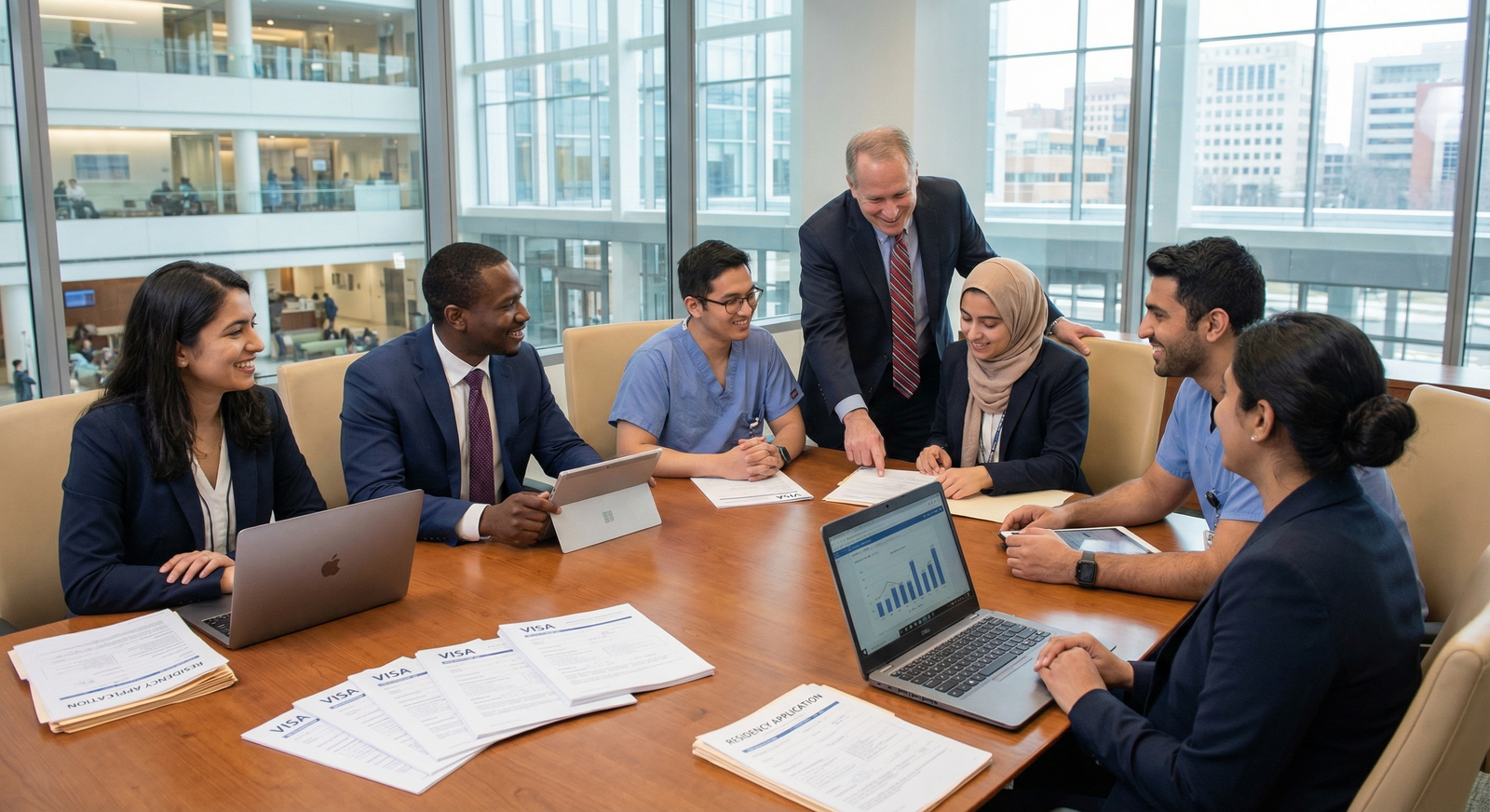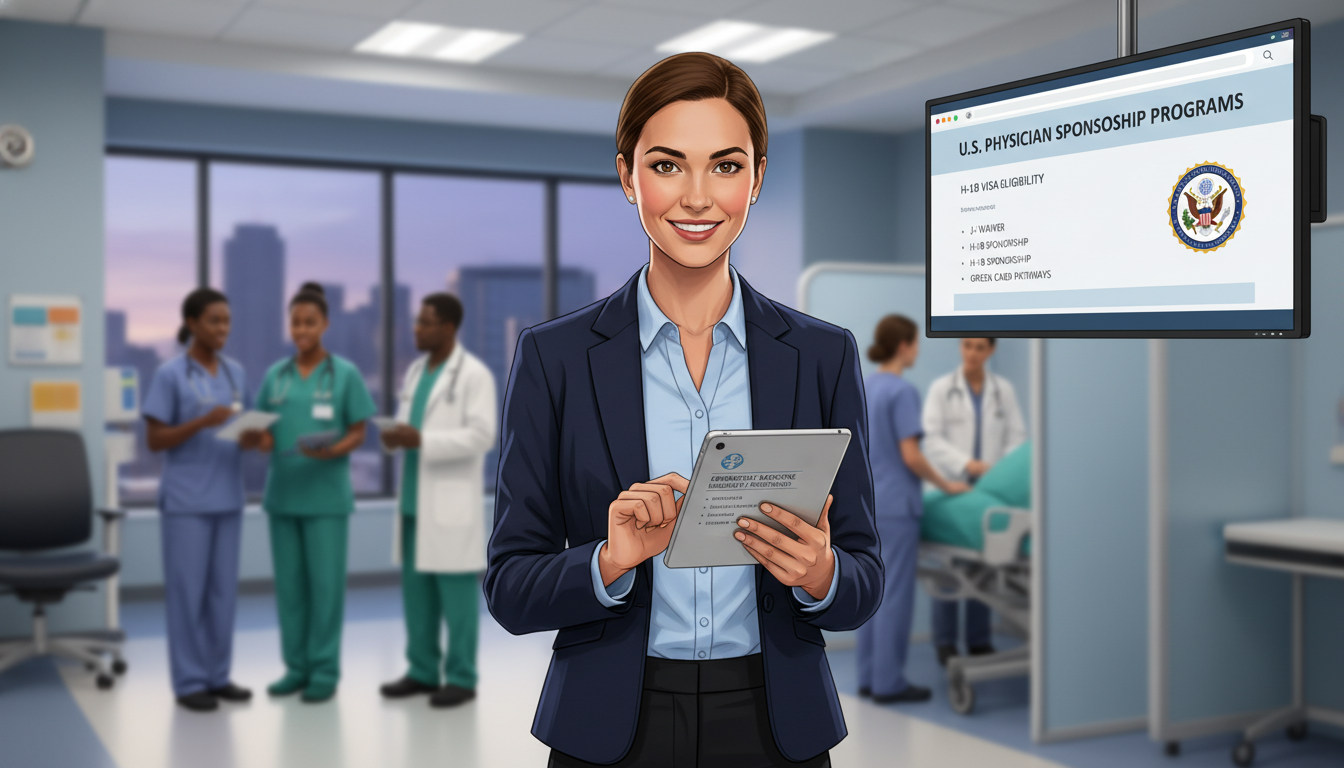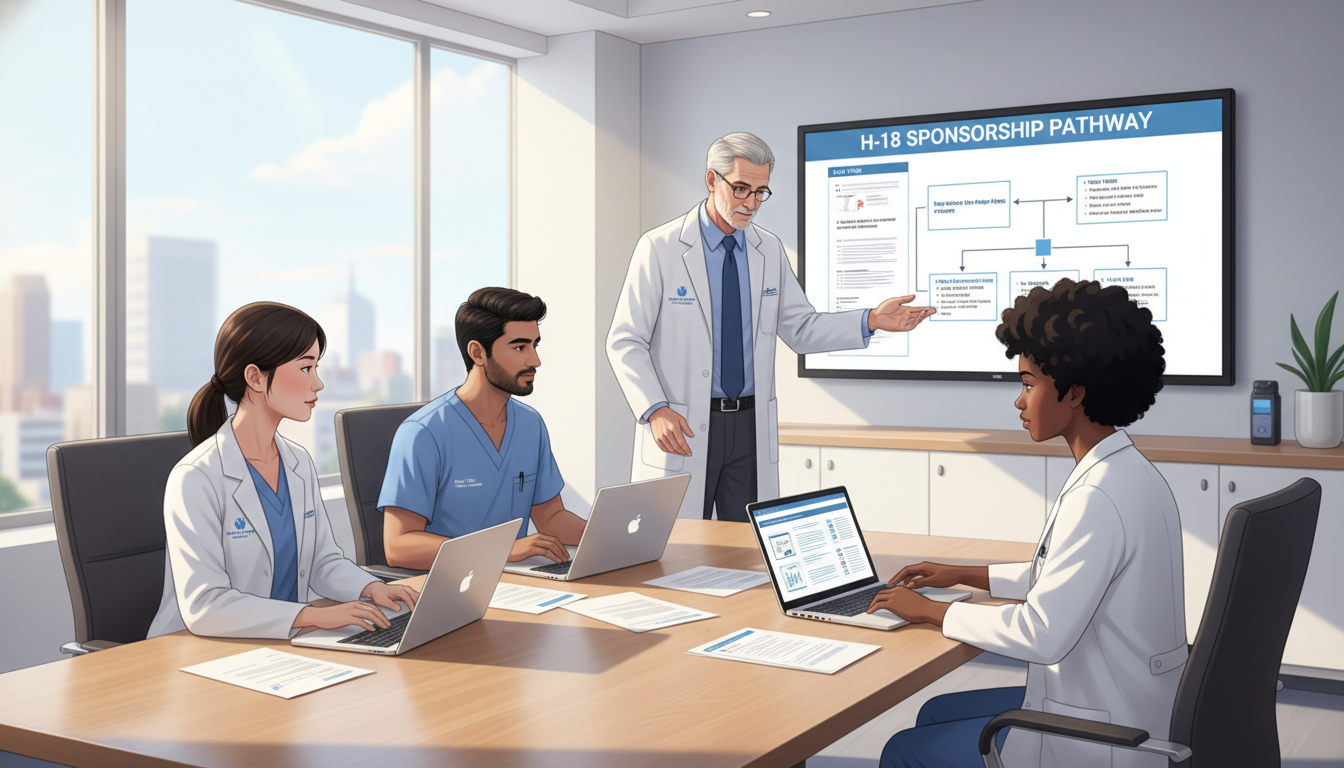
Understanding H-1B Sponsorship for Non-US Citizen IMGs in the Bay Area
For a non-US citizen IMG (international medical graduate), the San Francisco Bay Area is one of the most competitive and attractive regions in the United States for residency training. Major academic centers, innovative community programs, and a strong culture of research and technology make the Bay Area especially appealing. However, if you are a foreign national medical graduate who needs visa sponsorship, understanding H-1B residency programs, H-1B cap exempt rules, and the local landscape is essential.
This guide focuses specifically on H-1B sponsorship programs for non-US citizen IMGs in the San Francisco Bay Area, with emphasis on practical strategy, examples, and actionable steps you can take for your residency application and long-term career planning.
1. H-1B Basics for Residency: What Every IMG Should Know
Before looking at specific San Francisco residency and Bay Area residency options, you need a clear picture of how the H-1B works in graduate medical education.
1.1 H-1B vs J-1 for Residency
Most programs sponsor either J-1 or H‑1B visas, sometimes both:
J-1 visa (ECFMG-sponsored)
- Most common for residency and fellowship
- Requires two-year home-country physical presence after training (unless waived)
- Easier for many programs to sponsor because ECFMG handles the logistics
H-1B visa (institution-sponsored)
- Employer-sponsored, dual intent (more favorable for long-term immigration planning)
- No 2-year home residency requirement
- Requires USMLE Step 3 passed before filing
- Higher cost and administrative burden for programs
- Subject to complex “cap” rules, unless cap-exempt
As a non-US citizen IMG, you might prefer H‑1B to avoid the J‑1 home residency requirement and to keep the door open to future permanent residence (green card) without needing an underserved-area waiver. But H‑1B opportunities are more limited and more competitive, especially in popular regions like the Bay Area.
1.2 H‑1B Cap vs H‑1B Cap-Exempt for Residency
Not all H‑1B visas are equal. The “cap” determines whether you must enter the national H‑1B lottery.
H‑1B Cap-Subject
- Most private employers
- Limited number of new H‑1Bs each federal fiscal year
- Requires lottery selection before petition can be filed
H‑1B Cap-Exempt
- Certain non-profit hospitals, universities, or research institutions
- Many large academic medical centers fall into this category
- Can file H‑1B petitions year-round, no lottery
Most large academic hospitals in the San Francisco Bay Area are associated with universities or non-profit systems, which often makes them H‑1B cap exempt. This is a major advantage because it avoids the lottery and allows more predictable visa planning for residency and fellowship.
1.3 Key Requirements for H‑1B Residency Sponsorship
Most H‑1B residency programs require:
- USMLE Step 3 passed before H‑1B petition filing (often before rank list or contract signing)
- ECFMG certification
- Valid medical degree recognized by ECFMG
- State-specific licensing or eligibility (e.g., California medical board requirements)
- Proof of English proficiency where applicable (often implicit via exams and training)
Because Step 3 is often a strict prerequisite, non-US citizen IMGs targeting H‑1B in the Bay Area should plan to complete Step 3 early, ideally before or during the application cycle.

2. Overview of the Bay Area Residency Landscape for Non-US Citizen IMGs
The San Francisco Bay Area includes several major counties and cities: San Francisco, Oakland, Berkeley, Palo Alto, San Jose, and surrounding communities. From an IMG perspective, you’ll see three broad types of institutions:
- Major Academic Medical Centers
- Large Non-Academic or Community Teaching Hospitals
- Smaller Community Hospitals and Affiliated Programs
Each category has different tendencies regarding visa sponsorship.
2.1 Major Academic Centers (Often H‑1B Cap Exempt)
These institutions are often H‑1B cap-exempt due to non-profit or university affiliation:
- University-based residency programs (e.g., UCSF and its affiliated hospitals)
- Stanford-affiliated programs (mostly on the Peninsula but within broader Bay Area ecosystem)
- County-university teaching hospitals (e.g., Santa Clara Valley Medical Center, Highland Hospital in Oakland for some services)
Advantages for IMGs:
- Multiple residency and fellowship programs
- Structured visa offices and legal support
- Established policies toward IMGs and non-US citizen trainees
- More likely to maintain an internal H‑1B sponsor list or guidelines
Challenges:
- Highly competitive
- Some programs may prioritize J‑1 or limit the number of H‑1B residents due to cost and administrative complexity
2.2 Community and County Hospitals
Examples include:
- Kaiser Permanente programs in the region
- County hospitals in San Mateo, Santa Clara, Contra Costa, Alameda
- Smaller teaching sites affiliated with UCSF or other universities
These programs vary significantly. Some:
- Sponsor H‑1B routinely for strong candidates
- Only sponsor J‑1
- Accept only US citizens/permanent residents
For a foreign national medical graduate, it’s critical not to guess; always confirm directly with the program.
2.3 Venture-Linked and Tech-Influenced Programs
The Bay Area’s tech ecosystem means:
- Strong emphasis on digital health, AI in medicine, and biomedical research
- Opportunities to combine clinical training with innovation or informatics
- Affiliated research roles that can extend or complement H‑1B employment in cap-exempt settings
If you have research, informatics, or engineering experience, highlight this in your application. Programs in San Francisco and Silicon Valley may especially value that blend and be more open to investing in visa sponsorship for you.
3. Identifying H-1B-Friendly Residency Programs in the Bay Area
Not every hospital publicly advertises its visa policies, and online information is often incomplete or outdated. As a non-US citizen IMG searching for H-1B residency programs in the San Francisco Bay Area, you’ll need a systematic approach.
3.1 Where to Look for Information
Use these sources together:
Program Websites
- Check the “International Medical Graduates,” “Visa Sponsorship,” or “FAQ” sections
- Some programs clearly state:
- “We sponsor J‑1 and H‑1B visas”
- “We only sponsor J‑1 visas”
- “We do not sponsor visas”
FREIDA (AMA) and ACGME Program Listings
- FREIDA sometimes lists visa types sponsored
- ACGME sites won’t provide visa specifics but confirm accreditation and program structure
ECFMG and NRMP Data
- ECFMG and NRMP publish aggregate data regarding IMG match, but not specific program visa policies
- Still useful to see which specialties are more friendly for IMGs
Networking and Alumni Contacts
- Current residents or recent graduates from your medical school (or home country) who matched in the Bay Area
- Hospital or university IMG support offices
- Social media and professional platforms (e.g., LinkedIn, specialty-specific Facebook groups)
3.2 How to Verify Actual H-1B Sponsorship
Information on websites can be outdated. To verify current policies:
- Email the program coordinator early (before ERAS submission if possible):
- Introduce yourself briefly
- State you are a non-US citizen IMG requiring visa sponsorship
- Ask specifically:
- Whether the program sponsors H‑1B for residency
- Whether they require USMLE Step 3 before ranking or contract
- Any special requirements for foreign national medical graduates
Example email:
Dear [Program Coordinator’s Name],
I am an international medical graduate and a non-US citizen planning to apply to your [Specialty] residency program in the upcoming ERAS cycle. I will require visa sponsorship for postgraduate training.
Could you please confirm whether your program sponsors H‑1B visas for incoming residents, and if so, whether USMLE Step 3 must be completed before ranking or contract issuance?
Thank you very much for your time and assistance.
Sincerely,
[Your Name], MD (or equivalent)
Keep this brief and professional. Coordinators receive many emails; clarity and politeness matter.
3.3 Building Your Personal “H‑1B Sponsor List”
Since no definitive public H‑1B sponsor list for Bay Area residencies exists, you should build your own:
Create a spreadsheet with columns such as:
- Program name
- Specialty
- City
- Institution type (academic, community, county)
- Visa types sponsored (J‑1, H‑1B)
- Step 3 requirement timing
- Notes (e.g., “IMG-friendly,” “previous residents from [your country]”)
Update this after:
- Checking websites
- Emailing coordinators
- Talking to current residents
Over time, this becomes your personal H‑1B sponsor list for the San Francisco Bay Area and will drastically improve your application targeting.

4. Strategy: Maximizing Your Chances for an H-1B Residency in the Bay Area
Landing an H‑1B–sponsored position in such a competitive region requires deliberate strategy that aligns your profile with the realities of Bay Area programs.
4.1 Prioritize Early USMLE Step 3
For H‑1B, Step 3 timing is critical. Most H‑1B residency programs will not rank or contract you without it.
Action plan:
- Schedule Step 3 as soon as you are eligible (after passing Step 1 and Step 2 CK and meeting state requirements)
- Aim to have scores available by December–January of the application cycle at the latest
- If your Step 3 is pending, proactively inform programs of:
- Your test date
- How you are preparing
- Your expectation for score release
Programs in the San Francisco residency market receive many applications from candidates who already have Step 3. Don’t let this be your weak point.
4.2 Target Specialties and Programs That Historically Value IMGs
In the Bay Area, some specialties are more IMG-friendly than others. In general (though not absolutely):
More IMG-friendly (often more open to visas):
- Internal Medicine
- Family Medicine
- Pediatrics
- Psychiatry
- Certain preliminary year programs (e.g., transitional/preliminary internal medicine or surgery)
Less IMG-friendly (often more competitive, fewer H‑1B positions):
- Dermatology
- Plastic Surgery
- Neurosurgery
- Integrated surgical subspecialties
- Certain small, elite subspecialty programs
If you are committed to a highly competitive specialty, consider:
- Doing a preliminary year in an H‑1B–sponsoring Bay Area residency (e.g., internal medicine or surgery prelim)
- Simultaneously building research experience and networking to later enter your target field
4.3 Strengthen Your Bay Area Fit Story
Programs in San Francisco and the broader Bay Area care about:
- Commitment to underserved communities and diverse populations
- Interest in academic medicine, research, innovation, or public health
- Cultural humility and ability to work in multicultural teams
- Long-term interest in remaining in the region (often an implicit plus)
In your personal statement and interviews:
- Explain why the Bay Area specifically appeals to you:
- Diversity of patient populations (e.g., immigrant communities, tech workers, LGBTQ+ community)
- Public health and community medicine opportunities
- Research and innovation ecosystems
- Connect your background as a foreign national medical graduate to your empathy for migrant and international patients
- Highlight any prior experiences in California or with similar populations
4.4 Mitigate Common Concerns Programs Have About H‑1B
Programs may hesitate to sponsor H‑1B due to:
- Cost (legal + filing fees)
- Administrative burden
- Timing constraints, especially for cap-subject institutions
- Concerns about candidate stability and long-term plans
You can’t change institutional policy, but you can:
- Show strong testing record (good Step scores, first-attempt passes)
- Demonstrate clear, realistic career goals (e.g., future fellowship, academic career)
- Confirm you understand immigration basics (e.g., H‑1B cap-exempt, no need for lottery in a university hospital)
- Present yourself as low-risk, high-value:
- Strong clinical experience
- Excellent communication skills
- Evidence of commitment (research, volunteer work, quality improvement projects)
5. Post-Residency Planning: Why H‑1B in the Bay Area Can Be a Long-Term Advantage
Thinking beyond residency is especially important for a non-US citizen IMG. The Bay Area environment offers unique opportunities for those on H‑1B cap-exempt status.
5.1 Understanding Cap-Exempt Career Paths
If you complete residency and fellowship in a cap-exempt setting (e.g., a university-affiliated hospital), you can often remain indefinitely in cap-exempt H‑1B roles:
- Academic faculty positions
- Hospital-employed specialist roles at teaching hospitals
- Research-track positions linked with clinical duties
Benefits:
- No need to go through the lottery
- Visa extensions are possible as long as you remain in a cap-exempt role and maintain eligibility
- Many San Francisco and Bay Area institutions regularly sponsor employment-based green cards for long-term faculty
5.2 Transitioning from Cap-Exempt to Private Practice
If your long-term goal is private practice in the Bay Area (which is usually cap-subject), you will eventually need to navigate the cap:
Common pathways:
- Complete residency/fellowship in a cap-exempt program
- Secure a private practice job that will enter you into the H‑1B lottery
- Use cap-exempt role as a bridge:
- Some physicians hold dual positions (cap-exempt + cap-subject) and rely on the exempt role until they are selected in the lottery
- Explore O‑1 visas (for extraordinary ability) in rare cases if your research and achievements are significant
5.3 Green Card Considerations
As a foreign national medical graduate, long-term stability often means permanent residence:
- Many large Bay Area academic centers sponsor green cards (e.g., EB‑2, EB‑1 pathways)
- Staying in a cap-exempt academic role while on H‑1B can give you time to complete the PERM process or qualify for a national interest waiver
- Maintaining a solid record of:
- Research and publications
- Teaching
- Leadership roles
- Contributions to underserved populations
can strengthen your green card application.
Discuss these options early with:
- Program leadership you trust
- The institution’s international office or immigration counsel
so you can align your training and career moves with an immigration strategy.
6. Practical Checklist for Non-US Citizen IMGs Targeting H-1B in the Bay Area
To summarize into actionable steps, here is a structured plan:
6.1 12–18 Months Before Application
- Complete or schedule:
- USMLE Step 1 and Step 2 CK
- English examinations if required by ECFMG
- Research Bay Area residency programs and begin building your H‑1B sponsor list
- Reach out to potential mentors or research supervisors, especially at Bay Area institutions
- Begin or continue clinical observerships or research in California if possible
6.2 6–12 Months Before Application
- Register and schedule USMLE Step 3
- Finalize your list of target programs:
- Mark which are known or likely H‑1B residency programs
- Prioritize H‑1B cap-exempt academic centers when feasible
- Draft personal statement emphasizing:
- Commitment to the Bay Area
- Suitability for your chosen specialty
- Your strengths as a non-US citizen IMG
- Request letters of recommendation, ideally including at least one from a US setting
6.3 During ERAS and Interview Season
- Apply broadly within the Bay Area and beyond (do not limit yourself only to San Francisco)
- In communications with programs:
- Be clear and honest about your need for H‑1B sponsorship
- Provide your Step 3 status (passed, scheduled, etc.)
- Prepare to discuss visa-related topics in interviews without making them the sole focus
- Network with current residents who are non-US citizens, particularly those already on H‑1B
6.4 After Match (If Matched to an H-1B-Sponsoring Program)
- Coordinate early with the program’s GME office or international office about:
- H‑1B petition timeline
- Documentation requirements (diplomas, transcripts, ECFMG certificate, passport, etc.)
- Ensure you understand:
- Start date constraints
- Any temporary licensing requirements for California
- Keep copies of all immigration documents organized and backed up
FAQ: H-1B Sponsorship for Non-US Citizen IMGs in the San Francisco Bay Area
1. How do I know if a San Francisco residency program is H-1B cap exempt?
Most university-based or non-profit teaching hospitals are H‑1B cap exempt. If a residency is based at a university hospital or a non-profit research/teaching institution, it is likely cap-exempt. However, the only reliable way to confirm is:
- Check the program’s website
- Ask the GME office or program coordinator directly
Even if a hospital is cap-exempt, not all programs will choose to sponsor H‑1B for residents.
2. Can I start residency on a J-1 and then switch to H-1B later in the Bay Area?
This is usually difficult because:
- J‑1 for residency comes with a two-year home-country physical presence requirement after training.
- Without a J‑1 waiver (e.g., working in an underserved area for three years), you generally cannot change to H‑1B or adjust status inside the US.
If your long-term goal is H‑1B and permanent residence without a waiver, it is better to start residency on H‑1B if possible, rather than plan to switch later.
3. Is Step 3 absolutely required for H-1B sponsorship in Bay Area residency programs?
In practice, yes for almost all programs. The H‑1B classification for physicians requires passage of all USMLE exams, including Step 3 (or equivalent). Some institutions may:
- Consider you for ranking if you can prove an upcoming Step 3 test date
- Make any contract contingent on passing Step 3 before H‑1B petition filing
Because the Bay Area is competitive, applicants who already passed Step 3 usually have a clear advantage for H‑1B positions.
4. As a non-US citizen IMG, should I apply only to H‑1B-friendly programs in the Bay Area?
No. While targeting H‑1B residency programs makes sense if you strongly prefer H‑1B, it is risky to limit yourself only to a small subset of Bay Area programs. Consider:
- Applying broadly across the US, including:
- J‑1–sponsoring programs
- A mix of academic and community hospitals
- Using H‑1B-favorable Bay Area programs as a priority subset, not your entire list
- Keeping an open mind about starting on J‑1 if H‑1B options are very limited in your specialty
You can then evaluate your match outcomes and long-term goals (including J‑1 waiver routes) once you know your options.
By combining early USMLE Step 3 completion, careful research into H‑1B sponsor lists, targeted applications to San Francisco residency and broader Bay Area residency programs, and long-term immigration planning, a non-US citizen IMG can build a realistic path to training and career success in one of the most dynamic medical regions in the United States.