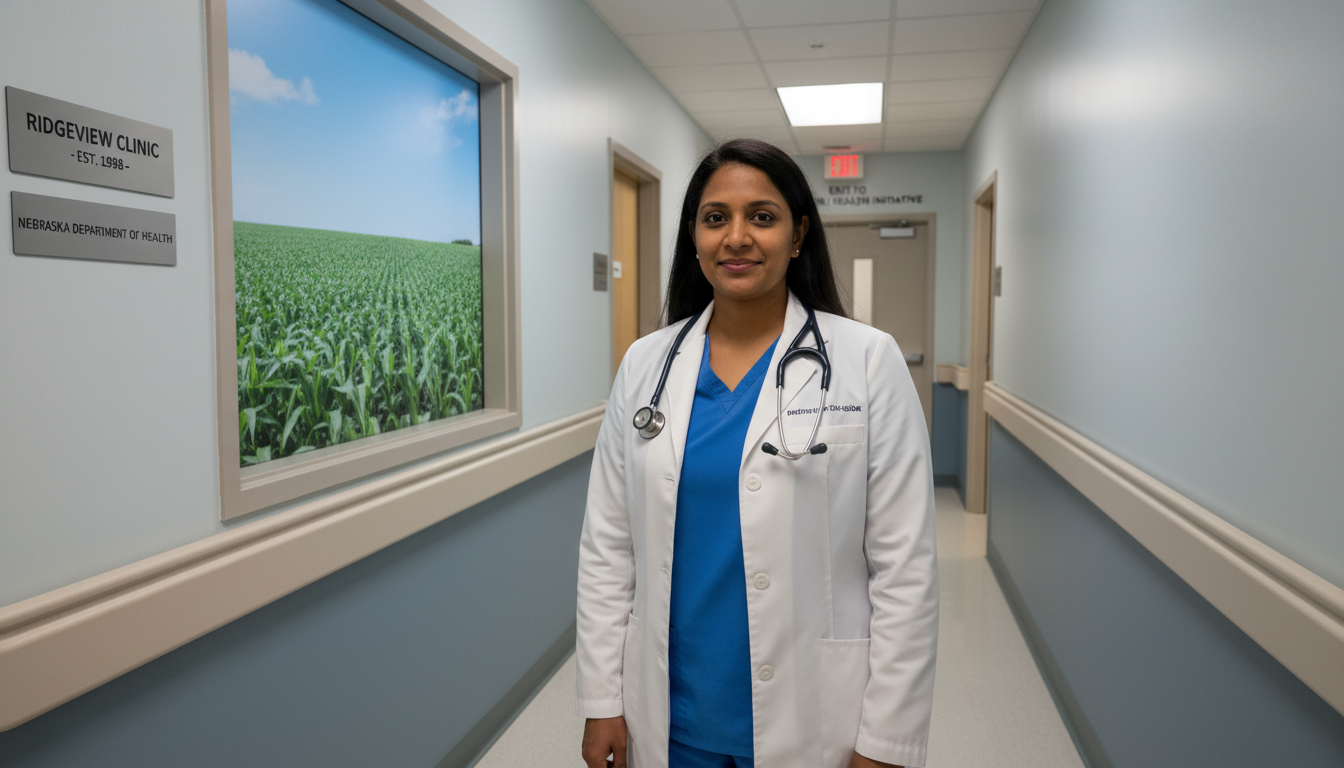
Understanding H-1B Sponsorship for IMGs in the Sun Belt
For many international medical graduates, the combination of a warm climate, diverse patient populations, and relatively IMG-friendly training environments makes the US Sun Belt a top target for residency. At the same time, more and more IMGs are trying to secure H-1B residency programs instead of J-1 because of the pathway to permanent residence and fewer post-training restrictions.
This IMG residency guide focuses specifically on H-1B sponsorship programs in the Sun Belt—stretching roughly from California and the Southwest through Texas and the Gulf Coast to the Carolinas and Florida. You’ll learn:
- How H-1B residency visas work for physicians
- Pros and cons of H-1B vs J-1 for IMGs
- The realities of H-1B cap, cap-exempt status, and how that affects residency
- What to look for in southern residency programs that truly support IMGs on H-1B
- A step-by-step strategy to identify and target H-1B sponsor list programs in the Sun Belt
The goal is to help you apply more strategically, prioritize supportive institutions, and avoid common mistakes that cause last-minute visa crises.
H-1B Basics for International Medical Graduates
Before focusing on the Sun Belt, it’s essential to understand how the H-1B pathway applies specifically to physicians in residency and fellowship.
Key Characteristics of H-1B for Residency
For physicians, the H-1B classification is for temporary professional workers in a specialty occupation. In residency/fellowship context:
- Employer-sponsored: Your residency program (or university/hospital) is your H-1B petitioner.
- Specialty occupation: Graduate medical training clearly meets this standard.
- Dual intent: Unlike J-1, H-1B allows you to pursue permanent residence (green card) without violating your status.
- Duration: Typically granted in increments up to 3 years, with a maximum of 6 years in H-1B status across all employers.
Most IMGs in residency who obtain H-1B are in H-1B cap exempt positions. This is crucial and we will explain in detail below.
Eligibility Requirements for H-1B Physician Trainees
For an international medical graduate, H-1B residency sponsorship typically requires:
USMLE and ECFMG Requirements
- Step 1 and Step 2 CK passed
- ECFMG certification obtained
- Some programs also want Step 3 passed before filing the H-1B (this is very common and often non-negotiable).
State Medical Licensure Requirements
- Many states require USMLE Step 3 for a training license or full license.
- Southern states vary: Texas, Florida, North Carolina, and others often link Step 3 and license eligibility; some may allow a training license pre-Step 3, but the H-1B policy of the hospital may still require it.
Employment Offer from a Compliant Institution
- Must be a bona fide job offer at a prevailing wage.
- Program must be willing and able to handle H-1B paperwork, legal fees, and timing.
No Home Residence Requirement
- If you were previously on a J-1 (research or clinical), you may be subject to the 2-year home country rule, which usually must be addressed before obtaining H-1B for residency.
H-1B vs J-1 for IMGs: What’s the Difference?
Most IMGs enter residency on a J-1 clinical visa (ECFMG-sponsored). Understanding why some pursue H-1B instead:
Advantages of H-1B for the IMG:
- No 2-year home country requirement after training.
- Dual intent allows you to apply for a green card during or after residency.
- More flexible pathway to transition into attending roles in the same region after training.
- Often less dependent on ECFMG once the visa is approved, because the employer is the sponsor.
Disadvantages/Challenges:
- Not all programs sponsor H-1B; many are J-1 only.
- Step 3 is usually required before H-1B petition filing, compressing your exam timeline.
- Legal/filing costs are higher for the employer.
- Timing is strict; document issues can jeopardize a July 1 start.
In the Sun Belt, where many institutions are large academic medical centers or safety-net hospitals, there is a mix of J-1 only, J-1/H-1B flexible, and H-1B-friendly programs. Knowing which is which is crucial.

The H-1B Cap, Cap-Exempt Status, and Why It Matters for Residency
One of the most confusing (and stressful) aspects of H-1B is the annual cap. Fortunately, many residency programs are H-1B cap exempt, which significantly simplifies life for IMGs.
H-1B Cap vs H-1B Cap Exempt
H-1B Cap:
- General category is limited to 65,000 visas per fiscal year, plus 20,000 for US master’s graduates.
- Requires entry into a lottery each March.
- Start dates are tied to the federal fiscal year (typically October 1), which does not align perfectly with July 1 residency starts.
H-1B Cap Exempt:
For IMGs in residency, most positions fall into this category if the employer is:- A non-profit institution affiliated with a university,
- An institution of higher education, or
- A non-profit or government research organization.
Most teaching hospitals and large academic health systems in the Sun Belt qualify, making them H-1B cap exempt. That means:
- No lottery.
- Can file H-1B petitions at any time of year.
- Start date can line up with July 1 residency start.
When you research H-1B sponsor list information, explicitly check whether the institution is a cap-exempt academic or non-profit medical center.
Why Cap-Exempt Status Is Especially Important in the Sun Belt
The Sun Belt has:
- Many large academic centers (e.g., UT Southwestern, Baylor, Emory, UAB, UF, UM, UNC, Duke, UCSF, UCSD, UAB, etc.) that are typically cap exempt.
- A rising number of community-based programs, some university-affiliated (cap exempt) and some purely private (often cap subject).
If you match into a cap-subject H-1B residency program:
- You may have to win the lottery to start.
- Your start date might be delayed until October 1, creating training gaps and licensing complications.
- Some programs will not risk this, so they either:
- Avoid sponsoring H-1B entirely, or
- Strongly prefer J-1 for IMGs.
Therefore, when evaluating southern residency programs, prioritize those that are both:
- Cap-exempt
- Experienced H-1B sponsors
This combination minimizes risk and makes your H-1B path far smoother.
The Sun Belt Landscape: Where H-1B-Friendly Programs Tend to Cluster
The Sun Belt region includes:
- West/Southwest: California, Arizona, Nevada, New Mexico
- Central South: Texas, Oklahoma, Arkansas, Louisiana
- Deep South: Mississippi, Alabama, Georgia, South Carolina
- Southeast/Atlantic: North Carolina, Tennessee, Florida (and sometimes Virginia)
In this IMG residency guide, the focus is broad regional patterns rather than endorsing specific institutions.
Common Features of Sun Belt Programs That Sponsor H-1B
While every hospital is different, H-1B-friendly Sun Belt residency programs often share:
Academic or University Affiliation
- University medical centers or teaching hospitals with multiple residency programs.
- Typically cap exempt and accustomed to hiring international faculty and residents.
Established International Workforce
- High percentage of IMGs among residents and faculty.
- Existing H-1B and sometimes O-1 or TN sponsorship for physicians.
Robust Graduate Medical Education (GME) Office
- Dedicated visa/immigration staff or contracted legal counsel.
- Clear written policies on J-1 vs H-1B posted on the program or GME website.
Historically Documented H-1B Sponsorship
- Program websites, NRMP reports, or alumni profiles show IMGs on H-1B.
- Former residents (via networking) confirm recent H-1B sponsorship.
States with Known IMG Presence and Visa Activity
Sun Belt states with a particularly high presence of IMG-focused training and physician shortages often show more H-1B activity. For example:- Texas – Many large academic centers and community-university hybrids.
- Florida – Multiple university systems and private hospitals with strong IMG representation.
- Georgia and Alabama – Academic centers serving large underserved populations.
- Arizona and New Mexico – Hospitals needing physicians in primary care and internal medicine, sometimes more open to IMGs and H-1B as part of recruitment.
Typical Specialties More Open to H-1B Sponsorship
While this varies, in many Sun Belt hospitals the following tend to offer more H-1B support:
- Internal Medicine
- Family Medicine
- Pediatrics
- Psychiatry
- Neurology
- Some Pathology and Anesthesiology programs
Highly competitive specialties (e.g., Dermatology, Plastic Surgery, Neurosurgery) may:
- Sponsor H-1B only for rare, exceptional candidates; or
- Limit visas to J-1.
Your best odds, especially when you first arrive as an IMG in a new system, are often in core specialties with broad workforce needs.

How to Identify and Target H-1B Sponsorship Programs in the Sun Belt
Because there is no official, up-to-date H-1B sponsor list for residency programs, IMGs must build their own research strategy. Here is a structured approach tailored to Sun Belt opportunities.
Step 1: Screen Programs by Public Information
Use multiple data sources:
Program Websites
- Look for “International Medical Graduates,” “Visa Sponsorship,” or “Eligibility” sections.
- Preferred wording for H-1B-friendly programs:
- “We sponsor J-1 and H-1B visas.”
- “We have sponsored H-1B visas for residents in the past.”
- Red flag wording:
- “We sponsor only J-1 visas.”
- “We do not sponsor H-1B visas for residency training.”
GME Office / Institution Sites
- Larger universities often centralize visa policy under GME.
- Check the main GME page for general rules on sponsoring H-1B for residents and fellows.
FREIDA and Program Databases
- Some residency directories allow filtering or note whether H-1B residency programs are accepted.
- Use filters for Sun Belt states plus H-1B or “Visa sponsorship.”
Public H-1B Data (USCIS, DOL)
- Some online tools analyze Labor Condition Applications (LCA) and H-1B filings.
- Search hospital names plus “H-1B physician” to see if they’ve filed petitions before (even if for attendings, it shows institutional familiarity).
Step 2: Build a Personal H-1B Sponsor Shortlist
Create a spreadsheet with columns like:
- Institution
- City / State (Sun Belt)
- Specialty
- Visa Policy (J-1 only, J-1 + H-1B, unknown)
- Cap-exempt? (Yes/No/Maybe)
- Step 3 required by time of ranking or H-1B filing
- Notes from alumni, forums, or direct communication
Over time, this becomes your self-made H-1B sponsor list for southern residency programs that fit your qualifications.
Step 3: Verify Details Directly with Programs
When information is unclear or outdated, email the program coordinator or administrator. Keep your message focused and professional.
Example email template (shortened):
Dear [Coordinator Name],
I am an international medical graduate planning to apply to your [specialty] residency program. I am interested in the possibility of H-1B sponsorship for residency and would be grateful if you could clarify your current policy.
Specifically:
- Do you sponsor H-1B visas for incoming residents?
- If so, do you require USMLE Step 3 to be completed before ranking or before H-1B filing?
Thank you very much for your time and assistance.
Sincerely,
[Your Name], MD, ECFMG Certified
Many programs are used to these questions and will respond with clear guidance.
Step 4: Network with Current and Former Residents
Leverage:
- LinkedIn (search by program and “resident” or “fellow”).
- Facebook or WhatsApp groups for IMGs in that state.
- Alumni networks from your home medical school.
Ask targeted questions:
- “Do they sponsor H-1B for residents or only J-1?”
- “Were there any last-minute issues with H-1B timing?”
- “Did your program require Step 3 before ranking?”
These informal channels often provide more candid insight than official websites.
Step 5: Align Your Exam Timeline With H-1B Requirements
Because many Sun Belt programs that sponsor H-1B insist on USMLE Step 3, plan ahead:
- Aim to complete Step 3 before application season (September), if feasible.
- If not possible, clarify each program’s policy:
- Some allow Step 3 by rank order list submission.
- Others require Step 3 before contract issuance or by a fixed cut-off (e.g., March/April).
If H-1B is your priority, this timing is often non-negotiable—programs rarely make exceptions because visa filing is legally time-sensitive.
Practical Tips, Common Pitfalls, and Strategic Advice for IMGs
Practical Strategies to Maximize Your H-1B Residency Chances
Target Cap-Exempt Institutions First
- Prioritize large academic centers and teaching hospitals.
- These reduce cap and lottery risk and usually have better-established visa support systems.
Balance Geography With Visa Realities
- The Sun Belt is large. Consider states and cities where IMGs historically do well and where workforce shortages are known (often more open to H-1B).
Be Transparent About Your Visa Needs Early
- In emails and interviews, clearly state that you will require H-1B sponsorship and have a plan to complete Step 3.
Use Your Personal Story Strategically
- Programs that invest in H-1B want candidates likely to stay, especially in underserved southern regions.
- Emphasize:
- Long-term interest in the region or state
- Commitment to underserved or rural populations
- Ties to the community (family, previous US experience, research, etc.)
Have a Backup Plan (J-1 or Other)
- While you can prioritize H-1B, don’t completely close the door to J-1—especially if your ultimate goal is US training and practice.
- Many physicians on J-1 later use J-1 waiver jobs (often in the same Sun Belt region) and eventually adjust to permanent residence.
Common Pitfalls IMGs Encounter
Assuming All Programs Sponsor H-1B
- Many Sun Belt programs are J-1 only; assuming otherwise can leave you with unmatched expectations.
Taking Step 3 Too Late
- Passing Step 3 in May/June may be too late for some programs’ H-1B filing window. Always clarify deadlines.
Ignoring State Licensing Rules
- Some state medical boards in the South have specific requirements for training licenses tied to Step 3 or documentation that affect H-1B timing.
Relying Only on Old Forum Posts
- Visa policies change often. Always verify current policies directly with the program.
Underestimating Documentation Complexity
- H-1B petitions require detailed, accurate paperwork. Missing documents, name inconsistencies, or poorly timed passport renewals can cause delays.
Frequently Asked Questions (FAQ)
1. Are most residency H-1B positions in the Sun Belt cap exempt?
Yes. Most university-affiliated teaching hospitals and larger nonprofit institutions in the Sun Belt are H-1B cap exempt, meaning they can file petitions year-round without the lottery. However, some community or private hospitals may be cap subject, which introduces lottery risk and start-date challenges. Always confirm the employer’s cap-exempt status with the GME office.
2. Do all H-1B residency programs in southern states require USMLE Step 3?
Not all, but many do. In practice, a large portion of H-1B-friendly programs in Texas, Florida, Georgia, and neighboring states either:
- Require Step 3 before they rank you, or
- Require Step 3 before issuing your contract or filing the H-1B.
Because policies vary, ask each program directly and plan to complete Step 3 as early as your schedule allows.
3. Is it easier to get H-1B for fellowship than for residency in the Sun Belt?
Often, yes. For fellowship:
- You may already hold a US license and US clinical experience, making you a lower risk.
- Many fellows enter on H-1B after residency (especially if their residency was also H-1B or if they complete a J-1 waiver job).
- Some subspecialty fellowships in large Sun Belt academic centers are particularly familiar with sponsoring H-1B.
However, many IMGs first come on J-1 for residency, then transition to H-1B via waiver or job offers. The path depends on your long-term goals and the visa climate when you apply.
4. How can I find an updated H-1B sponsor list specifically for Sun Belt residency programs?
There is no official, comprehensive H-1B sponsor list dedicated to residency programs, and especially not by region. Instead:
- Use FREIDA, program websites, and state GME consortia to identify programs that mention H-1B.
- Search public data for H-1B filings by hospitals in Sun Belt states.
- Build your own spreadsheet of southern residency programs that confirm H-1B sponsorship via email or conversation.
- Network with current and former IMGs in these programs for the most up-to-date insight.
By combining these steps with strategic exam timing and a clear focus on cap-exempt, IMG-friendly institutions, you significantly improve your chances of training in a Sun Belt H-1B residency program that supports both your education and your long-term career in the United States.