Post-Bacc Programs Demystified: The Key to Strengthening Your Medical School Application
Introduction: Why Post-Bacc Programs Matter More Than Ever
Medical school admissions grow more competitive every year. Even strong applicants can feel overshadowed by rising average GPAs, higher MCAT scores, and increasingly extensive clinical and research expectations. For many aspiring physicians, a traditional undergraduate path doesn’t fully capture their potential or prepare them optimally.
Post-baccalaureate (post-bacc) programs bridge that gap.
Whether you’re a career changer with a humanities degree, a science major whose GPA needs repair, or a reapplicant strengthening your profile, post-bacc programs can transform your competitiveness for Medical School. They provide structured opportunities for:
- GPA improvement
- Completion of prerequisite coursework
- MCAT preparation
- Clinical and research experience
- Professional development and mentorship
This guide demystifies post-bacc programs: what they are, who they are for, the different types, how to choose the right one, and how to make the most of the experience to build a compelling medical school application.
Understanding Post-Baccalaureate Programs in Healthcare Education
Post-baccalaureate programs are academic pathways designed for students who already hold a bachelor’s degree and want to pursue further education before applying to professional schools—most commonly medical school, but also dental, PA, or other health professions.
Unlike graduate degrees that assume you are already on a specific academic trajectory, post-bacc programs explicitly target students preparing for Healthcare Education and professional training.
Core Purposes of Post-Bacc Programs
Most post-bacc programs are built around one or more of these goals:
- Completing prerequisites you never took as an undergraduate
- Repairing or demonstrating academic readiness after a low or inconsistent undergraduate GPA
- Enhancing your record with advanced science coursework similar to the first year of medical school
- Improving your competitiveness through research, clinical experience, and MCAT Preparation
- Clarifying your commitment to medicine through structured exposure and advising
This flexibility is what makes post-bacc programs such powerful tools—there is almost certainly a program type that fits your specific situation.
Different Types of Post-Bacc Programs for Premeds
Not all post-baccs look the same. Understanding the major categories will help you identify which route best matches your goals.
Career-Changer Post-Bacc Programs
- Designed for students who did not complete premed prerequisites in college
- Typical applicants: humanities, social science, business, fine arts, or engineering majors
- Curriculum usually includes:
- General biology with lab
- General chemistry with lab
- Organic chemistry with lab
- Physics with lab
- Mathematics and/or statistics
- Sometimes biochemistry, psychology, and sociology
- Often highly structured and cohort-based, sometimes with built-in MCAT preparation and advising
- Some have linkage agreements with specific medical schools (more on this later)
Academic Enhancer Post-Bacc Programs (Undergraduate-Level)
- Targeted at students who completed prerequisites but need to improve their GPA or show recent academic strength
- Common for applicants with:
- A low overall or science GPA
- Upward trends that are too short or too late in their undergraduate record
- Focus is on:
- Upper-division or advanced science coursework (e.g., physiology, microbiology, genetics)
- Sometimes retaking key prerequisites to demonstrate mastery
- May be offered as a non-degree or certificate program
Special Master’s Programs (SMPs) and Graduate-Level Enhancer Programs
- Graduate-level post-bacc options, often culminating in a Master’s in Biomedical Sciences, Medical Sciences, or related fields
- Typically include:
- Advanced science courses mirroring first-year medical curriculum
- Opportunities for research, scholarly projects, or thesis work
- Highly suited for applicants who:
- Already completed prerequisites
- May have a moderate GPA but need to demonstrate success in rigorous, medical school–level coursework
- Performance in these programs can be a strong predictor of your readiness for medical school
Specialized or Enriched Post-Bacc Tracks
- Combine academic coursework with:
- Structured clinical opportunities
- Research placements
- Service-learning focused on underserved populations
- Some are tailored to:
- Underrepresented in medicine (URM) students
- First-generation college graduates
- Non-traditional or returning students
- Combine academic coursework with:
Regardless of type, all post-bacc programs share a common goal: strengthening your profile so admissions committees can confidently see you as prepared for the demands of medical training.

Key Benefits: How Post-Bacc Programs Strengthen Your Medical School Application
1. GPA Improvement and Academic Reinvention
For many applicants, GPA Improvement is the single most important reason to pursue a post-bacc.
If your undergraduate science GPA is low or inconsistent, strong performance in a post-bacc sends a clear message:
“I now have the skills, discipline, and foundation to succeed in a rigorous academic environment.”Admissions committees pay close attention to:
- Recent academic performance (last 30–40 credits)
- Performance in upper-level sciences
- Patterns of improvement and resilience
Strategic coursework choices—such as biochemistry, anatomy, physiology, or advanced cell biology—help mimic some aspects of M1 content and show you can handle medical school–level material.
Tip: Before enrolling, review your AMCAS GPA or comparable centralized application service calculation (AACOMAS, TMDSAS) and identify specific deficits. Use that analysis to plan your post-bacc course load.
2. Completing or Updating Premed Prerequisites
Many students discover their passion for medicine late in college—or even years afterward. Career-changer post-bacc programs exist precisely for this scenario.
Benefits include:
- Structured, sequential completion of all core prerequisites
- Consistent advising to ensure your coursework aligns with Medical School requirements
- Access to prehealth committees, letter services, and health professions advising that you may not have had as an undergraduate
In addition, if your original prerequisite coursework is older than 5–10 years, some medical schools may prefer more recent science coursework. A post-bacc is a strategic way to “refresh” your academic record.
3. Enhanced MCAT Preparation
Strong MCAT scores are critical, and many post-bacc programs incorporate MCAT Preparation into their curriculum or advising.
You may gain:
- A curriculum that strongly aligns with MCAT content areas
- Access to MCAT prep resources, practice exams, and question banks
- Dedicated MCAT strategy workshops
- Built-in time blocks or lighter semesters designed around MCAT study
Even in programs without a formal MCAT course, the combination of fresh, rigorous science training and structured studying can significantly improve your performance.
4. Clinical, Research, and Service Experience
Modern medical school admissions emphasize holistic review. Academics matter, but so do experiences that show:
- An understanding of what physicians actually do
- A sustained commitment to serving others
- Curiosity about science and healthcare systems
Many post-bacc programs provide or facilitate:
Clinical exposure
- Hospital volunteering
- Shadowing physicians in multiple specialties
- Scribing opportunities
- Work in community clinics or free clinics
Research experience
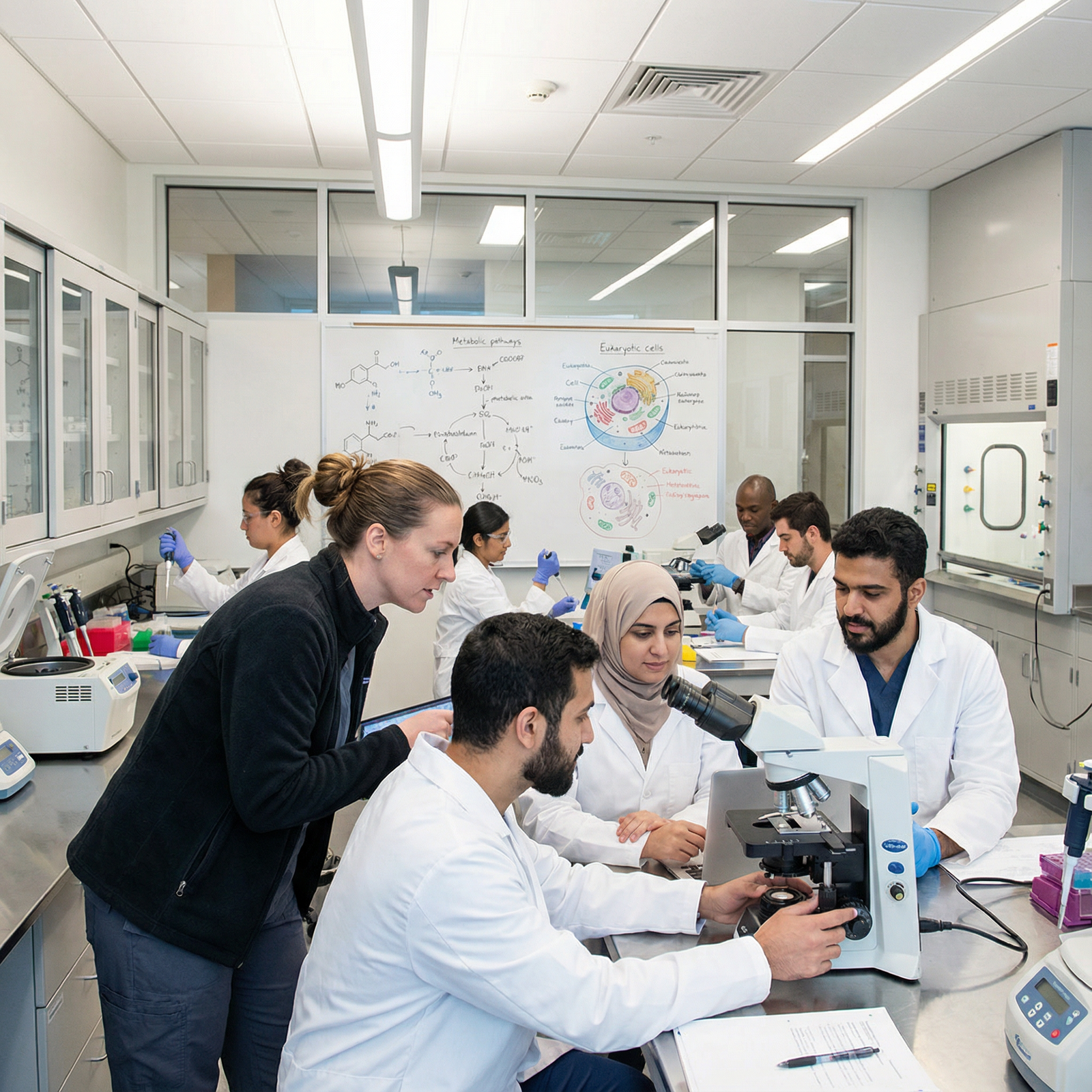
- Lab placements in basic science or clinical research
- Opportunities to present posters or co-author abstracts/papers
Community service
- Programs focused on health disparities
- Partnerships with public health or nonprofit organizations
These experiences strengthen your application and give you concrete stories to discuss in your personal statement and interviews.
5. Demonstration of Commitment and Professionalism
Completing a post-bacc is a powerful signal of commitment:
- You are willing to invest time, money, and sustained effort to pursue medicine.
- You can handle an intensive, high-stakes academic environment.
- You have taken time to explore the field realistically, not impulsively.
For non-traditional students, reapplicants, or career changers, this can be especially reassuring to admissions committees.
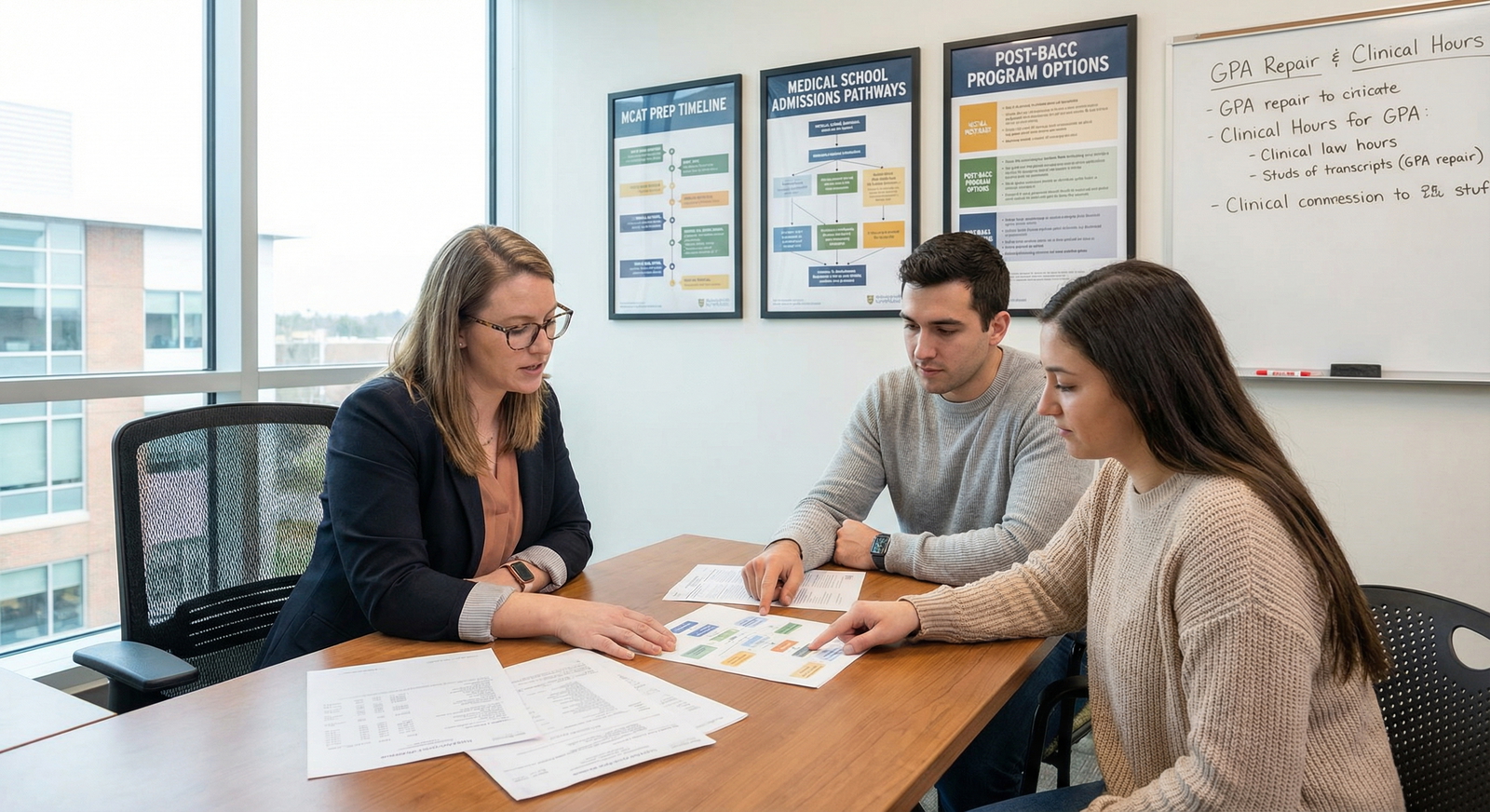
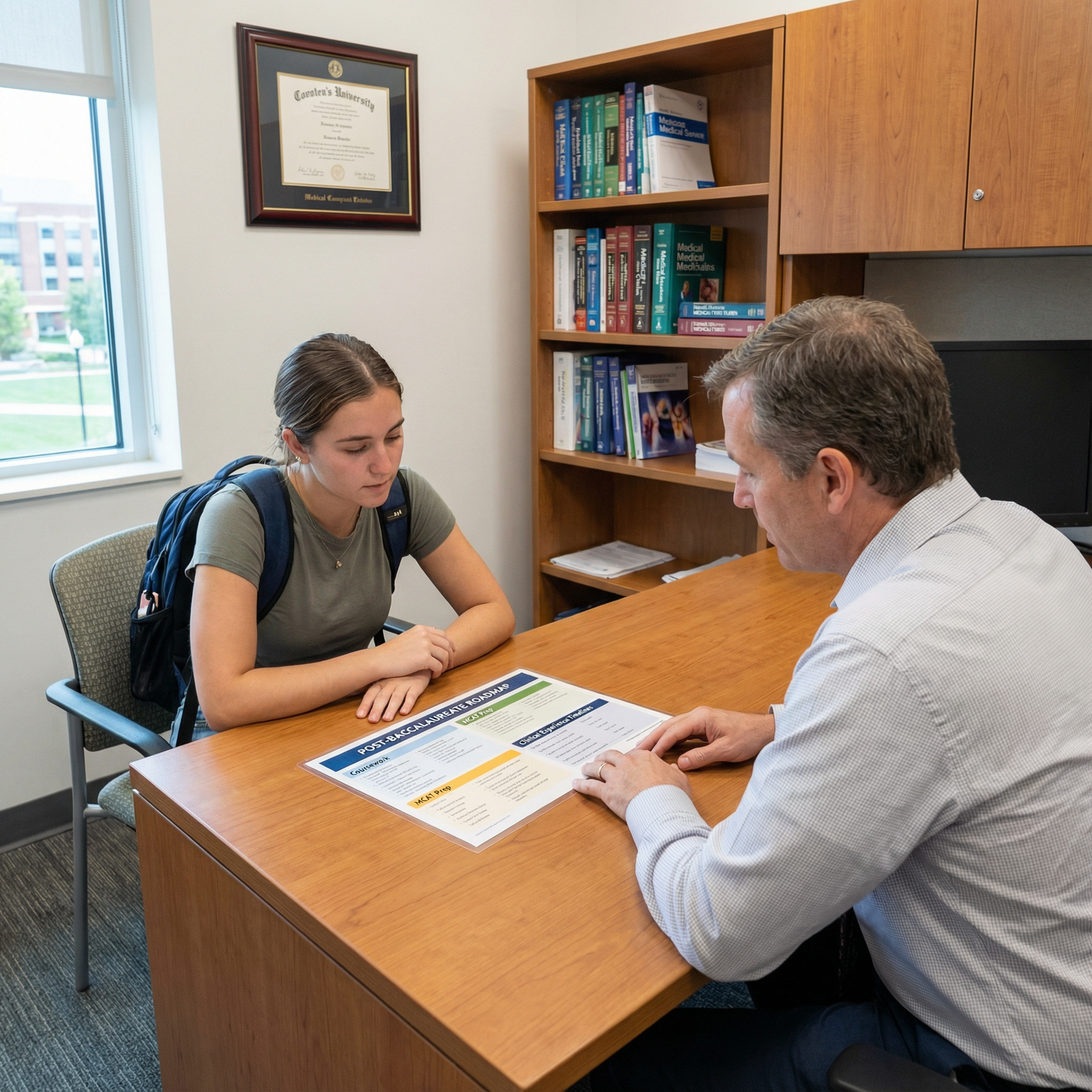
6. Advising, Mentorship, and Networking
Often overlooked but hugely valuable:
Access to prehealth advisors who understand the nuances of admissions
Faculty mentors who can:
- Guide your course selection
- Connect you with research or clinical opportunities
- Write strong, specific letters of recommendation
Peer networks of fellow post-bacc students navigating the same challenges
Connections to affiliated medical schools, residents, and physicians
These relationships can profoundly impact not just your application, but your long-term career trajectory.
How to Choose the Right Post-Bacc Program for Your Goals
A well-chosen program can accelerate your path; a poorly matched one can waste time and money. Align your selection with your starting point, your academic record, and your timeline.
1. Start with Honest Self-Assessment
Ask yourself:
- Did I complete all core prerequisites already?
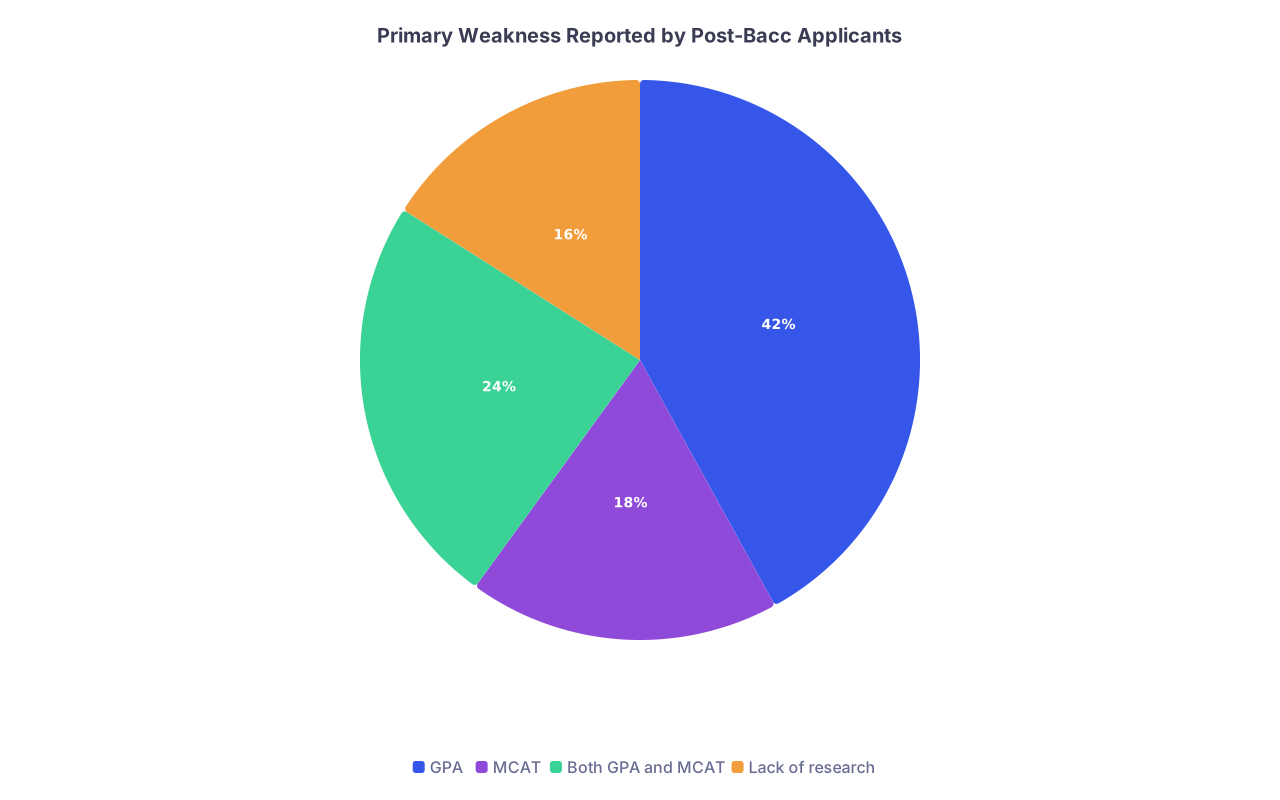
- Is my main issue GPA, MCAT, experience, or all of the above?
- How recent is my science coursework?
- How competitive are the schools I hope to apply to?
- What is my realistic financial and time budget?
Your answers will guide you toward either:
- Career-changer programs
- Undergraduate-level academic enhancers
- Specialized Master’s Programs or SMPs
2. Consider Accreditation, Reputation, and Outcomes
While post-bacc programs themselves are not “accredited” in the same way as medical schools, you should examine:
- Institutional accreditation: Is the host university or college accredited and respected?
- Program reputation:
- What do alumni say about their experience?
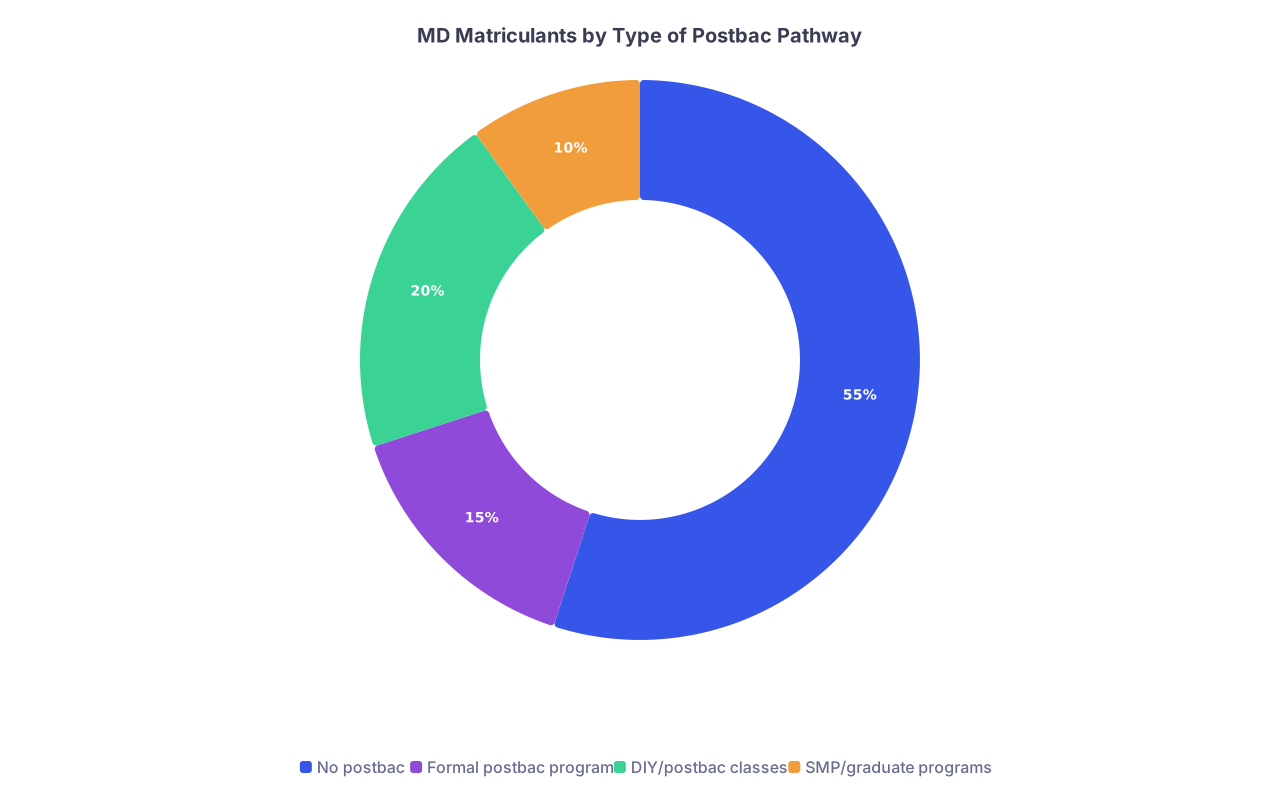
- Are there published stats on medical school acceptance rates?
- Affiliations and linkages:
- Does the program have formal relationships with certain medical schools?
- Are there conditional acceptance or interview guarantees for high performers?
Don’t hesitate to ask the program:
- “Where have your graduates matriculated in the last 3–5 years?”
- “What percentage attend medical school versus other health professions?”
3. Match Course Offerings to Your Needs
Review the curriculum carefully:
- If you lack core prerequisites, ensure the program covers:
- Biology, Chemistry, Organic Chemistry, Physics, Biochemistry, Math/Statistics, and relevant social sciences
- If you need GPA improvement, look for:
- Upper-division sciences and possibly opportunities to retake key courses
- Reasonable class sizes and access to office hours
Consider whether you prefer:
- A structured, cohort-style program with a fixed sequence
- A more flexible or part-time option you can customize, especially if you’re working or have family obligations
4. Evaluate Clinical, Research, and Service Opportunities
Ask programs:
- “What structured clinical experiences are built into the program?”
- “Do you help students obtain shadowing or hospital placements?”
- “Are there on-campus research labs that routinely take post-bacc students?”
Programs embedded in academic medical centers or universities with large health systems often have richer, more accessible opportunities.
5. Assess Advising, Support, and Learning Environment
High-quality support services can significantly influence your success:
- Prehealth advising (individual and group)
- Application workshops for:
- Personal statements
- Activities sections
- Secondary essays
- Interview preparation
- Academic support:
- Tutoring
- Study skills workshops
- Time management coaching
Also consider class size, culture, and whether you feel you would thrive in that environment.
6. Analyze Cost, Financial Aid, and Logistics
Post-bacc programs vary widely in price:
- Public institutions may be more affordable, especially for in-state residents.
- Some programs are billed as undergraduate coursework; others charge graduate tuition.
Be sure to:
- Ask about financial aid eligibility (not all non-degree post-bacc students qualify for the same aid as degree-seeking students).
- Explore scholarships, employer tuition benefits, and part-time work options.
- Factor in living expenses, commuting, and relocation costs.
Finally, consider your timeline:
Will doing a 1–2 year post-bacc delay your application cycle? Can you tolerate that delay, financially and personally?
Strategies for Success During Your Post-Bacc Program
Once you’ve committed to a program, your performance and engagement will determine how much it actually helps your application.
Build a Professional, Disciplined Approach from Day One
Treat your post-bacc like the first test run of medical school:
Create a realistic weekly schedule that includes:
- Class time
- Study blocks
- MCAT study (if applicable)
- Clinical or research activities
- Rest and wellness
Use evidence-based study strategies:
- Spaced repetition (e.g., Anki)
- Active recall and practice questions
- Regular review of lecture material within 24–48 hours
Minimize unnecessary distractions; you’re making a high-stakes investment in your future.
Engage Actively in the Classroom and Beyond
- Sit near the front, ask questions, and attend office hours.
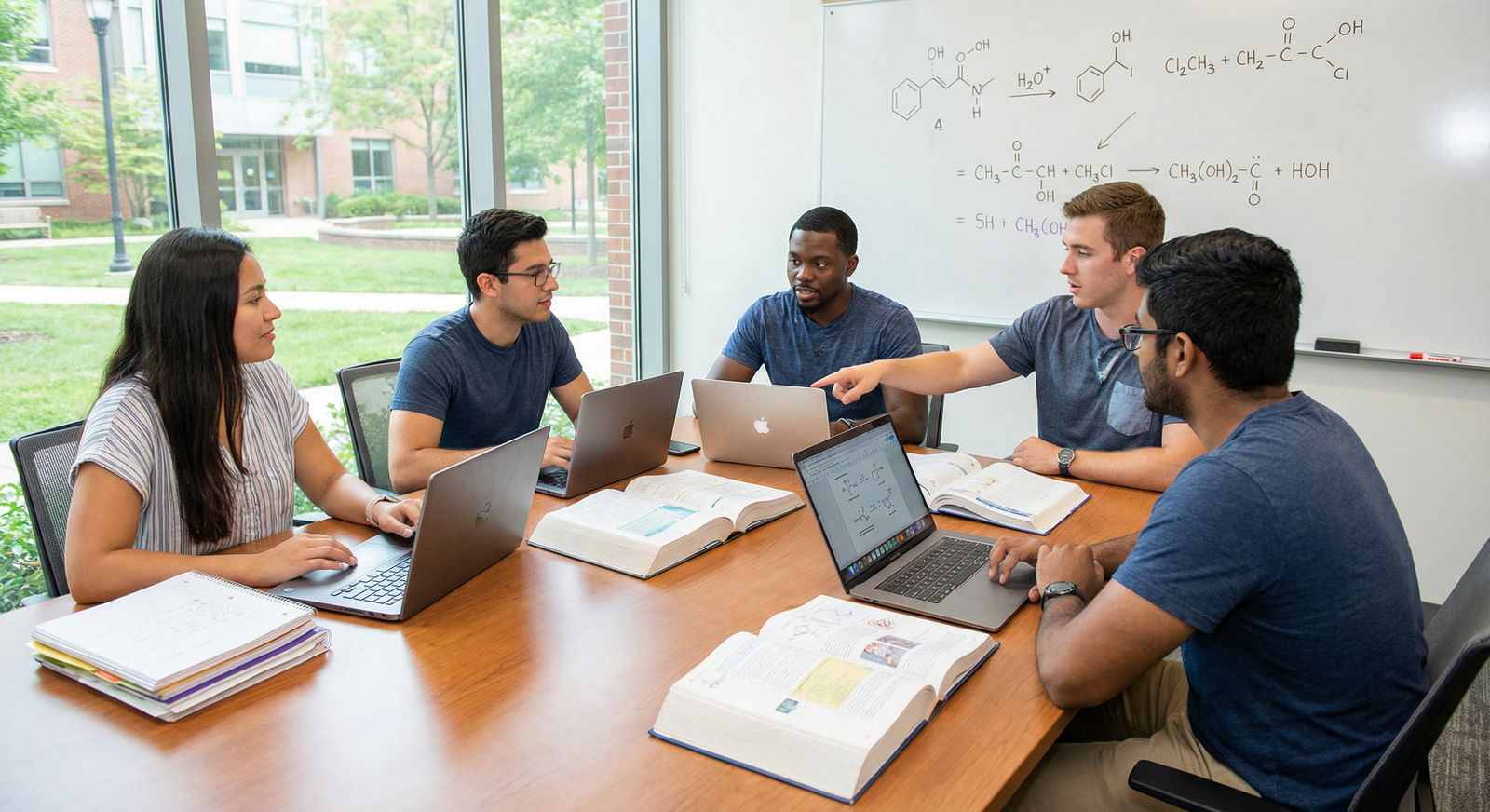
- Join or form study groups, but ensure they are focused and productive.
- Take advantage of review sessions, supplemental instruction, and faculty-led study groups.
The goal is not just to “get through” courses, but to master the material and show clear academic excellence.
Build Strong Relationships with Faculty and Mentors
Letters of recommendation from post-bacc faculty can carry substantial weight—especially if they teach rigorous courses similar to what you’ll see in medical school.
To foster meaningful relationships:
- Attend office hours regularly, not just when you’re struggling.
- Share your goals and ask for guidance on course selection and career planning.
- Seek out research or teaching assistant opportunities when possible.
- Demonstrate professionalism—meet deadlines, show integrity, and contribute positively in class.
When the time comes to request letters, provide your recommenders with:
- An updated CV or resume
- A draft of your personal statement
- A brief summary of projects or interactions you’ve had with them
Integrate Clinical, Volunteer, and Research Activities Wisely
Your main job in a post-bacc is academics. However, admissions committees also expect continued clinical and service exposure.
Aim for quality and consistency over sheer quantity:
- Choose one or two meaningful experiences you can maintain throughout the program.
- Reflect on your experiences regularly—journal about patient encounters, ethical dilemmas, and what you’re learning about healthcare systems.
- Balance commitments so they enhance, not compromise, your academic success.
Plan Your MCAT Timeline Strategically
If you are completing prerequisites during your post-bacc:
- Discuss MCAT timing with an advisor early.
- Ideally, take the exam:
- After completing core content (including biochemistry and psychology/sociology)
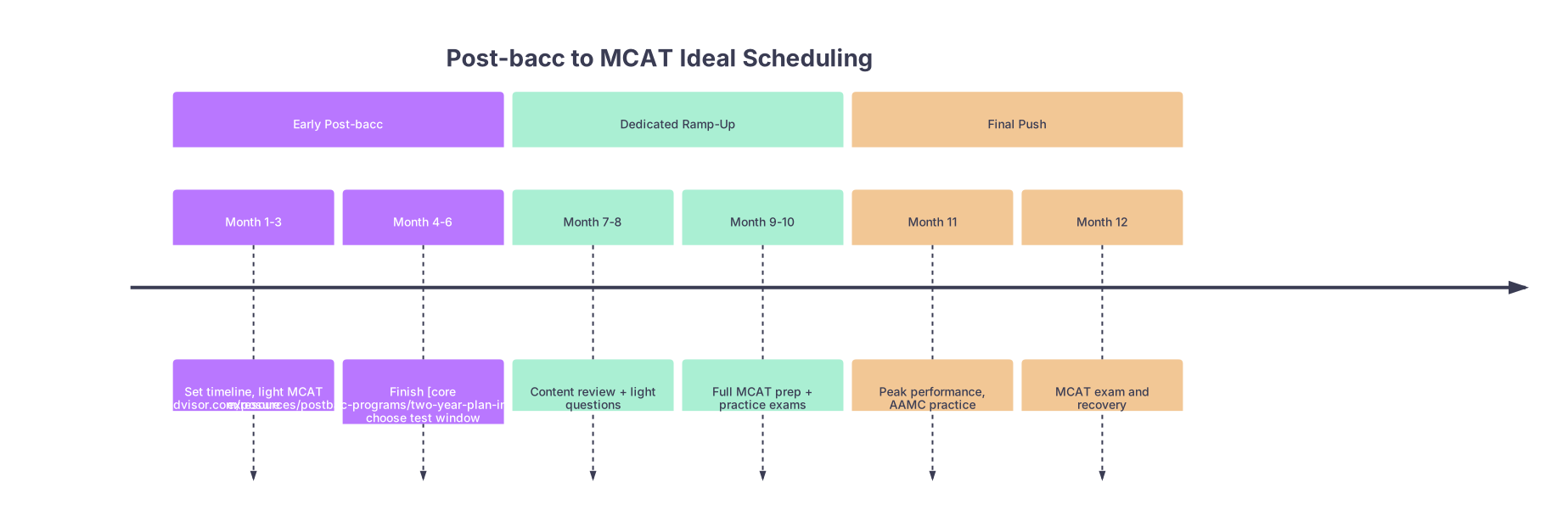
- With at least 3–4 dedicated months of preparation
Use a mix of:
- Full-length practice exams
- Section banks and question packs
- Content review integrated with your coursework
Some students sit for the MCAT after finishing the bulk of their post-bacc, while others plan it mid-program. The right timing depends on your pace and readiness.
Real-World Case Studies: How Post-Bacc Programs Change Trajectories
Sarah’s Journey: From English Major to Medical Student
Sarah graduated with a degree in English literature and spent several years in publishing before realizing her calling lay in patient care. With no science background, she enrolled in a structured career-changer post-bacc at a university-affiliated program.
During her two-year program, she:
- Completed all core sciences with A-level performance
- Volunteered weekly at a community health clinic
- Shadowed family medicine and pediatrics physicians
- Joined an MCAT preparation workshop integrated into her curriculum
Her post-bacc program had a linkage agreement with a medical school that emphasized primary care and community service. After excelling academically and demonstrating a clear commitment to underserved populations, Sarah was granted a conditional interview through the linkage and ultimately accepted without a “glide year.”
Mark’s Transformation: Reinventing an Academic Record
Mark majored in biology but struggled during his early college years, particularly in chemistry and physics, resulting in a low science GPA. After graduation, he worked as a medical assistant and realized he still wanted to pursue medicine, but his academic record held him back.
He enrolled in an academic-enhancer post-bacc that included:
- Advanced physiology, microbiology, and immunology
- A research seminar that placed him in a cardiovascular research lab
- Intensive advising and application support
Mark treated the program like a full-time job. He:
- Earned a near-4.0 GPA across 30+ credits of upper-division science
- Co-authored a poster presentation at a regional conference
- Reflected on his earlier academic struggles and wrote authentically about resilience and growth
Admissions committees took note of his clear upward trend and success in advanced coursework. Combined with a solid MCAT and strong letters from his post-bacc faculty and research mentor, Mark was admitted to multiple medical schools, including a highly ranked research institution.

FAQs: Post-Bacc Programs and Medical School Preparation
1. What is the difference between a post-bacc program and a master’s program for premeds?
A post-bacc program typically refers to undergraduate-level coursework taken after earning a bachelor’s degree, while a master’s program (such as a Special Master’s Program in Biomedical Sciences) is graduate-level.
- Post-baccs are ideal for:
- Completing or retaking prerequisites
- Improving undergraduate-level GPA
- Master’s programs are ideal for:
- Demonstrating success in advanced, graduate-level science
- Showing readiness for medical school rigor if you have already completed prerequisites
Both can improve your application, but the best choice depends on your academic history and specific needs.
2. How long do post-bacc programs usually take?
Most post-bacc programs last 1–2 years, depending on:
- Whether you are part-time or full-time
- How many prerequisites you need to complete
- Whether you are in a structured cohort or flexible/open-enrollment setting
Some career-changer programs are designed as an intensive 12–18 month sequence, while others spread requirements over two years to accommodate work or family responsibilities.
3. Do post-bacc programs guarantee admission to medical school?
No program can guarantee admission to medical school. However:
- Some programs have linkage agreements that offer interviews or conditional acceptances for students who meet strict academic and MCAT benchmarks.
- Even without linkages, a strong performance in a reputable post-bacc significantly improves your competitiveness.
Your ultimate outcome will still depend on:
- GPA and trends (including post-bacc performance)
- MCAT score
- Clinical, research, and service experiences
- Letters of recommendation
- Personal statement and interview performance
4. Are post-bacc programs worth it if my GPA is already decent?
It depends on your goals and target schools. You may benefit from a post-bacc if:
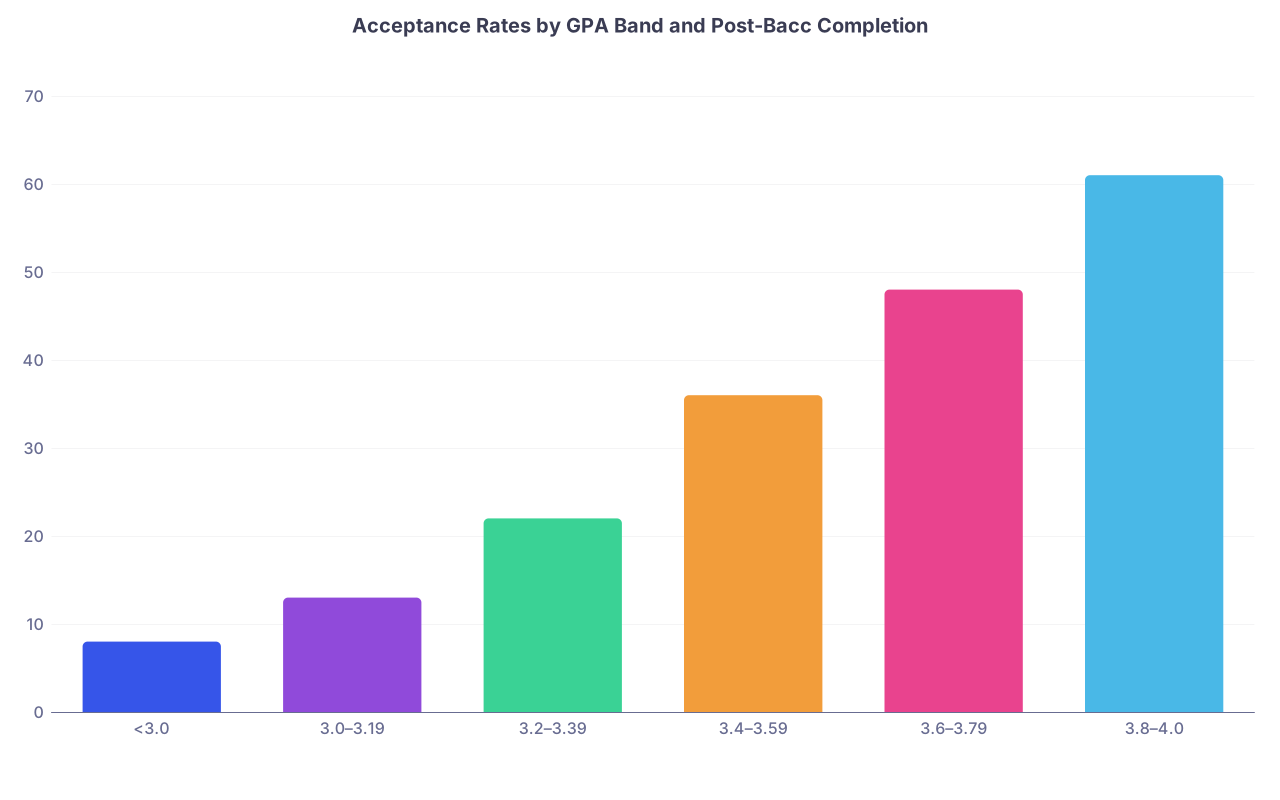
- Your GPA is borderline for your dream schools (e.g., 3.3–3.5 when those schools average 3.7–3.8).
- Your science GPA is weaker than your overall GPA.
- Your earlier coursework was inconsistent, and you want a clear, recent record of academic strength.
- You lack substantive clinical or research experience, and the program offers these in a structured way.
In such cases, a focused post-bacc can elevate a “good” application to a truly competitive one.
5. Can international students apply to post-bacc programs?
Many post-bacc programs do accept international students, but policies vary. Key considerations:
- Evaluation of foreign transcripts (often via a credential evaluation service)
- Demonstration of English proficiency (TOEFL/IELTS) if applicable
- Visa eligibility and financial documentation
- Future medical school plans, since some U.S. medical schools limit or prohibit admission of international students
If you are an international applicant, contact each program’s admissions office directly to clarify requirements and outcomes for past international graduates.
Post-bacc programs are powerful tools in the PREMED_AND_MEDICAL_SCHOOL_PREPARATION phase. When thoughtfully chosen and executed with discipline and strategy, they can transform your academic profile, deepen your understanding of medicine, and bring you significantly closer to your goal of becoming a physician.