Introduction: Many Roads to a White Coat
The journey to medical school is rarely a straight line. For many future physicians, the traditional “premed in college, then straight to med school” path doesn’t match their academic history, life circumstances, or evolving interests. Instead, they discover medicine later, pivot from another career, or need additional academic preparation to become competitive applicants.
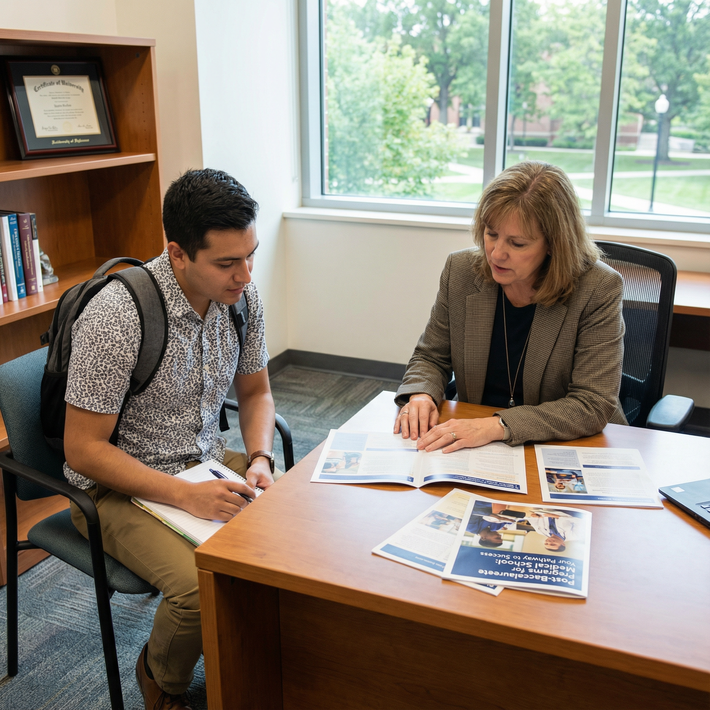
Post-Baccalaureate Programs (often called post-bacc programs) have become an essential bridge for these students. They provide structured coursework, advising, and clinical exposure for people who already hold a bachelor’s degree but are still building a strong foundation for medical school success.
This article explores inspiring post-baccalaureate success stories and distills what made these transitions work. You’ll see how students from public relations, research, nursing, and fine arts transformed their trajectories, and you’ll gain practical insights you can apply to your own path—whether you’re considering a career change, rebuilding your academic record, or reigniting your student motivation for healthcare careers.
Understanding Post-Baccalaureate Programs for Aspiring Physicians
Before diving into individual journeys, it’s important to clearly understand what Post-Baccalaureate Programs are and how they support medical school success.
What Are Post-Baccalaureate Programs?
A post-baccalaureate (post-bacc) program is any formal program of study pursued after earning a bachelor’s degree, designed to:
- Complete or repeat premedical prerequisites
- Strengthen academic credentials (especially science GPA)
- Prepare for the MCAT
- Provide structured advising and support for medical school applications
These programs are particularly beneficial in three main scenarios:
- Career Change: Students who completed a non-science major and later decide to pursue medicine (e.g., business, humanities, fine arts).
- Academic Improvement: Students who have completed prerequisites but need higher grades, a stronger science foundation, or more recent coursework.
- Application Enhancement: Students who want to deepen their academic preparation, gain research or clinical experience, and become more competitive overall.
Common Types of Post-Bacc Programs
Post-baccalaureate options vary widely, but they generally fall into a few main categories:
Career-Changer Programs
- Focus on core science prerequisites: biology, general and organic chemistry, physics, and sometimes biochemistry.
- Often designed for students with minimal prior science coursework.
- Typically cohort-based with built-in advising and MCAT preparation.
Academic-Enhancer Programs
- Designed for students who completed premed prerequisites but need to improve GPA or demonstrate an upward academic trend.
- May include advanced science coursework (e.g., physiology, microbiology, neuroscience).
- Sometimes overlap with graduate-level or special master’s programs.
Formal vs. Informal Programs
- Formal programs: Structured, often linked to a university, with dedicated advising, premed committees, and sometimes linkages to medical schools.
- Informal programs: Self-designed post-baccs where students take courses as non-degree or second-degree students, building their own schedule and supports.
Certificate and Master’s Programs
- Some post-baccs result in a certificate; others are special master’s programs (SMPs) that offer a graduate degree with medically-relevant coursework.
Regardless of structure, well-chosen post-baccalaureate programs can significantly strengthen your academic foundation, clarify your career goals, and signal to medical schools that you are prepared and committed.
Story 1: Jessica’s Journey from Public Relations to Primary Care
Jessica’s story embodies the true meaning of a career change into medicine.
From Communications Campaigns to Clinical Conversations
Jessica earned her degree in Public Relations and launched a successful early career in communications. She managed campaigns, wrote press releases, and enjoyed working with clients. But after volunteering at a local hospital, she realized her favorite part of the week was far from the office. Listening to patients, watching healthcare teams collaborate, and seeing the impact of good communication in high-stakes situations stirred something deeper.
She began asking: Could I actually become a doctor—this late, and from a non-science background?
Choosing the Right Post-Bacc Program
Recognizing gaps in her science preparation, Jessica researched career-change Post-Baccalaureate Programs focused on medical school prerequisites. She looked for:
- A strong track record of placing students into medical school
- MCAT preparation integrated into the curriculum
- Evening or flexible scheduling so she could work part-time
- Robust advising and a premed committee letter
She ultimately enrolled in a formal post-bacc program at a well-known university that offered a structured sequence in biology, chemistry, physics, and biochemistry.
Challenges: Imposter Syndrome and Time Management
Transitioning from media pitches to molecular biology was not easy:
- Steep learning curve: Jessica had not taken a science class since high school. Terms like “stoichiometry” and “G-protein coupled receptor” were completely new.
- Financial pressure: To cover tuition and living expenses, she worked part-time in communications.
- Imposter syndrome: Surrounded by classmates who seemed “born premed,” she sometimes questioned whether she belonged.
Jessica confronted these obstacles with deliberate strategies:
- Attended office hours weekly and formed a structured study group
- Used active learning techniques: practice questions, teaching content to peers, and spaced repetition
- Scheduled her weeks meticulously, blocking time for work, class, MCAT prep, and rest
Outcome: A New Voice in Primary Care
Jessica’s persistence paid off:
- She earned strong grades and demonstrated a clear upward academic trajectory.
- With support from program advisors, she built a compelling narrative in her personal statement, connecting skills from public relations—communication, crisis messaging, audience awareness—to patient education and advocacy.
- She secured a competitive MCAT score and multiple interviews.
Eventually, she matriculated at her top-choice medical school. Now a second-year student, Jessica is drawn to primary care, where she applies her communication background daily—explaining complex diagnoses clearly, navigating challenging conversations, and designing patient education materials.
Her story is a powerful reminder: a career change into medicine can be successful when paired with the right post-bacc structure, consistent effort, and a clear narrative about how your prior experience enhances your future as a physician.

Story 2: Mark’s Transition from Biochemistry Research to Clinical Practice
Mark began his journey thinking his future lay in the lab, not the clinic.
From Bench Science to Bedside Care
As a biochemistry major, Mark was on track for a research career. He excelled in the lab, contributed to a publication, and initially planned for a PhD. But volunteering at a free clinic changed his perspective. He realized his favorite moments were not data analysis but talking with patients, helping them understand chronic diseases, and seeing the immediate impact of care.
Still, he worried: his undergraduate GPA and uneven early science grades might not reflect his true potential.
Selecting an Academic-Enhancer Post-Bacc
Mark chose an academic-enhancer Post-Baccalaureate Program targeted toward students who needed:
- A stronger, more recent science GPA
- Clinical and service experiences to complement research
- Guidance on shifting their narrative from pure research to patient care
His program offered:
- Upper-level science courses like physiology, immunology, and pharmacology
- Opportunities to volunteer in affiliated clinics and shadow physicians
- Advising to help reposition his research background as an asset rather than a detour
Challenges: Confidence and Reframing Failure
Early in the program, Mark faced:
- Self-doubt: Old insecurities resurfaced each time he encountered a difficult exam.
- Perfectionism: Years in research had trained him to fixate on small errors, which sometimes translated into anxiety about grades.
- Reframing his path: He had to answer questions from mentors and interviewers about why he was stepping away from a purely research-focused path.
Mark’s turning point came when he began to:
- Treat the post-bacc as a fresh academic chapter, not a continuation of past mistakes.
- Use campus counseling services to manage anxiety and develop healthier coping strategies.
- Integrate his research identity into a clinician-scientist vision—emphasizing how he could bring rigorous scientific thinking to patient care.
Outcome: A Future Clinician-Scientist
By the end of his program:
- His post-bacc GPA demonstrated a sustained pattern of academic excellence.
- He accumulated meaningful clinical hours, shadowing in internal medicine and volunteering in primary care.
- His application reframed his research experience as a foundation for evidence-based practice and potential future clinical research.
Mark was accepted into a competitive medical school, where he now thrives in clinical rotations. He plans a career that combines direct patient care with outcomes research, using his dual foundation in biochemistry and clinical medicine to improve treatment strategies.
Story 3: Emily’s Path from Nursing to Medicine
Emily’s journey reflects a common evolution within healthcare careers: moving from bedside nursing to physician training.
From RN to MD: Expanding Scope of Practice
Emily began her healthcare journey as a registered nurse (RN), working long shifts in a busy hospital. She loved advocating for patients and valued the close relationships she formed at the bedside. Over time, she noticed that she was drawn to:
- Leading interprofessional discussions
- Explaining complex management plans to families
- Asking broader diagnostic and systems-level questions
She realized she wanted to take on more diagnostic responsibility and leadership in patient care decisions. Medicine became a natural next step.
Leveraging a Post-Bacc to Build on Clinical Experience
Although Emily had taken some science coursework as a nursing student, she still needed:
- Additional premed prerequisites (e.g., organic chemistry, physics)
- Stronger foundation in certain basic sciences
- Formal MCAT preparation and premed advising
She enrolled in a post-baccalaureate program tailored to students with prior healthcare experience. The program emphasized:
- Completing any missing prerequisites
- Strengthening analytical and quantitative skills
- Translating clinical experience into a compelling med school narrative
Challenges: Burnout, Time Management, and Comparison
Balancing full-time or even part-time nursing with demanding coursework was exhausting:
- Scheduling conflicts: Rotating nursing shifts sometimes overlapped with classes or labs.
- Burnout risk: Long clinical shifts plus MCAT prep left little time for rest.
- Comparison with “traditional” premeds: Emily sometimes worried she was “too old” or had taken too long to reach this point.
She handled these challenges by:
- Moving from full-time to part-time nursing when financially feasible
- Establishing firm boundaries around study time and protected rest
- Reminding herself that her direct patient-care experience was a major asset, not a liability
Outcome: A Clinician With Dual Perspectives
Emily excelled in her post-bacc coursework and performed strongly on the MCAT. During interviews, her nursing stories stood out:
- She could discuss code situations, complex family dynamics, and interprofessional teamwork with depth and authenticity.
- She demonstrated insight into system-level issues like staffing, patient safety, and communication breakdowns.
Admissions committees recognized her maturity and experience. Emily matriculated into medical school and now uses her nursing background daily—understanding the roles of the entire care team and valuing the perspectives of nurses, techs, and allied professionals.
Her path underscores a key message: prior healthcare careers, like nursing, are not just “related experience”—they can be the foundation of a uniquely powerful physician identity when paired with the right post-baccalaureate preparation.
Story 4: David’s Unique Journey from Artistry to Oncology
David offers one of the most striking examples of a non-traditional route into medicine.
From Studio to Chem Lab: A Complete Pivot
With a degree in Fine Arts, David spent years as a working artist. His life revolved around galleries, commissions, and installations. But everything shifted when a close friend was diagnosed with cancer. Accompanying his friend to chemotherapy appointments, he witnessed:
- The emotional and existential weight of serious illness
- The artistry inherent in compassionate communication
- The interplay between science, uncertainty, and hope
He began to see medicine as another medium through which he could engage with humanity’s deepest questions.
Immersing in the Sciences Through a Career-Change Post-Bacc
Because David had almost no science background, he needed a comprehensive, structured program. He chose a career-change Post-Baccalaureate Program with:
- Sequential, immersive coursework in biology, chemistry, physics, and biochemistry
- Small class sizes and intensive support
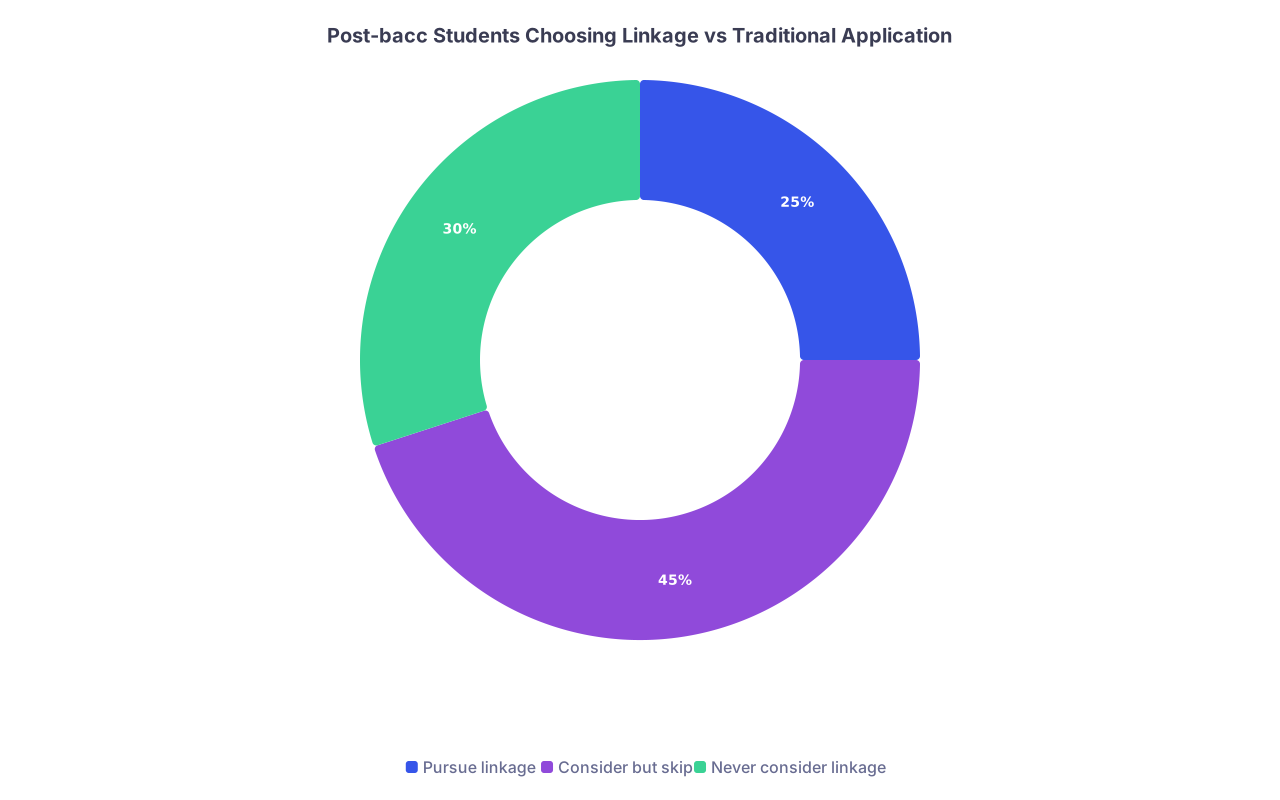
- Linkage options with certain medical schools for strong performers
Challenges: Cognitive Shift and Emotional Vulnerability
David faced multiple hurdles:
- Cognitive transition: Moving from a creative, open-ended environment to problem sets with single correct answers was jarring.
- Self-doubt: He worried about being “too different” from traditional applicants.
- Emotional processing: His motivation was deeply tied to his friend’s illness, which could be both inspiring and emotionally overwhelming.
He navigated these challenges by:
- Embracing his artistic strengths—visual thinking helped him remember anatomy and biochemical pathways.
- Seeking mentorship from non-traditional students and physicians who had made similar transitions.
- Channeling his emotions into advocacy work with cancer patients and survivors during his clinical volunteer experiences.
Outcome: Art, Empathy, and Oncology
David’s application stood out not in spite of his arts background, but because of it:
- His personal statement wove together themes of narrative, mortality, and healing.
- His portfolio of patient-centered art projects—created during his volunteer experiences—demonstrated creativity and empathy.
- His post-bacc performance proved that he could master rigorous science.
Admitted to medical school and later pursuing oncology, David continues to blend his artistic perspective with medicine—designing patient education materials, collaborating on healing arts programs, and bringing a unique lens to end-of-life care.
His journey shows that student motivation for healthcare careers can emerge from profoundly personal experiences—and that post-bacc programs can transform even the most unexpected academic backgrounds into solid preparation for medical school success.
The Power of Support, Structure, and Self-Reflection
Across Jessica, Mark, Emily, and David’s stories, several themes emerge—lessons you can apply as you consider or navigate a post-baccalaureate path.
Key Support Systems in Post-Bacc Programs
High-quality post-baccalaureate programs often provide:
Mentoring and Advising
- One-on-one meetings to assess readiness, choose courses, and plan application timelines
- Feedback on personal statements, activity descriptions, and school lists
Peer Community
- Cohorts of similarly motivated, often non-traditional students
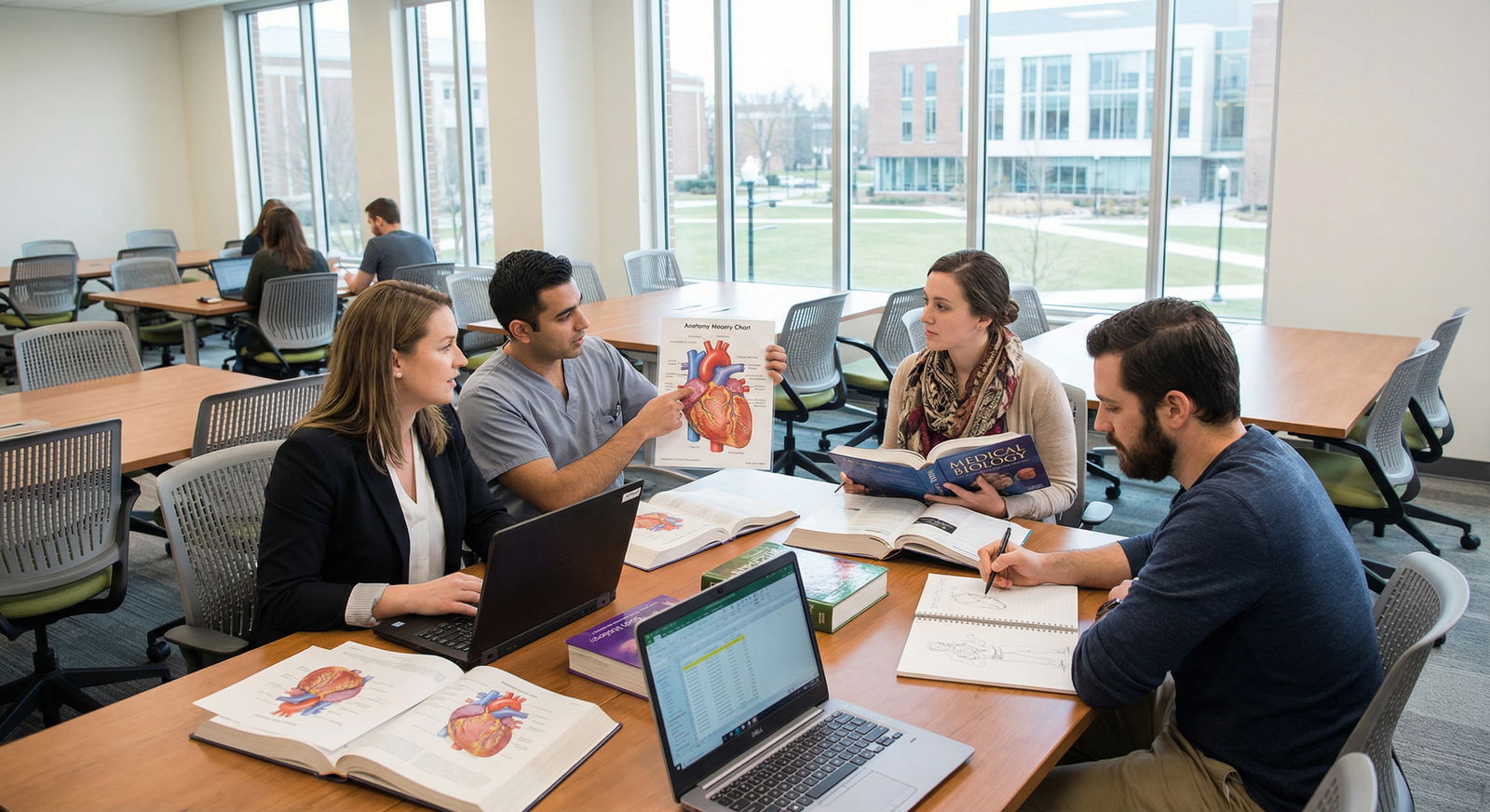
- Study groups and accountability partners
- Emotional support when balancing work, family, and school feels overwhelming
Career and Application Resources
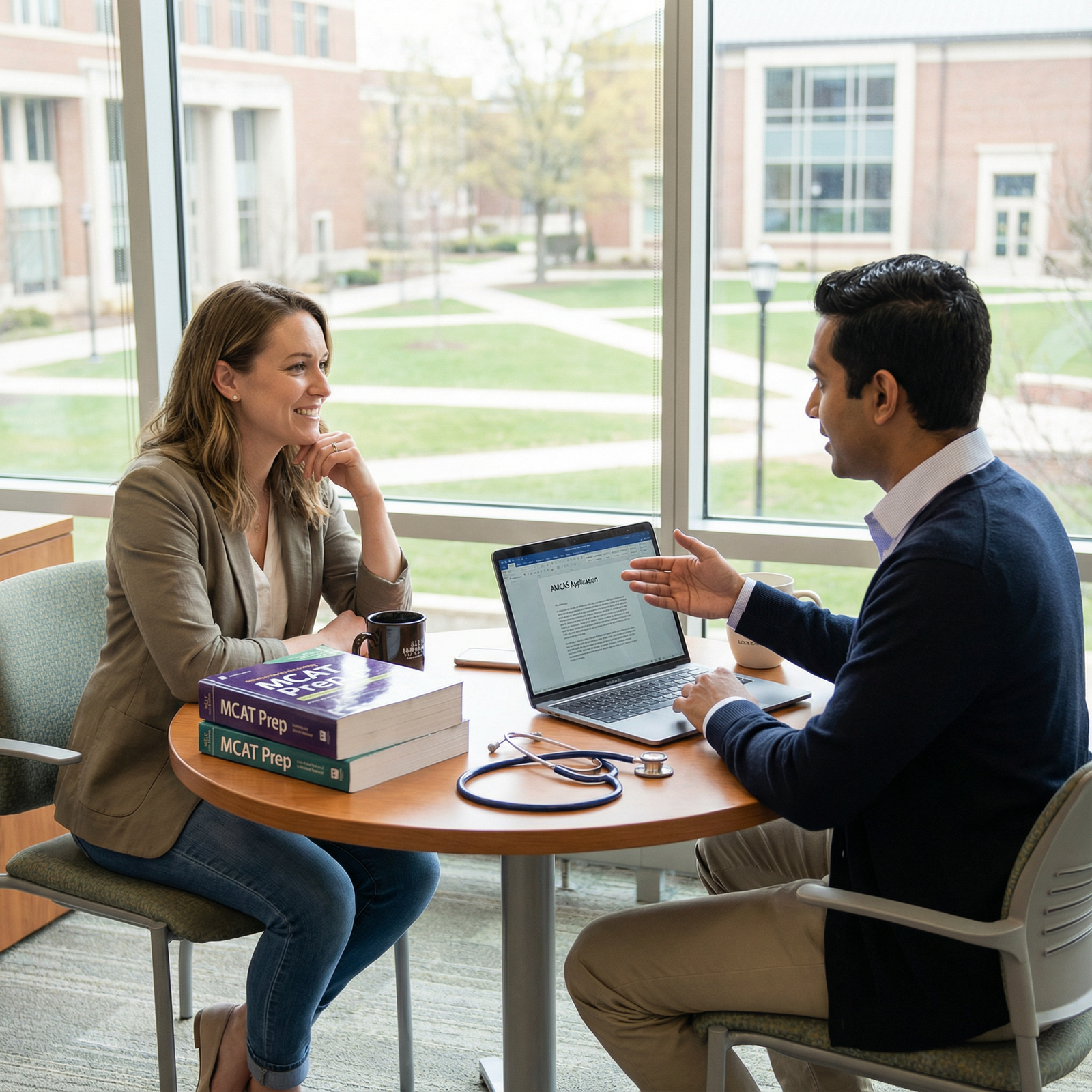
- Workshops on AMCAS/AACOMAS applications, interview preparation, and financial planning
- Mock interviews (traditional and MMI)
- Guidance in securing strong letters of recommendation
Academic and Mental Health Resources
- Tutoring, academic coaching, and learning strategy workshops
- Counseling services to address stress, imposter syndrome, or burnout
Actionable Strategies for Your Own Post-Bacc Journey
If you’re considering or currently in a post-baccalaureate program, keep these strategies in mind:
Clarify Your “Why” Early
- Write down the reasons you’re drawn to medicine and revisit them when motivation dips.
- Be honest about how your prior career or academic choices shaped your decision.
Choose the Right Program Type
- Career-changer vs. academic-enhancer: be realistic about what you need.
- Look at outcomes: acceptance rates, typical GPA/MCAT ranges, and advising strength.
Plan Finances and Time Realistically
- Consider whether you can work, and if so, how much without compromising grades.
- Build a weekly schedule including class, study, MCAT prep, work, and sleep.
Treat the Post-Bacc as a Fresh Academic Record
- Aim for consistent excellence—post-bacc grades often weigh heavily in admissions decisions.
- Show an upward trend if your undergraduate GPA was lower.
Integrate Your Past, Don’t Erase It
- Admissions committees value mature applicants who can articulate how their prior careers—whether in business, nursing, or the arts—will make them better physicians.
- Use essays and interviews to connect your skills and experiences to future patient care.
Prioritize Well-Being
- Burnout before medical school helps no one. Plan rest, exercise, and social support.
- Seek help early if you’re overwhelmed; it’s a sign of professionalism, not weakness.
FAQs: Post-Baccalaureate Programs and the Journey to Medical School
1. What exactly is a post-baccalaureate program, and who is it for?
A post-baccalaureate program is structured academic coursework pursued after completing a bachelor’s degree. In the context of healthcare careers, these programs typically serve:
- Career changers who didn’t complete premed prerequisites in college
- Academic enhancers who need to strengthen GPA or science coursework
- Individuals seeking focused MCAT preparation and application support
They are not only for students with “problems” in their record; they’re also for motivated applicants who want more structured preparation and a clearer path to medical school success.
2. How long do post-baccalaureate programs usually take, and how intensive are they?
Most formal post-bacc programs last 12–24 months, depending on:
- Whether you are full-time or part-time
- How many prerequisites you must complete
- Whether the program includes MCAT prep and clinical experiences
Career-changer programs often take closer to two years if you are starting with minimal science background. Academic-enhancer programs may be completed in one intensive year. Always ask programs about typical student course loads and work compatibility.
3. Do post-baccalaureate programs guarantee acceptance to medical school?
No program can guarantee admission. Acceptance depends on multiple factors, including:
- Undergraduate and post-bacc GPA (with emphasis on science courses)
- MCAT score
- Letters of recommendation
- Clinical, research, and service experiences
- Personal statement and interview performance
However, a strong performance in a reputable post-baccalaureate program can significantly improve your competitiveness and demonstrate readiness for the rigors of medical training. Some programs offer “linkage agreements” with specific medical schools, which can streamline the application process for top-performing students.
4. Can I work while enrolled in a post-baccalaureate program?
Many students do work while completing a post-bacc, especially non-traditional applicants with financial responsibilities. The feasibility depends on:
- Program intensity and credit load
- Your academic strengths and study efficiency
- Type of work (flexible part-time vs. fixed full-time schedule)
If you need strong academic improvement, especially in science courses, consider minimizing work hours when possible or choosing a part-time program. Admissions committees will care more about your academic performance and readiness than how quickly you finish.
5. How do I decide whether a post-bacc is the right step for me?
A post-baccalaureate program may be right for you if:
- You discovered medicine after earning a non-science degree and need core prerequisites.
- Your undergraduate GPA—especially in science—is significantly below the average for accepted medical students, and you need to demonstrate a strong upward trend.
- Your prerequisites are older (typically >5–7 years), and you want more recent coursework before applying.
- You desire structured advising, peer support, and a clearer roadmap to medical school.
If you’re unsure, a helpful first step is to meet with a prehealth advisor (at your alma mater or through a professional advising service) to review your transcript, discuss your experiences, and map out realistic options.
Post-Baccalaureate Programs can be transformative for aspiring physicians, especially those taking non-traditional routes. Whether you’re pivoting from public relations like Jessica, reorienting research experience like Mark, expanding a nursing career like Emily, or bringing an artistic lens to oncology like David, your path does not have to be linear to lead to medical school success.
With the right program, support, and mindset, your unique background can become one of your greatest strengths in your future role as a physician.