
What do you think your email looks like on the PD’s screen—eager or desperate?
Let me be blunt: post‑interview communication is where a lot of otherwise strong applicants quietly destroy their chances.
Not because they’re rude.
Not because they’re unqualified.
Because they do not understand how their messages feel to a program director who’s already buried in 800 emails, 50 evaluations, and 20 meetings.
You’re trying to “express interest.”
They’re seeing: “neediness, boundary issues, risky resident.”
Your goal is simple:
Do not give anyone a reason to move you down their rank list after interview day.
Let’s walk through the most common post‑interview communication missteps that annoy program directors—and how to avoid stepping on these landmines.
, Removed from list](https://cdn.residencyadvisor.com/images/articles_svg/chart-program-director-reactions-to-poor-post-interview--2925.svg "Program Director Reactions to Poor Post-Interview Communication")
| Category | Value |
|---|---|
| Annoyed but ignore | 55 |
| Mildly concerned | 25 |
| [Ranked lower](https://residencyadvisor.com/resources/residency-application-guide/common-interview-day-behaviors-that-quietly-get-you-ranked-lower) | 15 |
| Removed from list | 5 |
1. The “You’re My #1” Disaster
If you’re going to screw up only one thing, it’s usually this.
Declaring a “#1 Rank” to multiple programs
Yes, programs talk. PDs text each other. Coordinators gossip. I’ve literally seen this:
- Applicant emails Program A: “You are my absolute top choice. I will rank you #1.”
- Two days later, Program B’s PD shows Program A a nearly identical email: “You are my absolute top choice. I will rank you #1.”
They both laughed. Then both dropped the applicant.
Why PDs hate this:
- It signals dishonesty and poor judgment.
- It’s not a tiny slip; it’s a character concern.
- If you’ll lie to them about this, what else will you fudge in documentation, notes, or patient care?
Avoid this mistake:
- Never tell more than one program they’re your #1. Ever.
- If you’re not 100% sure, don’t say it.
- If you say it, mean it—and rank them #1.
Instead of fake promises, use language that doesn’t trap you:
- “Your program is among my very top choices.”
- “I could easily see myself training at your program.”
- “I’d be thrilled to match here and think it’s an excellent fit.”
Those won’t backfire if programs compare notes.

2. The Follow‑Up Frequency Mistake: You Think You’re Persistent. They Think You’re a Problem.
One thank‑you or short interest email? Fine. Many PDs don’t care, some mildly appreciate it, a few ignore it entirely.
Three, four, five messages over a month? Now you’re a story at their next faculty meeting.
What’s happening on their end:
- They have hundreds of applicants.
- Several dozen are sending “just checking in” emails.
- They’re already exhausted, running a service, supervising residents, and doing admin.
The applicant who generates repeated inbox clutter quickly gets a label: “high maintenance.”
Red flags PDs see when you over‑communicate:
- Poor sense of boundaries
- Difficulty with delayed gratification
- Increased risk of being needy or demanding as a resident
- Not respecting instructions (if they said no post‑interview communication affects rank)
Reasonable communication pattern (for most programs):
- 0–1 brief thank‑you email to coordinator or PD (if not explicitly discouraged)
- 1 “this is my #1” email to one program only (if true)
- That’s it.
Anything more is usually for you, not for them. And they can tell.
| Timing After Interview | Reasonable Action | Annoying / Risky Action |
|---|---|---|
| 24–72 hours | One concise thank-you or no email at all | Multiple individualized long emails to every interviewer |
| 1–3 weeks later | One brief expression of continued interest (optional) | “Just checking in” or “Any update?” messages |
| After rank list deadline | No contact needed | Trying to influence ranks or ask how you were ranked |
If you’re debating whether to send “just one more” email, you already have your answer. Don’t.
3. The “Any Updates?” Email That Wastes Their Time
This one is simple: programs hate “any update on my status?” emails.
Why?
- There is nothing to update. They rank. NRMP matches. That’s the system.
- They cannot tell you where you stand on the rank list.
- Your question forces them to craft a meaningless, time‑draining non‑answer.
Some examples I’ve actually seen (paraphrased):
- “Have I moved up on your rank list since our interview?”
- “Do you have a sense of where I stand compared to other applicants?”
- “Can you tell me if you plan to rank me to match?”
This doesn’t make you look proactive. It makes you look naïve about the process and unaware of professional boundaries.
Better approach:
If you really feel compelled to communicate, make it one‑directional and low‑pressure:
- “Thank you again for the opportunity to interview. I remain very interested in your program and would be excited to train there.”
Notice the difference: no question, no ask, no demand for a reply.
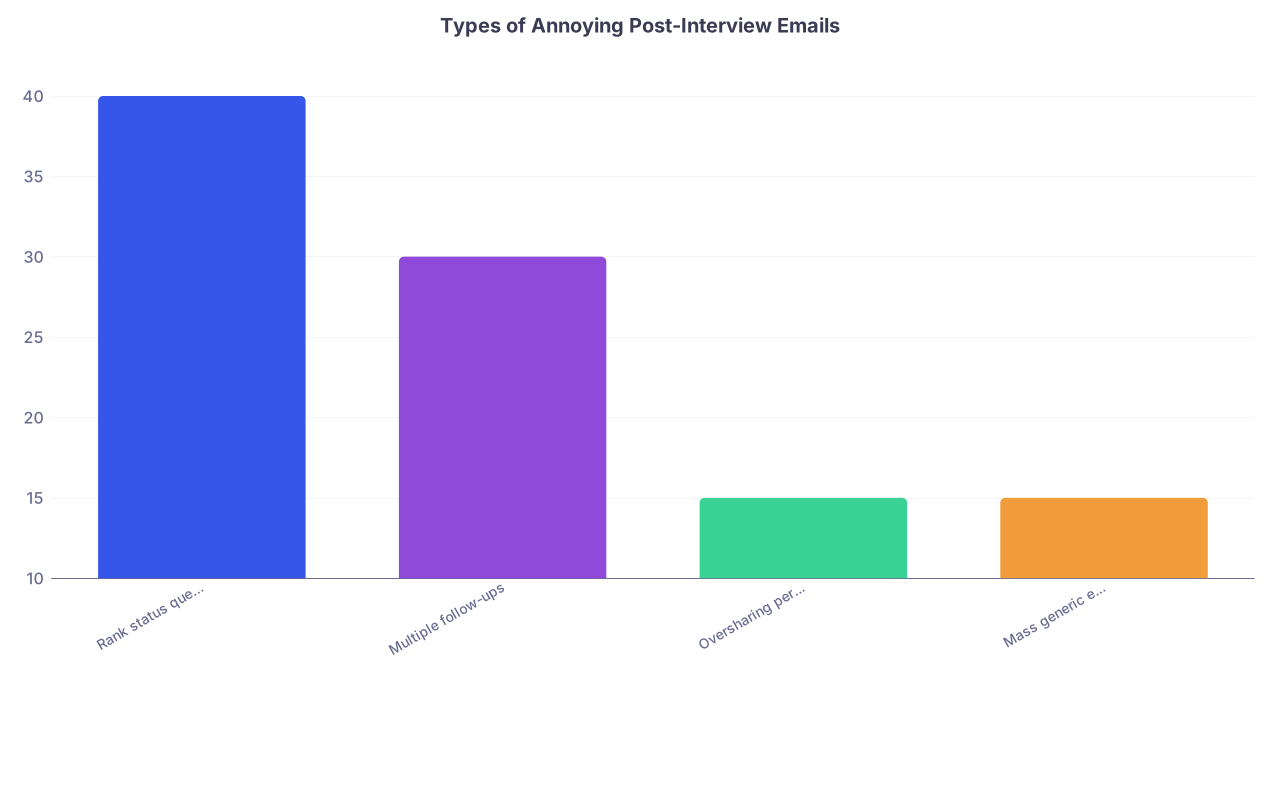
| Category | Value |
|---|---|
| Rank status questions | 40 |
| Multiple follow-ups | 30 |
| Oversharing personal info | 15 |
| Mass generic emails | 15 |
4. Over‑Sharing and Emotional Dumping
This one can kill an application fast.
I’ve seen post‑interview emails that read like journal entries. Trauma histories. Financial struggles. Relationship breakdowns. Long explanations for poor grades or test scores out of nowhere. None of this was asked for, and much of it had nothing to do with the program.
PD reaction in plain language:
“If this is what they send me before the match, what kind of emotional management will they need as a resident?”
Harsh? Maybe. But residency is already an emotional firestorm. PDs are trying to avoid adding someone who needs constant reassurance or frequent processing with leadership.
Where this goes wrong:
- Turning a thank‑you email into a vulnerability essay
- Adding multi‑paragraph explanations about:
- Failing Step 1
- A break‑up during third year
- Family conflict
- Mental health struggles with explicit detail
- Shifting tone from professional to confessional
I’m not saying you must hide everything forever. But post‑interview email is not the place to re‑litigate your entire application.
Keep your post‑interview communication:
- Short (a few sentences)
- Professional in tone
- Focused on fit, appreciation, and interest
- Not on your life story
If a PD or faculty specifically invited you to share updates or context, you can do so—briefly, clearly, and without oversharing emotionally. Think “relevant explanation,” not “emotional dump.”
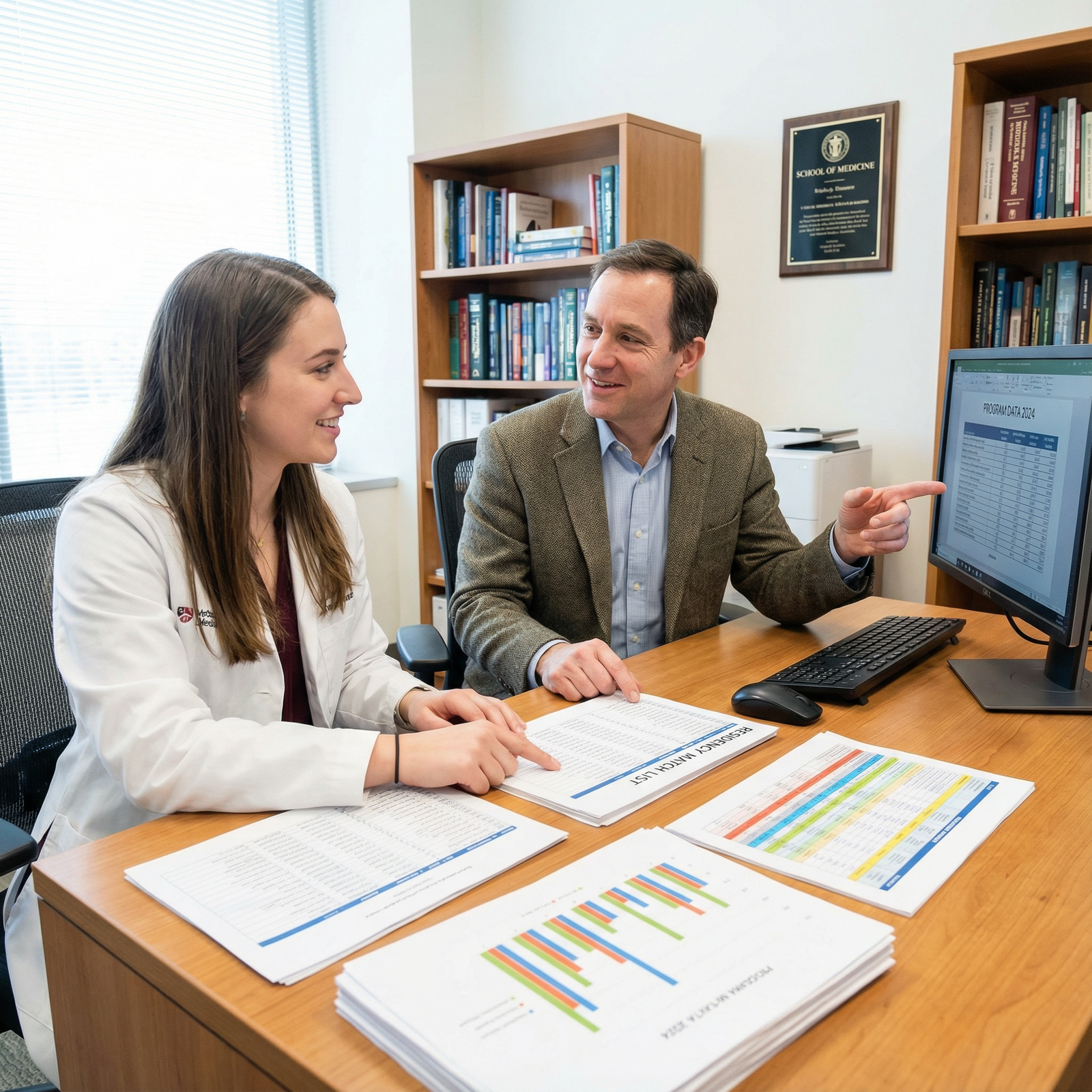
5. Forgetting Who Actually Matters: The Coordinator and the Rules
Another mistake that quietly irritates program leadership: ignoring instructions.
If the program said:
- “Please direct all communication to the program coordinator.”
- “Post‑interview communication will not affect your rank.”
- “We prefer not to receive thank‑you emails.”
…and you decide you’re the special exception who should email the PD, APD, faculty, and chief all individually anyway?
You’ve just told them: “I do not follow directions when I want something.”
That’s exactly the opposite of what PDs want in a resident.
Common missteps here:
- Emailing the PD even though they clearly said “no need for thank‑you notes”
- Bypassing the coordinator with logistics or schedule questions
- Calling the program directly “to make sure you have everything”
Coordinators talk to PDs. A lot. If you’re a pain to the coordinator, that sticks.
Clean way to handle this:
- Read the invitation and interview-day materials carefully.
- If they discourage thank‑yous, believe them.
- If they route communication through the coordinator, honor that.
- If you must ask something, keep it very short and necessary.
Being low‑maintenance administratively is a plus. Don’t blow that by thinking you’ll win points through excessive enthusiasm in their inbox.
6. The Generic, Copy‑Pasted, Obviously Mass‑Sent “Thank You”
You think you’re being efficient. They think you don’t actually care about their program.
I’ve watched PDs open five emails in a row and say, “Same exact sentence structure, just changed the program name.” They roll their eyes and close them.
Mistakes in these emails:
- Addressing to “Dear Program Director” with no name when it was clearly provided
- Copy‑pasting the same line: “I was impressed by your program’s commitment to education and research.”
- Referring to something that did not happen at that interview day (yes, people do this)
- Getting the program name wrong (this happens more than you think)
Here’s the reality:
Most PDs do not rank you higher because of a thank‑you email.
But some do confirm negative impressions if your email is sloppy.
Use thank‑you messages, if you send them, to avoid hurting yourself:
- Keep them short (3–5 sentences)
- Include one concrete, specific detail from the visit: a case, a resident interaction, a unique curriculum feature
- Double‑check names, titles, and program name
- Don’t oversell—“I would be honored to train at your institution” is plenty
If you can’t personalize it properly, it’s safer not to send it at all.

| Step | Description |
|---|---|
| Step 1 | Interview Day |
| Step 2 | No email or 1 short thank-you to coordinator |
| Step 3 | Optional short thank-you |
| Step 4 | One clear #1 email to that program |
| Step 5 | No rank declarations |
| Step 6 | No further contact |
| Step 7 | Program policy on emails? |
| Step 8 | Have a true #1? |
7. Trying to Negotiate or Influence the Rank List
Some of you get clever—and this is where it crosses into “definite red flag” territory.
Examples of what not to say:
- “If you can tell me I’ll match here, I’ll commit to ranking you #1.”
- “I’m choosing between your program and [other named program]; can you give me some sense of how I compare to others?”
- “If I rank you first, can you tell me if I’m likely to match there?”
This is not a business deal. There is no side‑agreement.
PDs are bound by NRMP rules. Attempts to negotiate or corner them are not only annoying; they can feel professionally dangerous for them.
Outcome on their side:
- You get mentally filed as “doesn’t understand boundaries or rules”
- At worst, your name gets quietly downgraded or removed
- In extreme cases, PDs will document these communications to protect themselves
Your job is to decide your rank list truthfully. Their job is to rank you based on your file and interview. That’s the whole game.
8. Inconsistency and Sloppy Professionalism
PDs are hypersensitive to anything that hints at unreliability, because unreliable residents cost them sleep, reputation, and patient safety.
Common red flags in your post‑interview communication:
- Typos in program name, PD name, or specialty
- Wrong program name because you reused a template
- Mixing up city or features: “I loved seeing your pediatric ICU” when they don’t have one
- Overly casual tone: “Hey!” “Just wanted to shoot you a quick note lol”
- Email from an address like “drfutureballer93@…” instead of a professional one
None of these alone will usually destroy your chances, but if they already have concerns, it confirms them.
Quick checklist before you hit send:
- Correct PD name and spelling?
- Correct program and institution name?
- City and details match that program?
- Any slang, emojis, or overly casual phrases removed?
- Length under ~150–200 words?
You don’t get extra points for the perfect email. You do lose points for the sloppy one.
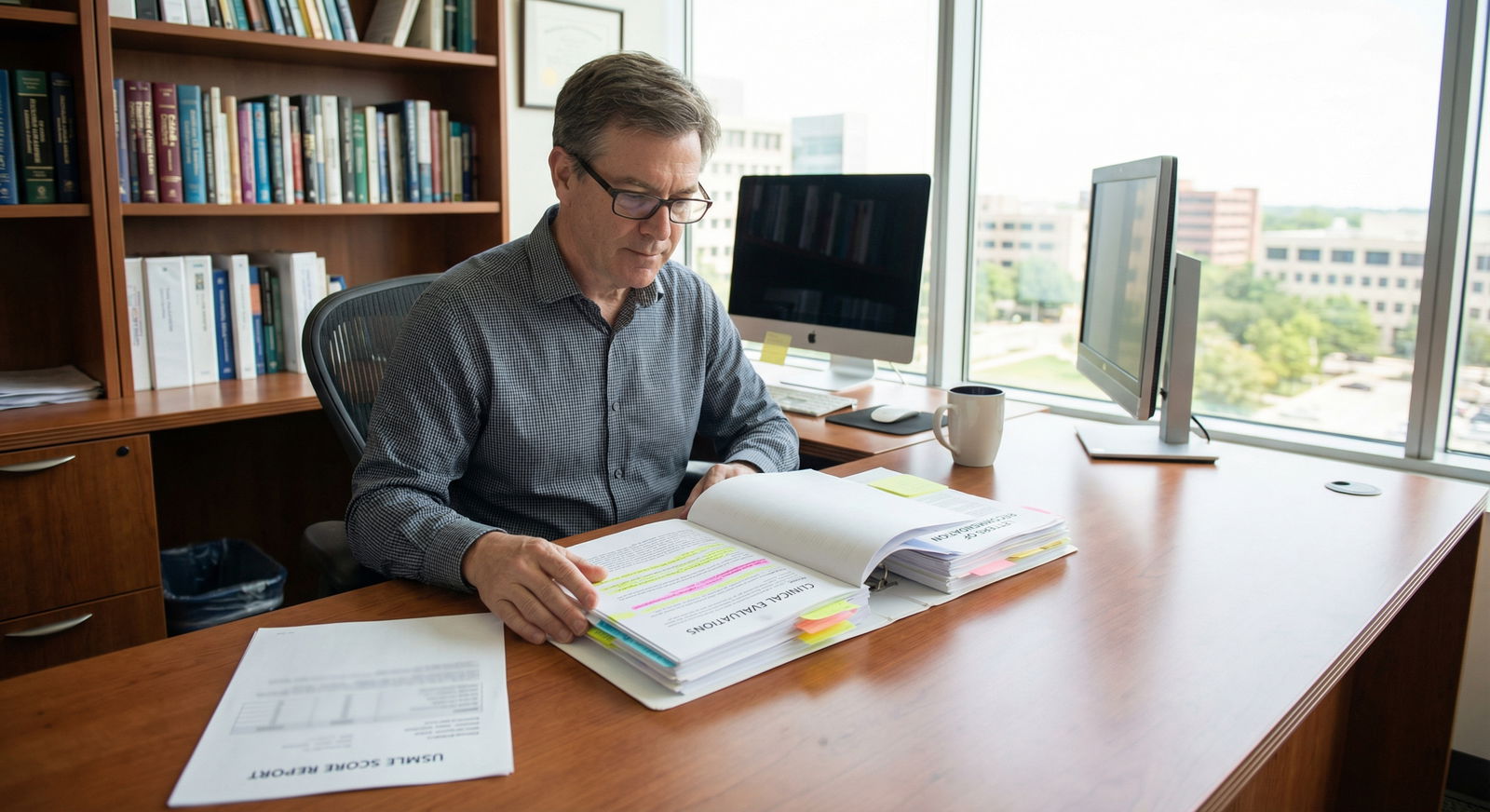
9. Using Third Parties to Lobby for You—Poorly
Letters or emails from faculty advocates can help before interviews or to explain major issues. After interviews, they can become annoying if misused.
PDs do not love when:
- They get multiple emails from different people clearly coordinated by you: “Just reaching out about [Your Name]…”
- Your home PD or advisor “pushes” you aggressively to many programs with generic praise
- Someone they barely know sends a gushing, over-the-top endorsement that doesn’t match your file
It can make you look like:
- You’re trying to game the system
- You’re compensating for a weak interview
- You lack confidence and need others to lobby for you
If a mentor asks, “Can I send a note to your top program?” and you have a true #1, that’s fine—once, and ideally with specific, grounded support.
But don’t orchestrate a whole campaign. PDs are very good at telling the difference between genuine advocacy and applicant-driven lobbying.
10. Burning Bridges with Unprofessional Silence or Rudeness
You know what also annoys PDs? Radio silence when you already agreed to something.
Examples:
- Not responding to a clarification question from the coordinator
- Ignoring a request for a missing document
- Failing to answer when they reach out about a potential second-look opportunity you’d discussed
- Being curt or rude when rescheduling things
Every one of those is a signal:
- “This person might not respond to pages.”
- “This person might ghost us when things get hard.”
- “This person might be disrespectful to staff.”
Your communication doesn’t have to be warm and bubbly. But it must be timely and respectful.
Rule of thumb:
- If a program emails you a direct question, respond within 24–48 hours.
- If you can’t provide the answer yet, acknowledge the email and give a realistic timeline.
Silence is not neutral. It’s interpreted.
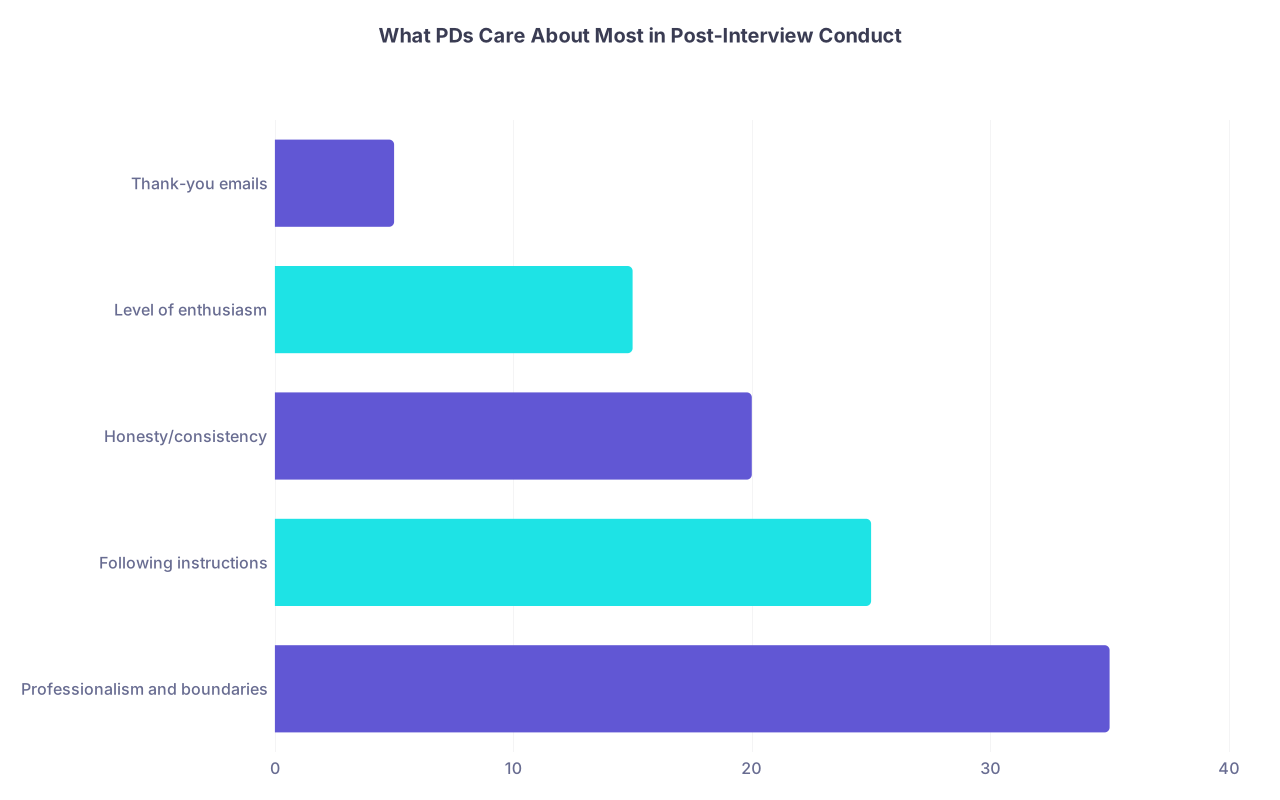
| Category | Value |
|---|---|
| Professionalism and boundaries | 35 |
| Following instructions | 25 |
| Honesty/consistency | 20 |
| Level of enthusiasm | 15 |
| Thank-you emails | 5 |
11. What Actually Helps (Without Being Annoying)
Let’s balance this out with what doesn’t annoy PDs—and can quietly help you.
Low‑risk, reasonable actions:
- One concise, well‑written thank‑you (if not discouraged)
- A single, honest “you are my #1” message to the one program that truly is
- Prompt, professional responses to any direct questions from the program
- Updating a small number of top programs if you have a truly significant new achievement (e.g., major publication accepted, AOA, major award)—and keeping that update very short
The best post‑interview communications share three traits:
- They respect the program’s stated communication policy.
- They don’t ask for anything the program can’t ethically give (rank info, guarantees).
- They’re concise, professional, and don’t create extra work.
If you’re doing more than that, you’re not boosting yourself—you’re tempting them to be annoyed.
Bottom Line: Don’t Talk Your Way Down the Rank List
Keep these core points in your head:
Do not be needy, dishonest, or pushy. Multiple “check‑ins,” fake #1 promises, and attempts to negotiate rank spots all signal poor judgment and boundary issues.
Follow instructions and keep it simple. Respect stated communication policies, route things through the coordinator when asked, and send at most one short, specific thank‑you or #1 email.
Professionalism beats enthusiasm. You won’t win a match with perfect emails, but you can absolutely lose one with annoying, sloppy, or desperate post‑interview communication. When in doubt, say less.