
Understanding Your Goals as a DO Graduate in Clinical Informatics
As a DO graduate exploring clinical informatics pathways—whether through a dedicated clinical informatics fellowship, a combined residency–informatics track, or a health‑system–based health IT training program—you are entering a niche where “fit” matters as much as prestige. The questions you ask programs will help you determine:
- How your osteopathic training is valued
- Whether you’ll get robust exposure to both clinical work and informatics
- How prepared you’ll be for a future career in health IT, data science, and digital health leadership
This guide focuses on questions to ask residency and fellowship programs (and especially what to ask program directors) as a DO graduate pursuing clinical informatics. You’ll find structured lists of interview questions for them, with explanations of why each question matters and what to listen for.
Although clinical informatics is a subspecialty (often following a primary residency like IM, FM, EM, Path, etc.), many of these questions also apply if you are:
- A DO applying to a primary residency with strong informatics exposure
- A DO resident interviewing for a clinical informatics fellowship
- A DO graduate considering health‑system–based health IT training programs
Throughout, you’ll see how to tailor the osteopathic residency match conversation to your unique path as a DO in informatics.
Core Strategy: How to Approach Questions During Interviews
Before scripting questions to ask programs, get clear on three things:
Your priorities as a DO graduate
- How much ongoing hands-on clinical time do you want?
- How important is it that the program explicitly values osteopathic principles?
- Are you more interested in leadership, technical skills, research, or operations?
The format of your training
- Are you applying directly to a clinical informatics fellowship?
- Are you looking at a residency with a guaranteed informatics track (e.g., IM + CI)?
- Are you exploring health IT training as part of a QI or leadership pathway?
Who you’re speaking to
- Program director (PD): ask about curriculum, expectations, evaluation, and long‑term outcomes
- Faculty: ask about mentorship, projects, culture, and resources
- Current fellows/residents: ask about day-to-day reality, hidden challenges, and actual program responsiveness
- IT / analytics staff: ask about tools, data access, and project feasibility
A powerful structure to keep in mind:
- Clarify what matters most to you
- Turn each priority into 2–3 specific, concrete questions
- Always ask at least one follow‑up question based on their answer
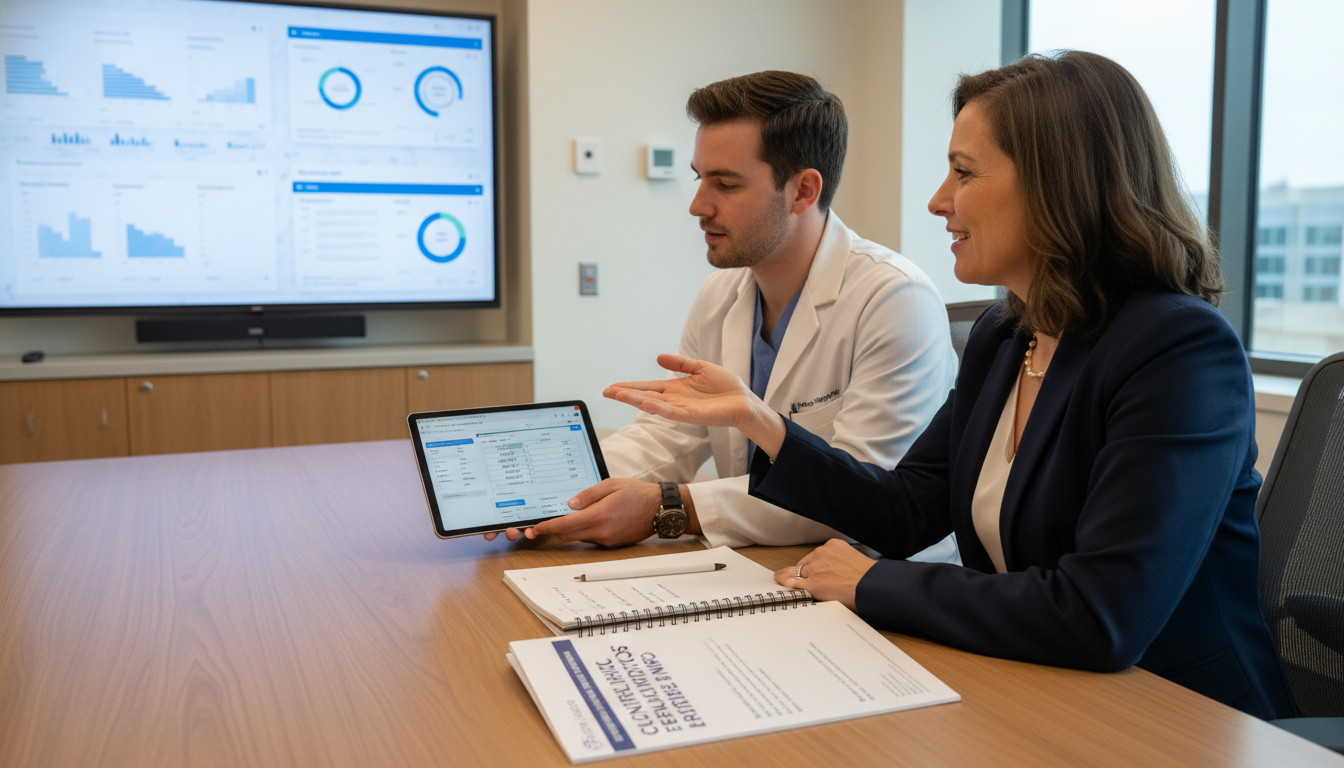
High‑Yield Questions to Ask the Program Director
You will almost always meet the program director (PD) or associate PD. This is your best chance to ask big‑picture questions about training quality, graduate outcomes, and how DOs fit into their ecosystem.
1. Fit for a DO Graduate and Osteopathic Perspective
Key questions:
“How have DO graduates historically done in your program, and where are they now?”
- Why ask: You want to know if DOs are well‑represented and successful.
- What to listen for:
- Examples of DO alumni in leadership, industry, or academic roles
- Genuine enthusiasm vs. generic “we accept DOs too” answers
“How does your program incorporate or value osteopathic principles—such as holistic, patient‑centered care—even in informatics projects?”
- Why ask: Clinical informatics can become very technical. You want to see if they respect the DO mindset.
- Good sign: The PD can give concrete examples (e.g., using data to address social determinants of health, improving patient–clinician communication through portals).
“Are there any current DO residents/fellows I can speak with about their experience?”
- Why ask: First‑hand DO perspectives are invaluable.
- Red flag: They have DO graduates but can’t connect you, or there are no DOs at all and no clear path to supporting you.
2. Structure of Clinical and Informatics Time
If you are in a clinical informatics fellowship or an informatics‑heavy residency, clarity on time distribution is crucial.
Key questions:
“How is time divided between clinical work and informatics activities over the course of training?”
- Why ask: Protect yourself against informatics time being eroded by service needs.
- Listen for:
- Specific percentages or rotation schedules
- Longitudinal vs. block structure
- Whether informatics time is protected and respected by clinical departments
“What does a typical week look like for a first‑year fellow/resident on the informatics track?”
- Why ask: You want a realistic sense of the workload.
- Good sign: They can describe a clear schedule with conferences, project time, and clinical responsibilities.
“How do you support trainees in maintaining their clinical skills while also advancing in informatics?”
- Why ask: Particularly important if you want to continue practicing clinically.
- Good sign: Regular clinical shifts, mentorship on dual‑career paths, and opportunities to integrate informatics into clinical practice.
3. Curriculum, Technical Training, and Health IT Tools
You’re not just learning concepts; you’re training for a career in health IT.
Key questions:
“Can you walk me through the formal curriculum for clinical informatics and how it aligns with the board exam content outline?”
- Why ask: You need a structured path to board eligibility and competence.
- Look for:
- Coverage of clinical decision support, interoperability, clinical workflow, data governance, and leadership
- Clear reading lists, didactics, and board prep strategies
“What exposure will I have to hands‑on technical skills, such as SQL, data extraction, HL7/FHIR, or analytics tools?”
- Why ask: Many DO graduates are strong clinically but want assurance of health IT training that’s more than conceptual.
- Good sign:
- Access to development/test environments
- Training in querying data warehouses
- Collaboration with data scientists or engineers
“Which EHR platforms and vendor tools will I work with, and do fellows/residents have build or configuration access?”
- Why ask: Being able to actually build and test changes is transformative.
- Red flag: No build access, only “advisory” roles with little technical experience.
4. Projects, Deliverables, and Scholarly Expectations
Clinical informatics training is project‑heavy. You want to know what you’ll actually produce.
Key questions:
“What are the required projects or deliverables during training, and how are trainees supported in completing them?”
- Why ask: Clarifies expectations for QI, research, or operational projects.
- Good sign: A structured project portfolio, clear milestones, and defined faculty mentors.
“Can you share examples of recent trainee projects and where they led (publications, presentations, implementation)?”
- Why ask: Past projects show what’s realistically possible.
- Look for: Real-world implementations, not just theoretical proposals.
“How are projects selected—can I propose my own, or are they mostly predefined by leadership?”
- Why ask: Autonomy vs. service‑driven work.
- Best case: A mix—some organizational priorities plus room for your own interests.
5. Outcomes, Careers, and Placement
Clinical informatics pathways can lead to diverse roles: CMIO, health system leadership, startups, vendors, academic medicine.
Key questions:
“Where have your recent graduates gone in terms of roles and practice settings?”
- Why ask: This is one of the most important interview questions for them.
- Good sign: Specific titles like CMIO, Medical Director of Informatics, data science roles, faculty positions, or industry leadership roles.
“How does the program support networking and career development—for example, through AMIA, HIMSS, or connections with vendors and health systems?”
- Why ask: Career success in informatics is network‑dependent.
- Look for: Funding for conferences, introductions, alumni networks.
“What support do you offer trainees who want to balance ongoing clinical practice with informatics leadership roles after graduation?”
- Why ask: As a DO, you may prioritize continued direct patient care.
- Good sign: Graduates with hybrid roles, mentorship on negotiation and contracts.
Targeted Questions for Faculty, Fellows, and Residents
Once you’ve spoken with the PD, you’ll usually have time with current fellows, residents, and faculty. This is your chance to validate what you heard and probe the program’s culture.
1. Culture, Mentorship, and Psychological Safety
Key questions:
“Can you tell me about the mentorship structure—how are mentors assigned, and how often do you meet formally?”
- Listen for: Regularly scheduled meetings, multiple mentors (e.g., clinical, technical, leadership).
“When you’ve run into obstacles on a project or with IT leadership, how has the program supported you?”
- Why: You want to know if trainees are protected and advocated for.
“How approachable are the faculty and program leadership when you need help or need to renegotiate commitments?”
- Red flag: Stories of being ignored, or “you just have to figure it out.”
2. Realistic Workload and Work–Life Balance
Key questions:
“What does a typical day look like for you during an informatics block or month?”
- Compare with what the PD told you; large discrepancies are warning signs.
“How manageable is the balance between clinical shifts and informatics expectations?”
- Listen for: Burnout, chronic overwork, “constant nights/weekends” to finish projects.
“Do you feel your informatics time is respected, or do clinical services frequently pull you back into coverage?”
- Best case: Informaticists are seen as essential, not just “extra hands” on the floor.
3. DO‑Specific Experience and Inclusion
Particularly for a DO graduate residency or fellowship:
Key questions:
“As a DO, have you ever felt treated differently—positively or negatively—within the program or health system?”
- Ask this directly to any DO trainee you meet.
“Are osteopathic perspectives or skills (e.g., holistic care framing, OMT if applicable) ever incorporated into projects?”
- You’re looking for respect for your background even if OMT isn’t the focus.
“For DOs here, were there any additional hurdles in credentialing, board certification recognition, or fellowship eligibility?”
- Make sure there won’t be hidden bureaucratic surprises.
4. Institutional Politics and IT Realities
Clinical informatics programs live at the intersection of clinical care and IT—the politics can be tricky.
Key questions:
“How receptive is the IT department to trainee involvement and suggestions?”
- You want collaboration, not hostility.
“When there are disagreements between clinicians and IT leadership, how are they usually resolved?”
- Look for structures: governance committees, change control boards, stakeholder engagement.
“Have you been able to see a project go from idea to full implementation? What helped or hindered that process?”
- This tells you how much real influence trainees can have.
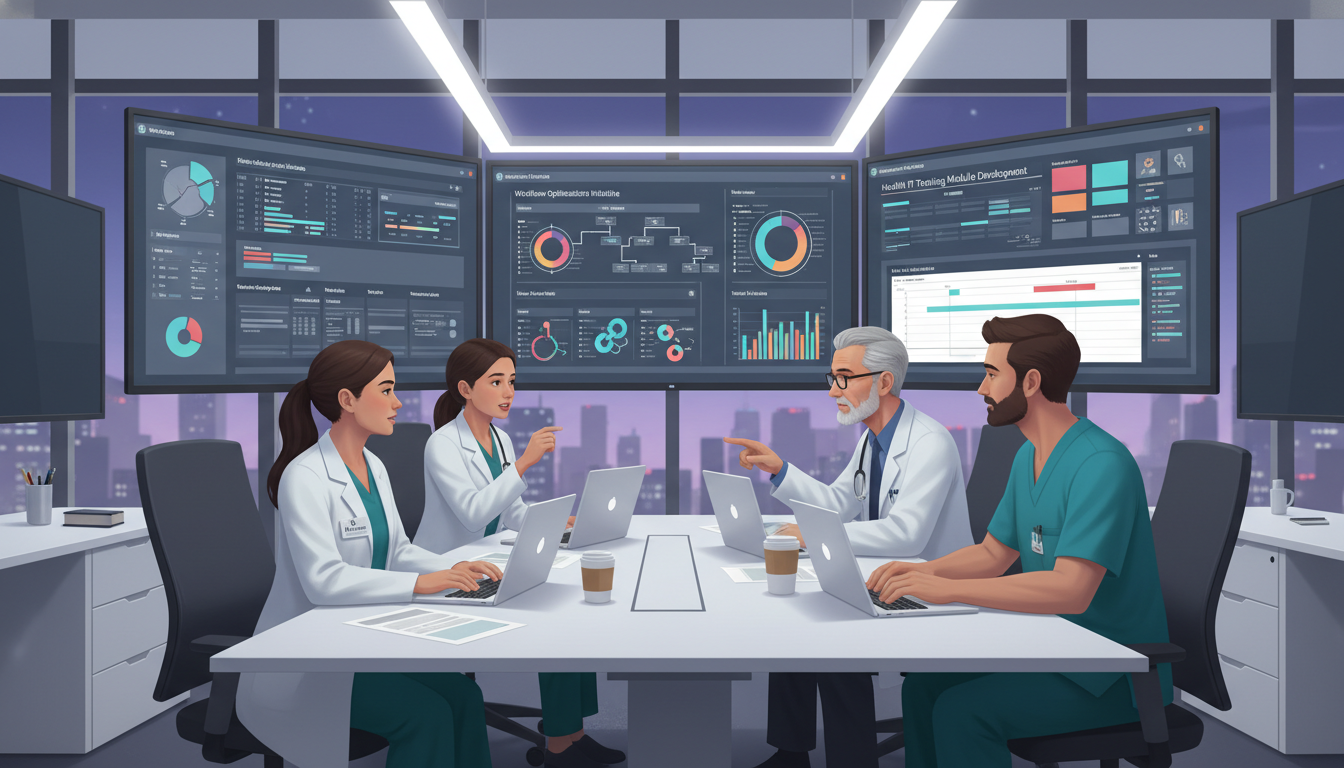
Technical and Health IT Training: What to Ask About Tools and Skills
To get real value from a clinical informatics fellowship or informatics‑oriented residency, you need solid health IT training and exposure to current tools.
1. Data, Analytics, and Interoperability
Key questions:
“What kind of data infrastructure does your institution use—data warehouse, data lake, analytics platforms—and how do trainees access it?”
- You want direct or supervised access to query clinical data, not just viewing pre‑made dashboards.
“Do trainees receive structured training in query languages (e.g., SQL), basic statistics, or analytics tools such as R, Python, or Tableau?”
- Look for: Coursework, workshops, or protected time for self‑learning with mentorship.
“What opportunities are there to work on interoperability projects—such as FHIR APIs, HIE connections, or integration with external apps/devices?”
- Interoperability is a key board content and real-world need; exposure here is a strength.
2. EHR Build, Clinical Decision Support, and Usability
Key questions:
“Will I have opportunities to participate in EHR build, order set design, and clinical decision support interventions?”
- You want actual build experience, not just conceptually discussing CDS.
“Do trainees participate in usability testing, clinician feedback sessions, or user‑centered design projects?”
- Particularly aligned with the DO focus on patient- and provider-centered care.
“How are unintended consequences (e.g., alert fatigue, workflow disruption) monitored and addressed in your informatics projects?”
- Shows maturity of the informatics program and commitment to safety.
3. Advanced Topics and Optional Depth
If you want more depth in a specific area (e.g., AI/ML, population health, telehealth, or clinical decision support), ask explicitly.
Key questions:
“For someone interested in [AI, machine learning, telehealth, etc.], what specific opportunities or mentors are available?”
- Listen for: Named faculty, active projects, existing collaborations.
“Are there joint programs or certificates available—for example, in healthcare analytics, public health, or clinical research?”
- These can significantly boost your long‑term career options.
“Can trainees take graduate‑level coursework in informatics or data science during their training?”
- Some programs are linked to universities with MS programs; this can be a major advantage.
Questions to Ask Programs About the Application, Match, and Logistics
As a DO graduate, the osteopathic residency match ecosystem and fellowship pathways can raise practical concerns. You want clarity on eligibility, support, and timing.
1. Eligibility and Pathways for DO Graduates
Key questions:
“Are there any differences in how DO and MD applicants are evaluated or supported in your program?”
- You are inviting transparency about potential bias or structural issues.
“For DO applicants, are there any additional requirements (e.g., USMLE scores, specific letters) to be considered competitive?”
- Not all programs require USMLE if you have COMLEX; know where they stand.
“Is there any institutional difference in credentialing or privileging for DO vs MD graduates that could affect my future practice here?”
- Most modern institutions treat DOs and MDs equivalently, but it’s worth confirming.
2. Match Process, Timelines, and Visas (If Applicable)
Key questions:
“Can you describe your typical rank‑list strategy and what characteristics you prioritize in applicants?”
- Helps you understand what they value (leadership, technical skills, clinical strength, etc.).
“How many positions do you typically fill each year, and from how many applicants?”
- Gives you a sense of competitiveness.
“If I were to match here, what would the timeline look like between Match Day and onboarding—especially regarding EHR access and IT training?”
- You want early, structured onboarding to hit the ground running.
(If relevant) “How does your program support international DO graduates regarding visas and long‑term career planning?”
- Get specific on visa types, past success, and institutional policies.
3. Funding, Resources, and Protected Time
Clinical informatics often involves travel, conferences, and multi‑stakeholder work.
Key questions:
“What funding or protected time is available for conferences such as AMIA, HIMSS, or specialty‑specific informatics meetings?”
- Strong programs invest in your professional visibility and networking.
“Is there dedicated administrative or analyst support for trainee projects, or are we expected to manage most logistics ourselves?”
- Too much “do everything yourself” can dilute your learning.
“How are competing demands handled—if I have a clinical shift, informatics project deadline, and exam prep simultaneously, who helps me prioritize?”
- You want evidence of structured guidance and flexibility, not “you’re on your own.”
Putting It All Together: A Sample Question Script for Your Interviews
To help you organize, here’s a sample sequence of questions to ask residency or fellowship programs during a typical interview day for a DO graduate interested in clinical informatics.
With the Program Director
- “How have DO graduates done in your program, and what kind of positions are they in now?”
- “How is time balanced between clinical duties and informatics work across the training period?”
- “Could you walk me through the informatics curriculum and how you prepare trainees for the clinical informatics board exam?”
- “What kinds of health IT tools and data systems will I have hands‑on access to as a trainee?”
- “Can you share examples of recent trainee projects that went from idea to implementation?”
- “How are trainees supported in finding post‑training roles that combine clinical practice with informatics leadership?”
With Faculty
- “How do you see the role of clinical informaticists evolving in this institution over the next 5–10 years?”
- “What types of projects do faculty typically mentor, and how do you involve trainees?”
- “For someone with a DO background and strong interest in [e.g., population health, AI, telehealth], how would you recommend structuring training here?”
With Current Fellows/Residents
- “What does a typical week look like for you in terms of clinical work, informatics tasks, and didactics?”
- “Do you feel your informatics time is protected, or is it often encroached upon by clinical needs?”
- “As a DO, have you ever felt any difference in how you’re treated or supported?”
- “What has been your most meaningful project so far, and how did the program help you achieve it?”
- “Knowing what you know now, would you choose this program again?”
Having these questions ready—and tailoring them based on what you hear—signals that you understand both the clinical and systems-level dimensions of informatics and that you are serious about finding a program that truly fits your goals as a DO graduate.
FAQ: Common Questions from DO Graduates About Interviewing Clinical Informatics Programs
1. As a DO, do I need USMLE scores to be competitive for clinical informatics fellowships or informatics‑heavy residencies?
Not always, but it depends on the program. Many informatics fellowships and residencies increasingly accept COMLEX alone, especially with ACGME unification. However, some competitive academic programs still prefer or require USMLE scores. This is precisely why asking, “Are there any additional requirements for DO applicants, such as USMLE?” is important during your interviews or pre‑interview communication.
2. How many informatics‑focused interview questions for them should I ask during each interview?
Aim for 3–5 strong, program‑specific questions per conversation (PD, faculty, fellows). Quality matters more than quantity. Start with broad questions (e.g., curriculum, outcomes, DO experience) and follow up on the details in their answers. Bringing a written list is perfectly acceptable and can actually demonstrate your organization and seriousness.
3. I’m not very technical yet. What can I ask to make sure I still get solid health IT training?
Focus on questions like:
- “What structured technical training do you provide for trainees without a strong prior IT or programming background?”
- “How do you support trainees in learning data analytics, EHR build, or interoperability tools from the ground up?”
- “Can you share examples of past trainees who started with limited technical skills and became highly competent by graduation?”
These questions show insight into your needs and also assess whether the program is prepared to develop your skills systematically.
4. How can I tell if a clinical informatics program truly values DO graduates and the osteopathic perspective?
Look for multiple converging signs:
- The PD can name successful DO alumni and their current roles.
- DOs are visible among current trainees and faculty.
- When you ask about osteopathic principles, they respond with specific examples, not vague platitudes.
- Current DO trainees report feeling fully integrated and respected, with no additional barriers in credentialing or advancement.
Combine these observations with your overall impression of how they respond when you raise DO‑specific questions. Respectful, nuanced answers are a strong indicator of genuine inclusion.
By preparing thoughtful, targeted questions to ask residency and fellowship programs, and especially by knowing what to ask program directors about clinical informatics and DO‑specific issues, you position yourself not just as a strong applicant—but as a future informatics leader who knows how to ask the right questions long before designing a solution.