Preparing for a residency interview is always demanding, but doing it in the context of a preliminary surgery year adds unique layers of strategy and nuance. You’re not just trying to land a spot—you’re often positioning yourself for a future categorical surgical position, another specialty, or a bridge year that strengthens your candidacy. That means your pre-interview preparation needs to be deliberate, targeted, and polished.
Below is a comprehensive guide on how to prepare for interviews specifically tailored to preliminary surgery applicants. We’ll walk through logistics, content, mindset, and practice so you can show up to interview day as your strongest, most authentic self.
Understanding the Unique Context of Preliminary Surgery Interviews
Before you start rehearsing answers to interview questions residency programs might ask, you need to clarify what preliminary surgery means for you and for the programs interviewing you.
What Is a Preliminary Surgery Year, Really?
A preliminary surgery year is typically a one-year, non-categorical position. Common pathways include:
Bridge to categorical surgery
- You didn’t secure a categorical general surgery spot but aim to reapply.
- You need operative exposure and strong surgical letters.
Prelim as a year of clinical training before another field
- Anesthesia, radiology, urology, ophthalmology, PM&R, or other specialties that require or value a surgical internship.
- You want strong clinical skills, procedural competence, and the work ethic that comes with a surgical internship.
Prelim for unmatched or SOAP applicants
- You’re rebuilding your application with US clinical experience, improved evaluations, and better letters.
Programs know prelims often have complex stories and long-term goals. Your job during residency interview preparation is to clarify that story.
How Programs View Prelim Surgery Residents
Most prelim surgery residency programs look for:
- Reliability and work ethic – Will you show up, handle call, and be dependable?
- Team orientation – Can you function well as part of a busy surgical service?
- Clinical aptitude – Are you teachable, safe, and attentive?
- Professionalism and resilience – Can you withstand the pace and pressure?
- Honesty about future plans – Are you transparent about your goals, and do they make sense?
This context should shape your preparation. You’re not just practicing generic responses; you’re aligning your answers with what prelim programs actually care about.
Step 1: Strategic Self-Assessment Before Interview Season
Deep preparation starts with understanding yourself—your story, your goals, and your application.
Clarify Your Narrative and Career Goals
Before anyone asks, “So, what are your career plans?” you should have a concise, believable, and well-thought-out answer.
Reflect on:
Why preliminary surgery?
- Are you:
- Reapplying to categorical general surgery?
- Ultimately planning on a different procedural field?
- Using the year to strengthen your overall application?
- Are you:
What is your long-term vision?
- “I’m aiming for categorical general surgery with interest in trauma/critical care.”
- “I plan to go into interventional radiology and want strong procedural experience and clinical judgment.”
- “I am uncertain but know I want a hands-on, patient-facing specialty, and a prelim surgery year will clarify my direction.”
Why this path, now?
- Previous experiences, clinical rotations, mentors who influenced you.
- If you went unmatched, be prepared to explain:
- What you learned from that experience.
- Concrete steps you’ve taken to improve.
Your story must be honest, consistent, and forward-looking, especially if your application has setbacks (gaps, failures, second careers, visa issues, or prior unmatched cycles).
Know Your Application Inside Out
Assume everything on your ERAS can be questioned in detail. As part of how to prepare for interviews, do this:
Re-read your:
- Personal statement
- ERAS activity descriptions
- Research entries and abstracts
- MSPE/dean’s letter (if available)
- USMLE/COMLEX score reports
Make a one-page summary document for yourself:
- Top 5 clinical experiences that shaped you.
- 3–5 research or scholarly projects and your specific role.
- 3 major strengths, 2–3 honest areas for growth.
- 2–3 meaningful life experiences outside medicine.
If anything looks weak or unusual (score drop, leave of absence, change of specialty), write out a wise, non-defensive explanation that:
- Takes responsibility where appropriate.
- Shows insight and growth.
- Ends on a positive, forward-looking note.
Step 2: Program-Specific Research and Positioning
Generic preparation is not enough. You need targeted preparation for each prelim surgery residency program.
Build a Program Research Template
For each program, create a short document (bullet points are fine) including:
Program basics
- Size of the surgery department
- Number of prelims vs categoricals
- Affiliated hospitals (county, academic, VA, private)
- Level of trauma center (if applicable)
Role of prelims
- What rotations do prelims do? (ICU, trauma, acute care surgery, subspecialties)
- How integrated are prelims with categoricals?
- What their website or residents say about prelim culture.
Outcomes for prelims
- Do they report where prelims go after the year (categorical spots, other specialties)?
- Any history of prelims transitioning to categorical within the same institution?
Academic and educational structure
- Conferences, simulation labs, skills sessions.
- Expectations for research or QI.
This research pays off when asked:
- “Why are you interested in our program?”
- “How do you see yourself fitting into our training environment?”
- “What are you hoping to accomplish during your preliminary surgery year here?”
You should be able to connect your goals to their structure and culture.

Tailor Your “Program Fit” Talking Points
For each program, prepare 2–3 concrete reasons you’re interested, such as:
- “Strong trauma exposure at a Level I center—important to me as I’m considering acute care surgery.”
- “Structured simulation and skills curriculum, which will accelerate my operative readiness.”
- “Documented history of supporting prelims in finding categorical spots and writing strong letters.”
- “Heavy ICU exposure that aligns with my interest in critical care and procedural competence.”
Avoid generic reasons like “good training” or “nice location” unless you connect them to personal or family circumstances in a thoughtful way.
Step 3: Mastering Common Residency Interview Questions
You don’t want your answers to sound memorized, but you do want your key themes and examples ready. Below are common interview questions residency programs ask, with specific prelim-focused guidance.
Core Motivational Questions
“Tell me about yourself.”
- Use a 60–90 second summary that:
- Briefly touches on your background (where you’re from, education path).
- Highlights a few strengths or unique aspects.
- Transitions smoothly into why you’re here today (interest in surgery / your path to prelim).
- Use a 60–90 second summary that:
“Why surgery?”
- For prelims, this answer must show:
- Respect for the field.
- Real attraction to the pace, acuity, and team environment.
- Even if your ultimate goal is another specialty, emphasize what you truly like about surgical thinking and patient care:
- Problem-solving.
- Hands-on procedures.
- Longitudinal care pre- and post-op.
- For prelims, this answer must show:
“Why a preliminary surgery year?”
- Be direct and honest, but professional.
- Examples:
- “I’m committed to pursuing general surgery categorically. I see a preliminary surgery year as a way to demonstrate my capability in a demanding environment, earn strong surgical letters, and refine my technical and clinical skills.”
- “My ultimate goal is interventional cardiology. I want a prelim surgery year because managing post-op patients, understanding anatomy in the OR, and functioning on high-acuity surgical services will make me a more capable proceduralist.”
Addressing Weaknesses or Red Flags
Programs will often indirectly explore your challenges. Prepare for:
- “Tell me about a challenge or failure and what you learned.”
- “Can you walk me through your Step/Level performance?”
- “Why were you not initially matched into a categorical position?” (if applicable)
Key principles:
- Own your story – Don’t blame others.
- Show insight – What specifically did you change?
- Highlight growth – Improved performance, habits, or feedback since then.
Example framework for an exam-related issue:
- Brief, factual description of what happened.
- Underlying factors you identified (e.g., test-taking strategy, personal stress, time management).
- Concrete steps you took to improve.
- Evidence of improvement (better clerkship performance, later exams, research productivity).
Behavioral and Situational Questions
Prelim surgery is intense; programs want to know how you function under stress, in teams, and during conflict.
Common prompts:
- “Tell me about a time you made a mistake.”
- “Describe a conflict with a colleague and how you resolved it.”
- “Tell me about a difficult patient or family interaction.”
- “How do you handle long hours and fatigue?”
Use the STAR method:
- Situation – Brief context.
- Task – Your responsibility.
- Action – What you did.
- Result – Outcome and what you learned.
For a prelim year, emphasize:
- Owning mistakes and communicating early.
- Protecting patient safety over ego.
- Supporting co-residents and team cohesion.
- Using systems (backup, checklists) to stay reliable when tired.
Questions About the Future
You’ll almost certainly be asked:
- “Where do you see yourself in 5–10 years?”
- “If you don’t match into your preferred specialty, what will you do?”
For prelims, the balance is:
- Honesty about ultimate goals.
- Respect and commitment to the prelim year.
- Flexibility and realistic contingency planning.
Example:
“In 5–10 years, I see myself as a board-certified surgeon working in an academic center with a focus on acute care surgery. I know that reaching that goal may require multiple application cycles, and during this prelim year I’m committed to being a fully engaged member of the surgical team, taking excellent care of patients, and earning the strongest possible evaluations and letters I can.”
Or, if your goal is another specialty:
“My long-term goal is diagnostic and interventional radiology. I see this preliminary surgery year as the best training ground for clinical reasoning, hands-on procedures, and critical care experience. Regardless of my next step, I intend to fully commit to the role here, support the service, and leave with a track record the program is proud of.”
Step 4: Practicing Delivery – Mock Interviews and Feedback
Content alone is not enough. Residency interview preparation must include realistic practice.
Build a Mock Interview Plan
Aim for at least:
- 2–3 full mock interviews (30–45 minutes each).
- A mix of:
- Faculty or residents in surgery.
- Advisors or mentors familiar with the Match.
- Peers who can provide honest feedback.
Structure:
- Treat it exactly like the real thing (professional attire, on time, no notes).
- Ask your mock interviewer to:
- Ask standard and behavioral questions.
- Push on weak areas (scores, failed attempts, gaps).
- Debrief:
- What felt strong?
- Where were you vague or defensive?
- Did your prelim-specific story come through clearly?
Practice for Both In-Person and Virtual Formats
Even in recent cycles, many programs use video interviews. Prepare for both.
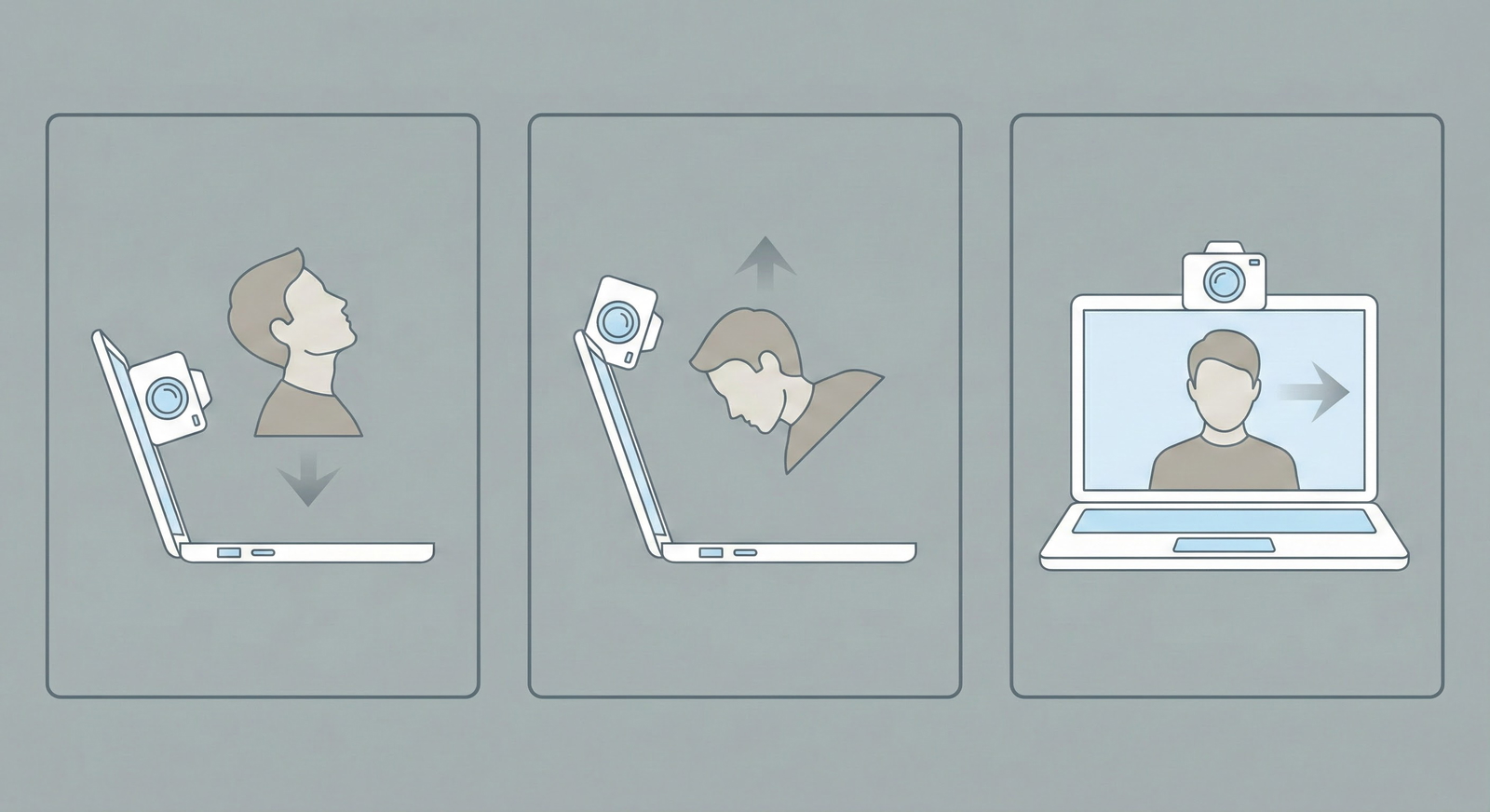
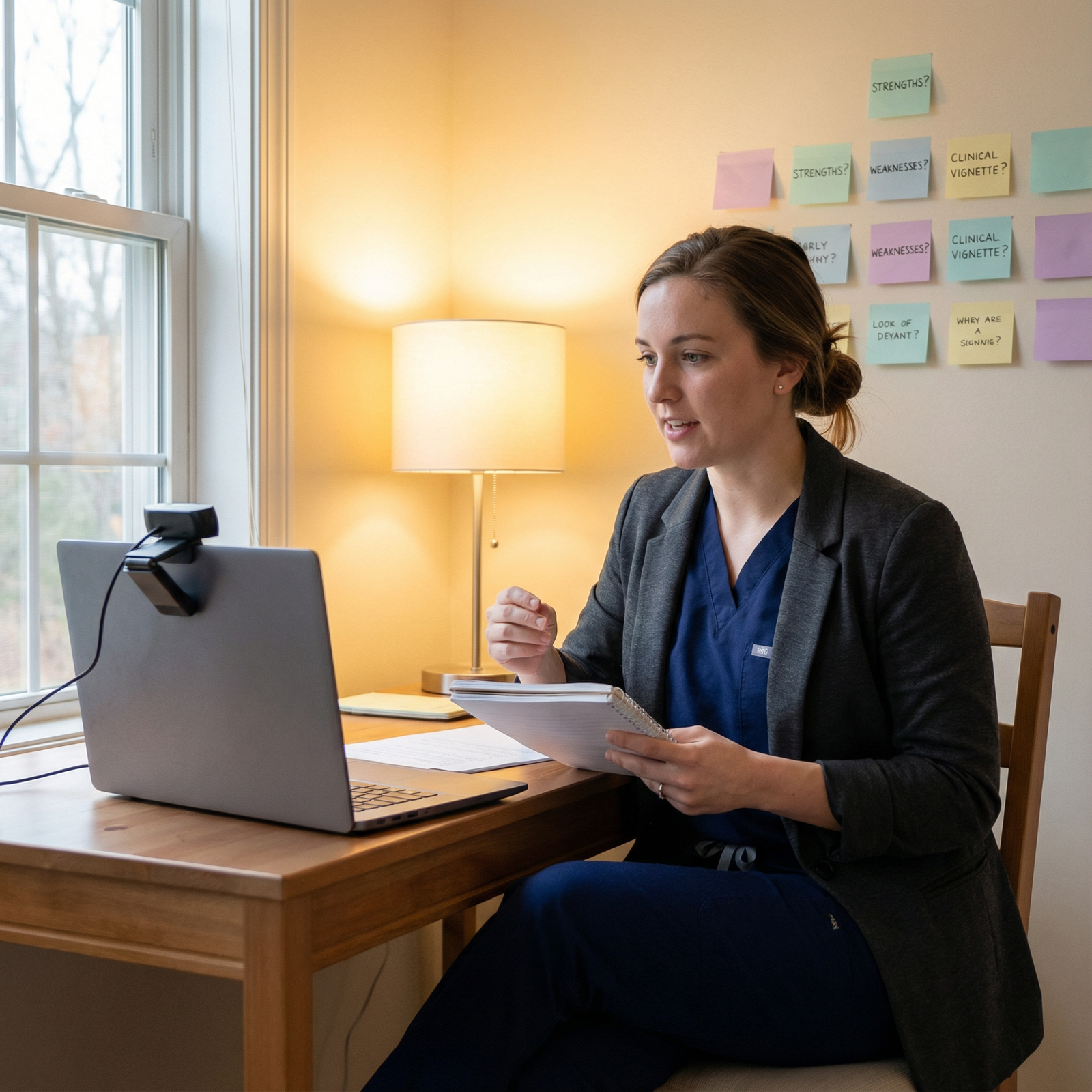
For virtual interviews:
- Test your platform (Zoom, Thalamus, Teams).
- Check:
- Internet stability.
- Camera angle at eye level.
- Clear audio (quality microphone if possible).
- Neutral, professional background.
- Do a full visual/auditory test with a friend.
For in-person interviews:
- Practice:
- Confident but not overbearing handshake (if culturally appropriate).
- Eye contact with each person speaking.
- Walking tutors: navigating professional small talk in hallways, at breakfast, or during tours.

Step 5: Logistics, Organization, and Professionalism
Even the best answers won’t help if you appear disorganized or unprofessional.
Organize Your Interview Calendar and Materials
Create a system (spreadsheet or dedicated notebook) with:
- Program name and location.
- Interview date and time (note time zones for virtual interviews).
- Format (virtual vs in-person).
- Interviewer names and roles (if provided).
- Key points you want to mention to this program.
- Specific questions you plan to ask them.
- Post-interview notes and impressions.
Have ready:
- Multiple updated copies of your CV (in-person).
- A digital version easily accessible (for reference).
- A simple portfolio folder (if in person) with:
- Notepad and pen.
- A short list of your own questions.
- Business cards if you have them (optional, not required).
Professional Dress and Presentation
For a prelim surgery residency interview, traditional, conservative attire works best:
- Suits for all genders (navy, gray, or black).
- Simple shirt or blouse (avoid loud patterns).
- Minimal jewelry and fragrance.
- Professional grooming: clean, neat, and not distracting.
Remember that the goal is to keep attention on your words and character, not your outfit.
Preparing Questions You Will Ask
You’ll almost always be asked:
“Do you have any questions for us?”
Have 3–5 program-specific, thoughtful questions ready, such as:
- “How are preliminary surgery residents integrated into the categorical educational curriculum?”
- “What differentiates prelims who do particularly well in your program?”
- “Can you tell me about recent preliminary residents and what paths they pursued afterward?”
- “How is feedback delivered to residents, especially early in the year?”
Avoid:
- Questions that are already clearly answered on the website.
- Early, detailed questions about vacation, moonlighting, or salary (unless prompted or at the very end, if appropriate).
Step 6: Mental Preparation, Confidence, and Authenticity
Finally, you need a mindset that allows you to perform your best on interview day.
Reframe the Interview
Yes, they’re evaluating you—but you’re also evaluating them. This mindset:
- Lowers your anxiety.
- Helps you engage in a genuine conversation.
- Encourages honest, specific questions about culture and support for prelims.
Develop a Brief Pre-Interview Routine
In the 24–48 hours before:
- Sleep: Aim for regular sleep the two nights before the interview (not just the night before).
- Light review:
- Your application summary.
- Program-specific notes.
- A quick review of your “key stories” (challenge, leadership, patient care, teamwork).
Day-of routine (virtual or in-person):
- Light breakfast; avoid heavy foods.
- 5 minutes of calming breathing or grounding exercises.
- Remind yourself:
- You have a real contribution to make.
- You belong at the table.
- You don’t need to be perfect; you just need to be honest, thoughtful, and professional.
Balance Ambition with Humility
Programs value prelims who are:
- Ambitious but not entitled.
- Hard-working but not self-sacrificing to an unsafe degree.
- Eager to learn but respectful of the hierarchy and of all team members.
If you’re reapplying or coming from a non-traditional path, you may feel you have something to prove. Let that motivate your preparation—not push you into overcompensating or exaggerating on interview day.
Frequently Asked Questions (FAQ)
1. How is preparing for a preliminary surgery interview different from a categorical surgery interview?
Content overlap is large, but intent and emphasis differ:
- For prelims, you must be clear about:
- Your long-term career goals (surgery or another specialty).
- Why a preliminary surgery year is the right next step.
- How you’ll fully commit to the role despite its one-year nature.
Programs are also more focused on:
- Reliability.
- Team compatibility.
- Your ability to handle intense workload and steep learning curves.
2. How honest should I be about wanting a categorical surgery spot after a prelim year?
You should be truthful but professional. If your aim is categorical general surgery, say so clearly, and explain:
- Why you were not successful initially.
- How a prelim year will help you build your case.
- That you understand there is no guarantee of a categorical spot, and you’re committed to doing your best regardless.
Avoid sounding like you see the prelim year purely as a stepping stone; emphasize the value you see in the year itself.
3. What if my ultimate goal is not surgery (e.g., radiology, anesthesia, cardiology)? Will that hurt me?
Not necessarily, if handled well. Many programs expect some prelims to move into other specialties. The key is to:
- Show respect and genuine interest in surgical training.
- Articulate how the surgical environment and skills will directly benefit your target specialty.
- Reassure them that you will fully engage as a surgical intern, not treat the year as a box to check.
Programs rely on prelims to help run the service; they need to trust that you’ll show up fully.
4. What are the most important things to review right before the interview?
In the 24 hours before, focus on:
- Your application highlights:
- Top 3 experiences.
- Biggest challenges and what you learned.
- Clear explanation of your career goals and why prelim surgery.
- Program-specific notes:
- What attracts you to this program.
- Questions you want to ask them.
- Logistics:
- Interview time and platform.
- Tech check for virtual interviews.
- Route, parking, and schedule for in-person interviews.
- Your mindset:
- Calm, confident, and curious.
- Framing the interview as a conversation, not an interrogation.
Thorough, intentional pre-interview preparation can transform your preliminary surgery interviews from stressful interrogations into meaningful professional conversations. By understanding your own story, researching each program’s context, practicing core questions, and approaching the process with clarity and integrity, you position yourself not just as a capable intern—but as a future colleague that surgical teams can trust.