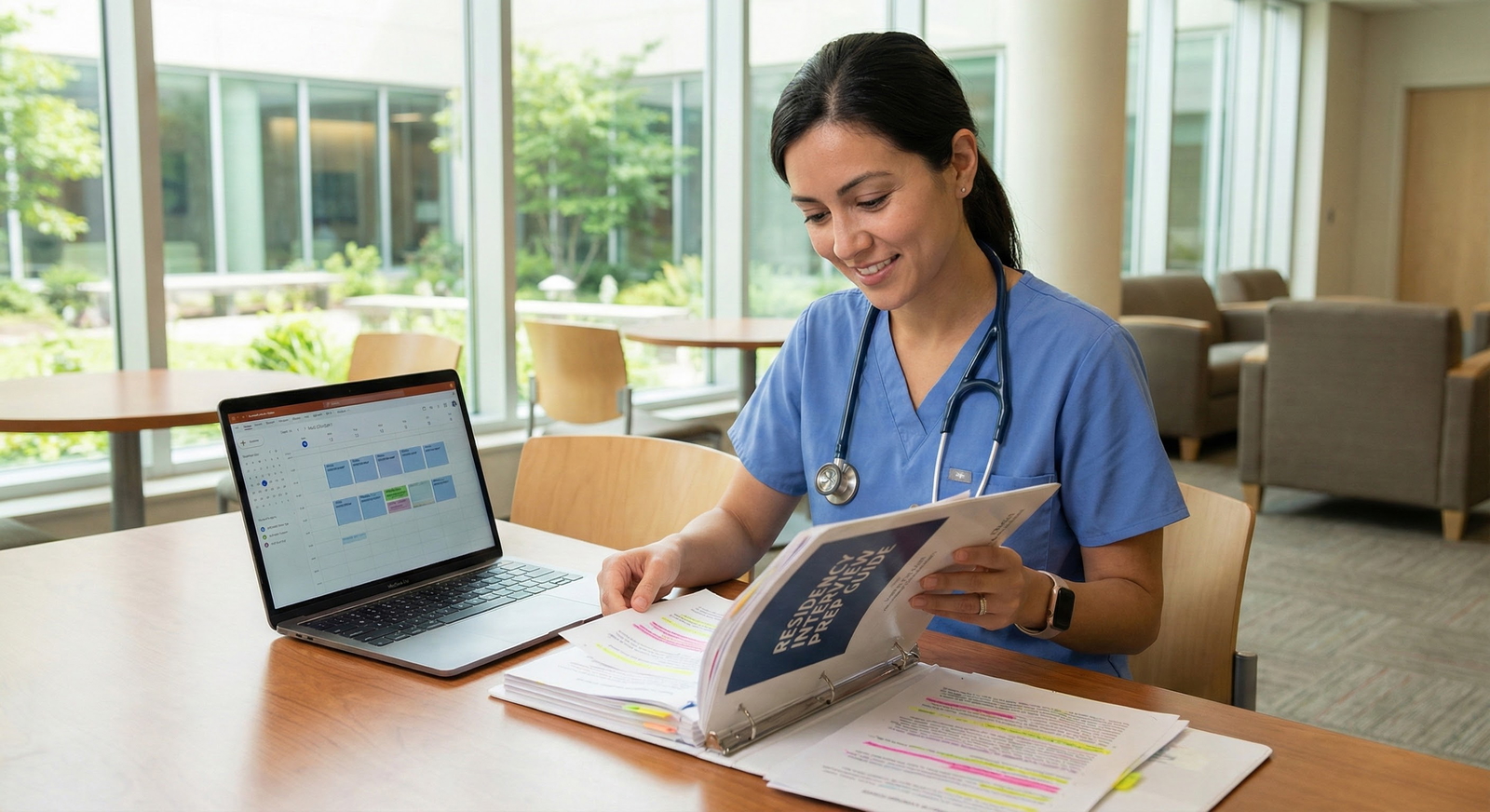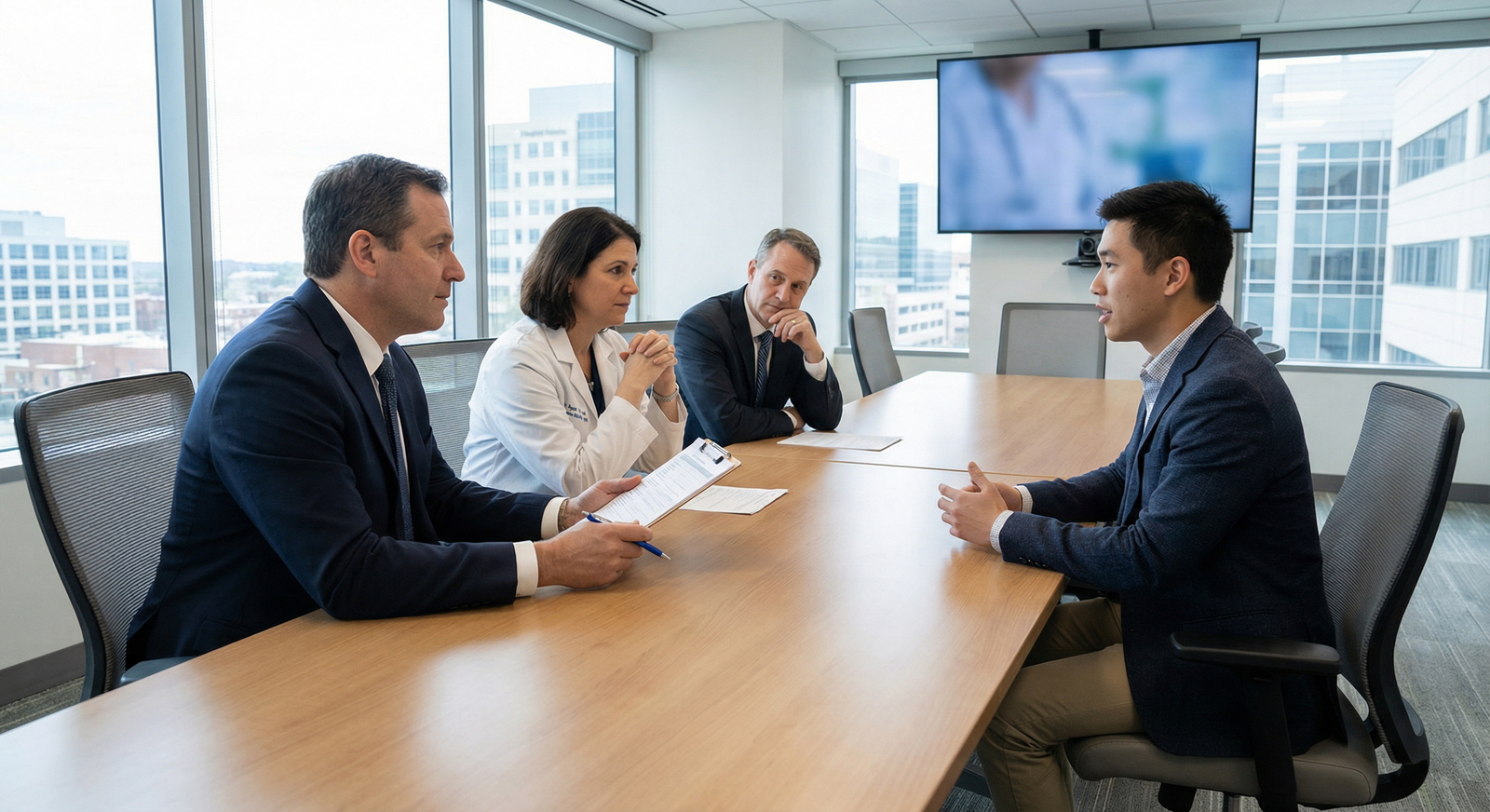
Residency interviews aren’t just about programs evaluating you—they’re also your best opportunity to evaluate them. For an international medical graduate (IMG) pursuing diagnostic radiology, the questions you ask programs can reveal how well you’ll be supported, whether you’ll thrive in the environment, and how competitive you’ll be for the diagnostic radiology match and beyond.
This IMG residency guide focuses specifically on questions to ask programs—and how to ask them strategically—so you can walk into every interview with confidence and walk out with a clear sense of where you belong.
Why Your Questions Matter So Much as an IMG in Diagnostic Radiology
As an international medical graduate, you’re often evaluating more than just a curriculum. You’re assessing:
- How supportive the program is for visa issues and IMG-specific challenges
- Whether the training will make you competitive for fellowships and jobs in your preferred country
- How strong the mentorship and culture are in a highly technical specialty like diagnostic radiology
- Whether you’ll actually be happy and safe living there for 4+ years
Thoughtful, well-targeted questions:
- Demonstrate maturity, insight, and genuine interest
- Show that you understand the realities of radiology training
- Help you differentiate between programs that “look good on paper” and those that are genuinely supportive and IMG-friendly
Your goal is not to ask many questions, but to ask the right questions—especially the ones that programs don’t advertise clearly on their websites.
Strategy: How to Approach “Interview Questions for Them”
Before you think about specific wording, understand who you’re speaking with and what you want to learn from each person or group.
1. Match Your Questions to the Audience
You should prepare different types of interview questions for them depending on who you’re talking to:
Program Director / Associate Program Director
Best for:
- Curriculum structure and educational philosophy
- Program vision, changes, and long-term planning
- Performance on exams and match outcomes
- IMG and visa policies
Faculty Interviewers (Non-PD)
Best for:
- Teaching style and expectations
- How residents are evaluated and supported
- Opportunities for projects, imaging research, and mentorship
Chief Residents / Current Residents
Best for:
- Day-to-day life, workload, and call
- Program culture and resident camaraderie
- How well IMGs are integrated and supported
- Realistic strengths and weaknesses of the program
Program Coordinator
Best for:
- Logistics (schedules, onboarding, housing info)
- Visa processing track record and timelines
- Practical support for IMGs (SSN, banking, etc.)
2. Use Open-Ended, Specific Questions
Good questions are:
- Open-ended (avoid yes/no when possible)
- Specific rather than vague
- Personalized to the program (showing you did your homework)
Example:
Instead of: “Do your residents do research?”
Ask: “Can you describe the kind of radiology research residents most commonly get involved in here, and how the program supports those who want to be more active in research?”
3. Avoid Weak or Inappropriate Questions
Avoid:
- Questions clearly answered on the website or in the brochure
- Aggressive or confrontational wording (“Why is your case volume so low?”)
- Overly personal questions to individual faculty or residents
You can still ask about weaknesses, but phrase them professionally:
“How has the program evolved in the last few years, and what areas are you actively working to improve?”

Core Question Areas Every IMG Should Cover
Below are key domains you should explore at every diagnostic radiology residency, with sample questions tailored for international medical graduates.
A. IMG-Friendliness, Visa Policy, and Support
This is central to any IMG residency guide. Many programs say they’re “open to IMGs,” but what matters is their actual track record and support structure.
Questions to ask program director or coordinator:
Visa Sponsorship and Track Record
- “What types of visas do you sponsor for residents, and how many current residents are on visas?”
- “Over the past 3–5 years, how many IMGs have matched here and successfully completed training?”
- “Have there been any recent changes to your institution’s visa policy that applicants should be aware of?”
Practical Support for IMGs
- “What support do you provide incoming IMGs for navigating things like credentialing, licensing exams (if applicable), and initial relocation?”
- “Do you have any formal or informal mentorship system specifically for international medical graduates?”
Integration and Culture
- “How are IMGs integrated into the resident team? Are there particular supports or systems that have helped them thrive here?”
- “Do you find any specific challenges IMGs commonly face here, and how does the program help them overcome these?”
Ask residents:
- “As an IMG or working with IMGs here, how has your experience been in terms of feeling included, supported, and understood?”
- “Have IMGs here had any particular difficulties with adaptation (culture, language, system differences), and how did the program respond?”
B. Curriculum, Case Mix, and Subspecialty Exposure
Radiology is extremely dependent on case variety and volume. You want robust exposure in all major areas: neuroradiology, body imaging, MSK, chest, pediatrics, IR, nuclear medicine, breast, and emergency radiology.
Questions to ask program leadership or faculty:
Core Training Structure
- “Can you walk me through how the diagnostic radiology curriculum is structured from R1 to R4, especially in terms of progressive responsibility?”
- “How do you balance reading room time, call, conferences, and procedural exposure?”
Case Mix and Volume
- “What are the typical daily case volumes for junior versus senior residents, and how do you ensure exposure to a wide variety of pathology?”
- “Are there any subspecialty areas where you feel the case mix is particularly strong or weaker, and how do you compensate for that in training?”
Subspecialty and Elective Time
- “How much elective time do residents have, and can they tailor it toward areas like neuroradiology, MSK, or body imaging?”
- “Do residents have opportunities for away rotations or visiting electives at affiliated institutions to gain additional exposure?”
Ask residents:
- “Do you feel well-prepared in all subspecialty areas? Are there any rotations you wish were longer or structured differently?”
- “How is the transition handled from more supervised reading to independent call responsibilities?”
C. Call, Workload, and Learning Environment
Your educational experience and quality of life are shaped by call structure, support in the reading room, and the general culture.
Questions for residents (most honest answers):
Call Structure
- “How is call structured for each year? Do you have night float, home call, or in-house overnight?”
- “How manageable is the call volume, and do you feel there is adequate attending backup when needed?”
- “How does the program help residents, especially IMGs, adjust to the US clinical and radiology workflow during early calls?”
Daily Workflow & Supervision
- “On a typical day, how many cases are you responsible for, and how closely are you supervised?”
- “Do you feel you have time to learn, or is the workflow mostly focused on just ‘keeping up’ with the list?”
Culture and Support
- “How approachable are the attendings when you have questions, especially as a junior resident?”
- “Is the environment more collaborative or competitive among residents? How do seniors generally treat juniors?”
Ask leadership:
- “How do you monitor resident workload and burnout, and what concrete steps do you take if concerns arise?”
- “What changes have you made recently to improve resident wellness or work-life balance?”
Board Exam Preparation, Match Outcomes, and Career Support
For IMGs, a key part of your diagnostic radiology match planning is understanding how the program prepares you not only for the CORE exam, but also for fellowships and job placement.
A. Board Exam (CORE and Certifying) Preparation
Questions to ask program director or education-focused faculty:
CORE Exam Performance
- “How have your residents performed on the ABR CORE exam over the last several years?”
- “Do you track board outcomes formally, and how do you respond if results are not where you want them to be?”
Structured Teaching and Conferences
- “Can you describe your daily and weekly didactic schedule? How is it tailored to the CORE exam blueprint?”
- “Is there dedicated board review time or a specific curriculum (e.g., physics teaching, unknown case conferences, hot seat sessions)?”
Protected Time and Resources
- “Do residents receive protected time to study for CORE, and how is that structured?”
- “Are there institutional subscriptions to key radiology resources (e.g., StatDx, RadPrimer, e-anatomy), and are these available to every resident?”
Ask residents:
- “Do you feel well supported in preparing for the CORE exam?”
- “Are conferences and teaching sessions high-yield and resident-focused, or more service-driven?”
B. Fellowship Placement and Job Prospects
Diagnostic radiology is fellowship-heavy; most residents pursue at least one subspecialty fellowship.
Questions to ask leadership:
Fellowship Match Results
- “What fellowships have your recent graduates matched into, and at which institutions?”
- “Do most residents stay in-house for fellowship, or match externally, and how does the program support each path?”
Career Pathways for IMGs
- “For IMGs in particular, what has been the typical trajectory after completing residency here (fellowship, academic vs private practice, location)?”
- “Are there any additional considerations or support structures you offer IMGs who may face visa-related constraints when seeking fellowships or jobs?”
Mentorship for Career Development
- “How is career mentorship structured? Are residents paired with faculty advisors, and can they change mentors as their interests evolve?”
- “Do you host any career planning sessions, CV workshops, or mock interviews for fellowship applications?”
Ask residents:
- “How supported do you feel in planning your career path—whether for fellowship, academics, or private practice?”
- “Have IMGs from this program faced any particular challenges with fellowship or job placement, and how were they addressed?”
Research, Teaching, and Professional Development: What to Ask
Diagnostic radiology is increasingly competitive and academic. Even if you’re not planning a research-heavy career, programs that support scholarship and teaching usually offer richer educational environments.
A. Research Opportunities and Expectations
Questions to ask faculty or program director:
Research Culture and Access
- “What kinds of research projects are residents typically involved in—clinical, imaging physics, AI, health outcomes?”
- “How easy is it for a resident, especially one without prior US research experience, to get involved in meaningful projects?”
Protected Time and Mentorship
- “Do residents receive any protected time for research, or is it integrated into elective time?”
- “Is there a formal structure for pairing residents with research mentors, and how successful has that been?”
Academic Output
- “In a usual graduating class, what proportion of residents have publications or conference presentations?”
- “Does the program support attendance at conferences (e.g., RSNA, ARRS, subspecialty meetings), including funding for travel if presenting?”
Ask residents:
- “Have you found it easy to join research projects here? How proactive did you have to be?”
- “For IMGs, have there been any extra hurdles with research, and how did you navigate them?”
B. Teaching and Leadership Development
IMGs often benefit from programs that emphasize communication skills and leadership—skills that support long-term integration into a new healthcare system.
Questions:
- “What opportunities exist for residents to teach—medical students, junior residents, or other services?”
- “Are there any formal programs for developing teaching skills or leadership training?”
- “Do residents have roles in program-level committees (e.g., education, wellness, quality improvement)?”
Lifestyle, Location, and “Fit”: Subtle but Crucial Questions
Beyond curriculum and career outcomes, your well-being as an IMG will be deeply influenced by where you live and how you’re supported outside the reading room.
A. Living as an IMG in This City/Region
Ask residents (especially IMGs if present):
- “How is the cost of living here relative to the resident salary? Are there neighborhoods where residents commonly live?”
- “As an IMG, have you felt welcomed by the local community? Are there cultural or religious communities nearby that you’ve found helpful?”
- “How easy is commuting, and do most residents drive, use public transport, or live close to the hospital?”
B. Wellness, Support, and Safety
- “What wellness resources are available through the hospital or program (mental health services, counseling, wellness days)?”
- “Has the program made any concrete changes in response to resident feedback about stress or burnout?”
- “Do you feel you can safely raise concerns without fear of retaliation?”
Ask leadership:
- “How do you incorporate resident feedback into program changes?”
- “Can you share an example of a recent change that was made based on resident input?”
C. Red-Flag Detection Through Questions
Pay attention not just to answers, but to how they’re given:
Potential red flags:
- Vague or defensive responses about workload, exam performance, or IMG outcomes
- Residents seem fearful, guarded, or inconsistent in their answers
- Leadership cannot provide data on board pass rates or fellowship placement
- Dismissive reactions when you ask about wellness or support
Your questions are also a test of the program’s transparency and culture.
How to Prepare and Use Your Questions Strategically
1. Pre-Interview Research
Before each interview:
- Read the program’s website thoroughly (curriculum, call structure, affiliated hospitals, research highlights)
- Note what is not clearly explained—this is where your most important questions come from
- Prepare a short list (8–12 questions total) tailored to that program
2. Organize by Priority
You won’t have time to ask everything. Prioritize:
- 2–3 must-ask questions about IMG support and visas
- 2–3 about curriculum, case mix, and call
- 2–3 about outcomes (boards, fellowship, jobs)
- 1–2 about culture and wellness
Keep a backup list in case they answer some of your questions spontaneously.
3. Take Notes Immediately After
Right after each interview day:
- Jot down bullet points of key answers
- Record your impression of how honest and enthusiastic people seemed
- Note any concerns or red flags that came up
When it’s time to rank, these notes will be far more useful than vague feelings.
Example “Question Sets” for Different Interviewers
Here are sample, ready-to-use question sets to plug into your interview prep. Adjust wording to your personal style.
For Program Directors
- “How would you describe the ideal resident who thrives in this diagnostic radiology program?”
- “How has the program changed over the last few years, and what are your main goals for the next 3–5 years?”
- “What has been the experience of IMGs in your program—both in training and in their post-residency careers?”
- “Can you share how your residents have performed on recent CORE exams and any specific steps you take to support their preparation?”
For Faculty
- “What do you enjoy most about teaching residents here, and what do you expect from them in the reading room?”
- “How do you balance service needs with teaching when cases get very busy?”
- “For a resident interested in your subspecialty, what opportunities are there for mentorship and involvement in projects?”
For Residents (Preferably Including IMGs)
- “Looking back, what made you choose this program over others, and has it met your expectations?”
- “What is something about this program you really appreciate that might not be obvious from the website?”
- “If you could change one thing about the program, what would it be?”
- “As an IMG (or working with IMGs), what has the experience been like with visas, orientation to the system, and long-term support?”
Frequently Asked Questions (FAQ)
1. How many questions should I ask during each interview?
Aim to ask 2–3 meaningful questions per individual interview, depending on time. Across the entire interview day, you might ask 8–12 total. It’s better to ask fewer, deeper questions than many superficial ones. Always prioritize what matters most to you: visa support, training quality, and culture.
2. Can I ask directly about board pass rates and fellowship placements?
Yes—and you should. These are fundamental quality markers for any radiology residency. Phrase them professionally and neutrally, for example:
- “Could you share how your residents have been performing on the CORE exam recently?”
- “Where have your graduates gone for fellowship over the past few years?”
If a program is unwilling or unable to provide basic information, consider that a concern.
3. Is it appropriate to ask about visa sponsorship during the interview?
Absolutely. For an international medical graduate, visa status is non-negotiable. Ask these questions early in the interview season so you don’t waste energy on programs that can’t support you. You can phrase it like:
- “Could you clarify what types of visas your institution currently sponsors for residents and whether there have been any recent changes in policy?”
4. What if my questions are already answered during the presentation?
Adapt in real time. If your question is fully addressed during the program overview, don’t ask it again unless you need clarification. Instead, build on what you heard:
- “You mentioned a night-float system during the presentation. Could you elaborate on how junior residents are supported during their first months on night float?”
This shows you’re paying attention and thinking critically.
By approaching your diagnostic radiology interviews with a clear, strategic set of questions to ask residency programs, you transform the process from a one-way evaluation into a true two-way conversation. As an IMG, your goal is not simply to match, but to match into a program where you will be supported, challenged, and set up for a sustainable career in radiology. Thoughtful questions are one of your strongest tools to make that happen.