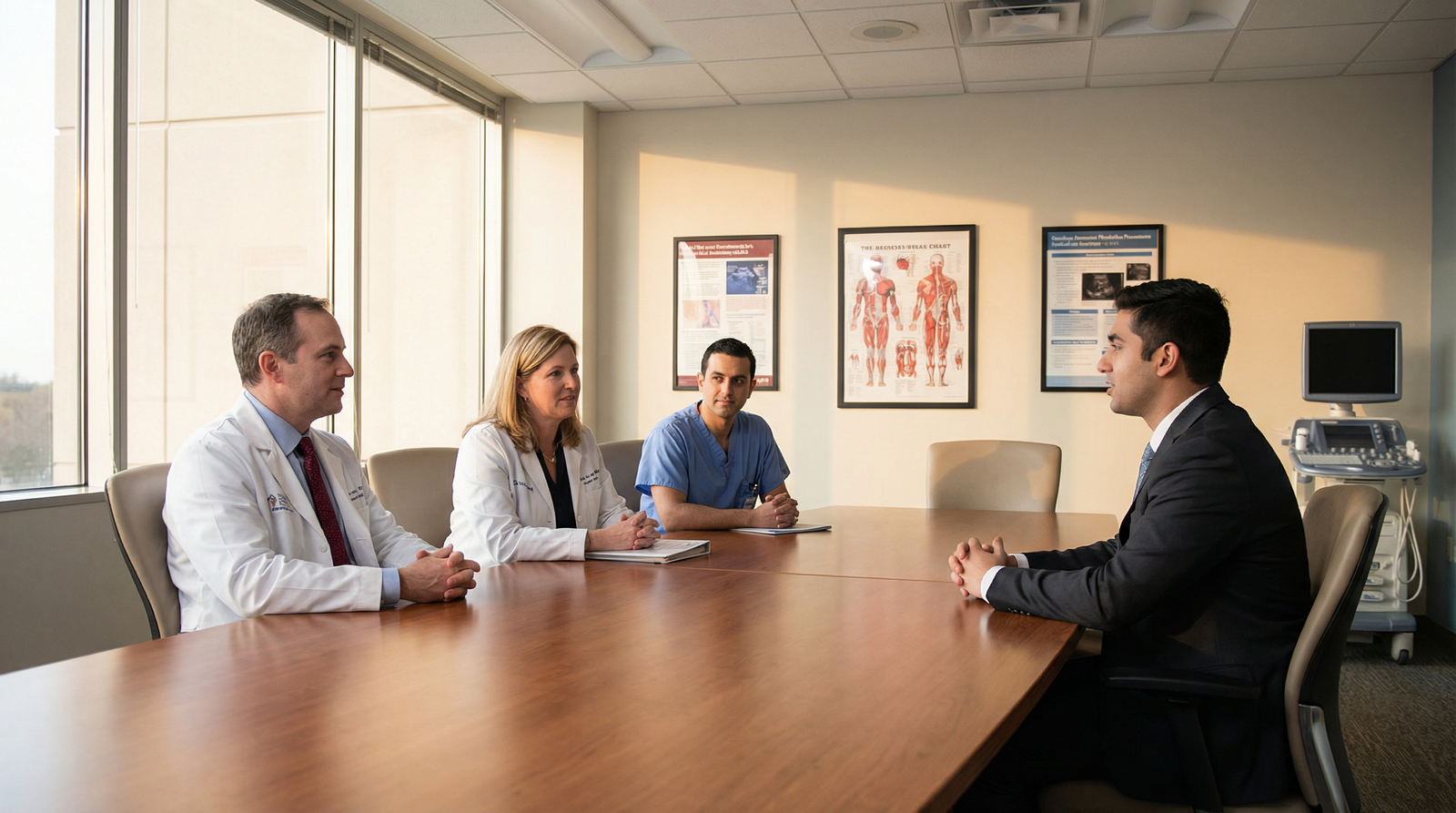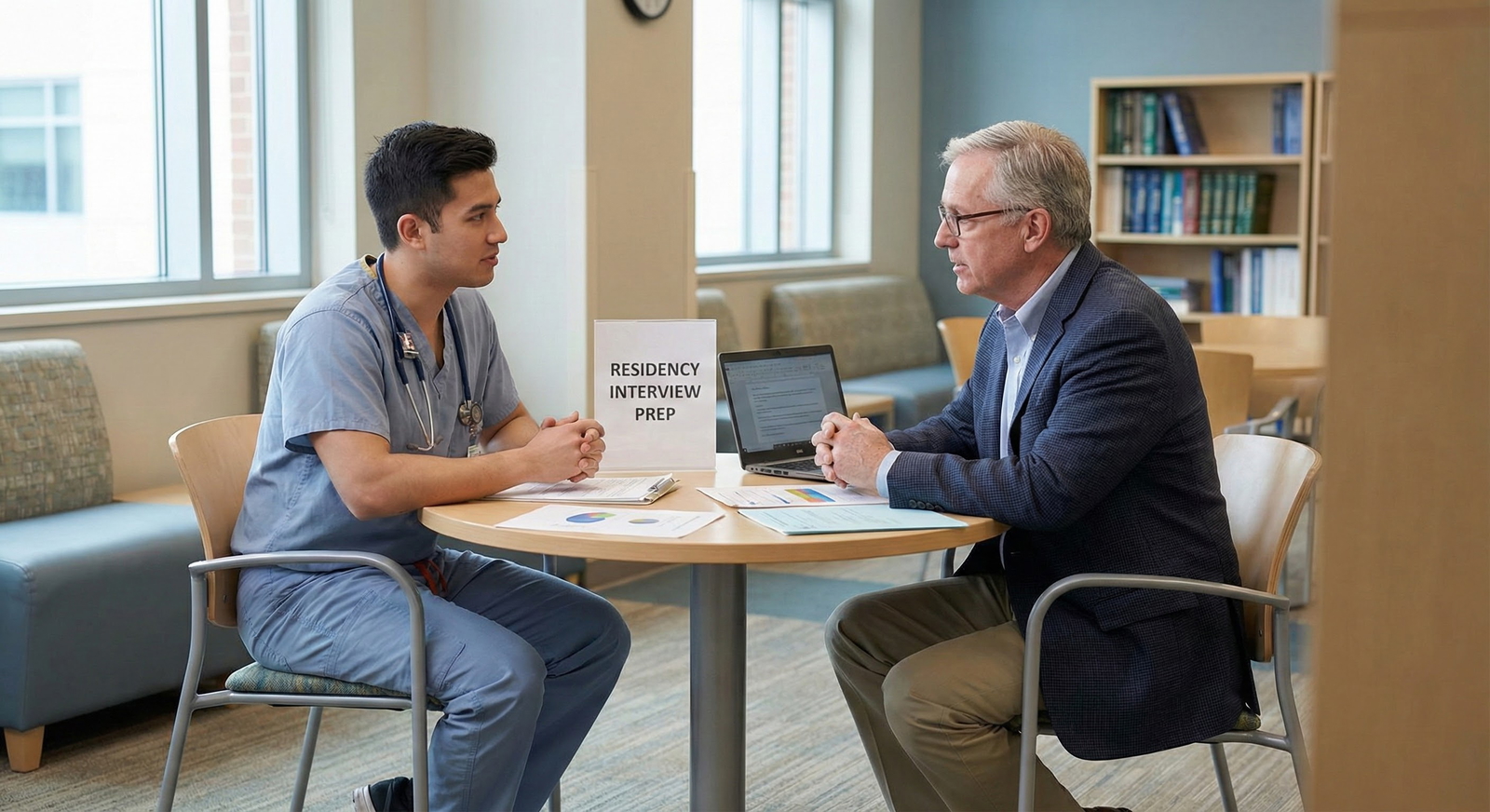
Understanding the Unique Landscape for US Citizen IMGs in Pediatrics-Psychiatry
As a US citizen IMG and an American studying abroad, you occupy a distinctive space in the residency landscape—especially if you’re targeting a niche pathway like pediatrics-psychiatry or the triple board (Pediatrics–Psychiatry–Child & Adolescent Psychiatry) programs. Pre-interview preparation is where you can transform potential red flags into strengths and show programs you are not just “viable,” but highly desirable.
Peds psych residency and triple board programs are small, competitive, and heavily mission-driven. Faculty want residents who:
- Understand both pediatrics and psychiatry cultures
- Are motivated by long-term work with children, adolescents, and families
- Can tolerate complexity, ambiguity, and systems-level challenges
- Communicate clearly and empathically with patients, parents, and teams
As a US citizen IMG, you will be evaluated on the same core competencies as US grads, but you’ll also be expected to explain:
- Why you trained abroad as an American studying abroad
- How your international education has prepared you for US residency
- Why you specifically chose pediatrics-psychiatry or triple board
Pre-interview preparation is the key step that will help you answer these questions with clarity, confidence, and authenticity.
This guide will walk you through how to prepare for interviews step-by-step, with a focus on:
- Content preparation (your story, answers, and evidence)
- Logistics and professional presentation
- Program-specific research and strategy
- Practice, feedback, and refinement
Clarifying Your Story: Core Narrative Work Before Interviews
Before you look up a single list of interview questions residency programs might ask, you need to know your own story extremely well. Interviewers will remember your narrative more than isolated bullet points from your CV.
1. Build a Coherent Professional Narrative
Your narrative should answer four big questions clearly:
- Why medicine?
- Why pediatrics?
- Why psychiatry?
- Why a combined peds psych residency or triple board program—specifically for you?
For a US citizen IMG in particular, you’ll need to integrate:
- Why you chose to attend medical school abroad
- What you gained there that US schools may not have offered you
- How your international experience enriches your fit for pediatrics-psychiatry
Example narrative elements:
- Exposure to diverse cultures and health systems abroad → improved cultural humility and flexibility with families from varied backgrounds.
- Early, broad exposure to both psychiatric and pediatric patients in resource-limited settings → strengthened diagnostic reasoning, resilience, and creativity.
- Personal or family experiences with child mental health or complex pediatric illness → long-standing motivation to work at the pediatrics–psychiatry interface.
Write this narrative out in 1–2 pages, then compress it into:
- A 60-second “elevator pitch” you can use when asked “Tell me about yourself.”
- A 2–3 minute expanded version for open-ended questions about your path.
2. Prepare a Clear “US Citizen IMG” Explanation
You should be ready for variants of:
- “Why did you choose to study medicine abroad as a US citizen?”
- “How has being a US citizen IMG shaped your journey?”
Avoid sounding defensive or apologetic. Frame your path as a deliberate, mature choice that gave you:
- Broader clinical exposure or earlier patient contact
- Work with underserved populations and health systems with fewer resources
- Opportunities to take on leadership or teaching roles early
- Independence, adaptability, and resilience living internationally
Also address any concerns preemptively if relevant:
- How you adapted to US clinical environments (electives, sub-internships)
- How you’ve demonstrated competence with US systems (EMR, team-based care)
- How you’ve aligned your training with US standards (USMLE performance, observerships, or hands-on rotations)
3. Craft a Specialty-Specific “Why Peds-Psych / Triple Board?” Answer
Combined programs are looking for applicants who genuinely understand the integrated nature of their training—not just those who couldn’t decide between pediatrics and psychiatry.
Your answer should reflect:
A longstanding pattern of interest: Child & adolescent mental health, developmental disorders, medically ill children with psychiatric needs, somatic symptom disorders, eating disorders, etc.
Concrete experiences:
- Pediatrics rotations where psychosocial factors dominated care
- Psychiatry rotations with child, adolescent, or family systems emphasis
- Research or QI projects related to ADHD, autism, mood disorders in youth, trauma in children, or integrated care models
A clear vision of your future role, for example:
- Working at the interface of pediatrics and child psychiatry in academic medicine
- Running integrated behavioral health programs in pediatric primary care
- Leading multidisciplinary teams for complex neurodevelopmental or medically unexplained symptoms in children
Write out this “why this specialty” answer and make sure it’s:
- Specific: Mention concrete patient stories (de-identified), experiences, or projects.
- Informed: Show you know something about the structure of peds-psych or triple board training.
- Forward-looking: Connect your goals to what these programs uniquely provide.

Mastering Content: Anticipating and Practicing Core Interview Questions
Once your narrative is clear, move into structured residency interview preparation. You don’t want to sound rehearsed, but you do want to be predictable in your reliability—no surprises on core questions.
1. High-Yield General Residency Questions
These are nearly universal interview questions residency programs will ask in some form. Draft bullet-point answers to each:
- “Tell me about yourself.”
- “Walk me through your CV.”
- “What are your strengths and weaknesses?”
- “Tell me about a time you had a conflict in a team and how you handled it.”
- “Describe a clinical situation where you made a mistake or would do something differently.”
- “How do you handle stress and avoid burnout?”
- “Where do you see yourself in 5–10 years?”
- “Why should we choose you for our program?”
For each, use specific examples and, where appropriate, the STAR framework:
- Situation – brief context
- Task – your role/goal
- Action – what you did
- Result – what happened and what you learned
Example (for a conflict question):
- S: Pediatric ward, disagreement about discharge readiness for a child with complex psychosocial issues.
- T: As the student, contribute meaningfully while respecting team hierarchy.
- A: Gathered more information, facilitated calm discussion between attending and social worker, summarized key priorities.
- R: Child discharged safely with clear follow-up; learned to balance advocacy with humility and interprofessional respect.
2. Pediatrics-Specific Questions to Prepare For
Expect questions like:
- “What do you find most rewarding and most challenging about working with children and families?”
- “Tell me about a memorable pediatric patient and what you learned.”
- “How do you handle difficult conversations with parents?”
- “What does family-centered care mean to you?”
- “How do you approach developmental delays or behavioral concerns raised by caregivers?”
Prepare patient-centered stories that show:
- Empathy and patience with both children and caregivers
- Clear communication of complex concepts in accessible language
- Respect for cultural differences in parenting and health beliefs
- Awareness of social determinants of health in pediatrics
3. Psychiatry-Specific and Combined-Track Questions
For peds-psych or triple board programs, interviewers often probe your psychiatric mindset:
- “What drew you to psychiatry, particularly child and adolescent psychiatry?”
- “How do you conceptualize a child presenting with both medical and behavioral issues?”
- “Tell me about a time you cared for a patient with significant mental health needs.”
- “How do you manage your own emotional reactions to challenging patients?”
- “What role do you think trauma plays in child health presentations?”
Show that you can:
- Think biopsychosocially, not just biologically
- Tolerate ambiguity without becoming frustrated or judgmental
- Reflect on your own emotional responses and maintain boundaries
- Appreciate multidisciplinary care (social work, psychology, education, child life)
4. US Citizen IMG–Specific Questions
Anticipate and prepare for:
- “How has your international medical education prepared you for residency in the US?”
- “Did you face any challenges as an American studying abroad, and how did you handle them?”
- “How have your US clinical experiences confirmed your interest in pediatrics-psychiatry?”
Here you should highlight:
- Adaptability to new health systems and cultures
- Maturity gained from living abroad
- Strong performance in US-based electives (especially any peds/psych rotations)
- Letters of recommendation from US faculty who can vouch for your readiness
5. Program-Fit and Values Questions
Combined programs are very mission-driven. Prepare for:
- “What attracts you to our specific program?”
- “How do you see yourself contributing to our community?”
- “What kind of residents do you like to work with, and what kind do you struggle with?”
- “Tell us about a time you advocated for a vulnerable patient or family.”
Your answers should connect your interests to:
- The program’s population (urban, rural, underserved, immigrant communities, etc.)
- The program’s strengths (integrated clinics, research emphasis, trauma-informed care, developmental-behavioral pediatrics, etc.)
- Values such as equity, inclusion, interprofessional collaboration, and system-level improvement
Researching Programs Strategically as a US Citizen IMG
One of the most underutilized aspects of residency interview preparation is targeted program research. Doing this well helps you ask strong questions, tailor your answers, and demonstrate genuine interest.
1. Understand the Structure of Peds-Psych and Triple Board Programs
Before interviews, make sure you can clearly describe what you’re applying to:
- Peds-Psych (sometimes 5-year tracks):
- Emphasis on dual training in pediatrics and psychiatry with a strong focus on integrated care
- Often includes child and adolescent psychiatry as part of or following the core years
- Triple Board (5-year programs):
- Board eligibility in Pediatrics, General Psychiatry, and Child & Adolescent Psychiatry
- Highly structured, with rotations that alternate between pediatrics and psychiatry
- Graduates often work at the intersection of complex medical and psychiatric issues in children
Familiarize yourself with:
- Rotational structure (rough percentage breakdown between peds, psych, child psych)
- Types of continuity clinics offered
- Patient populations (e.g., foster care, autism spectrum, chronic illness with mental health comorbidity, eating disorders)
When you demonstrate this knowledge, interviewers see that you’re not just broadly interested in “kids and mental health,” but you understand what this training path truly entails.
2. Deep Dive into Individual Programs
For each interview, prepare a one-page summary that includes:
- Program mission statement and any unique language (e.g., “trauma-informed,” “integrated behavioral health,” “health equity,” “chronic illness and mental health interface”)
- Clinical sites and key affiliated hospitals
- Notable faculty whose interests align with yours (e.g., autism, early childhood trauma, transition-age youth, psychopharmacology, systems of care)
- Any scholarly tracks or opportunities (global health, advocacy, research, QI)
- Program-specific curricular innovations (e.g., integrated peds-psych clinics, co-located services, school-based programs)
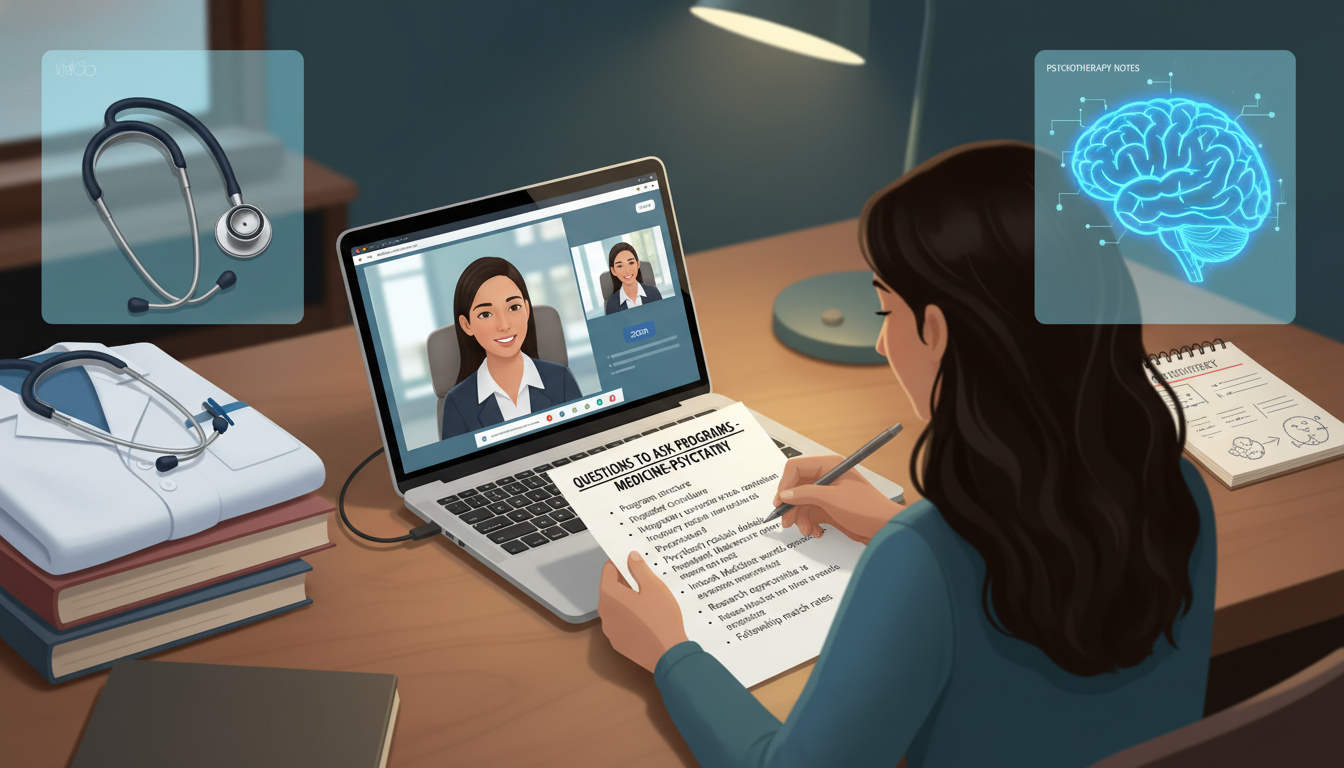
Use this to generate sincere, program-specific questions, such as:
- “I noticed your program has an integrated pediatric primary care–behavioral health clinic. How early in training do residents become involved there?”
- “How do residents in your triple board program balance identity between pediatrics and psychiatry, and how does the program support that?”
- “Are there opportunities to work on advocacy around child mental health policy or school-based mental health programs?”
3. Anticipate US Citizen IMG Concerns From the Program Side
While you may not face visa issues, programs might still wonder:
- How well you’ve adapted back to US training and culture
- Whether you understand US healthcare system nuances (insurance, mandated reporting, documentation)
- How your communication style fits US team-based care norms
Address these through your examples and questions:
- Cite US-based rotations where you worked closely with interprofessional teams.
- Describe using EMR systems, multidisciplinary rounds, and outpatient continuity clinics in the US context.
- Ask questions that show insight into system-level issues (e.g., access to child mental health care, coordination with schools and child welfare systems).

Optimizing Logistics, Professional Presence, and Virtual Setup
Whether your interviews are virtual or in-person, logistics and presentation strongly affect how you’re perceived.
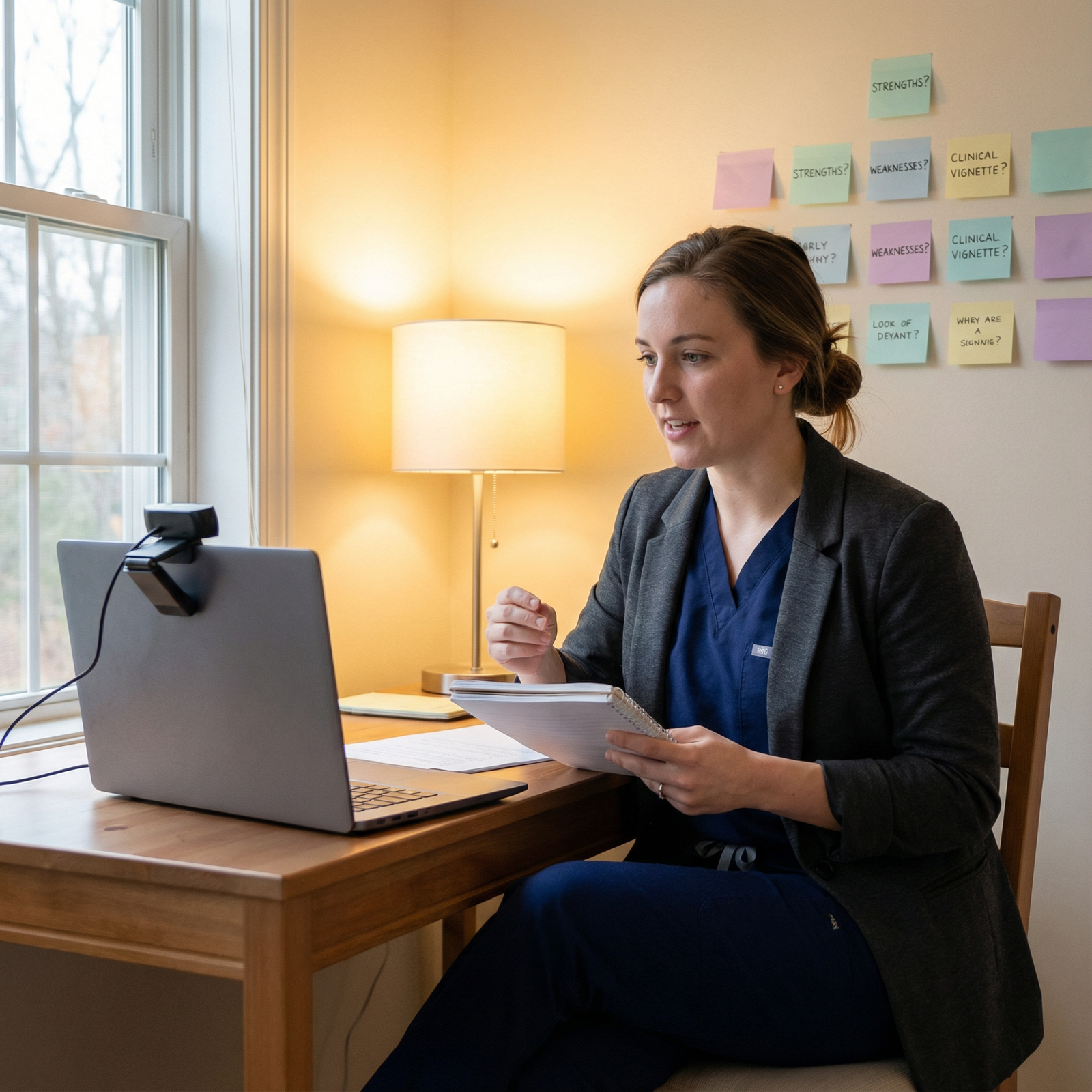
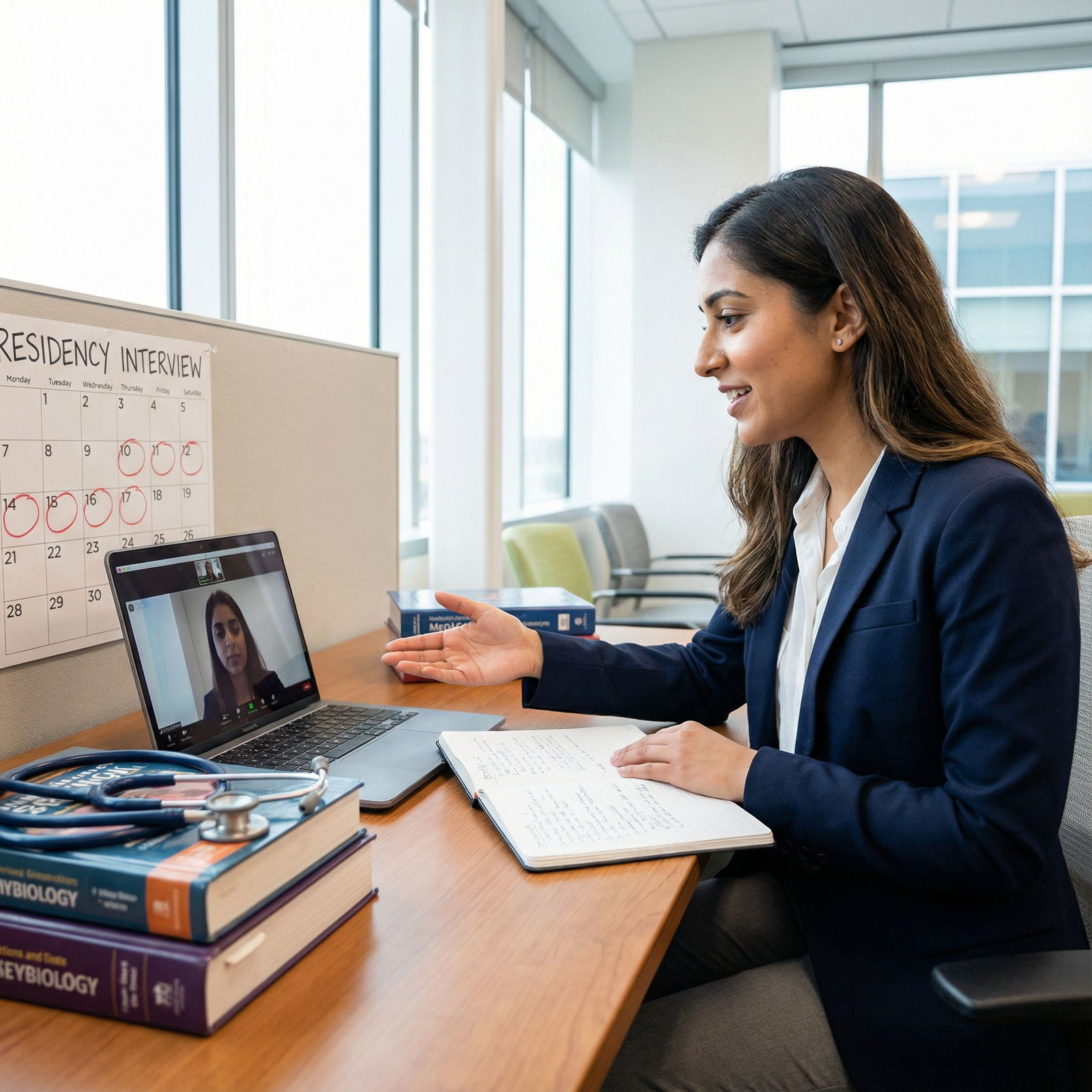
1. Virtual Interview Set-Up (Common for Many Programs)
As a US citizen IMG, you may be interviewing from different time zones or locations, so reliability and professionalism are essential.
Checklist:
Technology
- Stable, high-speed internet; test at the same time of day as your interview.
- Functional laptop or desktop (avoid using a phone if possible).
- Good-quality webcam and microphone or headset.
- Backup device or hotspot plan in case of tech failure.
Environment
- Neutral, uncluttered background (plain wall, bookshelf, or tidy office setup).
- Good lighting (ideally natural light in front of you or a soft ring light).
- Minimal background noise; notify housemates and silence devices.
On-screen Presence
- Camera at eye level; avoid having it angled up or down.
- Dress in professional attire (equivalent to in-person interview).
- Maintain eye contact by looking at the camera periodically, not only at your own image.
Do a full mock interview using the platform the program will use (Zoom, Webex, Thalamus, etc.). Record it and adjust:
- Posture and eye contact
- Filler words (“um,” “like”)
- Speaking speed and clarity
2. In-Person Interview Logistics
If you have in-person interviews:
- Arrive in the area the night before if possible.
- Plan transportation and backup options in advance.
- Carry a folder with:
- A few printed copies of your CV and personal statement
- A short list of your questions for the program
- A small notebook and pen
Dress professionally, erring on the conservative side. Combined programs may be relatively informal in culture, but first impressions still matter.
3. Managing Time Zones and Schedules as an IMG
If you’re still abroad:
- Double-check time zones; use a world clock app with location-based alerts.
- Practice being fully alert and articulate at the scheduled interview time.
- Avoid scheduling multiple interviews in a single day if you expect significant time zone fatigue.
Have your ERAS and email accounts accessible and organized so you can respond promptly to any schedule changes or communication from programs.
Practice, Feedback, and Day-Before Preparation
Residency interview preparation isn’t complete without deliberate practice and structured review.
1. Structured Practice Strategy
Use a layered approach:
Written Draft Stage
- Draft bullet-point answers to common questions.
- Avoid writing full scripts; you don’t want to sound memorized.
Out-Loud Solo Practice
- Answer questions while standing or sitting as you would in the real interview.
- Time your responses (aim for 1–2 minutes for most answers, 3–4 minutes for complex ones).
Mock Interviews With Feedback
- Use your school’s career or dean’s office, or your US-based mentors from peds, psych, or child psychiatry.
- If you don’t have easy access, set up mock sessions with peers applying to other specialties.
- Specifically ask for feedback on:
- Clarity and depth of “Why peds-psych/triple board?”
- Explanation of your US citizen IMG background
- Perceived strengths/weaknesses in communication
Targeted Refinement
- Re-practice questions where you stumbled or gave overly long/short answers.
- Replace vague generalities with specific examples.
2. Mental Frameworks for Difficult Questions
Identify questions you fear most (e.g., a low exam score, a gap in training, need to repeat a rotation, or switching interest from another field). Prepare:
- A brief, honest explanation (no defensiveness or over-justification)
- A focus on what you learned and how you improved
- Evidence of sustained performance since then
Programs care less about perfection and more about growth and reliability.
3. The Day Before the Interview
To reduce anxiety and optimize performance:
- Reconfirm the interview time, link/location, and any instructions.
- Prepare your outfit, notes, and interview space.
- Review your one-page program summary and your main narrative points (not every single answer).
- Plan a simple, healthy meal and adequate sleep.
- Decide on 3–4 key messages you want the program to remember about you (e.g., “deep commitment to integrated peds-psych care,” “resilient and adaptable US citizen IMG,” “strong interest in trauma-informed child mental health,” “team collaborator and future educator”).
Frequently Asked Questions (FAQ)
1. As a US citizen IMG, do I need to address my international training directly in interviews?
Yes. Interviewers will be curious about why an American studying abroad chose that path. You don’t need to over-explain, but you should have a concise, confident narrative that:
- Frames your decision as thoughtful rather than purely circumstantial
- Highlights skills gained from your international experience
- Connects those skills to being an excellent future pediatrics-psychiatry or triple board resident
Avoid sounding apologetic; instead, emphasize how your path adds diversity and resilience to their program.
2. How is residency interview preparation different for peds-psych or triple board versus categorical pediatrics or psychiatry?
For combined programs, you must demonstrate:
- Genuine commitment to both pediatrics and psychiatry
- Understanding of the unique training structure and demands of dual/triple board eligibility
- A future career vision at the interface of medical and psychiatric care for children
You’ll likely face more in-depth questions about complex cases that involve both medical and mental health factors, as well as questions testing your comfort with ambiguity and long-term, relational work with families.
3. What types of interview questions residency faculty in peds-psych often ask to gauge fit?
Common themes include:
- Handling emotionally intense situations with children and families
- Conceptualizing cases from a biopsychosocial perspective
- Navigating system barriers (access to care, school issues, child welfare involvement)
- Working across disciplines (social work, psychology, education, pediatrics, psychiatry)
- Long-term career goals involving integrated care, advocacy, or academic work
Prepare case-based stories and reflections that show your ability to integrate pediatrics and psychiatry thinking.
4. How many practice interviews should I do before my first real interview?
Aim for:
- At least 2–3 formal mock interviews with faculty, advisors, or mentors (ideally including at least one pediatrician and one psychiatrist if possible).
- Additional 2–3 informal sessions with peers or friends to work on comfort, timing, and virtual etiquette.
You don’t need dozens of mock interviews, but you do need enough structured practice that you feel familiar with your narrative, confident articulating your interest in peds-psych or triple board, and prepared to address your US citizen IMG background smoothly.
By investing in this level of pre-interview preparation—clarifying your story, anticipating core questions, researching programs deeply, and practicing with feedback—you position yourself as a thoughtful, well-prepared US citizen IMG ready to thrive in the demanding and rewarding world of pediatrics-psychiatry or triple board training.