Understanding Why Your Questions Matter in Pathology Interviews
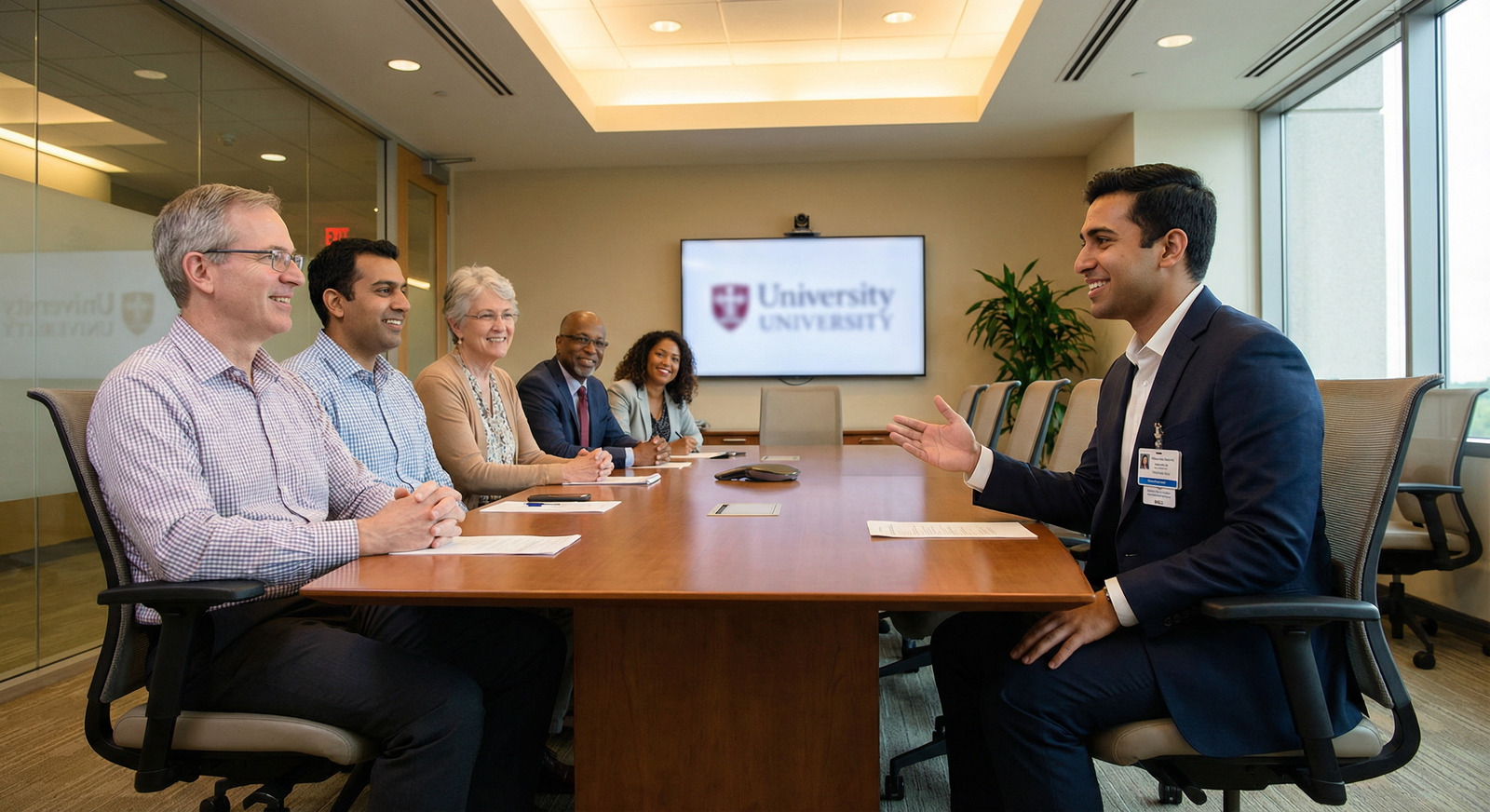
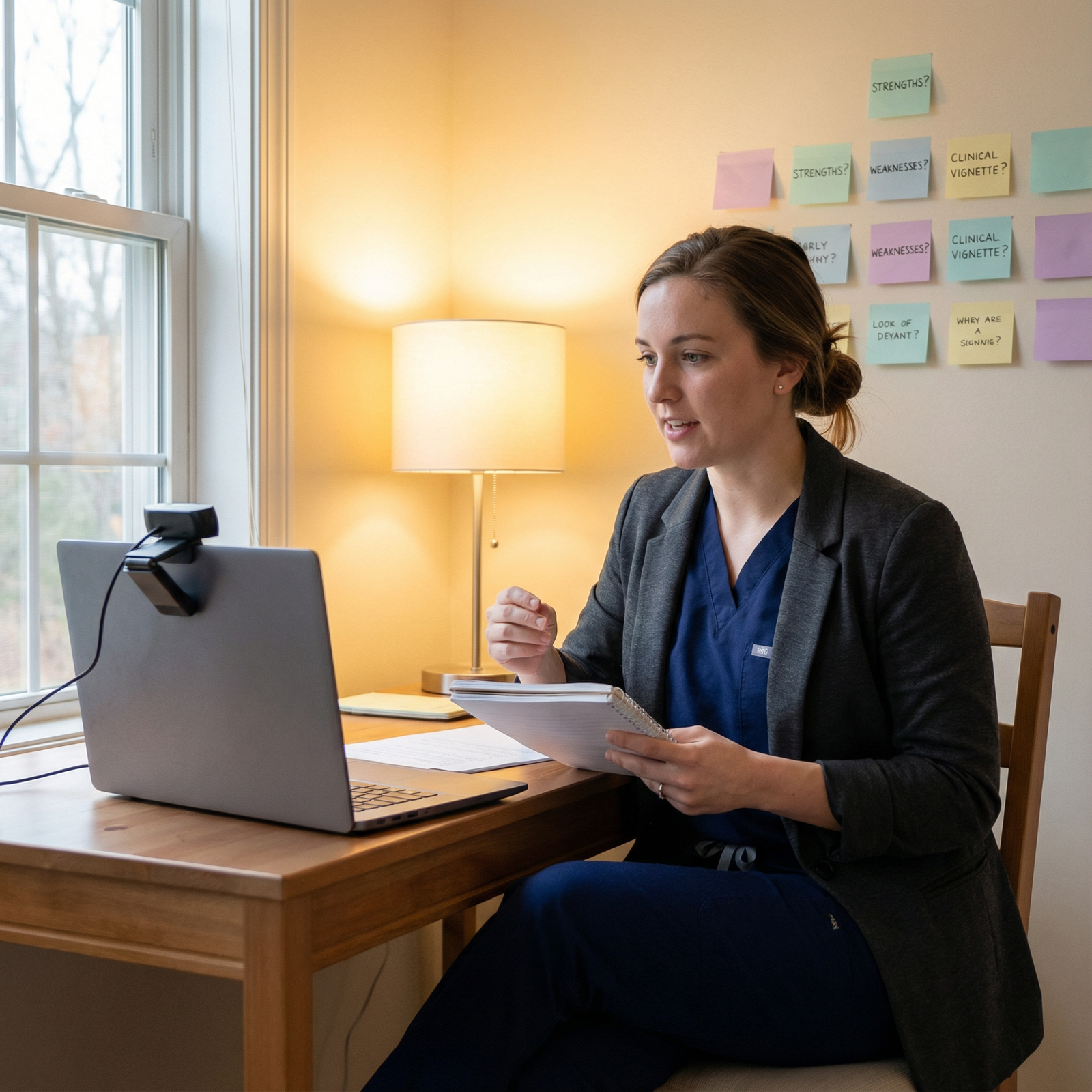
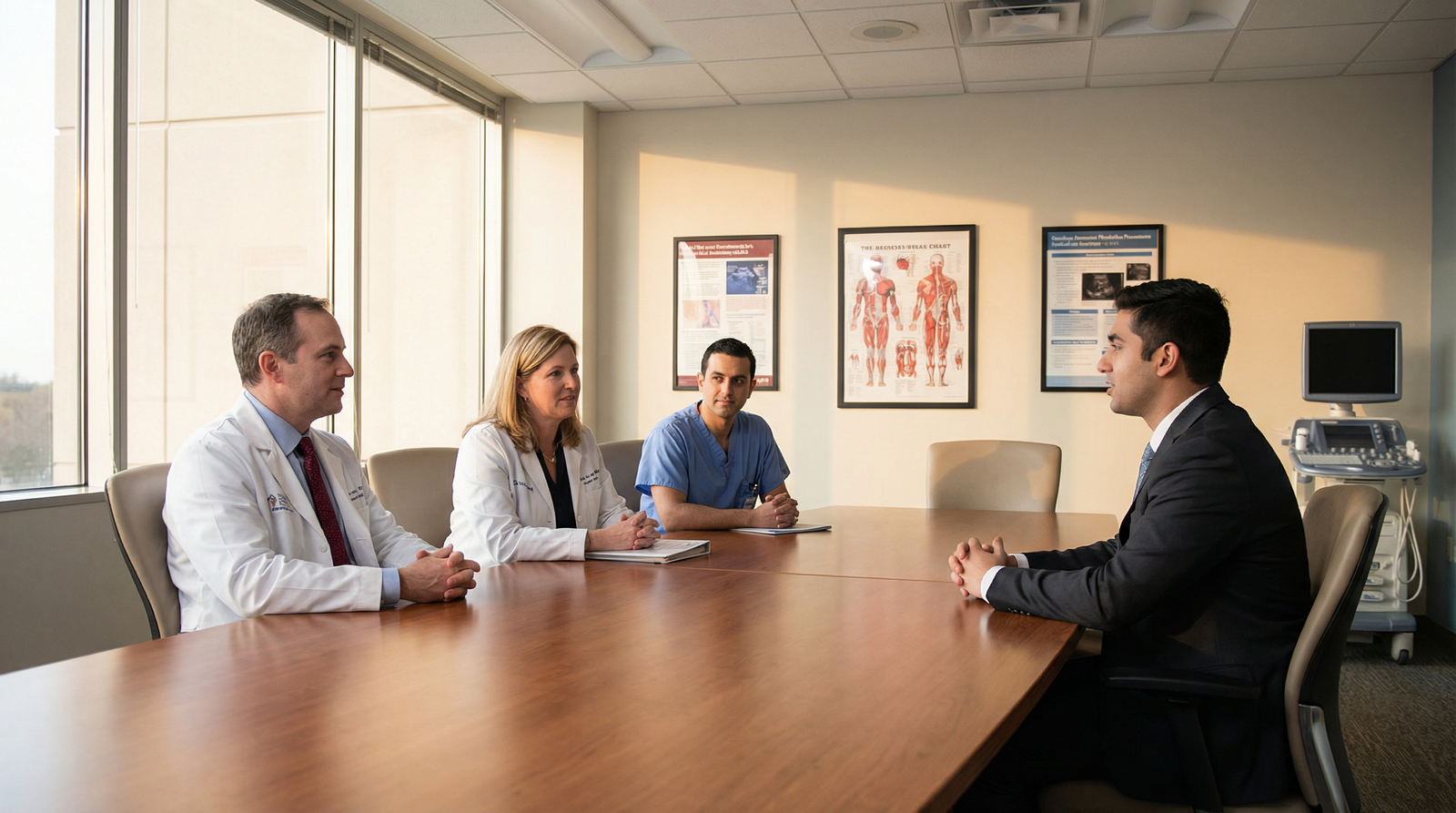
Pathology residency interviews are not just about how well you answer questions—they are equally about the questions you ask. Thoughtful, specific questions show that you understand the specialty, have done your homework on the program, and are seriously considering how you will grow there.
In pathology, where much of the work is behind the scenes and the culture of training varies widely between institutions, your questions help you uncover:
- How cases are distributed and signed out
- The balance between anatomic pathology (AP) and clinical pathology (CP)
- How much graduated responsibility you’ll have
- How residents are supported in board prep, research, and career planning
- What day-to-day life really looks like (workload, call, wellness)
This guide focuses on questions to ask programs in pathology, especially during interviews and second looks. You’ll find:
- Key domains to cover
- Sample wording you can adapt
- Nuances specific to pathology (AP/CP training, sign-out culture, autopsy, molecular, informatics)
- Strategy on who to ask which questions (faculty vs. residents vs. program director)
Use this as a menu, not a script. Choose the questions that fit your goals, then personalize them for each program.
Strategy: How to Ask Smart Questions in Pathology Interviews
Before diving into specific questions, it helps to understand the strategy behind them—what to ask, when, and to whom.
1. Do Your Homework First
Programs can instantly tell if you’re asking generic questions you could have answered from their website. To stand out:
- Review the program website (curriculum, rotations, call schedule, case volume, fellowships, research).
- Skim recent departmental publications or news.
- Check what fellowships their graduates pursue and where they land for jobs.
Then build questions that go deeper than what’s online. For example, instead of “Do residents get research opportunities?” you might ask:
“I saw on your website that residents have dedicated research time in PGY-3. How do residents typically use that time, and what kind of mentorship is available for pathology-focused projects?”
2. Tailor Questions to the Person You’re Speaking With
You’ll usually meet:
- Program Director (PD) – big-picture training philosophy, curriculum, evaluation, support.
- Associate PD / Education leadership – logistics, rotations, remediation, AP/CP specifics.
- Faculty – subspecialty training, sign-out culture, teaching style.
- Residents – the truth about workload, culture, wellness, call, and “how it really is.”
- Department Chair or Division Chiefs – vision, resources, growth of the department.
- Program Coordinator – logistics, schedule, day-to-day processes.
Some topics are better for residents (e.g., “How is the actual workload?”), others for the PD (e.g., “Where do graduates end up?”), and some can go either way.
3. Phrase Questions as Curiosity, Not Demands
Programs are evaluating your collegiality and maturity. Focus on:
- Open-ended questions (“How…?”, “Can you describe…?”, “What does it look like when…?”).
- Neutral wording (“How does your program approach…?” rather than “Why don’t you have…?”).
- Showing you’ve thought about your own training needs.
4. Avoid “Red Flag” Questions Early On
Some topics are important—but best asked carefully or later in the conversation:
- Salary and moonlighting (check FREIDA and program materials first).
- Vacation gaming (“Can I stack all my vacation at the end of the year?”).
- Questions that sound like you’re only looking for an easy lifestyle.
You should absolutely consider work-life balance and support, but frame questions around training quality and sustainability, not just “How little can I work?”

Core Domains: What to Ask Pathology Programs About
Below are major domains you should cover during your pathology residency interviews, with sample questions you can adapt. These are framed around questions to ask residency programs and particularly what to ask a program director, faculty, and residents.
1. Program Structure, AP/CP Balance, and Curriculum
Pathology training can vary significantly in structure (AP/CP 4-year combined, AP-only, CP-only, physician-scientist tracks). You want clarity on how you’ll actually be trained.
Questions for the Program Director or Associate PD:
- “How is the AP/CP curriculum structured over the four years? Is it block-based, or are AP and CP mixed throughout?”
- “How much flexibility is there in senior years for electives or tailoring the schedule to career goals—academics, community practice, subspecialty fellowship, or industry?”
- “Can you describe how subspecialty sign-out is integrated? Do residents rotate through organ-based teams, or is sign-out more general?”
- “How do you incorporate emerging areas like molecular diagnostics, genomics, and informatics into the curriculum?”
- “What changes have you made to the curriculum in the last few years, and what changes are you planning?”
Questions for Residents:
- “Does the stated curriculum match your real experience? Are there rotations you feel are particularly strong or weaker?”
- “How well do you feel prepared on both AP and CP by the time you’re a senior resident?”
2. Case Volume, Complexity, and Hands-On Experience
In pathology, exposure to a broad and complex case mix is central to becoming competent for independent practice.
Questions for Faculty or PD:
- “What is the typical surgical pathology case volume per resident on a busy day, and how much autonomy do residents have at the microscope before sign-out?”
- “How do residents gain experience with intraoperative consultations and frozen sections? Are they the first to preview the slides and communicate with surgeons?”
- “How are cytology and fine-needle aspiration (FNA) experiences structured? Do residents perform FNA procedures, or primarily interpret the material?”
Questions for Residents:
- “Do you feel the case volume and complexity are enough to build confidence for independent sign-out?”
- “On service, do you typically feel rushed and behind, or is there enough time to preview cases before sign-out and to read around interesting cases?”
3. Teaching, Feedback, and Evaluation
Pathology is an apprenticeship specialty. You will learn a lot by working closely with attendings at the microscope.
Questions for Program Leadership or Faculty:
- “What does a typical sign-out session look like for a junior versus a senior resident? How does responsibility change over time?”
- “How is feedback given on residents’ diagnostic skills—both informally at the scope and formally through evaluations?”
- “How do you identify residents who are struggling, and what kind of remediation or support do you provide?”
Questions for Residents:
- “How approachable are attendings during sign-out? Is it okay to say, ‘I’m not sure’ or to ask basic questions?”
- “How often do you receive concrete feedback about your diagnostic abilities and your progress toward independent sign-out readiness?”
When considering interview questions for them (faculty and residents), focus on how they foster growth, how mistakes are handled, and whether the environment feels psychologically safe for learning.
4. Board Preparation and In-Service Performance
Pathology boards (AP/CP) can be challenging, and programs vary in how explicitly they support board prep.
Questions for Program Director:
- “How does your program help residents prepare for the AP and CP board exams?”
- “How do your residents typically perform on the in-service training exam, and how do you use those results to guide individualized study or remediation?”
- “What resources are provided—question banks, review courses, structured didactics?”
Questions for Senior Residents:
- “Do you feel adequately supported in your board prep? Is there protected time for studying or review sessions in senior years?”
- “What did you find most helpful in your program’s approach to boards, and what did you have to supplement on your own?”
5. Call, Autopsy, and CP Responsibilities
On-call responsibilities differ dramatically across pathology programs. You’ll want a detailed sense of what “call” actually means.
Questions for Residents:
- “How is call structured—for example, in-house vs. home call, AP vs. CP responsibilities, autopsy coverage?”
- “During a typical call shift, what are you actually doing? For example: frozen sections, transfusion medicine issues, microbiology questions, grossing specimens, or covering multiple hospitals?”
- “How often are you called in overnight, and how disruptive is call to your post-call day?”
- “Is there backup available if you feel overwhelmed, especially early on?”
Questions for Program Director:
- “How do you ensure residents are appropriately supervised on call, especially early in training or for complex CP issues like transfusion reactions or critical chemistry calls?”
- “Has the structure of call changed based on resident feedback?”
Regarding autopsy, ask specifically:
- “How many autopsies are residents required to complete, and how is that workload distributed?”
- “Is there adequate autopsy volume to meet ACGME requirements without overwhelming residents?”
- “How much attending involvement and teaching occurs during autopsy cases?”

Culture, Support, and Career Outcomes: Questions That Reveal the “Fit”
6. Department Culture and Resident Wellness
Pathology can sometimes be isolating, and department culture dramatically affects your training experience.
Questions for Residents:
- “How would you describe the culture here—more formal or informal, more academic or service-driven?”
- “Do residents spend time together outside of work? Is there a sense of camaraderie or more of an individual focus?”
- “How does the program respond when residents are overwhelmed or burned out? Have you seen leadership take wellness seriously in practical ways?”
- “When there’s conflict or a mistake, how is it handled? Do residents feel supported or blamed?”
Questions for PD/Faculty:
- “How do you solicit and act on resident feedback about rotations, call, or curriculum?”
- “What wellness resources are actually used by residents—counseling services, wellness days, social events?”
- “Can you share an example of a recent change that resulted from resident feedback?”
These questions help you sense whether the program truly values residents as learners and colleagues instead of purely workforce.
7. Diversity, Equity, and Inclusion (DEI)
Pathology is a diverse field, but departmental climates still vary.
Questions for Program Director or Chair:
- “How does your department promote diversity, equity, and inclusion among residents and faculty?”
- “Are there structured mentorship opportunities for residents from underrepresented backgrounds?”
- “Have there been DEI-related initiatives or changes in the past few years?”
Questions for Residents (if appropriate):
- “Do you feel the environment is inclusive? Are people comfortable bringing their full selves to work?”
8. Mentorship, Research, and Scholarly Activity
Even if you’re not planning a heavily academic career, you’ll benefit from mentorship and possibly a few projects or presentations.
Questions for PD or Research Faculty:
- “How are mentors assigned or chosen? Can residents have multiple mentors—for career, research, and personal development?”
- “What kinds of research or quality improvement projects do residents typically do—case reports, translational work, informatics, clinical research?”
- “Is there protected time for research or scholarly activity built into the schedule, especially for residents aiming for academic careers?”
- “What internal funding, statistical support, or collaboration opportunities are available for resident-led projects?”
Questions for Residents:
- “How easy is it to get involved in research if you’re interested? Is it more ‘do-it-yourself’ or actively structured?”
- “Have most residents presented at national meetings (USCAP, ASCP, CAP, etc.) or published papers before graduation?”
9. Fellowships and Career Placement: Outcomes After Training
Pathology is fellowship-heavy. You want to know how the program sets residents up for strong pathology match outcomes for fellowships and jobs.
Questions for the Program Director (high-yield “what to ask program director” topics):
- “What proportion of your graduates pursue fellowships, and in which subspecialties?”
- “Where do your graduates typically match for fellowships—internally vs. other institutions, academic vs. community?”
- “For those going directly into practice, what kinds of jobs do they secure (academic, private practice, hybrid), and in what regions?”
- “How involved is the program in helping residents network for fellowships and first jobs? Is there structured career guidance or mentorship around CVs, letters, and interviews?”
Questions for Senior Residents:
- “Did you feel supported through the fellowship application process—letters, advocacy, interview preparation?”
- “Do you feel that your case volume and reputation from this program helped you be competitive for your goals?”
Pay attention not just to where graduates go, but also to how clearly the program can answer these questions. A strong program will know and be proud of its outcomes.
Practical, Day-to-Day Questions: Life as a Pathology Resident
10. Workflow, Technology, and Support Staff
Pathology is increasingly digital and team-based. The presence of robust support can dramatically affect your day-to-day.
Questions for Residents or Faculty:
- “What is the grossing situation like—do you have dedicated pathology assistants (PAs) or do residents do most of the grossing on busy services?”
- “How is digital pathology used here—are there whole-slide scanners, digital sign-out, or remote access for review?”
- “How effective is communication with clinicians and surgeons? Do residents regularly participate in tumor boards or multidisciplinary conferences?”
- “How is the electronic medical record and LIS (laboratory information system) environment? Any major pain points?”
11. Location, Lifestyle, and Practicalities
While these shouldn’t be your only considerations, they matter for your well-being.
Questions for Residents:
- “What is the typical commute like, and do most residents live nearby?”
- “Is the city affordable on a resident salary? Are there certain neighborhoods where residents tend to cluster?”
- “How is vacation and time-off coverage handled? Do you generally feel your time off is respected?”
You can also clarify logistics (often with the program coordinator or residents):
- “How many weeks of vacation do residents receive, and how are holidays handled?”
- “Are there opportunities for moonlighting, and if so, at what PGY level?”
Remember that for basic benefits, many details are available on institutional GME websites, so avoid questions that show you haven’t looked at those resources.
Tailoring Your Questions to Your Pathway and Interests
For Applicants Interested in Academic Pathology
- “How early in residency can I get involved in teaching medical students? Is there a formal medical education track or certificate?”
- “Are there structured opportunities to give conference presentations, lead tumor boards, or teach at the microscope?”
- “What proportion of graduates go into academic positions, and what helped them make that transition?”
For Applicants Interested in Community or Private Practice
- “How does your program prepare residents for community practice—exposure to high-volume general sign-out, outside consultations, or outreach labs?”
- “Do residents have opportunities to rotate in community settings or affiliated hospitals?”
- “Are there alumni in community practice who stay engaged with the program and can offer mentorship?”
For Applicants with Strong CP/Transfusion/Heme/Micro Interests
- “Can you describe the structure of CP training—how much hands-on involvement do residents have with transfusion decisions, lab management issues, and direct clinician communication?”
- “Is there exposure to leadership in lab management and informatics for those considering CP-focused careers?”
- “Are there advanced or elective opportunities in molecular pathology, genomics, or informatics?”
For Physician-Scientist or Research-Focused Applicants
- “Do you have a physician-scientist track or extended research pathway? How is clinical time balanced with research?”
- “Are there residents currently in research-heavy tracks I could speak with?”
- “What level of protected research time is realistically achievable, and how is it funded?”
How Many Questions to Ask—and When
- Aim for 2–4 strong questions per interviewer, tailored to their role.
- Prioritize what matters most to you: training quality, fellowship prospects, location, research, or lifestyle.
- It’s okay to ask the same general topic to different people (e.g., “culture”), as long as you phrase it naturally and build on what you’ve already heard.
If an interviewer asks, “Do you have any questions for me?” don’t say, “No, I think you covered everything”—that suggests disinterest. Even a brief, thoughtful question shows engagement.
Sample Question List You Can Adapt Quickly
Here’s a concise list you can adapt and personalize for any pathology residency interview:
For the Program Director:
- “How would you describe your program’s philosophy on training pathologists—for example, more subspecialized vs. generalist, more academic vs. practice-oriented?”
- “How do you see this program evolving over the next 5–10 years, especially in areas like molecular pathology, digital pathology, and informatics?”
- “What do you consider the greatest strengths of your pathology residency, and what aspects are you actively working to improve?”
- “Where have your most recent graduates gone for fellowships and jobs, and how do you help them navigate that process?”
For Faculty:
- “What do you enjoy most about working with residents here, and what qualities do you see in residents who thrive in this program?”
- “How do you approach teaching at the microscope during sign-out? What do you expect from residents at different training levels?”
- “Are there opportunities for residents to get involved in your subspecialty—research, tumor boards, or focused electives?”
For Residents:
- “What surprised you most about this program after you started?”
- “What do you see as this program’s greatest strength and its biggest area for growth?”
- “If you could change one thing about the program, what would it be?”
- “Knowing what you know now, would you choose this pathology residency again?”
These “interview questions for them” help you extract meaningful information while also signaling that you’re engaged and insightful.
FAQs: Questions to Ask Pathology Programs – Common Concerns
How many questions should I ask during each pathology residency interview?
Generally, 2–4 well-chosen questions per interviewer are ideal. With the program director, you might ask 3–4 bigger-picture questions. With residents, you can often ask more in a group Q&A setting. Prioritize quality over quantity—target the questions that help you distinguish this program from others.
What are the best questions to ask a program director specifically?
High-yield what to ask program director topics include:
- Program philosophy and training goals
- Curriculum structure and any planned changes
- Graduate outcomes (fellowships and jobs)
- Support for board prep and resident remediation
- How the program uses resident feedback to improve
Example:
“From your perspective, what kind of resident is happiest and most successful in this pathology residency, and what kind tends to struggle?”
Are there any questions I should avoid asking pathology programs?
Avoid:
- Questions with answers easily found on the website (salary, basic benefits, program size)
- Questions that sound like you are focused solely on an easy lifestyle (“How little call can I take?”)
- Aggressive or confrontational questions (“Why don’t you have X?”)
You can still explore sensitive topics—like workload, wellness, or weaknesses—but frame them constructively, e.g.:
“What aspects of the program are you currently trying to improve, and how are you going about that?”
How can I use the answers to help with my pathology match rank list?
As you compare programs, track answers under a few key headings:
- Training quality: case volume, autonomy, teaching, AP/CP strength
- Culture and support: resident wellness, mentorship, responsiveness to feedback
- Career outcomes: fellowship match, job placement, alumni network
- Fit and lifestyle: location, call, daily workflow, personality of the department
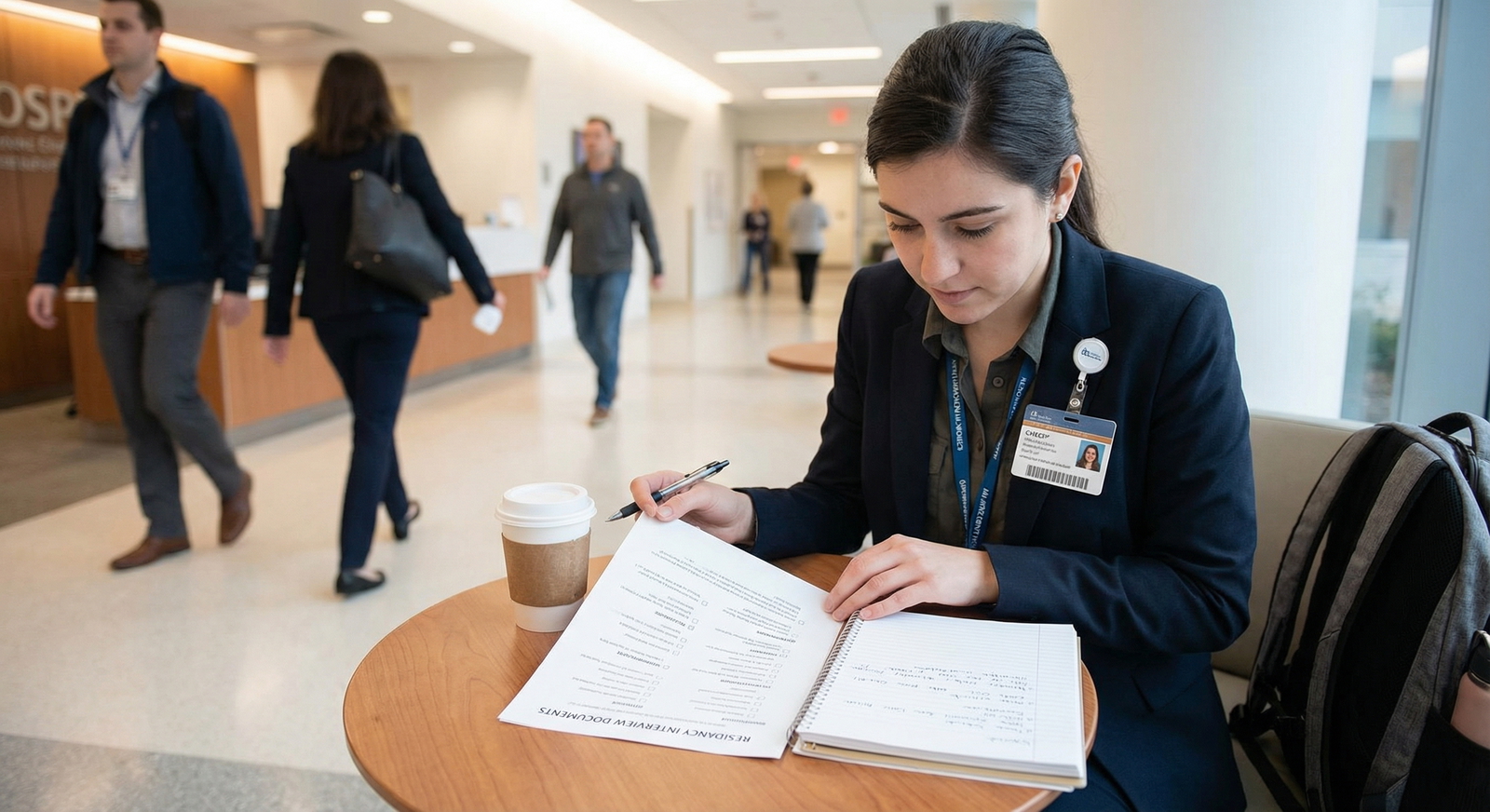
Right after each interview, jot down brief impressions and answers to your top questions. Patterns will emerge, and you’ll be able to build a NRMP rank list that aligns with your goals and what you learned from the conversations—not just what looked good on paper.
Thoughtful, specific questions can transform your pathology residency interviews from formal Q&A sessions into genuine two-way conversations about your future as a pathologist. Use this guide as a framework, adapt it to your priorities, and let your curiosity and professionalism lead the way.