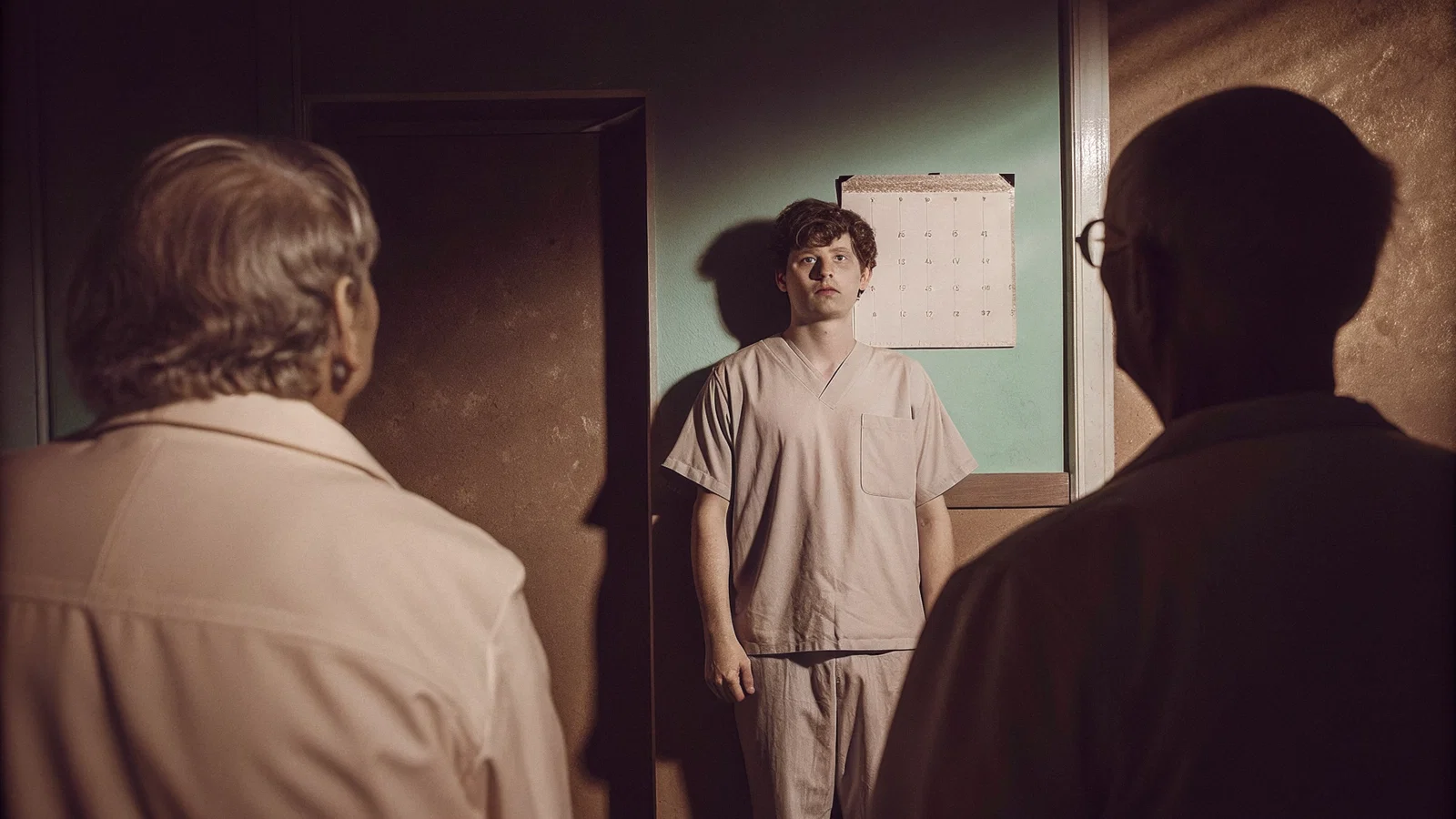
It's 10 p.m. the night before your first real vacation of intern year. You fire off a coverage email you probably should have sent three days ago, toss your pager on the charger, and feel that sweet, guilty exhale of freedom. Here's what you think happens next: nothing. You're off the grid. Invisible.
Here's what actually happens: your absence starts talking about you the moment you walk out the door.
Now let me kill the paranoid version of this story before we go further. Nobody is timing your email replies from a beach chair. There's no committee scoring your tan. But the idea that your time off is a black box that nobody observes? That's fantasy. Your vacation is a stress test of your systems, your handoffs, your boundaries, your judgment, and systems are exactly what we grade, because systems are what keep patients alive when you're not there. Let me walk you through what's actually being read, and who's reading it.
This article is for educational purposes only. It is not financial advice, not legal advice, and not tax advice. Figures vary by individual circumstances, so consult a qualified professional before acting.
The Illusion of the 'Safe' Break: Why Your Time Off Isn't Just Recovery
Residents love to believe vacation is passive. You leave, you recover, you return, the ledger resets. Wrong. Your break is one of the few times faculty get to see how you operate when nobody's watching you operate. That's not surveillance. That's signal.
There's no literal dossier labeled "Vacation Behavior." But there is a running ledger inside the heads of your chiefs and PD, and entries get made in it. The resident whose week off required three schedule rescues because their "coverage plan" was a name and a prayer? Remembered. The one whose out-of-office reply named a real covering senior with real sign-out? Also remembered. Nobody writes it down. Everybody knows.
The metric nobody talks about openly is context switching. Can you actually leave? I've watched residents answer consult questions from a cruise ship and check the list server from a wedding rehearsal dinner. That doesn't read as dedication to faculty. It reads as a failed handoff and a person who can't regulate their own stress, which is a clinical risk wearing a dedicated costume. The residents we trust are the ones who disappear cleanly and return with actual energy, because that proves their absence didn't depend on their presence.
That's the real divide: the guilty absence versus intentional recovery. The resident who spends their break apologizing, half-working, and marinating in anxiety comes back exactly as depleted as they left. We notice that too.
The Communication Black Hole: Emails, Pages, and Ghosting
Want the single fastest professionalism tell in residency? Look at what happens to your pager problem when you leave. Does it become someone else's problem with warning, or without it?
Here's the protocol that separates pros from liabilities. A real out-of-office message: your dates, who covers you, and what counts as urgent. Not "I will have limited access to email", that's a hedge, not a handoff. If your OOO doesn't route urgent issues to a human being with your sign-out, you haven't communicated. You've absconded politely.
On response latency, let me give you the honest version, because the folklore here is garbage. On approved block leave, nobody reasonable expects you to answer routine email, and a true emergency should be going to your coverage anyway. What gets you flagged isn't a slow reply. It's total silence combined with no coverage mechanism, the moment someone realizes your absence was a surprise to the people absorbing it. And here's the flip side nobody mentions: if you're answering everything within the hour from your vacation, that's not a gold star either. It tells us your delegation failed and you'll be the bottleneck forever.
There's a story that circulates in every program, the resident who got paged during their wedding weekend. It's usually told as a loyalty test: real residents answer. Let me tell you how it actually reads in the room. The page reached that resident because they were the only human with the answer. No sign-out. No handoff. Their phone was the institutional memory. The failure happened two weeks earlier, at a desk, not at the altar. And any PD who would genuinely punish someone for not answering a page mid-vows is running a program you don't want to be in.
The insider rule stands, though, and it's blunt: if you can't delegate, you don't belong here. Not because delegation is polite. Because a resident who can't hand off care is a single point of failure, and single points of failure get people hurt.
The Social Media Trap: Digital Footprints That Sink Residencies
Yes, program directors Google people. This isn't folklore, surveys of residency programs have shown for years that a meaningful share of PDs review applicants' and residents' online presence, and posts have cost people interviews, rank positions, and reputations. Screenshots travel. Private accounts leak through followers. Assume everything you post is permanent and public, because functionally, it is.
But here's the mechanism the paranoid version gets wrong. Your PD is not sitting in their office scrolling your Instagram at midnight. The real surveillance network is your colleagues. Your co-intern is covering their third straight holiday, eating vending machine crackers in the call room at 7 a.m., and your ski-chalet story pops up. That resentment is data, and it flows upward, through chiefs, through attendings, through the casual "how's the team doing" conversations you never hear. Tone-deaf posting doesn't offend the program. It alienates the people whose goodwill you need to survive.
Every program has a version of this story. A resident posts celebratory photos, pool bar, champagne, sunshine, within hours of a brutal outcome on their service. A death. A code that went sideways. A classmate sees it. Then a nurse. Then it's a professionalism meeting, and the defense "but I was off that day" lands exactly as poorly as it deserves to. The issue isn't that you relaxed. It's that you broadcast leisure adjacent to grief, and someone decided that told them who you are.
My rule, and I don't soften it: go silent for two weeks around heavy rotations, or post like your PD, your patient's family, and your future fellowship director are all reading. Because someday, one of them will be.
Return-to-Work Friction: The Monday Morning Aftereffect
Let me kill another myth: nobody reshuffles your electives because you came back with jet lag. Schedules are mostly locked months out, and honestly, we're not that organized. What is discretionary is trust, autonomy in the OR, the fellowship letter that says "reliable" instead of merely "talented," the chief conversation two years from now. Those decisions get made on accumulated impressions, and re-entry week is an impression factory.
Two profiles walk back through the door after break. The Overcompensator arrives at 5 a.m., volunteers for everything, martyrs themselves through double shifts to prove the vacation didn't soften them. Faculty read this as anxiety, not dedication. Worse, the Overcompensator is usually making charting errors by Thursday and running on fumes by week three, we've watched this movie, and we know the third act. The Balanced Pro shows up on time, pre-rounded, knows the list cold by day two, works at a steady clip, and goes home at a reasonable hour. Every PD I've ever sat with prefers the second one. Steady is the whole job.
Structuring your first week back isn't complicated. Show up on time, this is not the week for a Tuesday morning dentist appointment. Know your patients before anyone asks. Close every loop you left open before you left. Priorities, not presence. Nobody's handing out medals for being seen at the hospital; they're watching whether the machine starts running smoothly the moment you touch it.
The Unwritten Contract: Trust, Autonomy, and Predictability
So why does any of this matter? Because none of it is actually about vacation. Your week off is a low-stakes simulation of the high-stakes tests coming for you: boards, parental leave, a family emergency, a patient outcome that keeps you up at night. Every one of those events demands the same skills, plan ahead, delegate cleanly, communicate clearly, return steady. If a one-week beach trip produces coverage chaos, the faculty inference is simple and brutal: the next crisis will too.
What PDs actually want is predictability. Not robots, robots break in interesting and dangerous ways. We want human beings whose behavior we can forecast under load, because residency is three to seven years of load. The faculty-lounge verdict, the one that never makes it into orientation slides, is this: we invest in sustainability. The residents who get the autonomy, the letters, the opportunities, are the ones whose lives don't require rescue.
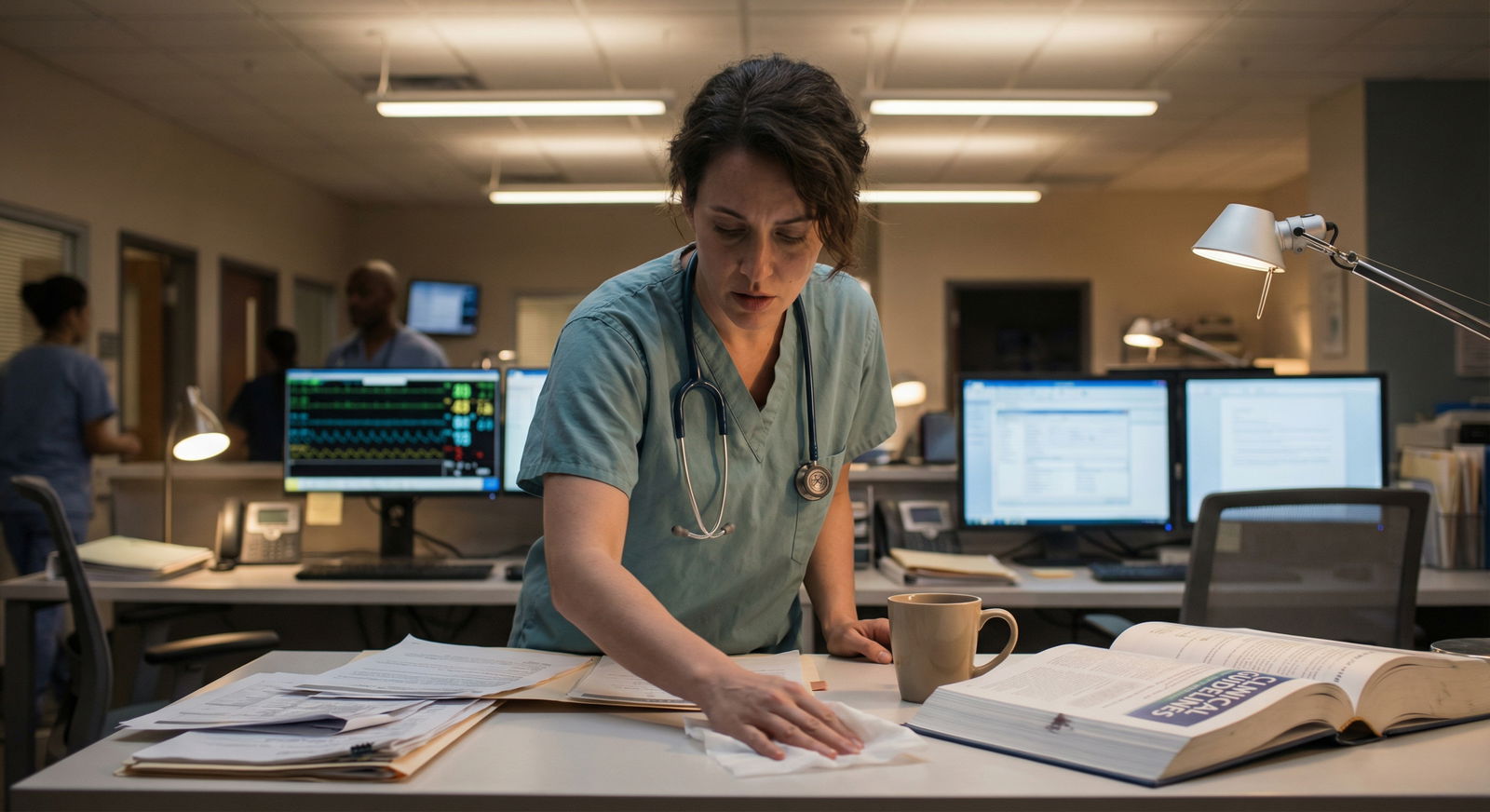
So treat your calendar with the same rigor you treat your clinical skills. Plan the break. Build the handoff. Actually leave. Come back steady. Five years from now, when you're the attending standing in that doorway watching a nervous intern sign out before their first vacation, you'll realize you can read everything about them from how they leave the building. Start being legible now.
Key Takeaways:
- Nobody grades your vacation, they read the systems your absence reveals. Coverage, handoffs, and reliability are the transcript.
- Clean delegation and real disconnection beat performative availability every time. Come back steady, not frantic.
- Assume everything you post is public and permanent. Your colleagues' perception is the channel that matters.