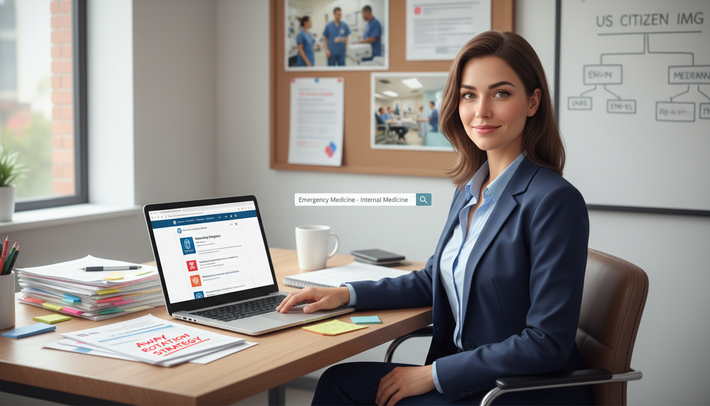
As a US citizen IMG (American studying abroad), away rotations are often the single most important strategy to break into a competitive field like radiation oncology. Because your home school may not have a rad onc department—or may be outside the U.S.—your visiting student rotations become your main way to:
- Prove you can excel in a U.S. academic environment
- Build relationships with faculty who can write meaningful letters
- Show program directors you’re serious about the specialty and understand the field
This guide walks through a step-by-step away rotation strategy for US citizen IMGs targeting radiation oncology residency, with a focus on timing, school selection, performance, and how many away rotations make sense in your situation.
Understanding the Role of Away Rotations for US Citizen IMGs
Away rotations (also called visiting student rotations or “audition rotations”) carry extra weight when you’re:
- An American studying abroad (Caribbean, Europe, Asia, etc.)
- At a school with limited or no radiation oncology exposure
- Applying to a small, competitive specialty where program familiarity matters
For radiation oncology, away rotations residency experiences serve several critical purposes:
Exposure to the specialty
- Hands-on understanding of treatment planning, simulation, and on-treatment visits
- Realistic view of daily workflow, multidisciplinary involvement, and patient population
- Experience with contouring, radiation physics basics, and on-treatment management
Signal of commitment
- Doing one or more rad onc rotations in the U.S. tells programs you’ve seriously explored the field
- This especially matters if your IMG school has no formal radiation oncology department
Letters of recommendation (LORs)
- Strong radiation oncology–specific LORs are highly valued
- Away rotations are often where US citizen IMG applicants get their best specialty letters
Program familiarity and fit
- Programs get to see you as a teammate for 4 weeks
- You get to see whether the program culture, case mix, and educational style match your goals
For a US citizen IMG in radiation oncology, away rotations are not optional “extras”—they are central to a competitive rad onc match application.
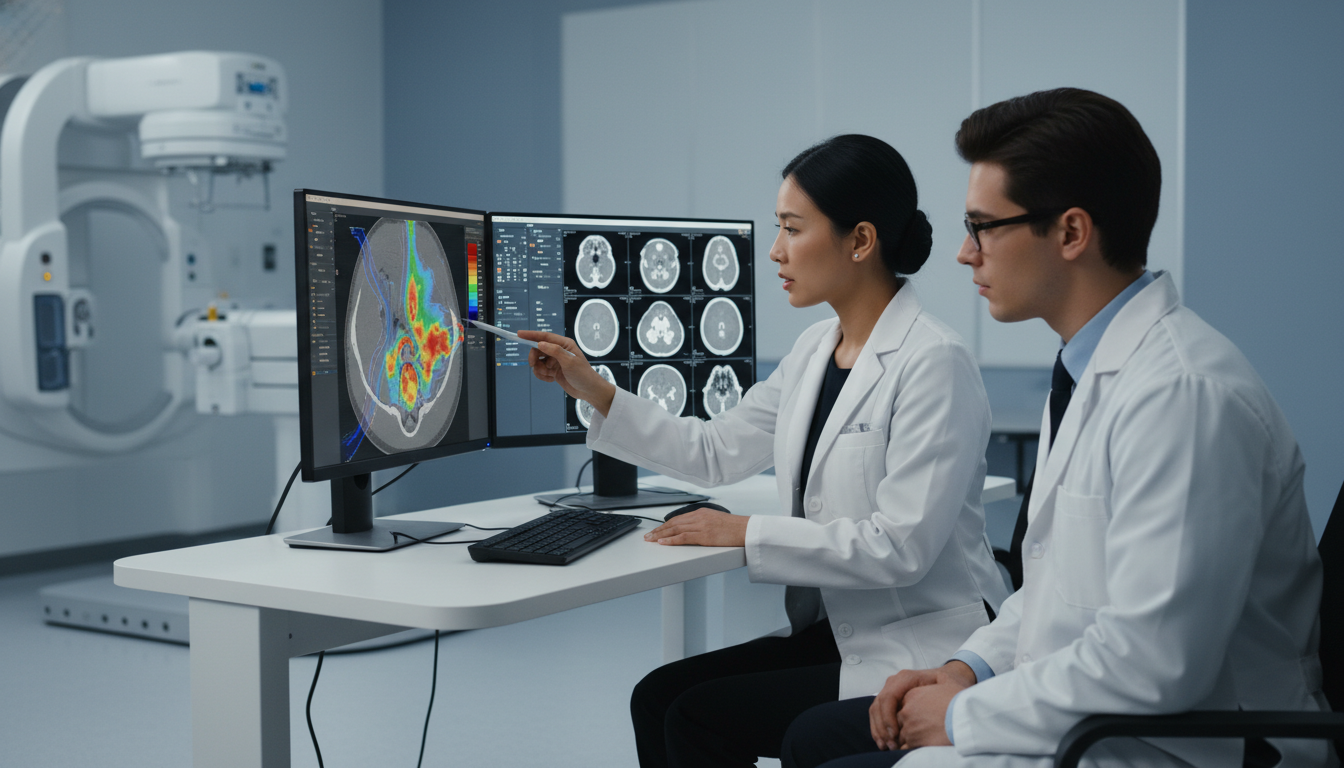
Planning Your Away Rotation Strategy: Timing and Number
A recurring question is how many away rotations a US citizen IMG should pursue in radiation oncology and when to do them. The answer depends on your timeline, finances, and school policies—but there are clear guiding principles.
Ideal Timing for Radiation Oncology Away Rotations
For most applicants, the pivotal application year is the fourth year of medical school (or final year equivalent). Your away rotation strategy should be built backward from ERAS submission (usually September):
- Best months for rad onc away rotations:
- May – October of your application year
- Key constraints:
- You need at least 1 (ideally 2) rad onc letters ready by ERAS opening
- Programs typically need a couple of weeks after your rotation to complete letters
Common timing pattern for US citizen IMG applicants:
Early spring of the year before application (Jan–Mar):
- Start researching programs that accept IMGs for electives
- Confirm your school’s policies on away rotations and required documents
- Prepare USMLE scores, transcript, immunizations, and proof of malpractice coverage
Spring–early summer (Mar–Jun):
- Apply via VSLO/VSAS or direct institutional portals
- Target your first rad onc away for June–August
- Aim for second rotation August–October if possible
How Many Away Rotations for a US Citizen IMG in Rad Onc?
For U.S. MD students, 1–2 away rotations is often enough. For an American studying abroad, more exposure can sometimes help—but there are diminishing returns.
A reasonable framework:
Minimum:
- 1 U.S. radiation oncology rotation (required)
Competitive target:
- 2 radiation oncology away rotations, ideally at academic centers
If resources allow and your school supports it:
- 2 rad onc away rotations + 1 home/institutional rad onc elective (if available)
- Or 2–3 away rotations if you lack any home exposure
Going beyond 3 rad onc away rotations usually does not add much value and can raise red flags (e.g., “why so many auditions?”). Also, programs know IMGs often have financial and logistical constraints.
How to Sequence Rotations
Because your performance will likely improve with each exposure, consider this ordering:
- First rotation:
- A solid but not absolute dream program
- Use this to learn workflow, refine your presentation style, and adjust to U.S. system
- Second rotation:
- A higher-priority or more competitive program
- You’ll be more polished and ready to stand out
- Third rotation (optional):
- A regionally important program or one where you have geographic ties
Try to have at least one rotation completed by August so those letters can be in your ERAS application by September.
Choosing Where to Rotate: Program Selection for US Citizen IMGs
Program selection matters as much as performance. As a US citizen IMG, you must think strategically about where your visiting student rotations will yield the highest chances of interviews and advocacy.
Step 1: Identify IMG-Friendly Radiation Oncology Programs
Start by building a target list of programs that:
- Have previously matched IMGs (especially US citizen IMG profiles)
- Are mid-sized or larger departments (more diverse faculty and potential mentors)
- Publicly state openness to IMGs or international electives
Methods to identify these:
- Review recent match lists from IMG-heavy schools or forums
- Check program resident rosters on websites—look for IMGs and where they trained
- Reach out to current or former IMGs in radiation oncology via alumni networks or LinkedIn/X
When you see a program that has, say, a graduate from a Caribbean school or another international institution, that’s a positive indicator.
Step 2: Consider Geographic Strategy
Many programs value applicants with:
- Ties to their region (grew up nearby, family in the area, long-term plan to settle there)
- Clear reasons for being in that city or state
As an American studying abroad, you can often leverage your home state, undergrad region, or family location as geographic ties.
You might:
- Do one away rotation in your home region (Midwest, Northeast, etc.)
- Do another at a program with strong reputation for mentoring IMGs or physician-scientists
Step 3: Balance Dream vs. Realistic Programs
Your away rotation slots are limited. You want at least one “reach” program but also programs that could realistically rank you highly.
You can roughly categorize:
- High reach: Top-10 academic rad onc centers, heavy research, primarily US MD grads
- Moderate reach/realistic: Solid academic centers, mix of US MD, DO, and occasional IMG
- Safety/IMG-friendly: Programs with longer history of taking IMGs and non-traditional candidates
A good mix for a US citizen IMG:
- 1 moderate reach
- 1 realistic/IMG-friendly
- Optional third: regionally strategic or research-strong program where you have a project or connection
Step 4: Understand Application Processes (VSLO vs. Direct)
Many U.S. programs use VSLO/VSAS, but some require:
- Direct institutional applications
- Extra documentation for IMGs (ECFMG verification, malpractice, visa status—even if you’re a US citizen at a foreign school)
As a US citizen IMG:
- Clarify whether you’re eligible as a “U.S. visiting medical student” (often yes because of citizenship)
- Have your school rapidly respond to paperwork (transcripts, dean’s letters, immunization forms)
- Prepare to send Step scores and full CV—programs may screen stricter for IMGs
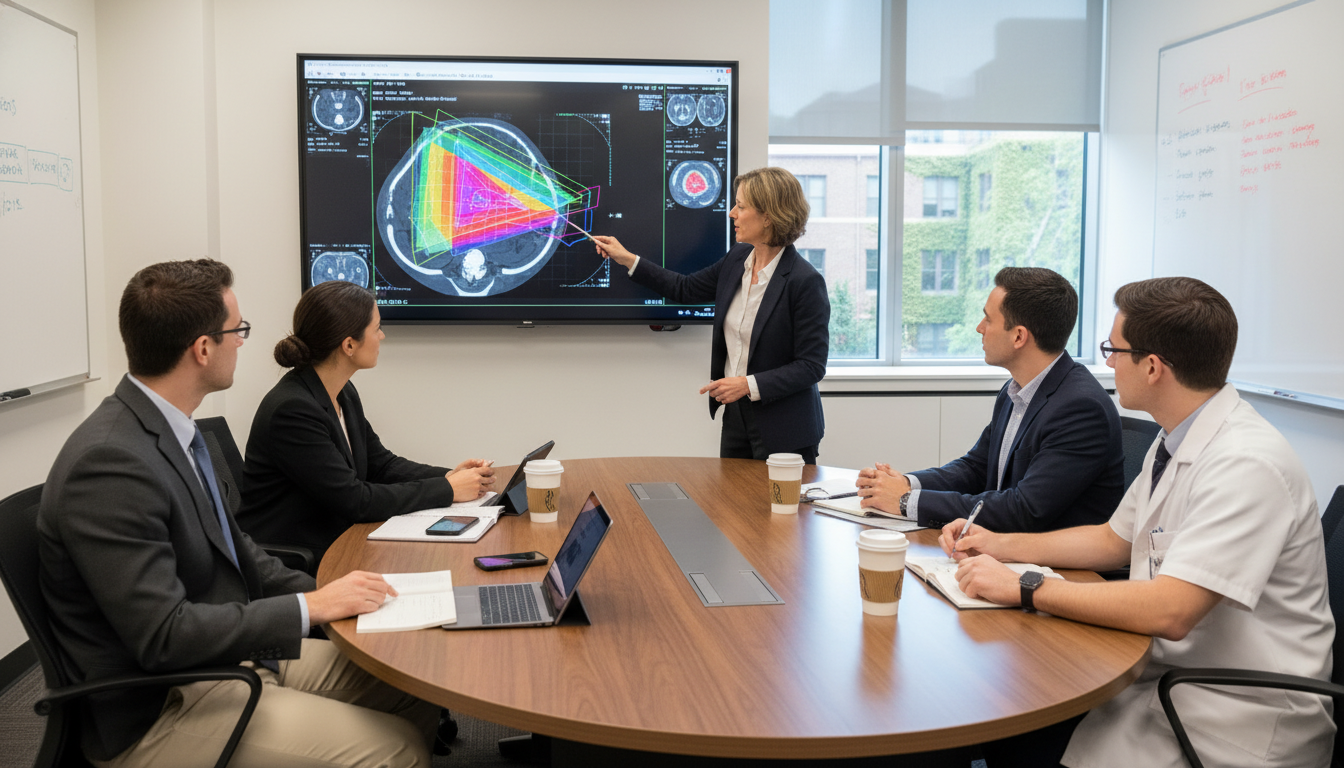
Maximizing Performance on Your Radiation Oncology Away Rotations
Once you’ve secured the rotation, the real work begins. For a US citizen IMG, how you perform can significantly influence your rad onc match outcomes.
Before the Rotation: Prepare Like It’s an Exam
Arrive ready to contribute from day one:
- Core reading (2–3 weeks before):
- Introductory rad onc textbook chapters (e.g., general principles, breast, prostate, lung, CNS)
- ASTRO or ARRO introductory materials for medical students
- Learn basic terminology:
- Simulation, contouring, planning, PTV/CTV/GTV, dose constraints, fractions, IMRT/VMAT, SBRT
- Practice presentations:
- One-minute case presentations
- Focused history and physical for oncology patients
Also clarify:
- Typical clinic schedule (consults vs. follow-ups vs. on-treatment visits)
- Expectations for students (taking notes, writing consult notes, shadowing vs. active participation)
During the Rotation: Behaviors That Stand Out (Positively)
Programs are assessing whether you’d be a good colleague for four years. Focus on:
Reliability and professionalism
- Arrive early; stay until work is done (or ask permission to leave)
- Be present in clinic, sim, and tumor boards
- Keep patient information strictly confidential
- Dress and act like a resident
Clinical engagement
- Volunteer to see patients with residents
- Ask to help with histories, note drafts, or follow-up calls if allowed
- Prepare for each patient on the schedule (brief chart review)
Intellectual curiosity (but not overbearing)
- Ask thoughtful, focused questions:
- “What were the key factors in choosing SBRT over surgery in this case?”
- “How do you typically counsel patients on expected acute toxicities for head and neck RT?”
- Show you’ve read about cases you see and apply that reading to future encounters
- Ask thoughtful, focused questions:
Team orientation
- Be kind and helpful to residents, dosimetrists, nurses, therapists
- Avoid triangulating or gossiping
- Offer small logistical help (finding patients, locating prior imaging, etc.)
Adaptability to the U.S. system
- If trained abroad where systems differ, show you can quickly adjust to:
- EMR workflows
- Multidisciplinary tumor boards
- Expectations for documentation and patient communication in the U.S.
- If trained abroad where systems differ, show you can quickly adjust to:
Avoiding Common Pitfalls
Things that can hurt your rad onc match chances from an away rotation:
- Appearing disinterested or frequently on your phone
- Overstating your experience or knowledge
- Being argumentative with staff or residents
- Missing key sessions (tumor boards, teaching conferences) without explanation
- Making comments that seem dismissive of other specialties or patient concerns
Asking for a Letter of Recommendation
For a US citizen IMG, this is a primary goal of away rotations residency experiences. To secure strong letters:
- Identify potential letter writers early:
- An attending who has worked closely with you (clinic, contouring, a case you followed)
- A program director or associate PD who has observed your performance
- Ask near the end of the rotation:
- In person if possible:
- “I’ve really valued working with you here, and I’m applying in radiation oncology this cycle. Would you feel comfortable writing a strong letter of recommendation for my residency application?”
- In person if possible:
- Provide supporting materials:
- Updated CV
- USMLE scores
- Draft of personal statement (even preliminary)
- Bullet points summarizing key patients, projects, or contributions during the rotation
Timely, specific rad onc letters from U.S. faculty can significantly offset concerns about an IMG background.
Integrating Away Rotations into Your Overall Rad Onc Application Strategy
Away rotations are one component of your rad onc match plan. As a US citizen IMG, you must coordinate them with exams, research, and application logistics.
Aligning Rotations with Your Research and CV
Radiation oncology is research-oriented. Ideally:
- Start or join a rad onc research project before your away rotations
- If possible, collaborate with faculty at a program where you’ll later rotate
- Use your rotation to advance existing work (data collection, drafting, presenting)
This demonstrates longitudinal interest and makes you more memorable.
Coordinating with USMLE and Other Requirements
Many programs set score thresholds, especially for IMGs. Plan:
- To have Step 1 and Step 2 CK completed before or during early 4th year
- To list competitive scores on your CV when applying for visiting student rotations
If you have any exam weaknesses:
- Use away rotations to demonstrate your clinical competence and communication strengths
- Be ready to discuss what you’ve learned and how you’ve improved your preparation strategies
Using Rotations to Build a Narrative
Your final application should tell a coherent story:
- Why radiation oncology?
- Why the U.S. system, given you are an American studying abroad?
- What experiences (including away rotations) confirmed your choice?
- How have you contributed to patient care, research, or education?
During rotations, collect specific stories and reflections that will later enrich your personal statement and interview answers.
After the Rotation: Maintaining Relationships
Don’t let the connection end on your last day:
- Send a thank-you email to faculty and residents who mentored you
- Update your letter writers when you submit ERAS and later when you receive interviews and match
- If appropriate, ask about continuing research projects or virtual participation in journal clubs or tumor boards
These ongoing connections can translate into targeted advocacy when selection committees rank candidates.
Frequently Asked Questions (FAQ)
1. As a US citizen IMG, how many away rotations in radiation oncology should I do?
Most US citizen IMGs should aim for 2 radiation oncology away rotations, with 1 as an absolute minimum. A third may be helpful if you lack any home exposure or want to emphasize a particular geographic region, but going beyond 3 rad onc away rotations rarely adds much benefit and may strain your time and finances. Make sure at least one rotation is finished by August of your application year so that letters can be available in time for ERAS.
2. What if my international medical school doesn’t have a radiation oncology department?
This is common for American studying abroad pathways. In that case, your away rotations residency experiences essentially become your “home” exposure to rad onc. You should:
- Strongly prioritize doing at least 2 U.S.-based rad onc rotations
- Seek short observerships or shadowing at any local rad onc departments (even outside your school)
- Join research projects remotely if possible, under U.S. faculty supervision
Make sure you explain this context in your personal statement and at interviews so programs understand your structural limitations and proactive efforts.
3. How do I choose which programs to target for visiting student rotations as an IMG?
Focus on:
- IMG-friendly departments (look for previous IMGs on their website)
- Regions where you have family or long-term ties
- Programs with reputations for mentorship and education (not just prestige)
A balanced list might include one moderate “reach,” one realistically IMG-friendly academic center, and possibly a third rotation at a program in your ideal region or one where you’ve already established research connections.
4. Can a strong away rotation outweigh weaker board scores for the rad onc match?
Strong away rotations can absolutely help mitigate concerns about test scores, especially if:
- You receive excellent, specific letters praising your clinical skills, work ethic, and teamwork
- You perform well during multidisciplinary interactions and show strong communication skills
- You demonstrate sustained interest through research or prior oncology experiences
However, very low scores can still limit your interview opportunities, particularly as an IMG. Think of away rotations as a powerful positive signal, but not a complete substitute for meeting baseline academic expectations.
Thoughtful planning, strategic program selection, and standout performance on away rotations can transform your profile as a US citizen IMG applying to radiation oncology. If you align your visiting student rotations with a clear narrative, strong letters, and evidence of genuine interest in the field, you can significantly enhance your chances in the rad onc match.