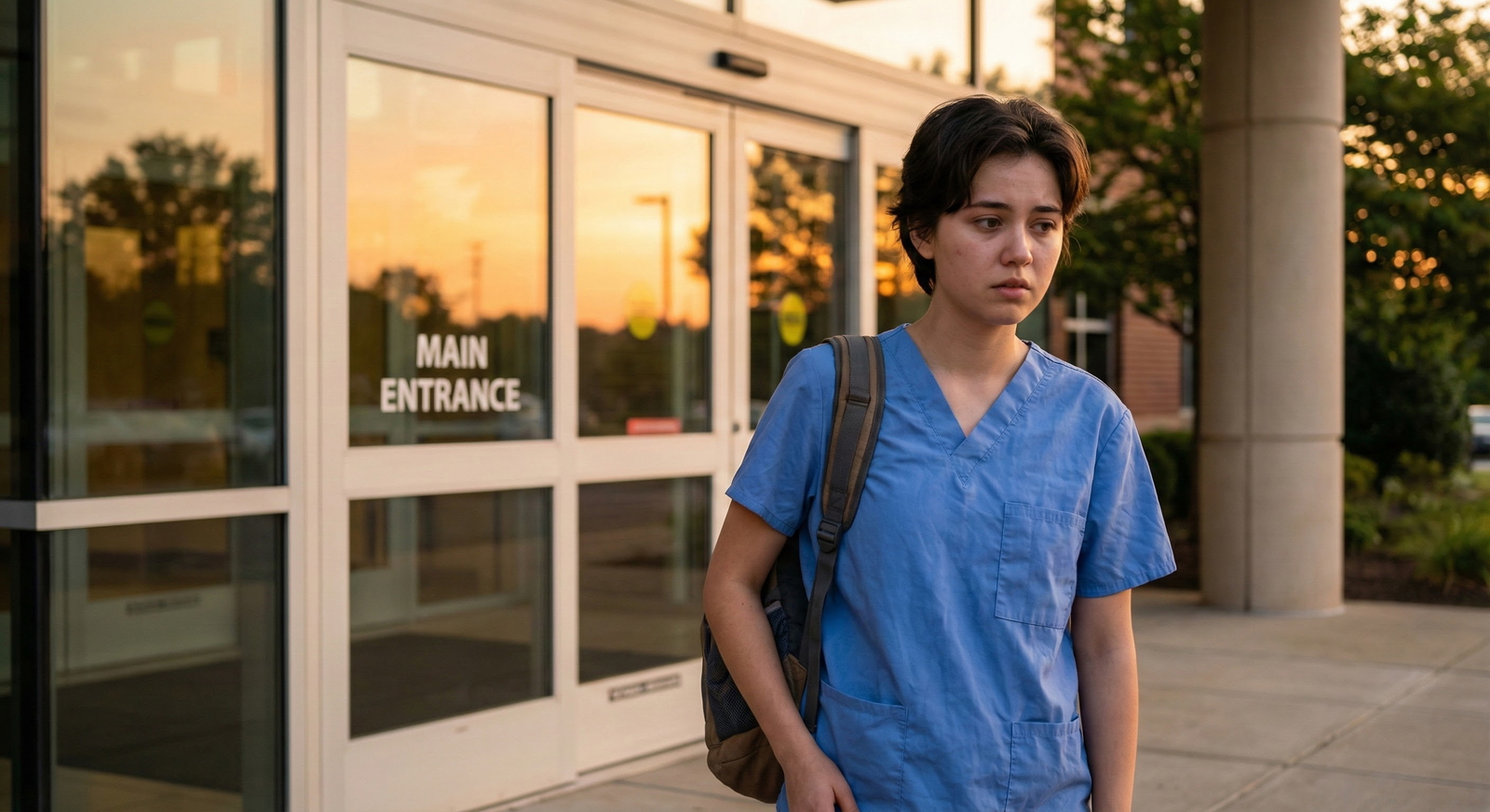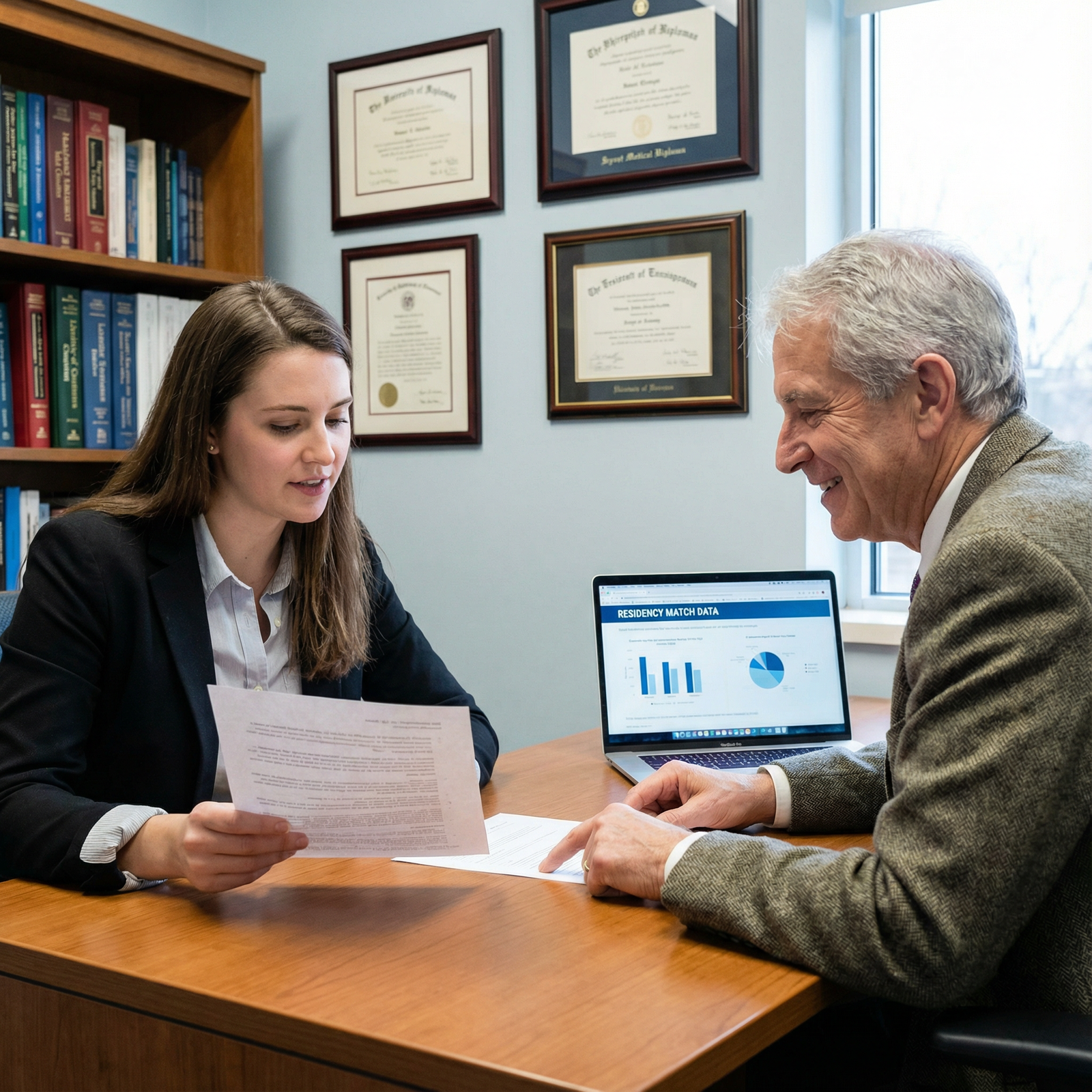
Not matching into an addiction medicine fellowship can feel devastating—especially after years of training, exams, and clinical work. Yet an initial failed match or going unmatched is far more common than people admit, and many highly successful addiction medicine physicians started as unmatched applicants.
This guide is designed specifically for physicians interested in addiction medicine fellowship training who are navigating a failed match or didn’t match scenario. It will walk you step-by-step through emotional recovery, strategic assessment, gap-year planning, re-application strengthening, and alternative training pathways in substance abuse training and addiction care.
1. First 2–4 Weeks After a Failed Match: Stabilize and Take Stock
1.1 Normalize the Experience
Going unmatched can trigger shame, anxiety, and catastrophic thinking:
- “My career is over.”
- “No program will ever rank me.”
- “I should give up on addiction medicine.”
These thoughts are understandable but not accurate.
Key realities:
- Addiction medicine fellowships are increasingly competitive, especially at academic centers and in major cities.
- The number of well-qualified applicants often exceeds available positions.
- Many programs heavily weight “fit,” specific interests, and niche experiences; a rejection is not a global judgment on your competence.
- Numerous fellows and faculty in addiction medicine matched on their second or third cycle.
Your career is not defined by a single match result. Treat this as a challenging transition point, not a final verdict.
1.2 Give Yourself Space to Process
Before launching into “fix it” mode:
- Take 48–72 hours away from active planning if possible.
- Talk to trusted peers, mentors, or family.
- Avoid impulsive decisions such as abandoning medicine or accepting unrelated jobs out of panic.
- Limit social comparison on social media around Match Day.
Emotional regulation now will allow you to think strategically later.
1.3 Clarify Your Immediate Status
Depending on your situation:
- Current residents/fellows (still in training)
- You likely can stay in your current program until graduation.
- You may reapply while in residency or during a post-residency gap year.
- Graduating this year (no further training secured)
- You need a concrete 12–18 month plan for employment, visa (if applicable), and professional growth.
- International medical graduates (IMGs)
- Visa timelines, US clinical exposure, and credentialing become particularly important.
- Non-traditional applicants (e.g., primary specialty outside psychiatry/FM/IM)
- You may need to deliberately build addiction-relevant evidence and alignment.
Write down:
- Your current training level and end date
- Visa constraints and deadlines
- Financial obligations (debt, dependents, etc.)
- Geographic limitations or flexibilities
This will frame what is realistically possible in the next cycle.
2. Why You Didn’t Match: Honest, Structured Self-Assessment
To recover effectively from a failed match, you must understand why you didn’t match—based on data, not just feelings.
2.1 Common Reasons Addiction Medicine Applicants Go Unmatched
While each case is unique, frequent causes include:
Insufficient Addiction-Focused Experience
- Minimal addiction medicine rotations or electives
- Little direct exposure to substance use disorder (SUD) treatment or medication for opioid use disorder (MOUD)
- No continuity experience in addiction clinics or community programs
Limited Academic or Scholarly Portfolio in Addiction
- No publications, posters, or QI projects related to addiction
- CV doesn’t show sustained interest in addiction medicine or substance abuse training
Letters of Recommendation (LOR) Issues
- Generic letters not tailored to addiction medicine
- Few or no letters from recognized addiction medicine faculty
- Old letters or letters from unrelated specialties only
Application Strategy Problems
- Applied to too few programs
- Overly narrow geographic preferences
- Applied mainly to hyper-competitive academic programs without including a range of mid-tier/community programs
Personal Statement or Narrative Concerns
- Weakly articulated reason for choosing addiction medicine
- Focus on personal “savior” narratives rather than evidence-based care
- Overemphasis on personal recovery without professional framing or reflection (if relevant)
Interview Performance
- Difficulty articulating your career vision in addiction medicine
- Not familiar with basics: MOUD, harm reduction, integrated care models, overdose prevention
- Appearing uninterested, unprepared, or rigid about geography/clinical workload
Red Flags or Contextual Factors
- Prior professionalism concerns or remediation
- Gaps in training or unexplained time off
- Limited US experience (for IMGs) or unclear career trajectory
Your unmatched status may stem from one or more of these domains.
2.2 How to Get Specific, Constructive Feedback
Instead of guessing, actively collect feedback:
Program Directors (PDs) where you interviewed
- Send a brief, respectful email:
- Thank them for the opportunity.
- Acknowledge that you did not match.
- Ask if they could provide high-level feedback on how to improve for a future application.
- Some will decline; many will offer at least broad guidance.
- Send a brief, respectful email:
Your Current or Former PD/Associate PD
- Ask for an honest review of your CV, personal statement, and perceived strengths/weaknesses.
- Inquire whether there were any unspoken concerns about your application.
Addiction Medicine Faculty Mentors
- Ask them to review your ERAS/other application materials and conduct a mock interview.
- Ask if your application seems additive and focused enough for addiction medicine fellowship.
Recent Fellows/Current Applicants
- They can highlight evolving program preferences, common interview questions, and competitive benchmarks.
Document all feedback in a structured way:
- Group issues into:
- Clinical/experiential
- Academic/scholarly
- Application package (LORs, statement, CV)
- Interview skills
- Strategy (program list, geography, timing)
This becomes your improvement roadmap for the next 6–18 months.

3. Designing Your Gap Year (or “Bridge Year”) in Addiction Medicine
If you’re an unmatched applicant, your next year is critical. Done well, it can turn a failed match into a powerful narrative of resilience and growth.
3.1 Core Principles of a Strong Bridge Year
Programs want to see:
Continuity in Clinical Practice
- You remained clinically active and safe.
- You worked with patients who have SUDs whenever possible.
Deepening Commitment to Addiction Medicine
- Your activities clearly align with addiction medicine: clinical work, QI, education, advocacy, or research.
Concrete Output or Achievements
- Publications, conference abstracts, posters, developed curricula, or implemented QI projects.
New Strong Letters of Recommendation
- Supervisors who can attest to your skills in addiction care, professionalism, and growth over the gap year.
Reflection and Maturity
- You can explain how not matching led to purposeful improvement rather than stagnation.
3.2 Clinical Job Options That Strengthen Your Addiction Medicine Profile
Depending on your training and licensure:
1. Hospitalist, Primary Care, or Psychiatry Positions (with Addiction Focus)
- Seek roles at hospitals or clinics with:
- High prevalence of SUD
- Integrated addiction consult services
- Opportunities to prescribe buprenorphine, naltrexone, or methadone (depending on setting)
- Negotiate to:
- Join or help create an inpatient addiction consult service
- Lead or participate in overdose prevention initiatives
- Manage MOUD in your patient panel
2. Dedicated Addiction Medicine Clinical Roles
- Some systems hire:
- “Addiction medicine hospitalist” or “addiction psychiatrist” in bridge roles
- Clinicians for outpatient opioid treatment programs, methadone clinics, or harm reduction clinics
- These roles give you:
- Daily, intensive exposure to SUD management
- Superb material for letters and interviews
3. Public Health or Community-Based Positions
- Consider:
- Community health centers with integrated behavioral health
- County or state SUD treatment programs
- Correctional health positions focusing on MOUD for incarcerated populations
- These highlight your commitment to vulnerable and marginalized populations.
3.3 Research and Scholarly Work in Addiction
A research-intensive gap year is especially valuable if your CV lacked scholarly output.
Potential paths:
Research Assistant or Post-Doc Role (Addiction Focus)
- Join a team working on:
- Opioid use disorder treatment outcomes
- Harm reduction strategies
- Overdose prevention programs
- Stigma and SUD care
- Aim for:
- At least 1–2 abstracts or posters at addiction-related conferences (e.g., ASAM, AAAP)
- A manuscript submission, even if it won’t be accepted before you reapply
- Join a team working on:
Quality Improvement Projects
- Examples:
- Implementing a buprenorphine initiation protocol in the ED or hospital
- Improving naloxone co-prescribing rates
- Enhancing linkage to community-based addiction care after discharge
- These QI projects are highly valued by programs and can be showcased in your application and interviews.
- Examples:
3.4 Formal Substance Abuse Training and Certifications
Demonstrate structured engagement with substance abuse training:
- Complete recognized trainings:
- ASAM Fundamentals of Addiction Medicine
- Motivational Interviewing workshops
- SBIRT (Screening, Brief Intervention, and Referral to Treatment) training
- For physicians prescribing MOUD:
- Although the historical “X-waiver” has changed, ensure you’re compliant and training-competent in MOUD.
- Attend relevant conferences:
- American Society of Addiction Medicine (ASAM)
- American Academy of Addiction Psychiatry (AAAP)
- State or regional addiction conferences
Highlight these experiences clearly on your CV as formal substance abuse training.
3.5 Balancing Income, Geography, and Career Goals
Your bridge year should be sustainable:
- Clarify financial needs: loan payments, family obligations.
- Consider cost-of-living vs. access to strong addiction settings.
- Some applicants choose:
- High-intensity hospitalist roles for 6–12 months to stabilize finances, plus dedicated addiction work/research on the side.
- Lower-pay but high-yield addiction roles in academic centers, compensating through moonlighting if allowed.
4. Rebuilding and Strengthening Your Application for the Next Cycle
Once you’ve planned your year, you need to systematically upgrade each component of your addiction medicine fellowship application.
4.1 Curriculum Vitae (CV)
Ensure your CV now reflects:
- Clear Addiction-Focused Clinical Roles
- Describe SUD-related responsibilities in bullet points: MOUD prescribing, overdose response, integrated care with psychiatry, etc.
- Substance Abuse Training and Courses
- List certificates, webinars, workshops, and key conferences.
- Scholarly Output
- Publications (submitted, in press, or published)
- Posters, presentations, workshops
- QI projects and their outcomes
- Teaching and Advocacy
- Sessions taught to residents/medical students on SUD topics
- Community education or harm reduction activities
- Involvement with policy or advocacy organizations related to overdose or addiction care
4.2 Personal Statement: Transforming Failure into Growth
Your personal statement should:
- Acknowledge—but not dwell on—the failed match
- One or two lines is enough:
- “After an unsuccessful initial application cycle, I devoted the subsequent year to deepening my engagement in clinical addiction care and quality improvement.”
- One or two lines is enough:
- Focus on what you did about it:
- Emphasize the addiction-specific roles, training, and projects you pursued.
- Show how the year clarified your career vision and reinforced your commitment.
- Demonstrate:
- Insight: what you learned about patients, systems of care, and yourself.
- Humility and resilience: programs appreciate applicants who grow from setbacks.
Avoid:
- Overly emotional or self-pitying narratives.
- Blaming programs or the match system.
- Minimizing or ignoring the failed match entirely (if there’s a visible gap year).
4.3 Letters of Recommendation: Get the Right Voices
Aim for at least 1–2 letters directly from addiction medicine or addiction psychiatry faculty, plus:
- One letter from your current/most recent clinical supervisor
- One letter from your residency program leadership (if not yet included)
Strong letters should:
- Describe your clinical competence with SUD patients.
- Comment on:
- Reliability
- Teamwork
- Ability to manage complexity and co-occurring conditions
- Highlight:
- Contributions to addiction services (new protocols, teaching, QI)
- Longitudinal growth, especially during your bridge year
Ask letter writers explicitly to address your readiness for addiction medicine fellowship and your trajectory since the previous application.
4.4 Interview Preparation: Addiction-Specific Competence
Given a prior failed match, you must be ready to shine in interviews:
Know your content:
- Core topics:
- MOUD basics (buprenorphine, methadone, naltrexone)
- Harm reduction principles (syringe services, naloxone distribution)
- Co-occurring psychiatric disorders and SUD
- Social determinants of health driving addiction
- Be ready to discuss:
- 1–2 complex SUD cases you managed
- A QI or research project and what you learned from it
Know your story:
- Why addiction medicine?
- Why now, after a failed match?
- What distinguishes you from other applicants?
- What is your long-term career objective (academic, community leadership, integrated care, policy, etc.)?
Practice answering:
- “Tell me about a challenge you’ve faced and how you handled it”
- A natural place to discuss the failed match and your subsequent growth—briefly and constructively.

5. Alternative and Parallel Pathways in Addiction Care
Not everyone will ultimately match into an addiction medicine fellowship, even after a strong re-application. There are still meaningful ways to build a career in addiction care.
5.1 Practice-Focused Addiction Pathways (Without Fellowship)
Depending on your primary specialty and local regulations, you may:
- Work as:
- A primary care physician with a heavy SUD focus
- A psychiatry clinician specializing in SUD in community mental health
- A hospitalist leading addiction consult or liaison services
- Build deep expertise through:
- Continuous substance abuse training and mentorship
- High-volume MOUD practices
- Involvement in local or state addiction initiatives
Some clinicians become recognized local experts in addiction medicine through sustained practice, even without formal fellowship.
5.2 Additional Residency or Subspecialty Training
For certain applicants, especially those early in training:
- Consider another residency or subspecialty that strengthens your addiction-related skill set:
- Psychiatry (if you’re early in training from another field and deeply interested in co-occurring disorders)
- Family medicine or internal medicine with integrated addiction focus
- Public health degrees (MPH) emphasizing SUD epidemiology or policy
These paths are more radical changes and require careful discussion with mentors, but may fit some unmatched applicants whose entire trajectory needs realignment.
5.3 Academic and Policy Roles
If your passion is systems-level change:
- Build a CV tailored to:
- Implementation science in addiction
- Policy work with government agencies or NGOs
- Health services research in SUD
- Consider advanced degrees:
- MPH, MS in Clinical Research, MPA, or similar
- Fellowships in:
- Health policy
- Population health
- Behavioral health leadership
- Many leaders in addiction policy never completed addiction medicine fellowship but contribute significantly through research, law, and advocacy.
6. Putting It All Together: A Recovery Plan for Unmatched Addiction Medicine Applicants
6.1 12-Month Recovery Roadmap (Example)
Months 1–2: Debrief and Plan
- Obtain feedback from:
- PDs, mentors, and interviewers
- Identify 3–5 specific deficits:
- e.g., limited addiction experience, few addiction-focused letters, no QI work
- Decide on primary bridge-year role:
- Addiction-focused clinical job vs. research/QI vs. hybrid
Months 3–8: Execute Bridge Activities
- Begin or continue:
- High-yield clinical work in an addiction-related setting
- QI projects: MOUD access, naloxone co-prescribing, care transitions
- Research collaborations on SUD topics
- Attend at least one addiction conference or major training course.
- Seek regular mentorship check-ins (every 1–2 months).
Months 6–9: Application Build and Prep
- Update CV with new addiction experiences.
- Draft a new personal statement that clearly frames your growth.
- Secure fresh letters from:
- Addiction supervisors
- Current PD or clinical leader
- Conduct multiple mock interviews with mentors.
Months 9–12: Application Submission and Interview Season
- Apply widely, including:
- Academic centers
- Community-based or hybrid programs
- Programs outside your initial geographic comfort zone (if possible)
- During interviews:
- Articulate your bridge-year learning.
- Demonstrate concrete clinical and scholarly growth.
- Speak with humility, maturity, and commitment to the field.
6.2 Mindset for the Long Haul
Moving from “failed match” to success in addiction medicine requires:
- Realism – Acknowledge the competitiveness and your current gaps.
- Intentionality – Every major step in the next year should clearly support your addiction medicine goals.
- Resilience – Rejection is common in competitive fellowships; it doesn’t define your capacity to care for patients.
- Connection – Maintain close ties with mentors, peers, and professional organizations in addiction medicine.
When you sit in a future interview and explain how you responded to not matching, you want your story to be one of purposeful growth, service to people with SUD, and deepened commitment to addiction medicine.
FAQs: Failed Match Recovery in Addiction Medicine
1. I didn’t match into addiction medicine fellowship. Should I apply again or change specialties?
It depends on your level of interest and the feedback you receive:
- Reapply if:
- Addiction medicine remains your clear top choice.
- Feedback suggests realistic, addressable deficits (e.g., limited addiction exposure, weak letters, narrow program list).
- Consider alternative paths if:
- Your interests are broader and you’re equally satisfied with a related field.
- You face structural barriers that are unlikely to change (e.g., visa constraints, repeated professionalism concerns).
Many successful addiction medicine physicians matched on a second attempt, especially after a structured bridge year.
2. How many addiction medicine programs should I apply to after a failed match?
There is no universal number, but after a failed match, you should:
- Apply more broadly than before, both geographically and across academic/community settings.
- Include a range of program types:
- Large academic centers
- Community-based or hybrid programs
- Discuss your program list with a mentor who knows current competitiveness and your specific profile.
Under-applying is a common mistake among unmatched applicants in addiction medicine.
3. How do I explain my unmatched status during interviews?
Address it briefly, directly, and constructively:
- Acknowledge:
- “I applied last cycle but did not match.”
- Focus on:
- Specific steps you took afterward (clinical work, substance abuse training, QI, research).
- What you learned about addiction care and yourself.
- Emphasize:
- Increased readiness and commitment to addiction medicine.
Avoid blaming others or offering lengthy justifications. Programs care more about how you responded than the fact that you didn’t match.
4. Can I build a career in addiction care without an addiction medicine fellowship?
Yes, though fellowship provides structured training and credentialing benefits. Without a fellowship, you can still:
- Focus your practice on SUD within primary care, psychiatry, or hospital medicine.
- Gain extensive MOUD and harm reduction experience.
- Pursue ongoing substance abuse training, mentorship, and scholarly work.
- Engage in advocacy, education, and systems-level initiatives.
Whether or not you ultimately match, you can meaningfully contribute to the care of patients with substance use disorders and build a fulfilling career in addiction-focused medicine.