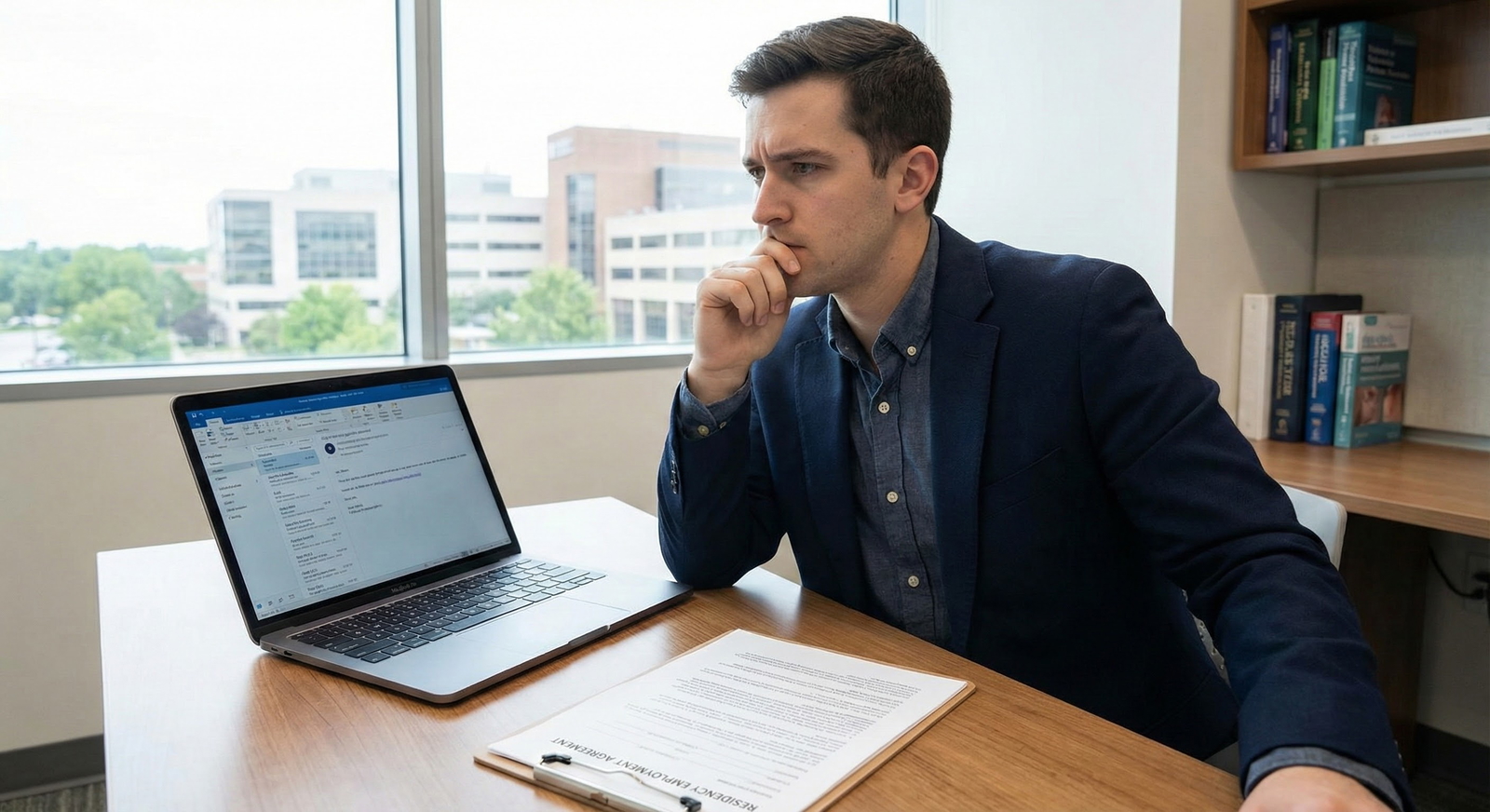
Understanding a Failed Match in Los Angeles
Not matching into residency—especially in a competitive region like Los Angeles—can feel devastating. Whether you applied broadly to LA residency programs or targeted just a few Los Angeles residency spots, seeing “didn’t match” or “unmatched applicant” on your screen is a gut punch. But it is not the end of your medical career.
Failed Match recovery is a process, not a single decision point. In Los Angeles, where there is a dense ecosystem of academic medical centers, community hospitals, and safety-net institutions, there are more paths forward than many applicants realize.
This article focuses on:
- Understanding why you may have failed the Match
- Immediate steps in the days and weeks after Match Week
- Short-term options in and around Los Angeles
- Longer-term strategies to strengthen your application
- Tailored advice for IMGs, re-applicants, and specialty switchers
- FAQs about recovering from a failed Match in LA
Throughout, we’ll reference LA-specific opportunities and realities, but most strategies are broadly applicable.
Step 1: Stabilize, Decompress, and Assess Objectively
Give Yourself Time to Process
An unsuccessful Match is emotionally intense. You may feel shame, anger, anxiety, or even relief if you suspected it might happen. Before you make big decisions about your future in Los Angeles residency training, allow 24–72 hours to:
- Talk with a trusted friend or family member
- Avoid impulsive, irreversible choices (e.g., giving up on medicine altogether)
- Step back from social media if it intensifies negative feelings
You cannot undo the failed Match, but you have full control over your response.
Separate Emotion from Analysis
Once the initial shock is less acute, shift into an analytical mindset. Think of this like a morbidity and mortality (M&M) review of your application:
- The goal is learning and improvement, not self-blame.
- You’re looking for patterns and gaps, not a single “fatal error.”
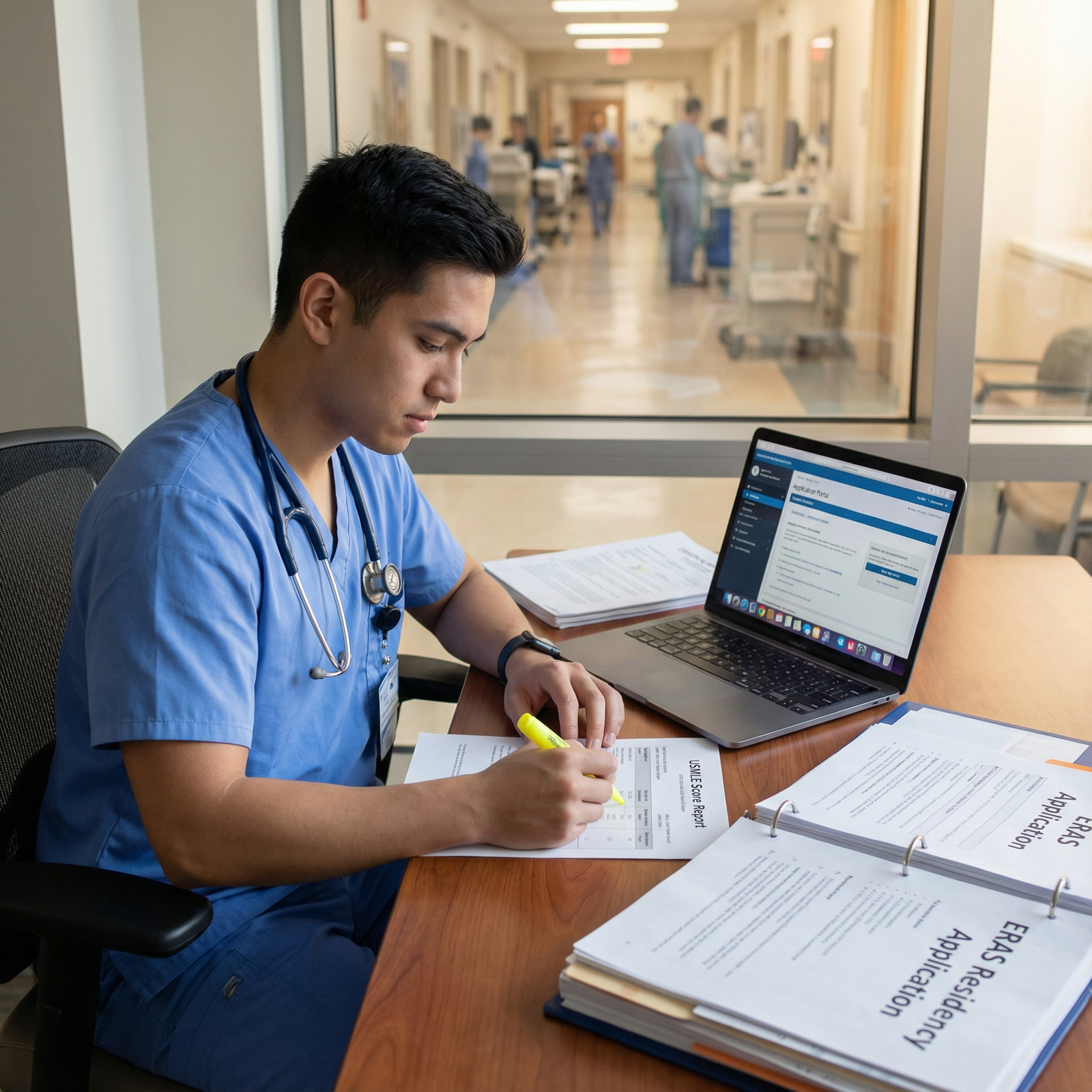
Conduct a Personal “Post-Match Audit”
Create a simple document where you list and briefly rate the main components of your application:
Academic metrics
- USMLE/COMLEX scores
- Number of attempts
- Time since graduation
- Any academic leaves or failures
Clinical experience
- US clinical experience (USCE): observerships, externships, sub-internships
- Specific exposure in your chosen specialty
- Experiences in California or Los Angeles (a plus for LA residency programs)
Application strategy
- How many programs you applied to within and outside Los Angeles
- Breadth of program tiers (university vs community)
- Alignment between your CV and chosen specialty
Supporting documents
- Strength and specificity of letters of recommendation
- Personal statement authenticity and clarity
- CV organization and professionalism
Interview performance
- Number of interviews
- Common questions where you struggled
- Professionalism, communication, and fit
This high-level assessment will guide your next steps and your conversations with advisors.
Step 2: Analyze Why You Didn’t Match—With Expert Input
Common Reasons for a Failed Match
Applicants who didn’t match or became an unmatched applicant in Los Angeles often fall into one or more of these categories:
Application volume or geographic restriction
- Applied to too few programs
- Over-concentrated on Southern California or specifically LA residency programs
- Limited geographic flexibility (e.g., only California or coastal cities)
Mismatch between applicant profile and specialty
- Applying to highly competitive specialties (e.g., dermatology, plastic surgery, ortho, radiology) without a commensurately strong portfolio
- Applying to LA’s most prestigious academic programs as a first-time or weaker applicant
Academic or testing concerns
- Borderline or low USMLE/COMLEX scores
- Multiple attempts or failures not well contextualized
- Long gap since graduation without relevant clinical activity
Insufficient or poorly presented clinical experience
- Minimal US clinical experience, especially for IMGs
- Limited exposure to your target specialty
- LORs that are generic, weak, or from non-US physicians
Interview and professionalism issues
- Few interviews relative to applications
- Communication challenges, lack of clear motivation
- Apparent lack of interest in specific programs or the region
Strategy errors specific to Los Angeles
- Underestimating competitiveness of LA residency programs
- Focusing only on big-name institutions (UCLA, USC, Cedars-Sinai, Harbor-UCLA, Kaiser LA)
- Overlooking community and county hospitals in the greater LA region and Inland Empire
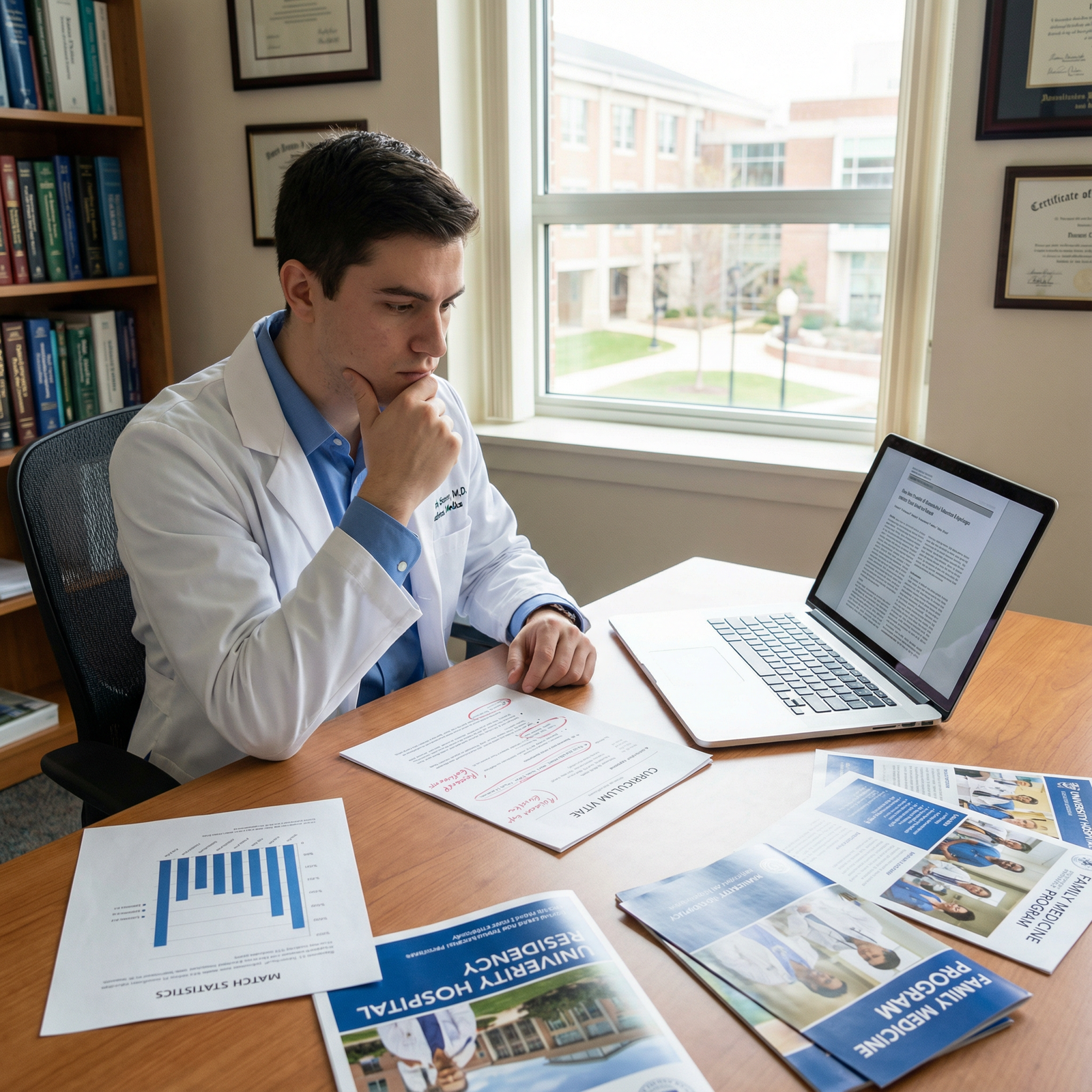
Get Honest, External Feedback
Your own perspective is necessary but incomplete. Seek feedback from:
- A trusted faculty advisor from your medical school
- Specialty-specific mentors (especially if you’re considering staying in the same specialty)
- Program directors or APDs you already know (including from LA if applicable)
- Recent residents or fellows in Los Angeles residency programs
Ask them specific, open-ended questions:
- “Based on my profile and target specialty, what are my main weaknesses?”
- “If you were advising me as your own trainee, what 2–3 things would you insist I fix before reapplying?”
- “Do you think I should remain in the same specialty or consider others?”
Document their feedback and look for points of consensus.

Step 3: Immediate Post-Match Options in Los Angeles
Depending on when you’re reading this (just after Match Week vs months later), your options will differ. Los Angeles and Southern California offer several potential near-term pathways.
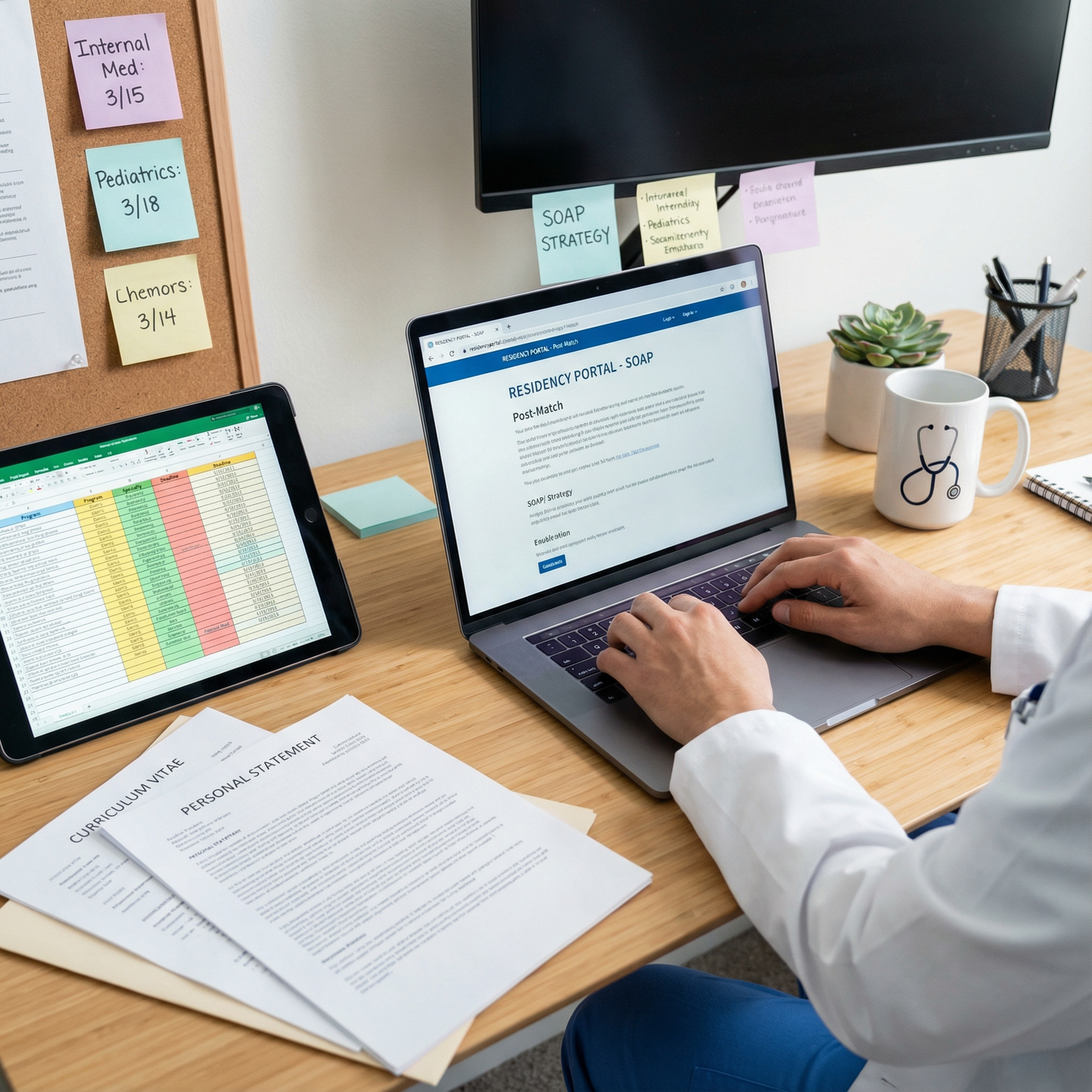
1. SOAP and Post-SOAP Vacancies
During Match Week:
- Participate in SOAP if eligible:
- Apply strategically to programs with vacancies, including those in or near LA.
- Be realistic; use SOAP to secure any training position that aligns with your broader career goals, not just your ideal program.
Immediately after SOAP:
- Monitor post-SOAP vacancy lists
- Some programs fail to fill even after SOAP and recruit quickly through direct outreach.
- Check:
- Program websites
- Institutional GME pages (e.g., LA county hospitals, community hospitals)
- Listservs and professional networks
In LA, some smaller community hospitals or newly accredited programs may post last-minute positions.
2. Transitional or Preliminary-Year Positions
If your main goal is to keep moving forward in training:
- Look for preliminary or transitional year spots, especially in:
- Internal Medicine
- Surgery
- Transitional year programs at community hospitals or smaller academic centers
In the Los Angeles region:
- Some hospitals in the LA County + USC, Harbor-UCLA, or affiliated networks may have occasional PGY-1 or PGY-2 openings.
- Hospitals in surrounding counties (Orange, Riverside, San Bernardino, Ventura) are physically accessible from LA and can be stepping stones if your long-term goal is a Los Angeles residency.
3. Research Positions in Los Angeles Academic Centers
If you cannot secure a clinical position immediately, a research role in Los Angeles can be a powerful bridge:
Key institutions to monitor:
- UCLA and its affiliated hospitals (e.g., Ronald Reagan UCLA, Olive View–UCLA)
- USC (Keck School of Medicine) and LA County + USC Medical Center
- Cedars-Sinai Medical Center
- Charles R. Drew University of Medicine and Science
- Kaiser Permanente facilities across Southern California
- City of Hope (for oncology/hematology interests)
- Children’s Hospital Los Angeles (CHLA) for pediatrics
Research roles that help:
- Paid clinical research coordinator positions
- Volunteer research assistant roles (if financially feasible)
- Fellowships or postdoctoral positions (for PhD/MD applicants)
Benefits:
- LA-specific experience and networking
- Potential for publications or abstracts
- New letters of recommendation from recognized faculty in Los Angeles
4. Clinical Observerships and Hands-On Experience
For IMGs or graduates with limited USCE, targeted LA experience can be invaluable:
- Observerships in LA hospitals or large private groups
- Externships (when available through structured programs)
- Volunteer clinical roles in community clinics or safety-net institutions
Look at:
- Federally Qualified Health Centers (FQHCs) in LA County
- Free clinics associated with LA medical schools
- Teaching clinics tied to residency programs
This helps you:
- Understand the local patient population (diverse, multilingual, underserved communities)
- Demonstrate commitment to practicing in Los Angeles
- Obtain locally relevant LORs

Step 4: Building a Strategic 12–18 Month Recovery Plan
If you remain unmatched after immediate cycles or choose to sit out a year intentionally, the key is to make that time high-yield. Programs in LA will look closely at how you used your gap year.
Clarify Your Main Goal
You need a clear, realistic target:
- “Match into an Internal Medicine residency in the Los Angeles area”
- “Remain in Southern California, but expand beyond LA to nearby regions”
- “Switch from a highly competitive specialty to a core specialty (e.g., IM, FM, Peds) and stay regionally flexible”
Your plan should serve that target.
Core Components of a Strong Recovery Plan
Clinical Engagement
- Aim for consistent clinical exposure in the US, ideally every month.
- For LA-targeted applications:
- Prioritize sites in Los Angeles County or adjacent counties.
- Document your roles clearly: patient interaction, EMR experience, case discussions.
Academic and Research Productivity
- Set realistic milestones:
- 1–2 abstracts/posters at regional or national meetings
- 1–2 manuscripts (even case reports or quality improvement projects)
- Whenever possible, collaborate with faculty at LA institutions; this strengthens your local network.
- Set realistic milestones:
Exam and Certification Improvements
- If your scores were a concern:
- Consider retaking exams only where allowed and strategically beneficial.
- Complete certificates such as:
- BLS/ACLS (if expired or not current)
- HIPAA, OSHA, and research ethics (CITI)
- For IMGs:
- Highlight ECFMG certification and any additional credentials.
- If your scores were a concern:
Application Rebranding
- Rewrite your personal statement to:
- Acknowledge growth and reflection after the failed Match without overemphasizing failure.
- Emphasize your commitment to serving the diverse Los Angeles population.
- Update your CV:
- Add new experiences and leadership roles.
- Show continuity of medical involvement, not long unexplained gaps.
- Rewrite your personal statement to:
Mentorship and Networking
- Request a primary mentor at any LA institution where you’re doing research or clinical work.
- Attend:
- Grand rounds at UCLA/USC/Cedars/other LA hospitals (many are open or virtual)
- Local specialty society meetings (e.g., LA County Medical Association events)
- Ask mentors for:
- Candid feedback on your application
- Introductions to program leadership when appropriate
Example 12-Month Plan for an Unmatched Applicant Targeting LA Internal Medicine
Months 1–3:
- Begin a full-time clinical research coordinator job at a major LA academic center.
- Attend weekly department conferences and connect with residents.
- Start a small quality improvement project.
Months 4–6:
- Present a poster at a regional meeting.
- Begin an LA-based observership in Internal Medicine (e.g., 1–2 half-days/week).
- Draft a case report with a faculty mentor.
Months 7–9:
- Secure two strong LORs: one from a research PI, one from a clinical attending.
- Finalize and submit one manuscript.
- Refine your personal statement with explicit mention of your growth year.
Months 10–12:
- Submit ERAS early and broadly, including:
- LA programs
- Southern California and broader California programs
- Reasonable out-of-state backups
- Prepare rigorously for interviews (mock interviews with mentors and peers).
Step 5: Tailored Strategies for Common Applicant Profiles
For IMGs Who Didn’t Match into Los Angeles Residency
Challenges:
- Visa issues (J-1/H-1B sponsorship)
- Less US clinical exposure
- Less familiarity with US health systems and documentation
High-yield strategies:
- Prioritize USCE in LA or California:
- Hospitals with IMG-friendly pipelines
- Clinics serving large immigrant populations
- Choose visa-friendly programs:
- Review each LA program’s GME website for visa policies.
- Obtain US-based LORs that:
- Comment on your communication skills, adaptability, and teamwork
- Are specific to your specialty
For US MD/DO Graduates Who Failed the Match
Challenges:
- Programs may question professionalism or performance if US grads are unmatched.
- You may feel particular pressure if classmates matched, especially into LA residency programs.
Focus areas:
- Ensure no major professionalism red flags remain unaddressed.
- If in a competitive specialty (e.g., ortho, derm), consider:
- A research year in LA in that specialty
- Or pivoting to a core specialty (IM, FM, Peds, Psych) with broader application geography.
- Use your home institution’s resources:
- Deans, student affairs, career advisors, and alumni networks.
For Specialty Switchers in Los Angeles
If you previously applied to a highly competitive specialty centered in LA and didn’t match:
- Clarify your narrative:
- Why are you changing specialties?
- What did you learn from the initial attempt?
- Gain direct clinical experience in your new specialty, preferably in LA.
- Update your letters:
- Obtain at least two LORs from attendings in the new specialty.
Programs respect honest, thoughtful career changes, especially when your skills and values are well-aligned with the new field.
Step 6: Reapplying Strategically—with a Los Angeles Lens
Broaden But Don’t Dilute Your Focus
If Los Angeles remains your top priority:
- Include a healthy mix of:
- LA residency programs where you have a realistic chance (often community-based or county-affiliated)
- Programs in surrounding areas (Inland Empire, Central Valley, San Diego, Northern California)
- Out-of-state programs as additional safety nets
Don’t rely solely on a handful of elite programs in central LA; they receive thousands of applications and often fill with home or top-tier candidates.
Highlight Regional Fit in Your Application
In your personal statement and interviews, articulate:
- Why LA specifically:
- Familiarity with local communities
- Language skills relevant to LA (e.g., Spanish, Korean, Mandarin, Tagalog, Armenian, etc.)
- Commitment to underserved populations
- How your experiences align with LA’s patient demographics:
- Safety-net hospital experience
- Work with immigrant, low-income, or unhoused populations
Strengthen Your Interview Performance
Having once been an unmatched applicant, you cannot afford missed opportunities once interview invitations arrive.
Action steps:
- Schedule mock interviews with:
- Faculty advisors
- Residents (ideally in LA)
- Career centers
- Prepare to answer tough questions:
- “I see you didn’t match the first time. What changed?”
- “Why should we be confident in your performance now?”
- Frame your previous failed Match as:
- A turning point for growth
- Evidence of resilience and insight
Balance honesty with optimism and specificity.
Frequently Asked Questions (FAQ)
1. Is it realistic to aim for LA residency programs after a failed Match?
Yes, but you must be strategic and flexible. Los Angeles is highly competitive, with many applicants prioritizing the region for its reputation, lifestyle, and diversity. After a failed Match, consider:
- Strengthening your application through LA-based research or clinical work.
- Applying not just to central LA academic centers, but to:
- Community hospitals in the LA area
- Programs in adjacent counties
- Broader California and out-of-state options as backups
Some applicants ultimately train outside LA and later return for fellowship or practice in Los Angeles, which is a very common pathway.
2. Should I explain that I didn’t match (failed Match) in my personal statement or interviews?
Briefly and constructively, yes—especially if directly asked. In the personal statement:
- One short paragraph is enough:
- Acknowledge that you were an unmatched applicant.
- Emphasize what you learned and how you strengthened your candidacy.
- Avoid detailed justifications or blaming the system.
In interviews:
- Be honest and concise.
- Focus on:
- Growth (improved clinical skills, research, maturity)
- Concrete steps you took in the recovery year
- How you’re now better prepared to contribute to a residency team.
3. Is it better to take any residency position I can get, even outside Los Angeles?
Usually yes, particularly if you:
- Need to remain clinically active
- Are worried about extended gaps in training
- Are in a field with a limited number of positions
Completing residency—even outside LA—often opens paths to return to Los Angeles for:
- Fellowship
- Hospitalist or primary care practice
- Specialty positions in academic or private settings
However, if your long-term goal is tightly bound to a specific specialty or visa constraints, discuss your options with a mentor before making a rushed decision.
4. How long can I reasonably keep trying after being unmatched multiple times?
Many applicants successfully match after one or even two failed cycles, especially after they:
- Reassess their specialty choice
- Expand their geographic preferences beyond Los Angeles
- Build substantial US clinical and research experience
But as the time from graduation lengthens (5–7+ years), it becomes harder. At that point, you should:
- Have candid discussions with trusted advisors about your competitiveness.
- Explore parallel or alternative careers (e.g., research, public health, hospital administration, clinical data science).
- Consider hybrid paths that may still keep you in the healthcare ecosystem in LA.
The key is to combine persistence with realism, and to ensure each additional year significantly strengthens—not merely extends—your candidacy.
Recovering from a failed Match in Los Angeles is challenging, but absolutely possible. With clear-eyed self-assessment, targeted LA-based experiences, and a strategic reapplication plan, many previously unmatched applicants successfully secure positions in LA residency programs or use other locations as stepping stones back to Los Angeles later in their careers. Your next steps—thoughtful, intentional, and supported by mentors—will matter far more than this one setback.