Understanding a Failed Match in Atlanta: What It Really Means
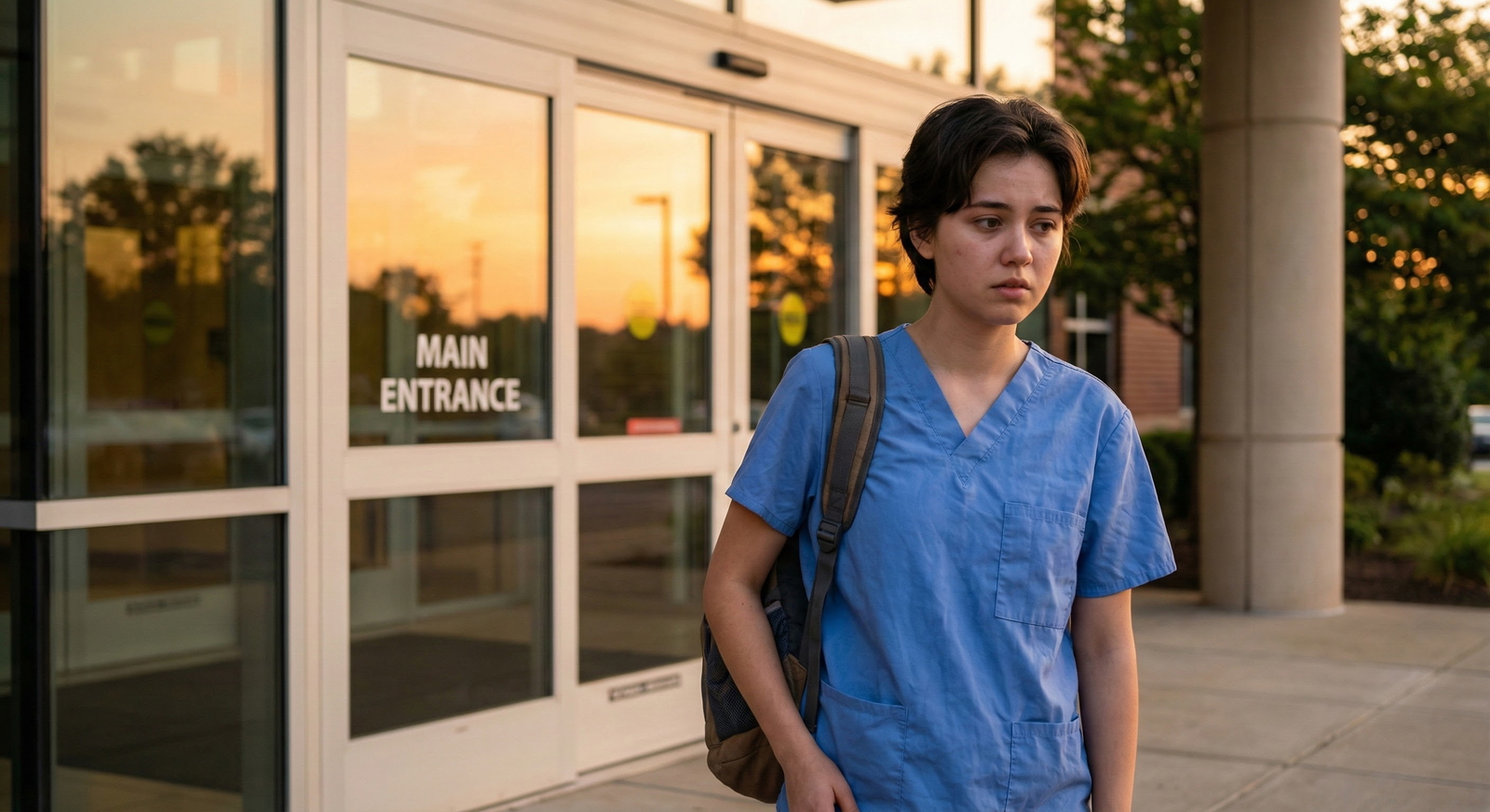
Not matching into residency can feel devastating—especially if you had your heart set on Atlanta residency programs and the broader Georgia residency ecosystem. But a failed match is a detour, not a permanent verdict on your career. Every year, strong candidates end up as an unmatched applicant for a variety of reasons, and many go on to secure excellent positions in subsequent cycles, including competitive programs in Atlanta.
Before planning your next steps, you need to understand what “didn’t match” truly means:
- You did not secure a training position through the NRMP Main Match (and possibly SOAP).
- It does not mean:
- You are unfit to practice medicine.
- You will never get a residency.
- You are “less than” your matched peers.
In the highly competitive Atlanta and Georgia residency market, a failed match can result from:
- Applying to too few programs or an unbalanced list.
- Overly geographically limited strategy (e.g., “Atlanta or nowhere”).
- Weaknesses in one or more pillars: scores, clinical experience, letters, or professionalism red flags.
- Poor interview skills or suboptimal communication with programs.
- Applying in oversubscribed specialties without a strong backup.
Your recovery plan must start with a sober analysis of what happened, especially if you’re targeting residency programs in Atlanta again.
Step 1: Immediate Post-Match Actions (First 2–4 Weeks)
After you learn you didn’t match, your first 2–4 weeks are critical for both emotional recovery and strategic planning. This period sets the tone for your entire recovery year.
1. Process the Emotional Impact Constructively
A failed match can trigger shame, anger, or fear about the future. These emotions are normal, but they’re dangerous if they paralyze you.
Healthy responses:
- Talk with trusted mentors, advisors, or mental health professionals.
- Connect with peers who matched and those who didn’t—both perspectives can be grounding.
- Give yourself a short, defined window (e.g., 3–5 days) to process before diving deeply into strategy.
Unhealthy responses to avoid:
- Disappearing from advisors or ignoring emails.
- Making rushed, drastic decisions (e.g., switching specialties overnight without analysis).
- Obsessively comparing yourself on forums or social media.
Your mindset matters; many program directors in Atlanta have seen excellent colleagues who didn’t match on their first try and now thrive in Georgia residency programs.
2. Conduct a Structured Post-Match Debrief
You can’t design a recovery plan without understanding why you didn’t match. Do this with data and with feedback:
Gather Your Application Data
Create a brief personal “application report” including:
- Number of programs applied to (by specialty and region).
- Number of interviews offered and attended.
- USMLE/COMLEX scores and attempts.
- Clerkship grades and honors.
- Research experiences and publications.
- US vs. international graduate status.
- Red flags (attempts, gaps, professionalism events, visa issues if applicable).
Get Expert Feedback
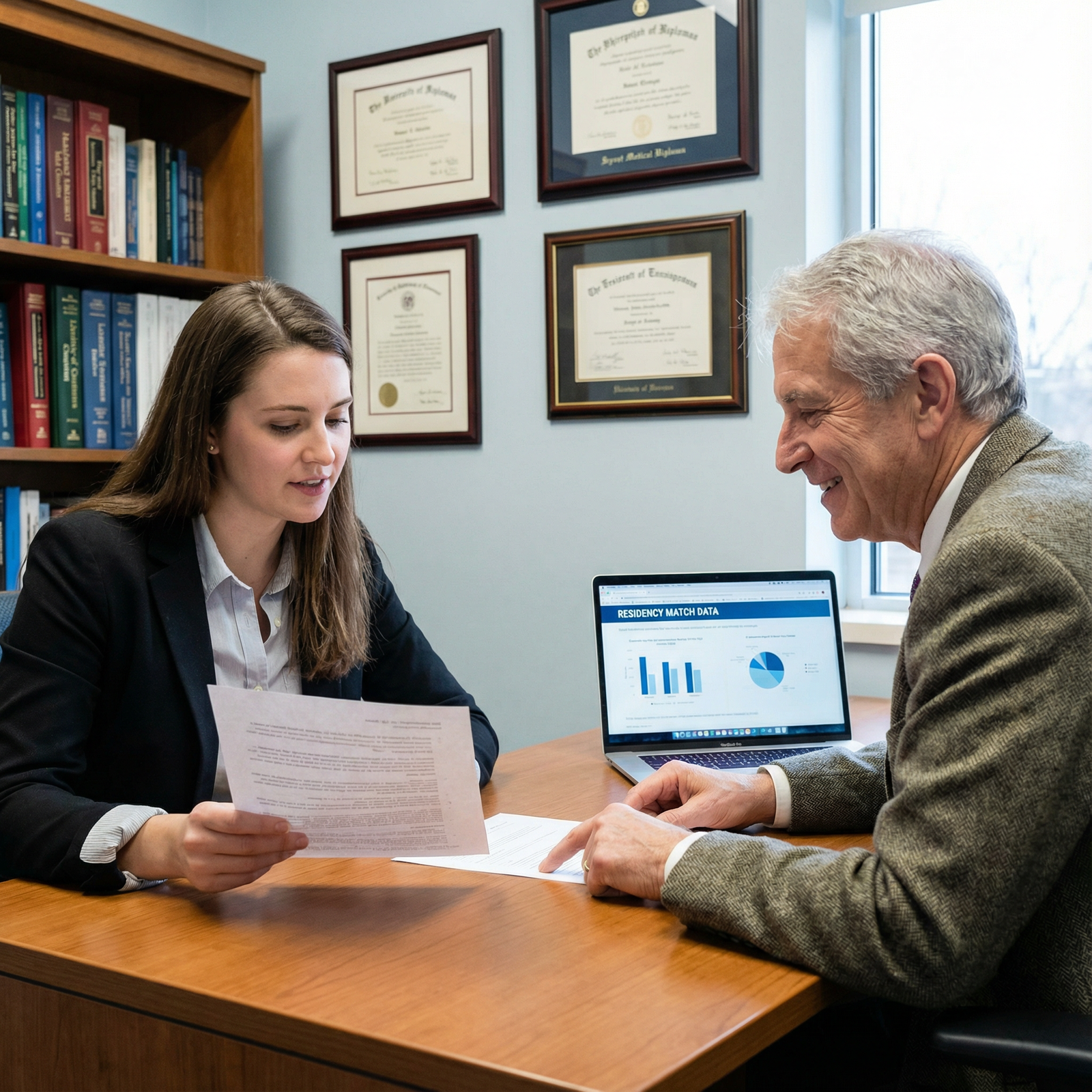
Book formal debriefs with:
- Your medical school’s dean or career advisor.
- Specialty-specific advisors.
- If possible, a faculty member in Atlanta or Georgia residency programs in your specialty (even if you didn’t apply there).
Ask direct questions:
- “Based on my profile, what are my biggest strengths?”
- “Where are the most limiting weaknesses?”
- “Would you advise I reapply to the same specialty, or consider a related field?”
- “What could I realistically improve in the next 6–12 months?”
Document all feedback in writing. Look for themes that appear across multiple advisors.

Step 2: Perform a Targeted Gap Analysis
Once you understand your overall situation, perform a gap analysis—a structured review of your application versus expectations for your target programs, especially in Atlanta.
Think in terms of the five pillars most Atlanta residency programs and Georgia residency directors consider:
Academic Metrics (USMLE/COMLEX, Class Rank)
- Were your Step/Level scores clearly below average for your target specialty?
- Any failures or multiple attempts?
- Class rank or GPA concerns?
Clinical Experience and Performance
- Did you have clinical rotations in your target specialty?
- Did you rotate in Atlanta or within Georgia residency programs, if Atlanta was your main focus?
- How strong were your clinical evaluations and narrative comments?
Letters of Recommendation
- Did you have at least 2–3 specialty-specific letters?
- Any letters from well-known faculty or program directors?
- Were letters updated or reused from prior years (if a reapplicant)?
Professionalism and Communication
- Any professionalism incidents, leaves of absence, or gaps not well explained?
- Were personal statement and ERAS entries polished and error-free?
- Did you interview confidently and professionally?
Program Fit and Strategy
- Did you apply to enough programs?
- Was your list overly skewed to highly competitive locations (e.g., only major academic hospitals in Atlanta)?
- Did you have a realistic backup specialty?
Example: Gap Analysis for an Atlanta-Focused Applicant
Consider an IMG who applied Internal Medicine:
- 35 total applications, all to large urban centers, with 12 to Atlanta residency programs.
- Step 1: 222, Step 2 CK: 228; no US clinical experience beyond observerships.
- 1 interview, no match.
Gap analysis might reveal:
- Insufficient number of programs overall.
- Overly concentrated in competitive metros like Atlanta with limited USCE.
- Lack of hands-on US clinical experience.
- Competitive pressure in Georgia residency programs that favor US graduates or those with local connections.
This level of clarity informs how you design your recovery year.
Step 3: Design a 12-Month Recovery Plan (Atlanta-Focused Options)
Once you understand your gaps, it’s time to build a concrete plan for the next cycle. If your ultimate goal is to join residency programs in Atlanta or elsewhere in Georgia, structure your year so that your narrative becomes: “I identified my weaknesses and worked systematically to close them.”
1. Strengthen Clinical Experience (Especially in Georgia/Atlanta)
For many unmatched applicants, clinical exposure is the most impactful area to improve.
Options to consider:
US Clinical Rotations or Externships
- Aim for hands-on roles (not just observerships) where allowed.
- Prioritize sites with strong teaching reputations or relationships with Atlanta residency programs.
- Seek roles where faculty are affiliated with Georgia residency institutions (e.g., Emory-affiliated hospitals, community programs in metro Atlanta, or nearby states feeding into Atlanta pipelines).
Transitional Roles in Healthcare
- Clinical research coordinator in an Atlanta academic center.
- Hospitalist scribe or advanced scribe roles.
- Quality improvement or care coordination positions within Georgia health systems.
Your goal is to be able to say on next year’s application:
“I spent the year deeply embedded in patient care and academic environments, particularly in the Atlanta/Georgia region, and here is what I contributed.”
2. Optimize Exam and Academic Profile
If exam performance was a barrier:
Retake Allowed Exams (if feasible and strategic)
- If you failed Step/Level 1 or 2, a subsequent strong performance is critical.
- Use a structured study plan, question banks, and, if needed, a tutor.
Demonstrate Ongoing Academic Rigor
- Complete evidence-based medicine courses.
- Earn certificates in related topics (e.g., ECG interpretation, critical care basics, population health).
- If near Atlanta, consider part-time coursework or a master’s in public health/clinical research (only if it fits your finances and timeline).
3. Strengthen Research and Scholarship
Research isn’t mandatory for all specialties, but it can be particularly valuable when targeting academic Atlanta residency programs.
Atlanta/Georgia-focused strategies:
- Reach out to faculty at:
- Emory University School of Medicine.
- Morehouse School of Medicine.
- Large community teaching hospitals in the Atlanta area.
- Offer to assist on ongoing projects in your field of interest:
- Retrospective chart reviews.
- Quality improvement or patient safety initiatives.
- Case reports or small series related to local patient populations.
Tactics:
- Send concise emails with:
- 3–4 sentences about your background.
- 1–2 sentences acknowledging your unmatched status and your commitment to improvement.
- A clear ask: “I’m seeking opportunities to contribute to ongoing research, QI, or educational projects.”
Even one or two abstracts, posters, or manuscripts can substantially strengthen your application—especially when your name appears alongside Atlanta-based institutions.
4. Rebuild Your Professional Story
Your goal is not just to collect activities but to shape a coherent narrative:
“I faced a setback in the Match, recognized my weaknesses, and then spent a dedicated year improving my clinical skills, research exposure, and understanding of the healthcare environment—particularly within the Atlanta and Georgia residency landscape. Here’s how that made me a better future resident.”
Make sure your activities support a story of:
- Resilience
- Self-awareness
- Commitment to underserved or specific populations (e.g., urban Atlanta communities, rural Georgia, specific disease focuses)
- Long-term engagement in your chosen specialty

Step 4: Reassess Specialty, Geography, and Application Strategy
Recovery after a failed match is not just about doing “more;” it’s also about making smarter choices the second time around.
Reevaluate Your Specialty
Ask yourself and your mentors:
- Was my specialty realistic given my metrics and experiences?
- Am I willing to apply more broadly geographically to remain in this specialty?
- Would a related specialty be a better fit if Atlanta location is a major priority?
Examples:
An applicant who didn’t match into categorical Internal Medicine in Atlanta might:
- Apply more broadly across the Southeast and beyond.
- Include community-based Georgia residency programs outside Atlanta.
- Consider preliminary positions with a clear path to categorical transition.
A failed match in very competitive fields (e.g., dermatology, neurosurgery) may benefit from:
- Considering more attainable specialties that still align with interests.
- Focusing on building a long-term academic niche that could reconnect to the original field (e.g., internal medicine with strong dermatology research).
Recalibrate Geographic Strategy
If you previously focused almost exclusively on Atlanta residency programs:
- Consider applying broadly across:
- Georgia (including Augusta, Savannah, Macon, Albany, and other cities).
- Neighboring states (Alabama, South Carolina, Tennessee, Florida, North Carolina).
- Maintain a cluster of programs in Atlanta, but do not restrict yourself.
Directors in Atlanta know their programs are highly sought after. Demonstrating flexibility and realistic planning can make you more appealing, not less.
Expand and Balance Your Program List
When you reapply:
- Aim for a larger, well-stratified list:
- Reach programs (dream Atlanta academic centers).
- Solid programs (academic and community hospitals across Georgia and the Southeast).
- Safety programs (smaller community programs, new programs, or those in less competitive locations).
For many unmatched applicants, increasing applications from, say, 40–60 to 80–120 (depending on specialty) can significantly improve their odds—especially when paired with a stronger application.
Step 5: Communicating Your “Failed Match” Year Strategically
You will need to address your unmatched status directly—but confidently—on your next application. Program directors in Atlanta and beyond want to see ownership and growth, not avoidance.
Your Personal Statement
Key elements to include:
- Brief acknowledgment of the failed match:
- 1–2 sentences, without self-pity.
- Honest reflection:
- What you learned about yourself and your goals.
- Concrete actions:
- Specific skills or experiences gained in the “gap” year.
- Forward-looking perspective:
- Why you are now better prepared for residency, particularly in the Atlanta and Georgia residency context if relevant.
Example framing:
“After not matching in the 2025 cycle, I took the opportunity to examine my application and identify areas for growth. Over the following year, I immersed myself in inpatient medicine as a research assistant at an academic hospital in Atlanta, where I participated in daily rounds, contributed to a quality improvement project on readmission reduction, and strengthened my clinical reasoning through direct mentorship from faculty. This experience reaffirmed my commitment to Internal Medicine and equipped me with the resilience, clarity, and clinical maturity I will bring to residency training.”
Letters of Recommendation
Aim to include at least one letter that:
- Speaks directly to your growth since the failed match.
- Comes from your recent clinical or research supervisor (ideally in Georgia or Atlanta if you’ve been working there).
- Emphasizes reliability, professionalism, and teachability.
If possible, ask your letter writer to address:
- Your response to not matching.
- Your work ethic and resilience.
- Your collaboration and communication skills in the clinical environment.
Interviews: How to Discuss a Failed Match
When asked about your unmatched status, use a concise, three-step structure:
Acknowledge:
“I did not match in the previous cycle.”Reflect:
“In reviewing my application with mentors, we identified that my limited US clinical experience and overly narrow geographic focus—primarily on Atlanta residency programs—were significant factors.”Demonstrate Growth:
“In response, I completed six months of hands-on hospital experience in Georgia, contributed to a quality improvement project, obtained new letters, and broadened my applications. The experience deepened my understanding of the healthcare landscape in this region and reinforced my commitment to residency training.”
Avoid blaming specific programs, the system, or “bad luck”; focus instead on your adaptive response.
Atlanta- and Georgia-Specific Considerations for Unmatched Applicants
Because your focus is on failed match recovery with an eye on Atlanta, it’s worth understanding some regional nuances.
The Atlanta Residency Ecosystem
Atlanta hosts a mix of:
- Major academic medical centers (e.g., Emory-affiliated hospitals).
- Historically Black medical institutions (e.g., Morehouse School of Medicine).
- Community-based and safety-net hospitals embedded in diverse urban neighborhoods.
These programs value:
- Commitment to underserved communities.
- Cultural humility and diversity.
- Interest in urban health, health equity, and chronic disease management prevalent in the region.
If you want to reapply to Atlanta residency programs:
- Tailor your experiences and personal statement to highlight:
- Work with socioeconomically diverse patient populations.
- Interest in addressing healthcare disparities.
- Any prior time spent living, rotating, or working in Georgia.
Building Local Connections
To strengthen your candidacy for Georgia residency opportunities:
- Attend regional conferences (e.g., state ACP/AAFP/ACS meetings in Georgia).
- Join or reconnect with alumni from your medical school who practice in Atlanta.
- Seek mentorship from Georgia-based physicians in your specialty.
Many positions and interview invites are influenced by:
- Personal recommendations.
- Evidence that you understand and genuinely want to serve the local patient population.
Putting It All Together: A Sample 12-Month Recovery Timeline
Below is a sample timeline for an applicant who didn’t match and aims to reapply to Internal Medicine, with a strong preference for Atlanta or Georgia residency programs:
Months 1–2 (March–April)
- Emotional recovery and detailed debrief with advisors.
- Perform gap analysis and define main improvement targets.
- Reach out to contacts in Atlanta and Georgia for clinical or research roles.
Months 3–6 (May–August)
- Start a research assistant position at a Georgia hospital (ideally Atlanta-based).
- Join inpatient and outpatient teams as appropriate; attend conferences.
- Begin or continue dedicated exam prep if any retakes or Step 3 are planned.
- Draft personal statement outline with your new narrative.
Months 7–8 (August–September)
- Finalize ERAS application with updated CV, PS, and recent letters.
- Apply broadly: Georgia residency programs (including Atlanta) plus a wide array of programs in other states.
- Maintain ongoing research or clinical duties to show continuity.
Months 9–12 (October–January)
- Prepare intensively for interviews: mock interviews, common questions, and specific answers about your “failed match” year.
- Attend interviews, continue clinical/research work.
- After each interview, reflect: what went well, what to improve?
Throughout the year, continually build a narrative of intentional growth, not passive waiting.
Frequently Asked Questions (FAQ)
1. I didn’t match and I’m an international medical graduate. Do I still have a chance in Atlanta or Georgia residency programs?
Yes, many international medical graduates successfully match into Georgia residency programs, including some in Atlanta, after an initial failed match. Your chances improve if you:
- Obtain strong US clinical experience (ideally hands-on).
- Develop relationships with faculty who can vouch for you.
- Improve any weak exam scores where possible.
- Apply broadly beyond just Atlanta and consider community programs as well as academic centers.
2. Should I explain in detail why I failed the match in my personal statement?
You should acknowledge your unmatched status but keep it concise and forward-focused. Avoid a long, detailed narrative about every factor or disappointment. Instead:
- Briefly mention that you didn’t match.
- Summarize what you learned.
- Focus the majority of your statement on how you’ve grown and why you are now a stronger candidate.
3. Is it a bad idea to focus mainly on Atlanta residency programs again next year?
It’s acceptable to have a regional preference, but it’s risky to focus only on Atlanta after a failed match. Competitive cities often receive far more applications than available positions. A safer approach is:
- Include Atlanta residency programs on your list.
- Apply to a broad mix of Georgia residency programs outside Atlanta.
- Extend your applications to multiple states and program types (academic and community).
4. How many times can I reapply after a failed match before programs stop considering me?
There is no fixed limit, but your chances are generally highest in the first 1–2 reapplication cycles, especially if you:
- Show clear, meaningful changes with each attempt.
- Avoid long, unexplained gaps.
- Present a coherent, evolving narrative rather than repeated, unchanged applications.
Programs in Atlanta and elsewhere will look closely at what you did between cycles. If each year shows genuine progress, you remain a viable candidate.
A failed match is painful, but it doesn’t define your future. With honest reflection, a structured recovery plan, and strategic engagement with Atlanta and Georgia residency opportunities, you can transform this setback into the foundation of a more mature, resilient, and compelling application.