Understanding a Failed Match in the Bay Area Context
Not matching into residency is emotionally brutal, especially in a competitive region like the San Francisco Bay Area. Whether you targeted a specific San Francisco residency or a broader Bay Area residency list, opening your email and seeing “didnt match” or learning you’re an unmatched applicant can feel like a personal failure.
It isn’t.
A failed match is a data point, not a verdict on your future as a physician. Every year, strong candidates—including AOA members, high USMLE scorers, and published researchers—do not match. In the Bay Area, where programs are extremely selective and often receive thousands of applications for a handful of spots, this is even more common.
Why the Bay Area Is Particularly Competitive
The San Francisco Bay Area attracts applicants from across the country and the world for several reasons:
- Prestige and reputation: UCSF, Stanford, and affiliated programs are consistently top-ranked.
- Research density: Proximity to biotech, pharma, and academic research hubs.
- Lifestyle & geography: Mild climate, cultural diversity, and urban amenities.
- Tech-healthcare ecosystem: Digital health startups, AI in medicine, and health systems innovation.
This means:
- You’re competing with a very large and very strong applicant pool.
- Many applicants treat a Bay Area residency as their “dream destination,” overconcentrating their rank list.
- Some specialties (Dermatology, Plastic Surgery, Orthopedics, Radiology, Anesthesia) are already highly competitive nationally, and even more so in San Francisco.
Understanding this context is key to reframing a failed match. It often reflects structural competition, not personal inadequacy.
Immediate Steps After a Failed Match: Stabilize, Assess, Act
The 48–72 hours after learning you’re unmatched are critical. What you do here can set you up for both a short-term recovery plan and a stronger reapplication, especially if your target remains a San Francisco residency or broader Bay Area residency.
Step 1: Manage the Emotional Impact
Before strategy, you need stability.
- Allow yourself to grieve: Anger, shame, numbness—these are normal.
- Protect your confidence: Do not equate “unmatched applicant” with “unqualified physician.”
- Limit social comparison: Temporarily step away from social media where others are posting match celebrations.
- Identify your support circle: Faculty mentor, dean, trusted peers, family, or a therapist.
You will think and plan better once you’ve given yourself permission to feel the disappointment.
Step 2: Clarify Your Official Match Status
Your options differ depending on what exactly happened:
Didn’t match at all (unmatched applicant)
– Eligible to participate in SOAP (if you registered for NRMP and ERAS appropriately).
– Need an immediate short-term plan plus a 6–12 month backup strategy.Partially matched (e.g., advanced but no prelim, or prelim but no advanced)
– Still likely eligible for SOAP or supplemental opportunities.
– Strategy will focus on:- Securing a missing year (TY, prelim medicine/surgery).
- Exploring research or supplemental clinical roles if the advanced position is in a future year.
Failed to submit a rank list on time / technical issues
– Painful but fixable. You’ll manage this much like an unmatched applicant, but your narrative and advisor support may be stronger.
Clarify your status with your dean’s office or advising office the same day the match results are released.
Step 3: Activate Emergency Advising
In the Bay Area especially, timing is everything. Contact:
Your medical school’s dean of students or career advising office
Ask for:- An emergency advising meeting (same day or next).
- A review of your specialty choice and application metrics.
- Honest feedback about reapplying to Bay Area programs vs. broadening.
Specialty-specific mentors (e.g., IM program director, Surgery chair)
Request:- A frank assessment of your competitiveness in your chosen specialty.
- Recommendations for pivot specialties if needed.
- Bay Area contacts who might offer research, observerships, or preliminary positions.
If you went unmatched in the context of multiple California or San Francisco residency programs, let advisors know your regional preference. They may know local opportunities that never get widely advertised.

Strategic Recovery Options in the San Francisco Bay Area
After the immediate shock, you need a structured, year-long recovery plan tailored to the Bay Area landscape. Think in terms of:
- Short-term options (this cycle’s SOAP and immediate work)
- Medium-term options (12–24 months of strengthening activities)
- Long-term goal (matching next cycle, possibly in the Bay Area)
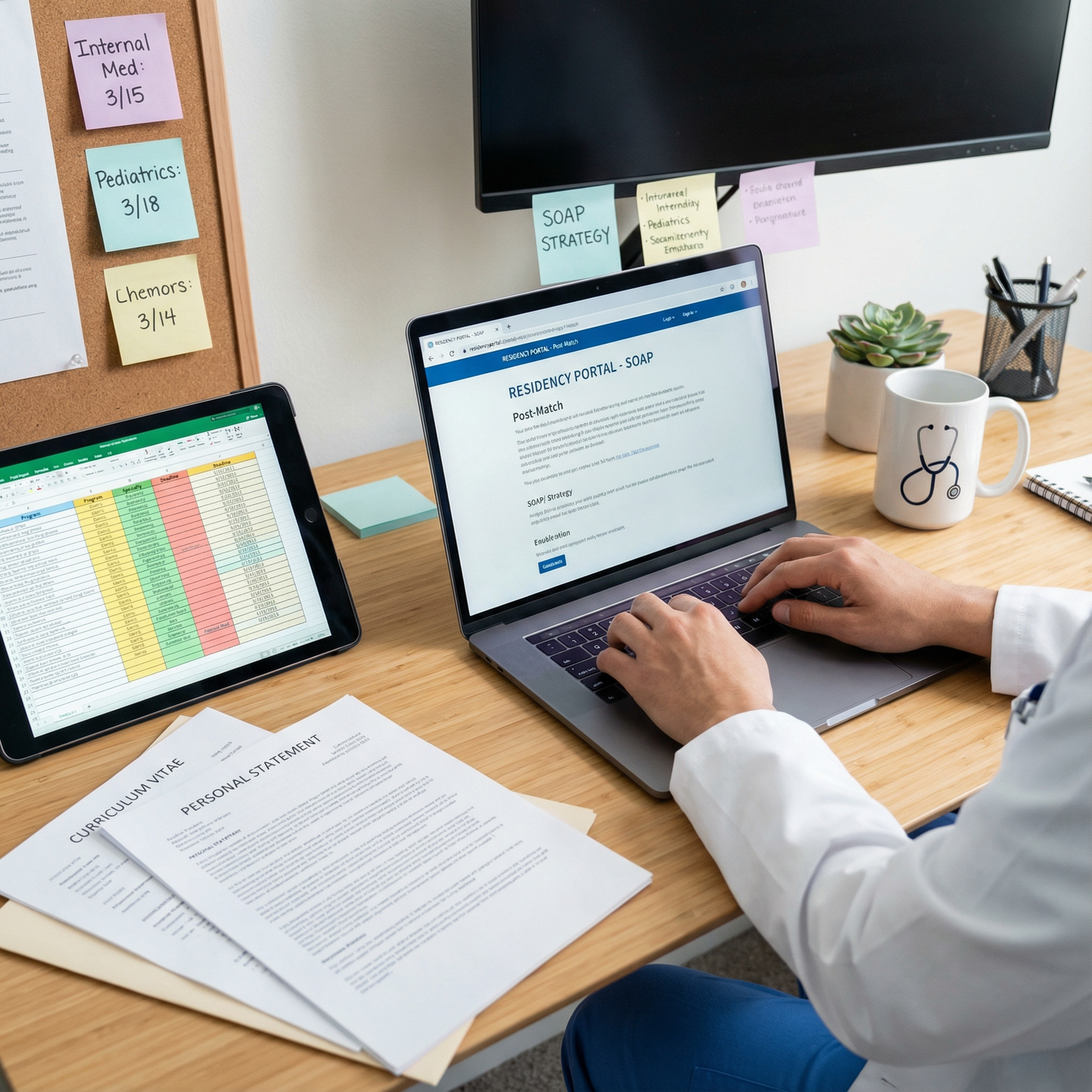
1. SOAP and Last-Minute Positions
If you’re eligible for SOAP:
- Be flexible with geography and specialty, at least for this year.
- Do not limit yourself to Bay Area spots only. Most open positions during SOAP are outside major metro hotspots like San Francisco.
- Prioritize categorical or prelim IM/TY if your long-term plan is:
- Internal Medicine, Neurology, Radiology, Anesthesia, or PM&R.
- Consider prelim Surgery if your long-term target is surgical, but understand the higher workload and reapplication demands.
A one-year position outside the Bay Area is not the end of a future Bay Area residency. Many San Francisco residency trainees did prelim or prior training elsewhere and moved later.
2. Bay Area–Based Gap-Year Roles
If you cannot or choose not to secure a SOAP position, consider a structured gap year in the Bay Area. This can make you a more appealing candidate to local programs next cycle.
Key categories:
A. Research Positions (Paid or Volunteer)
The Bay Area is rich with clinical and translational research opportunities:
- UCSF (multiple campuses: Parnassus, Mission Bay, Zuckerberg San Francisco General)
- Stanford (Palo Alto and Redwood City)
- VA Medical Centers (San Francisco VA, Palo Alto VA)
- Kaiser Permanente (Oakland, San Francisco, Santa Clara)
- Sutter Health / CPMC and other health systems
- Biotech & health-tech companies (South San Francisco, San Mateo, Oakland, San Jose)
Beneficial research roles:
- Clinical trial coordinator or research assistant in your target specialty.
- Outcomes research in population health, informatics, or quality improvement.
- Health-tech or AI-in-medicine research (especially attractive for Bay Area programs).
How to approach it:
- Email faculty with:
- A brief description of your background.
- A 1-page CV.
- Clear statement: you are an unmatched applicant seeking to strengthen your record.
- Highlight:
- Prior research experience (posters, abstracts).
- Data analysis skills (R, Python, SPSS, STATA).
- Interest in long-term collaboration (12+ months).
This type of gap year, anchored at UCSF or Stanford, can dramatically improve your odds of landing a Bay Area residency on reapplication.
B. Clinical Experience Roles
Depending on your visa and licensure status, options may include:
- Clinical research with patient-facing components (e.g., screening, consent, data collection).
- Quality Improvement (QI) fellowships in major health systems.
- Medical scribe roles in large Bay Area hospitals or clinics (especially in your target specialty).
- Physician-extender type roles (where allowed; more common for international grads with local connections).
These provide:
- Strong letters from local attendings.
- Familiarity with local healthcare culture, EMR systems, and interdisciplinary teams.
- Credibility as someone already functioning in the Bay Area system.
3. Specialty Pivot vs. Persistence: Bay Area Considerations
For some applicants, failed match recovery means staying in the same specialty and strengthening the file. For others, it means a thoughtful pivot.
Ask yourself and your advisors:
- Were your scores, grades, and letters within the typical range for your specialty, especially in California and the Bay Area?
- Did you receive interviews from Bay Area or San Francisco residency programs, even if you didn’t rank enough?
- Were there red flags—a failed Step, professionalism concern, or large score gap?
Persisting in the Same Specialty
Staying in the same specialty makes sense if:
- You had decent interview numbers but didn’t match (rank list issue, too few programs, strong competition).
- Your academic metrics are close to or within range, but you lacked:
- Strong letters.
- Home program advocacy.
- Regionally relevant experience (such as local research or clinical exposure).
In this scenario, a Bay Area research or clinical year can be very powerful. You can build:
- Local mentors who know program leadership.
- Presentations at regional conferences.
- A more Bay-Area-focused narrative.
Strategically Pivoting Specialties
A pivot may be wise if:
- Your scores and portfolio are far below average for your original specialty.
- You had very few or no interviews anywhere in the country.
- You have limited ability or desire to relocate repeatedly.
Bay Area-friendly pivot specialties (depending on background):
- Internal Medicine (many programs, broad opportunities).
- Family Medicine (community programs across the Bay).
- Psychiatry (still competitive, but with diverse program types).
- Pediatrics (multiple training sites in the region).
- Pathology, PM&R, Occupational & Preventive Medicine (more niche, but present).
A strategic pivot does not mean abandoning your interests. For example:
- A student who didnt match in Dermatology might pivot to Internal Medicine, then seek a dermatology-heavy practice, or apply for a dermatology fellowship in complex medical dermatology.
- A failed match in Orthopedic Surgery could pivot to PM&R with a focus on sports medicine and musculoskeletal rehab.
Strengthening Your Application for Next Cycle
To convert a failed match into a successful one—especially in a desirable market like a Bay Area residency—you’ll need to systematically upgrade your profile.
1. Honest Gap Analysis
Review your prior application with a mentor or advisor:
- Board exam scores: Step 1 (even pass/fail context), Step 2 CK, any Step failures.
- Clerkship grades and narrative comments: Honors vs. Pass; any professionalism issues.
- Letters of recommendation: At least 1–2 strong specialty-specific letters? Any from Bay Area faculty?
- Research and scholarly work: Publications, posters, QI projects.
- Personal statement and ERAS content:
- Was your narrative coherent and reflective?
- Did it demonstrate insight, resilience, and fit with the specialty?
Identify 3–5 high-yield weaknesses and create a written plan to address each over the coming year.
2. Building a Stronger Narrative: From “Failed Match” to “Resilient Physician”
You will need to explain being an unmatched applicant in:
- Your personal statement.
- Some interview conversations.
- Possibly an advisor or PD email.
Key principles:
Own it without self-destruction:
“I did not match this year” is factual; avoid defensive or self-pitying language.Describe your response:
“In response, I sought out a research position in quality improvement at UCSF, where I have been leading a project on readmission reduction in heart failure patients.”Show growth:
Highlight skills gained—research methods, QI, teaching, language skills, or leadership.Connect to your specialty:
Emphasize how the gap year deepened your commitment and clarified your career goals.
Bay Area programs value reflection, humility, and purpose as much as raw metrics.
3. Tactical Reapplication Adjustments
When you re-enter the match:
Apply broadly again—but with smarter targeting.
- Include a range of academic, university-affiliated community, and purely community programs.
- Do not limit yourself to the San Francisco Bay Area, but do include it as a high-priority region.
Optimize your letters:
- At least one strong letter from a Bay Area mentor if possible.
- Refresh old letters if more than one year old or if your relationship with the writer has deepened.
- Ensure at least one letter addresses your growth since the failed match.
Update your CV meaningfully:
- Emphasize concrete outputs: posters, manuscripts, QI projects, leadership roles.
- Include ongoing projects with clear roles and endpoints.
Consider Step 3 (if appropriate):
- Passing Step 3 can reassure programs, especially for IMGs or those with Step 1/2 struggles.
- Especially useful if applying to Internal Medicine, Family Medicine, or Psychiatry.
Targeted outreach to programs:
- If you’ve been working in the Bay Area, your mentors may be willing to email PDs on your behalf.
- You may also send brief, professional emails to programs where you have a legitimate connection (e.g., local research site, prior rotation).

Practical Bay Area–Specific Tips and Examples
To ground these ideas, here are concrete scenarios and how to navigate them in the San Francisco Bay Area context.
Example 1: US Grad, No Match in Internal Medicine, Wants to Stay in Bay Area
Profile:
- US MD, Step 1 pass, Step 2 CK 222
- Limited research, strong clinical comments
- Applied mostly to California and a few West Coast programs, 8 interviews, did not match
Year-Long Plan:
- Research Assistant Role at UCSF or SFVA in hospital medicine or cardiology.
- Take Step 3 by mid-year and pass.
- Lead a QI project on readmission reduction or antibiotic stewardship.
- Obtain strong letters from Bay Area attendings who directly observed work.
- Reapply to IM broadly (nationwide), with special focus on:
- Community and university-affiliated programs.
- Some San Francisco residency and East Bay programs due to geographic alignment and new Bay Area mentors.
Example 2: IMG, Didn’t Match in Pathology, Already Living in San Jose
Profile:
- IMG with decent Steps (240+), one pathology observership.
- Very few interviews, none in California.
Year-Long Plan:
- Volunteer or paid research in a pathology or oncology lab at Stanford or a Bay Area hospital.
- Present posters at pathology conferences (USCAP, CAP).
- Network with local pathologists, including community practices who might advise on program fit.
- Improve communication skills; consider a medical English course or communication workshops.
- Reapply to pathology nationwide, now with:
- US research.
- Strong local mentor letters.
- A clearer narrative of commitment to pathology.
Example 3: Failed Match in a Highly Competitive Field (Bay Area Focus)
Profile:
- US DO, applied to Dermatology with limited research, no home program.
- Zero interviews.
Bay-Area-Focused Recovery:
- Pivot to Internal Medicine or Family Medicine, with additional interest in dermatology.
- Secure a clinical or research role in cutaneous oncology or general dermatology at UCSF, Stanford, or Kaiser.
- Work with mentors to develop:
- A realistic perspective on derm fellowship vs. primary care with a derm emphasis.
- A strong application to IM or FM with dermatology-flavored goals (complex chronic disease, skin of color, LGBTQ+ health, etc.).
- Reapply in IM or FM broadly, including Bay Area programs where your mentors can advocate.
Protecting Your Well-Being and Career Trajectory
A failed match can easily become a burnout trigger. To build a sustainable recovery:
Maintain Structure
Even in a research or gap year, keep a clinical mindset:
- Wake up at consistent hours.
- Set weekly goals for reading, research, or QI tasks.
- Join journal clubs or grand rounds at UCSF/Stanford or local hospitals—many have public or Zoom access.
Build Community in the Bay Area
If you’re living locally:
- Join local medical societies (San Francisco Marin Medical Society, Santa Clara County Medical Association, etc.).
- Attend free or low-cost CME events; talk to presenters after sessions.
- Connect with other unmatched or reapplying graduates; peer support matters.
Financial Planning
The Bay Area is expensive. As you choose roles:
- Clarify salary or stipend before committing to any research/clinical position.
- Consider roommates or shared housing.
- Look into loan forbearance or income-driven repayment if applicable.
Planning your finances reduces stress and makes it more realistic to stay in the region during your recovery year.
FAQs About Failed Match Recovery in the San Francisco Bay Area
1. Is it realistic to still aim for a San Francisco residency after I didn’t match?
Yes, but you should be strategic, not fixated. Many residents in Bay Area programs did a prelim year, research year, or even a first residency elsewhere before coming to San Francisco. Your odds improve significantly if you:
- Gain local experience (research or clinical).
- Earn strong letters from Bay Area mentors.
- Apply broadly nationwide, with the Bay Area as a priority but not the only goal.
2. Will being an unmatched applicant permanently hurt my chances?
It is a disadvantage, but not a permanent barrier. Programs will ask why you didnt match; your response matters more than the fact itself. If you can show:
- Insight into what went wrong the first time.
- Concrete steps you took to improve (research, QI, exams, communication).
- Strong performance and recommendations over your gap year,
then many programs—Bay Area included—will view you as a resilient, more mature candidate.
3. What if I can’t find a paid research position in the Bay Area?
Unpaid or part-time roles can still help, as long as:
- You have clear responsibilities and mentorship.
- You can realistically cover living expenses (consider outside employment or remote work).
You might:
- Start with volunteer work in a lab and transition to a paid role once you prove your value.
- Explore remote research roles while attending in-person conferences or grand rounds to build Bay Area connections.
- Seek positions at community hospitals or smaller health systems in the broader Bay Area (e.g., East Bay, North Bay, South Bay).
4. How do I explain my failed match in interviews without sounding negative?
Use a concise, forward-looking structure:
- State the fact: “I applied to X last year and did not match.”
- Brief cause analysis: “In retrospect, I applied too narrowly/COVID limited my rotations/I lacked specialty-specific research.”
- Describe your response: “I took a research position in Y at Z institution, where I’ve done A, B, and C.”
- Highlight growth: “This experience confirmed my commitment to the specialty and strengthened my skills in teamwork, communication, and patient-centered care.”
Keep it honest, brief, and focused on growth, not blame.
A failed match is one of the hardest professional moments you may face, but it does not define your career. In the San Francisco Bay Area, where opportunities for research, innovation, and mentorship abound, a thoughtful recovery plan can turn an unmatched year into the most transformative twelve months of your professional life.