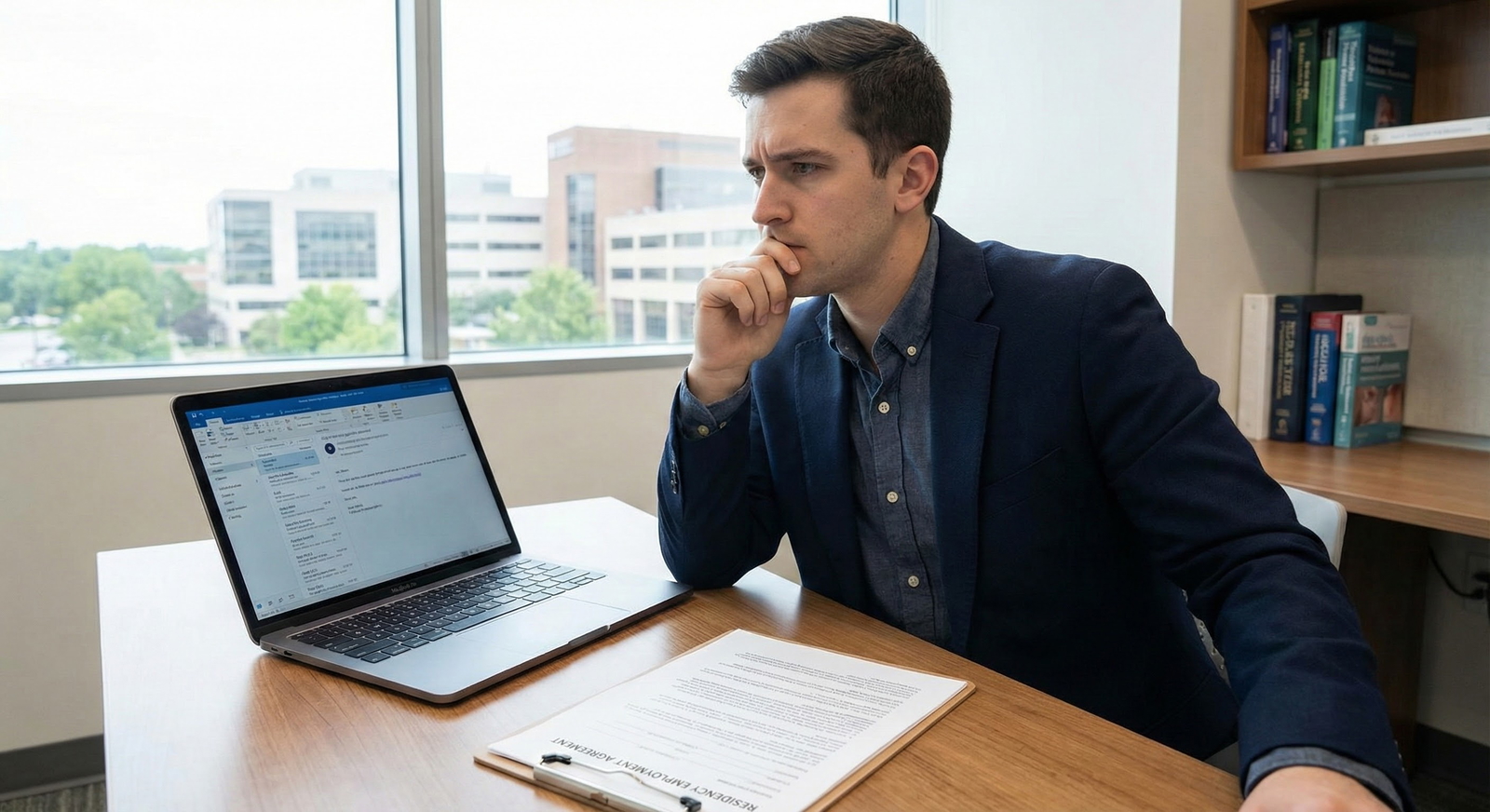
Boston is one of the most competitive regions in the country for residency training. When Match Day ends and your name isn’t on a residency list in Massachusetts or elsewhere, the disappointment can feel overwhelming—especially if you had your heart set on Boston residency programs. But a failed Match is not a failed career. It’s a serious setback, yes—but one that many physicians have experienced, recovered from, and turned into a stronger, more focused path to residency.
This guide is designed specifically for applicants who didn’t match and are considering, or still hoping for, residencies in Boston or greater Massachusetts. It will walk you through what to do immediately after the failed Match, how to strategically rebuild your application, and how to position yourself competitively for Boston programs in the next cycle.
Understanding a Failed Match in the Boston Context
Before you decide what to do next, you need to understand why you didn’t match. The reasons are often multi-factorial, and in a region as competitive as Boston, small weaknesses are magnified.
Why Boston and Massachusetts Are So Competitive
Boston and broader Massachusetts residency programs attract applicants from all over the world because of:
- Major academic centers (Mass General, Brigham and Women’s, Beth Israel Deaconess, Boston Medical Center, Tufts, etc.)
- Strong fellowship pipelines and research infrastructure
- Prestigious faculty and subspecialty programs
- High patient volume and diverse populations
- Perception that training here opens doors nationally and internationally
This environment means that even strong candidates—US MDs with solid scores and clinical evaluations—sometimes don’t match in Boston and must either match elsewhere or go unmatched.
Common Reasons Applicants Don’t Match
Some of the most frequent contributors to a failed match, especially in competitive regions like Boston, include:
Overly narrow geographic focus
Ranking only Boston residency programs or only a few Massachusetts residency sites in very competitive specialties.Too few programs ranked
Applicants applying to 20–30 total programs in a competitive specialty when their profile calls for 60–80 or more.Misalignment between competitiveness and target specialty
Trying for highly competitive specialties (e.g., dermatology, plastic surgery, orthopedic surgery, radiation oncology, neurosurgery) without an appropriately strong research portfolio, board scores, and letters.Application red flags
- USMLE/COMLEX failures or low scores
- Gaps in training or unexplained time off
- professionalism concerns or disciplinary history
- Poor or generic letters of recommendation
Weak or unfocused personal statement and experiences
Essays that do not clearly articulate your story, your fit for the specialty, and your genuine interest in the program’s mission or region.Limited US clinical experience (USCE)
Particularly for international medical graduates (IMGs), insufficient hands-on US rotations or lack of Boston/Massachusetts exposure.
The key first step in failed match recovery is to identify which of these apply to you.
Immediate Steps Right After You Didn’t Match
Once the initial shock passes, you need a structured plan—especially if your ultimate goal remains a spot in a Boston or Massachusetts residency program.
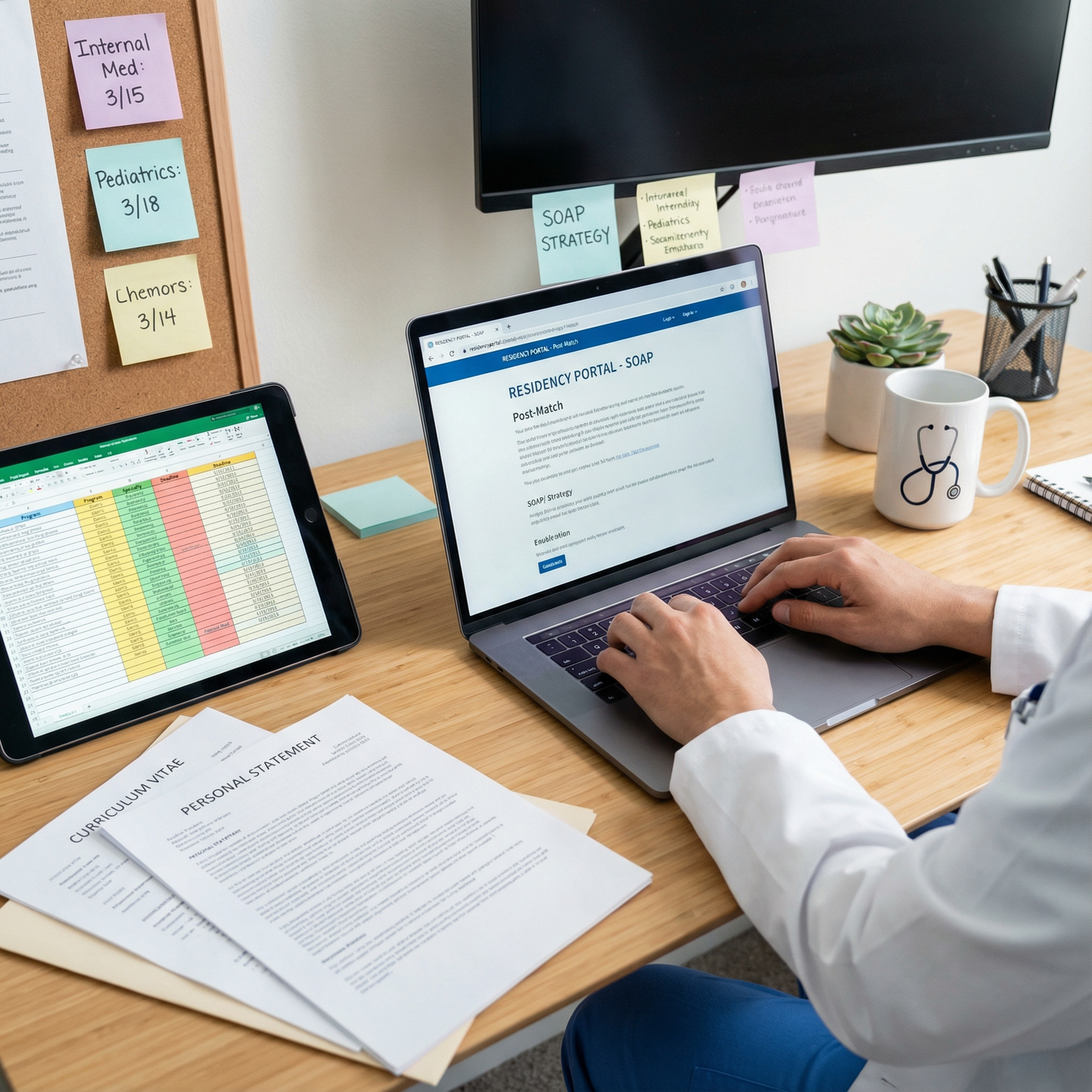
Step 1: Use the Supplemental Offer and Acceptance Program (SOAP) Strategically
If you discover on Monday of Match Week that you’re an unmatched applicant (or partially matched), your priority is SOAP.
If you are still in the SOAP window:
Review the List of Unfilled Programs
Look for:- Any programs in Massachusetts (Boston or elsewhere)
- Programs that regularly take applicants with your profile
- Specialties that you would genuinely consider for your long-term career
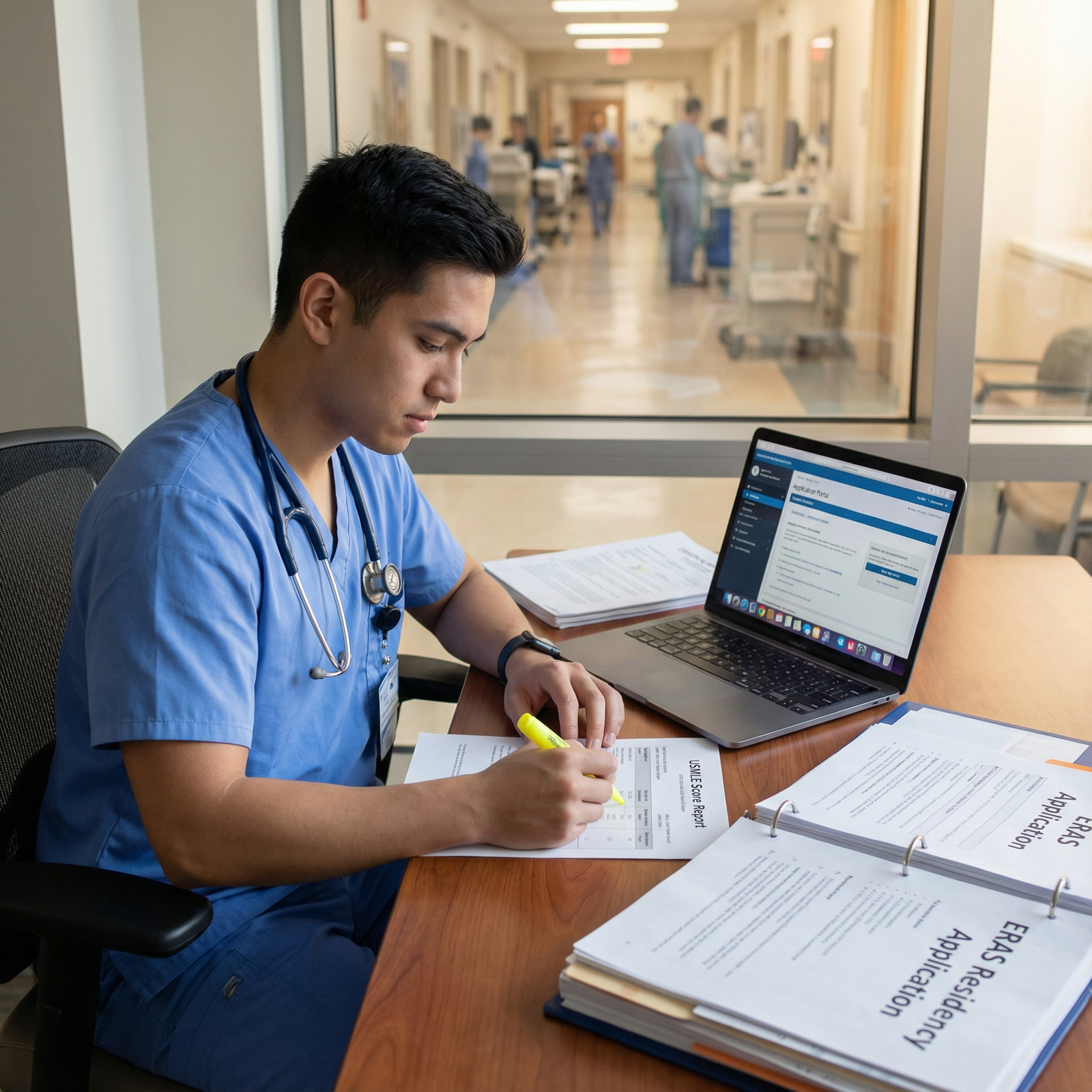
Optimize Your ERAS Application Quickly
- Update your personal statement to be specialty-specific.
- Clean up your experiences section—emphasize leadership, teamwork, patient care, and any quality improvement or research.
- Ask mentors for quick targeted letters if you’re pivoting to a different specialty.
Apply Broadly and Realistically
- Don’t limit yourself only to Boston, even if that’s your ultimate goal.
- Consider community programs, smaller hospitals, or programs in other regions that train solid clinicians and may later allow you to pursue fellowship in Boston.
If SOAP has ended and you still don’t have a position, accept that your path will likely involve a reapplication year—and that this can still lead to a Massachusetts residency match down the line.
Step 2: Allow Yourself Emotional Space—Then Shift to Planning
A failed match is psychologically heavy. Before jumping into logistics:
- Take at least a few days to process what happened.
- Talk with supportive peers, mentors, or family.
- Recognize that many successful Boston residents have once been unmatched applicants.
Then, set a date (usually within 1–2 weeks) to pivot from grieving to active planning.
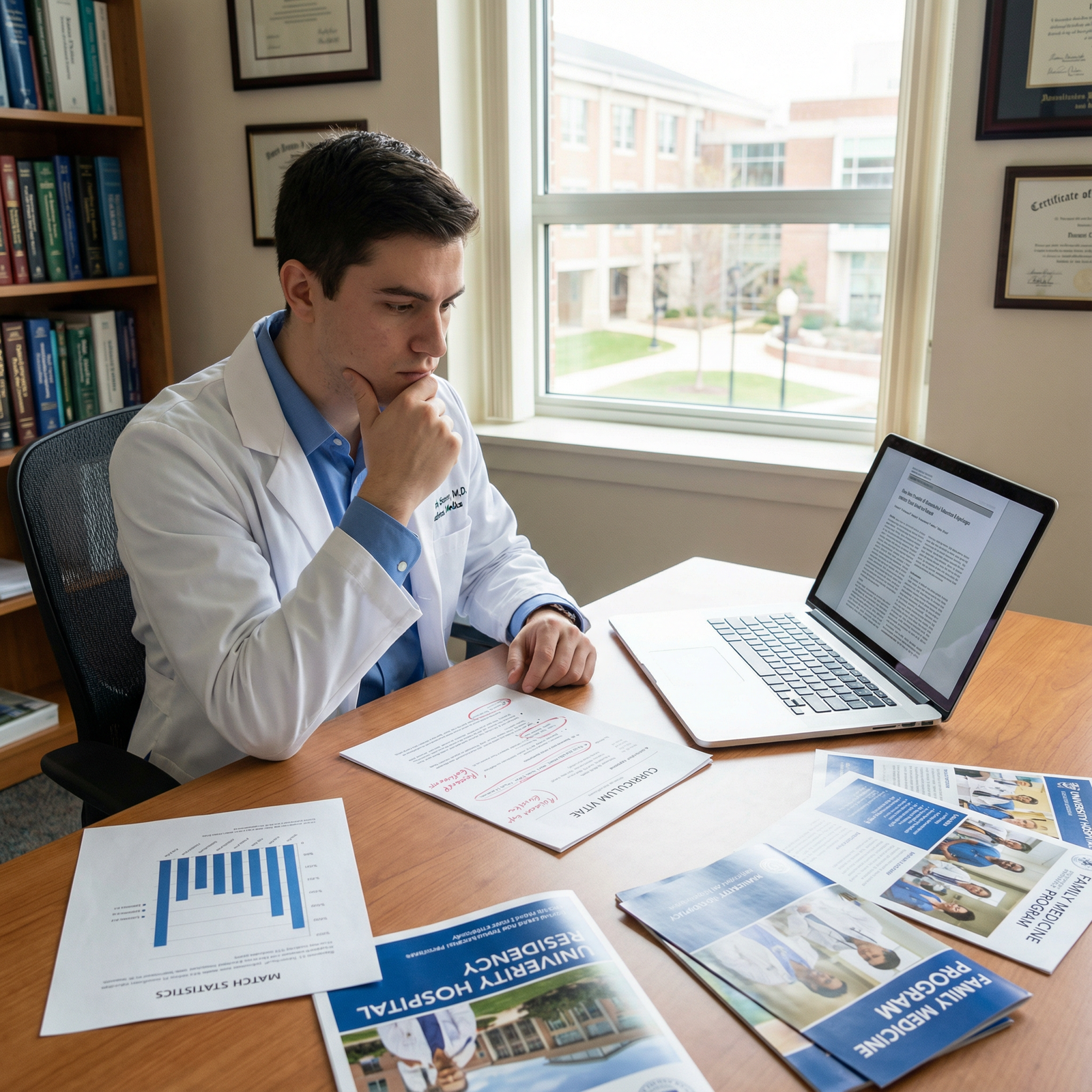
Step 3: Conduct a Structured Post-Match Autopsy
Be honest and data-driven. Consider:
Numbers
- USMLE Step 1/2 or COMLEX scores relative to matched averages in your specialty.
- Number of programs applied to and ranked.
- Number of interviews attended.
Content
- Were your letters strong and from the right people?
- Did your personal statement tell a compelling, coherent story?
- Did you have Boston- or Massachusetts-specific ties if you focused there?
Fit and Communication
- How did your interviews go?
- Did you express genuine interest in programs or sound generic?
If possible, ask program directors (PDs) for feedback, especially at Boston programs where you interviewed. Some will respond, many will not—but even one honest conversation can reshape your strategy.
Building a Strong Gap Year Strategy Focused on Boston and Massachusetts
The year after you didn’t match is pivotal. A vague or unfocused year is a common reason reapplicants struggle. A purposeful, structured year can transform your candidacy—especially if you’re aiming for Boston residency programs.

Core Goals for the Gap Year
Your activities should clearly address the main reasons for your failed match. Typically, your goals will include:
- Strengthen your academic and clinical profile
- Demonstrate specialty commitment
- Gain or deepen US clinical experience (USCE)
- Build relationships with faculty who can advocate for you
- Create or solidify ties to Boston/Massachusetts, if that is your target region
Option 1: Research Positions in Boston
Boston is rich with research opportunities, which can be especially impactful if you’re targeting academic specialties or aiming for Massachusetts residency programs with a strong scholarly focus.
Types of roles to consider:
- Research assistant or research fellow in your specialty of interest
- Clinical research coordinator positions at major teaching hospitals
- Quality improvement (QI) or outcomes research projects in departments that host residency programs
How this helps:
- Generates publications, abstracts, and conference presentations
- Allows daily proximity to faculty who write high-impact letters of recommendation
- Demonstrates sustained commitment to your specialty and to the Boston region
- Offers chances to network with residents and fellows in your desired programs
Practical tips:
- Start emailing labs and departments immediately after the failed match, not in August when roles may be filled.
- Attach a polished CV, brief cover email, and a one-page statement of your interests and goals.
- Target labs whose faculty are core teaching faculty in residency programs you might apply to.
Option 2: Structured Clinical Experience in Massachusetts
For many unmatched applicants—especially IMGs—lack of strong US clinical experience is a major barrier.
Consider:
- Hands-on clinical fellowships or observer positions affiliated with Boston hospitals
- Volunteer roles in clinics or community health centers in Massachusetts
- Paid clinical roles such as medical assistant, clinical associate, or patient care technician in academic centers or community hospitals
How this supports your path:
- Provides fresh, US-based clinical evaluations and letters
- Shows that you’ve been practicing relevant clinical skills recently
- Signals regional commitment to Massachusetts residency programs
If hands-on roles are limited, even structured observerships with direct mentoring and documentation from faculty can help.
Option 3: Advanced Degrees or Certificates (Optional and Strategic)
In some cases, pursuing a master’s degree (e.g., MPH, MS in Clinical Research, MBA) at a Boston or Massachusetts institution can be helpful, especially if:
- You plan a long-term academic career
- You are interested in public health, health policy, or outcomes research
- You have the financial means and visa flexibility to complete the degree
However:
- A degree alone will not fix fundamental problems like professionalism concerns or very low clinical performance.
- If your core deficit is clinical (e.g., poor Step scores, weak LORs from rotations), prioritize clinical and exam-focused interventions over another degree.
Option 4: Addressing Exam or Performance Weaknesses
If your failed match is tied to board exam failures or low scores, you must have a clear rectification strategy:
- Retake USMLE/COMLEX if allowed and feasible, showing strong improvement.
- Enroll in structured test-preparation courses rather than self-study if you previously struggled.
- Seek learning disability or test-taking evaluation if there’s a pattern of underperformance.
Programs in Massachusetts will expect a narrative such as:
“I recognized my weakness in standardized exams, sought professional support, and demonstrated improvement with [concrete results].”
Option 5: Professionalism and Communication Growth
If your gap arose from professionalism concerns—like poor evaluations, communication issues, or difficulty with feedback—your plan must address this explicitly:
- Work in environments with regular evaluation and feedback, such as structured clinical roles.
- Ask mentors to document your growth in professionalism, reliability, and teamwork.
- Consider structured communication training: OSCE practice, simulation labs, or communication workshops if accessible.
Reframing and Rebuilding Your Application for a Boston-Focused Reapply
By the time you get to the next ERAS season, your goal is a dramatically stronger, more focused application.

Step 1: Clarify—or Adjust—Your Specialty Choice
Honestly assess whether you should:
- Reapply in the same specialty with a stronger profile, or
- Pivot to a less competitive specialty that aligns with your skills and values.
Examples:
A candidate who didnt match into orthopedic surgery despite multiple interviews might:
- Double down with a strong research year in ortho at a Boston institution,
or - Pivot to general surgery and keep long-term fellowship/focus in musculoskeletal health.
- Double down with a strong research year in ortho at a Boston institution,
An IMG with multiple Step attempts who failed match in internal medicine might:
- Strengthen their application with intensive USCE and research,
or - Consider family medicine or psychiatry, where program thresholds may be more flexible.
- Strengthen their application with intensive USCE and research,
Discuss these decisions with experienced mentors and, ideally, a PD or APD.
Step 2: Build a Boston-Relevant Narrative
If you are specifically targeting Boston residency programs or Massachusetts residency positions, your narrative and documents should highlight:
- Previous or current Boston-based clinical or research work
- Ties to the region (training, family, mentors, community work)
- Understanding of the local patient population, including underserved communities
- Long-term goals that align with regional healthcare needs, such as primary care in underserved neighborhoods or academic research in local health disparities
Your personal statement and interviews should answer implicitly:
“Why Boston? Why this program? Why now?”
Step 3: Redesign Your Personal Statement
Your new statement should:
- Acknowledge the failed match briefly and professionally, if appropriate, especially if your gap year activities are clearly in response.
- Highlight specific growth: “During my research year at [Boston institution], I learned…”
- Show consistent commitment to your specialty through concrete examples.
- Emphasize maturity, resilience, and insight gained from the unmatched year.
Avoid:
- Long, emotional accounts of disappointment.
- Blaming programs, schools, or external factors.
- Over-explaining exam failures or personal issues without showing resolution and change.
Step 4: Upgrade Your Letters of Recommendation
Strong, recent letters are often the single most powerful tool for a reapplicant.
Aim for:
- At least one letter from a Boston or Massachusetts faculty member, especially if you target local programs.
- Letters that explicitly compare you favorably to current residents or prior trainees.
- Letters that name your growth since the failed match (“I have worked closely with [Applicant] over the past year after they did not match, and I have seen….”).
Ask letter writers to specifically comment on:
- Clinical reasoning and patient care
- Work ethic and teamwork
- Professionalism and reliability
- How you handled the disappointment of not matching and channeled it constructively
Step 5: Apply Broadly—Even if Boston Is Your Top Choice
One of the most common mistakes of an unmatched applicant is to “double down” too narrowly on the same region or tier of programs.
Even if your dream is to live and train in Boston:
- Apply to a wide range of programs nationwide:
- Academic centers
- Community programs
- University-affiliated community hospitals
- Within Massachusetts, consider:
- Boston academic centers
- Community programs on the North Shore, South Shore, Western MA, and central Massachusetts
A Massachusetts residency in a community program can still lead to Boston fellowships or jobs later.
Interviewing and Communicating About a Failed Match
If your rebuilding strategy is effective, you will hopefully receive interviews—including potentially from Boston or Massachusetts residency programs. How you discuss your failed match is critical.
How to Address Being an Unmatched Applicant
When asked about your path:
Be honest and concise
“I didn’t match last year in [specialty], which was very difficult. I took time to understand why, and I realized I needed to strengthen [specific areas].”Highlight your response, not the event
Emphasize the concrete steps you took, such as:- Completing a research fellowship in Boston
- Gaining more USCE
- Improving exam performance
- Demonstrating professionalism and reliability over time
Show insight and maturity
Reflect briefly on what you learned about yourself:“This process taught me how to seek feedback proactively and how to be more deliberate in my learning. It reaffirmed my commitment to [specialty] and to caring for diverse patients, such as those I’ve worked with in Boston.”
Connect it back to the program
Articulate why their specific Massachusetts residency—urban, academic, community, or mixed—is where you believe you’ll thrive, and how your path has prepared you to contribute from day one.
Red Flags to Avoid in Your Explanation
- Blaming previous programs, schools, or mentors.
- Over-sharing personal issues that aren’t directly relevant or resolved.
- Sounding apologetic or overly defensive throughout the interview.
- Minimizing the seriousness of exam failures or professionalism concerns.
Your goal is to project stability, reliability, and growth, not perfection.
Long-Term Perspective: Redefining Success After a Failed Match
While the priority is to match into residency, it’s also important to zoom out.
Realistic Outcomes for a Boston-Focused Reapplicant
If you plan and execute a strong recovery year, several outcomes are possible:
- Match into a Boston residency program in your desired specialty.
- Match into a Massachusetts residency outside Boston, with future fellowship or job options in the city.
- Match into a solid program outside Massachusetts, later leveraging that training for fellowship or practice in Boston.
- In some cases, after multiple cycles and careful mentoring, transition to a related specialty better suited to your profile.
All of these represent success compared to remaining unmatched.
Protecting Your Well-Being During Recovery
The reapplication year is stressful, particularly in a high-stakes environment like Boston:
- Build routine and structure—treat your gap year like a full-time job.
- Maintain support systems: family, friends, trusted advisors.
- Engage in self-care: exercise, hobbies, therapy if needed.
- Stay connected to patient care if possible—this reinforces your “why.”
Remember: Many physicians in prestigious roles, including in Boston and Massachusetts residency leadership, have had non-linear paths. Your failed match is a chapter, not the full story.
Frequently Asked Questions (FAQ)
1. I didnt match and I only applied to Boston programs. Should I try again only in Boston?
Reapplying only to Boston residency programs is usually risky. Boston and Massachusetts are extremely competitive, and a failed match signals that something in your strategy or profile didn’t align with the local bar.
For your next cycle:
- Still apply to Boston programs you’re truly interested in.
- Significantly broaden your list to include programs across multiple regions and practice environments.
- Use your gap year to build Boston ties (research, USCE) so that even if you match elsewhere, you have a realistic path back via fellowship or employment.
2. Does being an unmatched applicant permanently hurt my chances in Massachusetts residency programs?
Being unmatched is a negative data point, but it’s not permanent damage if you respond well:
- Many PDs in Massachusetts residency programs respect applicants who clearly demonstrate growth.
- A strong reapplication year—with Boston-based research or clinical experience, improved exams, and powerful letters—can offset prior weaknesses.
- You should be prepared to explain the failed match succinctly, focusing on what you learned and how you’ve changed.
Your trajectory after the failed match often matters more than the event itself.
3. As an IMG, do I have any realistic chance at Boston residency programs after a failed match?
Yes—though the path is narrow and requires a strategic, sustained effort:
- Secure robust USCE, ideally in Boston or elsewhere in Massachusetts, with strong, detailed letters.
- Engage in research or QI with Boston faculty where possible.
- Ensure your exam performance is competitive or clearly improved.
- Be flexible in specialty choice and program type; some community or university-affiliated programs may be more receptive.
Many Boston residency trainees are IMGs. Your unmatched status is a challenge, not a permanent barrier.
4. What if I still don’t match after my second attempt?
If you face a second failed match:
- Take a careful pause and seek honest, external review of your file from PDs or experienced advisors.
- Consider whether a specialty change or a different career role (e.g., hospitalist track after another route, research-intensive career, public health) aligns better with your strengths and opportunities.
- Explore positions such as preliminary years, research fellowships, or clinical associate roles that might serve as bridges.
Even then, maintain a realistic sense of timelines, finances, and personal well-being. There are fulfilling careers inside and adjacent to clinical medicine, both in Boston and beyond, even if your path looks different from what you first imagined.
A failed Match, especially for those targeting Boston residency programs or Massachusetts residency positions, is painful—but it can also be a turning point. With a structured reflection, a purposeful gap year, and a carefully rebuilt application, many unmatched applicants successfully enter residency and go on to thrive in their careers.