Understanding a Failed Match in the Context of Community Hospital Programs
Failing to match into residency can feel devastating—especially when you had your sights set on a community hospital residency. Yet for many residents now thriving in community-based residency training, a “didn’t match” or “failed match” year was not the end of their journey but a turning point.
This guide focuses specifically on failed match recovery for applicants targeting community hospital residency and community-based residency programs. It will help you:
- Understand why you may have gone unmatched
- Build a structured recovery plan
- Leverage unique opportunities in community hospital programs
- Re-apply more strategically—with stronger odds of success
You are not alone, and you are not permanently defined as an “unmatched applicant.” Community hospital residencies in particular often value resilience, humility, and growth—qualities you can develop and showcase during your recovery year.
Why Applicants Fail to Match – Especially to Community Hospital Programs
Before planning your recovery, you need an honest, specific diagnosis of why you didn’t match. Many applicants focus only on their exam scores, but community-based residency programs evaluate you more holistically.
Common Reasons for a Failed Match
Below are frequent contributors to a failed or partial match, with special relevance to community hospitals:
Too Narrow a Strategy
- Applying to too few programs or only to highly competitive specialties
- Focusing only on highly reputed academic centers and neglecting community sites
- Not applying broadly to multiple tiers within community hospital residencies (e.g., well-known vs smaller regional programs)
Inadequate US Clinical Experience (USCE) or Poorly Chosen Rotations
- Limited hands-on USCE, especially for IMGs
- Rotations primarily in private clinics, not in teaching hospitals
- Little or no exposure to community hospital residency settings
- Lack of continuity with faculty who actively write strong letters
Suboptimal Application Materials
- Personal statement generic or misaligned with community-based care
- CV disorganized or failing to highlight community engagement or teamwork
- Weak or lukewarm letters of recommendation (LoRs)
- Missing narrative about why you specifically want a community-based residency
Board Exam and Academic Concerns
- Low USMLE/COMLEX scores or failures (especially Step 1 or Step 2 CK)
- Gaps in medical training, leaves of absence, or delayed graduation
- Incomplete exams at application time (e.g., no Step 2 CK by interview season when required)
Underestimating the Interview
- Poor communication or lack of clarity in explaining your story
- Difficulty articulating why a community hospital residency fits your goals
- Red flags: defensiveness, unprofessional behavior, or lack of insight about weaknesses
- Not preparing for virtual interview etiquette (eye contact, background, sound)
Visa and Logistics Issues (for IMGs)
- Limited visa sponsorship options at desired programs
- Late document submission to ERAS or ECFMG
- Not aligning your application with programs known to accept your visa type
Why This Analysis Matters for Recovery
A “recovery year” will only be effective if it is directly targeted to the reasons you went unmatched. For example:
- If your scores are low but passing → you must emphasize clinical performance, strong LoRs, and fit with community-based care.
- If you had weak interviews → you should invest heavily in interview coaching and communication practice.
- If your USCE was minimal or non-community-based → you should aim to secure rotations or jobs in community hospitals.
Write out a candid, bullet-point list: “Top 3–5 reasons I likely failed to match.” This becomes the foundation for your individualized recovery plan.

Step-by-Step Failed Match Recovery Roadmap
This section outlines a practical, structured path from “unmatched applicant” to stronger re-applicant—tailored to community hospital programs.
Step 1: Emotional Reset and Mindset Shift
A failed match is emotionally heavy. Before you can execute a rational plan, you need to stabilize:
- Allow yourself a brief grieving period. A week or two of honest emotion is normal.
- Avoid impulsive decisions like changing specialties the next day or mass emailing programs without a strategy.
- Reframe the narrative: This is a delay, not a denial of your career. Many successful physicians have an unmatched year in their story.
Actionable tip:
Write a one-paragraph personal mission statement describing why you want to be a physician in a community setting. Keep it nearby as an anchor during your recovery year.
Step 2: Detailed Application Autopsy
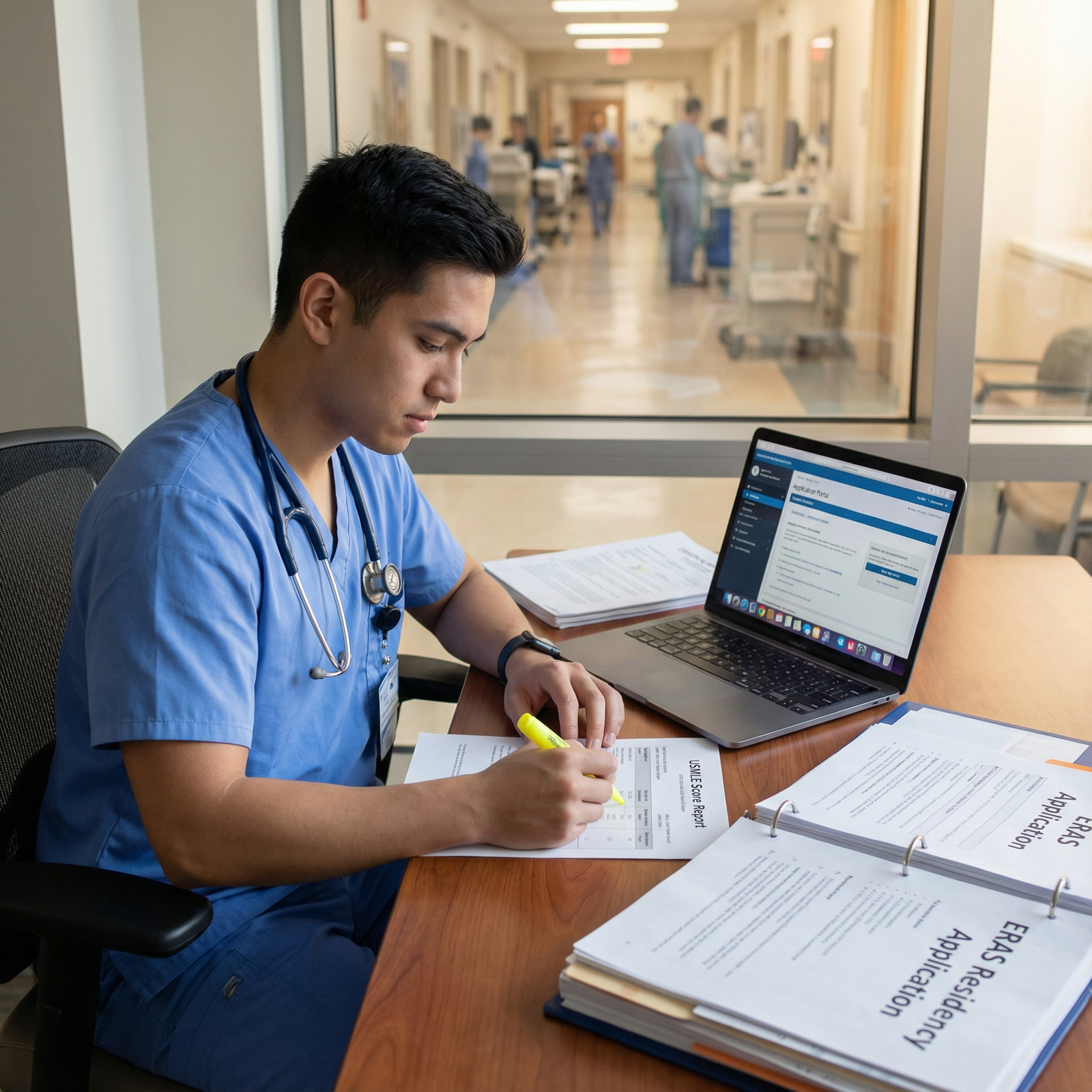
Conduct a comprehensive review of your previous application:
Scores and Academic Record
- All board exam attempts, failures, and trends
- Class rank, honors, remediation, leaves of absence
Application Content
- Personal statement: Did it show maturity, reflection, and a clear community focus?
- CV: Were community service, leadership, and teamwork emphasized?
- Letters: Were they strong and specific, or vague and generic?
Program Selection and Strategy
- Number of programs applied to vs interviews received
- Balance of academic vs community hospital programs
- Geographic spread; visa-friendly vs visa-restrictive regions (for IMGs)
Interview Performance
- Questions that made you struggle
- Feedback from mentors or faculty, if available
- Common behavioral questions that you did not answer convincingly
Try to do this with an experienced mentor, such as:
- A faculty advisor
- A program director or associate PD (if accessible)
- A residency advisor at your medical school
- A trusted attending at a community hospital
Their external view is critical; most applicants are poor judges of their own perceived weaknesses.
Step 3: Clarify Your Specialty and Community Focus
After a failed match, some applicants ask, “Should I change specialties?” The answer depends on:
- Competitiveness of your chosen field (e.g., dermatology vs internal medicine)
- How much your scores and CV align with that field
- Availability of community-based residency positions in your target specialty
For community hospital programs, the most common specialties include:
- Internal Medicine
- Family Medicine
- Pediatrics
- Psychiatry
- General Surgery (in some regions)
- Transitional Year and Preliminary programs
If your previous choices were highly competitive and you struggled to get interviews, consider:
- Pivoting to a less competitive but still fulfilling specialty within community hospital settings
- Exploring combined or categorical programs at community sites that reflect your goals (e.g., IM leading to cardiology in a community hospital system)
Be cautious about sudden, poorly reasoned changes in specialty; programs can spot inconsistency. If you pivot, your narrative should be thoughtful and honest.
Step 4: Design a Purposeful “Bridge Year”
Your “gap” or “bridge year” after a failed match can become your greatest asset if you use it strategically. Community programs often look favorably on applicants who show consistent involvement in patient care and community engagement during this time.
Ideal Activities for Community Hospital–Focused Recovery
Clinical Roles in Community Settings
- Medical assistant, clinical research coordinator, or scribe in a community hospital or clinic
- Hospitalist service assistant roles, quality improvement (QI) positions
- Volunteer physician assistant-like roles (where legal and supervised) in international or resource-limited environments
Community-Oriented Clinical Research or QI
- Projects tied to population health, chronic disease management, or health disparities
- Quality initiatives improving transitions of care, readmission rates, or patient education
- Data collection or analysis for community-based projects led by hospital faculty
Additional Clinical Rotations / Observerships
- Hands-on electives (for current students or recent grads) in community hospitals
- Structured observerships or externships under attendings affiliated with residency programs
- Targeted rotations in your chosen specialty at smaller community sites that sponsor residents
Academic Strengthening
- If you had low or failed board scores: structured board prep courses + retaking exams (if still allowed)
- Online CME courses in areas relevant to primary care, hospital medicine, or your target field
- Participation in national or regional society meetings, especially community-health oriented tracks
Service and Leadership
- Leading a mobile clinic, free clinic, or telehealth initiative for underserved populations
- Community health education projects in local schools, shelters, or senior centers
- Involvement in public health campaigns (vaccinations, screenings)
The key is continuity and depth. One well-developed, year-long project in a community hospital residency’s catchment area can be more powerful than five superficial experiences.
Step 5: Rebuild Your Application—With a Community Lens
As you gather new experiences, you will re-shape the major elements of your application:
1. Personal Statement
For a community hospital residency focus, your personal statement should:
- Clearly explain why community-based care matters to you
- Highlight experiences that show you understand real-world patient barriers (transportation, language, cost, literacy)
- Demonstrate that you value continuity, longitudinal relationships, and interprofessional teamwork
- Explain your failed match briefly and maturely, focusing on what you learned and how you improved
Avoid extensive self-pity or excuses. Programs want reflective, resilient physicians, not perfection.
2. CV and Experiences Section
Reorganize your CV to emphasize:
- Community hospital or community clinic roles
- USCE and hands-on clinical roles, especially with direct supervision
- Leadership and initiative (creating a new clinic process, leading a QI project, etc.)
- Outcomes: patient numbers, improved metrics, or tangible deliverables
Quantify what you can: “Coordinated diabetes education for 75+ patients at a community clinic over 8 months.”
3. Letters of Recommendation
Aim for 3–4 strong LoRs, at least 2 from your target specialty, preferably from community hospital or community-based settings.
What makes a strong letter?
- Specific comments about your clinical judgment, reliability, and work ethic
- Examples of your adaptability, communication, and compassion with real patients
- Explicit support such as “I strongly recommend this applicant for a community-based residency program in internal medicine.”
Build relationships that allow letter writers to see you over time—not just a week or two.
4. Addressing Red Flags Transparently
If you have exam failures, academic lapses, or a previous “failed match,” expect programs to ask about them.
Prepare:
- A concise, honest explanation (no blame)
- What you changed: study habits, support systems, time management
- Evidence of improvement: better scores, strong clinical evaluations, a productive gap year
Programs at community hospitals often appreciate growth and humility if it is accompanied by concrete progress.
Targeting Community Hospital Residencies Strategically
Recovering from a failed match involves not just improving yourself, but also better aligning with programs that value what you bring.
Understanding the Community Hospital Residency Environment
Community hospital programs typically feature:
- Smaller class sizes and closer relationships with attendings
- Broad, hands-on clinical exposure with less layering of fellows
- Greater autonomy and earlier responsibility
- Strong emphasis on service to local and often underserved populations
- A culture that may value “grit” and reliability as much as board scores
For an unmatched applicant, these characteristics can be very advantageous—especially if you can demonstrate that you thrive in close-knit, practical environments.
Researching Programs Thoughtfully
Instead of mass applying blindly, build a detailed, targeted list:
Use Official Sources
- FREIDA, program websites, and NRMP data
- Look for: program size, board pass rates, visa policies, and emphasis on community service
Look for Clues of Openness to Non-traditional Paths
- Program bios highlighting residents with prior careers, research years, or IMG backgrounds
- Mission statements emphasizing diversity, second chances, or holistic review
- Ongoing partnerships with community clinics or public health departments
Connect with Current Residents
- Reach out (politely) to residents via LinkedIn, alumni networks, or email
- Ask targeted questions:
- “How does the program view re-applicants?”
- “What kind of clinical or research activities are most valued here?”
- “How does the program support residents with diverse backgrounds?”
Application Strategy for Re-Applicants
Apply Broadly but Thoughtfully
- Increase the number of programs compared to last year, especially at community-based residency sites
- Balance geographic preferences with realism—consider regions with greater need for physicians
Tailor Communication
- Where appropriate, send concise, individualized interest emails to PDs/APDs:
- State your genuine interest
- Highlight your fit with their community mission
- Briefly note how you’ve grown since your previous application
- Where appropriate, send concise, individualized interest emails to PDs/APDs:
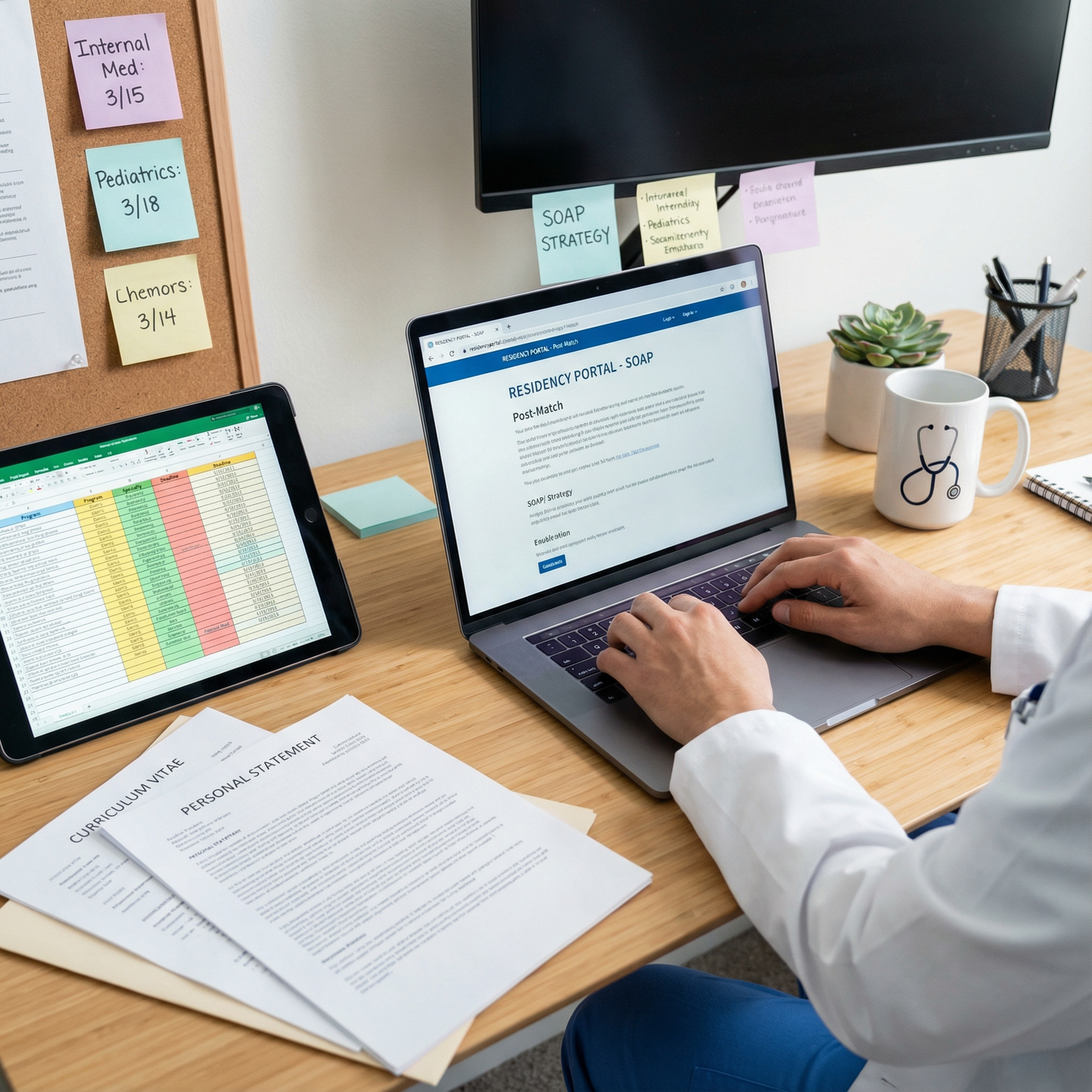
Be Ready for SOAP—but Don’t Rely on It Alone
- The Supplemental Offer and Acceptance Program (SOAP) can be a path into unfilled community hospital residency positions
- Prepare application materials early and practice quick-response interviewing
- However, treat SOAP as a backup, not your core strategy
Interview Season: Turning “Failed Match” into a Strength
When you re-enter the match cycle, the interview is your chance to show you are more than your ERAS snapshot.
Owning Your Story
You will likely be asked:
- “You applied previously and didn’t match. What happened?”
- “What have you done in the past year to strengthen your application?”
A strong answer:
- Acknowledges the reality without self-pity
- Identifies 1–2 specific weaknesses (e.g., poor early scores, underdeveloped USCE)
- Describes concrete steps you took to address them
- Ends with how you are now better prepared to contribute to their residents and patients
Example structure:
“During my first application cycle, my profile had two main weaknesses: limited US clinical experience and a personal statement that didn’t clearly convey my commitment to community-based care. Over the past year, I addressed these by working full-time as a clinical assistant in a community hospital, where I participated in diabetes and heart failure QI projects and built strong relationships with attendings. I also worked with my mentor to revise my personal statement to better reflect the kind of physician I want to be in a community setting. This year, I feel I bring not just more experience, but also more maturity and clarity of purpose.”
Demonstrating Fit with Community Hospital Culture
In interviews, intentionally highlight:
- Examples of working effectively with nurses, case managers, pharmacists, and social workers
- Experiences with resource-limited environments and creative problem-solving
- Stories where you advocated for patients facing social or economic barriers
- Your willingness to shoulder responsibility, pull overnight calls, and support your team
Programs are not only asking: “Can you pass boards?” but also: “Can I trust you with my patients and my small resident team at 3 AM?”
Practicing Behavioral and Situational Questions
Prepare for scenarios such as:
- “Tell me about a time you made a mistake in patient care or training.”
- “Describe a situation where you had limited resources. How did you manage?”
- “How would you handle a disagreement with a nurse or attending?”
Use the STAR method (Situation, Task, Action, Result) to structure answers. Frame your stories around growth, responsibility, and respect for team-based care—all central values in community hospital residencies.
Long-Term Perspective: Your Career Is Bigger Than Your Match Status
A failed match year often feels like a permanent label. It is not. Many attending physicians, especially in community settings, have a more winding path than new applicants realize.
What Community Program Directors Often Say About Re-Applicants
Common sentiments from PDs at community hospital programs:
- “We care more about what you’ve done since your setback than about the setback itself.”
- “If you used your gap year to grow clinically and personally, you can be a stronger candidate than someone who matched on the first try.”
- “We value reliability, humility, and progression. A re-applicant who has demonstrated these can be an excellent resident.”
If You Still Don’t Match
If, despite your efforts, you remain unmatched:
- Reassess the specialty choice, program list, and geographic strategy again.
- Consider expanding to a broader set of community-based residency options or preliminary/TY years that can serve as stepping stones.
- Seek targeted feedback from PDs who interviewed you. Some will offer honest guidance if asked politely after the season ends.
- Maintain clinical involvement; gaps without patient contact are harder to justify.
Residency is a long career chapter, but not the whole story. Your resilience and adaptability now will shape your professional identity more than a single NRMP result.
FAQs About Failed Match Recovery in Community Hospital Residency Programs
1. I didn’t match (failed match). Is a community hospital residency more realistic for me now?
Often, yes. Many community hospital residency programs practice holistic review and may be more open to applicants with non-traditional paths, including those who didn’t match previously. If you can demonstrate consistent clinical involvement, improved performance, and a genuine commitment to community-based care, your chances can be significantly better in these settings.
2. How should I explain being an unmatched applicant during interviews?
Be honest, concise, and growth-focused. Briefly state the main factors (e.g., limited USCE, narrow application strategy, lower scores), then emphasize what you did to address each one. Avoid blaming others or the system. Close by connecting your growth to how you will contribute as a resident in a community-based program.
3. What experiences are most valuable in my “gap year” for community-based residency programs?
Prioritize roles that keep you close to patient care in community settings: clinical assistant, scribe, research/QI coordinator, or consistent volunteering in community clinics or hospitals. Pair this with focused board prep (if needed) and at least one mentored project (research or QI) that can yield a strong letter of recommendation from a community hospital physician.
4. Can I still match to a competitive specialty through a community hospital after a failed match?
It is more challenging but not impossible. Some applicants complete a prelim or transitional year, or match into a core specialty (like internal medicine at a community hospital) and later pursue fellowships or subspecialties. The key is to demonstrate excellence where you are, build strong relationships with mentors, and keep your expectations realistic and flexible.
Recovering from a failed match is difficult but deeply transformative. With a structured plan, honest self-assessment, and a clear focus on the strengths and values of community hospital residency programs, your unmatched year can become the foundation for a more mature, resilient, and ultimately successful medical career.