Understanding a Failed Match in the Dallas–Fort Worth Context
Not seeing your name on Match Day email or the NRMP dashboard is a gut punch. In the moment, it can feel like your entire career plan has collapsed. It hasn’t.
Every cycle, strong, capable applicants in Dallas-Fort Worth and across the country don’t match. Programs in North Texas—including major academic centers and community hospitals—know this and build pathways to bring unmatched applicants back into the system, often within one or two years.
Before you decide your next step, it’s important to:
- Normalize what happened: you are far from alone.
- Understand why you might have gone unmatched.
- Learn how your options specifically intersect with Dallas residency programs and broader DFW medical training opportunities.
Common reasons for going unmatched include:
- Applying too narrowly (too few programs or limited geography)
- USMLE/COMLEX scores below the median for your specialty
- Limited or weak letters of recommendation
- Insufficient or late U.S. clinical experience
- Red flags (failed exam attempts, professionalism concerns)
- Misalignment between application and specialty (e.g., little exposure or research in that field)
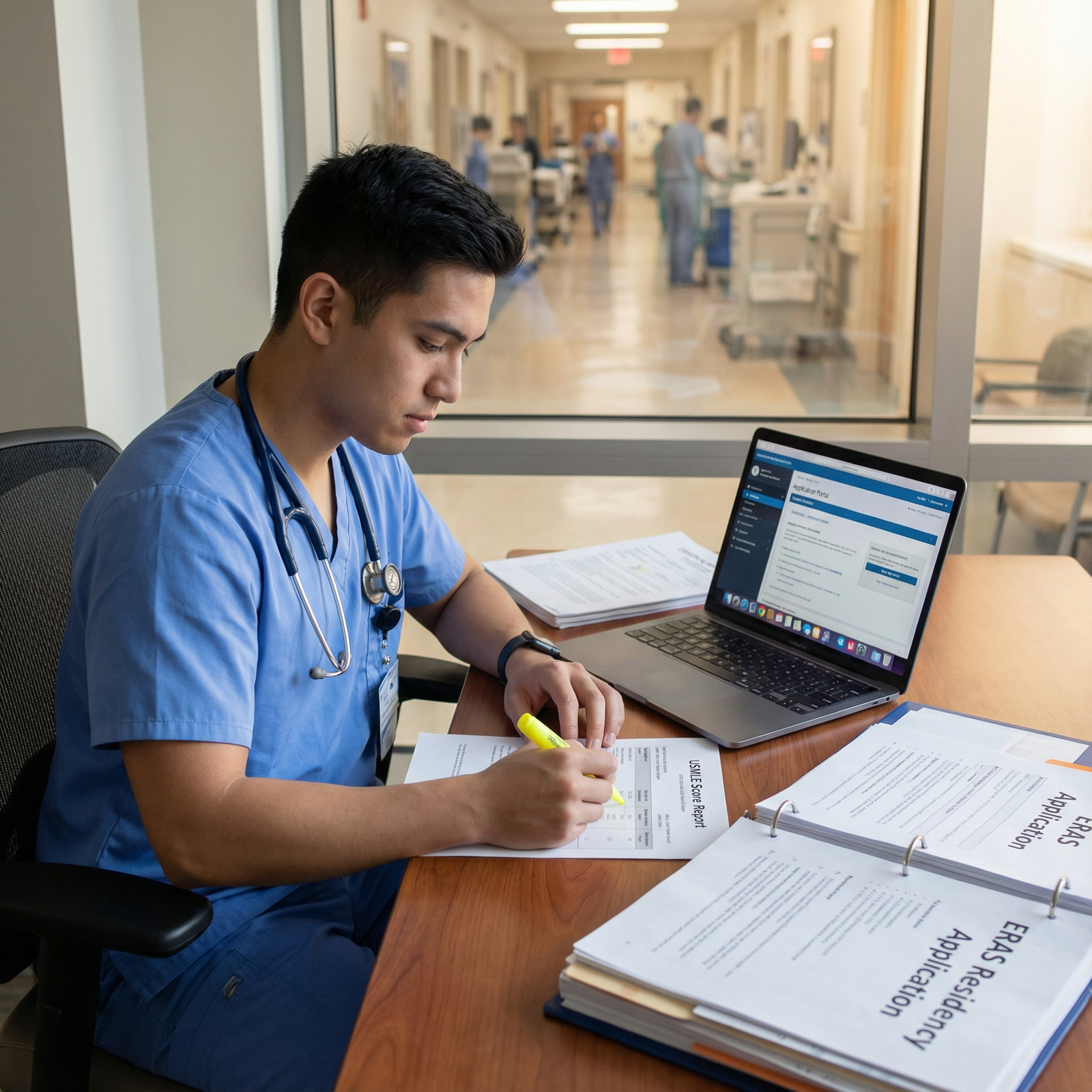
- Unclear personal statement or poorly structured ERAS application
In the Dallas-Fort Worth region, competition can be particularly strong in:
- Internal Medicine and Family Medicine at well-known academic centers
- Emergency Medicine, Anesthesiology, and some surgical specialties
- Highly sought-after community programs with excellent fellowship placement
The good news: a failed match is a detour, not an endpoint. The DFW area offers a wide ecosystem of hospitals, medical schools, community clinics, and educational institutions that can help you build a strong recovery plan.
Step 1: Immediate Actions Right After You Don’t Match
If you just learned that you didnt match or failed match, the first 72 hours are crucial. This is where you can still access a formal residency position through the post-Match process and avoid a gap year.
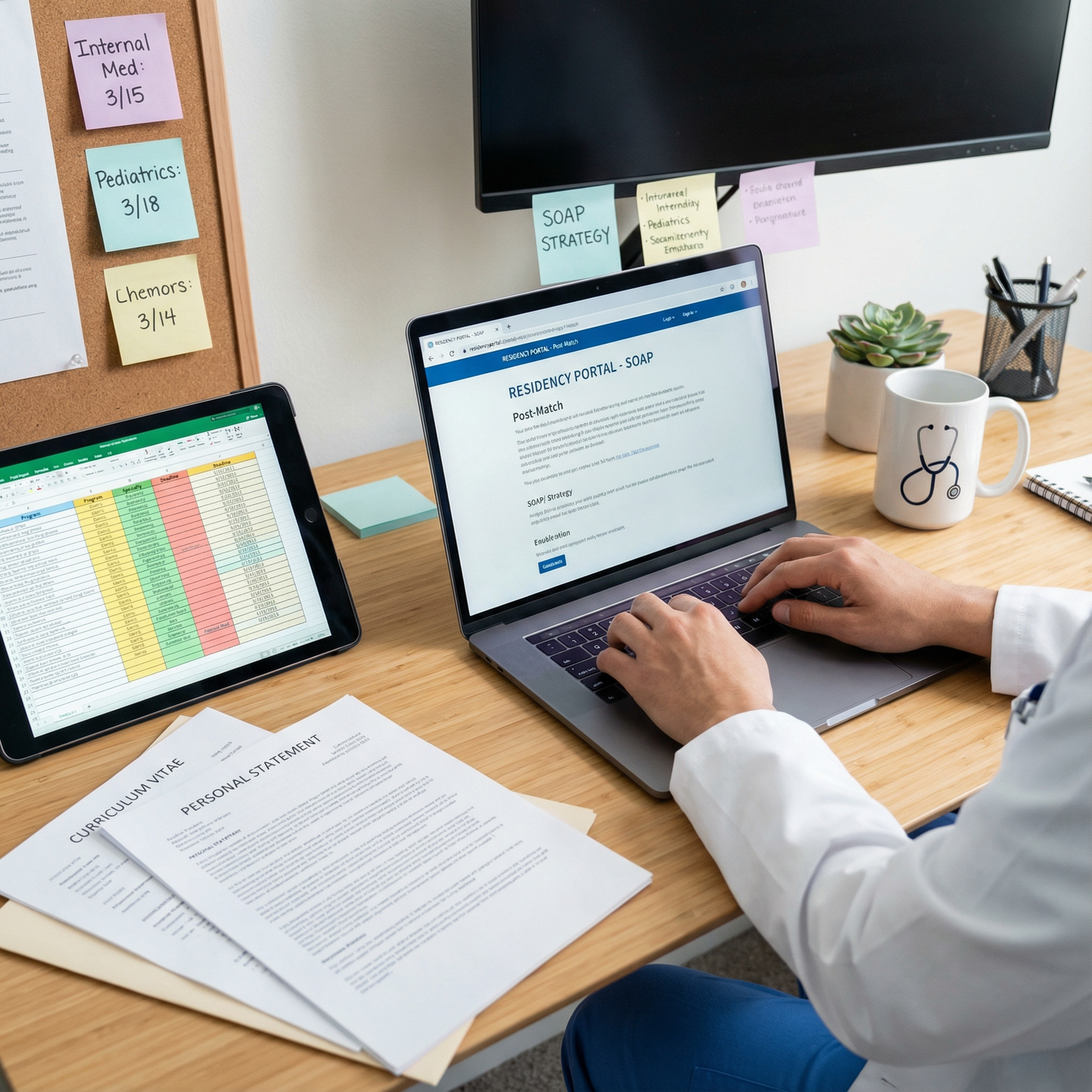
A. Participate Strategically in the SOAP (If Applicable)
If you discovered you were an unmatched applicant during Match Week (Monday before Match Day), you may be eligible for the NRMP Supplemental Offer and Acceptance Program (SOAP).
Key steps:
Confirm SOAP Eligibility
- Check your NRMP and ERAS accounts to ensure you meet SOAP criteria.
- If uncertain, contact NRMP support or your dean’s office (if you’re still at a U.S. medical school).
Target DFW Programs First—But Not Exclusively
- Filter available SOAP positions by location and specialty.
- Look for positions within major Dallas-Fort Worth systems, for example:
- UT Southwestern-affiliated programs
- Large community hospitals in Dallas, Fort Worth, Arlington, Plano, and surrounding suburbs
- Osteopathic-focused programs in the wider North Texas region
- However, don’t limit yourself only to DFW unless you have compelling personal reasons. Your first priority is matching, then you can later seek to return to DFW for fellowship or practice.
Adapt Your Specialty Strategy
- If you previously applied to a competitive specialty (e.g., Dermatology, Orthopedic Surgery, Radiology), consider broader-entry specialties during SOAP:
- Internal Medicine
- Family Medicine
- Pediatrics
- Psychiatry
- Transitional or Preliminary Year Medicine/Surgery
- Some Dallas residency programs in these fields may occasionally have unfilled positions that are accessible through SOAP.
- If you previously applied to a competitive specialty (e.g., Dermatology, Orthopedic Surgery, Radiology), consider broader-entry specialties during SOAP:
Revise Documents Quickly
- Tailor your personal statement to match the new specialty.
- Update your experiences/interests on ERAS to match primary care or hospital-based fields if that is where you’re applying now.
- Ask mentors or student affairs to provide rapid feedback.
Prepare for Short-Notice Interviews
- Be ready to speak clearly about:
- Why you went unmatched (brief, honest, non-defensive)
- Why you’re genuinely interested in this specialty and, if applicable, in DFW medical training
- Your adaptability, resilience, and commitment to patient care
- Be ready to speak clearly about:
SOAP is fast, stressful, and highly structured—but it is still a real path into strong Dallas-Fort Worth programs if positions exist.

Step 2: Honest Post-Match Assessment and Feedback
If SOAP did not result in a position, you’re now planning a recovery year. This can be one of the most productive years of your career—if you approach it intentionally.
A. Conduct a Structured Self-Assessment
Review your previous cycle with a critical but constructive eye:
Scores and Exams
- Did you pass all USMLE/COMLEX steps on the first attempt?
- Are there score deficits that make some specialties/program tiers unrealistic?
- If you had a failed exam attempt, how clearly and maturely have you addressed it in your narrative?
Application Strategy
- Number and distribution of programs: Did you apply broadly enough beyond Dallas-Fort Worth?
- Specialty choice: Was your profile competitive for that field?
- Timing: Were materials, letters, and score reports ready early in the season?
Experiences & Letters
- Did you have recent, U.S.-based clinical experience, ideally in your targeted specialty?
- Were your letters from faculty who truly knew you—and from the right specialty and setting?
- Did your experiences illustrate your readiness to work in a busy, diverse setting like DFW?
Personal Narrative
- Did your personal statement convincingly connect your background to your specialty choice?
- Did your ERAS application tell a coherent story or feel scattered?
Write your findings out. Treat it like a quality improvement project on yourself.
B. Seek External Input—Especially Locally
In the Dallas-Fort Worth region, you can often get more specific, regional insight:
Student Affairs Deans / Career Advisors (for recent grads)
- Ask for a full application review and honest competitiveness assessment.
Local Attending Physicians or Residents in DFW
- Reach out to mentors at:
- UT Southwestern-affiliated hospitals
- Major community systems (e.g., Methodist, Baylor Scott & White, Texas Health Resources, others in the DFW area)
- Request a frank review: “If you were a program director, what would concern you in my file?”
- Reach out to mentors at:
Former Unmatched Applicants Who Later Matched in Dallas
- Ask how they used their gap year, and what local connections helped them.
- Join online forums or regional alumni networks to find these individuals.
The goal is to translate broad “you’re a good candidate” sentiments into specific, actionable feedback.
Step 3: Building a Strategic Gap Year in DFW
Your recovery year should do three things:
- Fix obvious weaknesses (test scores, lack of clinical experience, gaps in CV).
- Demonstrate momentum, professionalism, and maturity.
- Build real relationships with potential recommenders and, ideally, program leadership in Dallas residency programs or the broader DFW system.
Below are the most common and effective options, with Dallas-Fort Worth–specific angles.
A. Clinical Experience: Hands-On or Near-Clinical Roles
If your main deficit is clinical exposure or recent U.S. experience, especially for IMGs or DOs switching specialties, look for work that keeps you close to patients and physicians.
Possible roles in the DFW area:
Research Assistant in a Clinical Department
- Often available at large academic centers and affiliated institutions.
- Advantages:
- Access to faculty who write strong letters.
- Opportunities to attend grand rounds, M&M conferences, and journal clubs.
- Possible co-authorship on papers or abstracts.
- How to leverage:
- Ask to shadow in clinics/wards if allowed.
- Present at internal conferences to raise your visibility.
Full-Time Clinical Research Coordinator
- Many outpatient practices and hospitals in Dallas-Fort Worth conduct clinical trials in areas like cardiology, oncology, orthopedics, and primary care.
- Shows organizational skills, patient interaction, and familiarity with U.S. healthcare workflows.
Scribe Positions (In-Person or Remote)
- Common in emergency departments, hospitalist groups, and specialty clinics.
- Benefits:
- Strong exposure to real-time clinical decision-making.
- Demonstrates stamina and work ethic.
- Can lead to strong LORs if you work closely with attendings.
Clinical Assistant / MA-Like Roles (Where Permitted)
- Some clinics hire internationally trained physicians or unmatched graduates as medical assistants, clinical associates, or similar titles.
- Particularly in family medicine, internal medicine, urgent care, or subspecialty clinics.
When possible, prioritize roles within or adjacent to DFW medical training environments, such as hospitals that host residency programs. Even if you’re not officially in the residency, you’ll be seen by the same faculty who might later review your application.
B. Research and Scholarly Productivity
For certain specialties (internal medicine, neurology, psychiatry, radiology, anesthesiology), research productivity can significantly enhance your profile.
In the Dallas-Fort Worth area:
- Look for research groups at academic institutions focusing on:
- Population health and health disparities in North Texas
- Chronic diseases prevalent in the DFW population (diabetes, obesity, cardiovascular disease)
- Quality improvement in large health systems
Advice to maximize impact:
- Aim for at least a few tangible outputs:
- Abstracts/posters at regional or national meetings
- Manuscripts (even if still under review at the time of application)
- Quality improvement projects you can describe in detail during interviews
- Take initiative:
- Propose chart reviews or QI projects that answer specific clinical questions.
- Offer to help with IRB applications, data collection, or literature reviews.
C. Formal Postgraduate Programs (Pre-Residency, MPH, or Fellowships)
Some unmatched applicants consider formal programs to strengthen their credentials:
Master’s Degrees (e.g., MPH, MS in Clinical Research, MBA in Healthcare)
- DFW has multiple universities with health-related graduate programs.
- Pros:
- Structured learning, networking opportunities, research potential.
- Can be particularly strategic if you link your future specialty to public health, health administration, or research.
- Cons:
- Time and financial commitment.
- Value depends heavily on whether you produce strong letters, achievements, and a clear narrative.
Non-ACGME Pre-Residency Fellowships or Clinical Programs
- Some departments (e.g., radiology, pathology, hospital medicine) offer “prelim fellow” or “clinical observer” style positions.
- These may not be widely advertised; networking is crucial.
Before committing, ask:
- Will this program give me clinical exposure with U.S. physicians?
- Will I receive strong letters that residency programs in Dallas-Fort Worth respect?
- How will it address the specific weaknesses that led to my failed match?
D. Addressing Exam Issues
If board scores or failed attempts were a major factor:
- Retake Exams (if eligible) or Take Additional Relevant Certifications
- For COMLEX/USMLE, improvement might not erase a fail but can demonstrate resilience and competence.
- Document a Clear Study Plan
- If asked in an interview: “What changed?” you need a concrete answer—new schedules, resources, tutoring, or accommodations if needed.

Step 4: Rebuilding Your Application for Dallas–Fort Worth Programs
As your gap year progresses, continually shape your narrative. By the time ERAS reopens, you should be ready with a much stronger version of yourself.
A. Clarify Your Specialty Strategy
Decide realistically whether you are:
- Reapplying to the same specialty with a stronger profile, or
- Switching to a more attainable specialty that aligns with your strengths and has adequate positions in and around DFW.
Factors that support staying in the same specialty:
- You were close to competitive (e.g., plenty of interviews but no match).
- Your gap year gives you direct, high-quality experience in that field.
- You received encouraging, concrete feedback from faculty.
Factors suggesting a switch:
- Repeated failure to generate interviews in that specialty.
- Significant mismatch between your metrics and typical matched applicants.
- New exposure showing genuine interest in another field (e.g., discovering you love hospital medicine while working as a scribe).
B. Tailoring Your Application to DFW Medical Training Environments
When targeting Dallas residency programs specifically:
Highlight Regional Ties
- Grew up or studied in Texas or nearby states?
- Family or social supports in DFW?
- Previous rotations, observerships, or research in Dallas-Fort Worth? Explicitly mention these to show likely retention and stability.
Demonstrate Understanding of DFW’s Patient Population
- Reference experience with:
- Diverse socioeconomic and cultural backgrounds
- Urban and suburban health challenges
- High prevalence chronic diseases in North Texas
- Relate any volunteer or clinic work you’ve done in safety-net or community settings.
- Reference experience with:
Network Intelligently
- Attend regional conferences hosted in DFW.
- Connect with current residents or faculty via:
- Alumni networks
- Professional societies
- LinkedIn or specialty-specific organizations
- When you’ve formed a relationship, ask politely if your contact would be willing to review your application and provide feedback.
C. Strengthening Letters of Recommendation
Letters can make or break a recovery cycle, especially when programs are trying to decide if your failed match was a fluke or a pattern.
Key moves:
- Obtain at least one letter from your primary specialty in a U.S. teaching environment—ideally within the last 12 months.
- If targeting Dallas-Fort Worth while working locally:
- Prioritize supervisors who are known within regional academic circles.
- Make it easy for them:
- Provide your updated CV.
- Send a one-page summary of your goals, strengths, and the story you hope their letter will reinforce.
D. Rewriting Your Personal Statement and ERAS
Your new narrative must:
- Acknowledge your journey without over-fixating on failure.
- Show growth, reflection, and specific steps you took after your unmatched year.
- Emphasize why you will be a reliable, teachable, and resilient resident, especially in a busy DFW system.
Example framing for the personal statement:
“When I opened my NRMP results last cycle and learned that I was an unmatched applicant, I was deeply disappointed. Over the past year, I have worked full-time as a clinical research coordinator in a Dallas internal medicine practice, where I have cared for a diverse panel of patients with significant barriers to care. This experience has sharpened my commitment to internal medicine, strengthened my clinical reasoning, and given me a more mature appreciation of team-based care…”
You don’t need a long description of your emotions on Match Day—focus on what you did after.
Step 5: Emotional Resilience and Long-Term Perspective
The psychological impact of going unmatched is real:
- Shame when peers move on to residency
- Financial stress from delayed income
- Fear you’ll have to relive the same pain next year
In the North Texas ecosystem, where medical culture can be tight-knit and word travels quickly, you might also worry about reputation. The truth is:
- Program directors see failed match stories every year.
- What they care about is what you learned and how you’ve grown.
- Many practicing physicians in Dallas-Fort Worth once went unmatched or changed specialties themselves.
Practical supports:
- Therapy or Counseling
- Many universities and employee assistance programs offer mental health services.
- Support from Peers and Family
- Seek people who validate your feelings but also help you stay action-focused.
- Structured Routine
- Treat your gap year like a job with clear goals:
- Weekly targets (e.g., X applications sent, Y hours of study, Z networking emails).
- Monthly reflection: What’s working? What needs adjustment?
- Treat your gap year like a job with clear goals:
Remind yourself:
- Your worth is not defined by a single match outcome.
- DFW and other regions have a persistent need for dedicated physicians.
- Your persistence and professionalism now will shape how you are perceived as a future colleague.
Frequently Asked Questions (FAQ)
1. I didnt match in Dallas or anywhere else—should I still try to stay in the DFW area for my gap year?
Staying in Dallas-Fort Worth can be very advantageous if you can secure meaningful roles (research, clinical, or academic) that provide:
- Proximity to residency programs
- Opportunities for strong U.S. letters of recommendation
- Ongoing clinical or research engagement
If you can’t find such positions locally, it’s better to take a strong opportunity elsewhere than to remain in DFW in a role that doesn’t advance your application.
2. As an unmatched applicant, is it realistic to aim for competitive specialties in Dallas residency programs next year?
It depends on:
- How far your metrics and experiences are from typical matched applicants.
- Whether you can substantially improve your profile in one year (research, letters, exam scores, clinical experience).
For ultra-competitive specialties (e.g., dermatology, orthopedic surgery, plastic surgery) in Dallas-Fort Worth, a prior failed match is a significant hurdle. Many applicants in this situation either:
- Reorient to more attainable fields with strong job markets (e.g., Internal Medicine, Family Medicine, Psychiatry), or
- Use a transitional or preliminary year in another field to later attempt a specialty change.
Seek specialty-specific advising before deciding.
3. Will programs in DFW hold my failed match against me permanently?
Most program directors understand that the Match is imperfect and that many good candidates go unmatched each year. They will evaluate you on:
- How clearly you’ve identified and addressed prior weaknesses.
- The quality of your current experiences and letters.
- Your behavior and professionalism during interviews and communications.
A thoughtful, productive gap year focused on DFW medical training settings can mitigate concerns and sometimes even strengthen your application relative to fresh graduates.
4. How many programs should I apply to if I’m reapplying after a failed match?
While exact numbers vary by specialty, most unmatched candidates should:
- Apply more broadly than the previous cycle.
- Include a healthy mix of academic and community programs.
- Avoid restricting themselves only to Dallas-Fort Worth, even if DFW is their ideal region.
For example, an unmatched Internal Medicine applicant might apply to 80–120 programs nationwide, including multiple programs in Texas and the wider South/Southwest, while giving special attention to Dallas-Fort Worth in their networking and targeted communications.
A failed match in Dallas-Fort Worth is not the end of your medical journey. It’s a daunting but navigable phase that, when handled intentionally, can make you a more resilient, insightful, and effective future resident. By combining honest self-assessment, strategic use of DFW’s rich clinical and academic landscape, and consistent effort over the coming year, you can convert today’s setback into tomorrow’s success story.