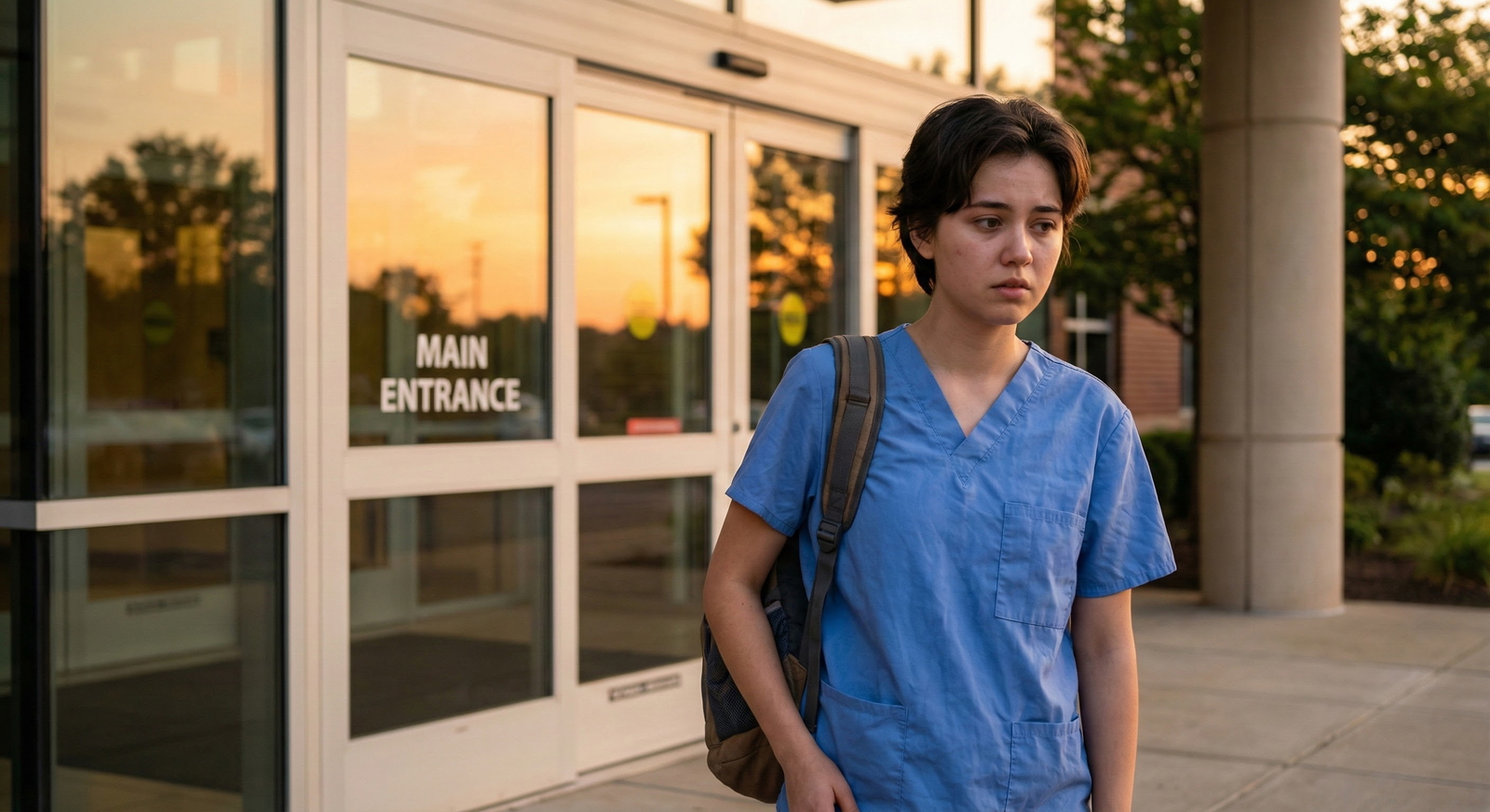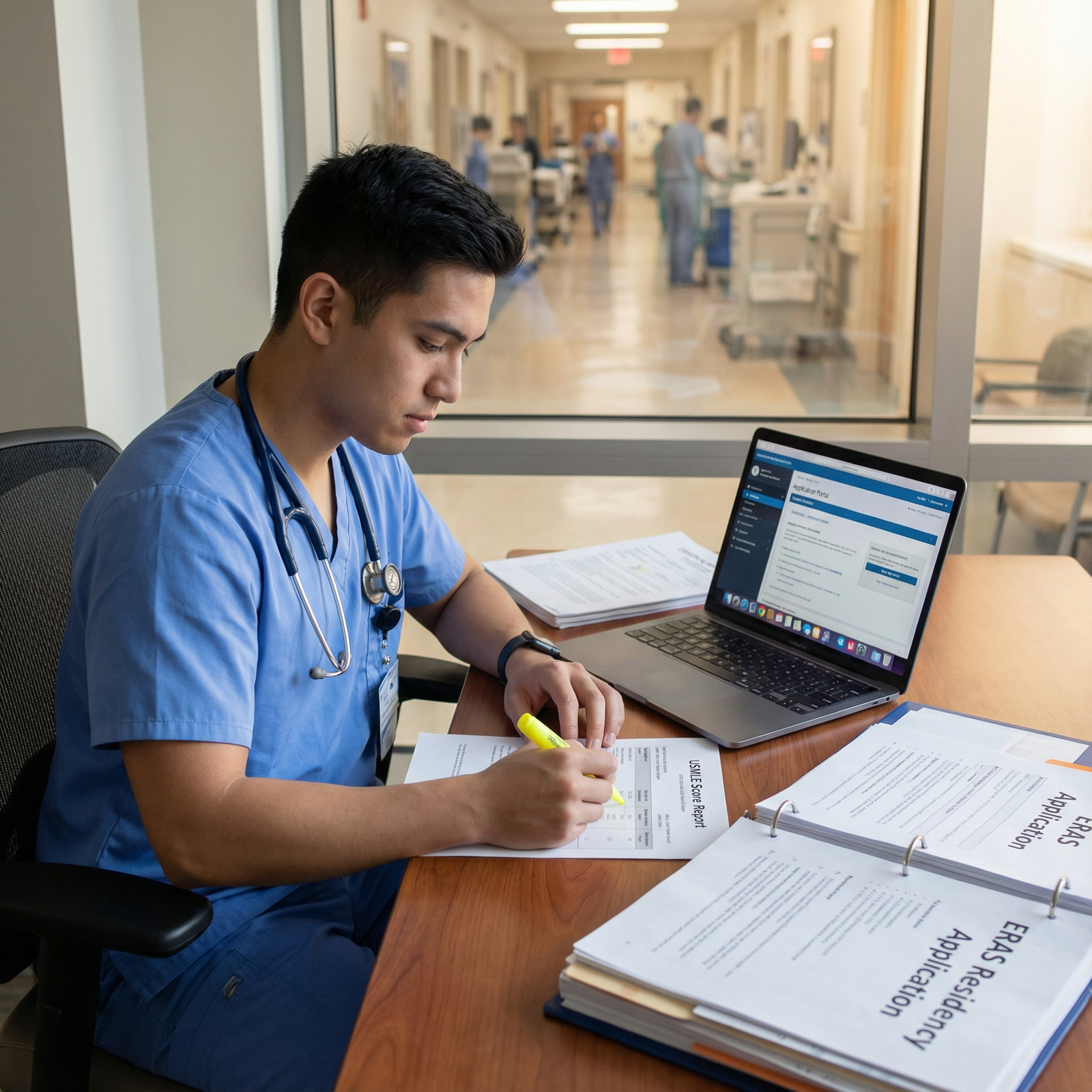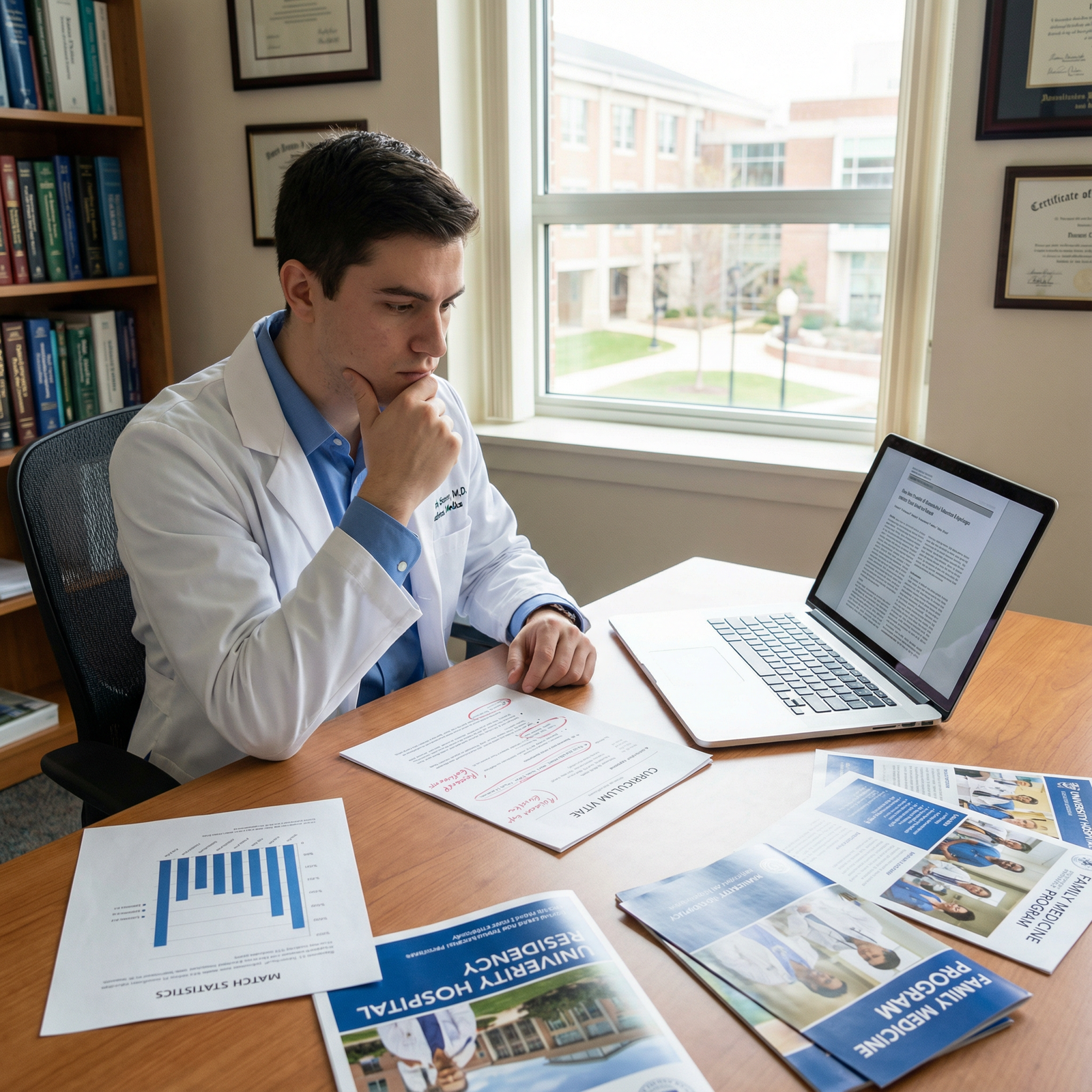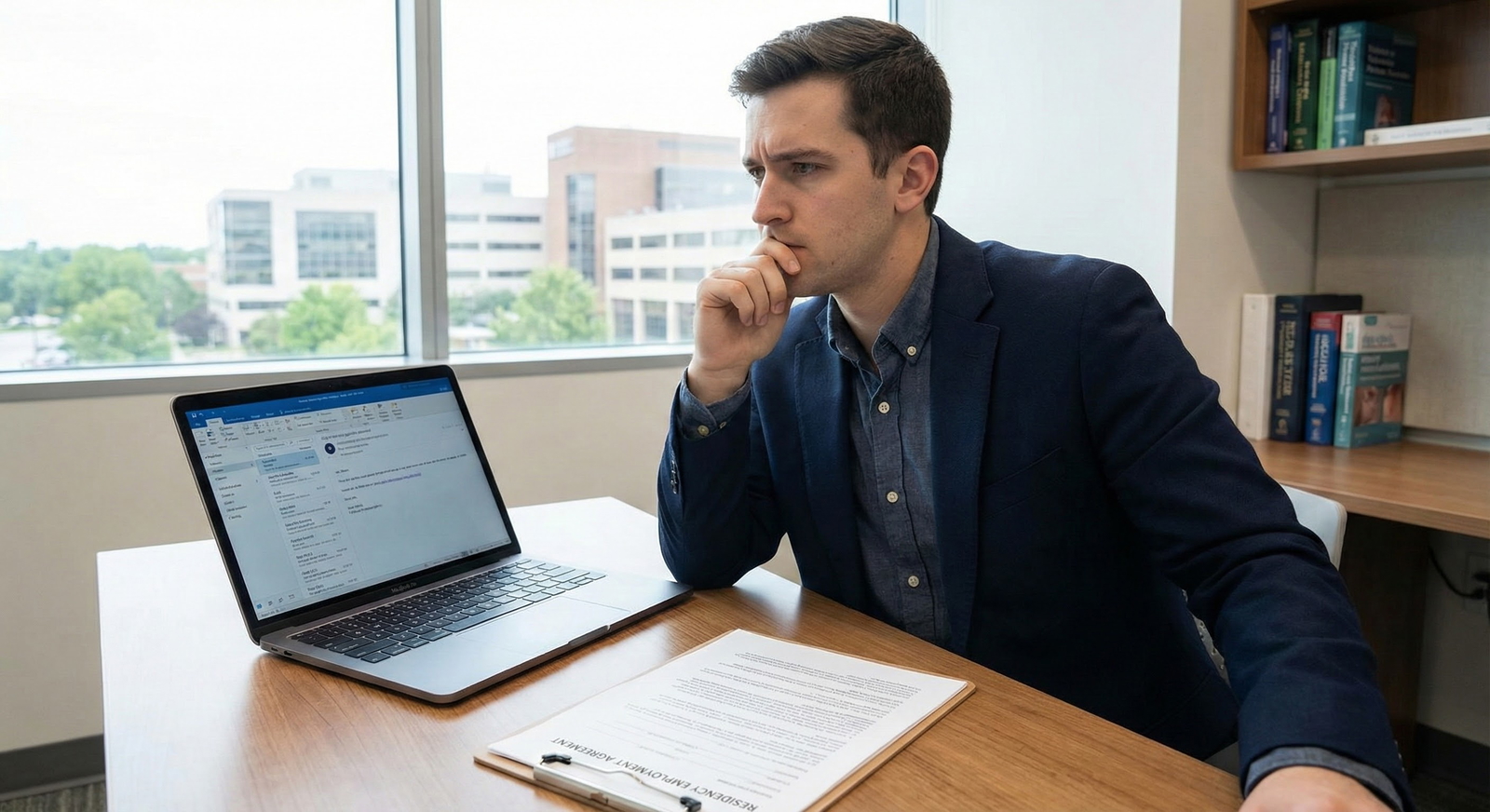
Struggling with a failed Match can feel devastating, especially when you had your hopes set on Denver residency programs. Yet many excellent physicians began their careers as an unmatched applicant. What separates those who ultimately succeed is not luck—it’s strategy, self-awareness, and timely action.
This guide is designed specifically for applicants who didn’t match and are interested in residency opportunities in Denver and across Colorado. It will walk you through what to do in the days, weeks, and months after a failed Match, with a focus on rebuilding your candidacy for next cycle and strategically targeting Colorado residency programs.
Understanding a Failed Match: What It Really Means
Before you can plan recovery, you need a clear-eyed understanding of what “failed Match” actually represents.
Not a verdict on your potential as a physician
A failed Match is:
- A mismatch between your application and program expectations this year
- A reflection of how you applied (strategy and list construction), not just who you are as an applicant
It is not:
- Proof you’re not good enough to be a doctor
- Permanent
- Unfixable
Many competitive residents and attendings in Denver hospitals started as unmatched applicants and now practice at top institutions like:
- University of Colorado School of Medicine–affiliated hospitals
- Denver Health Medical Center
- National Jewish Health
- VA Eastern Colorado Health Care System
- Community hospitals along the Front Range
Why applicants in Denver and beyond fail to match
Common patterns include:
- Overly competitive list
- Ranking mainly reach programs or highly competitive specialties
- Few (or no) truly “safety” options
- Geographic over-restriction
- Only ranking Colorado residency programs or only Denver residency programs
- Eliminating large portions of the country due to preference
- Application issues
- Late application or incomplete documents
- Weak or generic personal statement
- Limited or non-specialty-aligned letters of recommendation
- Insufficient US clinical experience (especially for IMGs)
- Interview performance
- Inconsistent stories, weak “Why this program/Why Denver?” answers
- Nervous or flat affect on Zoom
- Poor explanation of red flags (gaps, fails, low scores)
- Red flags that weren’t well addressed
- USMLE/COMLEX failures
- Professionalism concerns or leave of absence
- Major specialty change without narrative clarity
First 72 hours: Emotional triage
You can’t fix strategy if you’re emotionally flooded. In the first few days:
- Allow 24–48 hours to process, talk with trusted friends or family
- Avoid:
- Immediate big decisions (quitting medicine, switching careers entirely)
- Angry emails to programs or advisors
- Social media venting about specific institutions
- Do:
- Write down what you think went wrong (initial hypothesis)
- Collect your documents (ERAS application, personal statements, LoRs list)
- Schedule time with your dean’s office or advisor
Your mindset now should be: “This is painful and real—and I will treat it as a solvable problem requiring a structured plan.”
Immediate Steps After You Didn’t Match (0–3 Months)
The early post-Match period is where you can make the biggest difference for your next application cycle.
1. Assess SOAP options (if still active)
If you’re reading this in Match Week and SOAP is still ongoing:
- Work with your dean’s office immediately
- Prioritize:
- Any specialty you’re willing to train in (even prelim)
- Geographic flexibility—don’t limit yourself to Denver-only during SOAP
- If you secure a prelim year (medicine, surgery, transitional), you can:
- Reapply in a more competitive specialty later
- Attempt to transition into advanced training after
If SOAP has finished and you remained unmatched, shift to a 12–18 month recovery strategy.
2. Conduct a structured post-Match debrief
Rather than simply thinking “I didn’t match because I applied to Denver only,” dissect each part of your application. A helpful framework:
A. Metrics and academic profile
- USMLE/COMLEX scores and number of attempts
- Class rank, AOA/Gold Humanism, honors vs passes
- Any failures, remediation, leaves of absence
B. Application strategy
- Specialty (and its competitiveness)
- Number of programs applied to nationally vs in Colorado
- Breadth vs narrow geographic strategy
- Balance of reach/target/safety programs
C. Experiences and fit
- Strength and recency of clinical experiences
- US vs international experience (for IMGs)
- Research, leadership, volunteering—especially relevant to Denver programs (e.g., underserved care, rural health, community medicine)
D. Interview outcomes
- Number of interviews obtained
- Interview-to-rank ratio
- Patterns (e.g., many invites but few ranks, or few invites overall)
Then ask:
- Did I have a competitiveness problem (low scores, big red flags)?
- Or a strategy problem (too few programs, too narrow geography, poor specialty choice)?
- Or a presentation problem (weak personal statement, poor interview skills)?
3. Get feedback from people who know your file
Seek input from:
Your medical school dean’s office or career advisor
- Ask for a full debrief: What did programs tell them, if anything?
- Where do you fall compared with your class in Match outcomes?
Specialty advisors in your intended field
- Especially those with connections to Colorado residency programs
- Show them your full application and ask: “How would you honestly rate my competitiveness in this specialty?”
Trusted faculty mentors
- Ask them to review your personal statement and CV
- Get candid feedback on whether your story matches your chosen specialty
If you are an IMG or do not have a home institution, consider:
- IMG-focused advising services
- Alumni from your school who matched into Denver or other Colorado residency positions
- Specialty-specific applicant support organizations
Document all feedback in writing—common themes will guide your recovery plan.

Rebuilding Your Candidacy: 6–18 Month Recovery Plan
Once you’ve clarified why you didn’t match, map out a structured plan for the year ahead. For most applicants, you have one main goal:
Become a clearly stronger applicant on paper and in person before the next cycle opens.
1. Decide whether to reapply in the same specialty
Ask yourself and your advisors:
- Am I close to competitive in this specialty if I fix strategy?
- Or is there a fundamental mismatch between my profile and the specialty’s competitiveness?
Reapply to the same specialty if:
- You had:
- A reasonable number of interviews (e.g., 8–12+) but didn’t match
- Modest red flags that can be reframed or offset
- A realistic path to improvement (more letters, improved narrative, more programs)
Consider changing specialty if:
- You had:
- Very few or no interviews despite a broadly applied strategy
- Significant score issues in a highly competitive field
- Performance or communication concerns that clash with the demands of your initial specialty
If you’re attached to living in Colorado long term, remember:
You may be more successful matching into a less competitive specialty in a different region, then relocating to Denver later for fellowship, job opportunities, or second residency positions (rare but possible in some cases).
2. Prioritize clinically relevant, hands-on experience
Programs—especially in busy urban centers like Denver—care deeply about recency and continuity of clinical work.
Options to strengthen your application:
A. Formal gap-year positions
Preliminary or research year (if obtained through SOAP or off-cycle)
- Helps keep you clinically active
- Provides new letters from US faculty
- Particularly valuable if in internal medicine, surgery, or transitional year
Postgraduate fellowships or chief resident roles (for those from DO schools with extended options)
B. Structured clinical experience (especially for IMGs or those with a gap)
- US-based observerships, externships, or sub-internships, ideally:
- In your target specialty
- At academic or community sites that send residents to Denver or Colorado residency programs
- Community clinic work, free clinics, or hospitalist assistant roles where allowed
- Scribe roles (less powerful than direct clinical positions, but better than no clinical exposure)
For Denver-focused applicants, try to secure at least one rotation or observership in Colorado, if possible, to:
- Build local connections and mentorship
- Demonstrate genuine regional interest
- Secure letters from Colorado-based physicians
3. Enhance your academic and scholarly profile
If your academic record was a concern, use this year to show improvement:
- Retake failed USMLE/COMLEX components promptly (if still allowed)
- Consider:
- Additional coursework or certifications (e.g., MPH classes, clinical research methodology)
- Completing research projects, especially in collaboration with Colorado institutions if contacts allow
Research isn’t mandatory for every specialty, but it can:
- Show sustained engagement with the specialty
- Connect you with faculty who may know program leadership in Denver
- Provide concrete accomplishments to discuss on interviews
4. Repair and elevate your letters of recommendation
Letters can make or break borderline applications.
Aim to secure:
- At least 3 strong, recent, specialty-specific letters
- Ideally from:
- Academic faculty in your chosen specialty
- Physicians familiar with US residency expectations
- If possible, one from a Colorado or Mountain West region physician
Strategies:
- During any new rotations, be explicit:
- “Dr. X, I’m reapplying in internal medicine after not matching this year. If I work hard and perform well, would you consider writing a strong letter of recommendation for me?”
- Seek feedback mid-rotation so you can improve before the end
- Offer to provide your CV, personal statement draft, and prior evaluations to letter writers
5. Strengthen your narrative: personal statement and overall story
Many unmatched applicants underestimate how fragmented their story appears.
Your revised narrative should clearly communicate:
- Why this specific specialty
- Why you’re committed to medicine despite setbacks
- How you’ve grown in the “bridge year”
- Why you are drawn to Colorado residency options or Denver specifically (if emphasizing regional interest)
For Denver-focused applicants, meaningful regional themes might include:
- Interest in:
- Urban underserved care (e.g., Denver Health–type populations)
- Mountain or rural outreach (many Colorado programs serve wide catchment areas)
- Outdoor and wellness culture as it relates to physician well-being and patient care
- Background or ties:
- Family in Colorado or the Mountain West
- Previous education, rotations, or work in the region
Avoid clichés like “I love skiing so I want to live in Denver.” Focus instead on values, patient populations, and long-term professional goals.
Targeting Denver and Colorado Residency Programs Strategically
If your long-term aim is to live and train in Denver or elsewhere in Colorado, you’ll need a smart regional strategy—especially as an unmatched applicant.
1. Understand the Colorado training landscape
Colorado offers a mix of:
- Large academic programs (e.g., University of Colorado–affiliated)
- Safety-net and county-style hospitals (e.g., Denver Health)
- VA facilities
- Community-based programs along the Front Range and on the Western Slope
Some general patterns:
- Denver-based academic programs can be highly competitive, especially in popular specialties (IM, EM, pediatrics, etc.).
- Smaller or more rural Colorado residency programs may:
- Offer more opportunities for those interested in primary care or rural medicine
- Be relatively more accessible to candidates who demonstrate strong commitment to underserved or rural populations
2. Balance your application list: Denver, Colorado, and beyond
As a previously unmatched applicant, applying to only Denver residency programs is typically too risky.
A safer structure might be:
- 15–25% of applications: Denver and other Colorado residency programs
- 75–85% of applications: Broader national spread with attention to:
- Programs historically open to reapplicants or IMGs (if relevant)
- Community and regional centers
- Cities or states less saturated than Denver
Remember:
You can still end up in Denver for fellowship or as an attending even if you train elsewhere for residency.
3. Demonstrate genuine interest in Denver and Colorado
Programs can easily identify when applicants list “Denver” simply for lifestyle reasons. Demonstrate sincere alignment:
- Highlight:
- Any previous time living, working, or rotating in Colorado
- Volunteer work or research relevant to local health issues (e.g., rural health, Native and Indigenous health, immigrant and refugee care, pulmonary disease at altitude)
- Attend:
- Virtual open houses or webinars for Colorado programs
- State or regional specialty society meetings (Colorado-specific if possible)
- Mention:
- Clear, non-superficial reasons for wanting to train in the Mountain West
- Interest in staying in the region long term (if true)
4. Address being an unmatched applicant transparently
Many Denver-area program directors have seen excellent residents who were once unmatched. The key is frank, mature explanation.
In interviews and sometimes in your personal statement, be ready to explain:
What happened
- Brief, factual description (“I received X interviews in internal medicine but did not match.”)
What you learned
- Insight into strategy errors, preparation gaps, or areas for growth
What you did about it
- Concrete improvements:
- Additional US clinical experience
- Stronger letters from US faculty
- Research or community work
- Improved exam performance or remediation
- Concrete improvements:
Why you are stronger now
- Specific new skills, maturity, and clarity of purpose
Avoid blaming:
- Programs
- Advisors
- The system Even if there were failures external to you, frame your response in terms of what you controlled and how you adapted.
Practical Examples and Action Plans
To translate this into action, consider these scenario-based examples.
Example 1: US MD, Internal Medicine, Didn’t Match, Wants Denver
Profile:
- US MD graduate, Step 1 pass/Step 2 CK low 220s
- Applied to 50 IM programs, mostly university programs in attractive cities, including several in Colorado
- 5 interview invites, ranked all, did not match
Mistakes:
- Overly competitive list with limited community programs
- Narrow geographic preference
- Personal statement generic and not IM-specific
Recovery plan:
- Obtain a 1-year academic hospitalist assistant or research position (anywhere in US)
- Arrange 1–2 months of hands-on inpatient work with a strong IM team, targeting letters from:
- Chief of service
- An IM clerkship director-level physician
- Rewrite personal statement emphasizing:
- Bread-and-butter internal medicine
- Interest in urban underserved populations (which Denver programs see heavily)
- Next cycle:
- Apply to 120+ IM programs, including:
- Academic + community + VA
- Colorado residency programs plus a wide national list
- Practice interviews focusing on:
- Explaining growth after being an unmatched applicant
- Clear “Why IM” and “Why this region” answers
- Apply to 120+ IM programs, including:
Example 2: IMG, Pediatrics, Unmatched, Drawn to Colorado
Profile:
- IMG with strong home-country grades, one Step 2 failure but pass on second attempt
- Limited US clinical experience (two months pediatrics observership)
- Applied broadly, very few interviews
Key issues:
- Score red flag
- Insufficient US clinical exposure
- Limited letters from US pediatricians
Recovery plan:
- Secure a structured US-based pediatrics observership/externship over 6–9 months
- Target at least three US-based pediatricians willing to write strong letters
- Add involvement in:
- Free clinics with pediatric focus
- Community health programs or vaccine drives
- If possible, schedule at least one month of pediatrics exposure at or near Colorado institutions to build local ties
- Reapply to:
- A larger number of programs, heavily including community and smaller regional sites
- A subset of Colorado residency programs where you can legitimately argue a good fit
Example 3: Career Reconsideration: Switching Specialties
Profile:
- US DO, failed Match in orthopedic surgery, 2 interview invites only
- Solid clerkship evaluations in internal medicine and emergency medicine
Recovery considerations:
- Competitiveness of ortho vs profile
- Advise switching to:
- Internal medicine or family medicine, or
- Transitional/prelim surgery year with plan to pivot
Action steps:
- Take a dedicated IM or FM sub-internship year
- Collect strong letters from core IM/FM faculty
- Rebrand application around:
- Longitudinal patient care
- Commitment to generalist practice
- Expand list nationally with a smaller subset of Denver and Colorado residency options where your new story resonates
Frequently Asked Questions (FAQ)
1. I didn’t match and really want a Denver residency. Is it realistic to stay geographically restricted?
It’s risky to stay tightly bound to one city or state, especially after a failed Match. Denver residency programs are often popular and therefore competitive. While you can emphasize Colorado residency options in your application, your list should be broad nationally to maximize your chances. You can always return to Denver for fellowship or practice even if you train elsewhere initially.
2. How do I explain being an unmatched applicant during interviews?
Use a clear, composed structure:
- One sentence about what happened:
- “I applied in X last year, received Y interviews, but unfortunately did not match.”
- 2–3 sentences on what you learned:
- Insight into application strategy, preparation, or timing
- Several sentences on what you did:
- New clinical work, stronger letters, research, exam remediation
- One final sentence on why you’re stronger now:
- “This experience reinforced my commitment to [specialty] and led me to develop [specific skills], which I’m eager to bring to residency.”
Keep the tone accountable and forward-looking, not defensive.
3. Is it better to wait a year or take any job, even if it isn’t clinical?
Clinical continuity is strongly preferred. Ideally, you should remain as close to patient care as possible: observerships, externships, hospital-based roles, research with clinical exposure. However, if circumstances force you into non-clinical work, pair it with part-time volunteering in a healthcare setting. Programs, including those in Denver, mainly want to see that you stayed engaged with medicine and continued to grow.
4. How can I show Denver or Colorado-specific interest without sounding superficial?
Be concrete and specific:
- Reference previous time living, working, or rotating in the region
- Discuss Colorado-relevant issues (e.g., rural health, immigrant health, addiction medicine, altitude-related pulmonary disease, outdoor and sports-related injuries)
- Highlight mentors or experiences tied to Colorado if applicable
- Frame Denver not just as a lifestyle destination, but as:
- A hub for safety-net care, academic innovation, or particular patient populations aligned with your goals
Recovering from a failed Match is challenging, but with a structured plan, open feedback, and a realistic strategy, your next application cycle can be fundamentally different. Whether you ultimately train in Denver, elsewhere in Colorado, or beyond, the work you do now—professionally and personally—will shape the physician you become.