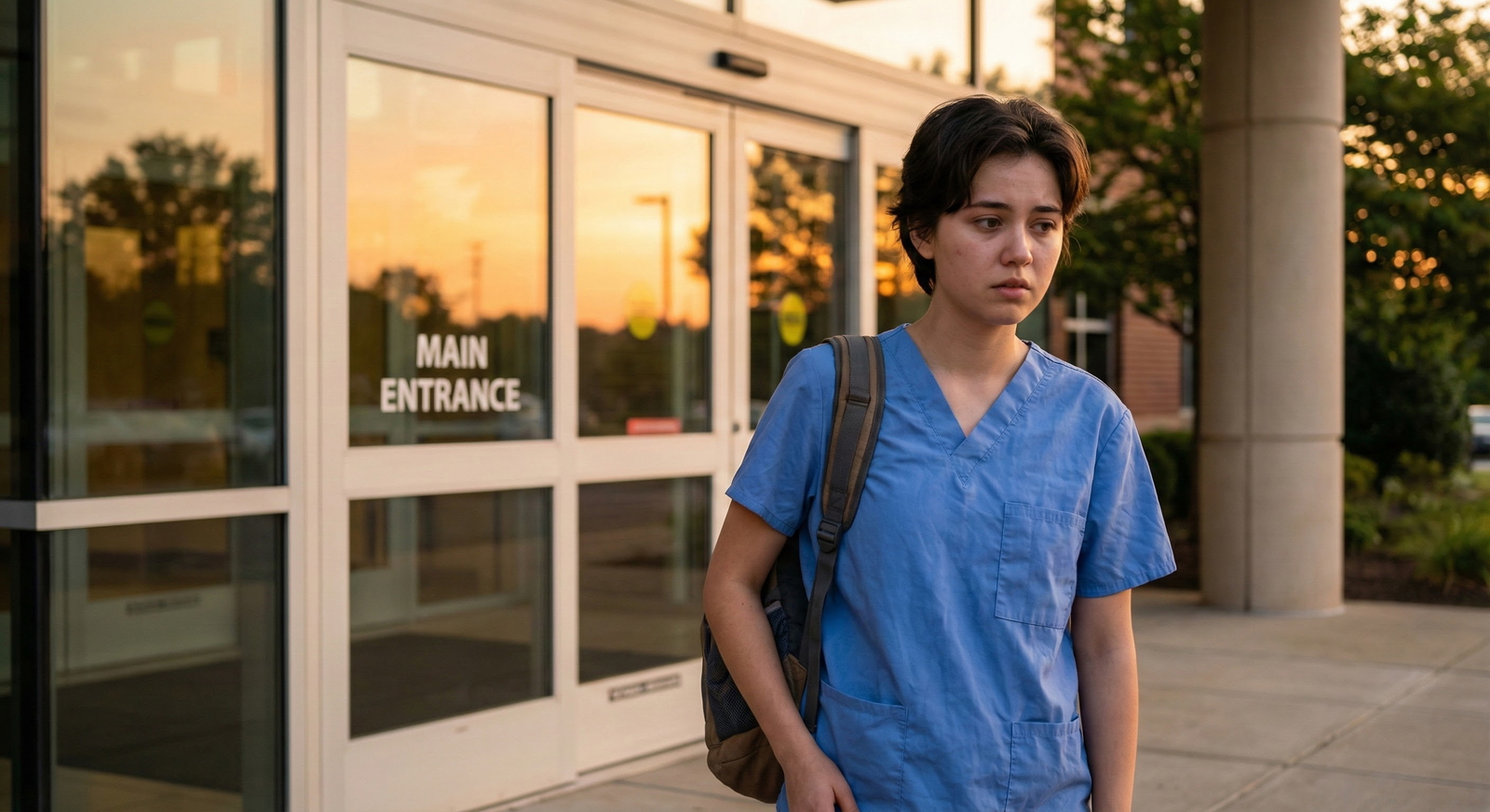
Understanding a Failed Match in Family Medicine
Not matching into a family medicine residency can feel devastating—especially when you know family medicine is the right fit for your career. Yet each year, many strong candidates experience a failed match (didnt match / failed match) and still go on to successfully secure positions in the FM match the following cycle.
This guide is designed to walk you through what to do after you see “unmatched applicant” on your screen, specifically in the context of family medicine residency. You’ll learn how to:
- Stabilize in the first 72 hours
- Navigate SOAP and post-SOAP options
- Build a purposeful “gap year”
- Strategically re-apply to family medicine
- Communicate about your failed match in a confident, professional way
The goal is not just “fixing” this year but building a stronger, more competitive, and more self-aware application for the next FM match.
Step 1: Immediate Actions After a Failed Match
1.1 Allow Yourself 24–48 Hours to Process
The initial emotional reaction matters. A failed match is a loss of an expected future, and it’s normal to feel:
- Shock, embarrassment, or shame
- Anxiety about visa status, finances, or timelines
- Fear of “never matching”
You are not alone. Many residents, attendings, and even program directors have failed to match at least once in their careers. Give yourself permission to feel upset for 24–48 hours, but commit to transitioning from emotion to action soon after. The next 1–2 weeks are critical.
1.2 Get Clear on Your Status and Options
Right after you learn you didnt match, you should:
- Log into NRMP/ERAS to confirm whether you are fully unmatched or partially matched.
- Understand your SOAP eligibility (if in the NRMP Main Match).
- Clarify your visa and graduation timelines if you’re an IMG or on a time-limited status.
If you are ineligible for SOAP (e.g., missed deadlines, certain institutional policies), you’ll need to pivot more quickly to post-SOAP and off-cycle strategies (covered below).
1.3 Reach Out to Your Support Network
Within the first few days, identify and email or call:
- Your medical school dean’s office / career advising
- A faculty mentor in family medicine (ideally someone involved in residency education)
- Any program directors you know personally or who interviewed you
Brief script you can use in email:
“I recently learned I did not match in this year’s family medicine residency cycle. Family medicine remains my top and only specialty choice. I would be very grateful for your guidance on how best to navigate SOAP and, if necessary, next year’s application cycle.”
This does two things: it signals your continued commitment to family medicine and opens doors for feedback and advocacy.

Step 2: Navigating SOAP and Post‑SOAP Options
While this article focuses on long-term failed match recovery, you must handle the current cycle efficiently.
2.1 Understanding SOAP for Family Medicine
Family medicine historically has a significant number of unfilled positions after the main FM match results, making it one of the more SOAP-available specialties. However:
- These positions are often in geographically less competitive areas
- They may have specific requirements (USMLE cutoffs, visa restrictions, graduation year)
- The process moves very fast
If you’re SOAP-eligible:
- Meet early with your dean’s office: Many schools coordinate SOAP applications centrally.
- Be realistic about competitiveness: If your scores or attempts are well below most FM programs’ thresholds, you may need to target community programs, rural or smaller institutions, or prelim/TY positions.
- Submit targeted applications: Customize brief messages emphasizing:
- Clear commitment to family medicine
- Readiness to relocate
- Fit with the program’s mission (rural care, underserved populations, primary care research, etc.)
Sample short SOAP message:
“I am an unmatched applicant with strong commitment to a career in family medicine, with particular interest in rural primary care. My clerkship evaluations highlight my teamwork, communication skills, and patient-centered approach. I am fully prepared to relocate and would be honored to join a program whose mission aligns so closely with my values.”
2.2 Should You Accept a Prelim/TY Spot?
Sometimes unmatched applicants consider a transitional year (TY) or preliminary medicine spot during SOAP. For a family medicine residency applicant, this has pros and cons:
Pros:
- Keeps you clinically active and strengthens recency of training
- Allows you to build US clinical experience and get strong letters
- May provide a path to switch into FM internally (depending on the institution)
Cons:
- No guarantee of converting to a categorical FM spot
- Demanding schedule may limit time for re-application work
- Visa issues may become complicated for IMGs if no categorical progression occurs
In family medicine, where there are often categorical FM positions both in SOAP and in subsequent cycles, a prelim year is not always necessary. It can be useful if:
- You have significant exam or clinical concerns and need to demonstrate new capability
- You especially want to do hospitalist work later and value stronger inpatient exposure
Discuss this choice with a trusted advisor before committing.
2.3 After SOAP: What If You’re Still Unmatched?
If you remain an unmatched applicant after SOAP:
- Stop and reassess: Avoid desperate, unfocused emailing to hundreds of programs.
- Ask your dean’s office or mentor if there are:
- Unadvertised off-cycle FM positions
- Locally affiliated community programs with mid-year openings
- Consider research or clinical fellow positions in primary care or related fields—though these are more common in internal medicine than family medicine.
At this point, you should already be planning your “recovery year” and a structured pathway to re-enter the FM match.
Step 3: Forensic Analysis of Why You Didn’t Match
Recovery begins with brutal honesty. Many applicants reapply without a precise understanding of why they failed to match, leading to repeated unsuccessful cycles.
3.1 Perform a 360° Application Audit
Review your entire application from the perspective of a program director:
Academic performance & exams
- USMLE Step/COMLEX scores and attempts
- Any failures or score drops
- Clerkship grades, especially in FM, IM, Peds, OB/Gyn, Psych
Application components
- Personal statement: Was it generic, cliché, or poorly written?
- CV: Any unexplained gaps, weak activities, or unclear trajectory?
- Letters of recommendation: Number, quality, and source (FM letters are critical).
Application strategy
- Did you apply to enough family medicine residency programs?
- Did you over-target highly competitive academic centers or desirable cities?
- Did you apply late or submit documents close to deadlines?
Interview performance
- Number of invites relative to applications
- No-shows or canceled interviews
- Feedback from mock or real interviews
- Any communication issues (language, cultural competence, professionalism)
If possible, ask a faculty member in family medicine or your dean to review your application documents and score report. Encourage them to be candid.
3.2 Common Reasons for a Failed FM Match
In family medicine, typical risk factors for going unmatched include:
- Low or marginal board scores, especially with failures
- Late graduation (years since medical school, especially >5 years)
- Limited US clinical experience, especially for IMGs
- Not enough FM-focused letters, or only generic letters
- Poorly articulated interest in family medicine (looks like a backup specialty)
- Very narrow geographic preferences or too few total applications
- Unprofessional behavior, weak interview skills, or red flags
Your job is to identify which of these apply to you—not abstractly, but concretely.
3.3 Creating a Problem List and Priority Plan
Think like a family physician constructing a problem list:
- Problem 1: USMLE Step 1 failure
- Problem 2: Only 1 FM letter, none from US faculty
- Problem 3: Very few FM-appropriate activities, no continuity clinic experience
- Problem 4: Generic personal statement that could apply to IM or pediatrics
For each problem, define:
- Goal (e.g., obtain 2 strong, recent FM letters from US faculty)
- Intervention (e.g., 8–12 weeks of FM observership or hands-on experience)
- Timeline (e.g., complete by September before submitting ERAS)
This transforms a painful failed match into a structured quality-improvement project for your candidacy.

Step 4: Designing a High‑Impact Gap Year for Family Medicine
Your “gap year” (or recovery year) is not a pause—it’s a performance-enhancing period. The goal is to re-enter the FM match as a clearly stronger, more aligned, and more mature candidate.
4.1 Core Goals of a Recovery Year
For a failed match recovery in family medicine, your year should aim to:
- Increase evidence of commitment to family medicine
- Address prior weaknesses (scores, recency of clinical work, communication)
- Generate new, strong letters of recommendation from FM faculty
- Improve your narrative and confidence for the next FM match cycle
4.2 Clinical Experience: What Matters Most in FM
Family medicine programs value:
- Breadth of exposure across age groups and conditions
- Continuity of care and long-term patient relationships
- Cultural competence and communication skills
- Team-based care experience
Depending on your background, options include:
US clinical experience (USCE) in FM:
- Hands-on positions (if allowed): resident assistant, physician extender roles, scribe plus clinical immersion
- Observerships or mentorship programs in FM clinics or community health centers
Community health center or FQHC work:
- Clinical assistant roles
- Care coordinator or quality improvement coordinator
Rural or underserved primary care exposure:
- Volunteering at free clinics
- Working with mobile health units or outreach programs
Document this work carefully: track patient care exposure, procedures (if allowed), teaching involvement, and QI activities.
4.3 Academic and Professional Development
Beyond clinical exposure, consider:
Family medicine or primary care research
- Even small QI or chart-review projects can be valuable
- Focus on topics such as chronic disease management, preventative care, or social determinants of health
Additional credentials
- MPH, certificate programs in global health, rural health, or healthcare quality
- Be cautious: degrees should add clear value and not simply delay re-application
USMLE/COMLEX remediation (if needed)
- If you have a failure or low score:
- Consider tutoring or structured prep
- Take and excel in Step 3/COMLEX Level 3 if timing and visa rules allow
- Demonstrate an upward academic trajectory
- If you have a failure or low score:
4.4 Employment and Financial Realities
Many unmatched applicants need paid work. Realistically aligned jobs include:
- Medical assistant, scribe, or clinical research coordinator in FM or primary care
- Public health roles focused on chronic disease, population health, or health education
- Telehealth support roles (if allowed)
These roles can simultaneously:
- Provide income
- Show sustained engagement with healthcare
- Lead to strong letters of recommendation
If you take a job completely outside medicine for financial survival, you must still maintain some medical continuity—e.g., limited volunteering, online CME, or part-time clinic support—to reassure programs that you have not drifted away from clinical practice.
Step 5: Rebuilding Your Family Medicine Application
Now that you’ve strengthened your candidacy, you must present it effectively.
5.1 Reframing Your Personal Statement After a Failed Match
Your new personal statement should:
- Directly reinforce your commitment to family medicine as your first and only specialty
- Highlight how your gap year experiences confirmed and deepened that commitment
- Briefly, professionally acknowledge your failed match if needed, but focus on growth
You do not need to open with, “I failed to match last year.” Instead, write from a position of insight and resilience:
“Over the past year, I have worked full-time in a community health center serving predominantly low-income families. Working alongside family physicians as they manage chronic disease, prenatal care, mental health, and pediatric issues in a single afternoon has affirmed my conviction that family medicine is the specialty where I can contribute the most.”
If programs ask (in interviews or supplemental questions) about your failed match, be honest and concise:
- Accept responsibility where appropriate (“I underestimated how important strong US FM letters would be…”)
- Explain specific corrective actions (“…so I spent this past year working in two family medicine clinics and obtained new letters from supervising faculty.”)
- Emphasize growth, maturity, and readiness.
5.2 Letters of Recommendation: Non‑Negotiable for FM
Strong letters from family medicine physicians—especially program directors, core faculty, or respected community preceptors—can drastically change your chances in the FM match.
Aim for:
- 3–4 letters, at least 2 from family medicine physicians
- Letters that comment on:
- Clinical reasoning and reliability
- Teamwork and communication
- Compassion and professionalism
- Fit for primary care and continuity practice
Approach potential letter writers early, ideally after sustained contact (at least 4–8 weeks of working together), and provide them with:
- Updated CV
- Personal statement draft
- A brief list of specific qualities or cases that they observed
5.3 Application Strategy for the Next FM Match
An improved application must be paired with an improved strategy:
Number of programs:
- Many previously unmatched FM applicants apply to 60–120+ programs, depending on competitiveness and whether they are USMG vs. IMG.
Program mix:
- Include a wide range: community programs, rural-focused, university-affiliated, smaller cities, and less competitive geographic regions.
- Don’t rely heavily on only a few big-name academic centers.
Timing:
- Submit ERAS as close to the opening date as possible with all major components ready.
- Avoid late letters unless absolutely necessary.
Supplemental ERAS and program-specific questions:
- Use these to emphasize why you are specifically drawn to family medicine and to each program’s unique strengths (e.g., OB-heavy training, rural track, underserved focus).
5.4 Interview Preparation: Turning “Unmatched” into a Strength
You will almost certainly be asked:
- “I see you previously applied. Can you tell me about that experience?”
- “What did you do during the last year?”
Your response should follow a three-part structure:
Brief, factual statement:
- “I applied to family medicine last year and did not match.”
Reflection and responsibility:
- “In retrospect, I recognize that my application lacked recent US family medicine experience and strong FM letters.”
Growth and action:
- “Over the past year, I worked full-time in a community family medicine clinic, completed a quality improvement project on hypertension control, and obtained new letters from two FM attendings who have supervised my work closely. This experience has deepened my understanding of the specialty and confirmed that family medicine is where I am meant to be.”
Practice these answers aloud with mentors and in mock interviews.
Step 6: Long‑Term Perspective and Wellness
Recovering from a failed match is not just an academic or logistical task; it is a psychological and emotional journey.
6.1 Managing Shame and Comparison
You may watch classmates start residency while you rework your application. Common emotional challenges include:
- Feeling “behind” or “left out”
- Worrying about social media portrayals of success
- Questioning your worth as a future physician
Remind yourself:
- Time in training is less important than the quality and fit of your career.
- Many excellent family physicians took non-linear paths.
- A single failed match does not define your entire professional life.
Surround yourself with supportive people and, when possible, connect with other unmatched FM applicants or residents who successfully matched after a failed attempt.
6.2 Maintaining Clinical Readiness
FM program directors will want reassurance that:
- You remain clinically sharp
- Your communication and professionalism are intact
- You are ready to step into residency responsibilities
Maintain:
- Regular clinical exposure if feasible
- Continuing medical education (CME) and reading in primary care topics
- Up-to-date certifications (BLS, ACLS, etc., if applicable)
6.3 Considering Alternative Paths—Thoughtfully
While this guide focuses on failed match recovery within family medicine, some applicants, after reflection, discover:
- Another specialty is a better fit
- They are more drawn to research, public health, or administration
- Non-clinical careers in medicine are more aligned with their values
If you truly feel your interests have changed, explore these paths intentionally, not as a reaction to the pain of not matching. For most reading this article, however, family medicine remains the goal, and your energy should be directed toward a strong, strategic re-application.
FAQs: Failed Match Recovery in Family Medicine
1. I didn’t match into family medicine this year. Should I switch specialties?
Not automatically. Family medicine is often more accessible than many other specialties because of its broad need and mission, and many unmatched applicants succeed in the next FM match cycle after strengthening their application. Only consider switching specialties if, after honest reflection and exposure, you realize another field truly fits your interests and skills better. Don’t switch solely out of fear.
2. How many family medicine residency programs should I apply to after a failed match?
It depends on your profile, but many previously unmatched applicants apply broadly—often 60–120+ programs—especially if they are IMGs, have exam failures, or other red flags. Work with an advisor to analyze your competitiveness and ensure your list includes a healthy mix of community, rural, less urban, and mid-tier programs, not just highly desirable urban academic centers.
3. Will programs automatically reject me because I’m an unmatched applicant from a prior cycle?
No. Many programs are willing to consider re-applicants if they see clear growth and corrective action. What matters most is how you used your gap year: Did you strengthen your clinical skills, obtain stronger FM letters, improve exams if needed, and show deeper commitment to family medicine? A re-applicant who has matured and improved can be very appealing.
4. How do I explain my failed match during interviews without sounding defensive?
Keep your explanation brief, honest, and growth-focused. Acknowledge the basic fact of not matching once, identify one or two key factors (e.g., limited FM experience, late application, score concerns), and then spend most of your answer on what you have done since—clinical work, new letters, projects, and insights about why you are now better prepared. Avoid blaming others or the system, and keep the tone professional and reflective.
A failed match in family medicine is painful, but it is also survivable—and often transformative. With clear analysis, a purposeful recovery year, and a strategic re-application, you can convert this setback into the foundation for a resilient, insightful, and deeply committed career as a family physician.