Understanding a Failed Match: What It Really Means
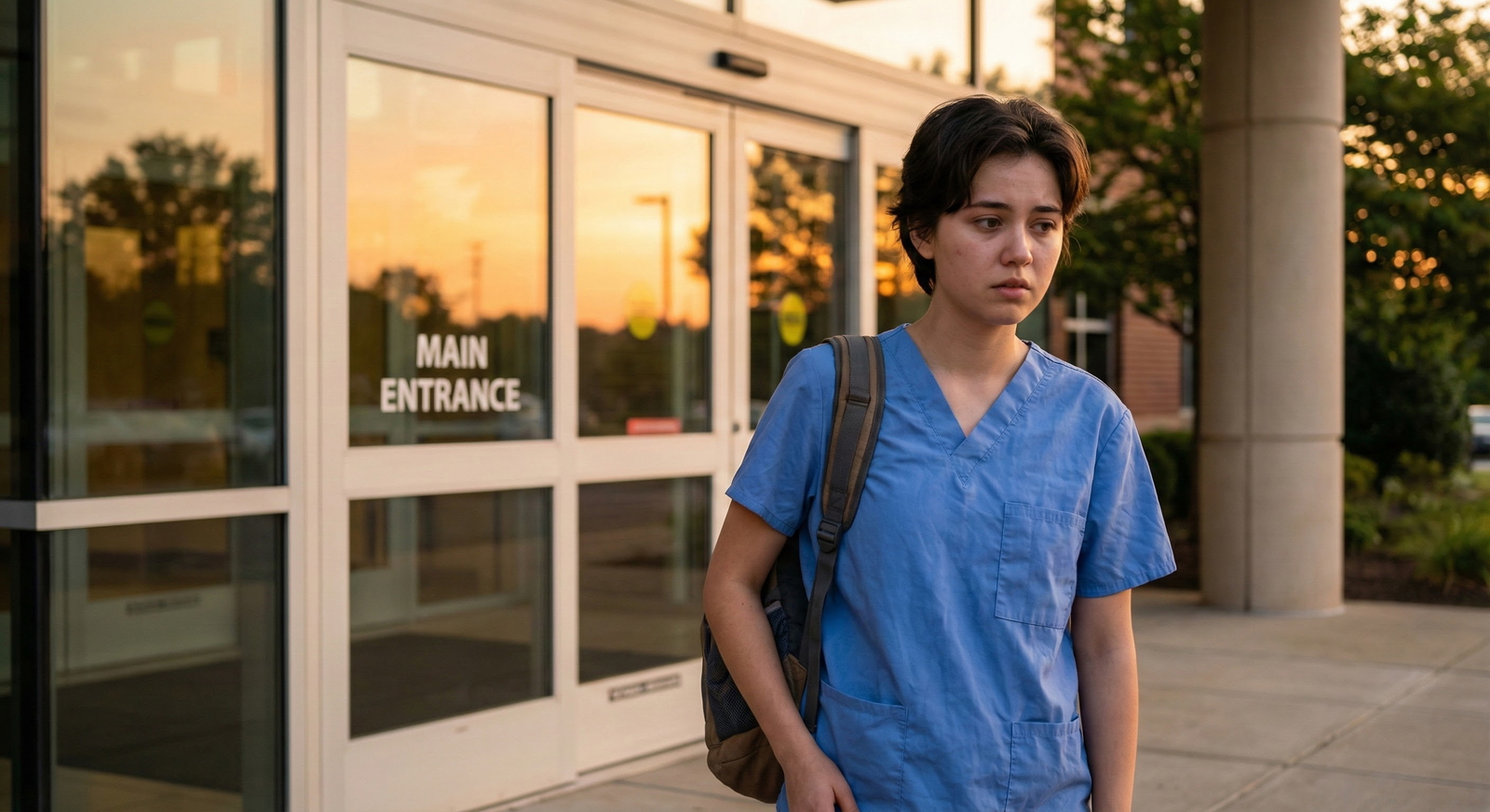
Getting the “didnt match” notification on Match Day can feel devastating. Years of effort, exams, applications, and interviews suddenly seem to collapse into a single phrase: unmatched applicant. You are not alone—and you are not at the end of your career.
Every year, thousands of qualified students and graduates do not secure a residency position on the first attempt. Many of them go on to secure excellent positions in subsequent cycles and build successful careers. The key is structured recovery, not panic.
This guide will walk you through:
- What a failed match actually signifies—and what it does not mean
- Immediate steps in the days after finding out you failed to match
- Medium-term strategies to strengthen your reapplication
- Alternative pathways and backup plans
- Emotional resilience and mindset
- Frequently asked questions from unmatched applicants
The goal is to move from shock and confusion to a clear, realistic, and actionable plan.
Step 1: Immediate Actions After You Don’t Match
The first 1–2 weeks after learning you didn’t match are crucial—not just for SOAP (if applicable), but for laying the groundwork for your next steps.
1. Pause, Breathe, and Protect Your Mindset
You will likely cycle through disbelief, shame, comparison, anger, or hopelessness. All of these are normal. What matters is how you contain these emotions and prevent them from driving impulsive decisions.
- Avoid catastrophizing (“I’ll never be a doctor,” “My life is over”)
- Limit social media and group chats filled with Match talk
- Talk to a trusted mentor, advisor, close friend, or mental health professional
- Remember: failing to match is an outcome, not an identity
Your ability to recover depends as much on your emotional regulation as on your CV.
2. Understand Why You Failed to Match (Initial Hypothesis)
Before you can plan, you must have at least a preliminary idea of what went wrong. At this early stage, you may not have full data, but you can formulate hypotheses.
Common factors:
- Application strategy issues
- Too few programs applied to
- Overly competitive specialty with insufficient backup options
- Geographic constraints that sharply limited your options
- Academic metrics
- USMLE/COMLEX scores below typical cutoffs
- Failed attempts on Step/Level exams
- Low or borderline class rank
- Clinical profile
- Limited or weak US clinical experience (for IMGs)
- Poor or generic letters of recommendation
- Inconsistent specialty commitment
- Interview performance
- Very few interview invitations
- Interviews that felt awkward, unstructured, or underprepared
- Perceived red flags not addressed proactively
You’ll refine this analysis later with data and mentor input, but start noting patterns now.
3. If Applicable: Engage Fully in the SOAP (NRMP Participants)
If you are participating in the NRMP and are eligible for SOAP, this is an urgent pathway to salvage the current cycle.
Key principles:
- Act immediately: SOAP moves quickly; know the schedule, time windows, and rules
- Be flexible: Broaden your specialty and geographic preferences as much as realistically possible
- Polish a SOAP-specific personal statement: Tailored to each program type you apply to
- Coordinate with your school’s advisors: Many schools have SOAP playbooks and templated workflows
- Be available for rapid interviews: Keep your phone and email close; respond professionally and promptly
However, even if SOAP doesn’t result in a position, the work you do—refining your narrative, updating your CV—will help with your longer-term recovery.
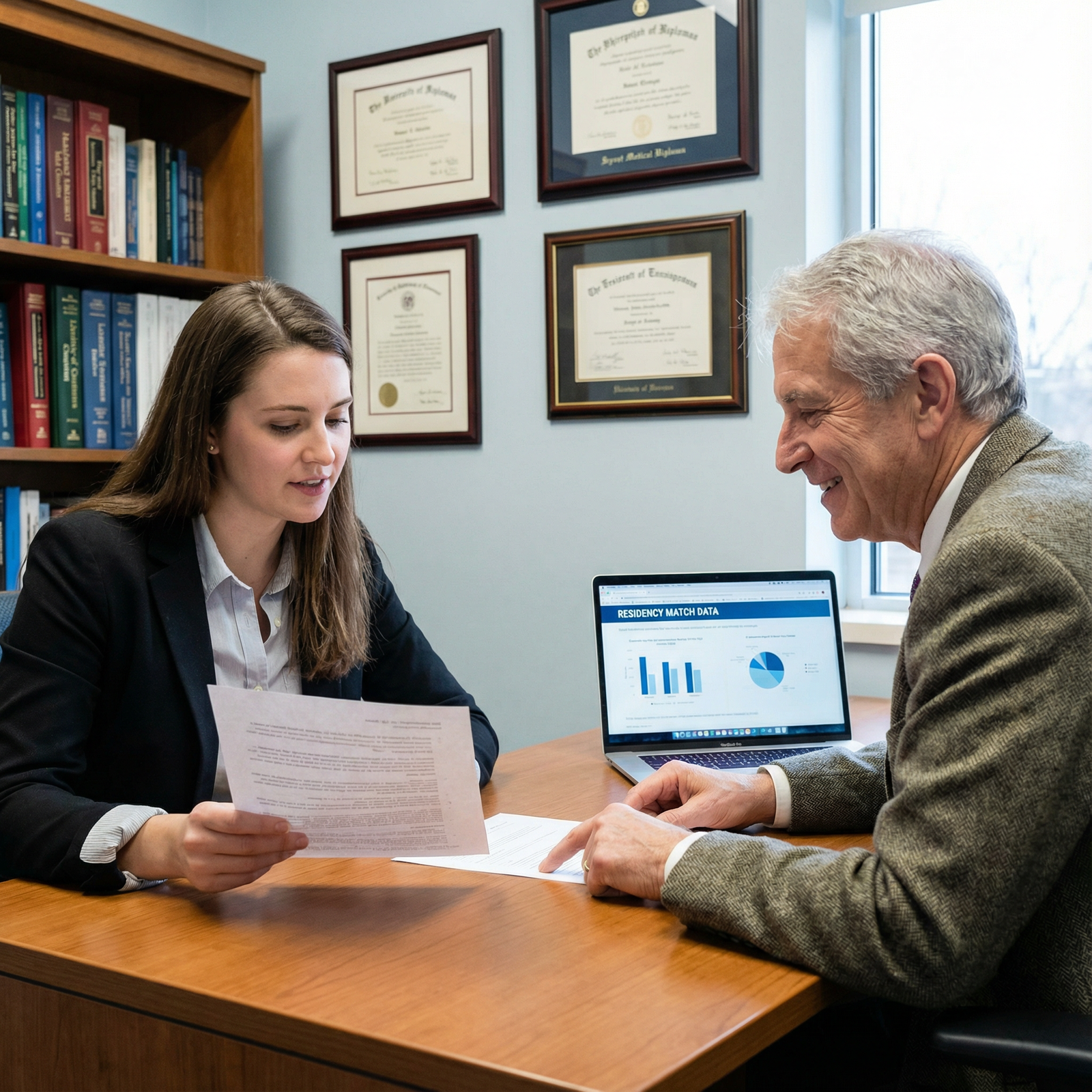
4. Secure an Honest Debrief With Advisors or Mentors
Within the first 1–3 weeks:
- Meet (virtually or in-person) with:
- Your Dean’s office / student affairs
- Specialty-specific faculty mentors
- Program directors (if willing) you interviewed with
- Ask for candid feedback, and signal that you genuinely want constructive criticism
Questions to ask:
- “How did my application compare to your usual interviewees or residents?”
- “If you could change three things about my application for next year, what would they be?”
- “Do you see any red flags that I may not be recognizing clearly?”
Document this feedback in a structured way—it will guide your entire recovery plan.

Step 2: Conducting a Deep Diagnostic of Your Application
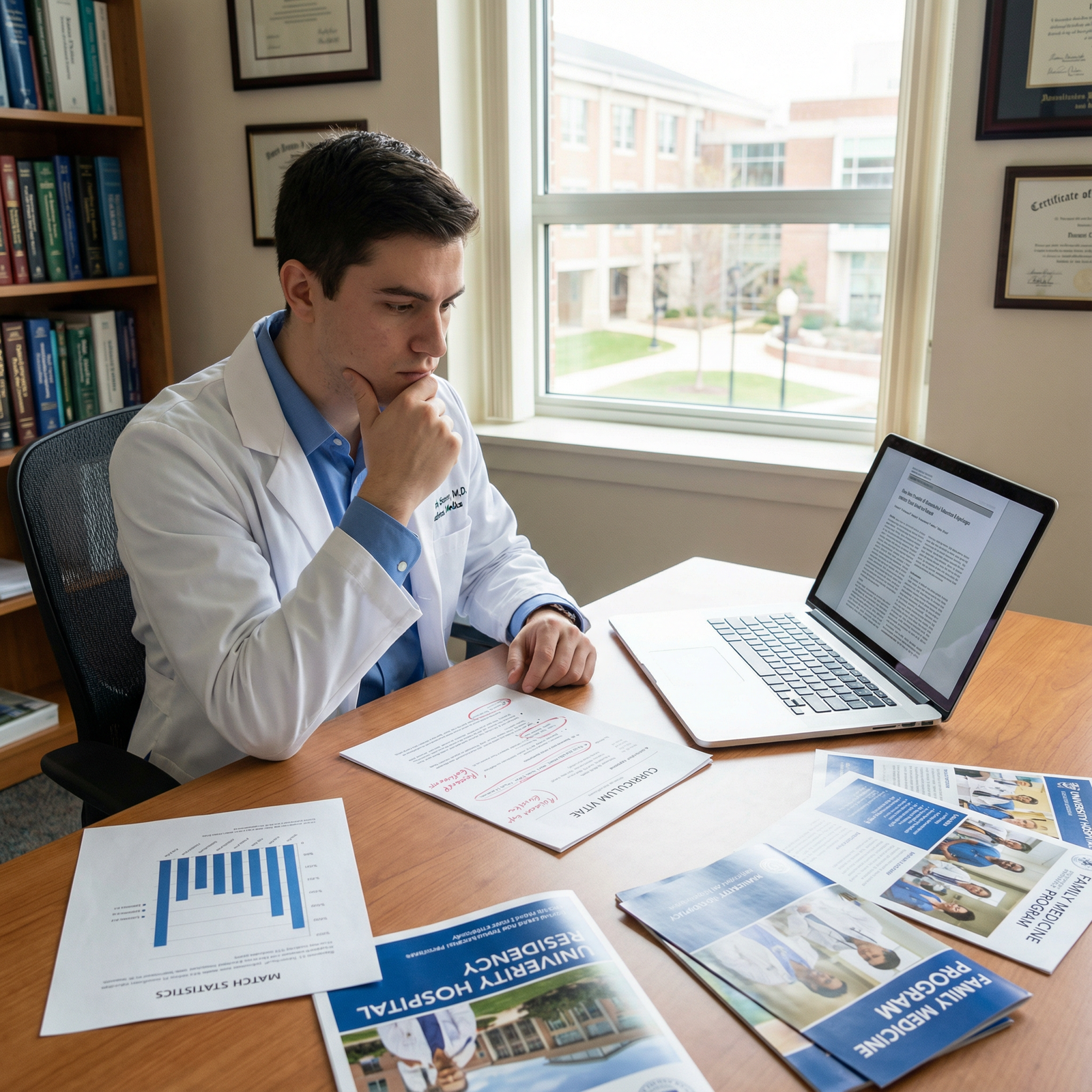
Failed match recovery requires an honest, sometimes painful audit of your prior strategy and materials.
1. Break Down Your Profile Into Core Domains
Analyze your candidacy in four categories:
- Academic Metrics
- USMLE/COMLEX scores, attempts, and trends
- Class rank, honors, AOA/Gold Humanism, remediation history
- Clinical & Specialty Alignment
- Quantity and quality of clinical rotations in your chosen specialty
- Continuity of interest (early vs late switch)
- Specialty-specific achievements (electives, sub-internships, projects)
- Professional Branding & Documentation
- Personal statement and supplemental essays
- ERAS/CV formatting, content, clarity
- Letters of recommendation—strength, specificity, and recency
- Application Strategy & Behavior
- Number and distribution of programs applied to
- Specialty choice competitiveness vs your profile
- Geographic limitations or requirements
- Interview performance and follow-up
For each domain, rate yourself honestly (e.g., strong / average / needs improvement) and note evidence.
2. Identify Primary and Secondary Match Barriers
A “didnt match” outcome usually reflects multiple factors, but some weigh more than others.
Examples of primary barriers:
- Step 1 or Level 1 failure without strong compensatory strengths
- Very low specialty-specific exposure or commitment for a competitive specialty (e.g., Derm, Ortho, Plastics)
- Applying to only a small number of programs in a competitive field
- Grossly underperforming in interviews compared with peers
Secondary barriers might include:
- Personal statement lacking coherence or having red flags
- Generic letters that do not help you stand out
- Overly narrow geographic preferences
Document your top 3–5 modifiable barriers. These will be your main targets over the next 6–18 months.
3. Differentiating “Unlucky” vs “Structural” Failed Matches
Some unmatched applicants had objectively competitive applications and decent strategies; they simply hit a bad year or cluster of circumstances. Others face structural issues that will likely lead to repeated failed match attempts unless addressed.
Ask yourself:
- Did I receive a reasonable number of interviews for my specialty and profile?
- Did I rank all programs where I interviewed?
- Did any programs hint at concerns that might apply broadly (professionalism, communication, gaps)?
If you had:
- Many interviews and still didn’t match → likely interview performance and/or ranking strategy
- Few or no interviews → likely application strategy, metrics, or documentation issues
Understanding this distinction helps tailor your recovery plan.
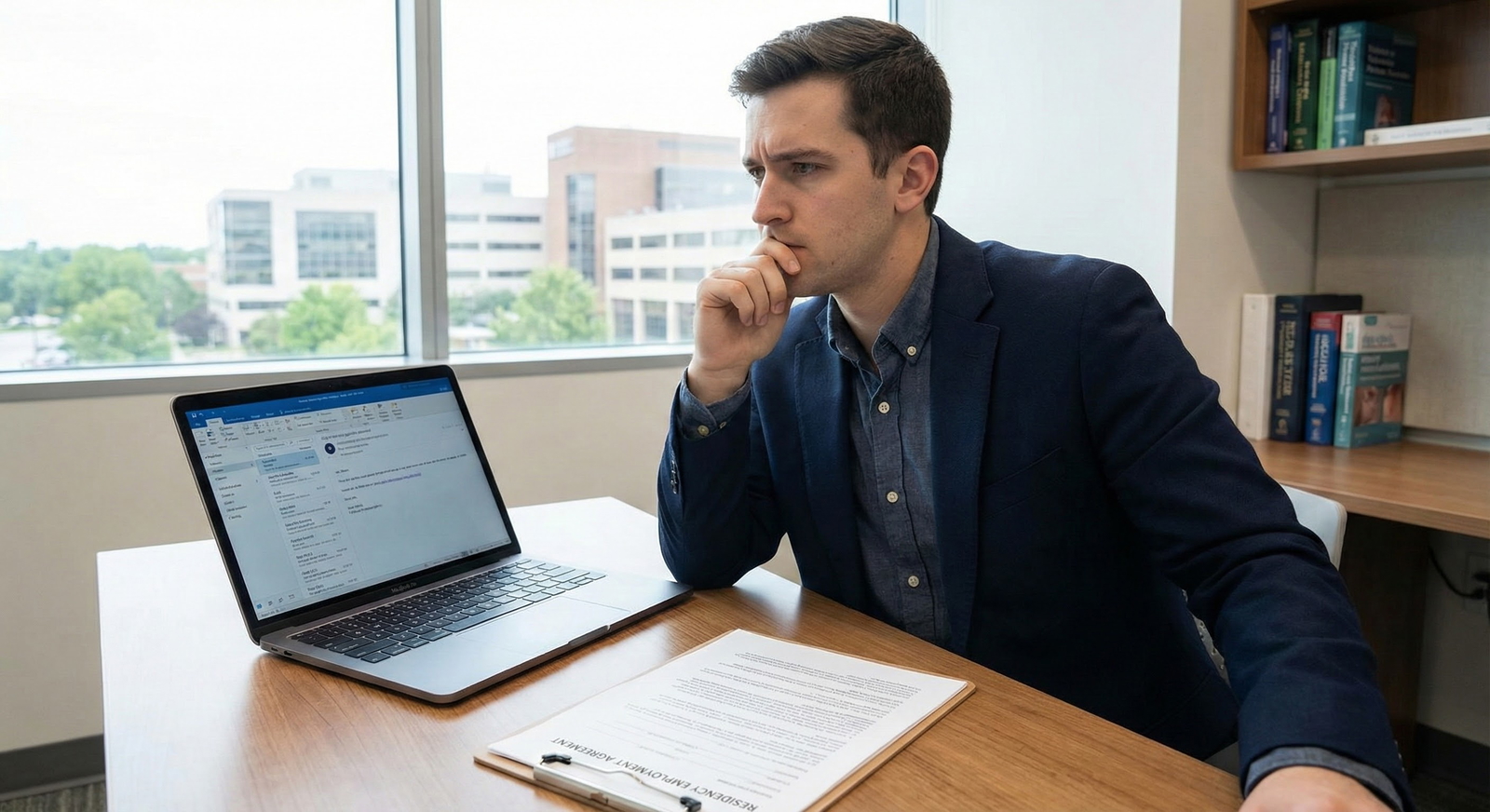
Step 3: Designing a One-Year (or Multi-Year) Recovery Plan
Failed match recovery is rarely about a single “magic bullet.” It’s about stacking multiple, coordinated improvements.
1. Decide: Reapply to Same Specialty, Switch, or Create a Hybrid Plan
You face three broad pathways:
A. Reapply to the same specialty
Best if:
- You were close to being competitive (interviews but no match)
- You have strong specialty commitment and mentorship
- You’re willing to substantially strengthen weak domains
B. Switch to a less competitive specialty
Consider this if:
- Your metrics are significantly below typical for your original specialty
- You had a late interest shift and thin specialty footprint
- You are flexible and open to other fields aligned with your skills and values
C. Hybrid plan (Primary + backup specialty)
Often wise for borderline cases, especially in highly competitive fields (e.g., applying to both Internal Medicine and a small subset of more competitive specialty programs).
When you’re an unmatched applicant, ego can push you to cling to the original dream specialty at all costs. Balance that with data, life goals, and realistic probabilities. Pride is expensive; your future happiness and stability matter more.
2. Plan Your “Gap Year” or Transition Period
If you’re not entering residency immediately (no SOAP spot), decide how to use the next 12–24 months. Program directors look for:
- Continued clinical engagement
- Professionalism and reliability
- Evidence of growth addressing prior weaknesses
Common, productive options:
A. Research Positions (Paid or Volunteer)
- Ideal if you are targeting academic or moderately competitive specialties
- Look for positions where:
- You can participate in manuscripts, abstracts, or posters
- There is direct faculty mentorship
- The team has a history of supporting residency applicants
B. Clinical Experiences / Off-Cycle Roles
- For IMGs, structured US clinical experience (USCE) or observerships
- Clinical research coordinator positions
- Hospital-based roles (e.g., scribe, quality improvement coordinator)
C. Educational or Leadership Roles
- Teaching assistant or instructor in medical education
- Curriculum development roles
- Leadership in professional or community organizations
D. Additional Degrees or Certificates (Selective Use)
- MPH, MS, or other master’s programs can be helpful only if:
- They clearly align with your career goals
- You can realistically manage costs and time
- You’re simultaneously addressing core residency-relevant weaknesses
Whatever you choose, your activities should fit a coherent story: how they improved you as a future resident and addressed the reasons you were previously an unmatched applicant.

Step 4: Strengthening the Core Components of Your Application
With your recovery plan structure in place, begin systematically upgrading your application.
1. Academic and Exam-Related Improvements
If your match failure involved exam scores or academic performance:
- Retake allowed exams only if:
- A higher score is attainable and would meaningfully change how programs view you
- You can dedicate the required study time without sabotaging other priorities
- Document remediation success:
- If you had prior failures, show a track record of subsequent passes and strong performance
- Consider additional coursework:
- Advanced clinical electives with graded evaluations
- Formal academic certificates (e.g., clinical research methods)
Your narrative should shift from “I failed an exam” to “I encountered a setback, analyzed it, implemented a new strategy, and now have proof of resilience and growth.”
2. Clinical Experience and Specialty Commitment
Programs want to see:
- Current, relevant clinical exposure
- Continuity of interest in your chosen field
- Strong performance evaluations
Strategies:
- Seek sub-internships or audition rotations (if eligible) in your target specialty
- For IMGs, prioritize hands-on USCE whenever feasible
- Request written evaluations that can inform letters of recommendation
If you are switching specialties, explicitly build a new specialty footprint—rotations, mentorship, shadowing, and sometimes research.
3. High-Impact Letters of Recommendation
As a prior unmatched applicant, strong letters can significantly rehabilitate your application.
Aim for:
- At least three specialty-appropriate letters
- Letter writers who:
- Know you well
- Can comment on your clinical performance, professionalism, and growth
- Understand the context of your failed match and can speak to your progress
Practical steps:
- Provide letter writers with:
- Updated CV
- Personal statement draft
- A concise summary of your activities since the last match cycle
- Politely ask if they can comment on your readiness for residency and your improvement since your last attempt (if appropriate).
4. Personal Statement and Narrative Reconstruction
Your personal statement is your chance to own your story without over-focusing on being unmatched.
Key principles:
- Acknowledge major red-flag events (e.g., exam failure, career pivot) briefly and responsibly
- Emphasize insight, growth, and specific changes you made
- Connect your “gap year” or transition activities to:
- Improved clinical competence
- Clarified career goals
- Enhanced maturity or resilience
Avoid:
- Over-explaining or apologizing repeatedly
- Blaming institutions, advisors, or systems
- Making your failed match the central theme of the essay
Instead, convey: “Yes, I was an unmatched applicant; here is what I learned, how I improved, and why I am a stronger candidate now.”
5. Interview Skills and Professional Presentation
If you had interviews but still had a failed match outcome, you must assume that interview performance might be part of the issue unless strongly proven otherwise.
Improve by:
- Doing mock interviews with:
- Advisors
- Mentors
- Career services or professional coaches
- Recording yourself to evaluate:
- Clarity and conciseness of answers
- Non-verbal communication
- Ability to discuss weaknesses calmly and constructively
Prepare clear, practiced responses to:
- “Tell me about yourself.”
- “Why this specialty?” / “Why our program?”
- “I see you didn’t match last year; what changed?”
Your goal is not theatrical performance, but authentic, organized communication.
Step 5: Broadening Your Perspective: Alternatives and Contingencies
Even with an excellent recovery strategy, there are no guarantees. Part of responsible planning is acknowledging and preparing for multiple outcomes.
1. Considering Less Competitive Specialties
If your profile strongly suggests that your original specialty is unlikely (especially after more than one failed match), it may be wise to explore:
- Family Medicine
- Internal Medicine
- Pediatrics
- Psychiatry
- Pathology
- Physical Medicine & Rehabilitation (PM&R)
These fields vary by region and year, but generally offer more positions and broader entry points, especially for applicants with prior challenges.
2. Transitional or Preliminary Year Positions
For some, completing a preliminary or transitional year can:
- Provide US clinical experience and evaluations
- Strengthen your credibility and skills
- Help you reapply from a position of active training
This path can be complex and requires careful strategy to avoid ending up perpetually in limbo. Work closely with advisors if you pursue it.
3. Non-Residency Clinical and Health Career Options
If repeated cycles result in continued “didnt match” outcomes, some applicants choose to pivot more substantially. Options include:
- Clinical research career paths
- Public health practice (especially with an MPH)
- Healthcare administration or quality improvement roles
- Medical education and curriculum design
- Biotechnology or pharmaceutical industry roles
- Health technology, informatics, or consulting
These are not “giving up.” They are alternative ways to live a meaningful, medically related life, and for some individuals they turn out to be a better fit than traditional residency.
Step 6: Emotional Resilience and Long-Term Mindset
A failed match affects more than your CV. It can challenge your identity, social relationships, and mental health.
1. Normalize the Experience Without Minimizing It
You are not unique in being unmatched; many physicians you respect have quietly gone through this. At the same time, your pain is real and deserves attention.
- Consider professional counseling or therapy
- Connect with peers who have gone through a failed match and successfully recovered
- Be cautious about comparing your trajectory to classmates who matched on the first try
2. Build a Supportive Micro-Community
Identify a small circle of:
- Trusted mentors who believe in you but will be honest
- Friends or family who provide emotional support
- Peers or online communities for unmatched applicants (used wisely and not as doom-scrolling)
Lean on them during key decision points: specialty switches, job offers, reapplication strategy, and any subsequent failed match attempts.
3. Protect Your Identity Beyond “Applicant Status”
While you are rebuilding professionally:
- Maintain at least one non-medical hobby or passion
- Keep up with basic health habits: sleep, exercise, nutrition
- Give yourself permission to experience joy and normal life events
Your worth is not determined solely by whether you matched this year.
FAQs: Common Questions About Failed Match Recovery
1. I failed to match this year. Should I apply again next cycle or take time off?
It depends on the severity and type of issues in your application:
- If you were close to matching (reasonable interview numbers, mostly strong feedback), a focused one-year improvement plan with immediate reapplication may be reasonable.
- If you had few or no interviews, significant academic weaknesses, or a major specialty mismatch, a more deliberate 1–2 year rebuild is often wiser.
Talking with honest advisors and potential future letter writers can help calibrate this decision.
2. How many times can I apply after being an unmatched applicant?
There is no formal limit, but each additional cycle without matching raises questions for programs. After 2–3 failed match cycles, many program directors grow skeptical unless you can demonstrate:
- Clear, progressive improvement
- Substantial new credentials or experiences
- A realistic specialty and geographic strategy
Multiple repeated “failed match” outcomes are a sign to reassess your specialty choice—or to explore alternative careers.
3. Should I address my failed match directly in interviews and my personal statement?
Yes—but strategically:
- In your personal statement, briefly acknowledge key setbacks if they are central (e.g., exam failure, late switch), then focus on what you learned and how you changed.
- In interviews, be transparent if asked why you were unmatched. Provide:
- A concise explanation
- Ownership of your part in the outcome
- Specific actions you’ve taken to improve
Avoid blaming others or dwelling excessively on the past; emphasize your readiness now.
4. Is it possible to match into a competitive specialty after a failed match?
It is possible, but the bar is high. Programs in highly competitive fields often have more than enough first-time, stellar applicants. To be considered seriously after a prior failed match, you usually need:
- Strong or improved exam metrics
- Robust specialty-specific research or achievements
- Exceptional letters and mentorship from leaders in the field
- A credible narrative explaining the previous outcome
Many unmatched applicants ultimately find greater success and satisfaction by pivoting to a specialty that aligns better with both their goals and objective competitiveness.
A failed match is a painful, high-stakes event—but it is not final. With structured reflection, evidence-based planning, and sustained effort, many unmatched applicants transform this setback into a turning point that leads to residency and fulfilling careers. Your task now is to move from self-blame and confusion to clarity, strategy, and deliberate action.