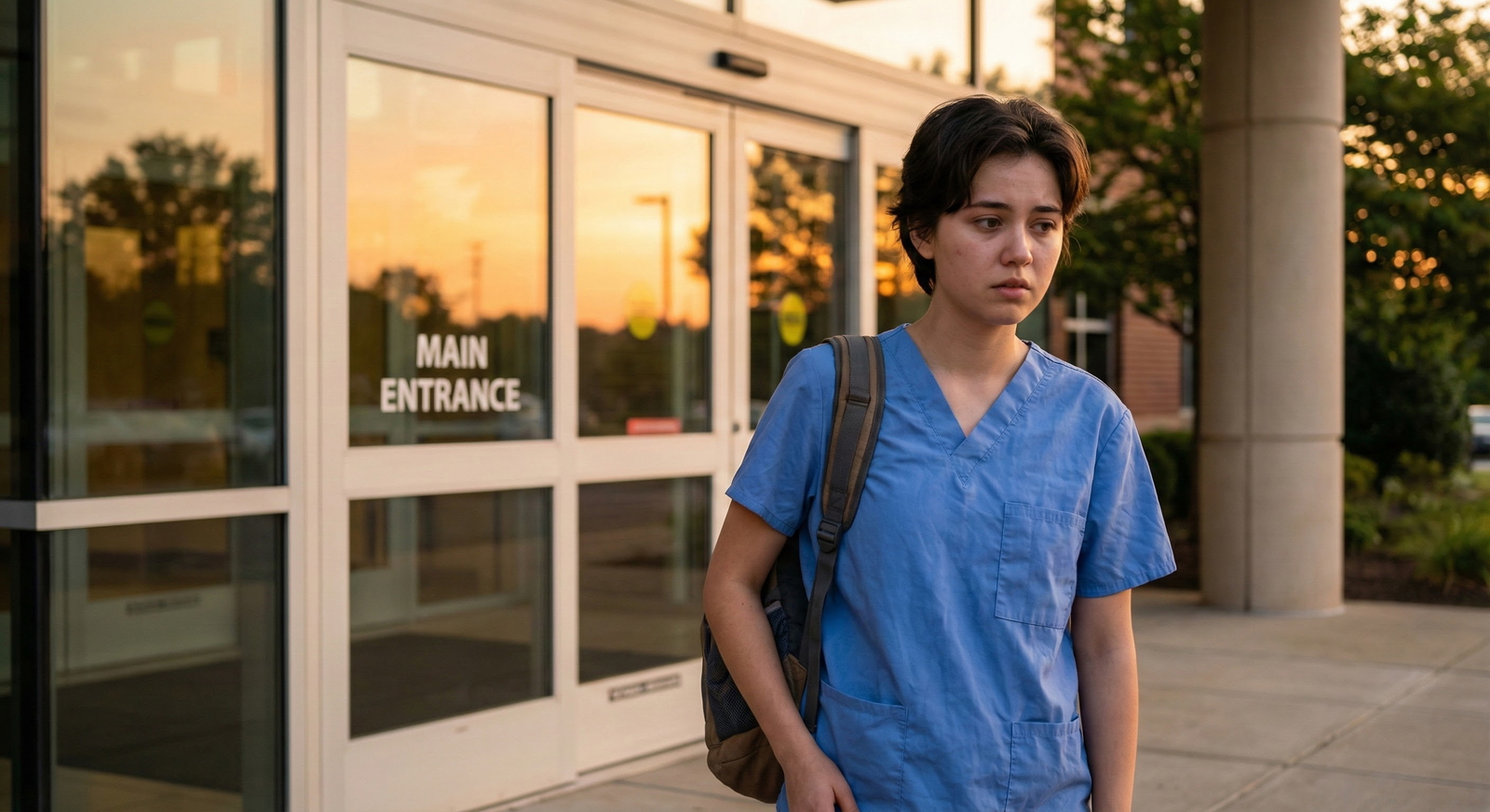
Understanding Failed Match Recovery in HBCU-Affiliated Programs
A failed Match can feel devastating—especially if you were hoping to train in an HBCU residency program where mission, culture, and community alignment are deeply personal. Yet every year, a significant number of capable, motivated applicants don’t match on the first try, including many who later become outstanding residents and attendings.
For applicants who didnt match or are navigating a failed match, the challenge is not only logistical but also emotional: embarrassment, fear about the future, and worry about disappointing family, mentors, or your home institution. When your dream includes Meharry residency programs, Howard, Morehouse, or other HBCU-affiliated residencies, the stakes can feel even higher.
The goal of failed match recovery is twofold:
- Stabilize your current situation (emotional, financial, visa/immigration if applicable).
- Build a stronger, more strategic application for the next cycle, with particular attention to HBCU residency programs and their unique values and missions.
This guide focuses on practical, step-by-step recovery strategies tailored to applicants committed to HBCU-affiliated residency programs, including unmatched applicants and those who feel they “failed” the Match but still have viable pathways forward.
Step 1: Normalize, Decompress, and Understand What Happened
Before you re-strategize, you need to understand how you got here and give yourself space to recover.
Acknowledge the Emotional Impact
A failed match often feels personal, but it is largely a systemic issue:
- There are more applicants than available spots.
- Some specialties have extreme competitiveness.
- Small application errors (timing, letters, personal statement) can matter disproportionately.
Common emotional responses:
- Shame: “Everyone else matched. I failed.”
- Catastrophic thinking: “My career is over.”
- Anger or confusion: “I did everything right; why didn’t I match?”
- Guilt: “I let down my family, mentors, or my HBCU.”
These feelings are valid, but they are not accurate predictors of your future success. Many residents and attendings at Meharry, Howard, Morehouse, and other HBCU residency programs have a story that includes being an unmatched applicant at least once.
Actionable steps in the first 1–2 weeks:
- Take 48–72 hours away from ERAS spreadsheets, forums, and social media.
- Confide in 1–2 trusted people (mentor, advisor, close friend) rather than trying to process it alone.
- Avoid impulsive decisions (e.g., “I’ll just switch careers now”) before doing a clear, structured review.
Gather Objective Data on Your Application
Failed match recovery starts with cold, honest data. Compile:
- Scores & Exams
- USMLE Step 1/COMLEX 1 (and pass/fail status)
- USMLE Step 2 CK/COMLEX 2 CE
- Any failed attempts, late retakes, or NBME/CS/PE issues
- Academic Record
- Class rank or quartile (if available)
- Any course/clerkship failures or leaves of absence
- Repeated rotations
- Application Profile
- Specialty(s) applied to
- Number of programs applied to
- Number of interviews offered and attended
- Geographic focus (e.g., heavily concentrated in one region)
- HBCU residency programs you targeted (e.g., Meharry, Howard, Morehouse, Drew/UCLA, etc.)
- Supporting Materials
- Letters of recommendation: number, specialty alignment, source
- Personal statement(s)
- CV: research, leadership, community service, health equity work, HBCU-related engagement
You’ll use this to identify patterns and gaps—especially in areas particularly valued by HBCU-affiliated programs, such as commitment to underserved communities and social justice in healthcare.
Step 2: Conduct a Post-Match Autopsy with Targeted Mentorship
Engage with Advisors Who Understand HBCU Mission and Context
Not all advice is equal. Seek out mentors who:
- Have experience with HBCU residency programs (faculty, alumni, residents).
- Understand mission-driven selection (service to underserved communities, diversity, cultural humility).
- Are willing to give unvarnished feedback about your application.
Potential sources:
- Your medical school’s Office of Student Affairs or Career Advising.
- Diversity, Equity, and Inclusion (DEI) offices or advisors at your institution.
- HBCU graduates or faculty at your school or clinical sites.
- Residents currently training at Meharry residency programs, Howard, Morehouse, or other HBCU-affiliated programs (via alumni networks, LinkedIn, SNMA, LMSA, or specialty organizations).
Structure the Review
Bring your application materials and ask for specific feedback:
- “Given my scores and experiences, were my target specialties realistic?”
- “How competitive was my application for HBCU residency programs?”
- “What weaknesses do you see in my ERAS, letters, or personal statement?”
- “Did my application clearly convey my alignment with HBCU missions and underserved care?”
Have them rate key domains:
- Academic metrics (scores, performance)
- Clinical rotation strength (especially core rotations)
- Professionalism, communication, and interview skills
- Evidence of service, leadership, and health equity focus
- Fit with HBCU and safety-net hospital cultures
Patterns will begin to appear—for example:
- Strong mission fit but marginal exam scores.
- Solid scores but weak demonstration of commitment to underserved communities.
- Excellent story but too few applications or misaligned specialty choice.

Step 3: Clarify Your Path: Specialty, Setting, and HBCU Focus
Failed match recovery is not just “try again harder.” It’s “try again smarter,” which may mean refining or even changing your target.
Reassess Your Specialty Choice
Ask yourself, with mentor guidance:
- Was your specialty choice realistic given your application metrics?
- Did you apply only to hyper-competitive specialties (e.g., dermatology, ortho, plastics) without a strong plan B?
- Did you pursue a specialty with limited HBCU residency program options, while wanting only HBCU-affiliated sites?
Possible outcomes:
Stay in the same specialty
Appropriate if:- You had several interviews but didn’t match (suggests you’re near the competitive threshold).
- Your metrics are close to or above average for the specialty.
- Feedback highlights fixable issues (personal statement, interview skills, letters).
Broaden to a dual-application strategy
For example:- Internal Medicine + Family Medicine
- Pediatrics + Internal Medicine-Pediatrics
- Psychiatry + Neurology
This can increase your chances, especially if you want to maximize opportunities at HBCU and HBCU-affiliated programs.
Pivot to a more attainable specialty
Too often ignored because of sunk-cost fallacy. If your metrics or experiences make your original choice highly unrealistic, shifting your goal can be the most strategic option.
Understand the HBCU Residency Landscape
True HBCU residency programs are centered around a small but critically important group of institutions, including:
- Meharry Medical College (Nashville, TN)
- Howard University College of Medicine (Washington, DC)
- Morehouse School of Medicine (Atlanta, GA)
- Historically affiliated or pipeline partnerships with programs such as Drew/UCLA and others that have strong commitments to underserved communities and diversity.
These residencies typically emphasize:
- Service to Black and other historically marginalized populations.
- Training physicians to work in underserved, urban, and rural communities.
- Addressing health disparities, structural racism, and social determinants of health.
- Cultural humility, advocacy, and community-based engagement.
If your long-term goal is to train in an HBCU-affiliated program, your recovery plan should intentionally highlight and deepen your alignment with these values.
Define Your “Narrative of Purpose”
You need a coherent story that connects:
- Your identity, background, and lived experiences.
- Your work with underserved communities (volunteering, research, advocacy).
- Why HBCU residency programs are particularly aligned with your mission.
- How a failed match experience has sharpened your commitment and resilience.
This narrative will shape your personal statement, supplemental ERAS questions, and interviews.
Step 4: Build a Strong Gap Year or Interim Plan
What you do between a failed match and your next application cycle is critical—especially when targeting Meharry residency programs and other HBCU-affiliated residencies that value sustained service and growth.
Priority: Remain Clinically Connected
Aim for roles that keep you close to patient care and attending-level mentors:
Transitional or Preliminary Year (if secured in SOAP)
- Perform strongly, especially in core inpatient rotations.
- Request letters highlighting your dedication, work ethic, and bedside manner.
- Engage in quality improvement or community health projects aligned with health equity.
Clinical Research Fellowships / Post-Graduate Research Positions
Especially valuable in IM, FM, Peds, EM, Psychiatry:- Target projects involving health disparities, minority health, public health, or care of underserved populations.
- Seek supervisors with HBCU or safety-net hospital ties.
Clinical Instructor / Teaching Positions
At some institutions, unmatched graduates can be hired as instructors or simulation facilitators:- Teaching medical students, often including pipeline programs for URM students.
- Opportunity to demonstrate leadership, communication, and professionalism.
Externships / Observerships / Community Clinics (for IMGs and some US grads)
- Seek safety-net or FQHC (Federally Qualified Health Center) settings serving predominantly minority or low-income populations.
- Align experiences with HBCU missions by emphasizing service, continuity, and population health.
Add Structured Community and Health-Equity Work
HBCU residency programs are particularly interested in applicants who demonstrate sustained, not superficial, commitment to underserved communities.
Examples:
- Developing a diabetes education series at a predominantly Black church or community center.
- Working with a mobile health unit serving uninsured or rural populations.
- Participating in maternal health equity projects to address disparities among Black women.
- Contributing to policy or advocacy work through organizations like SNMA, NMA, APHA, or local coalitions.
Be sure to:
- Track hours, responsibilities, and measurable impact.
- Identify potential letter writers who can speak to your commitment and leadership.
Consider Academic and Exam Remediation
If your failed match was partly due to academic factors:
USMLE/COMLEX Step 2 CK/CE Retake or Improved Performance
- If your Step 2 is pending or low, consider structured prep.
- A significant score improvement can change program directors’ risk assessment.
Targeted Coursework or MPH/MSc Programs (with caution)
- An MPH or MS in Clinical Research or Public Health can align well with HBCU missions.
- However, avoid taking on large debt solely to “fill the gap year” unless it directly strengthens your application and you can manage the cost.

Step 5: Rebuild Your Application Strategically for HBCU-Affiliated Programs
After a failed match, you’re not just updating dates and adding one new experience. You are rebranding yourself as a stronger, more focused candidate.
Strengthen Your Letters of Recommendation
For HBCU residency programs, ideal letters:
- Come from attendings who know you well in clinical settings.
- Highlight:
- Cultural humility and ability to connect with diverse patients.
- Reliability, resilience, and growth since the failed match.
- Leadership and teamwork in resource-limited or safety-net environments.
- If possible, include at least one letter from:
- A faculty member associated with an HBCU or who has trained/practiced in underserved communities.
- A supervisor in your gap-year clinical or community role.
Practical steps:
- Ask early and provide:
- Your updated CV.
- A brief summary of your goals and HBCU focus.
- Specific points you hope they can address (e.g., “my ability to care for underserved patients,” “growth in clinical reasoning and professionalism”).
Rewrite Your Personal Statement to Reflect Growth
Your personal statement should not center on being an unmatched applicant, but it should acknowledge your journey with maturity if relevant.
Consider a structure:
Anchor Story
A meaningful patient or community experience that reflects your mission (e.g., working at a free clinic in a predominantly Black neighborhood, mentoring premed students from an HBCU).Development of Purpose
How your background, including cultural and lived experiences, leads naturally to your interest in your specialty and HBCU residency programs.The Gap Year / Recovery Phase
Brief but honest:- “After not matching in 2024, I took a clinical research fellowship in hypertension disparities at a safety-net hospital, where I…”
- Highlight what you learned, not just what you did.
Future Vision
Why you are specifically drawn to institutions like Meharry, Howard, or Morehouse:- Commitment to addressing health disparities.
- Desire to become a leader in underserved care.
- Interest in faculty who are national leaders in minority health.
Avoid:
- Overly defensive explanations.
- Blaming the system or specific programs.
- Overemphasizing the failed match at the expense of your broader story.
Adjust Your Program List and Application Strategy
A strong failed match recovery plan involves right-sizing your application:
Apply Broadly and Realistically
- Include a range of program types: HBCU residency programs, safety-net hospitals, community-based programs, and academic centers with strong DEI commitments.
- Use tools like FREIDA and program websites to identify missions aligned with underserved care and diversity, not just prestige.
Optimize HBCU Applications
- For Meharry residency, Howard, Morehouse, and similar:
- Explicitly mention why their mission resonates with you.
- Highlight prior experiences in similar patient populations.
- If you’re a graduate of an HBCU college or med school, leverage that connection thoughtfully.
- Attend virtual open houses, information sessions, and Q&A panels specific to these programs.
- Follow their social media and attend conference sessions where their faculty present (e.g., NMA, SNMA, regional DEI meetings).
- For Meharry residency, Howard, Morehouse, and similar:
Plan for Supplemental Applications
- Tailor answers to highlight:
- Long-term commitment to underserved communities.
- Experience in safety-net or resource-limited settings.
- Reflective insight into resilience and overcoming setbacks.
- Tailor answers to highlight:
Improve Interview Readiness
Many applicants who didnt match actually reached the interview phase but didn’t close the loop.
Key focuses:
- Explain the Failed Match Without Apology or Evasion
- Sample framing:
“I did not match last year. In reviewing my application with mentors, we recognized that my Step 2 score and limited range of programs were weaknesses. Over the past year, I have worked as a clinical research fellow in a safety-net hospital, strengthened my clinical evaluations, contributed to community hypertension outreach, and obtained stronger letters. The experience has clarified my commitment to Internal Medicine and caring for underserved communities, and I believe I’m a more mature and prepared applicant now.”
- Sample framing:
- Practice Behavioral and Mission-Fit Questions
- “Tell me about a time you advocated for a patient.”
- “What does health equity mean to you in day-to-day clinical practice?”
- “Why are you specifically interested in Meharry/Howard/Morehouse?”
- “How have your experiences prepared you to work with underserved populations?”
Mock interviews with advisors who understand HBCU cultures and expectations can dramatically improve performance.
Step 6: Practical Logistics, Timelines, and Contingency Planning
Year-Round Timeline for Failed Match Recovery
March–April (Post-Match)
- Emotional processing and initial application review.
- Meet with advisors, especially those familiar with HBCU residency programs.
- Decide on specialty strategy (stay, dual apply, pivot).
May–July
- Secure gap-year roles (clinical research, teaching, clinic work).
- Begin or continue community and health-equity involvement.
- Draft personal statement and CV updates.
- Identify likely letter writers.
August–September
- Finalize letters and personal statement.
- Build an expanded and diversified program list (including Meharry residency, other HBCUs, and HBCU-affiliated or mission-aligned programs).
- Prepare for supplemental applications.
September–February
- Submit ERAS early; complete secondaries promptly.
- Prepare and practice interview responses, especially about your failed match, growth, and mission fit.
- Attend open houses and networking events for target programs.
February–March
- Rank list decisions with mentors.
- Have a contingency plan if you become an unmatched applicant again.
If You Remain Unmatched After a Second Attempt
This is more challenging, but still not the end of the road.
Consider:
- Broader Specialty Pivot
- Moving to a less competitive field that still aligns with your skills and mission.
- Alternative Clinical Careers
- Hospital or clinic administration roles.
- Public health or health policy.
- Research careers in health disparities or implementation science.
- Re-evaluating Geographic Flexibility
- Expanding beyond your preferred region can open doors.
Consult with advisors who will give honest assessments and help you weigh debt, time, and long-term career satisfaction.
FAQs: Failed Match Recovery for HBCU-Affiliated Residency Programs
1. I didnt match but my dream is Meharry residency. Is that still realistic?
It can be, depending on your specific profile and what you do in your recovery year. Meharry residency programs value:
- Commitment to underserved and historically marginalized communities.
- Evidence of resilience and growth.
- Prior engagement with health disparities, community service, or public health.
If your metrics are within a reasonable range and you use your gap year to strengthen clinical performance, secure strong letters, and deepen your service and research aligned with Meharry’s mission, your candidacy can remain viable. Work closely with advisors who know Meharry or similar HBCU residency programs to calibrate expectations.
2. How do HBCU residency programs view an unmatched applicant or failed match?
HBCU programs generally recognize that the Match is imperfect and that strong physicians can be unmatched at least once. What matters is:
- Insight: Have you analyzed why you didn’t match and addressed those issues?
- Action: Did you use the interim time constructively (clinical work, research, community service, exam improvement)?
- Attitude: Do you show humility, maturity, and a growth mindset rather than blame or defensiveness?
A failed match does not automatically disqualify you from HBCU-affiliated residencies; it simply means your application must clearly demonstrate growth and fit.
3. As an IMG who failed match, do I have a realistic shot at HBCU-affiliated residency programs?
Yes, though competition can be significant and visa issues (for non–U.S. citizens) play a role. To strengthen your chances:
- Obtain strong U.S. clinical experience in underserved or safety-net settings.
- Highlight work with historically marginalized communities in your home country and in the U.S.
- Secure letters from U.S. attendings who can speak to your clinical readiness and cultural competence.
- Demonstrate clear understanding of the mission and history of HBCU institutions and how your background aligns with them.
Advisors familiar with both IMG pathways and HBCU programs can help you set a realistic plan and program list.
4. Should I mention my failed match directly in my personal statement or interviews?
Yes, but strategically:
- In the personal statement, a brief, matter-of-fact acknowledgment is usually sufficient, framed around what you learned and how you’ve grown.
- In interviews, you should be prepared with a concise, honest, and non-defensive explanation that:
- Identifies specific factors (e.g., limited program list, lower Step 2 score).
- Describes concrete steps you took to address them (e.g., clinical role in underserved clinic, improved letters, more targeted program list).
- Emphasizes how the experience clarified your commitment to your specialty and to working in HBCU and underserved environments.
The key is to show that you are no longer defined by the failed match, but shaped and strengthened by how you responded to it.
Failed match recovery, especially for those aiming at HBCU residency programs like Meharry, Howard, and Morehouse, is about more than salvaging an application. It is an opportunity to deepen your purpose, align more clearly with mission-driven training environments, and become the kind of resilient, community-focused physician these institutions seek. With honest self-assessment, strategic planning, and focused action, being an unmatched applicant today can still lead to a meaningful and impactful residency journey tomorrow.