Houston is one of the most competitive and opportunity-rich locations for graduate medical education in the United States. From the world-renowned Texas Medical Center residency ecosystem to strong community programs throughout the city, many applicants place Houston at the top of their rank lists.
When you don’t see your name on a Match list—especially if you were targeting Houston residency programs—it can feel devastating. But a failed Match is not the end of your journey; it’s a turning point that requires strategy, honesty, and a deliberate plan.
This guide focuses on failed Match recovery with a Houston-specific lens, helping you understand your options, optimize the next 6–12 months, and position yourself strongly for the next application cycle.
Understanding What “Didn’t Match” Really Means
Not matching—often phrased as “I didn’t match” or “I failed the Match”—is emotionally charged, but it’s a data point, not a verdict on your future in medicine.
The scope of the problem
Every year, thousands of otherwise qualified applicants go unmatched, including many U.S. MD and DO seniors. In recent cycles:
- Competitive specialties (e.g., dermatology, plastic surgery, orthopedics, ENT) regularly leave capable applicants without a spot.
- Even in less competitive fields, geographic preferences (such as focusing only on Houston or Texas) can dramatically increase the risk of going unmatched.
If your heart was set on Houston residency programs—especially those in or near the Texas Medical Center residency complex—you were competing in a particularly dense applicant pool, including:
- Graduates from local medical schools (UTHealth McGovern, Baylor, UTMB, etc.)
- National and international applicants specifically targeting Houston and Texas
- Applicants with strong research ties to major Houston academic centers
Why applicants in Houston-focused lists often go unmatched
Some common reasons include:
Overly narrow geographic focus
- Ranking only a small number of Houston programs, or all within the Texas Medical Center.
- Not adding “safety” programs from other regions or community-based hospitals.
Misalignment with program expectations
- Limited or no U.S. clinical experience for IMGs.
- Board scores or clinical performance below typical Houston program averages.
- Research-heavy CV but little concrete evidence of clinical excellence.
Application strategy issues
- Very few applications sent overall.
- Weak or generic personal statement.
- Late exam scores or incomplete documents.
- Letters of recommendation not aligned to the specialty.
Interview performance or scarcity
- Few interviews received due to poor signaling, late applications, or weak networking.
- Suboptimal interview skills (rambling, lack of insight, poor fit demonstrated).
Step one: Reframing the failure
Before planning, work on mindset:
- See this as feedback, not finality.
- Accept that residency selection is partly about fit and timing, not only your worth as a physician.
- Recognize that many currently practicing physicians—including in Houston—once labeled themselves as an unmatched applicant.
Your goal over the next year is to convert “failed Match” into “strategic gap year” that strengthens your story.
Immediate Actions in the Days and Weeks After a Failed Match
What you do in the first 2–4 weeks sets the tone for your entire recovery strategy.
1. Process the emotions—but set a time limit
Allow yourself to feel disappointment, frustration, or embarrassment—but give it boundaries:
- Take 3–7 days away from intense planning.
- Talk with supportive peers, mentors, or mental health professionals.
- Avoid making major life decisions (like quitting medicine entirely) while emotions are raw.
Once that short window is over, shift into problem-solving mode.
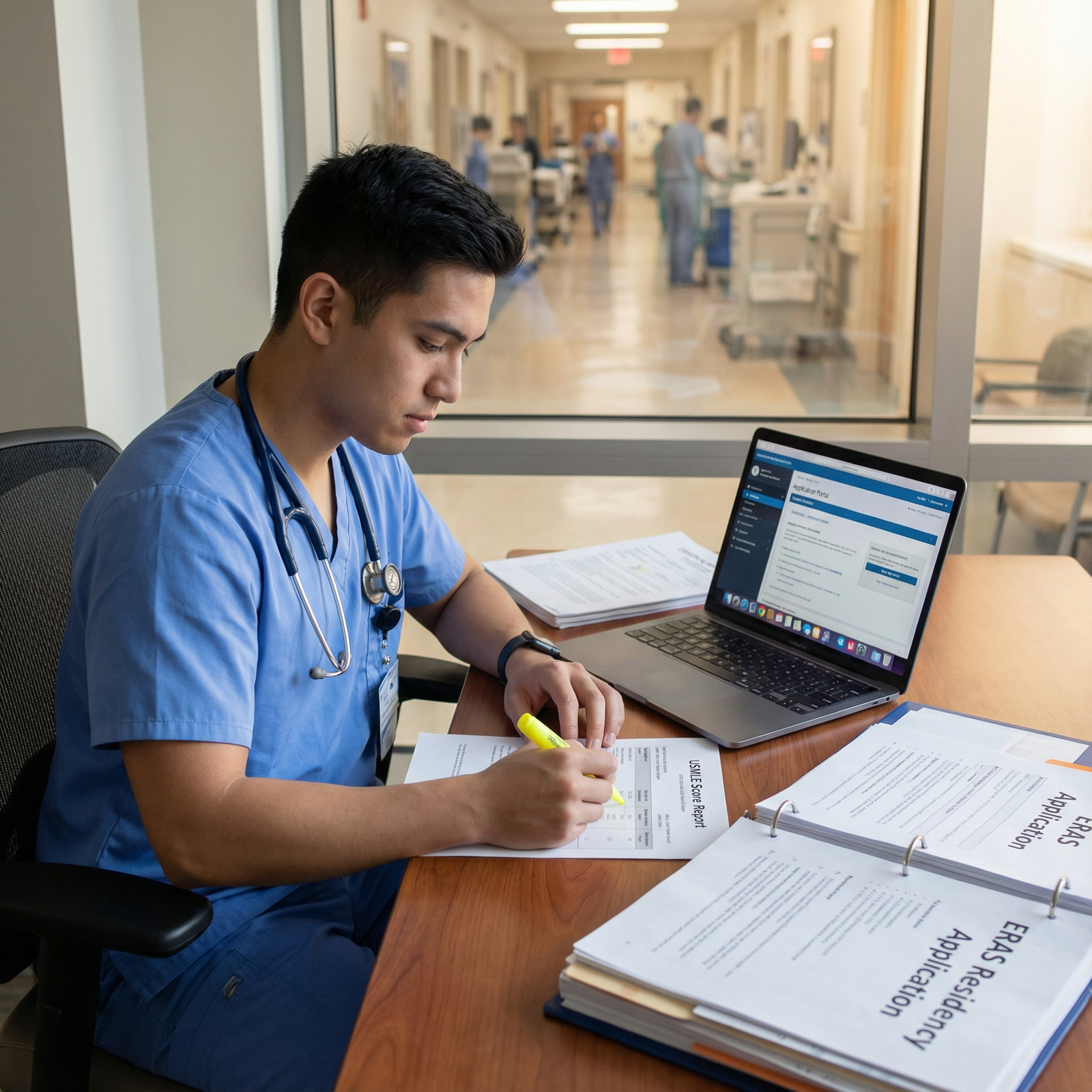
2. Conduct a brutally honest diagnostic review
Think like a program director reviewing your file. Break down your previous application into categories:
Academics & Exams
- USMLE/COMLEX Step 1 and Step 2 scores
- Number of attempts, any failures
- Timing of exams relative to the application cycle
Clinical Experience
- U.S. vs. international rotations
- Performance on core clerkships and sub-internships
- Any rotations specifically in Houston or Texas
Application Breadth & Strategy
- Number of programs applied to by specialty
- Number of interviews received and attended
- How Houston-focused or geographically restricted you were
Supporting Documents
- Personal statement: tailored or generic? Did it mention Houston or Texas Medical Center residency interests?
- Letters of recommendation: specialty-specific, current, and from U.S. faculty?
Interview Performance
- Were you anxious, overly rehearsed, or unstructured?
- Any obvious red flags or difficult topics (gaps, failures, professionalism issues) that you handled poorly?
Put this in writing. If you’re an unmatched applicant aiming specifically for Houston again, this reflection must be thorough; Houston PDs will expect noticeable growth if they see your application a second time.
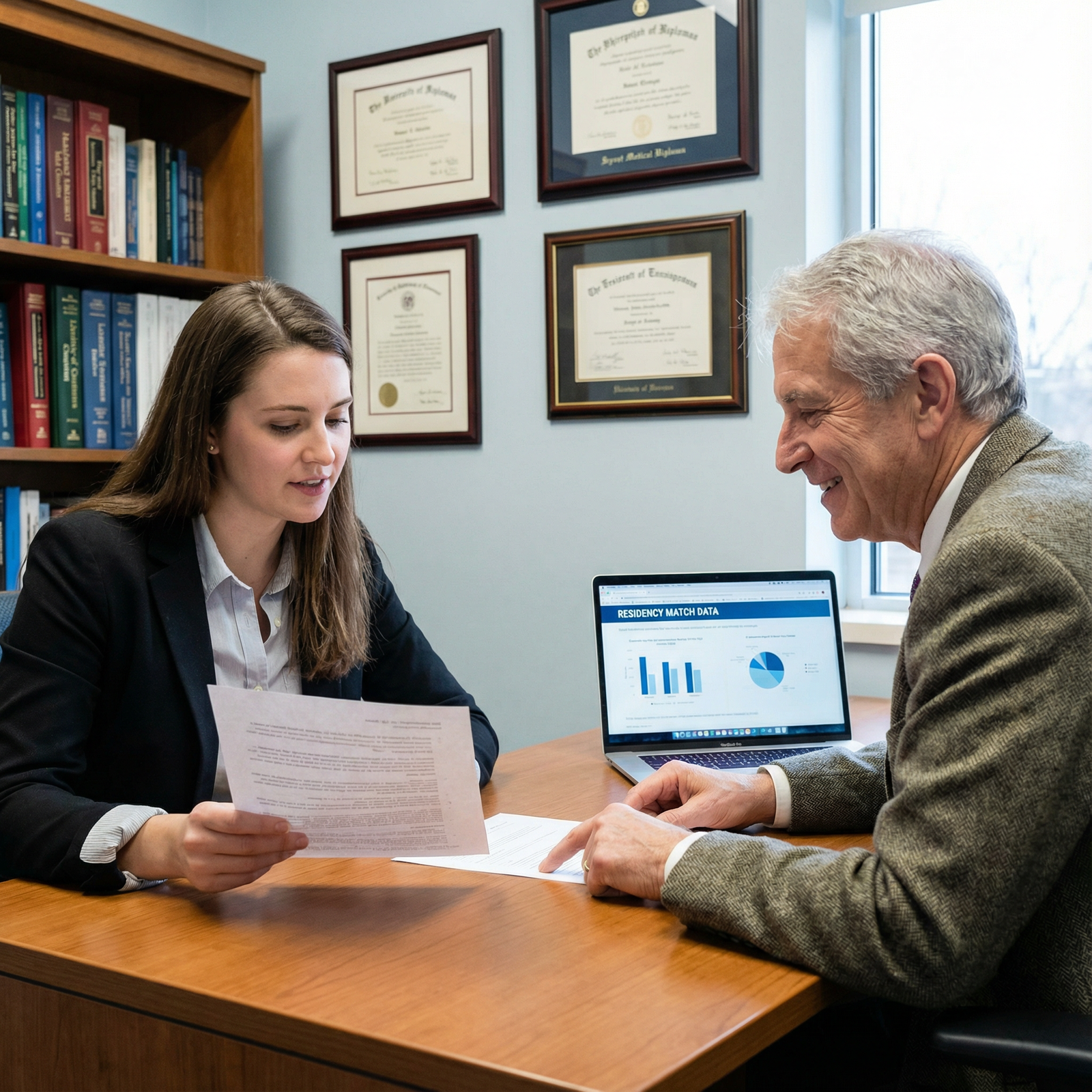
3. Seek expert feedback from multiple angles
Do not rely solely on your own interpretation.
- Advisors at your medical school: Deans, specialty advisors, and faculty who know your history.
- Program directors (PDs) or associate PDs:
- If you interviewed at any Houston residency programs, politely email to ask if they can share high-level feedback on your file. Many will not provide detailed critiques—but even short comments (“apply broader,” “Step score was below our usual range,” “strong applicant; just competitive year”) are valuable.
- Mentors at Houston hospitals or clinics, if you did rotations in the area:
- Ask how your clinical performance compares to matched peers.
- Professional application reviewers, if available:
- Can analyze personal statements, ERAS content, and letter strategy.
Synthesize this feedback into 3–5 key focus areas for improvement.
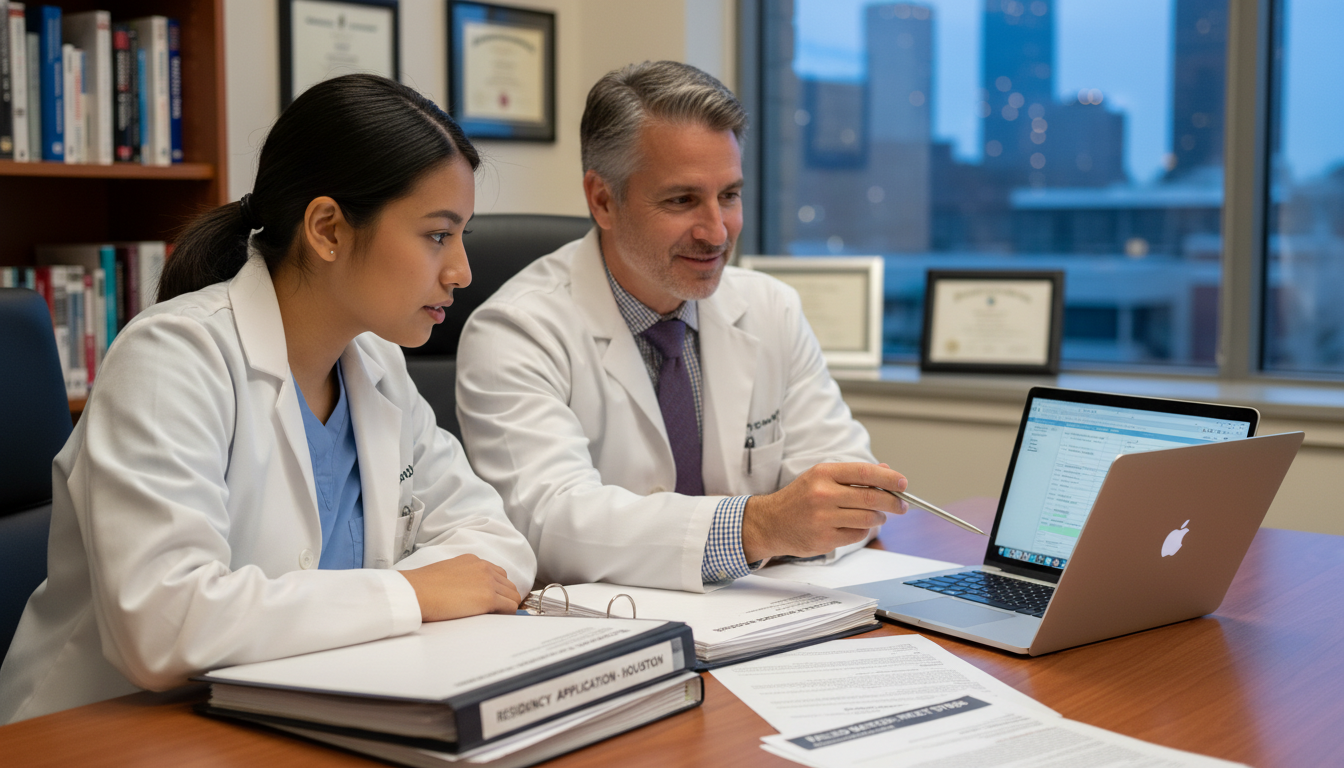
Strategic Options for Unmatched Applicants Interested in Houston
Once you’ve identified root causes, consider how to spend the next 12 months. Your options divide into clinical, academic/research, and alternative pathways.
1. Pursue a structured clinical experience (especially in Texas)
For those targeting Texas Medical Center residency programs or other Houston sites, strong U.S. and regionally relevant clinical experience can be transformative.
Options include:
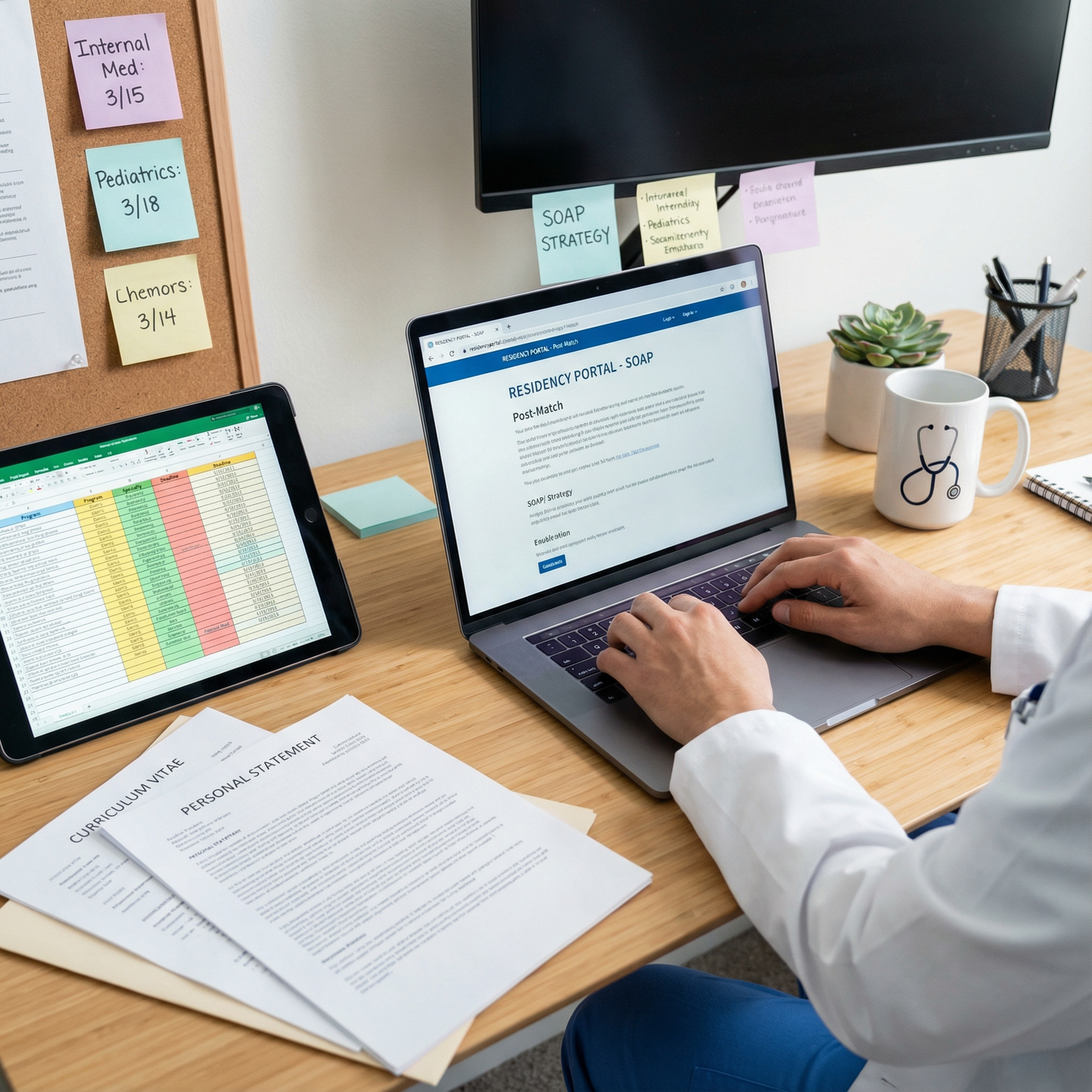
A. Transitional Year (if available in SOAP or outside the Match)
- If you secured a preliminary or transitional position through SOAP, leverage it fully:
- Excel clinically: show reliability, work ethic, teamwork.
- Network with faculty and PDs in your desired specialty, including those connected to Houston.
- Request letters of recommendation that explicitly highlight your performance.
B. Formal observerships or externships in Houston
- Look for:
- University-affiliated hospitals in the Texas Medical Center
- Large Houston community hospitals
- Aim for:
- Direct supervision by faculty who can write strong letters.
- Exposure that’s aligned with your desired specialty (e.g., internal medicine wards, surgery clinics).
This can be especially important for IMGs targeting Houston residency programs who previously had little or no U.S. clinical exposure.
C. Research-track roles with clinical components
Many Houston-based departments combine research with some clinical observation. While you may not function as a traditional resident, you can:
- Attend grand rounds and teaching conferences.
- Participate in chart reviews or observational clinics.
- Network with faculty in your specialty.
2. Engage in focused research or a scholarly year
Houston is rich in research opportunities, especially in:
- Oncology, cardiology, and transplant medicine.
- Pulmonary/critical care.
- Public health and outcomes research.
A research year can be a strategic asset if:
- You lacked scholarly work previously.
- You are targeting academic Houston residency programs or subspecialty careers.
- You plan to remain geographically tied to the Texas Medical Center.
Key success factors:
- Work under a well-known mentor in your field.
- Aim for tangible output: abstracts, posters, presentations, manuscripts.
- Present your work at regional or national meetings (American College of Physicians, AAFP, surgical societies, etc.).
- If possible, join ongoing projects where you can contribute quickly to build your CV.
3. Consider a specialty re-evaluation
If you applied exclusively to a highly competitive specialty (e.g., dermatology, orthopedics, ENT, plastic surgery, neurosurgery) and failed to match—even with interviews—you must honestly assess:
- Would broadening to a less competitive field (e.g., internal medicine, family medicine, psychiatry, pediatrics) align with your long-term goals?
- Are you prepared to expand beyond Houston in order to match?
Within the Houston ecosystem:
- Some specialties are extremely competitive, with strong preference for top exam scores and research pedigrees.
- Other specialties and community sites may be more flexible if you present a compelling narrative and improved application.
If you’re switching fields:
- Use this year to gain hands-on experience in the new specialty.
- Obtain at least two strong letters from that specialty.
- Rewrite your personal statement to clearly and authentically explain the change.
4. Strengthen non-cognitive competencies and professionalism
Program directors in Houston repeatedly mention:
- Professionalism
- Communication
- Teamwork
- Reliability
Use this period to:
- Pursue leadership roles in clinics, community outreach, or student/resident organizations.
- Volunteer in health-related settings, especially in underserved areas of Houston or Texas if you live nearby.
- Document these experiences with specific, measurable contributions (e.g., “coordinated vaccination drives,” “developed bilingual patient education resources”).
How to Rebuild and Optimize Your Next Application (Houston-Focused)
When you re-enter the Match as an unmatched applicant, your application must show clear progression. PDs should be able to see, at a glance, that you:
- Understood what went wrong.
- Took targeted steps to improve.
- Are now better prepared for residency.
1. Tailoring your ERAS for Houston residency programs
If Houston is still your primary target:
Demonstrate geographic commitment
- Highlight any ties to Texas: schooling, family, prior rotations, research or work.
- Emphasize your knowledge of the local healthcare environment, patient demographics, and community needs.
Reference Houston experiences
- Use your experiences section to highlight rotations, research, or volunteering in Houston.
- Mention mentors or hospitals by name when appropriate.
Balance location preference with realism
- Apply broadly nationwide, even if you deeply prefer Houston.
- Include a realistic mix of academic and community programs.
- Do not rely solely on the Texas Medical Center residency programs; consider well-regarded community hospitals in the Greater Houston area and beyond.
2. Revamping your personal statement
Your previous failed Match is part of your story, but it doesn’t need to be the headline.
- Focus on:
- Why you chose this specialty.
- How your extra year has strengthened your clinical and personal maturity.
- Any Houston- or Texas-specific experiences that shaped your goals.
- Briefly acknowledge the gap if necessary:
- Mention what you learned and how you grew, rather than recounting disappointment.
- Avoid:
- Detailed explanations of SOAP outcomes, NRMP statistics, or finger-pointing.
- Overly emotional narratives that suggest unresolved frustration.
3. Letters of recommendation: update and upgrade
Strong, recent letters can completely change how PDs read your file.
Aim for:
- 3–4 letters recent to the upcoming cycle.
- At least 2 letters in your chosen specialty.
- If possible, 1 letter from a faculty member affiliated with a Houston or Texas Medical Center residency program or another Texas institution.
Ask letter writers to explicitly address:
- Your clinical reliability and growth.
- Your readiness for residency NOW (compared to before).
- Any specific strengths (teamwork, patient communication, adaptability).
4. Polishing your interview skills
Many unmatched applicants underestimate this area.
Practice through:
- Mock interviews with advisors or faculty.
- Institutional workshops, especially those run by your medical school or local GME office.
- Online or remote interview coaching if available.
Prepare for specific questions:
- “You didn’t match last year—what did you do during the interim?”
- “How do we know you can handle the demands of residency now?”
- “Why Houston? Why our program?”
- “Tell me about a time you failed and what you learned.”
For Houston-focused interviews:
- Demonstrate knowledge of each program’s unique features.
- Understand the city’s patient population diversity, including immigrant communities, medically underserved areas, and major referral patterns in the Texas Medical Center.
- Articulate why practicing long-term in Texas or Houston appeals to you.

Special Considerations for IMGs, DOs, and Non-Traditional Applicants
Houston and the Texas Medical Center attract a large number of IMGs, DOs, and mid-career professionals transitioning from other fields. Each group has unique challenges in failed Match recovery.
International Medical Graduates (IMGs)
For IMGs aiming at Houston:
US Clinical Experience (USCE) is critical
- Observerships, externships, or research with clinical exposure in Houston or elsewhere in the U.S.
- U.S.-based letters of recommendation.
Visa status clarity
- Be explicit and organized about your visa needs.
- Understand which Houston residency programs sponsor J-1 or H-1B visas.
Exam performance
- If scores are below typical Houston program averages, emphasize:
- Clinical excellence in USCE.
- Research or service that distinguishes your application.
- Significant upward trends if applicable.
- If scores are below typical Houston program averages, emphasize:
Communication and cultural adaptation
- Demonstrate strong spoken and written English.
- Show familiarity with U.S. healthcare systems, EMR usage, and patient communication norms.
DO graduates
For DOs who didn’t match and want Houston positions:
- Highlight:
- COMLEX and USMLE (if taken) performance.
- Osteopathic principles as strengths in holistic care and primary care fields.
- Apply broadly, including:
- Community programs that historically welcome DO applicants.
- Texas institutions that have integrated DOs into their programs successfully.
- Seek mentors:
- DO faculty or residents currently in Houston programs can provide targeted advice and advocacy.
Non-traditional or career-change applicants
If you’re older or have had prior careers:
- Turn your background into a strength:
- Leadership, maturity, prior healthcare roles (nursing, PA, EMS, etc.).
- Experience in business, IT, or education that can contribute to quality improvement or teaching.
- Clearly address major gaps or career shifts:
- Offer succinct, confident explanations without defensiveness.
- Emphasize stability and commitment to medicine now.
Long-Term Career Planning: When Houston is the Goal but Flexibility is Key
You may be committed to ultimately living and practicing in Houston, even if you don’t train there immediately. That’s entirely feasible.
Train elsewhere, return later
Many physicians:
- Complete residency or fellowship outside Texas.
- Move to Houston afterward for:
- Fellowship training in the Texas Medical Center.
- Academic or hospital-based positions.
- Community practice in the Greater Houston area.
This strategy can help if:
- You’ve already been an unmatched applicant focused on Houston and need to prioritize matching somewhere.
- You’re open to expanding your geographic and institutional horizons for residency, then circling back later.
Fellowship as an entry point to Houston
Even if you do residency elsewhere:
- Apply for fellowships in:
- Houston-based university hospitals.
- Specialized centers (e.g., major cancer or heart institutes in the Texas Medical Center).
- Use residency to:
- Build a strong academic or clinical record.
- Network with faculty who have connections to Houston programs.
- Develop a subspecialty niche valued in the Houston market.
Building a long-term Houston narrative
Throughout your journey, keep your Houston connection alive by:
- Attending conferences in Texas when possible.
- Collaborating on research with Houston-based mentors (even remotely).
- Maintaining contact with faculty or peers living and working in Houston.
This way, even if you went unmatched once and trained elsewhere, your ultimate return to Houston looks intentional, not accidental.
FAQs: Failed Match Recovery for Houston Residency Programs
1. I didn’t match and really want a residency in Houston. Should I apply only to Houston programs again next year?
No. Restricting your application to a single city—especially a competitive one like Houston—greatly increases the risk of remaining an unmatched applicant. If Houston is your top preference, absolutely apply to those programs, but also apply widely to similar programs nationwide. Think of Houston as your priority, not your only option.
2. How do I explain my failed Match during interviews, especially for Texas Medical Center residency programs?
Be concise, honest, and growth-focused:
- Acknowledge: “Last cycle I didn’t match.”
- Explain briefly: “In retrospect, my application was limited in [X: geographic range, clinical exposure, exam timing, etc.].”
- Emphasize growth: “Over the past year, I’ve strengthened my application through [U.S. clinical work, research, new letters, etc.], and I feel significantly better prepared for residency now.”
Avoid over-explaining or sounding bitter. Program directors want to see resilience, insight, and maturity.
3. I failed the Match twice. Do I still have a realistic chance in Houston residency programs?
Multiple unmatched cycles make matching in any competitive region—including Houston—more challenging, but not impossible. Your chances improve if you:
- Can demonstrate clear and significant improvement since previous cycles.
- Are open to less competitive specialties or broader geographic areas.
- Secure strong, recent U.S.-based letters that explicitly endorse your readiness.
For highly sought-after Texas Medical Center residency positions, competition is intense; be realistic and strategic about alternative pathways and locations while keeping long-term Houston plans in mind.
4. Should I spend my recovery year doing research or clinical work if my goal is Houston?
Ideally, a blend of both, but if you must choose:
- If you lack U.S. clinical experience or had weak clinical evaluations: prioritize clinical work (observerships, externships, prelim/transitional positions).
- If you’re targeting academic or subspecialty-oriented Houston programs and already have solid clinical exposure: a research-focused year with tangible output can be very helpful.
In either case, experiences tied to Houston or Texas health systems carry added weight when applying to Houston residency programs.
Recovering from a failed Match is difficult, but with a structured plan, targeted improvement, and thoughtful re-application strategy, many applicants successfully move from “unmatched” to “resident”—including in Houston. The key is to approach the process with honesty, flexibility, and a willingness to grow.