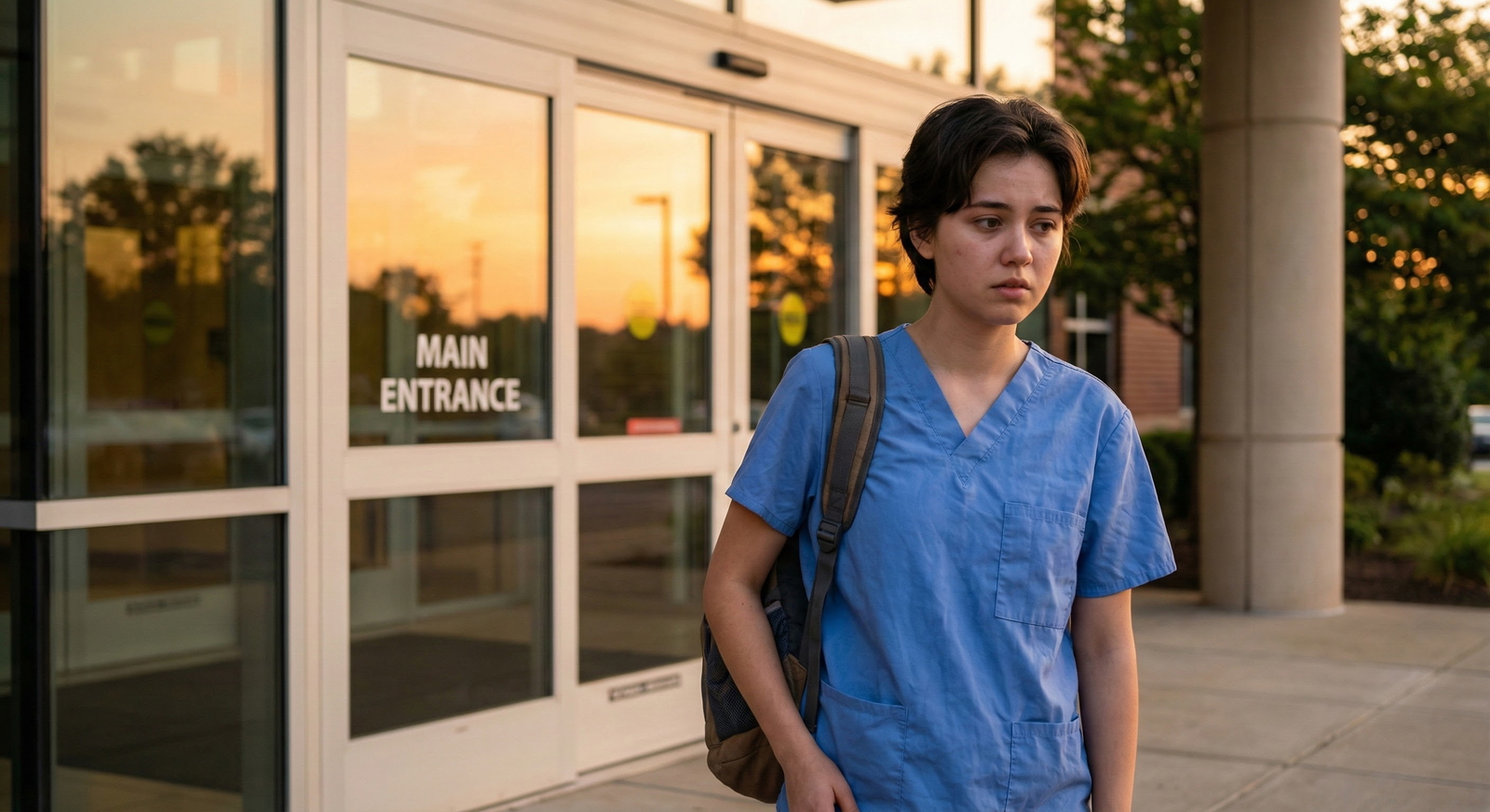
Understanding a Failed Match in Medical Genetics
Not matching into a medical genetics residency can feel devastating—especially in a small, close‑knit specialty where every position seems precious and every setback feels magnified. But a failed match (or “didn’t match” outcome) is much more common than people admit, and it does not mean you’re unfit for medical genetics or doomed to abandon the specialty.
This guide focuses on failed match recovery specifically for applicants targeting medical genetics residency (categorical medical genetics, internal medicine–medical genetics combined, pediatrics–medical genetics combined, or other combined pathways). You’ll learn how to interpret what happened, stabilize your current situation, and create a realistic, strategic plan to strengthen your next genetics match cycle—or to pursue viable alternative paths in or around genetics.
We’ll cover:
- What a “failed match” really means in medical genetics
- Immediate steps in the days and weeks after you learn you’re unmatched
- Strategic analysis of your application and targeted improvements
- Timing and planning for a re-application to genetics
- Parallel and alternative career paths related to medical genetics
- Practical tips and answers to common questions from unmatched applicants
Throughout, the focus is on action: what you can do, starting now, to move forward.
1. Emotional and Practical First Steps After a Failed Match
1.1 Normalizing the experience
In a small specialty like medical genetics, the numbers are unforgiving:
- Few total positions nationwide
- Variable institutional familiarity with the specialty
- Many strong applicants squeezed into limited spots
A failed match is often more about constrained supply than your worth or long‑term potential. Genetics program directors know this; many have matched on their second or third attempt, or have colleagues who did.
Common emotional reactions include:
- Shock and disbelief (“Everyone said my application was strong.”)
- Shame or embarrassment (“What will my classmates think?”)
- Panic about the future (“Will I ever be a physician in my chosen field?”)
Allow yourself a short window (days, not weeks) to process. Then shift deliberately into recovery mode.
Action step:
Identify two people you trust—such as a faculty mentor and a supportive peer—and tell them explicitly you didn’t match and are looking for help planning next steps. This breaks through isolation and gets you immediate support.
1.2 Practical: SRMP/SoAP, SOAP, and post‑Match opportunities
Depending on your system (NRMP/ERAS, CaRMS, or other national system), there may be:
- A Supplemental Offer and Acceptance Program (SOAP) or equivalent
- An official post‑match scramble process
- Direct outreach opportunities to unfilled programs
In medical genetics, it is not uncommon for:
- Combined medicine-genetics or pediatrics-genetics programs to have unfilled positions
- Related fields (internal medicine, pediatrics, pathology) to have open PGY‑1 spots that can serve as a pipeline into genetics later
If you are still in the same Match cycle:
- Meet immediately (within 24 hours) with your dean’s office or career advisor.
- Identify:
- Unfilled genetics positions, if any
- Unfilled categorical internal medicine, pediatrics, or pathology positions at institutions with genetics programs
- Decide on a priority:
- Attempt to enter genetics (if any positions are available)
- Or secure a strong categorical position that keeps genetics options open (e.g., IM or peds in an institution with a medical genetics department)
Key principle:
If your long‑term goal is medical genetics, securing a core residency (IM, peds, or pathology) at a genetics‑rich academic center can be as valuable, or even more valuable, than a rushed scramble into a non‑ideal genetics position.
1.3 Communication with stakeholders
Notify these groups early:
- Medical school / dean’s office: For advocacy, letters, and SOAP navigation
- Primary research and clinical mentors in genetics: They can open doors and sometimes create research positions
- Family or partner: Your plans, likely outcome of SOAP, and what a “gap” year might look like
Be honest: “I didn’t match into medical genetics. I want to re-apply or position myself for genetics through a related residency. Can we talk about a 6–18 month plan?”

2. Why Medical Genetics Applicants Don’t Match
Understanding why you didn’t match is the foundation for an effective recovery plan. For unmatched applicants in medical genetics, the usual issues fall into a few categories.
2.1 Application strategy and program list problems
In a small specialty, strategy matters as much as stats.
Common issues:
- Too few programs: Applying only to a handful of genetics programs, often in one region.
- Insufficient range: Targeting only top names (e.g., major children’s hospitals, elite academic centers).
- Over‑reliance on combined programs: Only applying to IM–Genetics or Peds–Genetics without considering categorical IM or Peds with later entry into genetics.
- Weak geographic strategy: Over‑concentrated in one popular city or coast.
Recovery implication:
Next cycle, you will likely need to:
- Apply to more programs (both genetics and feeder specialties).
- Include a mix of reach, target, and “safer” programs.
- Be explicit in personal statements and letters about your willingness to relocate.
2.2 Academic metrics and exam performance
In small specialties, programs often screen applications with the same filters as their home IM, pediatrics, or pathology programs.
Possible issues:
- Marginal or failed standardized exams (USMLE, COMLEX, MCCQE):
- Step failures, multiple attempts, or low scores can trigger auto‑screens.
- Gaps or leaves in medical school without clear explanation.
- Undergraduate or pre‑clinical academic concerns not adequately contextualized.
Recovery implication:
- If you have exam failures, work with an advisor on:
- A clear, concise explanation in future applications.
- Evidence of improvement: strong later exam performance, rigorous coursework, or additional certifications.
- Strengthen your narrative about resilience, remediation, and stability.
2.3 Limited or misaligned clinical exposure to genetics
Medical genetics can be abstract for program directors. They need evidence that you:
- Understand what clinicians in genetics actually do.
- Will not regret choosing a niche field after training.
Common weaknesses:
- Only a brief elective in adult or pediatric genetics.
- Little or no direct involvement in case discussions, variant interpretation, or multidisciplinary clinics.
- No depth in dysmorphology, metabolic disorders, or cancer genetics exposure.
Recovery implication:
In the interim period:
- Seek extended observerships or rotations in genetics (inpatient consults, outpatient clinics, multidisciplinary conferences).
- Ask to participate in:
- Case conferences
- Variant review or tumor boards
- Educational activities (giving short teaching talks)
Document these experiences in your CV and personal statement with specific examples of patients or clinical scenarios (maintaining confidentiality, of course).
2.4 Insufficient or generic letters of recommendation
Letters matter greatly in a small field.
Typical issues for a failed genetics match:
- No letter from a medical geneticist.
- Letters written by faculty who barely know you (“student completed rotation satisfactorily…”).
- Generic letters that do not capture your curiosity, meticulousness, or fit for genetics.
Recovery implication:
- Over the next year, create new letter opportunities:
- Work closely with a genetics faculty mentor on a project or clinic.
- Ask for feedback mid‑rotation; actively seek ways to demonstrate strengths they can later write about.
- Aim for at least:
- One letter from a clinical geneticist.
- One from a related core specialty (IM, peds, pathology) highlighting your clinical skills.
- One from a research or scholarly mentor (ideally genetics‑related).
2.5 Inadequate research or scholarly depth
You do not need a PhD or dozens of publications to match medical genetics, but some demonstration of scholarly engagement helps:
- Genetics‑related projects (molecular diagnostics, variant curation, metabolic disorders, dysmorphology, cancer genetics outcomes).
- Case reports or series relevant to genomic medicine.
- Quality improvement (QI) or implementation science in genetic testing workflows.
Recovery implication:
If you lacked research or any scholarly work:
- Consider a focused research year in clinical genetics, genomics, or a closely related area (see Section 4).
- Even small projects or poster presentations can make you stand out above other unmatched applicants the following year.
3. Building a Recovery Year (or Two): Strategic Options
Your post–Match plan depends on where you are in training and what opportunities exist at your institution or region.
3.1 Scenario A: Unmatched fourth‑year medical student (no PGY‑1 spot)
You did not match into any residency, including medical genetics or backup specialties.
Primary goals for the coming year:
- Stay clinically relevant and avoid large gaps.
- Deepen your engagement with genetics.
- Strengthen your overall application profile.
Possible pathways:
Full‑time research position in genetics or genomics
- Join a lab or clinical research team in:
- Rare disease genomics
- Cancer genetics
- Metabolic diseases
- Prenatal or reproductive genetics
- Aim for:
- Abstracts and presentations at meetings (e.g., ASHG, ACMG).
- At least one manuscript or case report.
- Join a lab or clinical research team in:
Clinical research coordinator / study physician role
- Work on clinical trials involving genetic therapies, NGS diagnostics, or gene‑based interventions.
- Document your responsibilities: patient recruitment, consent, data collection, interdisciplinary team meetings.
Genetic counseling department collaboration
- Shadow genetic counselors regularly.
- Assist with patient education material, variant databases, or registry data.
- This gives you a robust view of genetics practice and may inspire more nuanced essays and interviews.
Additional tasks during this year:
- Retake any critical exams if needed (based on advisor feedback).
- Complete relevant online coursework:
- Introductory or advanced genomics certificates.
- Biostatistics or clinical research design.
3.2 Scenario B: Matched into a non‑genetics preliminary or transitional year
You’ve matched into a preliminary medicine year, transitional year, or similar, but not a categorical or genetics program.
Opportunity:
Leverage this year to make yourself an outstanding future genetics applicant.
Concrete actions:
- Rotate through:
- Adult or pediatric genetics consult services.
- High‑yield rotations like endocrine, oncology, NICU/PICU where genetics is relevant.
- Identify at least one genetics mentor at your institution.
- Ask early: “I’m committed to medical genetics and plan to re-apply next cycle. How can I become involved in your service or research?”
- Undertake a small, feasible project:
- A retrospective chart review of patients with a particular genetic condition.
- A QI project to optimize genetic testing uptake in a clinic.
- A case series of unusual phenotypes.
At the same time, apply broadly in the next cycle to:
- Medical genetics residencies.
- Categorical IM or pediatrics with strong genetics departments (as a two‑step pathway: core residency first, then genetics fellowship/residency).
3.3 Scenario C: Categorical in IM, pediatrics, or pathology, but want genetics
You matched into a core field, but not into genetics directly. You may feel you “failed” the genetics match if your heart was set on a combined program.
This is not failure; it’s a very legitimate—and often preferred—route into medical genetics.
Your long‑term pathway options:
- Complete IM, peds, or pathology, then:
- Apply to a 2‑year medical genetics residency/fellowship program.
- Or pursue subspecialties with strong genetics content (e.g., heme/onc with cancer genetics focus, metabolic disease within endocrinology, inherited cardiac conditions).
Optimize your residency for future genetics:
- Seek out genetics‑heavy rotations and electives:
- Inherited metabolic disease clinics.
- Cancer risk assessment programs.
- Genomic testing services, molecular pathology, or cytogenetics labs.
- Collaborate with geneticists for:
- Joint cases.
- Conferences or tumor boards (e.g., hereditary cancer boards).
You can reframe your story as: “I initially didn’t match directly into genetics, but I have built a strong foundation in IM/Peds/Pathology, which will make me a more effective geneticist.”

4. Strengthening Your Profile for the Next Genetics Match
Once you’ve stabilized your year (research, prelim, or categorical residency), focus on measurable improvements for the next genetics application cycle.
4.1 Academic and board exam remediation
If your failed match was influenced by exam or academic issues:
- Consider:
- Formal test‑prep courses or tutoring if retaking exams.
- A learning specialist or academic coach to address underlying skills (time management, test‑taking strategies).
- Show evidence of:
- Improved test performance on later exams.
- Completion of demanding courses (e.g., molecular genetics, statistics) with strong grades.
Explain briefly but directly in your personal statement:
- What happened.
- What you did to remediate.
- How you’ve demonstrated stable performance since.
4.2 Deepening clinical genetics exposure
On your CV and in your interviews, you should be able to talk specifically about:
- Types of patients you’ve seen (e.g., inborn errors of metabolism, dysmorphology, hereditary cancer syndromes).
- Your role in the genetics care pathway:
- Gathering family histories.
- Using pedigree tools.
- Coordinating testing and follow‑up.
- What excites you about clinical genetics beyond “I like rare diseases.”
Actionable steps:
- Look for longitudinal experiences:
- Following certain patients over time.
- Participating in family meetings and results disclosure visits (where allowed).
- Ask to assist with:
- Genetic test ordering workflows.
- Pre‑clinic literature reviews or differential diagnosis lists.
4.3 Research and scholarly work with a genetics focus
Even a modest research portfolio can significantly strengthen an unmatched applicant.
Start with feasible projects:
Case reports:
- Unusual presentations of common conditions with genetic relevance.
- Novel phenotypes of known syndromes.
Chart reviews:
- Diagnostic yield of gene panels in a certain clinic population.
- Impact of genetics consults on management decisions.
QI projects:
- Increasing documentation of 3‑generation family histories.
- Improving turnaround time or follow‑through on genetic testing results.
Aim to produce:
- At least one poster or oral presentation (local, national, or specialty‑specific).
- One manuscript submitted (even if not yet accepted).
4.4 Letters of recommendation: quality over quantity
For a re‑application to medical genetics residency, you should target:
- 1–2 letters from geneticists with direct clinical or research supervision experience of you.
- 1 letter from a core specialty faculty (IM, peds, path) focusing on your clinical competence, work ethic, and collegiality.
- Optional additional letter from:
- A research mentor.
- A program director from your current training.
Prepare your letter writers by:
- Meeting well in advance.
- Providing:
- Updated CV.
- Draft personal statement.
- A concise bulleted list of experiences together that highlight your strengths.
- Explicitly stating:
“I am re‑applying to medical genetics after not matching last cycle, and I hope your letter can address my readiness and fit for the specialty.”
4.5 Personal statement and narrative reconstruction
Your story needs to evolve from “I didn’t match” to “I grew, learned, and am now a stronger candidate.”
Key narrative elements:
- Your origin story in genetics:
- A clinical encounter, personal/family experience, or research exposure that sparked your interest.
- Your exploration:
- Rotations, research, and formal learning that deepened your engagement.
- Your setback (failed match):
- Acknowledged briefly, framed as part of your journey.
- Your growth during the recovery period:
- New responsibilities, skills, insights, and achievements.
- Your vision:
- The kind of geneticist you want to become (e.g., clinician‑educator, translational researcher, metabolic specialist, cancer genetics physician).
Avoid self‑pity or over‑explanation. Focus on resilience, maturation, and alignment with the specialty.
5. Alternative and Parallel Pathways in and Around Medical Genetics
Not every applicant who didn’t match into medical genetics will or should re‑apply. For some, related paths may be more feasible or better aligned with long‑term goals.
5.1 Genetic counseling
For those with a strong interest in patient‑facing genetics and counseling, genetic counseling may be a compelling alternative:
- Master’s‑level training focused on:
- Risk assessment.
- Communication of complex genetic information.
- Psychosocial support.
This is a distinct profession, not a backup version of being a physician. But some unmatched MDs/DOs find it satisfying, especially if they value counseling and sustained patient relationships.
5.2 Clinical laboratory genetics and genomics
If you enjoy the diagnostic and analytic side:
- Training in:
- Molecular genetics.
- Cytogenetics.
- Laboratory directorship.
- Often requires:
- A PhD or MD/DO plus specialized fellowship.
- Leads to:
- Roles in test development, interpretation, and quality oversight.
5.3 Core specialties with a strong genetics emphasis
Some applicants find long‑term fulfillment in:
- Pediatric endocrinology (metabolic and genetic endocrine diseases).
- Pediatric neurology (neurogenetics).
- Hematology/oncology (cancer genomics).
- Cardiology (inherited cardiomyopathies and arrhythmias).
- Maternal–fetal medicine (prenatal genetics).
You can still be a “genomics‑heavy” physician even without a formal genetics residency.
5.4 Population and public health genomics
If you like systems‑level thinking:
- Work in:
- Public health agencies.
- Policy organizations.
- Health systems implementation of genomic medicine.
- Training might include:
- MPH or related degrees.
- Fellowship programs in public health genomics.
These roles can influence access, equity, and ethical use of genetic technologies at scale.
6. Putting It All Together: A 12–18 Month Roadmap
For an unmatched applicant who remains focused on medical genetics residency, a realistic recovery plan might look like:
Months 1–3: Stabilize and Analyze
- Process emotions and secure a support network.
- Meet with career advisors and genetics mentors.
- Decide whether to pursue research, a prelim year, or another structured pathway.
- Conduct a thorough post‑mortem on your original application (with mentors).
Months 4–9: Build and Demonstrate Growth
- Engage actively in genetics‑related clinical and/or research roles.
- Begin at least one scholarly project.
- Seek meaningful exposure with genetics teams (clinics, conferences).
- Address any exam/academic deficiencies.
Months 10–12: Prepare for Re‑Application
- Draft and refine updated CV and personal statement.
- Request strong, specific letters of recommendation.
- Build a balanced application list:
- Medical genetics programs.
- Categorical IM or peds programs with strong genetics presence (if needed).
- Practice interview skills, including discussing your failed match and subsequent growth.
Months 12–18: Interview Season and Contingency Planning
- Attend interviews with honesty and confidence.
- Emphasize resilience, maturity, and your clarified commitment to genetics.
- Maintain performance in your current role (research, prelim, or categorical residency).
- Develop a parallel plan if you again do not match (e.g., re‑apply with more experience, or pivot to a genetics‑adjacent field).
Remember: several successful academic geneticists did not have a linear, one‑shot path into the specialty. A non‑traditional route often enriches your perspective and value to the field.
FAQs: Failed Match Recovery in Medical Genetics
1. I didn’t match into medical genetics. Does that mean I should give up on the specialty?
No. A failed match in a small field like medical genetics says more about supply‑demand imbalance and strategy than your ultimate suitability. Many physicians reach genetics through indirect paths (e.g., IM or pediatrics first, then genetics). The key questions are:
- Are you still genuinely committed to genetics after deeper exposure?
- Can you realistically improve your application over the next 1–2 years?
If both answers are yes, a well‑planned re‑application or a two‑step route (core residency then genetics) is entirely reasonable.
2. Should I re‑apply to medical genetics next year or focus on getting into a core specialty first?
It depends on your current position and prior application strength:
- If you have no residency spot at all, you may want to:
- Apply broadly to both genetics and core specialties, emphasizing your interest in genetics in both sets of applications.
- If you have a preliminary or transitional year, a re‑application to genetics during that year can make sense, especially if your mentors support it.
- If you have a categorical IM, pediatrics, or pathology spot, you might:
- Focus on completing that training, while building a strong case for a later genetics residency/fellowship.
Discuss these options with genetics faculty and a career advisor to tailor the decision.
3. How do I explain my failed match during interviews?
Be concise, honest, and growth‑oriented:
Acknowledge the outcome:
“I applied to medical genetics last cycle and did not match.”Offer a brief explanation if relevant:
“I realized my clinical exposure and letters in genetics were not yet as strong as they needed to be.”Pivot to growth:
“Over the past year, I’ve worked full‑time with the genetics service, led a QI project on genetic testing workflow, and co‑authored a case report. This experience has confirmed my commitment and helped me understand the day‑to‑day work of a geneticist in a much deeper way.”
Avoid blaming programs or sounding bitter. Focus on how the experience clarified your goals and strengthened your preparation.
4. What if I don’t match into genetics a second time?
It’s important to have a contingency plan. Options include:
- Applying to or continuing in core specialties (IM, pediatrics, pathology) that keep pathways open to genetics‑related work.
- Pursuing genetics‑adjacent roles, such as:
- Genetic counseling (with additional training).
- Molecular or laboratory genetics (with appropriate pathways).
- Subspecialties with heavy genetics content (oncology, cardiology, neurology, etc.).
- Considering non‑clinical roles in:
- Genomic medicine implementation.
- Industry (medical affairs, clinical development).
- Public health genomics or policy.
Two unsuccessful cycles usually warrant a serious conversation with trusted mentors about long‑term strategy, financial considerations, and personal well‑being. A satisfying career in genetics or genomics is still possible, even if the path doesn’t carry the title “medical geneticist” in the strictest sense.
A failed match in medical genetics is a painful but navigable setback. With deliberate reflection, targeted improvements, and openness to multiple pathways, you can still build a meaningful career at the intersection of clinical care and genomics—whether through a future medical genetics residency, a core specialty with a strong genetics emphasis, or an adjacent profession in the rapidly evolving world of genetic medicine.