Understanding a Failed Match in Miami: First, Take a Breath
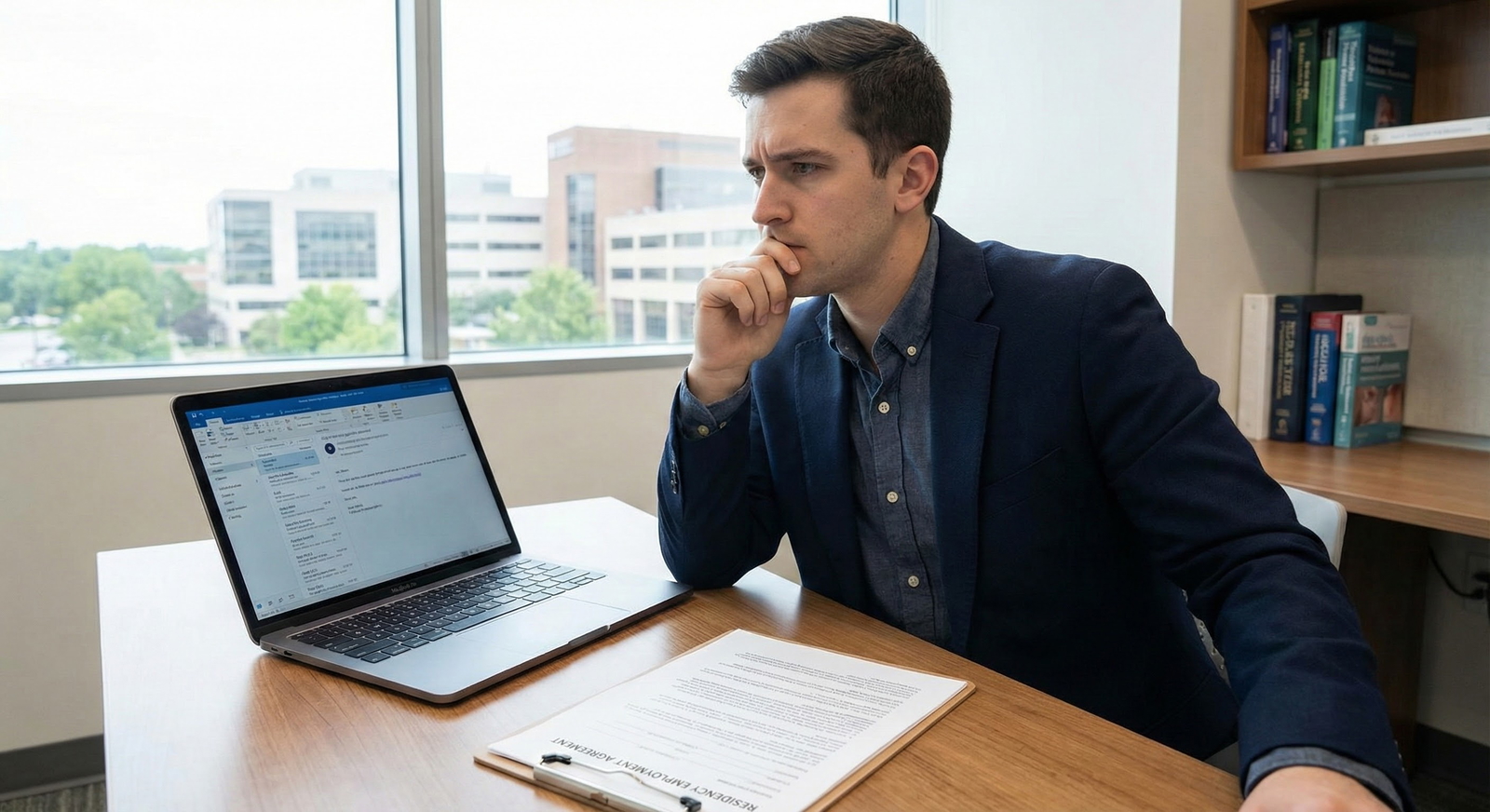
Not matching into residency can feel devastating, especially when you had your heart set on Miami residency programs or broader South Florida residency options. Whether you say “didn’t match,” “failed match,” or “unmatched applicant,” the emotional impact is real—and very normal.
Yet, a failed Match is not the end of your journey to becoming a physician. Thousands of highly qualified applicants go unmatched each year and successfully enter residency in subsequent cycles, including many in competitive locations like Miami.
This guide focuses specifically on failed match recovery for residency programs in Miami, with practical, step‑by‑step strategies for:
- Understanding why you may not have matched
- Leveraging Miami- and South Florida–specific opportunities
- Repairing and strengthening your application
- Positioning yourself for the next Match or off‑cycle positions
Why Applicants Don’t Match: A Miami-Focused Perspective
Before you plan your recovery, you need a clear, honest understanding of why you didn’t match. Miami and South Florida residency programs—linked with systems like Jackson Health System, University of Miami Miller School of Medicine, Mount Sinai Medical Center, HCA Florida programs, and others—have particular patterns that influence match outcomes.
Common Reasons Applicants Don’t Match
These are frequent contributors, both nationally and in South Florida residency programs:
Overly competitive specialty choice
- Miami is especially attractive in specialties like Dermatology, Orthopedics, Anesthesiology, Radiology, and competitive primary care tracks.
- If you ranked only a handful of highly competitive programs in popular areas (e.g., Miami Beach, Brickell, Coral Gables), your risk of going unmatched was higher.
Too few programs on your rank list
- Even in “less competitive” specialties, ranking fewer than 10–12 programs can substantially raise your risk of going unmatched.
- Some unmatched applicants to Miami programs rank only local or regional programs to “stay close to home,” which narrows opportunities too much.
Academic concerns
- USMLE/COMLEX failures or low scores
- Gaps in medical education, delayed graduation, or extended leaves
- Limited or weak letters of recommendation in your chosen specialty
- Minimal U.S. clinical experience (for IMGs) or lack of recent clinical work
Application quality issues
- Generic, non–Miami-specific personal statement
- Poorly structured CV that doesn’t highlight strengths
- Inconsistencies between application and interview performance
- Red flags (unexplained gaps, professionalism concerns) that weren’t addressed effectively
Interview performance
- Limited number of interviews received (often <5–8 is concerning, depending on specialty)
- Weak answers, lack of preparation for behavioral questions
- Difficulty clearly communicating motivation for Miami or South Florida residency programs
Miami-Specific Factors
Miami residency programs often have strong preferences or institutional priorities:
- Bilingual skills (especially Spanish and/or Haitian Creole) can be a major asset; lack of language proficiency isn’t a disqualifier, but if you have it and didn’t highlight it, that’s a lost advantage.
- Community fit and mission alignment (caring for underserved populations, immigrant communities, and patients with complex socioeconomic challenges) are heavily valued.
- Regional clinical exposure (e.g., rotations at Jackson Memorial, UHealth, Miami VA, HCA Florida hospitals, or community clinics in South Florida) signals that you understand the patient population and training environment.
If you had limited or no Miami- or South Florida–based experience, some programs may have viewed you as more likely to leave or less prepared for the clinical environment.
Immediate Steps After a Failed Match: Week 1–4
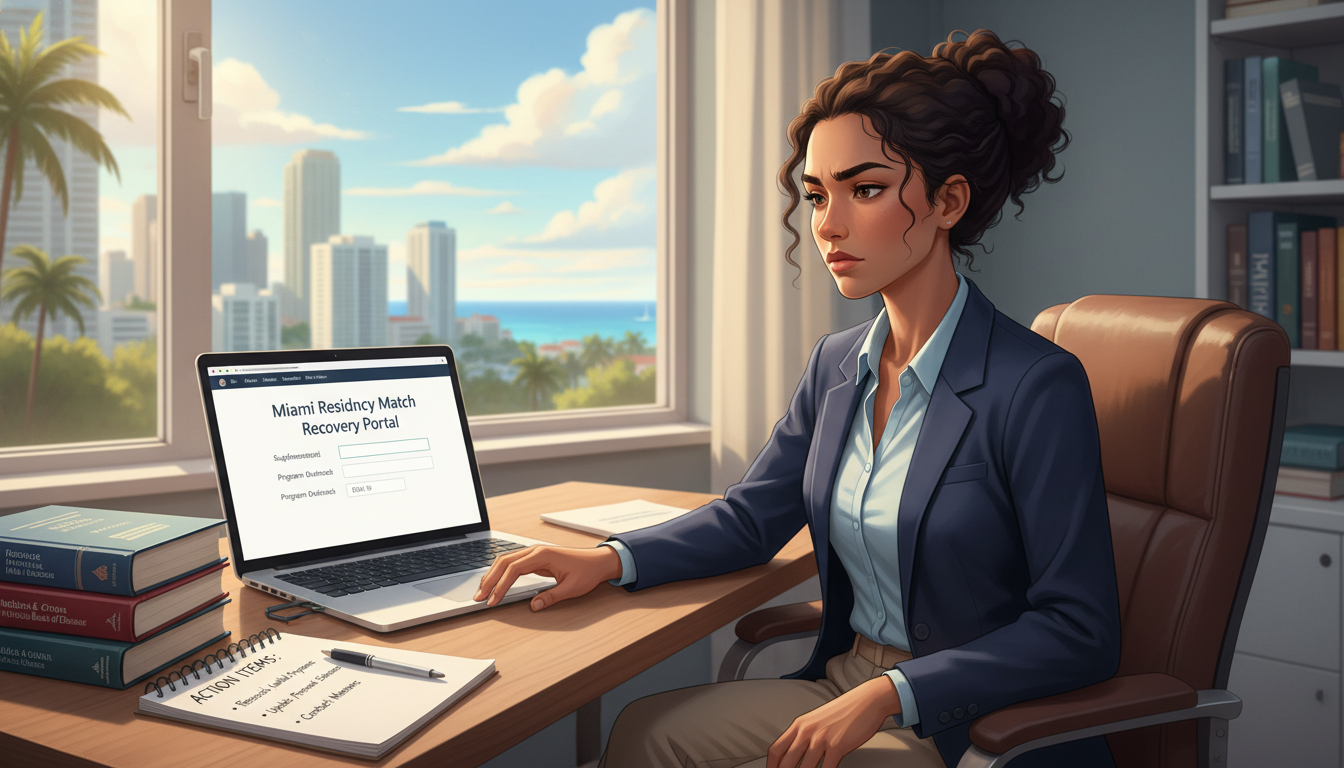
Once you know you didn’t match, your first month is crucial. This is where you can start to convert a painful outcome into a strategic plan.
1. Stabilize Emotionally and Logistically
You can’t make good decisions when you’re in crisis mode. Within the first week:
- Give yourself time to grieve and process—this is a significant setback.
- Share the news with a trusted support network (family, friends, mentors).
- Avoid impulsive decisions like changing specialties overnight or sending panicked emails to every program director in Miami.
Short-term goal: move from “emotional reaction” to “strategic response.”
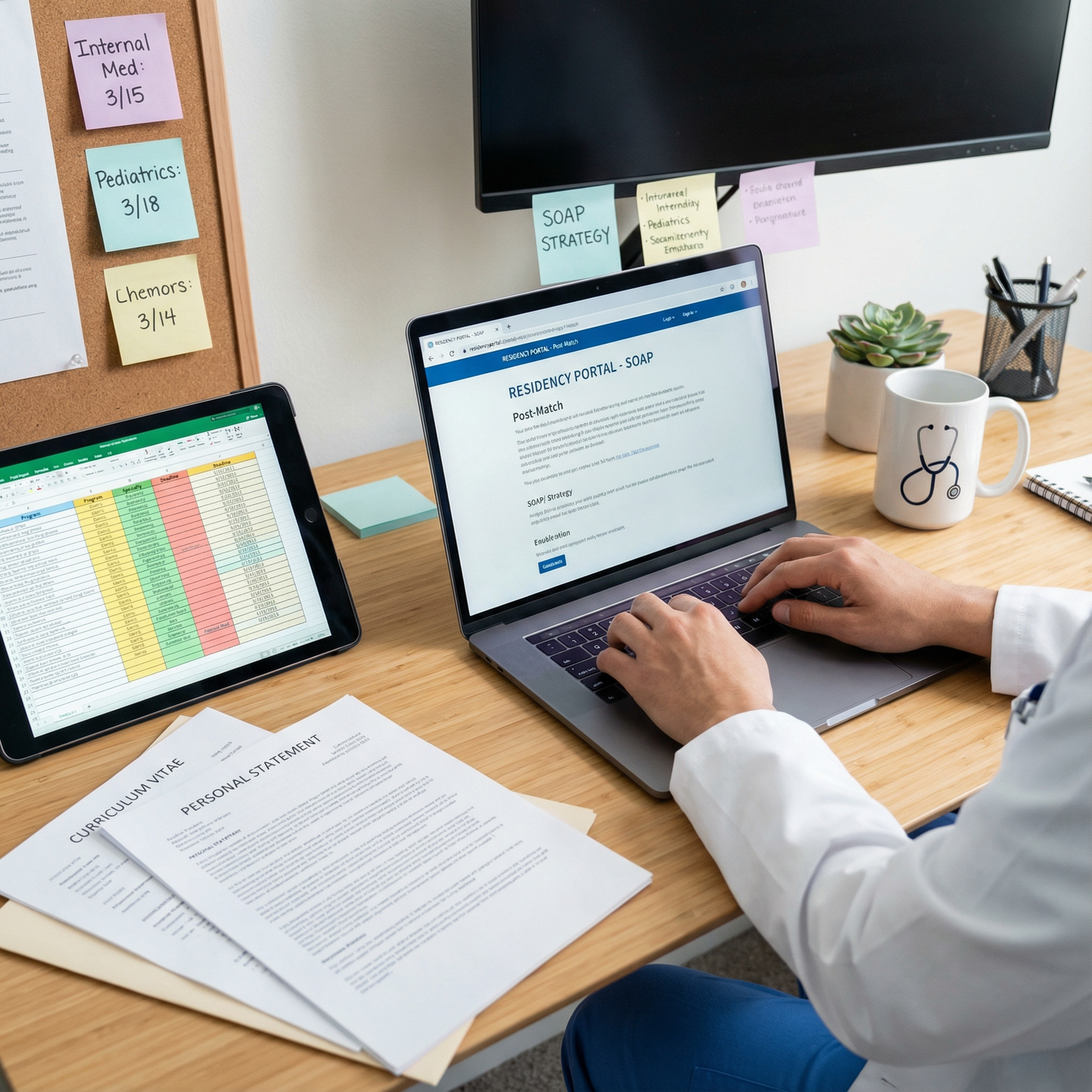
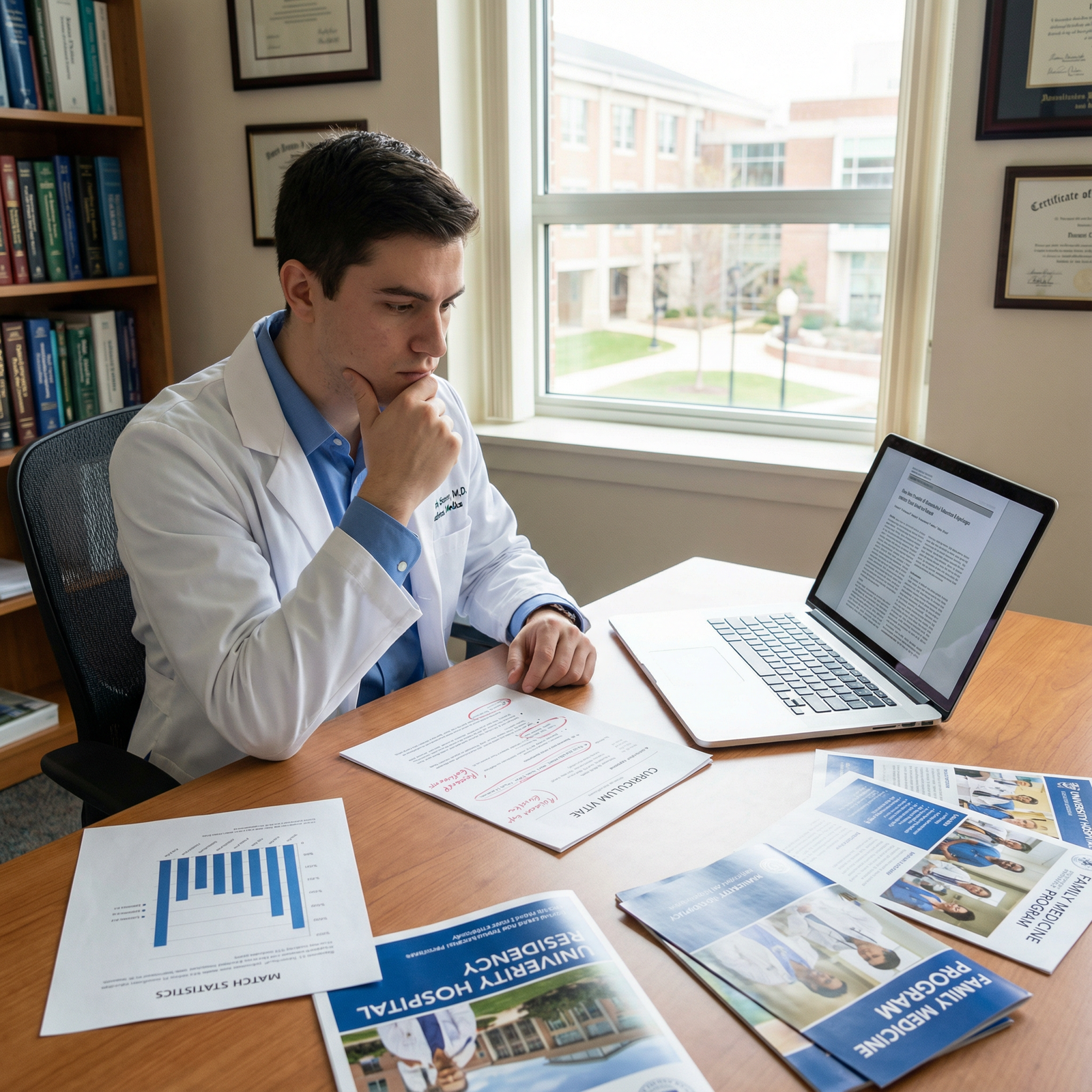
2. Conduct a Structured Post-Match Analysis
Within the first 2–3 weeks, do a comprehensive debrief:
Meet with your dean’s office or academic advisor
- Ask for a detailed, honest review of your ERAS application, specialty choice, and rank list.
- Request data: how did your application compare with matched applicants in your specialty?
Analyze your interview history
- How many invitations did you receive?
- In which geographic regions and program types (university vs. community)?
- Did your interviews cluster away from Miami and South Florida? Why?
Review your application components
- Personal statement: Did it clearly communicate your story, specialty choice, and interest in Miami (if applicable)?
- Letters of recommendation: Were they specialty-specific and from faculty who know you well? Any from Miami or South Florida?
- Scores and transcripts: Are there obvious red flags (fails, major gaps)?
Document your findings in writing. This “failed match analysis” becomes the roadmap for your recovery plan.
3. Decide on a Preliminary Path: Rematch, Reapply, or Redirect
While you don’t need to finalize everything in week one, you should begin thinking through:
Will you:
- Reapply in the same specialty with a stronger application?
- Pivot to a less competitive specialty that still aligns with your goals?
- Target programs in different geographic regions while still keeping some Miami residency programs on your list?
Are you comfortable with a multi-year path to your final goal (e.g., starting in Internal Medicine in South Florida and later applying to a Miami subspecialty fellowship)?
This preliminary decision guides how you’ll use the next 6–12 months.
Building a Strong Recovery Year: Making Yourself Competitive for Miami and South Florida Programs
The “gap” or “bridge” year after a failed match can either be a liability or your strongest selling point, depending on how you use it. Miami and South Florida residency programs value applicants who:
- Show resilience after setbacks
- Demonstrate sustained commitment to patient care
- Build clear ties to the region and its communities
1. Clinical Experience Options in Miami and South Florida
If you want to target Miami residency programs specifically, regional clinical exposure is extremely valuable.
A. Research Fellowships and Clinical Research Positions
Miami has numerous academic centers and hospitals that host research positions:
- University of Miami Miller School of Medicine (including Sylvester Comprehensive Cancer Center and Bascom Palmer Eye Institute)
- Jackson Health System
- Miami VA Healthcare System
- Mount Sinai Medical Center in Miami Beach
- HCA Healthcare–affiliated hospitals across South Florida
These positions often involve:
- Working with attending physicians on active clinical projects
- Collecting and analyzing patient data
- Contributing to abstracts, posters, and manuscripts
- Attending departmental conferences and grand rounds
Strategy tip:
Target research aligned with your specialty interest. For example:
- If you’re aiming for Internal Medicine or Family Medicine, look for research in chronic disease management, health disparities, or primary care innovations in Miami’s diverse communities.
- If you hope to match into Surgery, OB/GYN, or EM, seek trauma, acute care, or community health research tied to Jackson Memorial or other major centers.
B. Observerships and Hands-On Clinical Roles
For IMGs or graduates lacking U.S. clinical experience:
- Structured observerships or externships at South Florida hospitals or large clinics can significantly strengthen your application.
- Some Miami-based private practices (Internal Medicine, Pediatrics, Psychiatry, etc.) host observers who can earn strong letters.
For U.S. grads:
- Some health systems offer non-accredited junior clinical positions or “clinical assistant” roles where you’re closely involved in patient care under supervision (though not as a resident).
Actionable advice:
- Prepare a strong 1-page CV plus a short, targeted email.
- Directly contact department coordinators, fellowship directors, or faculty with Miami ties.
- Emphasize:
- Your long-term goal to serve South Florida communities
- Your interest in their specific patient population or research area
- Your availability and funding (if unpaid)
2. Academic Repair and Performance Improvement
If your failed match was mainly academic (low scores, failures, or weak transcript), you’ll need objective improvement:
USMLE/COMLEX retakes (if eligible):
- Aim for a substantial score increase (e.g., Step 2 CK or Level 2-CE improvement).
- Enroll in a structured prep course if you previously self-studied without success.
Postgraduate coursework or master’s programs:
- A one-year Master’s in Public Health (MPH), Clinical Research, or Biomedical Sciences at a Florida institution can:
- Show academic capability in rigorous work
- Provide research and networking opportunities
- Connect you with faculty writing strong letters
- A one-year Master’s in Public Health (MPH), Clinical Research, or Biomedical Sciences at a Florida institution can:
Be realistic: one degree alone won’t override failing scores, but a collection of improvements—higher scores, research output, strong letters, and clinical involvement—can shift how Miami residency programs perceive your readiness.
3. Service and Community Engagement in Miami
South Florida residency programs care deeply about community impact. Consider:
Volunteering at:
- Free clinics serving uninsured or undocumented patients
- Community health fairs in neighborhoods like Little Havana, Little Haiti, Overtown, or Homestead
- Nonprofits focusing on HIV care, migrant worker health, or disaster relief
Teaching and mentorship:
- Tutoring premed or medical students
- Leading health education workshops in Spanish or Haitian Creole, if you’re fluent
These experiences are especially powerful if:
- You can demonstrate continuity (e.g., weekly involvement over months)
- You connect the work to your personal story and future goals in residency
- You obtain letters of recommendation highlighting your leadership and service
Strategic Positioning for Miami Residency Programs: Application and Networking
Once you’ve chosen how to spend your recovery year, your next task is to align your activities and message with what Miami and South Florida residency programs value.
1. Refine Your Geographic Narrative
Many applicants say, “I want to be in Miami,” but don’t explain why in a compelling way. Programs want to know:
- Do you have personal ties to Miami or South Florida (family, upbringing, partner’s job, prior schooling)?
- Do you understand the demographics and challenges of the region (immigrant populations, socioeconomic disparities, specific disease burdens)?
- Are you likely to stay and practice in the area after training?
Integrate this into:
- Your personal statement (with a clear, authentic story)
- A concise, consistent explanation in interviews
- Optional “geographic preference” sections where available
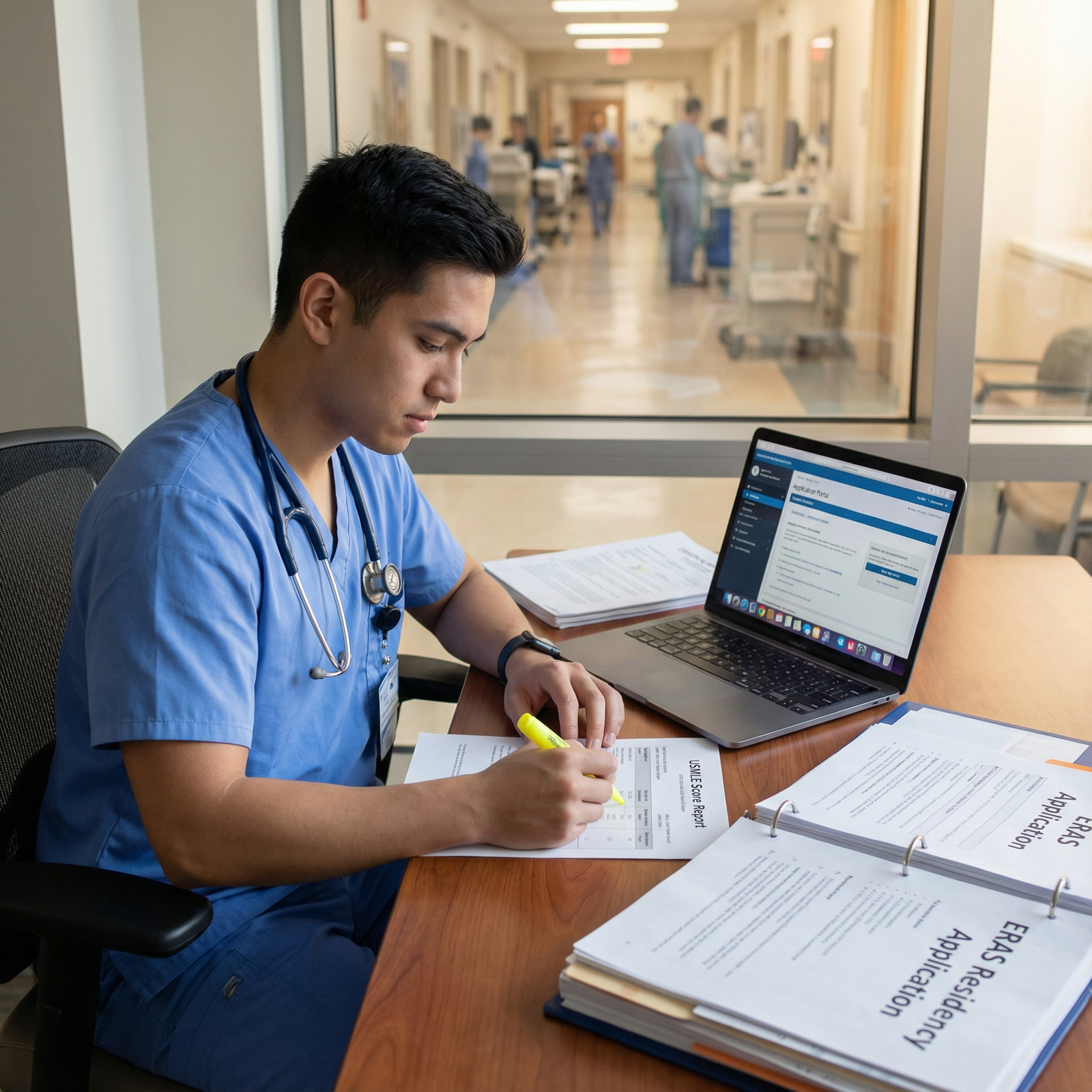
2. Rebuilding Your Application Materials
For the next Match cycle:
Personal Statement
Address the fact that you didn’t match—briefly and maturely:
- Acknowledge it without self-pity or defensiveness.
- Highlight what you learned and how you grew.
- Emphasize concrete actions during your recovery year (research, clinical work, service).
Tie your interests to:
- The patient population of Miami and South Florida
- Your long-term career goals (e.g., providing primary care to underserved communities, contributing to bilingual mental health services, advancing surgery outcomes in diverse populations)
Letters of Recommendation
For Miami residency programs in particular, recent and regionally relevant letters matter:
- Aim for at least one letter from a South Florida physician, ideally in your specialty.
- Ensure at least one letter speaks directly to:
- Professionalism and reliability
- Clinical judgment and communication skills
- How you handled your failed match and used the time productively
CV and ERAS Application
- Clearly label your post-match activities (e.g., “Clinical Research Fellow, University of Miami – Department of Internal Medicine, July 2025–present”).
- Avoid unexplained time gaps—every month should be accounted for with something meaningful, even if part-time (e.g., study time plus volunteering).
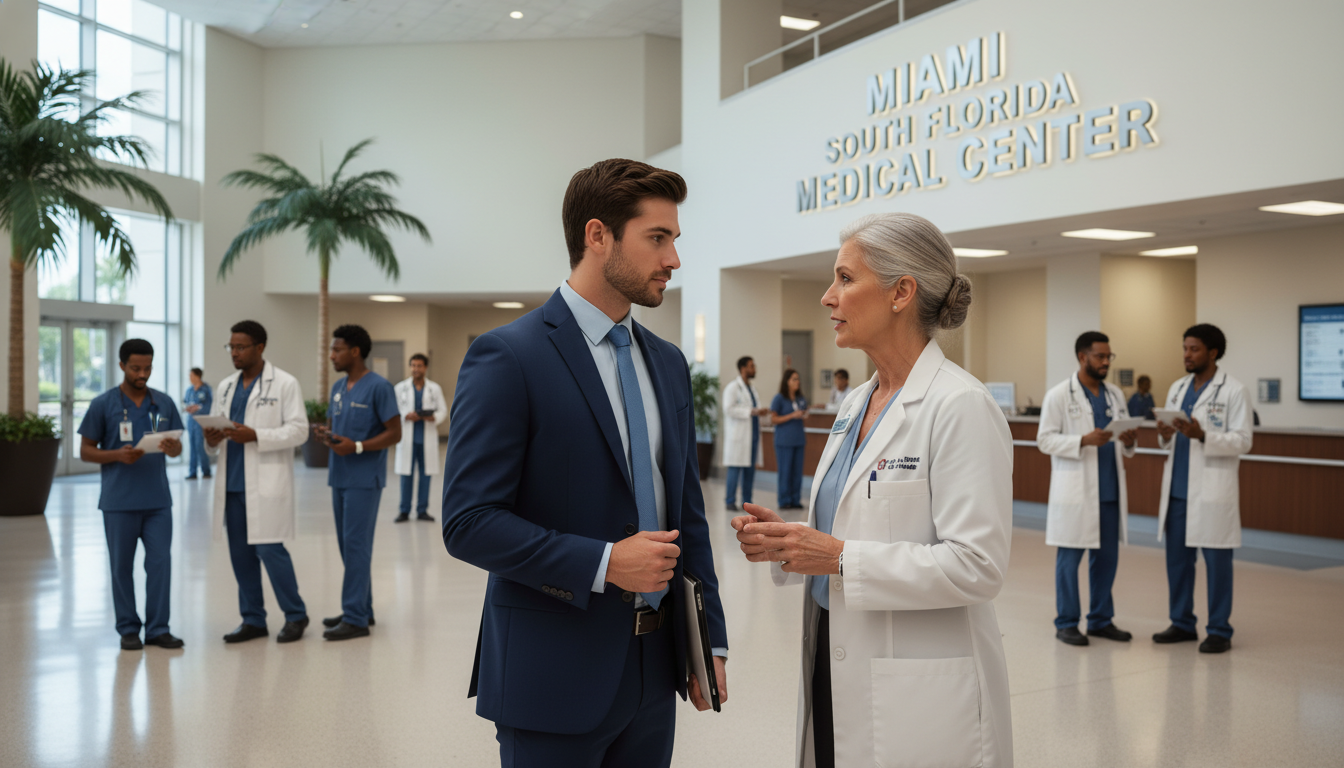
3. Networking with Miami and South Florida Programs
Residency programs cannot offer positions based solely on “who you know,” but professional connections often open doors to interviews.
Actionable strategies:
Attend regional conferences and grand rounds
- Many Miami institutions host local or hybrid events open to visiting learners.
- Introduce yourself briefly to speakers or organizers; follow up later via email.
Stay in touch with mentors who have Miami ties
- Ask if they can:
- Introduce you to faculty in South Florida residency programs
- Review your application materials
- Put in a word if they have a trusted relationship with a program director
- Ask if they can:
Leverage social media and professional profiles
- Maintain an up-to-date LinkedIn and/or ResearchGate profile featuring your Miami-based work.
- Follow South Florida residency programs’ official accounts; some share info about open positions or recruitment priorities.
Alternative and Backup Paths: Expanding Beyond the Traditional Match
Even if your goal is to eventually train or practice in Miami, you may need to consider non-linear routes.
1. Applying to a Broader Range of Programs
On your next application cycle:
- Expand beyond Miami residency programs to include:
- Other parts of Florida (Tampa, Orlando, Jacksonville, Gainesville)
- Surrounding states in the Southeast (Georgia, Alabama, Carolinas)
A realistic plan might look like:
- 10–15 programs in South Florida residency locations (Miami, Fort Lauderdale, Palm Beach)
- 25–40 programs in other regions, including community hospitals with a track record of training IMGs or non-traditional applicants
Your long-term strategy:
Train in a solid program where you match, then position yourself later for Miami fellowships or jobs once you’re board-eligible.
2. Considering Transitional or Preliminary Years
If your desired specialty is competitive (e.g., Anesthesia, Radiology, some Surgical specialties):
- A preliminary Internal Medicine or Surgery year in South Florida can:
- Give you U.S. clinical experience and letters
- Place you physically close to Miami programs when a categorical or off-cycle spot opens
Be prepared, however, for the reality that:
- A prelim year is not a guarantee of a categorical position.
- You will likely need to reapply during that year, with continued networking and performance excellence.
3. Non-Resident Clinical Roles and Long-Term Options
If reentering the Match multiple times is not feasible for financial, visa, or personal reasons, some unmatched applicants ultimately pursue:
- Clinical research careers
- Public health roles with strong clinical components
- Medical education and simulation center positions
- Non-physician clinical roles (e.g., physician assistant or nurse practitioner training, depending on background and country of license—though this is a major career shift)
These are last-resort options for most people, but understanding they exist can reduce the sense of finality around a single failed match.
Frequently Asked Questions (FAQ)
1. I didn’t match this year and I really want a Miami residency program. Is it realistic to stay focused on Miami only?
Focusing solely on Miami or South Florida residency positions is typically risky, especially after a failed match. It’s more realistic to use the coming year to build strong local ties—through research, observerships, or clinical roles in Miami—while simultaneously applying broadly in the next cycle. You can prioritize Miami on your rank list but should include a significant number of programs outside South Florida to maximize your chances of matching somewhere.
2. How should I explain that I’m an unmatched applicant in my personal statement and interviews?
Be transparent, brief, and growth-focused. For example: acknowledge that you didn’t match, state one or two main contributing factors (e.g., limited interviews, late specialty decision, or not applying broadly enough), and then pivot to what you’ve done since—such as Miami-based clinical experience, improved exam scores, or research. Programs are less concerned that you failed to match once and more interested in whether you’ve learned, adapted, and demonstrated resilience.
3. Are Miami residency programs open to IMGs who didn’t match on their first attempt?
Yes, many South Florida residency programs accept IMGs, including applicants who previously didn’t match, but they usually expect clear evidence of improvement:
- Strong recent U.S. clinical experience (ideally in Florida)
- Solid or improved board scores
- Strong letters from U.S. physicians
- Clear explanation of gaps or failed attempts
IMGs should pay particular attention to visa sponsorship, as not all Miami programs can support every visa type. Always verify each program’s policies before applying.
4. If I spend a year doing research in Miami, do I have a good chance of matching there the following year?
Research in Miami, especially under faculty affiliated with local residency programs, definitely improves your visibility and credibility, but there are no guarantees. Programs still evaluate your full profile: academic record, clinical skills, interview performance, and overall fit. What research can do is:
- Provide you with strong, local letters of recommendation
- Show commitment to the region and patient population
- Increase your chances of obtaining interviews at Miami and other South Florida residency programs
You should still apply broadly and view the research year as one important piece of a larger recovery strategy.
A failed match is deeply discouraging, but it’s also a clear turning point—a chance to re-evaluate, rebuild, and refocus your path. With deliberate planning, targeted experience in Miami and South Florida, and a stronger, more honest application, many unmatched applicants successfully transition into the physicians they set out to become.