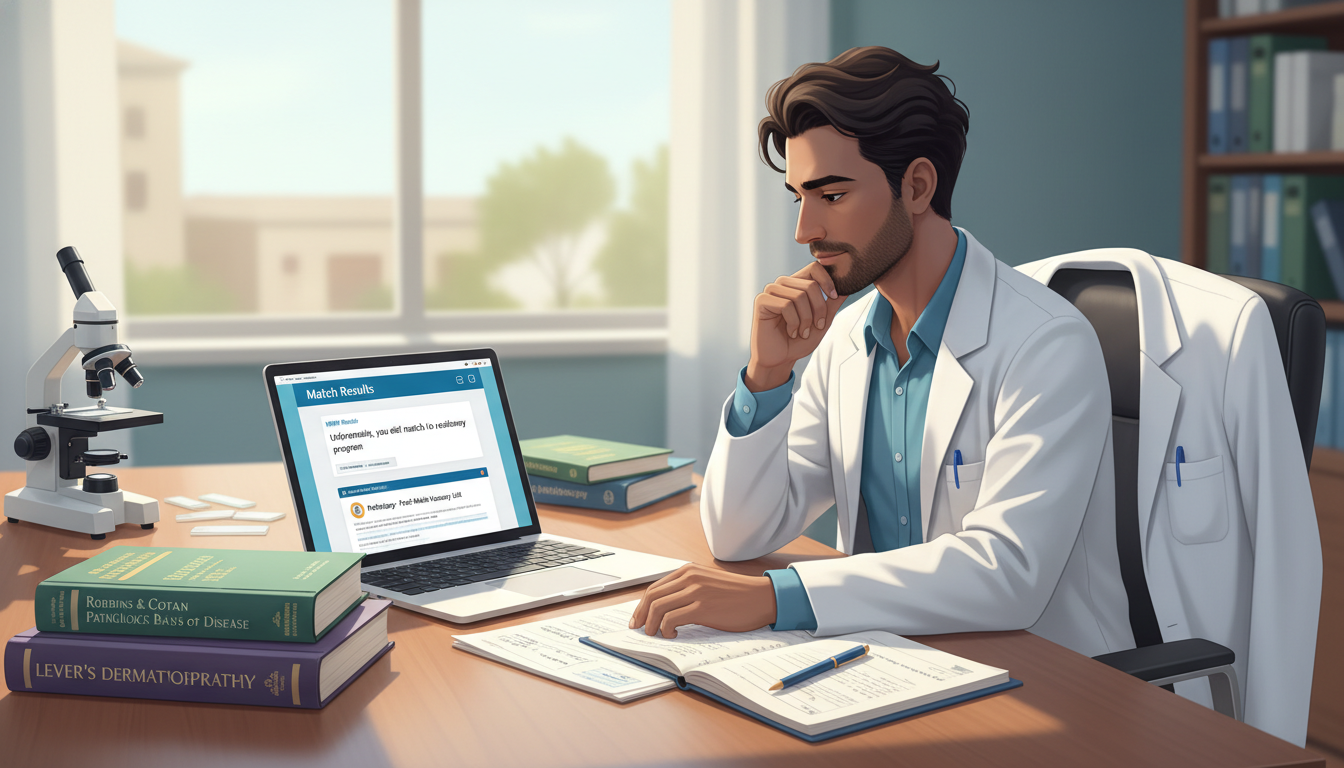
Navigating a failed Match is emotionally and professionally challenging, especially in a focused field like pathology. But not matching does not mean the end of your pathology career. Many successful pathologists had at least one unsuccessful Match cycle before landing in strong programs. The key is to respond deliberately, not react emotionally.
This guide walks you step-by-step through what to do immediately after you didn’t match, how to analyze what went wrong, and how to build a stronger, more strategic application for the next pathology residency Match cycle—or find alternative training routes if that’s right for you.
Understanding a Failed Pathology Match: What It Really Means
Before you plan your next steps, clarify where you stand and what “failed match” means in your specific situation.
The different ways a pathology match can “fail”
Didn’t get any interviews
- Programs never really “saw” you.
- Biggest issues are usually: application filters, Step scores, poor targeting, weak or late applications, or major red flags.
Got a few interviews but no rank-list success
- Programs were interested enough to invite you, but not enough to rank you high.
- Often related to interview performance, unconvincing narrative for pathology, letters, or program fit.
Ranked programs but went unmatched
- You submitted a rank list but did not secure a position.
- Sometimes reflects bad luck in a competitive year, but often points to a combination of moderate application weaknesses.
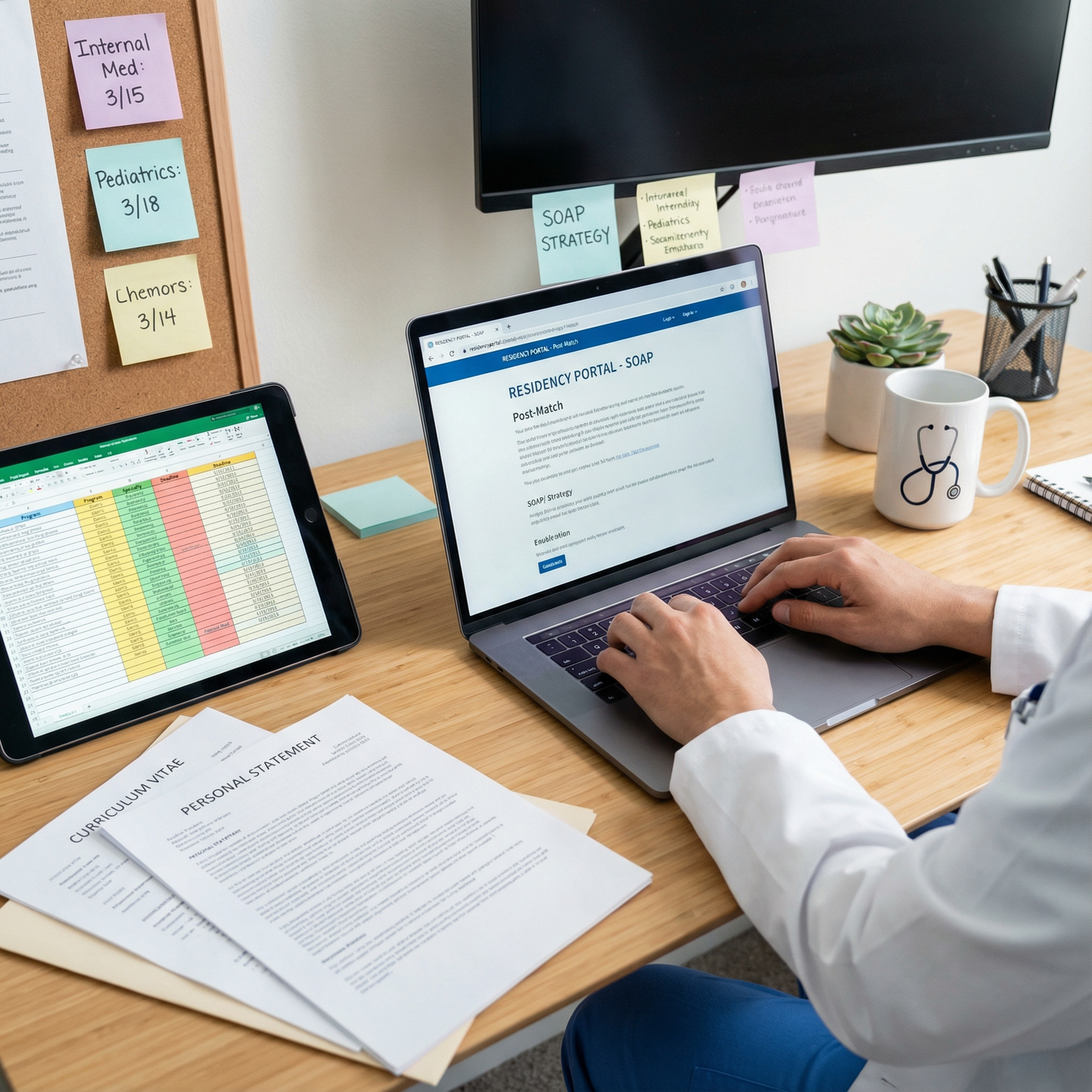
SOAP (Supplemental Offer and Acceptance Program) but still unmatched
- You tried for categorical or preliminary positions through SOAP and didn’t secure one.
- Indicates your current application was not competitive even among unfilled positions (though numbers and timing also play a big role).
Understanding which group you’re in will guide your recovery plan. For pathology, where total positions are limited compared with the most popular specialties, small differences in preparation and strategy can significantly change your outcome.
First 2–4 Weeks: Immediate Steps After You Didn’t Match
The early weeks after a failed pathology residency match are crucial. You need to process the disappointment while also acting quickly and strategically.
1. Stabilize emotionally and practically
- Give yourself a few days to decompress.
- Avoid impulsive decisions like changing specialties overnight or sending angry emails to programs.
- Talk with people you trust: mentors, advisors, friends, mental health professionals if needed.
- Remember: Being an unmatched applicant is an event, not an identity.
2. Clarify your status and timing
Ask yourself:
- Are you a US MD, DO, or international medical graduate (IMG)?
- How many years since graduation?
- Have you already completed any training (prelim, research year, prior residency)?
- Are you eligible for the next Match cycle (testing, ECFMG certification, visas, etc.)?
These details affect what options are realistic in the coming 6–18 months.
3. Reach out to your home institution quickly
If your school has a pathology department or affiliated hospital:
- Schedule a meeting with:
- Program Director (PD) or Associate PD for pathology, if possible.
- A pathology faculty mentor.
- Your school’s Dean of Students or career advising office.
- Be honest about your situation:
- Bring your ERAS application, CV, and score reports.
- Ask for candid feedback on your competitiveness and what they believe programs might have seen.
- If your school is not strong in pathology:
- Contact former rotation supervisors in pathology from away rotations.
- Use alumni networks to find pathologists who can advise.
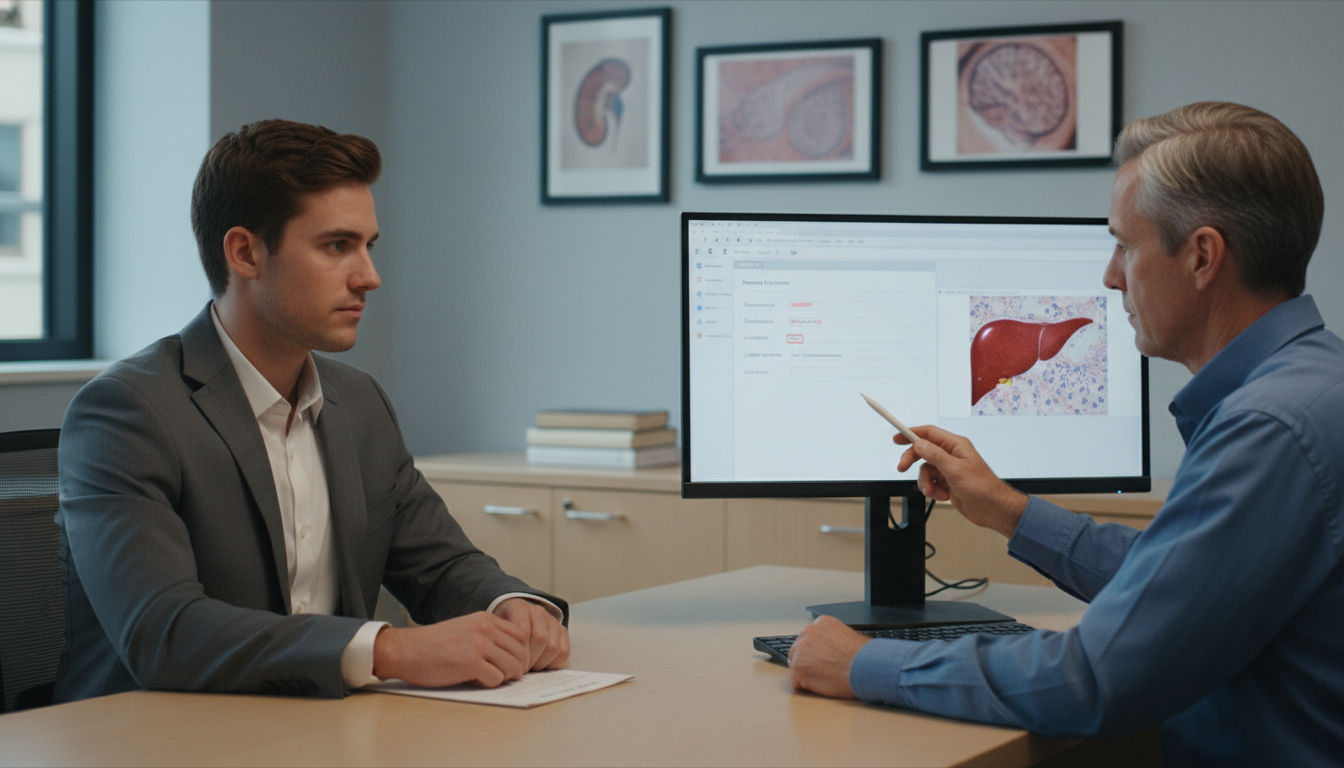
Forensic Review: Why Your Pathology Match Failed
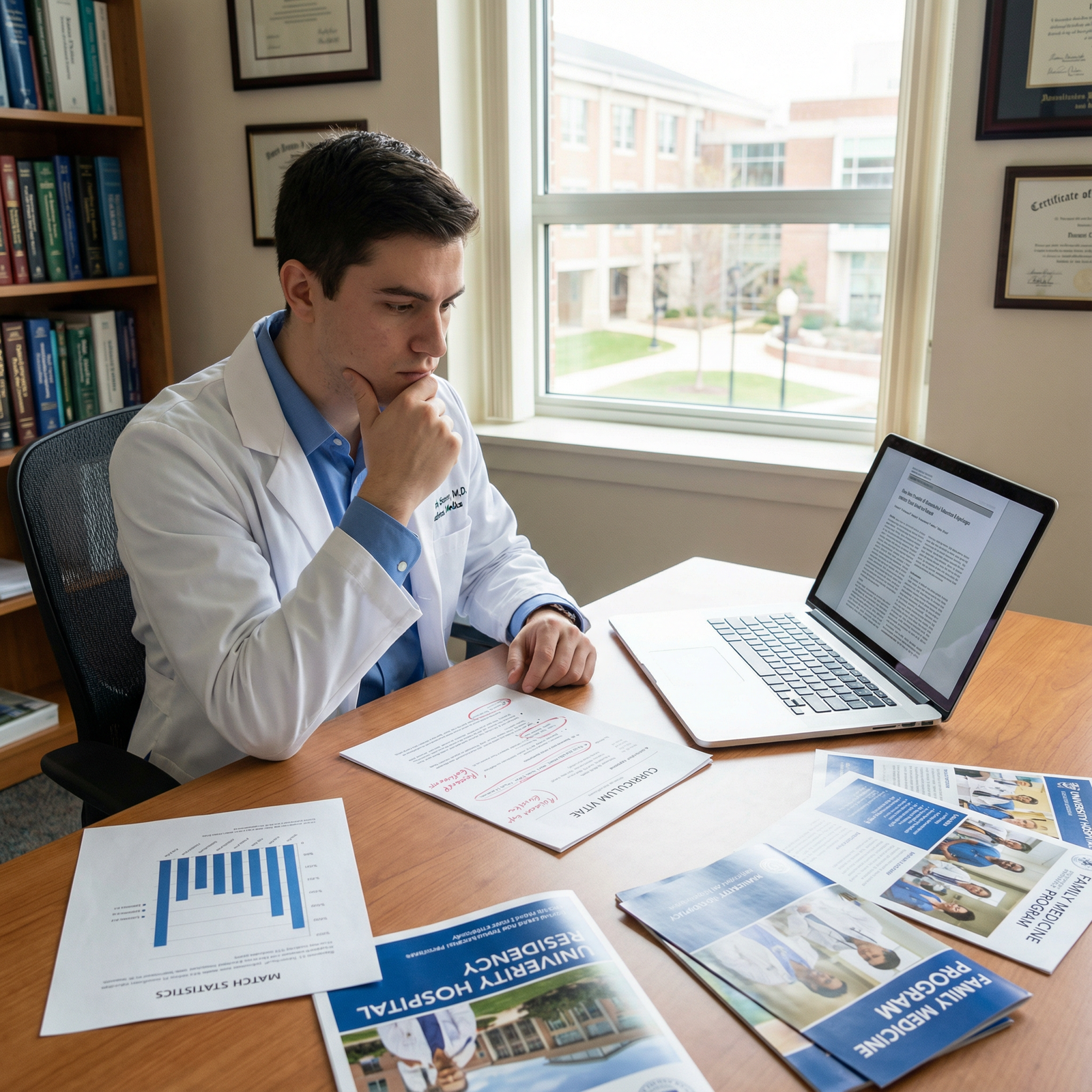
Treat this as a pathology case review—objective, systematic, and specific. Your goal is to identify modifiable factors before the next pathology match cycle.
1. Examine your academic metrics
Look at:
- USMLE/COMLEX scores
- Are they below many programs’ screening cutoffs?
- Any fails or multiple attempts?
- Medical school performance
- Pre-clinical failures or remediation?
- Clinical grades and comments, especially in pathology-related rotations or internal medicine/surgery.
- Time since graduation
- Being >5 years out can be a concern, especially for some programs and for IMGs.
Actionable advice:
- If scores are significantly below average for matched pathology residents, consider:
- Broadening your program list next cycle to include more community programs.
- Building a stronger narrative that explains any exam setbacks.
- Considering additional strength-building activities (research, observerships, pathology master’s program, etc.).
2. Evaluate your pathology exposure and experience
Pathology PDs want proof that you understand what pathology work is like and that you’re committed.
Ask yourself:
- Did you complete a core pathology elective?
- Any subspecialty electives (hematopathology, cytopathology, molecular, forensic)?
- Did you do an away rotation in pathology?
- Did you attend pathology conferences, journal clubs, sign-outs?
- Any research or scholarly work in pathology (case reports, quality projects, posters)?
If your application looked like “generic medicine student trying any specialty,” programs might doubt your long-term fit in pathology.
3. Scrutinize your personal statement and letters
For pathology residency, PDs watch for:
- A clear, credible story about why pathology, not just “I love puzzles and microscopy.”
- Evidence that you understand both anatomic and clinical pathology roles.
- Longitudinal engagement, not a last-minute specialty switch.
Red flags may include:
- Vague or cliché personal statements (“ever since I was a child I loved science”).
- Letters not from pathologists, or written by faculty who barely know you.
- Generic letters that could apply to any applicant.
Action:
- Ask trusted faculty to review your personal statement and, if appropriate, invite them to be brutally honest.
- If you sense one of your letters may have been weak or lukewarm, plan to replace it next cycle with stronger letters based on new experiences.
4. Analyze your interview performance
If you got interviews but didn’t match, this is critical.
Questions to ask:
- Were you able to articulate:
- Why pathology, and not internal medicine, surgery, or radiology?
- What a typical day is like for a pathology resident?
- Your career goals (academic vs community, subspecialty interests)?
- Were you prepared for common pathology-specific questions:
- “Tell me about a pathology case that influenced you.”
- “How do you handle repetitive or microscopic work—what keeps it meaningful?”
- “Have you seen an autopsy? What was that like for you?”
- Did you show:
- Curiosity about the program (asking thoughtful questions)?
- Respect for the multidisciplinary team and patient care?
- Professionalism and maturity?
If you’re uncertain, ask a trusted interviewer (if you have a relationship) or a faculty mentor to run a mock interview and give you honest feedback.
5. Consider contextual factors
Sometimes the problem is not you alone:
- Pathology programs may reduce positions in certain years.
- Some regions are more competitive.
- Many programs apply strict filters (scores, year of graduation, visa status) before they ever see your application.
Still, your task is to control what you can. Even if external factors played a role, you must strengthen your application to rise above those constraints.
Building a Stronger Application for the Next Pathology Match
Once you understand the likely reasons you failed to match, design a 6–12 month recovery plan. Think of it as a structured gap year focused on becoming the kind of candidate you would want to rank highly.
1. Secure meaningful pathology-related experience
Your top priority is to stay clinically and academically connected to pathology.
Options include:
A. Pathology research position
- Ideal if you have access to an academic medical center.
- Can involve:
- Translational research (tumor markers, molecular diagnostics).
- Quality improvement projects in the lab.
- Digital pathology, AI in image analysis.
- Hematopathology or cytology data projects.
- Benefits:
- New, strong letters from pathology faculty.
- Posters, abstracts, possibly publications.
- Regular exposure to sign-out and conferences if you integrate yourself into the department.
B. Pathology post-sophomore fellowship / post-graduate fellowship (where available)
- Some departments offer one-year junior faculty–type positions for graduates:
- You participate in grossing, frozen sections (under supervision), autopsies, and teaching.
- These are extremely valuable:
- Concrete evidence that you’ve “test-driven” pathology.
- Strong letters from people who observed your performance closely.
- Clear signal of commitment to the specialty.
C. Clinical or laboratory work
If research or fellow positions aren’t available:
- Consider:
- Clinical laboratory science roles (depending on your visa and licensure).
- Paid or volunteer roles in hospital labs.
- Teaching assistant roles in pathology courses.
- Always aim for a position that allows interaction with pathologists who can later write detailed letters.

2. Strengthen your academic profile and narrative
If your scores or academic record are a concern, you can still move the needle.
A. Demonstrate academic growth
- Complete high-quality online or in-person courses in:
- Molecular pathology, immunology, biostatistics.
- Quality improvement in clinical labs.
- Participate in:
- Pathology-focused educational activities (USCAP, CAP, local pathology society case conferences).
- For chronic test-takers:
- If you still have an exam left (e.g., Step 3 for IMGs or DOs), do very well on it to show improvement and resilience.
B. Refine your “why pathology” story
During your recovery year, keep a journal of:
- Interesting cases you see during sign-out.
- Reflections on how pathology influences clinical decision-making.
- Skills you’re building (pattern recognition, communication with clinicians, lab management).
These experiences will feed directly into:
- A more authentic, concrete personal statement.
- Interview answers that demonstrate deep engagement with the specialty.
3. Obtain new, powerful letters of recommendation
For a second pathology match attempt, aim for:
- At least 2–3 letters from board-certified pathologists who:
- Have seen you in sign-out, conferences, lab work, or research.
- Can compare you favorably to residents or fellows they’ve known.
- Can comment on your reliability, work ethic, curiosity, and suitability for pathology.
Coaching your letter writers (politely) helps:
- Provide them:
- Your updated CV and personal statement draft.
- A bullet list of projects you worked on with them.
- Specific strengths you hope they’ll highlight (e.g., attention to detail, follow-through).
4. Apply more strategically
For the next pathology residency match cycle, change how you apply, not just what you submit.
A. Program list strategy
- Apply broadly:
- Include a mix of:
- University programs.
- Community-based academic affiliates.
- Smaller programs outside major metro areas.
- Include a mix of:
- Pay attention to:
- Programs that have historically taken IMGs (if applicable).
- Programs that emphasize teaching and are known to consider “non-traditional” paths.
- Don’t limit yourself geographically unless you must; flexibility increases odds.
B. Tailor your application
- Custom-fit your experiences to pathology:
- Highlight lab, histology, imaging, or research experiences.
- Frame non-pathology experiences in ways that showcase skills relevant to pathology (e.g., analytical reasoning, interdisciplinary communication, data interpretation).
- Use your personal statement to own your story:
- Briefly acknowledge the failed match without dwelling on it.
- Emphasize what you did in the interim to grow and confirm your commitment.
- Show that you used the unmatched year constructively.
Example framing:
“Not matching in my first application cycle was a difficult but pivotal experience. It led me to immerse myself in a dedicated year within the pathology department at X Hospital, where I participated in daily sign-out, supported a digital pathology project, and solidified my conviction that my skills and interests align with this field.”
C. Prepare intensively for interviews
- Practice pathology-specific questions and scenarios.
- Do multiple mock interviews with:
- Faculty.
- Residents.
- Career advisors.
- Know each program:
- Their strengths (e.g., hematopathology, molecular, community focus).
- Their patient population.
- Any unique training aspects (frozen section volume, autopsy exposure, informatics).
Alternative Pathways and Back-Up Plans
For some applicants, especially those with multiple failed cycles or significant red flags, it’s wise to also consider alternative routes.
1. Reassess your long-term goals
Ask yourself:
- Is pathology still the specialty that fits my skills, values, and day-to-day preferences?
- Would I be equally or more fulfilled in a different role (e.g., internal medicine, radiology, lab management, research)?
If pathology remains your clear first choice, a well-planned second attempt—sometimes third—can still succeed, especially with concrete improvement.
2. Consider related fields and roles
If future pathology residency remains uncertain or unattainable, alternatives include:
- Clinical laboratory scientist or medical technologist (may require additional certification).
- Research scientist in pathology, oncology, or molecular diagnostics.
- Public health or epidemiology with a focus on diagnostic testing, screening, or cancer registries.
- Industry roles:
- Diagnostics companies.
- Digital pathology and AI startups.
- Pharmaceutical pathology support teams.
These paths can still incorporate many elements that attract people to pathology: data interpretation, disease mechanisms, and translational work.
3. Other medical specialties
Some unmatched applicants pivot successfully to:
- Internal medicine or family medicine:
- Leveraging analytical skills for patient care and possibly future roles in quality, lab liaison, or hospital administration.
- Radiology or nuclear medicine (if your profile and exam scores are appropriate and you can make a convincing case).
- Preventive medicine / pathology-oriented MPH:
- Combining clinical insight with population health and screening programs.
If you choose to pivot, invest time in understanding the new specialty and obtaining specialty-specific experiences and letters. Don’t simply “apply anywhere”; that rarely yields good outcomes.
Maintaining Momentum and Resilience as an Unmatched Applicant
The emotional and logistical grind of being an unmatched applicant is real. Long-term success requires consistent effort and self-care.
1. Structure your “gap” year
Treat this year like a full-time job:
- Set weekly goals:
- Research tasks completed.
- Conferences attended.
- Residents or faculty you’ve shadowed.
- Track accomplishments:
- Keep a log of cases, projects, and learning points.
- Schedule regular check-ins:
- With a mentor.
- With yourself—monthly reviews of progress and needed adjustments.
2. Build and use a support network
- Join:
- Pathology interest groups (online or local).
- Professional societies (CAP, ASCP, USCAP—often offer resident or student memberships).
- Find:
- At least one mentor within pathology.
- At least one mentor outside pathology who can provide broader career perspective.
3. Take care of your mental health
- Burnout and shame are common in unmatched applicants.
- Consider:
- Counseling or therapy, especially if you’re experiencing persistent low mood, anxiety, or self-criticism.
- Exercise and social activities outside medicine to maintain balance.
- Remind yourself:
- Many residents in your future program will have had failures along the way—failed exams, repeated years, or prior unmatched cycles.
FAQs: Failed Match Recovery in Pathology
1. I didn’t match into pathology this year. Should I reapply to the same specialty?
In most cases, yes—if:
- You genuinely understand and are drawn to the day-to-day work of pathology.
- You can realistically improve your application before the next pathology match.
- You’re prepared to invest a focused year in pathology-related experiences, stronger letters, and a more strategic application.
If you applied to pathology only late in the game or as a fallback, take time to clarify whether it’s truly the right fit or whether another specialty would better match your interests and strengths.
2. Does being an unmatched applicant permanently damage my chances in the pathology match?
Being unmatched is a negative data point, but not a permanent barrier. Many pathology program directors are sympathetic when they see:
- Clear improvement in your application (experiences, letters, maturity).
- A constructive, reflective attitude toward your failed match.
- A compelling trajectory during your “recovery” year.
Where it becomes more concerning is when applicants show no significant changes between cycles or cannot articulate what they learned from being unmatched.
3. How many times can I realistically apply to pathology residency?
There is no strict limit, but each additional unmatched cycle raises concerns:
- About your competitiveness.
- About whether you’re realistically addressing underlying issues.
- About the “staleness” of your graduation date and clinical skills.
Most advisors suggest:
- A strongly revised second application is very reasonable.
- A third attempt should be made only if there are clear, substantial improvements and strong mentor support.
- Beyond that, serious consideration of alternative pathways is usually necessary.
4. Should I address my failed match directly in my personal statement or interviews?
Yes, but briefly and constructively:
- In your personal statement:
- Acknowledge the unmatched year in 1–2 sentences.
- Focus the rest on what you learned and how you grew through concrete experiences.
- In interviews:
- Be honest if asked.
- Avoid blaming programs, the system, or other people.
- Emphasize resilience, insight, and specific steps you took to become a stronger candidate.
Example:
“After not matching last year, I realized that my application did not sufficiently demonstrate my commitment to pathology. Over the past year, I have worked full-time in a pathology research lab, attended daily sign-outs, and co-authored a case report in hematopathology. These experiences not only reinforced my passion for diagnostic medicine but also equipped me with a more realistic understanding of pathologists’ roles in patient care.”
Recovery after a failed pathology match is demanding, but entirely possible with a deliberate plan. By analyzing what went wrong, deliberately strengthening your profile, and applying more strategically, you can transform an unmatched year into a powerful stepping-stone toward a successful and sustainable career in pathology.