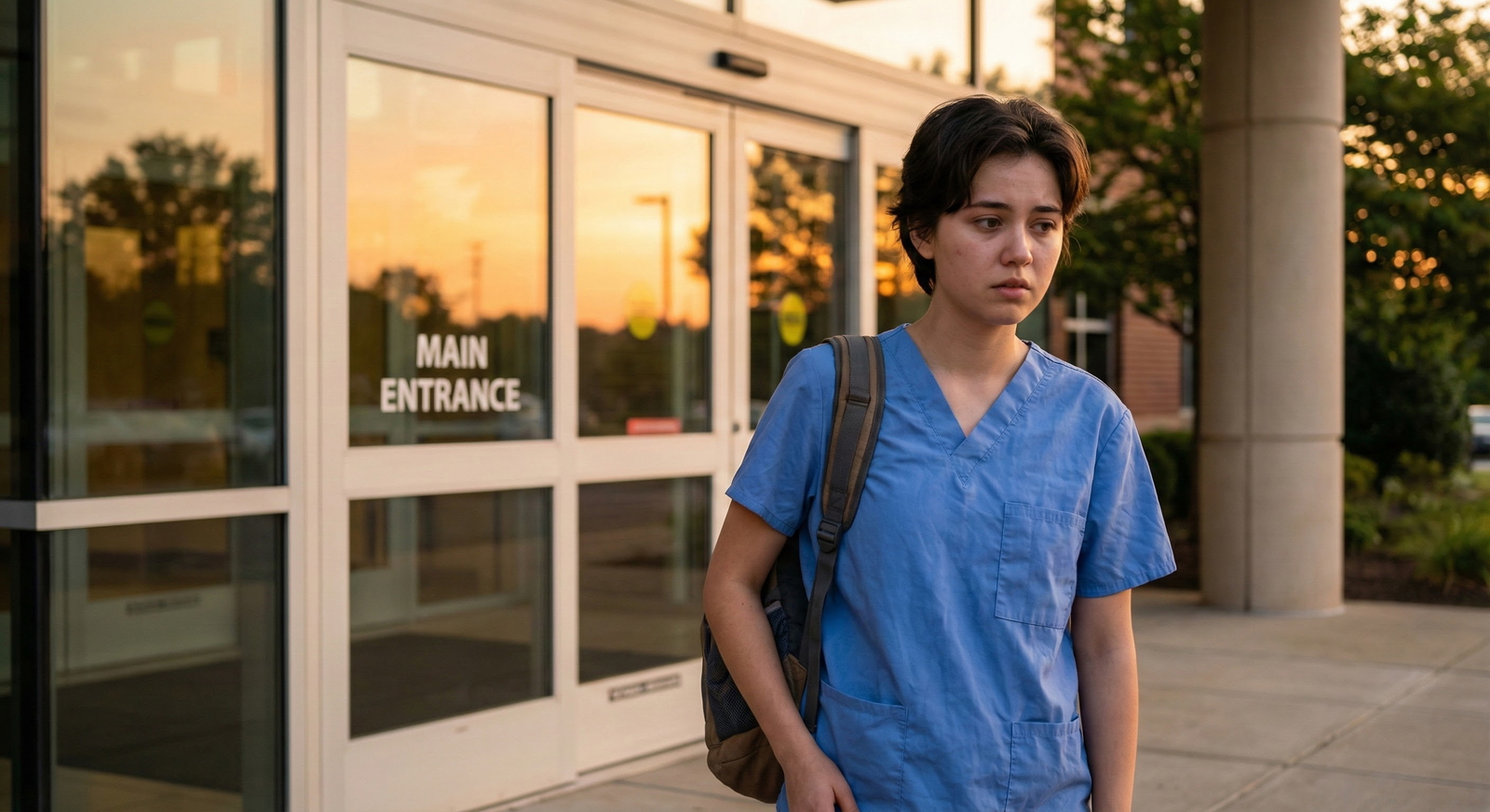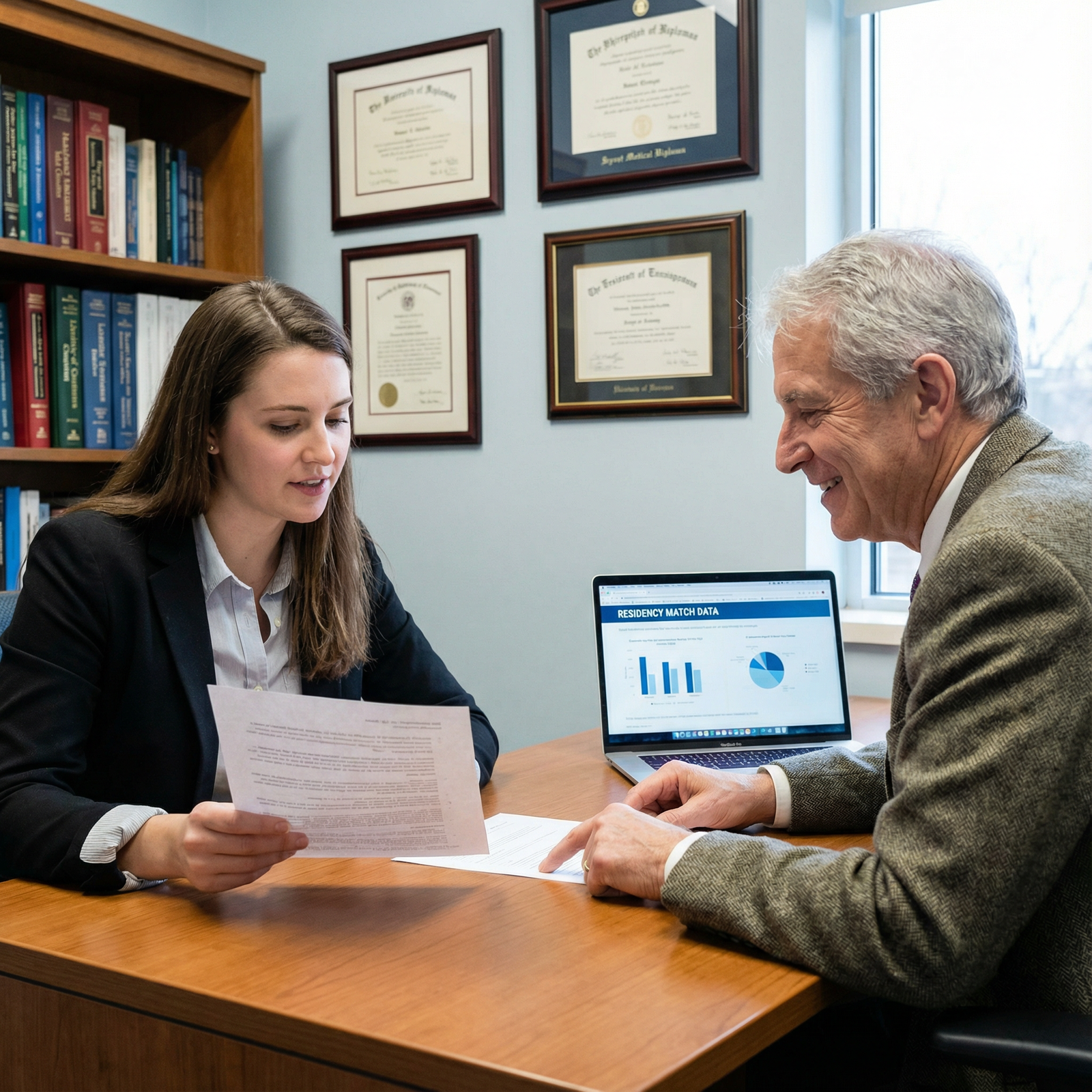
Feeling like you “failed” the PM&R match can be devastating. It’s more than a disappointing email—it can shake your identity, career plans, and confidence. But being an unmatched applicant in Physical Medicine & Rehabilitation is not the end of your path to physiatry. Many successful physiatrists didn’t match on their first attempt, regrouped strategically, and matched strongly on their second try.
This guide is designed to help you understand what happened, stabilize your next steps, and build a stronger application for the next physiatry match cycle.
Understanding a Failed Match in PM&R
Before planning your recovery, you need to understand the landscape you’re operating in.
The PM&R Residency Environment
Physical Medicine & Rehabilitation has become increasingly popular in recent years. Reasons include:
- Growing interest in quality-of-life and function-focused specialties
- More attention to pain medicine, sports, and neurorehabilitation
- An aging population and rising demand for rehabilitation services
While PM&R is not as numerically competitive as dermatology or plastic surgery, it is not “easy” to match anymore. Programs often receive far more applications than they can interview.
Typical pressure points include:
- Limited number of categorical PM&R residency spots compared with big specialties like internal medicine
- Increasing numbers of applicants from:
- U.S. MD and DO schools
- International medical graduates (IMGs)
- Applicants switching from other specialties
This means a good number of thoughtful, capable applicants don’t match each year.
Why Did I Not Match? Common PM&R-Specific Factors
PM&R programs look for a particular profile: applicants who understand function, teamwork, and long-term patient care, and who have clear, authentic reasons for wanting physiatry. Common reasons a PM&R applicant didn’t match include:
Limited or late PM&R exposure
- Few or no PM&R rotations, especially at academic centers
- Minimal time spent on inpatient rehabilitation, consult services, or subspecialties (SCI, TBI, pain, sports, peds rehab)
- Weak or generic PM&R letters because faculty didn’t know you well
Application strategy issues
- Applied to too few programs or too narrow a geographic range
- Overweighted reach programs and underapplied to mid-tier or community programs
- Unclear or inconsistent story in personal statement and experiences
- Applied late (after many interview slots were already offered)
Academic or testing concerns
- Multiple Step 1/COMLEX Level 1 failures, or large score gaps
- Weak Step 2 CK or COMLEX Level 2-CE performance relative to PM&R averages
- Red flags: failed courses, professionalism issues, gaps in training without explanation
Letters and evidence of fit
- Lack of strong letters from physiatrists or PM&R department leaders
- Letters that describe you as “good and pleasant” but not exceptional or specific
- No clear track record of interest in rehabilitation (research, volunteer work, QI, etc.)
Interview performance
- Limited invites due to weak paper application
- Poor virtual or in-person interviewing: flat affect, unclear motivations, incomplete understanding of physiatry
- Difficulty answering “Why PM&R?” or “Why our program?” in a convincing, specific, and personal way
Most unmatched applicants have a combination of these factors—not just one. Your goal now is to identify which applied to you.
Immediate Aftermath: What To Do Right After You Didn’t Match
How you respond in the days and weeks after you learn you didn’t match in PM&R can shape your entire next year.
1. Stabilize Emotionally and Reframe the Narrative
A failed match can feel like a personal rejection—but it’s fundamentally an application outcome, not a verdict on your worth or future.
Give yourself a few days to:
- Talk with trusted peers, mentors, family
- Step away from social media if posts about Match Day feel overwhelming
- Recognize that many competent physicians have gone unmatched once
Reframing is essential:
- Instead of “I failed,” think:
- “I didn’t match this year, and I need to figure out why.”
- “I’m in a competitive process where supply and demand don’t always match.”
- “This is feedback about my application, not my potential as a physiatrist.”
2. Decide About the SOAP (if timing applies)
If you are unmatched during Match Week, you may have access to the Supplemental Offer and Acceptance Program (SOAP):
- PM&R positions occasionally appear in SOAP, but not reliably.
- You may see spots in:
- Transitional year (TY)
- Preliminary medicine or surgery
- Other specialties
Key question: Should you SOAP into a non-PM&R position or stay unmatched?
Short guide:
Good reasons to SOAP into a TY/prelim:
- You want clinical experience and salary right away
- You may later apply to PM&R as a PGY-2 applicant
- You’re okay with some uncertainty and extra logistical work
Good reasons to remain unmatched and do a research year or other gap-year plan:
- You strongly need to repair academics, test performance, or PM&R exposure
- You lack strong PM&R letters and want time to build them
- You can secure structured, CV-boosting opportunities
If SOAP is active for you now, discuss options with:
- Your medical school’s dean’s office or student affairs
- A PM&R faculty advisor if available
- Past residents or mentors who know the PM&R landscape
3. Inform and Involve Your Support Network and Mentors
Do not handle this alone. Reach out to:
- PM&R attendings or clerkship directors you’ve worked with
- Your dean or residency advising office
- Program directors (PDs) or assistant PDs at institutions where you rotated
Ask for:
- An honest assessment of your application’s weaknesses
- Advice on realistic next steps
- Willingness to support you in a reapplication plan (letters, introductions, advocacy)
Diagnosing What Went Wrong: A Structured Post-Match Debrief
Think of this as a root-cause analysis on your PM&R residency application.
Step 1: Analyze Your Application Data
Collect and review:
- USMLE/COMLEX scores and attempts
- Transcript and MSPE (Dean’s Letter)
- ERAS application (experiences, personal statement, activities)
- Interview invitations and outcomes (how many, which programs, did you get ranked?)
Ask yourself (and mentors):
Did I have academic red flags?
- If yes, were they adequately explained in my personal statement and MSPE?
How competitive were my test scores for PM&R?
- Scores below the mean are not automatic disqualifiers, but they raise the bar for other parts of your application.
How many programs did I apply to, and of what type?
- Very regionally restricted?
- Mostly highly competitive institutions?
How many interviews did I receive?
- <8–10 interviews in PM&R often carries a significant risk of not matching.
Step 2: Get External Feedback
Ask at least 2–3 experienced people to review your materials:
- A PM&R program director or associate PD (if possible)
- A PM&R clerkship director or faculty mentor
- A dean’s office advisor familiar with the physiatry match
Encourage them to be direct. Helpful questions:
- “If you were reading my application as a PD, where would you hesitate?”
- “If I were your advisee from the beginning, what would you tell me I need to fix first?”
- “In your view, how realistic is a future PM&R match for me, and what timeline would you recommend?”
Step 3: Identify Your Primary Recovery Domains
Most unmatched PM&R applicants need to strengthen some combination of:
- PM&R exposure and letters of recommendation
- Academic/test profile
- Research, scholarship, or leadership
- Overall narrative and clarity: Why PM&R, why now, why you?
- Interview skills and professionalism
Write down clear bullets under each category: what went wrong, and what it would take to improve.
Building a Stronger PM&R Application: Strategic Recovery Paths
Once you’ve diagnosed your weak points, you can choose recovery strategies tailored to your situation.
1. Strengthening PM&R Exposure and Letters
Because PM&R is relatively small, relationships matter.
A. Do Additional PM&R Rotations
If you didn’t match, your next year is an opportunity to:
- Arrange away rotations or observerships at PM&R programs where you might apply again
- Rotate on:
- Inpatient rehab units (stroke, TBI, SCI)
- Outpatient musculoskeletal/spine/pain clinics
- EMG labs or sports rehab clinics
Action steps:
- Contact PM&R departments (via coordinator or clerkship director) explaining:
- You’re an unmatched applicant in PM&R
- You want to build clinical skills, confirm specialty fit, and earn strong letters
- Ask if they accept graduates for:
- Rotations as a visiting student (if you’re still within a short window from graduation)
- Post-graduate externships or observer positions
B. Secure Strong, Detailed Letters of Recommendation
Aim for at least two letters from physiatrists who:
- Directly supervised you clinically
- Saw you interact with patients and the multidisciplinary team
- Can comment on:
- Work ethic
- Communication skills
- Empathy and bedside manner
- Fit with rehabilitation medicine
When asking for a letter:
- Do it early
- Provide:
- Your updated CV
- Personal statement draft
- A list of PM&R programs or regions you’re targeting
- Politely ask: “Do you feel you can write a strong letter in support of my reapplication to PM&R?”
2. Addressing Academic and Testing Concerns
If your academic metrics were a major factor, you need a concrete plan.
A. Improve Test Performance (If Still Possible)
If you still have opportunities to take or retake Step 2 CK or COMLEX Level 2-CE:
- Build a structured, time-bound study plan (dedicated weeks or months)
- Use high-yield question banks and practice exams
- Consider a tutor if you struggled previously
Scoring even moderately higher than before shows resilience and improvement, reassuring PDs that you can handle PM&R’s medical complexity.
B. Demonstrate Clinical Competence in Real Settings
If you’re completing a:
- Transitional Year (TY)
- Preliminary internal medicine or surgery year
- Other clinical PGY-1 position
Then:
- Excel on rotations: reliable, proactive, collegial
- Ask attending physicians in medicine, neurology, or orthopedics for letters commenting on your:
- Medical knowledge
- Teamwork
- Work ethic and professionalism
These letters, combined with PM&R letters, can offset mild academic concerns by proving you perform well in the real world.
3. Using a Research or Gap Year Strategically
If you’re not in a clinical PGY-1 position, a structured research year or clinical-research hybrid year can be powerful for a PM&R reapplication.
Ideal PM&R-related areas:
- Stroke recovery and neurorehabilitation
- Traumatic brain injury (TBI) outcomes
- Spinal cord injury (SCI) rehabilitation
- Musculoskeletal medicine or sports rehab
- Pain outcomes, function, and quality-of-life research
- Prosthetics, orthotics, and disability technology
Benefits of a research year:
- Strong letters from academic physiatrists
- PubMed-indexed publications, abstracts, or posters
- Deepened understanding of rehab medicine
- Evidence of resilience and career commitment
How to find positions:
- Email PM&R departments with:
- A concise CV
- A brief cover email explaining your interest and unmatched status
- Clear ask: “I am seeking a 1-year research position in PM&R to strengthen my application”
- Look for NIH-funded rehab labs, or PM&R chairs with active research programs
Be ready to accept roles that are partly:
- Research assistant
- Clinical coordinator in rehabilitation clinics
- Outcomes project assistant
What matters is genuine involvement and mentorship, not the title alone.
Alternative Paths and Long-Term Strategy: Staying Connected to PM&R
The category of MATCH_ALTERNATIVES is about realistic, viable routes when the first plan doesn’t work. For physiatry, there are several.
1. Reapplying to PM&R After a TY or Prelim Year
This is one of the most common and successful recovery paths.
Scenario: You SOAPed or matched into a TY or prelim medicine year.
Your goals during that year:
- Excel clinically; no new red flags
- Network with PM&R departments:
- At your TY hospital
- Nearby institutions
- Seek electives in PM&R during your PGY-1 (if allowed)
- Stay involved:
- Attend PM&R grand rounds
- Participate in rehab-related QI or research projects
- Reapply to PM&R as a PGY-2 or PGY-3 start, depending on program structure and openings
Key point: Many PM&R programs are familiar with applicants coming from a TY or prelim year and often value the additional internal medicine experience.
2. Considering Closely Related Fields While Keeping PM&R in View
Some applicants reassess and consider alternate—but related—paths if multiple PM&R cycles don’t work out or if their personal priorities change.
Related specialties:
- Neurology (especially for those interested in stroke, TBI, neuromuscular disease)
- Family medicine or internal medicine with a focus on:
- Musculoskeletal medicine
- Pain management
- Sports medicine (via fellowship)
- Anesthesiology leading to pain medicine
- Sports medicine via primary care
This doesn’t mean abandoning your rehabilitation passions. Physicians in these fields often:
- Collaborate closely with physiatrists
- Focus on function, disability, and quality-of-life
- Work in pain clinics, sports medicine settings, or multidisciplinary rehab teams
If you eventually decide PM&R is no longer the primary goal, your PM&R-oriented background can remain a strength, not wasted effort.
3. Logistics: Timing, Visas, and Finances
For some unmatched PM&R applicants, practical constraints shape decisions as much as career ideals.
Consider:
Immigration/visa timelines (for IMGs):
- Will another year as an unmatched applicant or researcher affect your visa status or eligibility?
- Consult advisors familiar with J-1/H-1B issues if applicable.
Financial realities:
- Can you afford a research or observership year with limited or no salary?
- Is a paid TY or prelim year a better balance between income and future goals?
Family and geographic obligations:
- Are you restricted to certain states or cities?
- If yes, you may need to broaden the range of specialties you’ll consider, or consider tele-research or flexible roles.
Practical Timeline: Month-by-Month Recovery Plan
Here’s a generalized timeline for someone who didn’t match in PM&R and plans to reapply in the next cycle.
Months 1–2: Debrief and Planning
- Process emotions; build support network
- Conduct a full application autopsy with mentors
- Decide on main recovery pathway:
- TY/prelim year
- Research/gap year
- Hybrid clinical-research roles
Months 2–4: Secure Positions and Start Building
- Apply widely for:
- PM&R research positions
- Clinical assistant roles in rehab settings
- Additional PM&R rotations
- Update and refine your CV
- Begin test preparation if retaking exams or taking Step 3
Months 4–8: Deepen PM&R Engagement
- Start or continue PM&R research projects
- Draft or revise your personal statement with a focus on:
- Resilience
- What you learned from not matching
- Concrete steps you’ve taken to strengthen your candidacy
- Obtain at least one new PM&R letter reflecting your growth
Months 8–10: Prepare Your Application
- Finalize ERAS application
- Ensure all experiences reflect your updated activities and responsibilities
- Ask mentors to review your personal statement and program list
- Apply broadly:
- Consider all program types: university, community, hybrid
- Widen geographic preferences if possible
Months 10–12: Interview Season
- Practice interview skills with mock interviews:
- Faculty
- Career services
- Peers currently in PM&R residency
- Prepare honest but strategic responses to:
- “I see you’ve applied before. Can you tell me about that experience?”
- “What have you done this year to strengthen your application?”
- Emphasize:
- Insight and growth
- Maturity and professionalism
- Continued passion for physiatry
Communicating About Being an Unmatched Applicant
One of the most difficult parts of a failed match recovery is talking about it—to programs, interviews, and even yourself.
Principles for Framing Your Story
Be honest, not defensive.
Acknowledge reality:- “I applied to PM&R last year and did not match.”
Show insight, not self-punishment.
- “Looking back, I realized I had limited PM&R-specific exposure and my letters were not as strong or specific as they could have been.”
Highlight action, not passivity.
- “In response, I sought out a research position at [institution], completed additional rotations in inpatient rehab and MSK clinic, and worked closely with physiatrists who could observe my clinical growth.”
Emphasize growth and confirmation of fit.
- “This year has reinforced—not weakened—my conviction that PM&R is where I belong. I’ve seen rehabilitation from multiple angles and am even more committed to a career helping patients optimize function.”
Example Short Answer (for Interviews)
Question: “Can you tell us about your journey, including your previous application to PM&R?”
Answer (sample):
During my final year of medical school, I applied to PM&R but did not match. At that time, my application reflected strong overall interest in rehabilitation but limited direct exposure to inpatient rehab and fewer PM&R-specific letters than most successful applicants.
Over the past year, I’ve focused on closing those gaps. I completed an inpatient rehab rotation at [Hospital], joined a research project on stroke outcomes, and worked closely with three physiatrists who supervised my clinical work and provided mentorship. This experience not only strengthened my application but also confirmed that I am truly aligned with PM&R’s focus on function, team-based care, and long-term patient relationships.
This sort of framing demonstrates maturity, not weakness.
Key Takeaways for Failed Match Recovery in PM&R
- Not matching in PM&R is a setback, not the end of your dream of becoming a physiatrist.
- A structured, honest evaluation of your application is the foundation of a successful recovery.
- Common weaknesses include limited PM&R exposure, weaker letters, application strategy missteps, and academic/test concerns.
- Recovery pathways can include:
- TY or prelim years with reapplication
- PM&R-focused research or gap years
- Hybrid, clinically oriented roles in rehabilitation settings
- Your narrative matters: programs want to see insight, resilience, and a deepened commitment to physiatry.
With deliberate planning, mentorship, and persistence, many unmatched applicants go on to secure strong PM&R residency positions and build fulfilling careers in rehabilitation medicine.
FAQ: Failed Match Recovery in PM&R
1. Is it realistic to match into PM&R after I didn’t match once?
Yes. Many residents in PM&R programs are reapplicants. Your chances depend on what you do with your “recovery year”:
- If you meaningfully address weaknesses (PM&R exposure, letters, academics, narrative), your odds can improve significantly.
- If your application remains essentially unchanged, programs may be less likely to take a chance the second time.
2. Should I apply to more than one specialty if I reapply to PM&R?
It depends on your risk tolerance and how strong your PM&R profile becomes:
- If you’ve substantially strengthened your PM&R candidacy and are deeply committed to physiatry, a PM&R-focused application with a few “backup” specialties may be reasonable.
- If you have major red flags or severe geographic restrictions, dual-applying (e.g., PM&R plus internal medicine or family medicine) can provide a safety net.
Speak with mentors and PDs about your specific situation before deciding.
3. How many PM&R programs should I apply to as a reapplicant?
There is no universal number, but reapplicants often benefit from broad application strategies, such as:
- Applying to nearly all PM&R programs unless there are strong reasons to exclude some (e.g., visa issues, absolute geographic constraints)
- Being flexible on program size, prestige, and location
Your competitiveness, geographic limitations, and financial constraints all play a role. Ask mentors to help you build a balanced list.
4. Will programs hold it against me that I didn’t match the first time?
Programs will notice, but it is not an automatic disqualification. What matters most is:
- How you explain the previous outcome
- What you’ve done since then to grow and improve
- Whether your current application clearly addresses the concerns that may have prevented a match previously
Many PDs view successful recovery from a failed match as evidence of resilience, insight, and maturity—key qualities in a future physiatrist.