Understanding a Failed Match in Southern California
Not seeing your name on Match Day results can feel devastating, especially if you were targeting competitive Southern California residency programs. Whether you say “didn’t match,” “failed match,” or “unmatched applicant,” the reality is the same: you need a clear, structured recovery plan—and you need it quickly.
In Southern California (SoCal), the stakes can feel even higher. Programs are popular, applicant volume is huge, and many students dream of training in Los Angeles, San Diego, Orange County, or the Inland Empire. The good news: many unmatched applicants successfully secure positions—either in the Supplemental Offer and Acceptance Program (SOAP), post‑Match, or in the following cycle—often still in SoCal medical training environments.
This article walks you step‑by‑step through failed Match recovery with a special focus on Southern California residency options, timelines, and strategies. Use it as a practical playbook for what to do next, how to stay competitive, and how to rebuild your application.
Step 1: Stabilize, Decompress, and Assess Objectively
Process the shock first
A failed match can trigger grief, shame, anger, or panic. These emotions are normal, but they can also cloud judgment when you need to make fast decisions (particularly during SOAP week).
Actions for the first 24–48 hours:
- Take a short break (hours, not weeks) to decompress.
- Reach out to a trusted person: advisor, mentor, friend, or therapist.
- Avoid impulsive emails to programs or social media posts about your situation.
- Remind yourself: “Unmatched” is a status, not a permanent label. Many strong physicians went through this.
Clarify your exact Match outcome
Your strategy depends on your specific status:
- Completely unmatched: No residency position obtained.
- Partially matched (advanced but no prelim, or prelim but not advanced):
- Matched to an advanced position (e.g., PGY‑2) but not a PGY‑1 year.
- Matched to a preliminary year but not to a categorical or advanced spot.
Each scenario changes what you should do in SOAP, post‑SOAP, and the next cycle—especially in regions like Southern California where PGY‑1 and PGY‑2 opportunities vary by specialty and hospital.
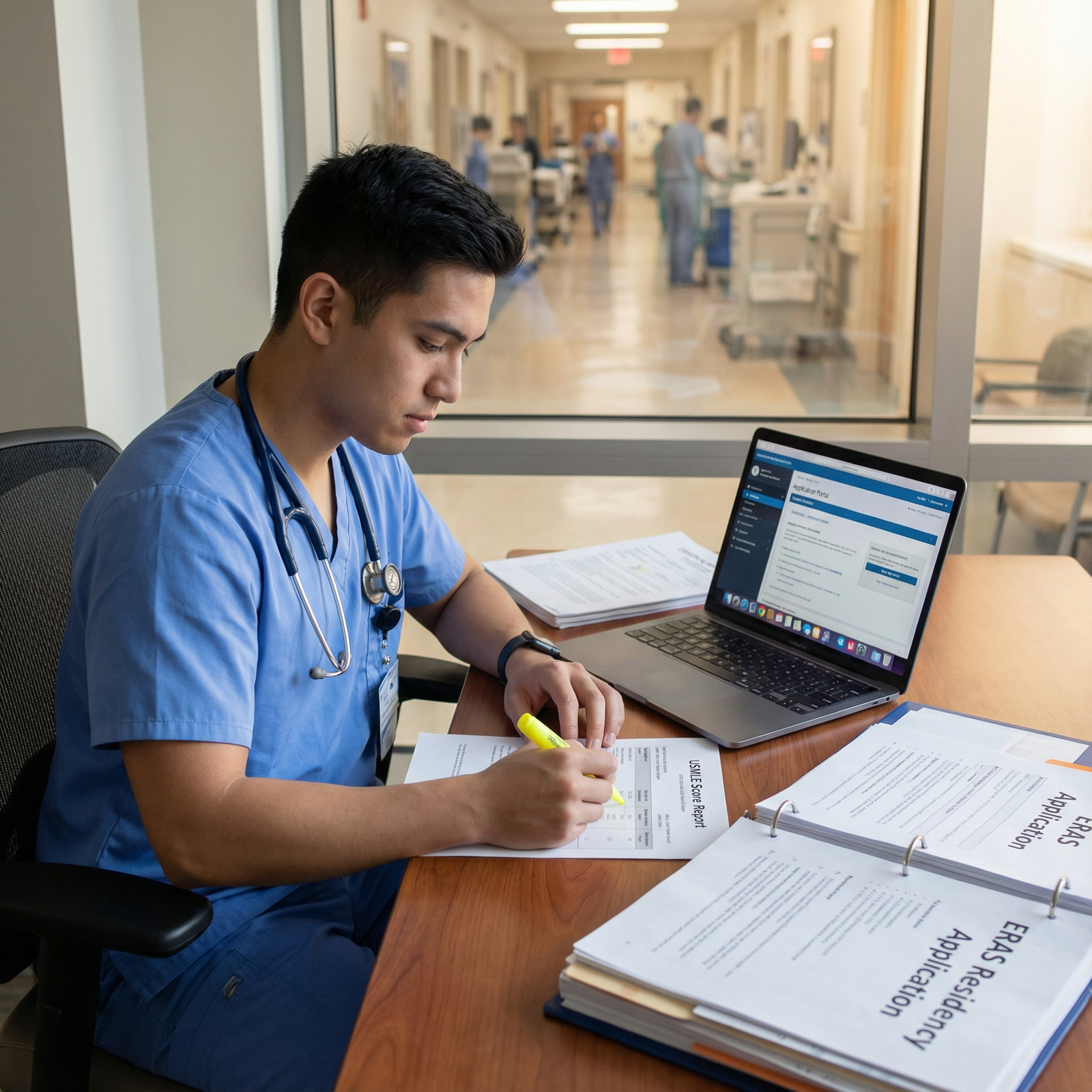
Get your data together
Before you can improve, you need a clear baseline. Pull together:
- USMLE/COMLEX score report(s)
- Medical school transcript
- MSPE/Dean’s Letter
- List of programs you applied to (specialty, region, competitiveness)
- Interview list (who invited you; who didn’t)
- Any failed clerkships, leaves of absence, or professionalism issues
- CV, personal statement, and letters of recommendation used this cycle
You will use this data in your “post‑mortem” analysis and when meeting with mentors or your school’s advising office.
Step 2: Run a Candid Post‑Match Analysis
To recover from a failed match, you must understand why it happened. In a competitive market like Southern California residency programs, even small weaknesses can derail an otherwise solid application.
Common reasons applicants don’t match
Overly competitive specialty choices
- Example: Applying primarily to dermatology, plastic surgery, ENT, orthopedics, or neurosurgery with limited backup.
- Impact in SoCal: These specialties are especially saturated at academic centers (UCLA, UCSD, UCI, USC/Keck, Loma Linda, Kaiser SoCal, etc.).
Limited program list or geographic restriction
- Applied to too few programs or only to SoCal medical training sites.
- Some applicants apply almost exclusively to Southern California due to family, cost, or preference, making their application much more vulnerable.
Insufficient interview volume
- Rule of thumb: below ~10–12 interviews in moderately competitive specialties raises risk.
- For highly competitive specialties, even 10–12 may be inadequate.
Application red flags
- Exam failures (USMLE Step 1/2 or COMLEX equivalents).
- Failed rotations, remediation, or professionalism concerns.
- Large gaps in training or frequent school changes.
Weak application strategy
- Generic personal statements with no specialty‑specific narrative.
- Lack of clear commitment to the specialty or region.
- Weak or outdated letters of recommendation.
- Poorly constructed ERAS experiences or CV.
Interview performance issues
- Poor communication skills or difficulty connecting.
- Inconsistent narrative (e.g., not clearly explaining why you want that specialty or SoCal specifically).
- Red flag answers to behavioral or professionalism questions.
How to perform your own “post‑mortem”
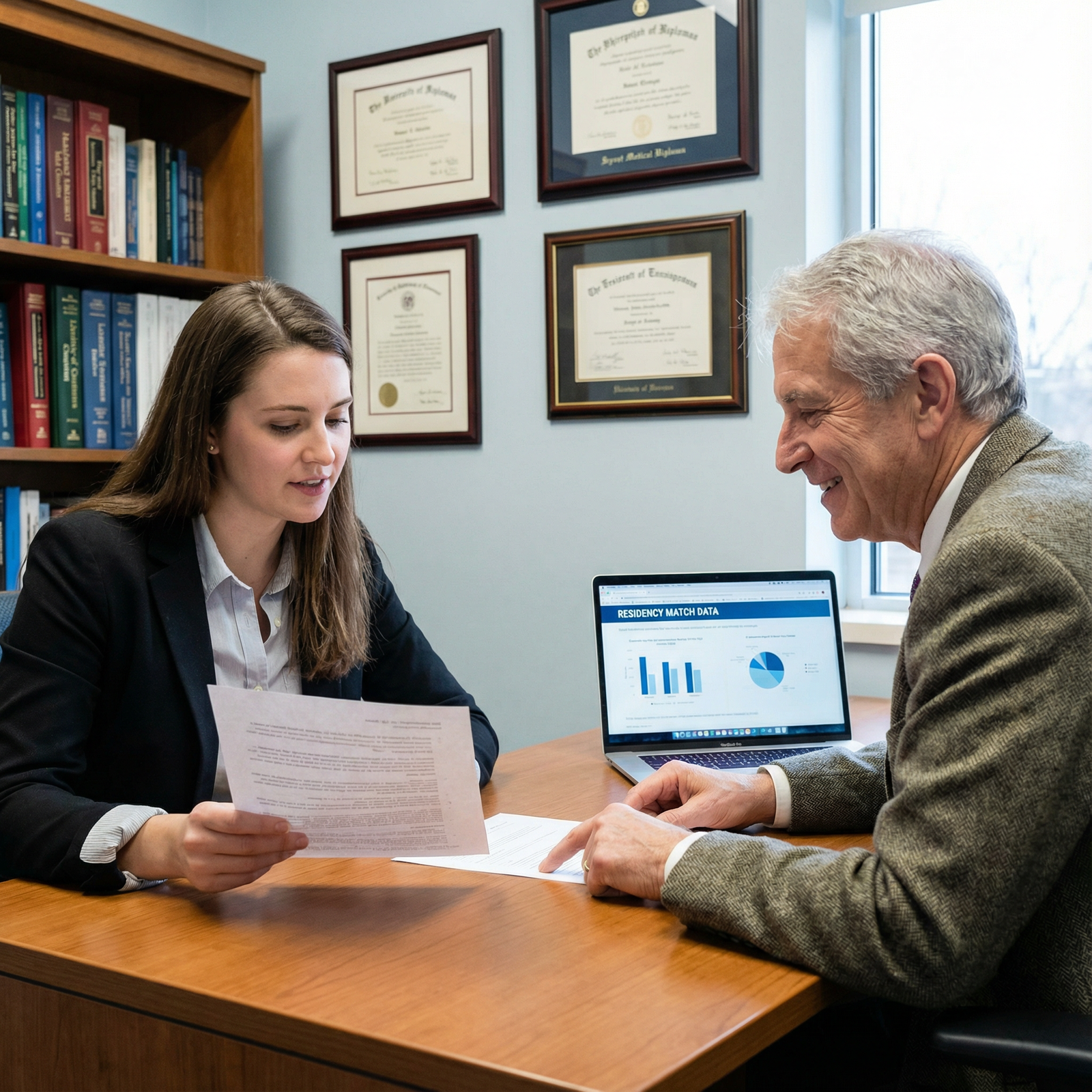
Meet with your Dean’s Office or residency advising office
- Ask for:
- Honest feedback about your competitiveness.
- How your profile compares to matched peers.
- Any “hidden” red flags in your MSPE or institutional reputation.
- Ask for:
Ask an experienced faculty mentor to review
- Provide:
- Your personal statement
- ERAS activity descriptions
- CV
- List of programs and specialties you applied to
- Ask them: “If you were a PD in [specialty], would you rank me? Why or why not?”
- Provide:
Use data to clarify the gaps
- Compare your stats to:
- NRMP Charting Outcomes for your specialty.
- Program‑specific requirements (especially for high‑demand Southern California programs).
- Identify:
- Objective gaps (scores, fails, lack of research).
- Strategic gaps (number of programs, lack of backup specialty).
- Presentation gaps (personal statement, letters, interview skills).
- Compare your stats to:
Example: A SoCal‑focused failure scenario
- US MD student, mid‑range Step 2, no failures.
- Applied to Internal Medicine only.
- Applied to 50 programs, but 80% were in Southern California.
- Received 4 interviews (all SoCal), didn’t match.
Likely issues:
- Overly restricted geography in a highly sought‑after region.
- Insufficient number of programs overall.
- Potential interview or application quality concerns.
Recovery might involve broadening geography outside SoCal while still targeting some Southern California residency programs, improving interview skills, and strengthening letters.

Step 3: Maximizing SOAP and Immediate Post‑Match Opportunities
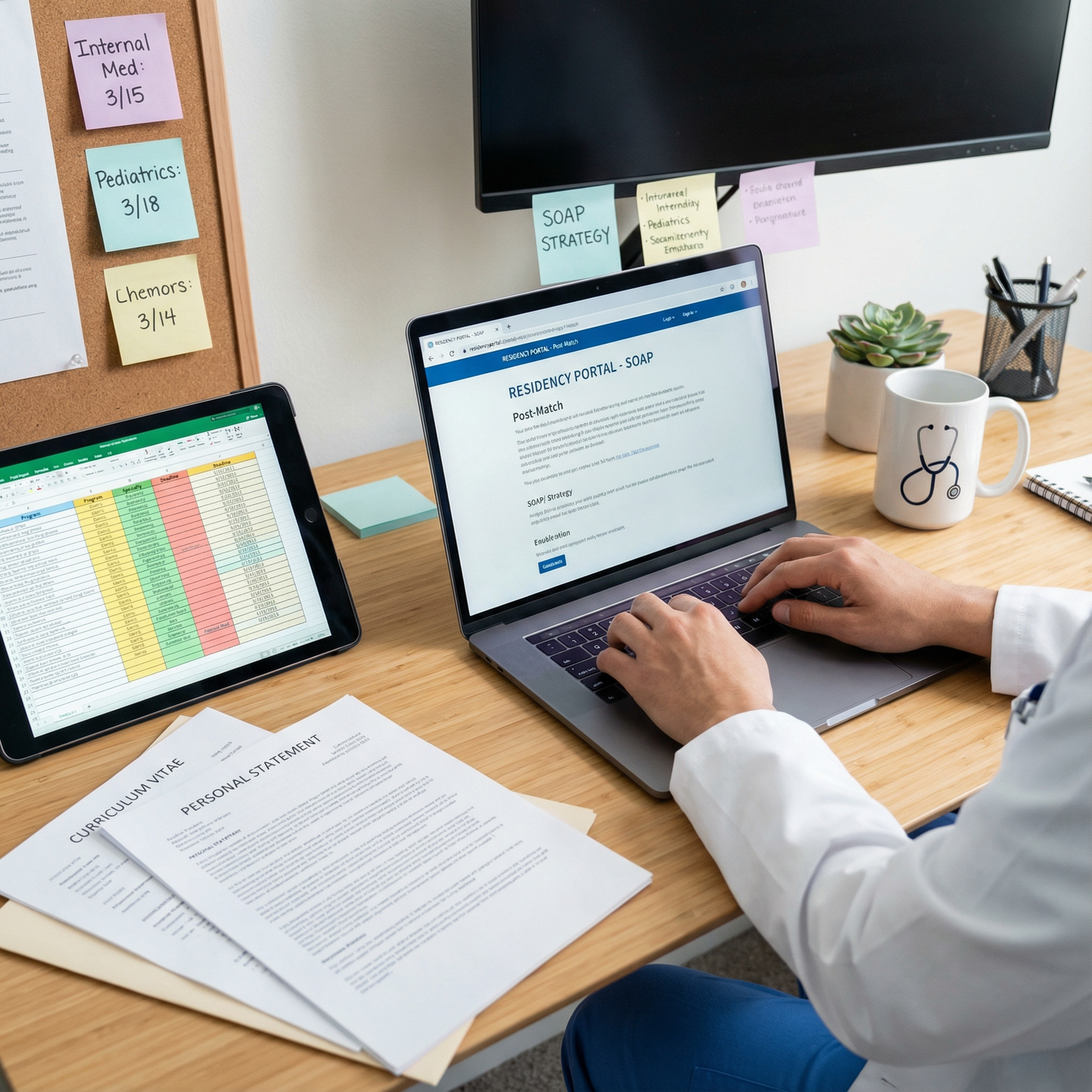
If you discover you didn’t match during Match Week, your first recovery opportunity is SOAP. Southern California residency positions sometimes appear in SOAP, but the region is often under‑represented because demand is so high. You should still be prepared to act quickly and strategically.
SOAP basics in brief
- Eligibility: You must be registered for the Match and be fully or partially unmatched.
- Timeline: Rapid sequence of application, interview, and offers over several days.
- Limits: A limited number of programs and specialties may be available; you have a cap on the number of applications.
SOAP strategy for Southern California–focused applicants
Expand your geography immediately
- Don’t limit yourself to SoCal medical training sites during SOAP.
- Positions in other states or regions may be more available and less competitive.
- You can do fellowship, employment, or future relocation back to SoCal later.
Broaden specialties when appropriate
- Consider related or less competitive specialties if you can see yourself practicing in them, such as:
- Family Medicine
- Internal Medicine (including community‑based programs)
- Pediatrics
- Psychiatry
- Transitional Year (if planning an advanced specialty later)
- Be cautious about choosing a field you truly do not want, as changing specialties later can be difficult.
- Consider related or less competitive specialties if you can see yourself practicing in them, such as:
Customize SOAP‑specific materials
- Quickly tailor:
- A concise specialty‑specific personal statement for each new field you apply to.
- A short, targeted message to programs (via ERAS or email when appropriate) explaining your interest.
- Emphasize:
- Genuine interest in their specialty.
- Readiness to begin residency immediately.
- Any ties to their region or community.
- Quickly tailor:
Be realistic about Southern California slots
- If a SoCal program appears in SOAP:
- Apply promptly, but avoid pinning all hope on that alone.
- Simultaneously pursue more available opportunities outside SoCal.
- If a SoCal program appears in SOAP:
Prepare for rapid‑fire interviews
- Programs may conduct:
- Phone calls
- Zoom/Teams interviews
- Very brief conversations
- Have ready:
- A 60‑second “elevator pitch” about who you are and why you fit the specialty.
- A transparent, non‑defensive one‑line explanation of being unmatched (e.g., “I applied very geographically narrowly this cycle and didn’t match but remain fully committed to [specialty].”).
- Programs may conduct:
If SOAP does not yield a position
If you emerge from SOAP still unmatched:
- Maintain professionalism: thank any programs that interviewed you.
- Quickly transition to your gap year recovery plan (see next section).
- Avoid drifting without structure. A clear plan keeps you competitive for the next cycle.
Step 4: Designing a Strong Gap Year Plan (With a SoCal Lens)
If you are now an unmatched applicant planning to reapply, your “bridge year” can make or break your future success. You want to transform a failed match into a story of resilience, growth, and renewed competitiveness—especially if your goal remains a Southern California residency.
Principles of an effective recovery year
A strong gap year should ideally:
- Keep you clinically active or adjacent to patient care.
- Generate new, strong letters of recommendation.
- Address specific weaknesses (scores, lack of US clinical experience, research gaps).
- Show maturity, professionalism, and reliability.
- Be explainable in a simple, positive narrative: “Here’s how I used this year to become a better resident candidate.”
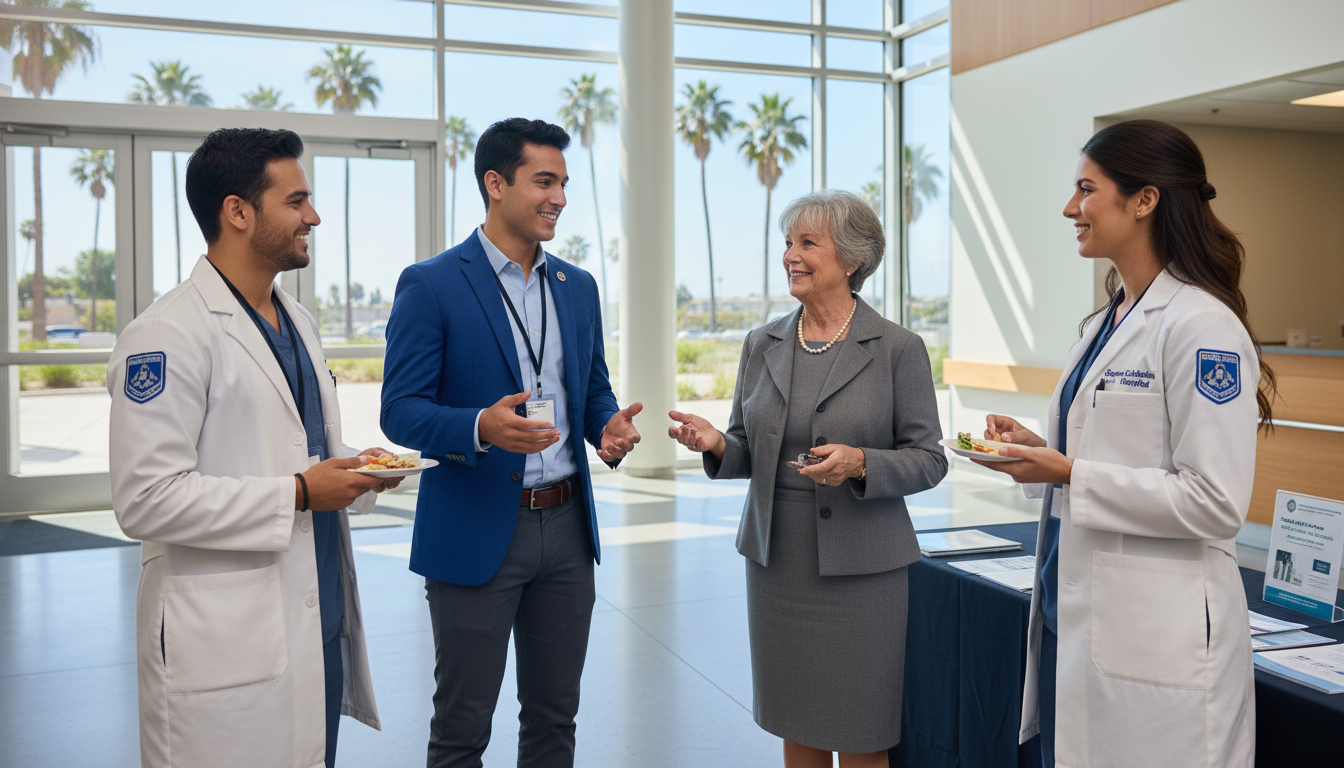
SoCal‑specific options for your gap year
Southern California offers a wide range of opportunities that can bolster a reapplication:
Research Positions at Academic Centers
- Look at institutions like:
- UCLA
- UCSD
- UCI
- USC/Keck
- Loma Linda
- Cedars‑Sinai
- City of Hope
- Kaiser Permanente SoCal
- Target:
- Research in your desired specialty (or a closely related field).
- Positions where you can also attend conferences, grand rounds, and maybe participate in limited clinical activities (if allowed).
- Benefits:
- Strong letters from SoCal faculty.
- Demonstrates academic commitment and regional connection.
- Opens doors to networking with residency leadership.
- Look at institutions like:
Clinical Research Coordinator or Clinical Trials Positions
- Hospitals and large medical groups often hire coordinators for ongoing trials.
- This keeps you close to patients, protocols, and the clinical environment.
- Good for applicants with limited US clinical experience or for IMGs targeting SoCal medical training.
Paid or Volunteer Clinical Work
- Options may include:
- Scribe positions in emergency departments or clinics.
- Clinical assistant or medical assistant roles (if your visa and credentials allow).
- Clinical volunteering in free or community clinics (common in LA, San Diego, and Inland Empire).
- Reinforces clinical readiness and shows sustained engagement with healthcare.
- Options may include:
Post‑Graduate Year‑1 (PGY‑1) Preliminary or Transitional Positions
- Consider off‑cycle openings or spots that become available outside the usual Match.
- Even if outside Southern California, a strong PGY‑1 year with excellent evaluations can significantly enhance your application for a later SoCal transfer or reapplication.
Additional Degrees or Certificates (Selective Use Only)
- MPH, MS in Clinical Research, or certificate programs can be useful if:
- You genuinely want the training.
- You can combine them with clinical exposure or research.
- Be cautious about debt and time; degrees alone don’t guarantee improved match outcomes.
- MPH, MS in Clinical Research, or certificate programs can be useful if:
Tailoring the plan to your specific weakness
Low scores or exam failures:
- Focus on:
- Demonstrating excellence in structured activities (research, clinical work).
- Passing any remaining exams (Step 3 can sometimes be helpful).
- Getting letters that explicitly vouch for your clinical acumen and reliability.
- Focus on:
Limited clinical experience in the US (especially for IMGs):
- Priority:
- Obtain hands‑on or high‑quality observership experiences, ideally in SoCal if you want Southern California residency positions.
- Seek continuity experiences (several months) that allow attendings to know you well.
- Priority:
Weak or generic letters of recommendation:
- Aim to:
- Work closely with SoCal faculty who can write detailed, personalized letters.
- Provide them with your CV, personal statement draft, and a summary of your contributions.
- Aim to:
Interview skills concerns:
- Consider:
- Formal mock interviews with advisors or faculty.
- Practicing behavioral questions and scenario‑based questions.
- Specific coaching for virtual interviews (framing, lighting, professionalism).
- Consider:
Step 5: Rebuilding Your Application for the Next Cycle
When you re‑enter the Match after a failed attempt, you need more than minor tweaks. Programs (especially in high‑demand regions like Southern California) want to see a clear upward trajectory.
Choose your specialty(ies) strategically
Ask yourself and your advisors:
- Do I still truly want my original specialty?
- Realistically, given my record, is that specialty still attainable?
- Are there other specialties where I would be happy and more competitive?
Examples:
A previous unmatched orthopedic surgery applicant might pivot to:
- Physical Medicine & Rehabilitation
- Family Medicine
- Internal Medicine while still leveraging musculoskeletal interest.
A failed match in highly competitive SoCal anesthesiology might lead to:
- Applying broadly to anesthesiology nationally.
- Adding Internal Medicine or Transitional Year as a backup.
Recalibrate your geographic strategy
If your first attempt targeted primarily Southern California residency programs:
- This time:
- Maintain a subset of SoCal programs of genuine interest and fit.
- Greatly expand to:
- Other parts of California (Northern/Central).
- Neighboring western states.
- Nationally across a broad range of program types.
- Your goal is to match and start training; you can always aim to return to SoCal later for fellowship or practice.
Make your new personal statement work harder
Your new personal statement must:
- Acknowledge your previous unmatched status indirectly or directly (if asked).
- Emphasize what you did during your gap year.
- Show growth, reflection, and dedication rather than defensiveness.
Example framing:
“After my first application cycle, I took a dedicated year to strengthen my clinical and research skills in [specialty] at [institution] in Southern California. Working closely with [mentor], I gained deeper experience in [specific tasks or responsibilities] and confirmed that caring for [patient population] is where I can make the greatest impact.”
Avoid dwelling on failure. Focus on what you’ve learned and how you’re better prepared for residency now.
Optimize your ERAS application
- Update all sections thoroughly:
- Add new roles, responsibilities, and accomplishments.
- Highlight leadership, teaching, or quality improvement experiences.
- Use experience descriptions to showcase:
- Teamwork
- Accountability
- Specific clinical skills
- Remove or downplay less meaningful short‑term activities in favor of substantive roles.
Obtain strong, recent letters of recommendation
Priority order:
- Letters from your recovery year (research PI, supervising attending, program leadership).
- Specialty‑specific letters, ideally from US‑based academic faculty.
- Letters from SoCal mentors if you are still targeting Southern California residency programs—this shows regional ties and local support.
Ask letter writers to:
- Address your readiness for residency.
- Comment on your reliability, professionalism, and growth.
- (If appropriate) Acknowledge your resilience and response to adversity.
Prepare an honest, concise unmatched explanation
On interviews, you will be asked about your failed match or why you “didn’t match” the first time. Use a simple, non‑defensive structure:
Brief explanation of cause (1–2 sentences)
- “I limited my applications geographically to Southern California and applied only to one specialty, which in retrospect was too narrow given how competitive the region is.”
What you did about it
- “Over the last year, I completed [clinical/research] work at [institution], cared for [type] patients, and strengthened my skills in [areas].”
What you learned
- “Through this process I’ve learned to seek broader feedback, maintain flexibility, and pursue opportunities that allow me to grow as a clinician.”
Why you’re now ready for residency
- “These experiences have made me more adaptable and better prepared to contribute from day one as an intern.”
Keep the tone matter‑of‑fact and forward‑looking.
Step 6: Leveraging SoCal Networks, Mentors, and Long‑Term Planning
Even if you don’t secure a Southern California residency in your next try, you can still position yourself for SoCal medical training later via transfer, fellowship, or early career relocation.
Build and use your Southern California network
Identify mentors:
- Faculty from SoCal rotations, research, or observerships.
- Alumni from your school working in SoCal.
- Residents or fellows you’ve met at conferences or through research.
Stay visible (professionally):
- Attend regional conferences, grand rounds, and departmental events when possible.
- Ask mentors if you can present posters or publications.
Communicate clearly:
- Let mentors know:
- Your application timeline.
- Your specialty plan.
- Whether you’re open to relocating outside SoCal for residency with the goal of returning later.
- Let mentors know:
Consider future paths back to Southern California
If you match outside Southern California:
You can still aim to return for:
- Fellowship (e.g., cardiology, GI, heme/onc, critical care, surgical subspecialties, etc.).
- Hospitalist or outpatient practice jobs.
- Academic appointments.
Strong performance anywhere matters more than a specific zip code:
- Do well in residency.
- Build a portfolio of strong evaluations, scholarly work, and good references.
- Then target SoCal institutions for advanced training or employment.
Protect your mental health and professional identity
Experiencing a failed match can challenge your self‑concept as a future physician, especially while seeing peers celebrate. To navigate:
- Recognize that your value is not defined by a single Match outcome.
- Seek mental health support if you notice:
- Persistent sadness or hopelessness.
- Difficulty functioning day to day.
- Severe anxiety about the future.
- Maintain non‑medical parts of your life:
- Hobbies, exercise, relationships.
- This preserves resilience for the long application journey ahead.
FAQs: Failed Match Recovery in Southern California
1. Can I still match into a Southern California residency after I’ve already failed to match once?
Yes. Many unmatched applicants eventually secure Southern California residency positions. Your chances improve when you:
- Address specific weaknesses in your application.
- Use a productive gap year for clinical work or research, ideally in SoCal.
- Apply more broadly (geographically and/or by specialty) while still including targeted SoCal programs.
- Obtain strong new letters from Southern California faculty or mentors who can vouch for your readiness.
2. I didn’t match and really want to stay in SoCal. Should I work only in Southern California during my gap year?
Ideally, yes—if you can secure meaningful, relevant work there (research, clinical roles, observerships). SoCal experience builds local connections and shows commitment to the region. However:
- If strong opportunities are limited, it’s better to take an excellent position elsewhere than a weak one in SoCal.
- Quality of the experience (responsibility, mentorship, letters) matters more than location alone.
3. Does being an unmatched applicant permanently hurt my chances?
Being an unmatched applicant is a disadvantage initially, but it is not permanent if you respond well. Programs mainly care about:
- How you used the time after your failed match.
- Whether you show growth, maturity, and concrete improvements.
- Your performance in subsequent clinical or academic roles.
A strong recovery year with solid letters and a compelling narrative can substantially mitigate the impact of a failed match.
4. Should I change specialties after not matching, or try the same field again?
It depends on:
- How far you were from competitiveness in that specialty (scores, interviews, feedback).
- Whether your failed match was due more to strategy (e.g., over‑restricting to Southern California) or to major objective gaps.
- Your own long‑term career satisfaction.
Discuss with mentors and advisors:
- If you were close to matching (adequate interviews, strong feedback), a second attempt with better strategy may be reasonable.
- If you were far off (no interviews, multiple red flags), strongly consider a specialty where you have a more realistic chance and genuine interest.
Failed match recovery in Southern California is challenging but absolutely possible. By analyzing your first attempt honestly, using a structured recovery year, and rebuilding your application with intention, you can move from “unmatched applicant” to successful resident—whether in SoCal or beyond, with multiple pathways to eventually practice in the region you call home.