Understanding a Failed Match in the Context of Transitional Year
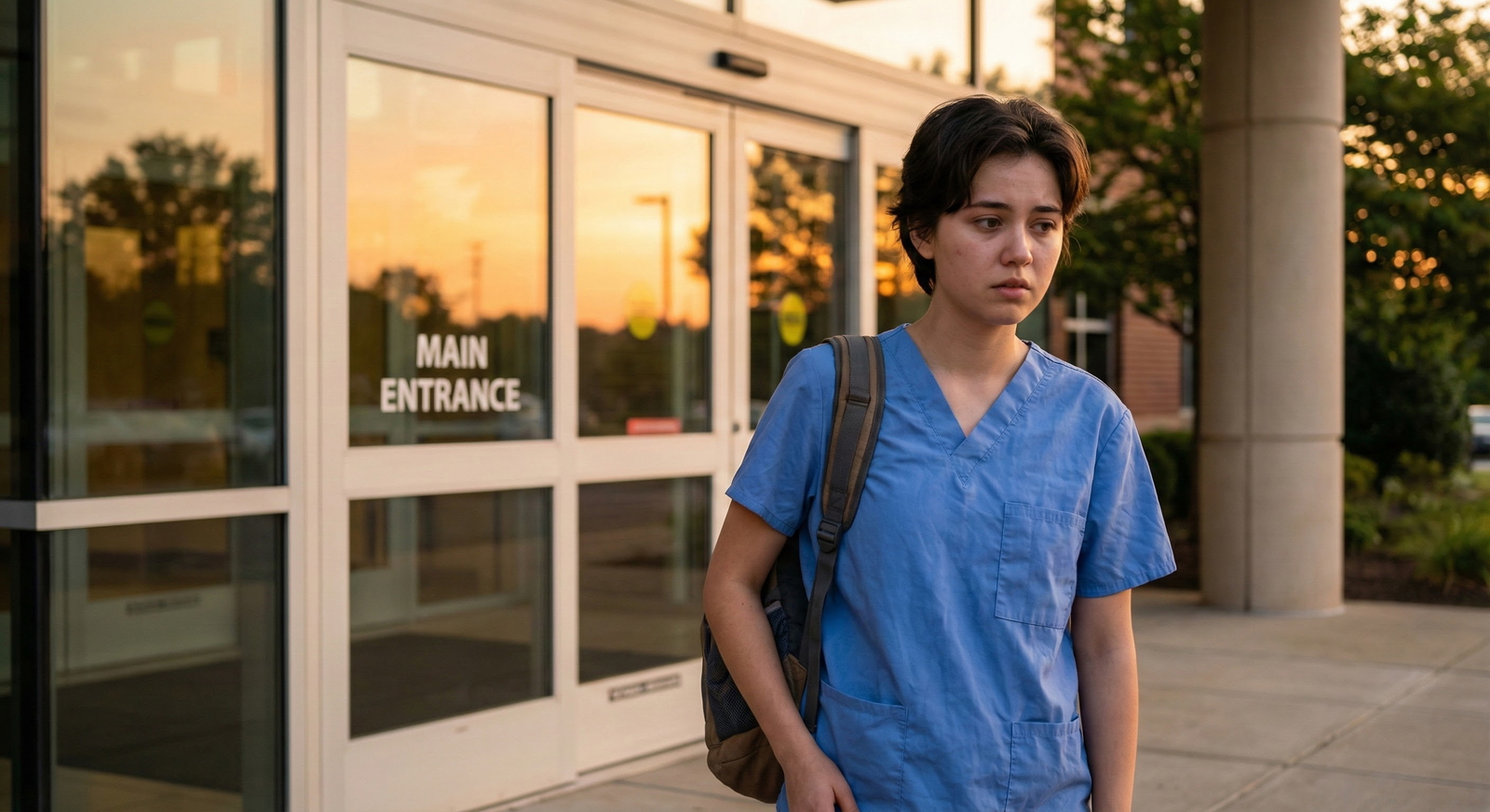
Not matching into residency is emotionally jarring and logistically stressful, especially when you had hoped that a transitional year residency would serve as a flexible entry point into graduate medical education. Yet each year, a sizeable number of strong, capable applicants go unmatched. Many of them recover successfully, often using a Transitional Year (TY) program as a strategic bridge to their ultimate specialty.
This guide is designed specifically for unmatched applicants considering a transitional year after a failed match. It will walk you through:
- What a failed match really means (and doesn’t mean)
- How a TY program can help you regroup and re-enter the match
- Step-by-step recovery strategies tailored to transitional year pathways
- Common pitfalls and how to avoid them
If you’re thinking, “I didn’t match. What now?”—this article is for you.
Step 1: Reframing a Failed Match and Common Transitional Year Myths
A “failed match” simply means you did not secure a residency position in that particular cycle. It does not mean:
- You are incapable of being a successful physician
- You will never match
- You have no viable path forward
Many highly successful physicians—across internal medicine, radiology, anesthesiology, dermatology, PM&R, and more—were once unmatched applicants.
Why Transitional Year is Central to Match Recovery
A transitional year residency is a one-year, broad-based clinical training year that:
- Meets internship requirements for many specialties (e.g., neurology, radiation oncology, PM&R, anesthesiology, dermatology, radiology, radiation oncology, ophthalmology)
- Gives you supervised clinical experience across inpatient and outpatient settings
- Strengthens your U.S. clinical track record, evaluations (MSPE-like narratives), and letters of recommendation
For an unmatched applicant, a TY program can serve as:
- A bridge: Fulfilling PGY-1 requirements before reapplying to an advanced position
- A reset: Demonstrating improved performance and work ethic after a weaker medical school record
- An exploration year: Clarifying which specialty truly fits you while you build credentials
Common Myths About TY Programs and the Match
Myth 1: “Transitional year residencies are easy back-up options.”
Reality: Many TY programs are highly competitive because they’re preferred by applicants in competitive advanced specialties (radiology, ophthalmology, dermatology, anesthesiology). Some TYs are harder to get than categorical positions in core specialties.
Myth 2: “If I didn’t match once, I can’t get a TY.”
Reality: Unmatched applicants do get into TY programs, especially if they are strategic about geography, program tiers, and timing (SOAP or post-match).
Myth 3: “A TY guarantees I’ll match into my dream advanced specialty next year.”
Reality: A TY boosts your application but doesn’t guarantee future success. You still need a solid specialty strategy, strong networking, and targeted improvements.
Myth 4: “Any internship year is as good as a transitional year.”
Reality: For many advanced specialties, a TY is equivalent to a preliminary medicine or surgery year. However, some specialties (e.g., neurology, radiation oncology) prefer specific prelim or categorical PGY-1 structures. Understanding your future specialty’s rules is crucial.
Step 2: Honest Application Autopsy – Why You Didn’t Match
Before you pivot toward transitional year residency options, you must understand what went wrong. Otherwise, you risk repeating the same mistakes—even with a TY on your CV.
Core Domains to Analyze
Academic metrics
- USMLE/COMLEX performance (including failures, low scores, or multiple attempts)
- Pre-clinical and clinical grades; failed courses or clerkships
- Pattern of improvement vs decline
Application strategy
- Number of programs applied to (too few? too many but poorly chosen?)
- Degree of geographic limitation
- Over-concentration in highly competitive specialties
- Lack of appropriate back-up (e.g., only advanced positions, no prelim/TY/Categorical IM)
Letters of recommendation
- Were they from the right people (specialty-relevant, U.S.-based, faculty who know you well)?
- Outdated or generic letters?
- Any red-flag letters (you might not know, but advisors can sometimes infer)?
Personal statement and narrative
- Was your story coherent and convincing?
- Did you address any red flags appropriately?
- Was it tailored to specialty, or generic?
Interview performance
- Number of interviews earned vs attended
- Interview skills: rapport, professionalism, explaining weaknesses, clarity of specialty choice
- Any unprofessional behaviors noted (late arrivals, poorly written emails, etc.)
Professionalism and background flags
- Institutional actions, disciplinary records
- Gaps in training or unexplained time off
- Visa or citizenship constraints (for IMGs)
Actionable Steps for Your Autopsy
- Request a formal advising meeting with your medical school dean, career advisor, or a trusted faculty mentor.
- Gather objective data:
- ERAS application copy
- Interview list and outcomes
- USMLE/COMLEX score reports
- Dean’s letter/MSPE
- Ask pointed questions:
- “If you were a PD, what concerns would you have about my file?”
- “Would you advise me to reapply to the same specialty, or pivot?”
- “Is a TY program a realistic and strong option for me?”
This clarity is essential before building a match recovery strategy that involves a transitional year.

Step 3: Strategic Options After a Failed Match – Where Transitional Year Fits
Once you understand why you didn’t match, map out your options. Transitional year residencies are one of several possible paths.
Option A: Immediate Participation in SOAP
If you discover you didn’t match on Monday of Match Week:
- Register and prepare rapidly for SOAP (Supplemental Offer and Acceptance Program).
- Review the unfilled positions list, paying attention to:
- TY programs
- Preliminary medicine or surgery positions
- Categorical IM, FM, or other less competitive specialties
- Work with your school’s advising office to:
- Update or tailor your personal statement quickly
- Obtain any last-minute letters if possible
- Prioritize programs that:
- Accept prior failures or red flags
- Historically take IMGs if you are one
- Are in less competitive regions
Key point: SOAP is fast, high-stress, and competitive. Many transitional year spots fill quickly, but some are available each year, especially in less popular geographic areas. Being realistic and flexible dramatically increases your chances.
Option B: Post-SOAP: Scramble and Off-Cycle Opportunities
If you do not secure a position through SOAP:
- Some programs continue to have off-cycle openings in TY or prelim slots due to:
- Residents resigning
- Visa delays
- Funding or accreditation changes
- Steps:
- Watch the AMA FREIDA, institutional websites, and specialty listservs
- Email PDs and coordinators with:
- A concise, professional introduction
- Updated CV and ERAS application
- Explanation of your situation and interest in their program
Transitional year residencies may recruit off-cycle to fill unanticipated PGY-1 vacancies, and an unmatched applicant who is proactive and professional can sometimes secure those positions.
Option C: Dedicated Gap Year with TY-Targeted Preparation
If no immediate residency position is available, or you intentionally decide not to SOAP into less desired options, a structured gap year can improve your candidacy for a transitional year in the next cycle.
Productive activities include:
Clinical experience
- U.S. clinical observerships, externships, or research-track internships
- Working as a research assistant with clinical exposure
Academic improvement
- If eligible, taking additional exams (e.g., Step 3 for those already graduated and qualified) to strengthen your metrics
- Publishing or presenting research, especially in your target advanced specialty
Professional development
- Quality improvement (QI) projects
- Teaching medical students
- Formal coursework (MPH, MS) if it adds clear value and you can manage cost/time
When your focus is a future advanced specialty (e.g., radiology or anesthesia), a transitional year residency in the next cycle can be the stepping stone—but you must first make your file more competitive.
Step 4: Targeting Transitional Year Programs Wisely
Not all TY programs are the same. As an unmatched applicant, you should target programs aligned with your needs, competitiveness, and future specialty goals.
Types of Transitional Year Programs
Highly competitive TYs
- Often affiliated with big-name academic centers
- Popular among future radiology, derm, ophthalmology, anesthesia residents
- Strong didactics, electives, and research support
- Harder to obtain as an unmatched applicant unless you have compensatory strengths (research, strong letters, step scores)
Moderately competitive community-based TYs
- Solid clinical training, often with reasonable work hours
- Strong fit for unmatched applicants seeking robust PGY-1 training
- May be more flexible regarding prior red flags if you demonstrate growth
Service-heavy TYs (often in community or safety-net hospitals)
- High-volume, hands-on clinical experience
- Excellent for building resilience, efficiency, and strong LORs
- Fewer elective options and research opportunities
Understanding which category best matches your situation will guide your application list.
How to Build a Realistic TY Program List
Clarify your ultimate goal
- Are you planning to:
- Reapply to a competitive advanced specialty?
- Pivot to a core specialty (IM, FM, EM)?
- Keep options open?
- Are you planning to:
Research program characteristics
- Rotations offered (ICU, ED, electives vs heavy ward time)
- Graduate outcomes: Where do TY alumni go next?
- Program culture: Teaching focus vs service focus
- Acceptance of IMGs, DOs, or previous unmatched candidates
Use data-driven tools
- FREIDA, program websites, NRMP data, PD letters to applicants
- Ask current residents (via email or LinkedIn) about:
- Schedule and workload
- PD support for reapplying to advanced specialties
- How the program views applicants who previously didn’t match
Diversify your portfolio
- Mix:
- Academic and community TY programs
- Different regions (be flexible)
- Some prelim medicine/surgery and categorical IM/FMs as additional safety nets
- Mix:
For an unmatched applicant, it’s often smarter to apply to a broad set of TY and prelim programs rather than banking on a short list of prestigious transitional year residencies.

Step 5: Making the Most of a Transitional Year After a Failed Match
Getting into a TY program is only half the battle. To truly recover from a failed match, you must maximize the value of that year.
Academic and Clinical Performance
Program directors for advanced positions and categorical programs will scrutinize your TY performance.
Priorities:
Clinical excellence
- Be reliable: arrive early, follow through, and own your patients
- Learn documentation and EMR systems thoroughly
- Ask for feedback early and often, then clearly implement it
Professionalism
- Respond to pages and emails promptly
- Treat all staff (nurses, techs, consultants) with respect
- Avoid unexcused absences or pattern of lateness
Self-directed learning
- Read daily about your patients’ conditions
- Attend conferences consistently
- Prepare for presentations (case reports, M&M, journal clubs) thoroughly
A strong set of TY evaluations can effectively “reset” concerns about prior academic issues.
Securing Powerful Letters of Recommendation
One of the greatest advantages of a transitional year residency is the opportunity to earn fresh, U.S.-based letters from faculty and program leadership.
To optimize this:
Identify 2–3 attendings early who:
- Work closely with you on inpatient teams or continuity clinics
- Have a reputation for strong, detailed letters
- Are in your future specialty or a respected core discipline (IM, EM, surgery)
Ask explicitly for “a strong letter of recommendation” and give them:
- Your updated CV
- A brief summary of your career goals
- A reminder of specific cases or contributions that highlight your strengths
For applicants who previously didn’t match, new letters that say things like “…I would rank this resident in the top 10% of interns I’ve worked with” are extraordinarily powerful for your reapplication.
Timing and Logistics of Reapplying During TY
You will often be applying for your next position while you’re midway through your transitional year residency.
- ERAS opens: Late spring/early summer
- Applications submitted: September
- Interviews: Fall and early winter
Practical considerations:
- Inform your PD and chief residents that you will be reapplying; seek their guidance.
- Request schedule accommodations for interviews where possible (use elective months).
- Stay organized:
- Calendar of deadlines
- Spreadsheet of programs, submission status, and interview outcomes
Your TY PD can be a strong advocate when they’re aware of your goals and see your consistent performance.
Exploring Specialty Pivot During TY
Many unmatched applicants discover during a transitional year that their initial specialty choice isn’t the best fit. Signs you may want to pivot:
- You enjoy a different field more during rotations (e.g., IM, EM, neurology)
- Your competitiveness for the original specialty remains unrealistically low
- Faculty mentors gently suggest alternative paths
A TY program gives you broad exposure. Use it:
- Seek rotations in potential new specialties
- Meet with those specialty PDs to discuss realistic pathways
- Adjust your ERAS strategy accordingly (e.g., shifting from radiology to IM or neurology)
Common Pitfalls in Failed Match Recovery with a TY Focus
When recovering from a failed match and targeting transitional year residencies, be conscious of avoidable mistakes:
Repeating the same specialty strategy without adjustment
- If you failed to match into a hyper-competitive advanced specialty with clear red flags, simply reapplying with a TY year may not be enough. You often need either significantly enhanced credentials or a specialty pivot.
Underutilizing advisors and mentors
- Trying to navigate alone leads to blind spots. Use institutional advisors, specialty advisors, and even alumni who successfully matched after a gap or TY year.
Over-concentrating on prestige
- From a recovery standpoint, a strong community TY where you shine can be more valuable than struggling in a name-brand but unsupportive program.
Neglecting wellness
- The combination of emotional fallout from a failed match and the stress of intern year can lead to burnout. Seek support:
- Mental health services
- Peer support groups
- Faculty mentors
- The combination of emotional fallout from a failed match and the stress of intern year can lead to burnout. Seek support:
Poor communication with your TY program leadership
- Hiding your match history or your future goals can limit the support you receive. Be honest and professional; many PDs appreciate transparent, motivated residents.
Putting It All Together: A Recovery Roadmap
Here’s a high-level, practical roadmap if you’re an unmatched applicant considering transitional year residency options:
Immediately after a failed match
- Process emotions and seek support.
- Conduct a detailed application autopsy with advisors.
Match Week (SOAP)
- Aggressively pursue open TY, prelim, and suitable categorical spots.
- Prioritize realistic programs over prestige.
If still unmatched post-SOAP
- Monitor for off-cycle TY or prelim openings; reach out to PDs.
- If none materialize, design a structured gap year:
- Clinical exposure
- Research or QI projects
- Potential exam improvements
Preparing for the next cycle
- Build a diversified application list:
- Transitional year residencies
- Prelim medicine/surgery
- Categorical IM/FM or other realistic specialties
- Revise your narrative and personal statements.
- Secure updated, strong letters.
- Build a diversified application list:
During your transitional year
- Excel clinically and professionally.
- Obtain standout letters from attendings and your PD.
- Reapply strategically—possibly including both advanced and categorical options.
- Reassess and remain open to specialty pivots if needed.
A failed match is a painful event, but not an endpoint. With thoughtful strategy, a transitional year can be a powerful vehicle to relaunch your residency trajectory and ultimately reach a satisfying, sustainable career in medicine.
FAQs: Failed Match Recovery and Transitional Year
1. I didn’t match and I’m considering a transitional year. Is it better than a prelim medicine or surgery year?
A transitional year residency is often more flexible, with broader rotations and more elective time. For many advanced specialties, TY, prelim medicine, and prelim surgery all fulfill PGY-1 requirements. However, some fields have explicit preferences (e.g., neurology often prefers a medicine-based PGY-1). Check your target specialty’s requirements and select accordingly. From a match recovery standpoint, choose the program where you can perform best and get strong letters, rather than focusing purely on the “type” of internship.
2. Will programs hold it against me that I was an unmatched applicant in a previous cycle?
Most program directors understand that many factors contribute to a failed match. They will look at what you’ve done since—especially:
- Performance during a TY or prelim year
- Recent exam or academic improvements
- Letters that attest to reliability, growth, and professionalism
If your narrative shows insight, accountability, and progress, prior unmatched status can be overcome.
3. Can I apply to both transitional year and categorical programs in the same cycle?
Yes. Many applicants, particularly after a failed match, apply broadly:
- TY and prelim positions (as a bridge to advanced specialties)
- Categorical IM, FM, or other specialties as alternate long-term paths
You can signal your preferences in personal statements and interviews. This multi-pronged approach can increase your chance of securing some form of GME position, crucial for career continuity.
4. I have multiple exam failures. Will a TY program still consider me?
Some transitional year residencies will be cautious about applicants with multiple failures, but not all will automatically exclude you. Your best chances are with:
- Community-based or smaller programs known to consider the “whole applicant”
- Strong recent performance (e.g., passing Step 3, excellent clinical evaluations, robust letters)
- A compelling explanation demonstrating growth, remediation, and sustained improvement
In cases of significant red flags, you may also consider shifting toward specialties and programs historically more open to non-traditional paths, while using a TY or prelim year to prove your readiness.
A failed match is a major challenge, but a well-chosen and well-leveraged transitional year residency can be a powerful tool for recovery. With honest self-assessment, strategic program selection, and excellent performance during TY, many previously unmatched applicants go on to secure fulfilling residency positions and successful medical careers.