Understanding a Failed Match on the Pacific Coast
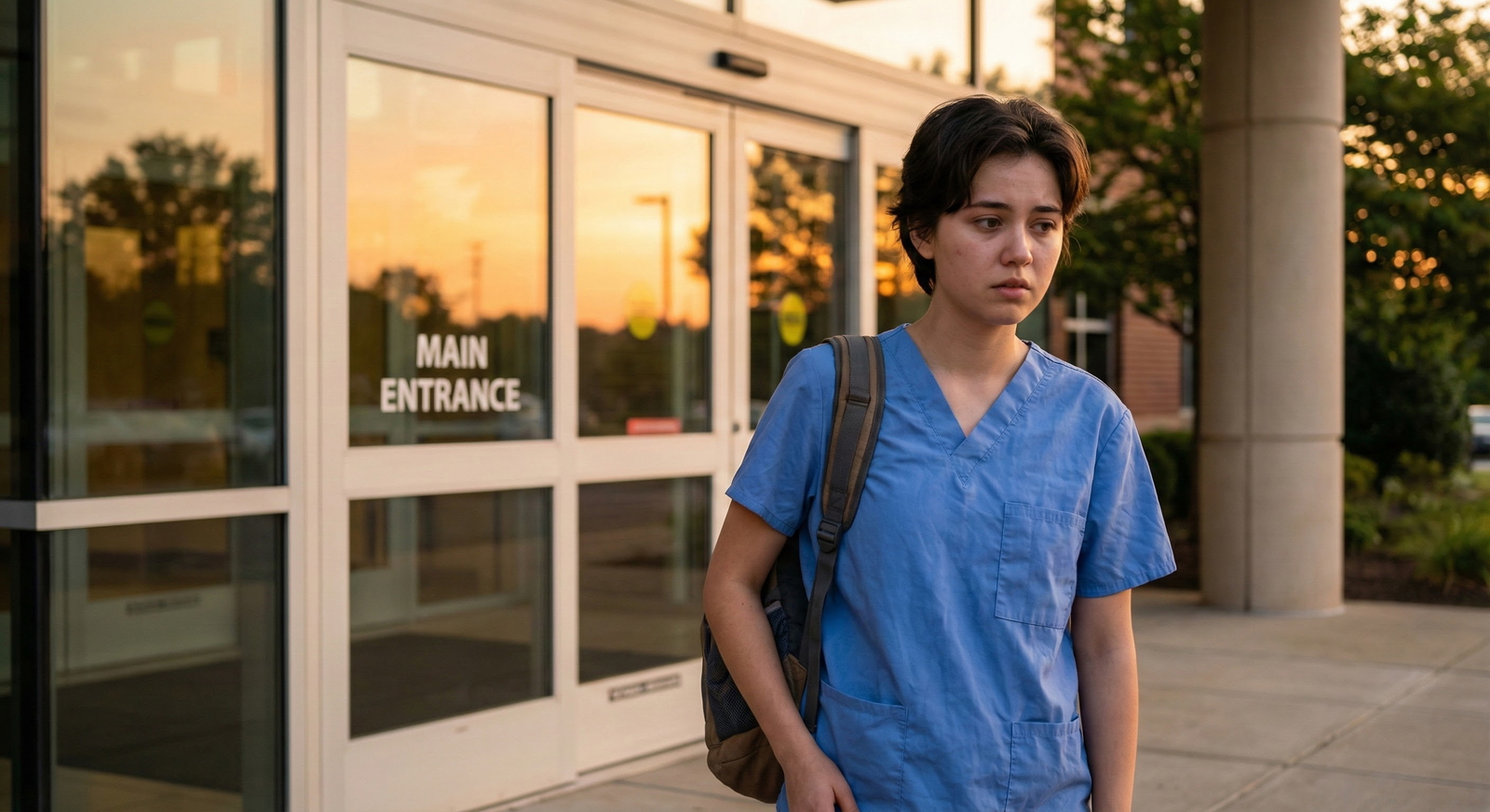
Not matching into residency—especially after investing years in medical school and months into applications—can feel devastating. If you focused heavily on West Coast residency options, including competitive California residency programs, the disappointment may feel even sharper. Many applicants worry that a failed match means the end of their clinical career.
It does not.
Every year, thousands of otherwise strong, qualified candidates end up as an unmatched applicant. Many successfully reapply and match the following cycle, often into excellent programs on the Pacific Coast (California, Oregon, Washington, Alaska, and Hawaii). Your task now is to shift from emotional shock to strategic problem-solving.
Normalizing the “Didn’t Match” Experience
Unmatched applicants come from every background:
- US MD seniors who overspecialized (e.g., only applying to competitive fields on the West Coast)
- US DO graduates who underestimated application volume or geographic limits
- International medical graduates (IMGs) who applied mostly to California residency programs and other Pacific Coast institutions
- Reapplicants who didn’t fully address earlier weaknesses
Key point: being unmatched is common enough that program directors recognize it, and many are open to reapplicants—if you show growth, insight, and concrete improvement.
Why Pacific Coast and West Coast Residency Targets Are High Risk
The Pacific Coast region is densely populated with desirable locations, especially in California:
- Urban centers like Los Angeles, San Francisco, San Diego, Seattle, and Portland are lifestyle magnets
- Many systems (UCSF, UCLA, Stanford, OHSU, UW, Kaiser, Sutter, etc.) are nationally known and highly sought-after
- Visa-friendly programs for IMGs may be relatively fewer than in some other regions
- Some states have limited residency slots relative to applicant volume
If you applied primarily to West Coast residency positions without expanding your geographic range, that might have significantly increased your risk of becoming an unmatched applicant.
Your recovery strategy has to reflect that reality: aiming again only at ultra-competitive Pacific Coast centers, with no adjustments, is rarely enough. But that doesn’t mean you have to give up on the region entirely.
Immediate Steps in the Days and Weeks After a Failed Match
Once you realize you didn’t match (or partially matched, e.g., in a prelim year without an advanced position), you need an organized short-term plan.
Step 1: Process the Emotions, But Set a Time Limit
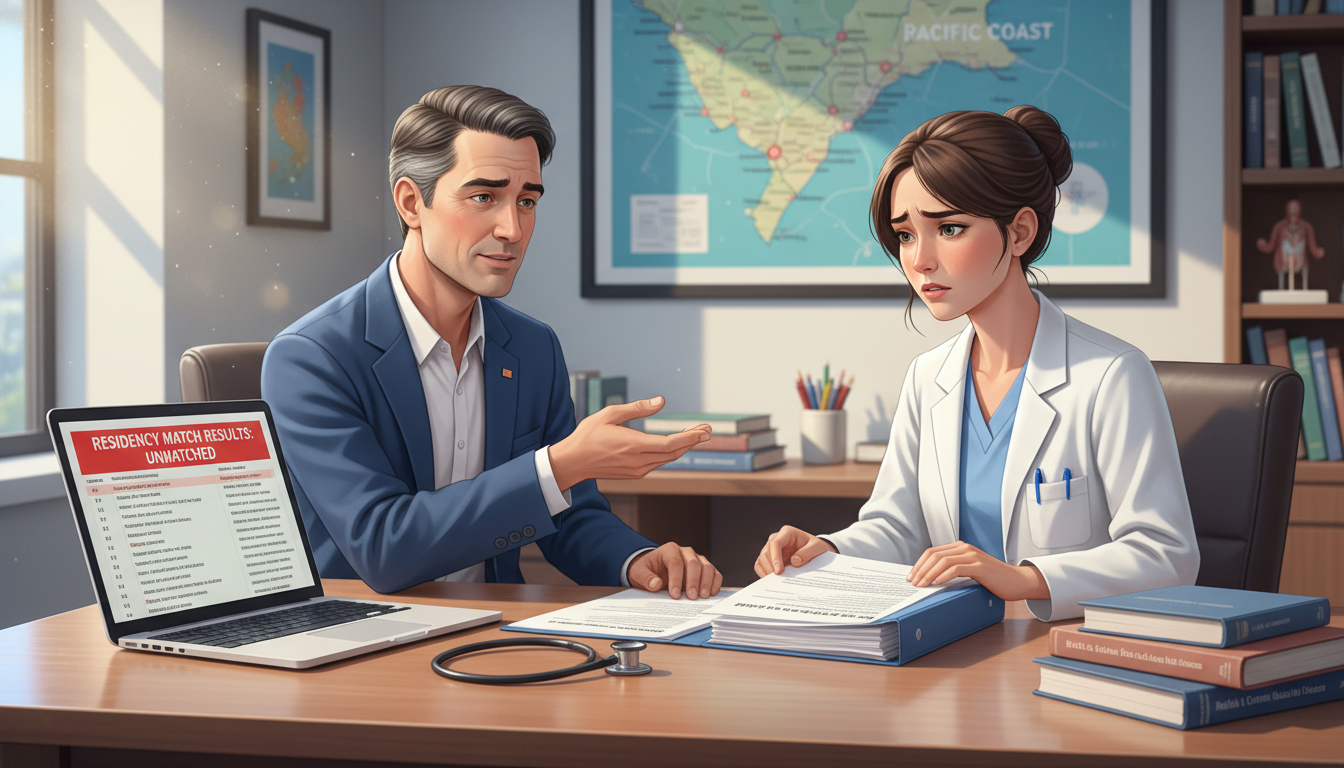
Shock, embarrassment, anger, and grief are normal. Give yourself some space—24–72 hours—to feel those emotions. But set a deadline for re-engaging practically. After that point, commit to acting like your own case manager.
Practical suggestions:
- Talk with a trusted mentor or advisor (dean, program director, faculty)
- Reach out to peers who also had challenges (you’re not alone)
- Avoid impulsive emails or social media posts directed at programs or faculty
Your ability to regroup quickly can influence your options for the current cycle (via SOAP) or alternative opportunities.
Step 2: Analyze Your Application with Ruthless Honesty
Before planning a recovery, you must understand why you didn’t match. This review should be data-driven, not just feelings-based.
Consider:
- USMLE/COMLEX scores: Were they below typical cutoffs for your target specialties or Pacific Coast programs?
- Clinical performance: Any failed or marginal clerkships, professionalism comments, or gaps in clinical experience?
- Application strategy:
- Too few programs?
- Overconcentration in one region (e.g., mostly California residency programs)?
- Too narrow a specialty selection (e.g., only dermatology on the West Coast)?
- Letters of recommendation:
- Were they specialty-specific?
- From recognizable faculty?
- Submitted on time?
- Personal statement/CV:
- Clear narrative?
- Red flags unexplained (leaves of absence, score attempts, transfers)?
- Interview performance:
- Invites but few or no ranks?
- Any noticeable anxiety, communication issues, or “fit” problems?
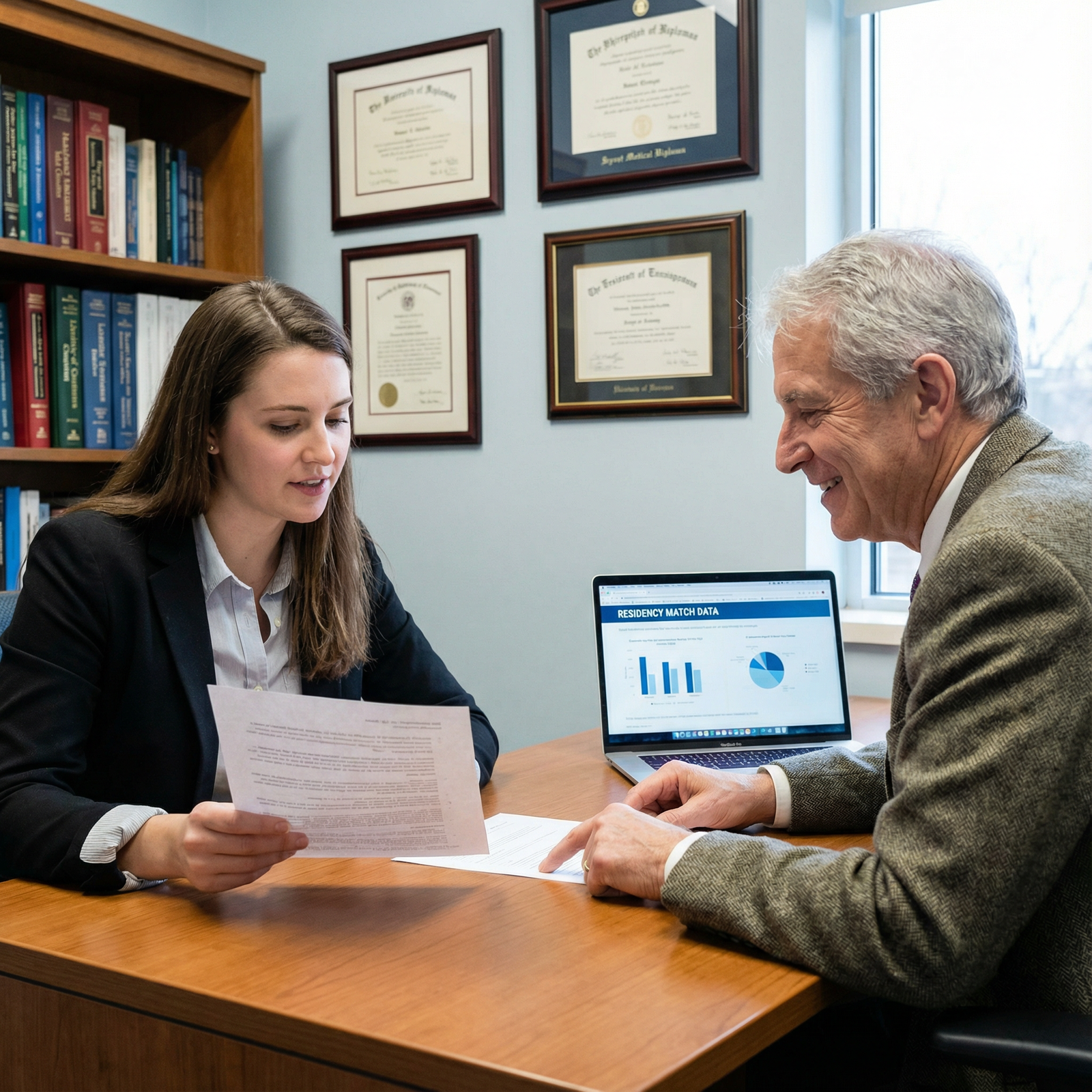
If possible, schedule a post-match debrief with:
- Your school’s dean or student affairs office
- A trusted faculty mentor in your desired specialty
- An advisor familiar with California and other West Coast residency competitiveness
Ask for blunt, specific feedback. Make notes and identify 3–5 core weaknesses.
Step 3: Explore SOAP (If Still in Current Match Cycle)
If you’re reading this in the same week you learned you didn’t match:
- Participate in the NRMP Supplemental Offer and Acceptance Program (SOAP) if eligible.
- Be open-minded: you might secure a prelim, transitional year, or a categorical position in a less competitive location.
Regarding the Pacific Coast:
- SOAP positions in California residency programs or top West Coast residency sites are often very limited.
- You may find more opportunity in:
- Community hospitals
- Rural or smaller-city programs
- Less competitive specialties (e.g., family medicine, internal medicine, psychiatry in some locations)
Even if SOAP does not place you on the Pacific Coast, a successful SOAP position can make you more competitive for West Coast residency in future transfers or fellowship.
If SOAP is not an option or is unsuccessful, your focus shifts to a 12–18 month recovery plan.
Strategic Recovery: Building a Stronger Application for the Next Cycle
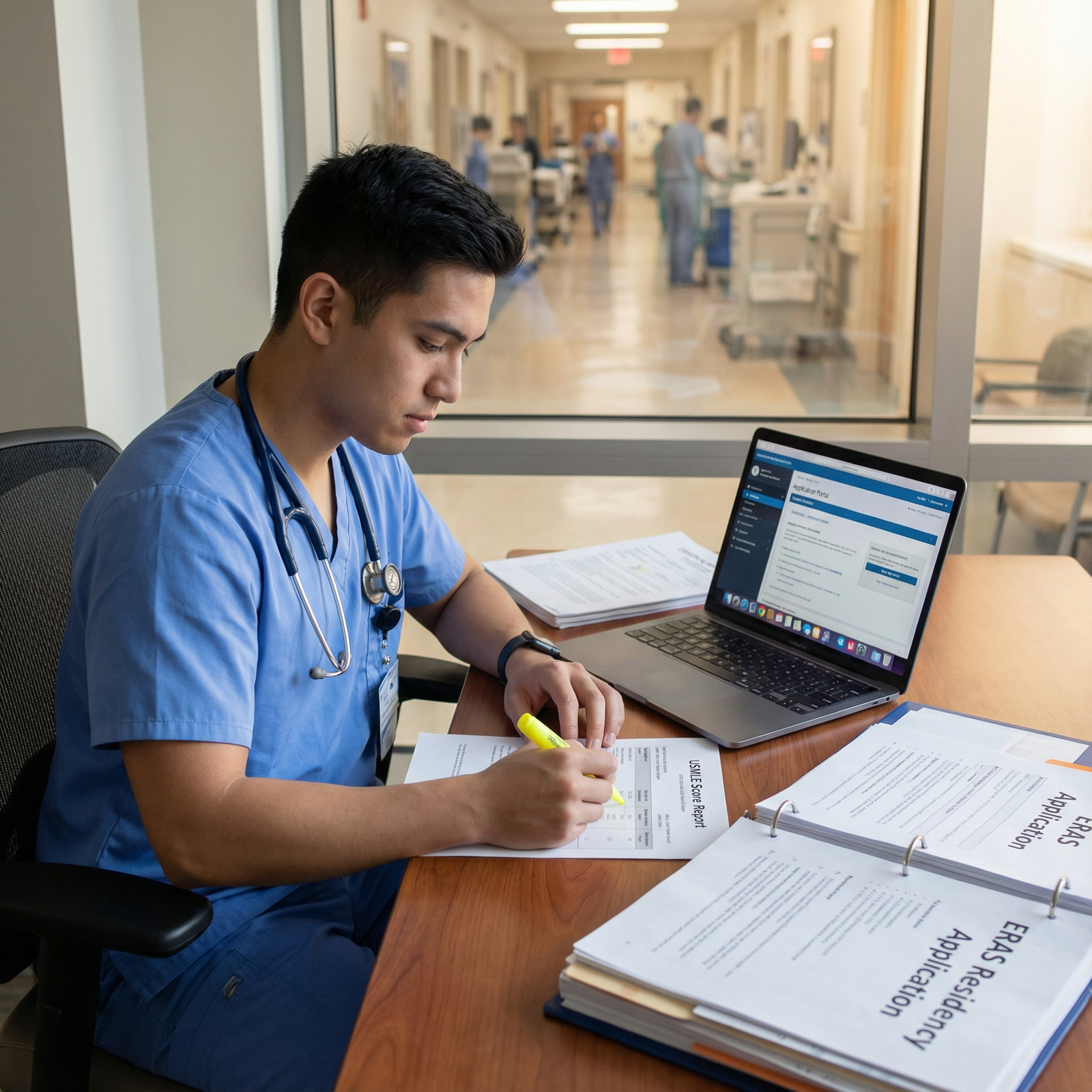
A structured, intentional “gap year” or reapplication year can transform your profile from an unmatched applicant to a successful one. The key is not merely “staying busy,” but showing targeted growth in the very areas that caused your failed match.
1. Decide Whether to Modify Your Specialty Strategy
Be honest about competitiveness:
If you applied to a highly competitive field (e.g., dermatology, plastic surgery, neurosurgery, some California-based radiology or anesthesiology programs):
- Consider applying dually next cycle (e.g., dermatology + internal medicine; radiology + prelim medicine).
- Expand geographic range beyond the Pacific Coast while keeping a subset of West Coast residency targets.
If you applied to a moderately competitive field (e.g., emergency medicine, OB/GYN, anesthesiology) with a weaker academic profile:
- Decide if you will strengthen your metrics (scores, research, rotations) and reapply in the same field.
- Or pivot to a less competitive specialty that still fits your interests, such as family medicine or internal medicine, which may offer more opportunities in the Pacific Coast region (including community hospitals in California and other western states).
2. Address Academic and Exam Weaknesses
If exam performance contributed to your failed match:
Retake Step/Level exams only if:
- It is allowed and strategic.
- You have a realistic chance of a significantly higher score.
- You can demonstrate a formal preparation plan (tutor, dedicated study schedule, question banks).
Supplement with objective achievements:
- In-training exam scores if in a prelim year.
- Specialty certification courses (e.g., ACLS, ATLS, PALS, ultrasound courses).
If clinical performance was a problem:
- Consider additional clinical rotations like:
- Sub-internships (“sub-Is”) or acting internships
- Community-based rotations in your chosen specialty
- Rotations at targeted Pacific Coast institutions, if accessible
Strong new evaluations from these experiences can counterbalance earlier weaknesses and support a narrative of growth.
3. Gain Meaningful Clinical or Academic Experience in the Gap Year
For a West Coast–oriented, failed match recovery, choose activities that are:
- Relevant to your desired specialty
- Ideally linked to the Pacific Coast (location or collaborative projects)
- Substantive enough to generate strong letters and concrete achievements
Potential roles:
Research positions (paid or volunteer):
- Clinical or health services research at a Pacific Coast university (e.g., UC system, UW, OHSU, USC, etc.)
- Outcomes or quality projects with a major healthcare system (Kaiser, Providence, etc.)
- Aim for posters, abstracts, and ideally manuscripts.
Clinical employment (where licensure/training rules allow):
- Medical scribe in an ED, clinic, or hospitalist service
- Clinical research coordinator
- QI project coordinator
Postgraduate clinical training alternatives:
- Non-ACGME fellowships or clinical observerships (especially helpful for IMGs)
- Preliminary year positions taken with the explicit goal of reapplying
For Pacific Coast and California residency programs, local experience can be particularly valuable, demonstrating commitment to the region and familiarity with its patient populations.
4. Strengthen Your Network—Especially on the Pacific Coast
Recovery from a failed match is not just about numbers; it’s also about relationships.
Actionable networking steps:
- Ask your medical school advisors if they have alumni at West Coast residency programs in your field; request introductions.
- Attend regional conferences or chapter meetings (e.g., ACP, AAFP, ACEP) on the Pacific Coast.
- Reach out politely to program coordinators and faculty at programs you’re genuinely interested in:
- Express your interest
- Briefly acknowledge that you are a reapplicant
- Ask about electives, research openings, or observerships
When done professionally, this is not “bothering” programs; it is showing initiative and focus.
5. Repair Your Application Narrative
A failed match is a red flag only if you pretend it didn’t happen or fail to show growth. You must integrate it into your story:
In your personal statement:
- Briefly acknowledge that you were previously an unmatched applicant.
- Emphasize what you learned and how you grew.
- Highlight specific steps you took to strengthen your candidacy (research, clinical work, exam improvement).
In your interviews:
- Prepare a 2–3 minute, calm, concise explanation.
- Example structure:
- “In my first application cycle, I focused too narrowly on California residency programs in a competitive specialty and did not apply broadly enough.”
- “After not matching, I sought feedback from mentors who pointed out that my limited geographic range and modest research experience made me less competitive.”
- “Over the past year, I have completed a clinical research fellowship at [institution], taken on direct patient care responsibilities in [setting], and obtained strong new letters of recommendation. This experience confirmed my commitment to [specialty] and helped me develop stronger clinical and teamwork skills.”
- “I believe I can now contribute meaningfully to your program and your patients from day one.”
Programs want to see resilience, insight, and maturity—not defensiveness or blame.
Tailoring Your Recovery for Pacific Coast and California Residency Programs
If your long-term goal is still a West Coast residency, you can absolutely keep that ambition—while strategically adjusting the path.
Understanding the Pacific Coast Landscape
The Pacific Coast includes:
- California: Large, competitive, varied (academic powerhouses and community hospitals)
- Washington and Oregon: High demand, strong academic centers, and lifestyle appeal
- Alaska and Hawaii: Smaller numbers of programs but unique opportunities and patient populations
Each has its own characteristics:
- Many California residency programs receive huge numbers of applications, often from US MD seniors with high scores.
- Washington and Oregon also attract applicants who want West Coast living but slightly less competition than major California urban centers.
- Alaska and Hawaii may be more open to applicants who demonstrate sincere interest in underserved and unique communities.
Realistic Strategies for a West Coast Residency as a Reapplicant
Broaden beyond California alone
- Include Pacific Northwest programs (Washington, Oregon).
- Consider Alaska and Hawaii if lifestyle and practice environment appeal to you.
- Look at smaller cities and community-based programs, not only big academic brands.
Use a “dual list” approach
- Primary: Programs across the country where your chances are strongest.
- Secondary: A curated list of Pacific Coast programs where:
- Your profile aligns with their historical match patterns
- You have or can create connections (research, electives, mentors)
Target community and safety-net programs
- County hospitals, safety-net systems, and community programs in California and the wider Pacific Coast region may be more flexible and mission-driven.
- Show your commitment to serving diverse, often underserved populations.
Capitalize on regional experience
- If you spend your gap year on the West Coast (research job, clinical work, rotations):
- Highlight this on your CV and in your personal statement.
- Emphasize local ties: living in the region, family, community involvement.
- If you spend your gap year on the West Coast (research job, clinical work, rotations):
Example: A Pacific Coast–Focused Recovery Plan
Scenario: You graduated from a US MD school, applied only to internal medicine programs in California, and didn’t match.
Recovery year steps:
- Obtain a clinical research coordinator position at a large California academic center.
- Secure at least one sub-I or observership in internal medicine at a different Pacific Coast institution.
- Present a poster at a regional ACP (American College of Physicians) meeting in California or Washington.
- Engage in regular mentorship meetings with an academic internist who can write a new strong letter.
- Next cycle application:
- Apply broadly to internal medicine nationwide.
- Include a realistic set of California residency programs plus additional West Coast residency options in Oregon, Washington, and Hawaii.
- Explain your unmatched year and growth clearly in the personal statement.
This approach combines regional focus with realistic breadth and concrete improvements.

Application Logistics: Reapplying After a Failed Match
Once you’ve used your gap year (or transition period) productively, you’ll need to execute a strong reapplication.
Letters of Recommendation
Aim for at least three fresh, strong letters:
- At least two from your target specialty
- Preferably one from your gap-year experience:
- Research mentor
- Clinical supervisor
- Program director if you were in a prelim program
For Pacific Coast–focused applicants, a letter from a West Coast faculty member can be particularly impactful—especially if they are known in the regional academic community.
Personal Statement and ERAS Updates
- Avoid reusing your old personal statement unchanged.
- Directly but briefly address that you didn’t match:
- 2–3 sentences, then focus on growth.
- Update your CV with:
- Research output (submitted, accepted, or presented work)
- New clinical experiences
- Leadership and teaching roles
- Certifications and skills (e.g., ultrasound, QI projects)
Program List Construction and Application Volume
As a reapplicant, you usually need to apply more broadly and more strategically, particularly if your primary goal is still a West Coast residency.
Typical adjustments:
- Increase the number of programs (within financial and practical limits).
- Include a higher proportion of:
- Community programs
- Programs outside major metropolitan hubs
- States beyond the Pacific Coast, while preserving some West Coast options
If your previous cycle was highly concentrated in California residency programs, this is the time to de-risk your strategy by diversifying.
Interview Preparation and Execution
Your interview performance is an area where reapplicants can shine:
- Practice answers to:
- “Tell me about yourself.”
- “Why this specialty?”
- “Why our program and this region (Pacific Coast, California, etc.)?”
- “You were an unmatched applicant in a previous cycle—what happened, and what did you do since then?”
- Perform multiple mock interviews with:
- Faculty
- Career advisors
- Peers
Demonstrate:
- Maturity and humility
- Insight into your prior weaknesses
- Concrete examples of improvement
- A positive, forward-looking attitude
Frequently Asked Questions (FAQ)
1. Does failing to match once mean I’ll never get a residency, especially on the West Coast?
No. Many physicians in successful careers were unmatched applicants at least once. What matters is how you respond:
- Identify the actual reasons for your failed match.
- Address them directly with targeted improvements.
- Apply more broadly and strategically next cycle.
Matching into a West Coast residency, including California residency programs, may be more competitive, but it is still possible—especially if you combine realistic breadth with focused regional experience and networking.
2. Should I give up on my preferred specialty after a failed match?
Not automatically. Consider:
- Your competitiveness relative to that specialty’s norms.
- The feedback you receive from advisors and programs.
- Your willingness to spend another year improving your profile.
In some scenarios, a dual-application strategy (primary specialty plus a more competitive backup like internal medicine or family medicine) gives you a better chance both to match and to eventually practice in your desired field or region, even if through a different route.
3. Are California residency programs open to reapplicants who didn’t match?
Many are, but standards remain high. Program directors in California and across the Pacific Coast will ask:
- Has this applicant clearly improved since their failed match?
- Can they function reliably and professionally in our clinical environment?
- Are their letters strong and recent?
Your job is to provide compelling evidence of growth—especially via new clinical or research experience and strong recommendations. Local experience in California or the West Coast, even in research or non-training roles, can be particularly persuasive.
4. What if I can’t secure a research or clinical job on the Pacific Coast during my gap year?
You can still build an effective recovery plan:
- Engage in research or clinical roles in any region.
- Attend virtual conferences and networking events with Pacific Coast institutions.
- Consider short-term travel for away rotations or observerships on the West Coast when feasible.
- Focus on creating universal strengths—strong letters, exam performance, publications, and clear professionalism—that are valued by residency programs everywhere, including on the Pacific Coast.
A failed match is a painful experience, but it is not a permanent label. With deliberate planning, honest self-assessment, and strategic action—especially attuned to the realities of West Coast residency competitiveness—you can convert this setback into a stronger, clearer path toward the residency and career you want.