Network Your Way to Success: Building Connections After the Match
Networking is not just a “nice-to-have” skill in medicine—it is a core component of effective career development. Once you’ve matched into residency, your clinical training will certainly shape your competence, but your relationships will often shape your opportunities.
For medical professionals stepping into residency, a strong professional network can mean the difference between a narrow set of options and a career full of fellowships, leadership roles, research collaborations, and job offers you never would have seen posted online. This guide explains why networking matters so much post-match and how to build meaningful connections in a realistic, resident-friendly way.
Why Networking After the Match Matters for Your Career
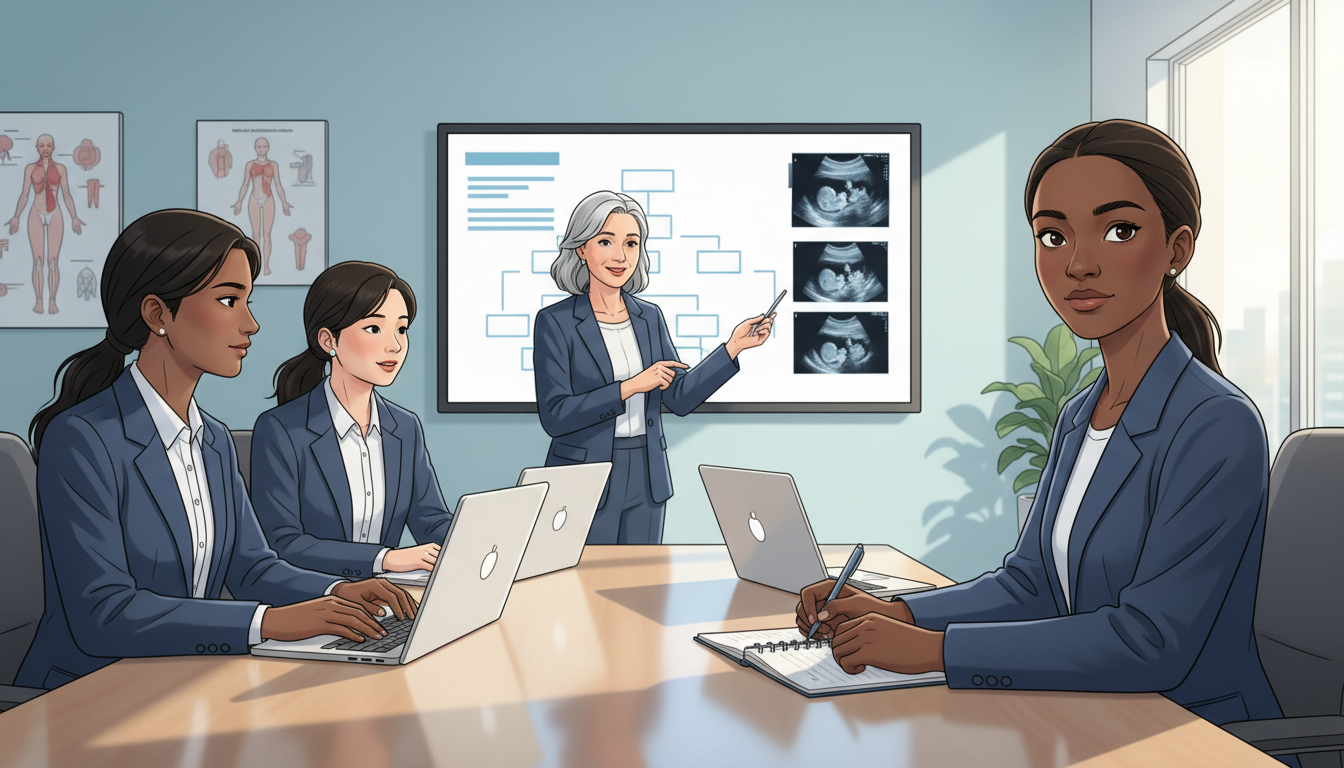
After Match Day, it’s tempting to focus exclusively on surviving residency. Yet this is one of the most critical times to begin deliberate networking and mentorship-building. You are entering a small, interconnected community where reputations travel fast and relationships have long-term impact.
1. Access to Hidden Opportunities
Many of the best opportunities in medicine are not openly advertised:
- Fellowships and subspecialty positions often fill through early word-of-mouth.
- Chief residency, quality improvement (QI) roles, committee appointments, and junior faculty positions may go first to people already known and trusted by program leaders.
- Research projects and co-authorships commonly arise from hallway conversations, informal meetings, or introductions from mentors.
A strong network helps you:
- Hear about positions before they are publicly listed.
- Learn what different programs or employers are really like beyond their websites.
- Identify niche roles—such as hospital administration, medical education, informatics, or global health—that align with your interests.
Example: A PGY-2 internal medicine resident discusses her interest in cardio-oncology with an attending at a conference. That attending later emails her about a newly funded project at another institution—and eventually connects her to the PI who invites her to collaborate remotely. This never appears on a job board, but becomes a defining opportunity.
2. Mentorship and Sponsorship
Networking is how you find both mentors and sponsors:
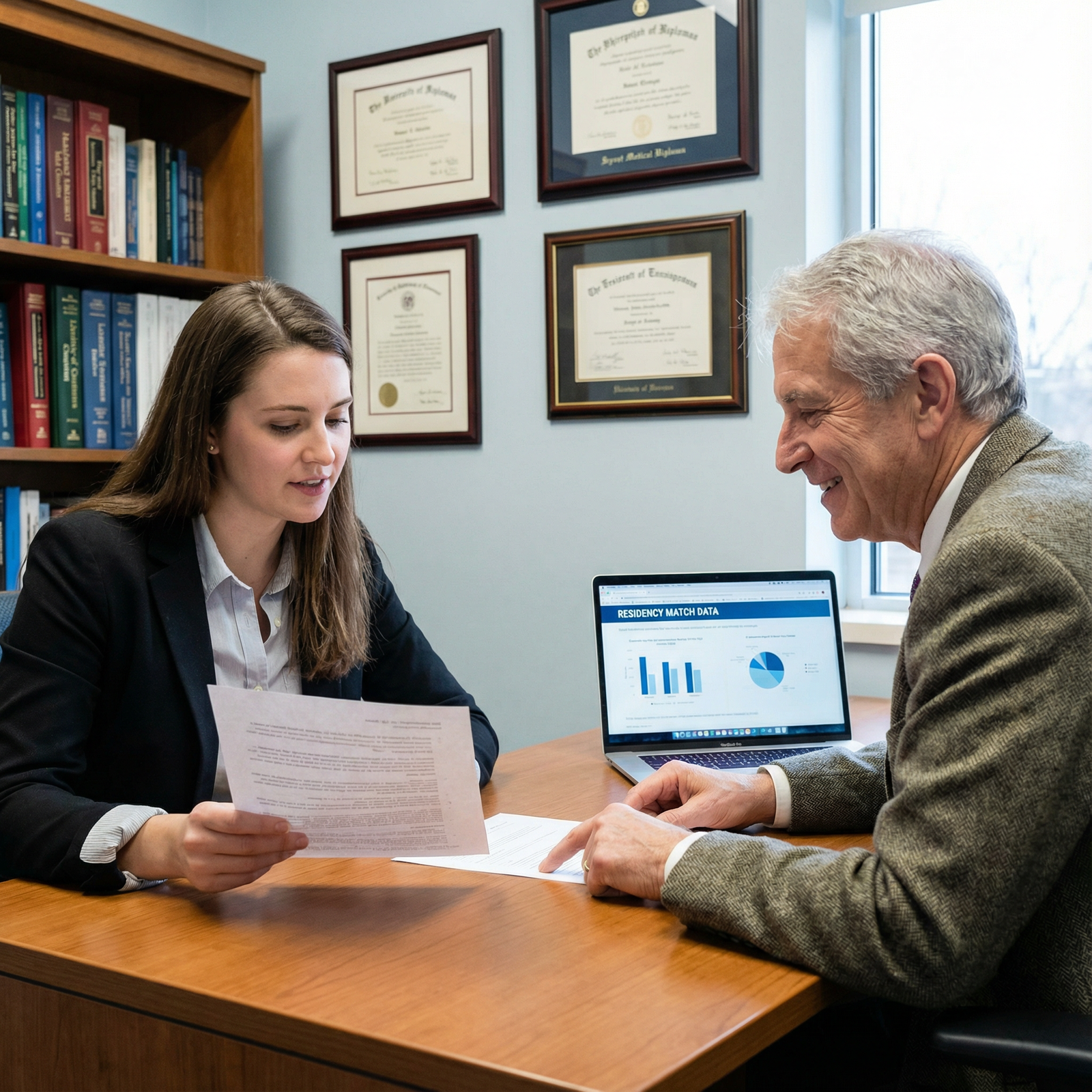
- Mentors guide you, help you set goals, troubleshoot challenges, and navigate decision points.
- Sponsors use their influence to open doors, nominate you for awards, recommend you for positions, or invite you into high-impact projects.
During residency, mentorship can help you:
- Decide between generalist vs subspecialist paths.
- Strategize about fellowship applications.
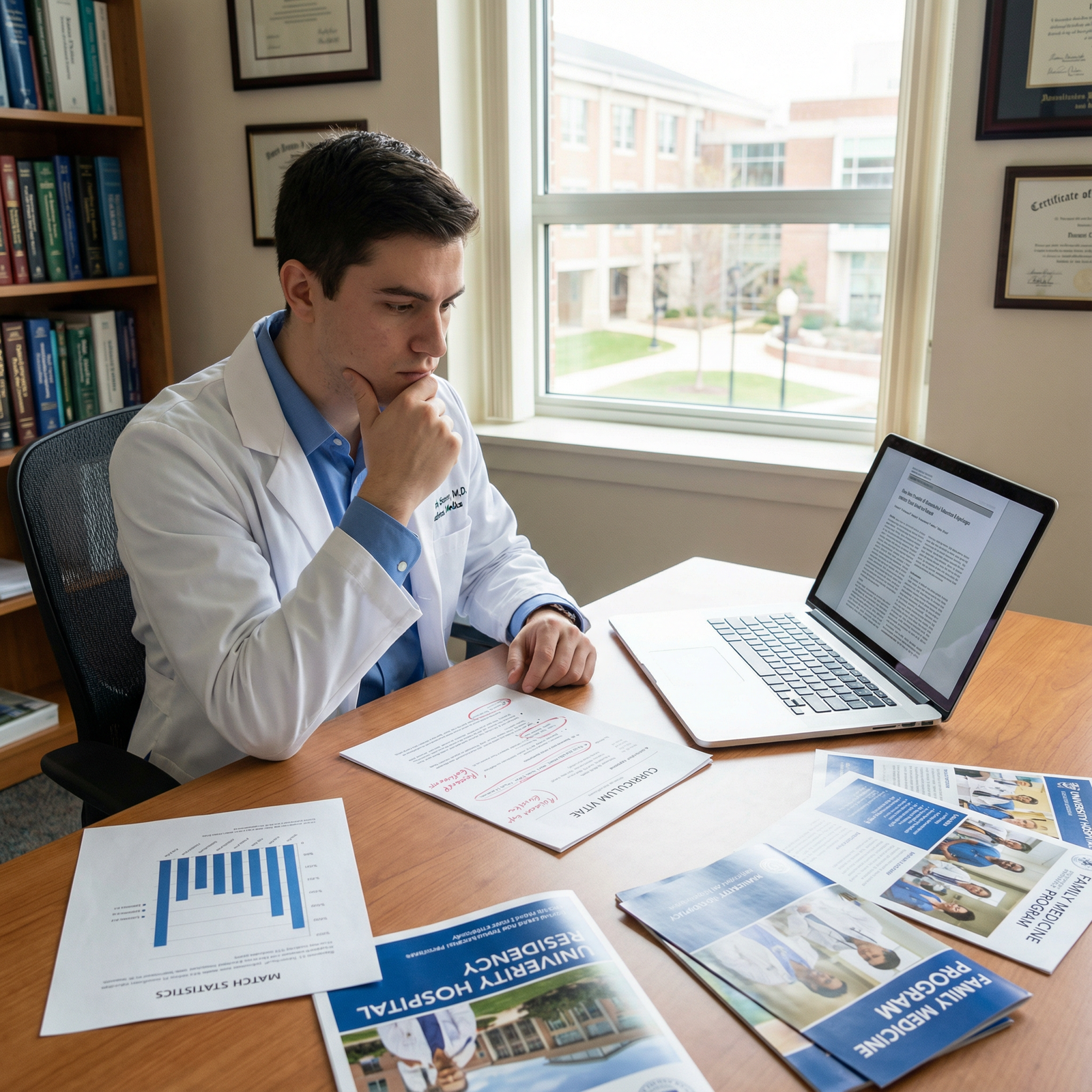
- Get honest feedback on your CV, personal statements, and interview performance.
- Learn how to build a sustainable, values-aligned career.
Over time, one strong connection can evolve from mentor to sponsor, profoundly shaping your professional trajectory.
3. Emotional Support and Professional Resilience
Residency is demanding, and burnout is common. A robust network can function as a support system:
- Co-residents and near-peers who understand your call schedule and emotional load.
- Faculty who normalize the learning curve and share how they handled similar struggles.
- Colleagues from other institutions who provide perspective when you feel stuck.
These relationships create a sense of belonging and psychological safety, which is strongly associated with resilience, job satisfaction, and long-term success in medicine.
4. Collaboration and Interdisciplinary Learning
Healthcare is increasingly team-based and interdisciplinary. Networking across departments and professions helps you:
- Participate in multidisciplinary projects (e.g., combining medicine, nursing, pharmacy, and social work).
- Develop systems-level thinking about patient care, safety, and quality.
- Learn skills you won’t fully acquire from any single residency curriculum—leadership, negotiation, communication, and project management.
This kind of collaboration strengthens your CV and makes you a more attractive candidate for competitive residencies, fellowships, and attending positions.
5. Professional Development, Visibility, and Reputation
By staying connected and visible, you:
- Receive invitations to speak, co-author, or teach.
- Build a reputation for specific interests or skills (e.g., ultrasound, curriculum development, global health, AI in medicine).
- Become the person people think of when an opportunity arises in your niche.
In a small professional community, reputation is a powerful form of capital. Networking is how you cultivate and communicate that reputation intentionally.
Core Networking Strategies for Residents and New Doctors
Your time and energy as a resident are limited, so your networking strategy must be focused, efficient, and realistic. Below are practical ways to build and sustain meaningful connections during residency and beyond.
Join Professional Associations for Structured Networking
Professional organizations are among the most efficient places to meet medical professionals who share your interests.
National and Specialty Societies
Examples include:
- American Medical Association (AMA)
- American College of Physicians (ACP)
- American Academy of Family Physicians (AAFP)
- American College of Surgeons (ACS)
- Specialty-specific societies (e.g., American Academy of Neurology, American College of Emergency Physicians)
How to leverage these organizations for career development:
Attend networking events and mixers
- Look for “resident and fellow” receptions or early-career sessions at national meetings.
- Go with a simple goal: meet 3–5 new people and exchange contact information.
Engage in workshops and webinars
- Choose sessions aligned with career development (CV-building, contracts, leadership, wellness).
- Ask at least one question during Q&A—this increases visibility and makes it easier to connect with speakers afterward.
Volunteer for committees and task forces
- Education, advocacy, wellness, diversity and inclusion, or quality & safety committees are great starting points.
- This involvement gives you recurring contact with leaders in your field and tangible accomplishments for your CV.
Local and Institutional Organizations
- Join your hospital’s resident council, GME committees, or quality improvement boards.
- Participate in interest groups (e.g., women in medicine, DEI councils, global health teams).
- Volunteer to help with medical student teaching—a useful way to meet faculty invested in education.
These roles place you in regular contact with key decision-makers and potential mentors within your own institution.
Use Social Media Thoughtfully and Professionally
Digital platforms can extend your network far beyond your hospital walls. Used wisely, they are powerful tools for networking, visibility, and mentorship.
LinkedIn for Professional Branding
- Optimize your profile:
- Professional photo, concise headline (e.g., “Internal Medicine Resident | Interested in Cardiology and Medical Education”).
- Clear summary highlighting interests, current training, and goals.
- Connect strategically:
- Add attendings, co-residents, conference contacts, and faculty you meet.
- Personalize connection requests: remind them where you met or what you discussed.
- Share and engage:
- Post about accepted abstracts, completed QI projects, or reflections on residency (HIPAA compliant).
- Comment thoughtfully on posts by leaders in your specialty.
Twitter/X and Other Academic Platforms
Many specialties have strong communities on Twitter/X and other platforms:
- Follow key opinion leaders, major journals, and specialty societies.
- Join recurring hashtag conversations (e.g., #MedTwitter, #FOAMed, specialty hashtags).
- Share curated articles or insights, always mindful of professionalism and patient privacy.
Tip: Treat all social media as a public professional space. Assume future employers, fellowship directors, and mentors might see anything you post.
Make Conferences Work for You
Conferences can be overwhelming but extremely high-yield if approached strategically.
Before the Conference
- Set clear goals:
- “Meet at least two mentors in my subspecialty.”
- “Find out what’s needed for a competitive fellowship application.”
- Schedule meetings in advance:
- Email faculty you admire (from your program or elsewhere) asking for a 15-minute coffee during the meeting.
- Use your program leadership to help facilitate introductions.
During the Conference
- Present if possible:
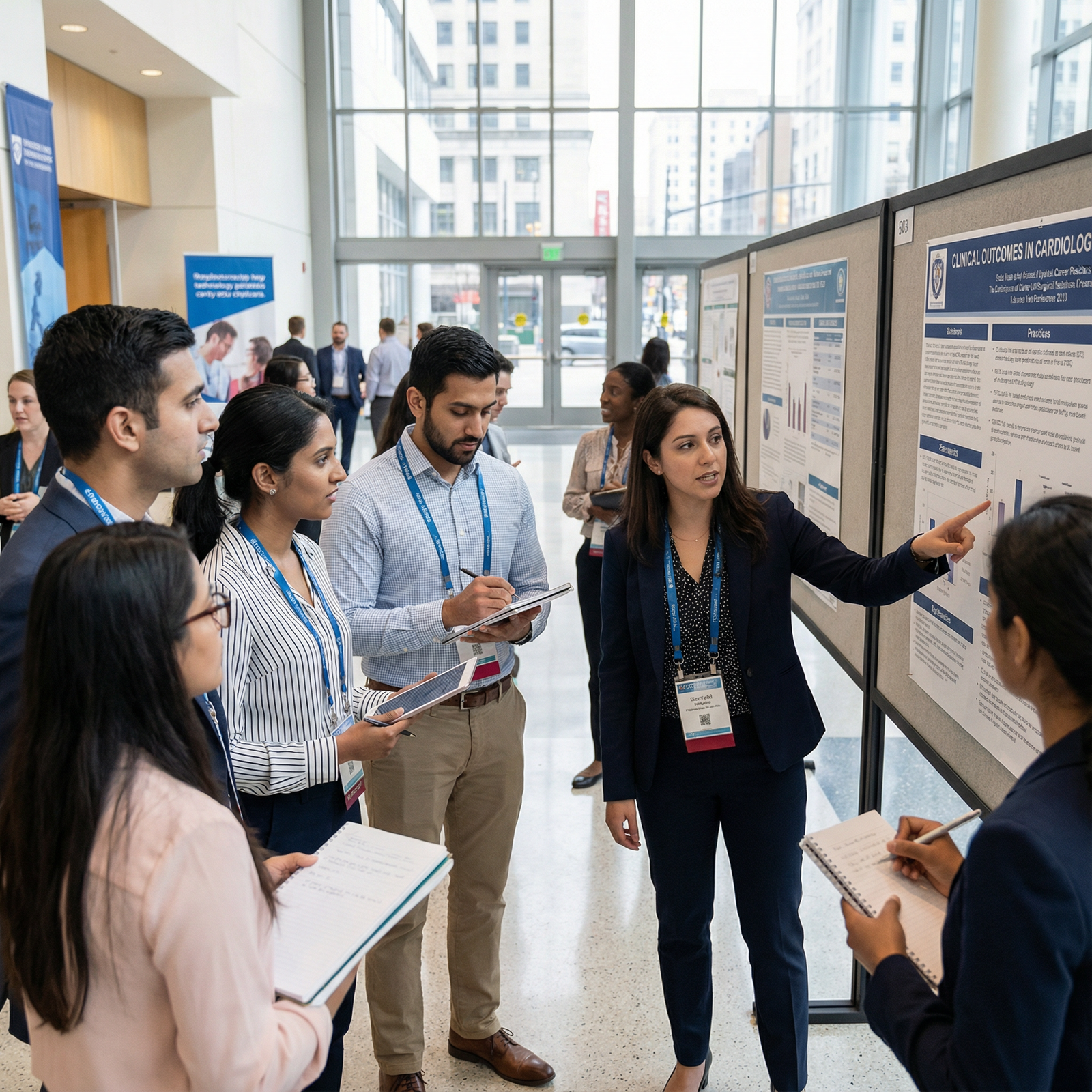
- Posters and oral presentations make it easier for others to approach you.
- Standing by your poster is a natural way to initiate conversations.
- Use simple introduction scripts:
- “Hi, I’m Dr. [Name], a PGY-2 in pediatrics at [Institution]. I really enjoyed your talk on [topic]—I’m interested in [related area]. Do you have any advice for a resident hoping to get involved in this kind of work?”
- Take notes on who you meet:
- After each conversation, jot down the person’s role, institution, and what you discussed—this helps with follow-up.
After the Conference
- Send brief, personalized follow-up emails within a week:
- Thank them for their time.
- Reference a specific part of your conversation.
- If appropriate, suggest a follow-up Zoom or ask permission to reach out again with questions.
Conduct Informational Interviews for Insight and Direction
Informational interviews are low-pressure conversations designed to learn from someone’s experience, not to ask for a job.
Steps to Conduct Effective Informational Interviews
Identify targets
- Faculty in your program with roles you admire (program directors, clinician-educators, physician–scientists).
- Physicians in nontraditional roles (industry, public health, policy, administration).
- Alumni from your medical school or residency working in positions you’re curious about.
Reach out with a focused, respectful message
- Keep it short: 4–6 sentences.
- Introduce yourself and how you found them.
- State what you hope to learn (e.g., “I’m exploring a career in palliative care and would appreciate hearing how you chose this path.”).
- Ask for a brief 15–20 minute call or meeting.
Prepare thoughtful questions
- “What does a typical week look like in your role?”
- “What were the pivotal decisions in your career?”
- “What do you wish you had known as a resident interested in this path?”
- “How would you recommend I prepare during residency for a similar career?”
End with gratitude and a simple next step
- Thank them for their time.
- Ask if they’d be open to you reaching out again with occasional questions.
- If appropriate, ask if there’s anyone else they’d recommend you speak with.
Follow up
- Send a concise thank-you email.
- Update them months later if you pursue something they suggested—this converts a one-time interaction into an ongoing relationship.
Build and Nurture Your Peer Network
Peers—co-residents, fellows, and even medical students—will be a central part of your lifelong professional community.
Why Peers Matter for Career Development
- They will become future colleagues, collaborators, and hiring committee members.
- You can co-author papers, start QI projects, and share teaching responsibilities.
- They understand your day-to-day reality and can offer practical advice and emotional support.
Ways to Strengthen Peer Connections
- Study and review groups:
- Board review sessions, journal clubs, exam prep.
- Rotate leadership and invite faculty occasionally to broaden the network.
- Project-based collaboration:
- Start QI projects or educational tools together (e.g., resident-led teaching curricula).
- Social and wellness activities:
- Peer support groups, interest-based meetups (running, cooking, book clubs).
- These informal spaces often foster the trust that underpins future professional collaborations.
Leverage Your Residency for Built-In Networking
Your residency program is a powerful networking ecosystem if you use it intentionally.
Seek Mentorship Within Your Institution
- Identify approachable faculty whose careers you respect.
- Ask for a brief meeting to discuss your interests; come prepared with questions.
- Over time, one or two core mentors may become your primary advocates for fellowship or job applications.
Many programs also offer:
- Formal mentorship programs pairing residents with faculty.
- Career development series—attend and introduce yourself to the speakers.
- Opportunities to mentor medical students, which builds teaching skills and your reputation as a leader.
Participate in Interdisciplinary Activities
- Join interdisciplinary rounds or committees that include nursing, pharmacy, social work, and case management.
- Attend or present at M&M conferences and QI meetings.
- Volunteer for hospital-wide initiatives (e.g., sepsis bundles, handoff improvement, equity in care).
These activities increase your visibility to hospital leadership and non-physician professionals—an important part of modern medical networking.
Advanced Tips: Moving from Contacts to Relationships
Once you’re comfortable with basic networking strategies, focus on depth over breadth. A smaller number of genuine, ongoing relationships is far more valuable than a large, superficial contact list.
1. Stay Genuinely Engaged
- Periodic check-ins:
- Share an article related to their interests with a brief note.
- Congratulate them when you see a new paper, promotion, or award.
- Short updates:
- Let mentors know when their advice helped you make a decision or achieve something.
These small actions signal that you value the relationship and are thinking long-term.
2. Offer Value, Even as a Trainee
Networking is not just about what others can do for you. You can add value by:
- Sharing relevant articles, resources, or guidelines.
- Offering to help with data collection, literature review, or teaching sessions.
- Introducing people to one another when you identify overlapping interests.
This transforms you from a passive mentee into an active collaborator and colleague-in-training.
3. Stay Current with Trends in Medicine
Being well-informed makes conversations richer and helps you identify new opportunities:
- Follow major journals and society guidelines in your field.
- Pay attention to health policy, payment models, and digital health trends that impact practice.
- Bring these topics into conversations thoughtfully—this demonstrates curiosity and initiative.
4. Give Back Early and Often
Even as a resident, you can:
- Volunteer in community health events, free clinics, or school outreach programs.
- Help organize career panels or mentoring sessions for medical students.
- Participate in advocacy efforts through professional societies.
These activities naturally expand your network and reinforce your professional identity as someone committed to service and leadership.

Frequently Asked Questions About Networking After the Match
Why is networking so important for medical professionals post-match?
After you match into residency, networking becomes a key driver of career development. It gives you access to:
- Early information about fellowships and job opportunities.
- Mentorship and sponsorship that can shape your career decisions and open doors.
- Emotional and professional support systems that improve resilience.
- Collaborations in research, education, and quality improvement.
In a field where many opportunities are shared informally, strong relationships can be as important as your CV.
How can I realistically network while managing residency workload?
Time is tight in residency, so aim for small, consistent actions instead of big, time-consuming efforts:
- Join one or two key professional associations and attend resident-focused events.
- Use LinkedIn to maintain connections with faculty, co-residents, and conference contacts.
- Do short informational interviews (15–20 minutes) during lighter rotations or via Zoom.
- Turn existing activities (e.g., journal club, QI projects, teaching) into networking moments by being proactive and visible.
Even 1–2 intentional networking activities per month can accumulate into a powerful network over time.
Should I network with peers, or focus only on senior physicians and leaders?
You need both, but peers are often underestimated:
- Your peers will become future attendings, program directors, division chiefs, and collaborators.
- Peer networks are crucial for support, feedback, and opportunities (e.g., joint projects, shared presentations).
- Senior mentors offer experience and influence; peers offer partnership and long-term collaboration.
A balanced networking strategy includes mentors above you, peers alongside you, and juniors you support.
How do I initiate an informational interview without it feeling awkward or transactional?
Keep it respectful, honest, and focused on learning:
- Introduce yourself briefly and explain how you found them.
- Express genuine interest in their career path or role.
- Ask for a short, specific amount of time (e.g., 15–20 minutes).
- Emphasize that you’re seeking guidance, not a job:
“I’d really value your perspective as I think about my own career path.” - Come prepared with thoughtful questions and end with sincere thanks.
Most physicians are flattered to be asked and happy to help when the request is clear and reasonable.
Are conferences required for effective networking, or can I rely on local and online options?
Conferences are extremely helpful but not mandatory:
- If you can attend, especially with an abstract or poster, they are excellent for concentrated networking.
- If you can’t, you can still build a robust network through:
- Local and institutional activities (committees, rounds, QI projects).
- Professional associations’ virtual events and webinars.
- Thoughtful use of LinkedIn, Twitter/X, and email.
The most important factor is consistency and intentionality, not the specific venue.
By approaching networking as a core part of your career development strategy, rather than an optional add-on, you’ll position yourself for a more flexible, fulfilling, and opportunity-rich life in medicine. The relationships you start building now—post-match and throughout residency—can shape your professional journey for decades to come.