The Importance of Self-Reflection After Not Matching: How to Reassess Your Medical Career Goals
The journey to becoming a physician is demanding—intellectually, physically, and emotionally. Years of effort in medical school, board exams, and clinical rotations often feel like they culminate in one pivotal moment: residency Match Day. When the outcome is “no match,” it can feel like the ground has shifted beneath you.
But not matching is not the end of your Medical Career. It is a painful, but often transformative, turning point. With intentional self-reflection, you can use this moment to clarify your goals, refine your strategy, and ultimately move forward with a stronger sense of purpose and direction.
This guide walks you through a structured, thoughtful approach to self-reflection and Career Development after not matching—helping you reassess your Residency Application strategy, re-align your goals, and explore the full spectrum of options within Medical Education and beyond.
Understanding the Emotional and Professional Impact of Not Matching
Not matching triggers more than a logistical problem; it’s an emotional event with significant professional implications. Acknowledging both is the first step toward productive self-reflection.
The Emotional Landscape: Grief, Identity, and Expectations
For many medical students and graduates, identity is tightly linked to professional progress. When the expected next step—residency—does not materialize, it’s common to experience:
- Shock or disbelief (“I really thought I would match.”)
- Guilt or shame (“Did I let my family or mentors down?”)
- Comparison (“Everyone else seems to be moving forward but me.”)
- Anxiety about the future (“What if I never match?”)
These reactions are normal. Before you dive into fixing your CV or rewriting your personal statement, it’s important to:
- Give yourself time to process: Allow a few days to decompress before major decisions.
- Name your feelings: Journaling or speaking with a trusted person can help you articulate what you’re experiencing.
- Avoid catastrophizing: Not matching one cycle does not determine your entire Medical Career.
The Professional Reality: A Setback, Not a Dead End
Professionally, not matching may feel like a permanent label—but it isn’t. Each year, many unmatched applicants successfully re-enter the match and secure residencies by:
- Strengthening their application
- Adjusting specialty choices or geographic preferences
- Gaining new clinical, research, or teaching experience
- Seeking targeted mentorship and honest feedback
Self-reflection is the bridge between where you are now and where you want to be in your medical career. It turns a generic resolution (“I’ll do better next time”) into a specific, realistic plan.
Why Self-Reflection Is Essential for Career Development After Not Matching
Self-reflection isn’t just “thinking about what happened.” It’s a deliberate process of evaluating your goals, experiences, and decisions so you can move forward strategically and authentically.

1. Gaining True Clarity About Your Career Objectives
When you’re racing through medical school, it’s easy to follow momentum—choosing a specialty because “everyone says it’s competitive,” or targeting specific programs because your peers are. Not matching forces you to pause and ask:
- Do my specialty choices genuinely fit my interests and strengths?
- Did my application reflect who I actually am and what I care about?
- Is my long-term vision for my medical career still the same?
Self-reflection allows you to:
- Revisit your original motivations for medicine.
- Examine how your clinical experiences influenced your specialty preferences.
- Consider whether your current goals align with your values, skills, and life priorities (e.g., family, location, work-life balance).
You might discover that your goals were solid but your strategy was misaligned—or that both need recalibration.
2. Reassessing Your Values and Motivations in Medicine
Medical Education can sometimes push students toward externally defined markers of success: prestige, competitiveness, or perceived status of certain specialties. After not matching, you have a powerful opportunity to conduct a values-based reset.
Reflect on questions such as:
- What type of patient population energizes me?
- Do I value procedural work, longitudinal relationships, acute care, or systems-level impact?
- How important are geography, schedule flexibility, or income to my long-term satisfaction?
- Which rotations or experiences made me feel most “at home” in medicine?
Examples of values you might identify:
- Advocacy for underserved communities
- Intellectual challenge and diagnostic complexity
- Hands-on procedures and immediate impact
- Teaching and Medical Education
- Work-life integration and personal time
Clarity on these values can reshape your Residency Application strategy—for example, broadening your location preferences, considering related specialties, or targeting specific program cultures that align with your priorities.
3. Identifying and Addressing Roadblocks in Your Residency Application
Self-reflection is not just inward-looking; it must also be analytical. To move forward, you need a realistic assessment of what limited your success in the most recent match.
Consider the main domains of your application:
- Academic metrics: USMLE/COMLEX scores, course/rotation grades, class rank
- Clinical performance: Clinical evaluations, sub-internships, away rotations
- Application materials: Personal statement, ERAS activity descriptions, CV
- Letters of recommendation: Strength, specificity, and relevance to specialty
- Interview performance: Communication, preparation, storytelling, professionalism
- Residency Application strategy: Number and range of programs, specialty choice competitiveness, geographic constraints
Ask yourself:
- Did I apply broadly enough for my profile and specialty?
- Were there unaddressed red flags (gaps, failures, professionalism concerns)?
- Did my materials clearly communicate who I am and why I fit the specialty?
- Did I receive and incorporate feedback after previous cycles (if applicable)?
You don’t have to answer these alone. In fact, external feedback is essential.
4. Using Structured Reflection Techniques to Gain Insight
To make self-reflection concrete and actionable, consider these practical tools:
Journaling
Set aside 15–20 minutes a few times per week to write about:
- What you learned from the recent match cycle
- Clinical experiences that affirmed or challenged your specialty interest
- Situations that brought out your strengths—and those that highlighted growth areas
- What you want your life to look like in 5–10 years (professionally and personally)
Journaling captures patterns that might otherwise be easy to dismiss in the moment.
Feedback from Mentors and Advisors
Schedule time with:
- Specialty advisors or program directors
- Faculty who know your clinical work
- Residents you worked closely with
- Career development or student affairs offices
Ask clear, specific questions such as:
- “How do you think program directors might view my application?”
- “Where do you see my greatest strengths?”
- “What areas would you focus on improving before the next Residency Application cycle?”
- “Do you think my specialty choice is realistic given my current profile?”
Be open to honest feedback, even when it stings. It’s often the most valuable information you’ll receive.
SMART Goal Setting
Once you’ve identified key gaps, convert them into SMART goals (Specific, Measurable, Achievable, Relevant, Time-bound). For example:
- “Complete one first-author case report in my target specialty by October 1.”
- “Conduct five mock interviews with different faculty before interview season.”
- “Increase my program list from 40 to 80 programs across two related specialties.”
SMART goals turn vague intentions into operational steps.
Exploring Alternative Pathways and Opportunities in Your Medical Career
Not matching may open doors you hadn’t seriously considered before. These alternative pathways can be temporary bridges to residency or long-term career directions that still leverage your medical training.
1. Strengthening Your Application in a Targeted Way
Your goal may still be residency in the same specialty. If so, focus on experiences that clearly enhance your competitiveness:
- Research fellowships: Particularly valuable for competitive specialties or academic careers. Aim for publications, conference presentations, or meaningful project leadership.
- Clinical positions: Such as clinical research coordinator, junior faculty-like roles in some countries, or supervised clinical work (where allowed). These maintain your clinical skills and show ongoing commitment.
- Additional clerkships or observerships: Especially if you need stronger recent US clinical experience or specialty-specific exposure.
- Formal programs for unmatched graduates: Some institutions offer structured “pre-residency” fellowships or transitional experiences.
Document these experiences carefully—track outcomes, responsibilities, and what you learned. They will enrich your future Residency Application and interview narratives.
2. Considering Related or Alternative Specialties
Self-reflection may reveal that your original specialty choice is still right for you—but it may also uncover a better fit.
Ask yourself:
- Are there related specialties that align with my interests and skills but are less competitive?
- Example: A student initially focused on dermatology might find fulfillment in internal medicine with a focus on rheumatology or allergy/immunology.
- Does my passion lie more in procedures, continuity of care, acute care, or systems improvement?
- Would I be happier in a field with more team-based care or outpatient focus?
Speaking with physicians in a variety of specialties—family medicine, internal medicine, psychiatry, pathology, pediatrics, and others—can broaden your perspective on what a satisfying Medical Career can look like.
3. Exploring Non-Traditional and Non-Clinical Roles
Some unmatched graduates ultimately discover their calling in roles adjacent to, or outside of, direct patient care. These paths can be temporary or permanent and still contribute meaningfully to healthcare and Medical Education.
Potential roles include:
- Healthcare consulting (strategy, operations, digital health)
- Medical writing and communications (journals, educational content, industry)
- Public health and global health (NGOs, governmental agencies, implementation science)
- Medical Education (curriculum design, simulation, tutoring, exam prep companies)
- Health technology and startups (product development, clinical advisor roles)
- Quality improvement and patient safety roles in hospitals or health systems
If you explore these, frame them as part of your career development—skills like communication, project management, systems thinking, and leadership are all valued in residency and beyond.
A Structured Process for Effective Self-Reflection and Reorientation
To translate reflection into action, follow a stepwise, structured approach.
1. Designate Protected Reflection Time
Treat self-reflection like a rotation—it deserves scheduled, protected time:
- Block off several 1–2 hour sessions over a few weeks.
- Choose a quiet, comfortable environment free of digital distractions.
- Use each session with a specific focus (e.g., one for emotional processing, one for application analysis, one for exploring alternatives).
Consistency helps you move from emotional reaction to strategic planning.
2. Compile a Comprehensive Career and Application Timeline
Create an “experience map” of your journey:
- Major academic milestones (exams, courses, honors or challenges)
- Clinical rotations and sub-internships (and your performance in each)
- Research projects, publications, or presentations
- Leadership, teaching, advocacy, or community involvement
- Previous application cycles (if applicable): how many programs, which specialties, interview numbers, outcomes
Seeing your path laid out visually can highlight:
- Strengths you’re underutilizing in your application
- Unexplained gaps or inconsistencies
- Opportunities for re-framing your narrative
3. Analyze Strengths and Gaps Honestly
Divide your reflection into two categories:
Strengths
Ask:
- In which rotations did I consistently receive strong feedback?
- What do peers or attendings often compliment me on?
- What unique experiences (language skills, global work, leadership roles) do I bring?
Examples of strengths might include:
- Strong communication and rapport with patients
- Proven teaching and leadership in Medical Education
- Bilingual skills serving diverse communities
- Outstanding reliability and professionalism comments from attendings
Areas for Growth
Ask:
- Where have I received constructive criticism?
- Did any exam scores or clinical evaluations raise concerns?
- Were there logistical errors (late applications, incomplete documents, too few programs)?
Be specific. “I’m just not competitive enough” is too vague. “I applied to only 30 highly competitive programs in one specialty with borderline board scores” is actionable.
4. Create a Visual Vision Board for Your Medical Career
A vision board might feel unconventional, but it can be a powerful tool to stay grounded in your “why” during a challenging period.
Include:
- Images representing specialties or practice settings that inspire you
- Quotes that resonate with your values and resilience
- Reminders of your long-term goals (e.g., serving a specific community, teaching, global health work)
- Personal life priorities—family, hobbies, well-being
This board is not about fantasy; it’s about clarity. It reminds you that your life and Medical Career are bigger than one match cycle.
5. Develop a Concrete Action Plan
Finally, translate your insights into a structured plan. Consider dividing your plan into:
Short-term (0–3 months): Emotional recovery, honest feedback, initial planning
- Debrief with mentors/program directors
- Decide whether you will reapply in the upcoming cycle
- Begin or solidify research/clinical opportunities
Intermediate (3–9 months): Application strengthening
- Complete a manuscript or abstract
- Secure strong new letters of recommendation
- Attend specialty conferences and build professional connections
- Draft and revise personal statements and ERAS entries
Long-term (9–18 months): Strategic repositioning
- Decide whether to adjust specialty choices
- Expand geographic flexibility where possible
- Improve interview skills via mock interviews and feedback
- Continue reflective practice to ensure alignment with your evolving goals
Revisit and update your plan at least monthly.
Moving Forward with Optimism, Flexibility, and Support
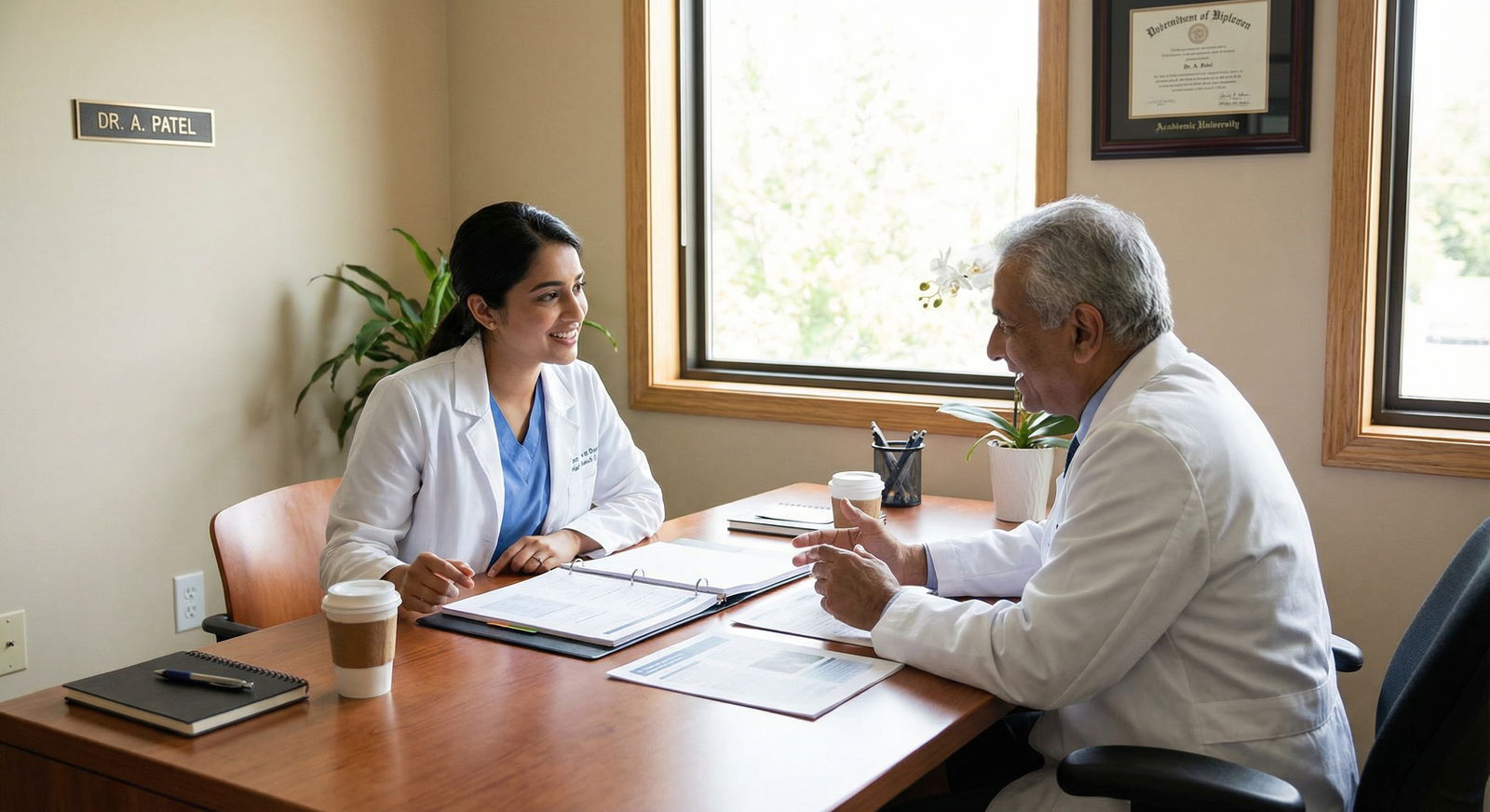
A key goal of self-reflection after not matching is to shift from shame and doubt to purposeful action.
1. Cultivate Flexibility in Your Career Path
Few physicians follow a perfectly linear path. Many:
- Switch specialties after initial training
- Blend clinical work with research, education, or administration
- Move between practice settings or geographic regions
This flexibility is a strength, not a compromise. Remaining open to different specialties, practice environments, or timelines can create opportunities you hadn’t initially imagined.
2. Build and Lean on a Support Network
Trying to navigate this transition alone is unnecessarily difficult. Intentionally build a support ecosystem:
- Mentors: Faculty or residents who can offer honest advice and advocacy
- Peers: Other unmatched graduates or colleagues who understand the process
- Career advisors: Deans, career offices, or professional coaches with experience in Residency Application guidance
- Personal support: Family, friends, or mental health professionals who can help you maintain perspective and well-being
Support is not a sign of weakness—it’s a critical part of sustainable success in any demanding Medical Career.
3. Commit to Lifelong, Adaptive Learning
Regardless of whether you re-enter the match immediately or pursue an interim pathway, continued growth matters:
- Attend virtual or in-person conferences in your area of interest.
- Keep up with key journals or guidelines.
- Take online courses in related skills (statistics, QI, leadership, health tech).
- Engage in teaching, tutoring, or peer education to reinforce your own knowledge.
These activities signal to future programs that you remain engaged, motivated, and adaptable—a strong message in any Residency Application.
Frequently Asked Questions About Self-Reflection and Career Planning After Not Matching
1. What should I do immediately after finding out I did not match?
First, give yourself permission to process the news emotionally. Then, within a few days, take practical steps:
- Determine if the Supplemental Offer and Acceptance Program (SOAP) is an option and prepare quickly if so.
- Contact your school’s career office or advisor to debrief.
- Begin documenting your application statistics (number of programs applied to, interviews, etc.) for future analysis. Avoid making drastic career decisions in the first 24–48 hours.
2. How can I realistically assess why I didn’t match?
A realistic assessment combines self-reflection and external feedback:
- Review your scores, grades, and specialty competitiveness.
- Consider how many and which programs you applied to.
- Ask specialty advisors, faculty, or program directors for honest feedback.
- Reflect on your interview performance and written materials. It’s rarely a single factor; more often, it’s a combination of metrics, strategy, and fit.
3. Is it worth reapplying to the same specialty after not matching?
It can be, but the decision should be informed and strategic:
- If feedback suggests you’re close to competitive and can strengthen your application (e.g., with more research or letters), reapplying may be reasonable.
- If there are significant structural barriers (very low scores, multiple failures, limited specialty exposure), consider broadening to related specialties or adjusting your plan. Self-reflection, plus mentor input, is critical to making this decision.
4. How can I gain meaningful clinical or research experience while I’m unmatched?
Depending on your location and visa status, options may include:
- Research fellowships or positions in academic departments
- Clinical research coordinator roles
- Observerships or externships (particularly valuable for international graduates)
- Volunteer work in clinics, public health settings, or telehealth projects Seek roles that provide documented responsibilities, mentorship, and potential letters of recommendation.
5. Should I consider non-clinical career paths if I don’t match?
Yes, exploring non-clinical roles can be a valuable part of your Career Development—whether temporary or permanent. Even if you plan to reapply, experiences in consulting, public health, Medical Education, or health tech can:
- Strengthen your skill set
- Broaden your professional network
- Provide financial stability
- Clarify what you truly want from your medical career
If you ultimately pivot away from residency, these paths can still offer fulfilling, impactful contributions to healthcare.
By engaging deeply in structured self-reflection, seeking honest feedback, and remaining open to diverse pathways, you can transform the experience of not matching from a devastating setback into a pivotal step toward a more intentional, authentic, and sustainable Medical Career.