Pre-interview preparation for an anesthesiology residency is where your application on paper turns into a compelling real-world story. By the time you receive interview invitations, programs already know you’re academically qualified. What they’re trying to determine now is: Are you someone they want in their operating rooms and call rooms for the next four years?
This guide walks you step-by-step through how to prepare for interviews in anesthesiology—from researching programs and preparing answers to practicing behavioral scenarios and planning logistics—so you can walk into each interview day ready, confident, and authentic.
Understanding the Anesthesiology Interview Landscape
Anesthesiology has become increasingly competitive, and the anesthesia match reflects both strong academic performance and strong interpersonal skills. Programs are looking for residents who are:
- Clinically sound and reliable
- Calm and composed under pressure
- Excellent team players and communicators
- Safety-focused and detail-oriented
- Genuinely interested in perioperative medicine, critical care, and patient advocacy
Pre-interview preparation should target all of these domains. Think of your preparation in three key dimensions:
- Content – What you say (your stories, goals, motivations, experiences)
- Delivery – How you say it (communication skills, professionalism, warmth)
- Context – Where you’re interviewing (specific program, geographic region, and setting)
Your goal is to align all three so that each program sees a coherent, authentic version of you that fits their environment and culture.
Step 1: Strategic Program Research – Know Where You’re Going
Many applicants underestimate how detailed their program research should be. Saying “I want strong clinical training and a collegial environment” is generic; every applicant says this. Strong pre-interview preparation means you can demonstrate why you fit this anesthesiology residency program specifically.
What to Research for Each Program
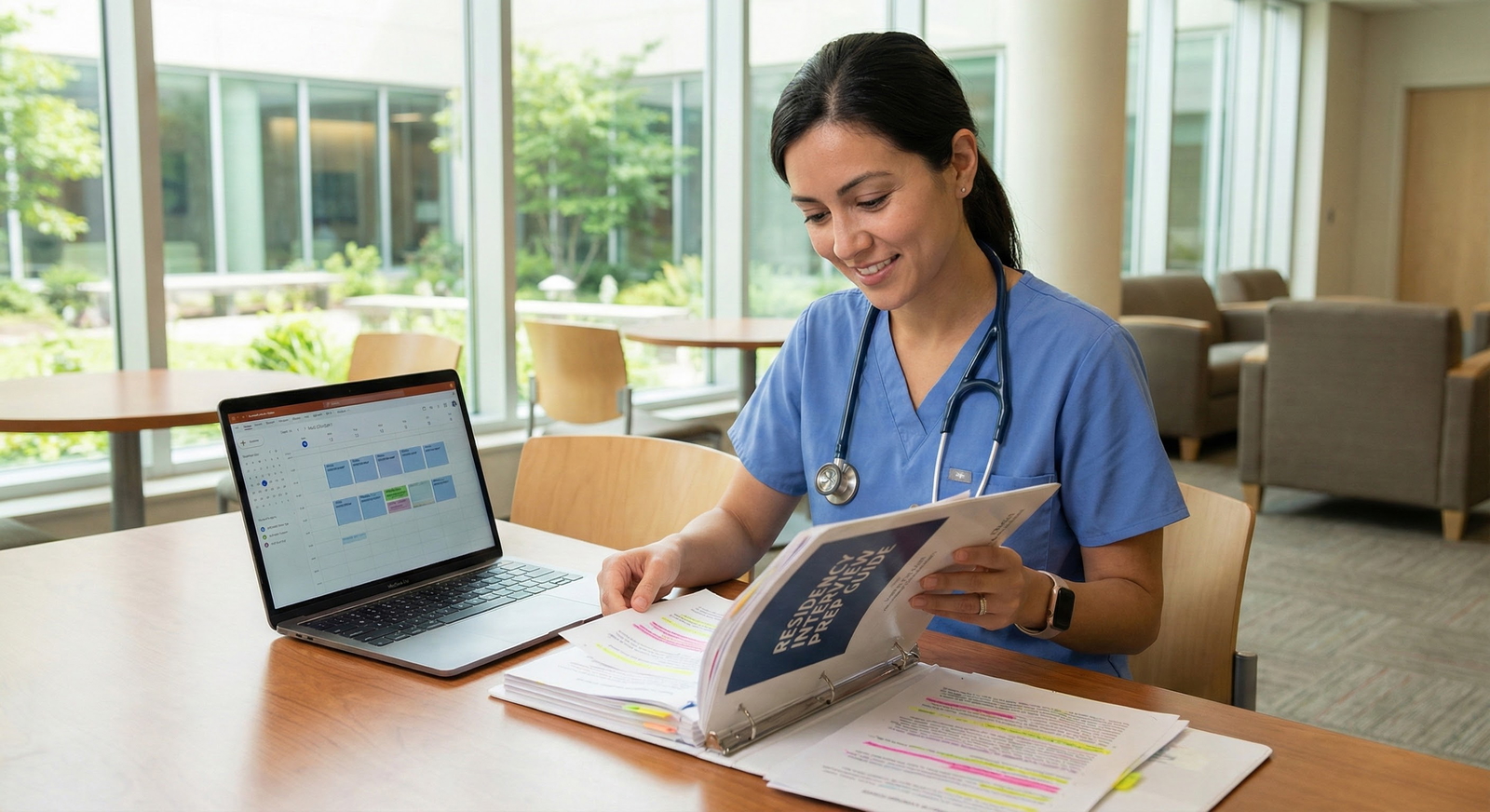
Create a simple spreadsheet or document for each anesthesiology residency with headings like:
- Program strengths and focus areas
- Clinical sites and case mix
- Size of residency and culture
- Educational structure
- Fellowships and subspecialty exposure
- Geographic and lifestyle factors
- Your talking points: “Why this program?” and “Why I fit here”
Use:
- Program website and resident handbook
- FREIDA and ACGME program info
- Departmental news, publications, and social media
- Virtual open houses or pre-interview webinars
- Alumni or current residents (when possible)
Focus on Anesthesiology-Specific Features
Pay attention to elements that matter particularly for anesthesiology residency:
Case diversity and acuity
- Level 1 trauma center? Tertiary referral center? Community exposure?
- Volume of cardiac, neuro, pediatrics, obstetrics, and transplant cases
Critical care and perioperative medicine
- How many ICU rotations and in which units?
- Perioperative clinic involvement? Pain service structure?
Technology and practice style
- Use of ultrasound for regional anesthesia
- Advanced monitoring, TEE, ERAS protocols
- Exposure to non-operating room anesthesia (NORA) – IR, GI, cath lab
Fellowship pathways
- Do they have in-house fellowships: Cardiac, Critical Care, Peds, Pain, Regional?
- Match rates into competitive fellowships if not in-house
Craft notes for each program that help you articulate specific reasons:
“I’m particularly interested in your strong cardiac anesthesia volume and integrated ICU rotations, given my long-term interest in critical care and hemodynamic management.”
Turning Research into Interview Talking Points
For each program, prepare:
- 3 specific, genuine reasons you’re interested in them
- 2-3 tailored questions that show deeper engagement (beyond what’s on the website)
- 1-2 links between your past experiences and what the program offers
- Example: “My research in perioperative optimization aligns with your ERAS initiatives.”
This level of specificity separates a generic anesthesia match applicant from one who feels intentional and well-prepared.

Step 2: Mastering Core Content – Know Your Story and Your Application
Pre-interview preparation starts with you. Before worrying about challenging interview questions residency programs might ask, you need a firm grip on your own narrative.
1. Your Anesthesiology Story
You will almost certainly be asked:
- “Why anesthesiology?”
- “How did you decide on this specialty?”
Prepare a concise, thoughtful answer (about 1.5–2 minutes) that addresses:
- The initial spark (a rotation, mentor, experience, or personal story)
- What you enjoy day-to-day in the OR and perioperative environment
- How your personality fits the specialty:
- Calm under pressure
- Detail-focused but big-picture aware
- Team-oriented with good communication
- Enjoy physiology, pharmacology, and procedural work
Avoid overly vague or cliché answers like “I like procedures and physiology.” Add concrete examples:
“During my anesthesiology rotation, I realized how much I enjoyed being the patient’s advocate during the most vulnerable parts of their care. Managing hemodynamics during a complex trauma case and coordinating with the surgical and ICU teams highlighted how anesthesiologists quietly drive patient safety in high-stakes situations. That combination of acute physiology, teamwork, and patient advocacy is what drew me in.”
2. Know Your Application Cold
Interviewers often turn directly to your ERAS/VSLO profile, personal statement, and CV for questions. Before each interview:
- Re-read:
- Personal statement
- Experiences section
- Activities, leadership roles, and volunteering entries
- Research projects and abstracts
- Any important life experiences you highlighted
For each major item on your application, be prepared to discuss:
- What you did (your concrete role)
- What you learned
- How it shaped your interest in anesthesiology or medicine
- Any challenges you faced and how you handled them
If a project or role is on your CV, it’s fair game. Weak responses like “I don’t really remember; it was a while ago” signal poor preparation.
3. Aligning Your Experiences with Anesthesia Attributes
Programs are asking themselves: Does this applicant behave like an anesthesiology resident? Highlight experiences that demonstrate:
- Crisis management and composure
- Code situations, rapid response calls, complex clinical scenarios
- Attention to safety and detail
- Checklist use, system improvement projects, QI work
- Team communication and leadership
- OR coordination, interprofessional teams, handoffs
- Ownership and reliability
- Showing up early, preparing thoroughly, following through on tasks
Work these themes into your stories, whether they’re clinical, research, or extracurricular.
Step 3: Practicing Key Interview Question Types
While every interview is unique, the majority of anesthesiology residency interview questions fall into a few categories. Effective residency interview preparation means building a toolkit of well-practiced responses rather than memorizing scripts.
Common Question Categories
Traditional / Motivational
- Why anesthesiology?
- Why our program?
- Tell me about yourself.
- Where do you see yourself in 5–10 years?
Behavioral
- Tell me about a time you made a mistake.
- Describe a conflict with a team member and how you handled it.
- Tell me about a time you had to make a difficult decision quickly.
Clinical / Anesthesia-Relevant Scenarios
- Tell me about a challenging case you were part of.
- How do you handle stress in the OR?
- How would you approach an anxious pre-op patient?
Ethics and Professionalism
- Describe a time you saw something unethical and what you did.
- How do you handle feedback or criticism?
Application-Specific
- Questions about gaps, USMLE performance, research focus, or career goals.
Using the STAR Method for Behavioral Answers
For behavioral questions, structure your responses using the STAR framework:
- Situation – Brief context
- Task – Your role or responsibility
- Action – What you did (focus here)
- Result – Outcome and what you learned
Example – “Tell me about a time you made a mistake”:
Situation: “On my medicine rotation, I was cross-covering several new admissions.”
Task: “I was responsible for reconciling home medications before admission.”
Action: “I initially missed a key home beta-blocker. When I realized the omission during pre-rounds, I immediately notified my senior, updated the orders, and adjusted our monitoring plan. I also created my own checklist for med reconciliation and started reviewing outside records more carefully.”
Result: “The patient remained stable, but it highlighted how easily errors can occur under time pressure. Since then, I’ve become more systematic and less rushed with medication histories—something I know is critical in anesthesiology when we manage high-risk medications and hemodynamics.”
This format shows insight, ownership, and growth—traits programs value.
Anticipating Anesthesiology-Specific Question Angles
Expect questions that test your fit for the specialty:
- How do you feel about working in a “behind-the-scenes” role?
- How do you manage anxiety or stress in acute situations?
- What do you think will be the hardest part of anesthesiology residency for you?
- Tell me about a time you had to advocate for a patient.
Prepare examples that demonstrate:
- Comfort with high-stakes, low-visibility work
- Appreciation for OR and ICU culture
- Respect for surgical colleagues and nursing staff
- A patient-centered, safety-first mindset

Step 4: Rehearsing Delivery – Mock Interviews and Communication Skills
Knowing what you want to say is only half the equation. Residency interview preparation must also focus on how you say it, especially for virtual formats that amplify communication issues.
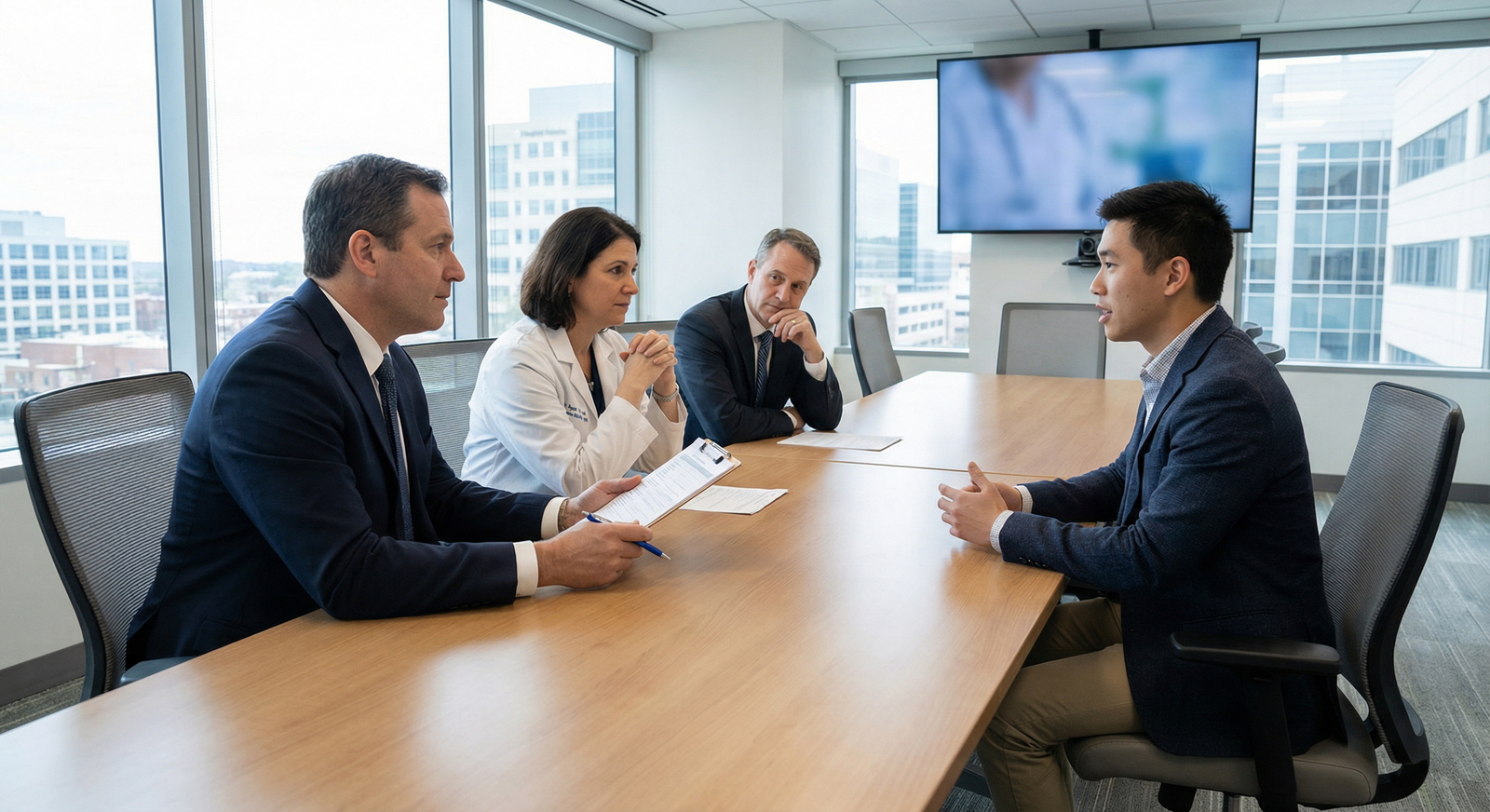
Set Up Structured Mock Interviews
Use a variety of practice formats:
Formal mock interviews with:
- Your medical school’s career office
- Anesthesiology faculty or advisors
- Residents (especially recent anesthesia match alumni)
Peer mock interviews with classmates or friends:
- Alternate as interviewer and applicant
- Use a list of common interview questions residency programs ask
Self-recorded practice:
- Video yourself answering 5–10 key questions
- Review body language, clarity, and filler words
Ask for specific feedback on:
- Clarity and organization of answers
- Overusing “um,” “like,” or speaking too fast
- Eye contact and engagement (for virtual, look at camera periodically)
- Professionalism balanced with warmth and authenticity
Sharpening Your Introductions and Closers
Two parts of the interview are especially important to rehearse:
“Tell me about yourself”
Prepare a 60–90 second introduction that:- Summarizes your background (where you grew up, school)
- Highlights a few defining experiences or strengths
- Bridges to your interest in anesthesiology
Closing remarks / “Anything else you want us to know?”
Use this to:- Reaffirm your interest in anesthesiology and the program
- Highlight a key strength or theme you haven’t mentioned
- Briefly recap why you’d be a good fit
This is your opportunity to leave a lasting, organized impression.
Step 5: Logistics, Technology, and Professional Presentation
Pre-interview preparation also includes all the practical details that shape how you appear—literally and figuratively—to programs. Avoid losing points over elements you can fully control.
If Your Interview Is Virtual
Technology Setup
- Stable, high-speed internet
- Test video platform (Zoom, Thalamus, Interview Broker, Microsoft Teams, or program’s platform)
- Update software ahead of time
- Use headphones or a quality microphone if available
- Test audio and video with a friend the day before
Environment
- Quiet, well-lit room
- Neutral, uncluttered background
- Camera at eye level
- Avoid backlighting from windows behind you
Professional Appearance
- Business formal attire (suit or equivalent)
- Solid neutral colors photograph best
- Minimize distractions (no loud patterns, flashy jewelry)
On-Screen Etiquette
- Log in 10–15 minutes early
- Mute notifications on devices
- Close unrelated browser tabs
- Keep a printed or local copy of your CV and notes nearby (but don’t read from them)
If In-Person Interviews Resume
- Review directions, parking, and building entry instructions
- Arrive 10–15 minutes early
- Bring:
- Copies of your CV
- A notepad and pen
- A professional folder or portfolio
- Wear comfortable, polished shoes—hospital tours can be long
- Practice a professional handshake, eye contact, and posture
Managing the Interview Day Schedule
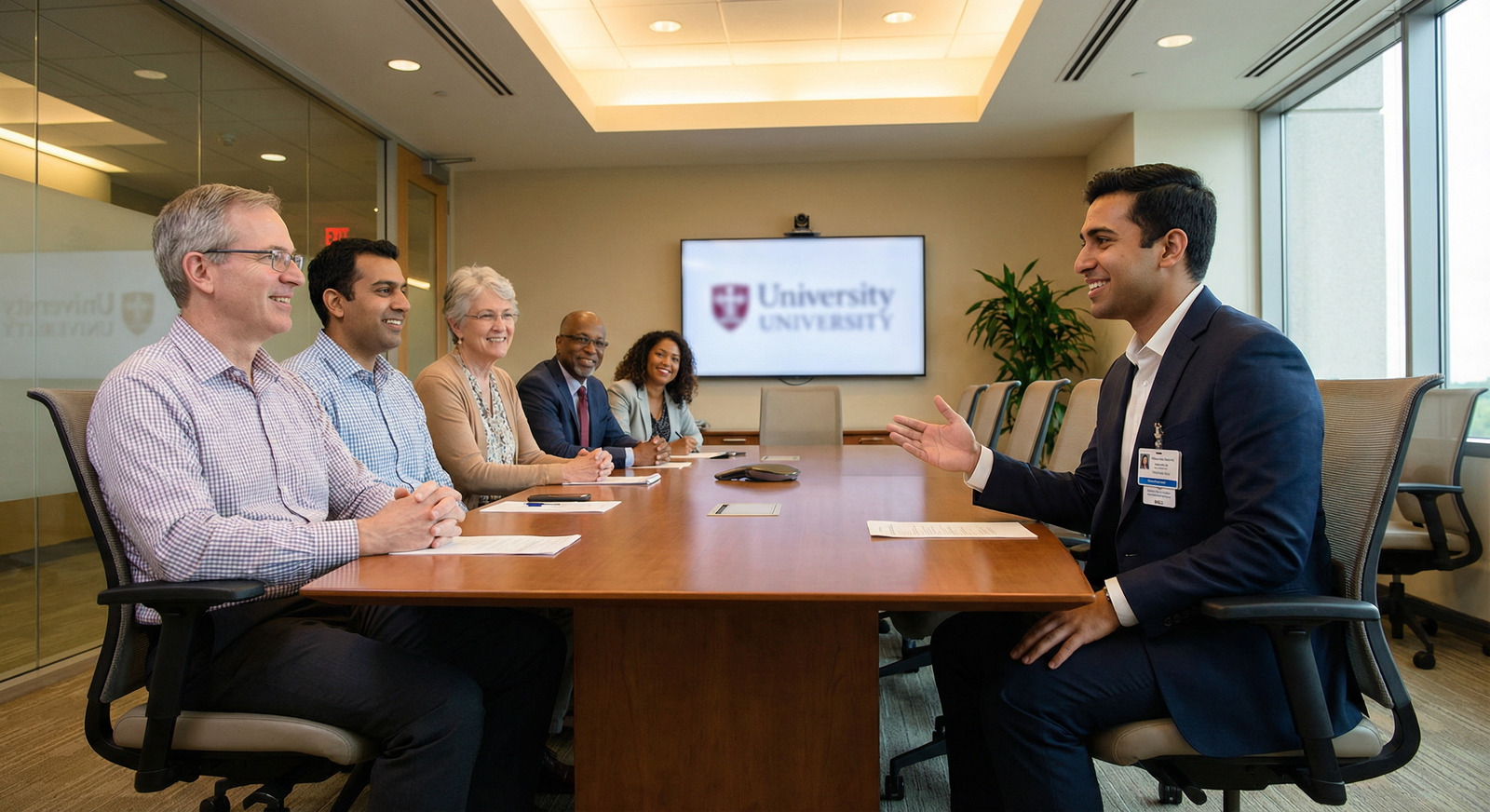
Most anesthesiology residency interviews (virtual or in-person) include:
- Program overview from the PD or chair
- Interviews with faculty, PD/APD, and/or residents
- A resident-only Q&A
- Virtual or live tour of ORs and facilities
Pre-prepare:
- A few resident-directed questions (e.g., “What surprised you about this program once you started training?”)
- Faculty/PD-directed questions (e.g., “How do you see the program evolving in the next 3–5 years?”)
Have water nearby and a simple snack if virtual. Keep notes brief and focus on being present.
Step 6: Tailored Questions and Professional Follow-Up
Interviewers consistently comment on how much candidate questions reveal about their preparation and seriousness about the program. Coming with generic questions is a missed opportunity.
Asking High-Quality, Program-Specific Questions
Use your pre-interview research to fuel deeper questions such as:
- “I noticed your residents rotate through multiple hospitals with different patient populations. How do you ensure consistent anesthesia training across those sites?”
- “I saw that your department is active in regional anesthesia and acute pain. How early do residents get hands-on experience with nerve blocks and ultrasound?”
- “Could you tell me more about how residents are supported when they take on increasing responsibility for complex cases, like hearts or transplants?”
Avoid questions that are easily answered on the website or in your interview packet (e.g., “How many residents do you have?”) unless you’re seeking more nuance.
Sending Thoughtful Thank-You Notes
Post-interview etiquette remains important in anesthesiology. Within 24–48 hours:
- Send concise, professional thank-you emails to:
- Program director
- Interviewers (if individual email addresses are provided or appropriate)
- Include:
- A specific reference to something you discussed
- Reaffirmation of your interest in anesthesiology and the program
- One sentence highlighting how your goals align
Example:
“Thank you for taking the time to speak with me about your residents’ involvement in the perioperative medicine clinic. Our conversation reinforced how much I value programs that integrate anesthesiologists into preoperative optimization, which is an area I hope to continue exploring. I would be honored to train in a department that emphasizes both clinical excellence and multidisciplinary collaboration.”
Keep it genuine and brief. Avoid language implying ranking commitments, in line with NRMP rules.
Putting It All Together: A Sample Pre-Interview Preparation Timeline
Here is a structured plan for how to prepare for interviews over several weeks:
3–4 Weeks Before Interviews Begin
- Re-read your entire application
- Draft your “Why anesthesiology?” and “Tell me about yourself” answers
- Start program research and create your spreadsheet
- Schedule mock interviews with mentors or your career office
1–2 Weeks Before a Specific Interview
- Deep-dive research into that program
- Prepare 3 reasons you’re interested and 2–3 tailored questions
- Review your CV and personal statement with that program in mind
- Confirm logistics (time zones, links, platform, dress code)
2–3 Days Before
- Rehearse answers to common interview questions residency programs ask, focusing on:
- Behavioral examples
- Anesthesiology-specific scenarios
- Do a brief technology run-through (for virtual)
- Gather any materials you’ll keep next to you during the interview
Day Before / Day Of
- Sleep adequately; hydrate and eat normally
- Choose professional, comfortable attire
- Minimize other commitments
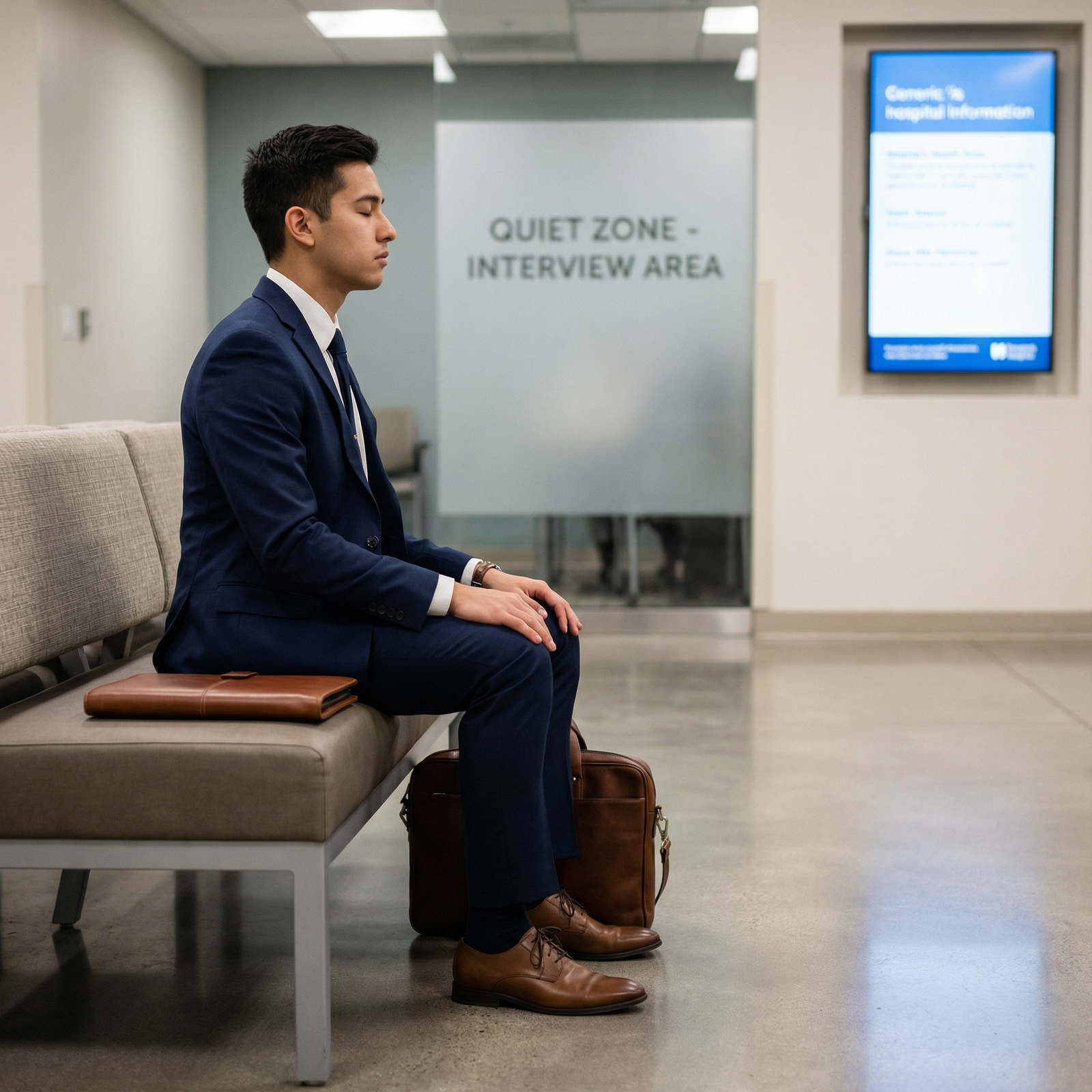
- Take 5–10 minutes before signing on to center yourself and review your key talking points
With this level of pre-interview preparation, you’ll approach each anesthesiology residency interview able to focus less on anxiety and more on connecting with the people and programs in front of you.
Frequently Asked Questions (FAQ)
1. How many mock interviews should I do for anesthesiology residency?
Aim for at least 2–3 formal mock interviews with advisors, faculty, or your career office, plus several informal sessions with peers or friends. The goal is to feel comfortable answering common questions without sounding scripted, and to receive feedback on your communication style. Increase the number if you know interviews make you especially nervous or if English is not your first language and you want more practice with fluency and pacing.
2. Are anesthesiology interviews more focused on clinical questions or behavioral questions?
Most anesthesiology residency interviews lean more toward behavioral and motivational questions than detailed clinical grilling, especially during the core interview. That said, you should be prepared to talk through clinical situations at a level appropriate for a senior medical student: describing your approach to an unstable patient, your role in a code, or how you’d handle patient anxiety or pain control issues. Programs want to see how you think, communicate, and function under stress rather than test minutiae.
3. How important is program-specific research for the anesthesia match?
Program-specific research is very important. When you show a clear understanding of a program’s case mix, training structure, and culture, you signal genuine interest and maturity. This doesn’t mean you need an elaborate speech for every program, but you should be able to provide concrete reasons why you are applying there and ask thoughtful questions that reflect prior research. Generic answers can make you blend into the crowd, even with a strong application.
4. What if I get a question I haven’t prepared for?
It’s normal to encounter at least a few unexpected questions. When that happens:
- Pause briefly and think (it’s okay to take a breath).
- Clarify the question if needed (“Just to make sure I understand…”).
- Use a structured approach (STAR for behavioral, stepwise reasoning for clinical).
- Be honest if you don’t know a specific fact, but show how you would find the answer or approach the problem.
Interviewers are evaluating your thought process, honesty, and composure as much as your specific content. Calmly working through a novel question can actually leave a very positive impression.
Pre-interview preparation in anesthesiology is about more than memorizing answers—it's about understanding yourself, the specialty, and the programs you’re meeting. With thoughtful preparation, your interviews become an opportunity to demonstrate that you’re not just ready to match into anesthesiology—you’re ready to thrive in it.