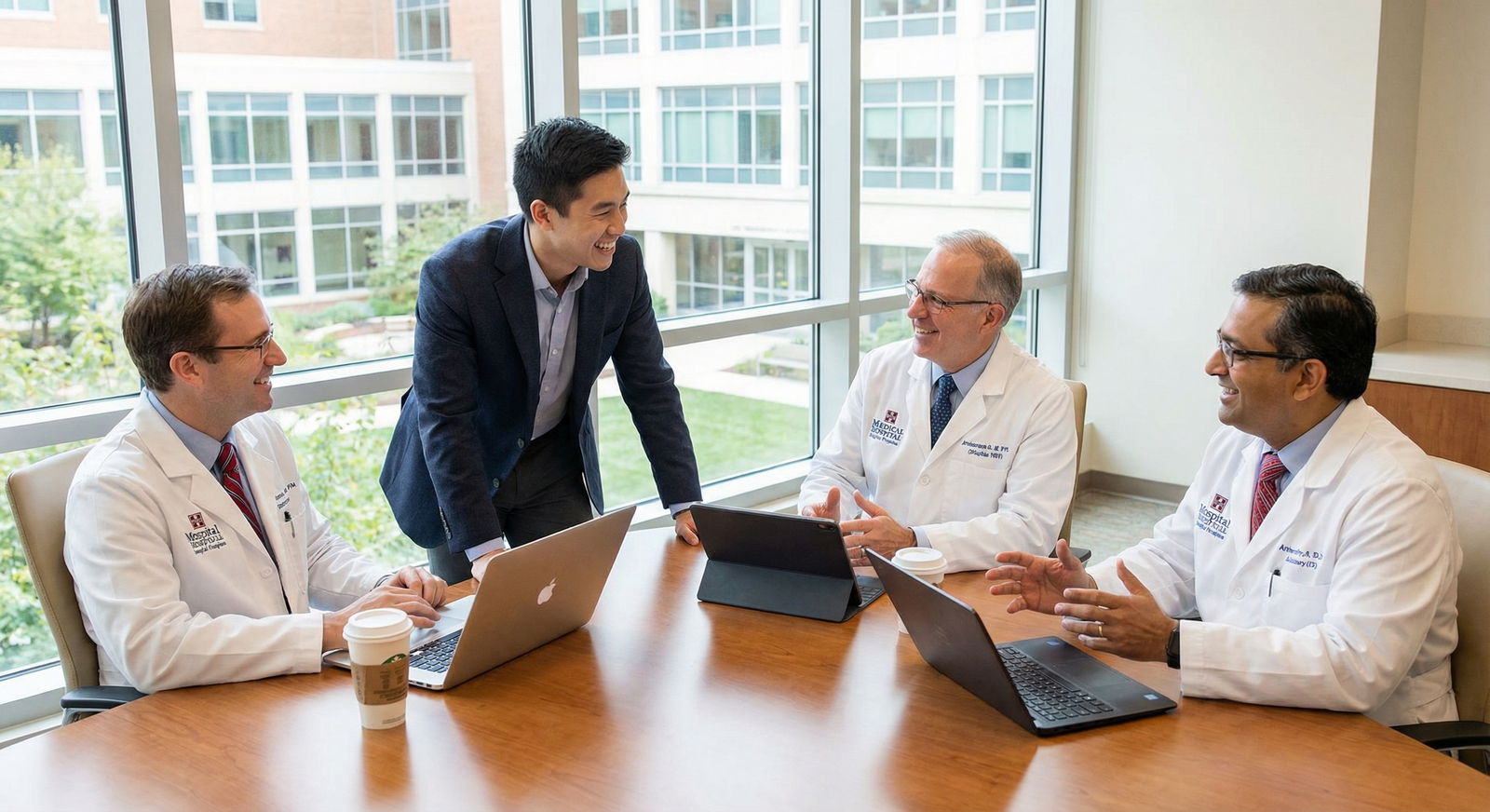
How to Build Rapport with Interviewers During Your Residency Interview
Residency Interviews are not only an assessment of your clinical knowledge and CV; they are a live demonstration of your Interpersonal Skills, professionalism, and ability to connect with patients, colleagues, and supervisors. Programs know they are choosing future teammates, not just test-takers—which is why Building Rapport with interviewers can significantly influence how you are perceived and remembered.
Effective Interview Preparation goes beyond memorizing common questions. It includes learning how to create genuine, respectful, and comfortable interactions that highlight who you are as a colleague and physician. Strong rapport can make your conversation feel more like a collegial discussion than an interrogation, helping you present your best self and supporting your long-term Career Development.
This guide walks through practical strategies—before, during, and after the interview—to help you build authentic, professional rapport with interviewers and stand out for the right reasons.
Understanding Rapport in the Context of Residency Interviews
What “Rapport” Really Means
Rapport is a sense of mutual understanding, trust, and ease between people. In residency interviews, rapport looks like:
- A conversational tone rather than rigid Q&A
- Comfortable, reciprocal dialogue
- Genuine curiosity on both sides
- Interviewers leaning in, smiling, or expanding on their own answers
- You feeling safe to be authentic and thoughtful
You are not trying to “charm” people superficially. Instead, you’re demonstrating that you can build respectful, professional relationships—exactly the type of Interpersonal Skill programs seek in residents who will interact daily with patients, nurses, faculty, and peers.
Why Rapport Matters in Residency Interviews
Strong rapport can transform your interview experience and outcome:
Builds Trust and Psychological Safety
When interviewers feel they can trust you, they’re more likely to explore deeper questions about your motivations, insight, and values. You’ll also feel more comfortable responding honestly, rather than giving rehearsed “perfect” answers.Improves Communication Quality
When the interaction is warm and collegial, you’ll articulate your story more clearly, think more flexibly, and respond more confidently. This lets your true strengths come through.Helps You Stand Out
Many applicants have excellent scores and CVs. What interviewers remember is how it felt to talk with you. Being the applicant with whom they felt a real, positive connection can influence ranking decisions.Reflects Real-World Clinical Skills
Rapport-building in interviews parallels rapport-building with patients. Programs infer that if you can connect well with them under pressure, you’re likely to build trust quickly on the wards and in the clinic.Supports Long-Term Career Development
Each interview is also a networking opportunity. Faculty you impress today may be your future mentors, letter writers, or collaborators. Strong rapport is the foundation of those future relationships.
Laying the Groundwork: Preparing to Build Rapport
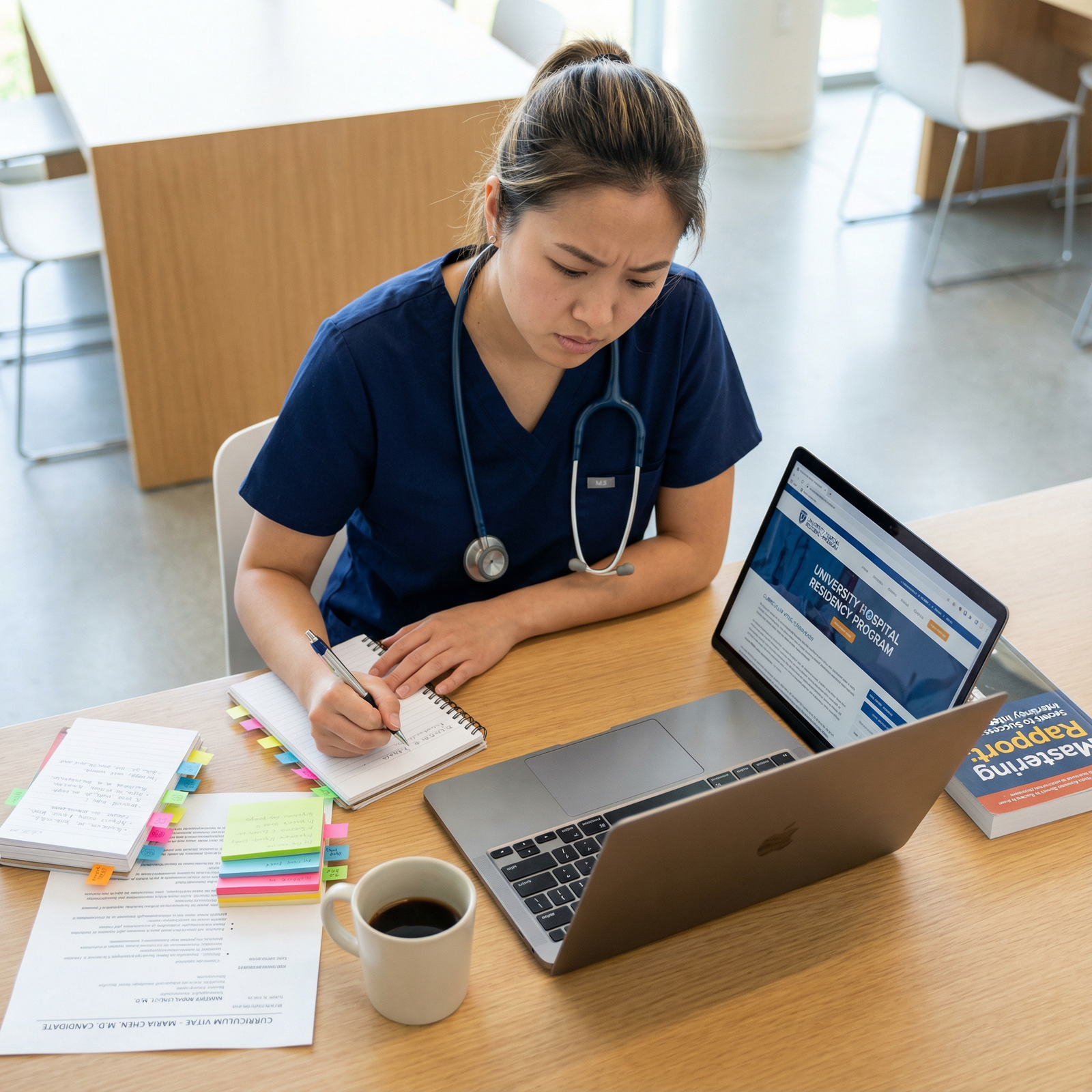
Effective Interview Preparation for rapport involves more than practicing answers. It includes understanding your audience, refining your listening skills, and clarifying your own story so you can share it naturally and confidently.
1. Research the Program and Interviewers Strategically
Doing your homework allows you to build rapport by showing respect, genuine interest, and insight.
Understand the Program’s Identity
Start with the program’s website and any informational webinars or open houses:
Mission and Values
Review the mission statement and core values. Does the program emphasize patient-centered care, underserved populations, innovation, research, wellness, diversity, or teaching?
Think about how your experiences and goals align with those themes.Curriculum and Structure
Know key features: rotation sites, call structure, continuity clinics, special tracks (e.g., global health, medical education). Use these details in conversation to show you’ve done your homework.Recent Changes or Initiatives
Look for new programs, expansions, or wellness initiatives. Mentioning something current (“I saw that you recently expanded your addiction medicine track…”) signals genuine and up-to-date interest.
Learn About Your Interviewers (When Possible)
If programs share interviewer names or you can infer them from schedules:
Faculty Profiles
Check hospital or department websites. Note:- Clinical specialty and interests
- Research focus and recent publications
- Leadership roles (Program Director, APD, Clerkship Director, etc.)
Find Natural Points of Connection
You’re not trying to impress them with flattery; you’re looking for authentic overlap:- Shared clinical interests (e.g., palliative care, ultrasound, global health)
- Similar training paths or geographic background
- Involvement in education, QI, advocacy, or community work
Example you might use authentically:
“Dr. Patel, I read your recent paper on telemedicine in rural communities. It resonated with my experience doing a telehealth elective in a frontier clinic, where we saw similar barriers with broadband access and digital literacy.”
This shows:
- You took the time to learn about them
- You share an interest in a specific area
- You can engage at a thoughtful, professional level
2. Practice Active Listening—Before You Ever Enter the Room
Rapport is built at least as much by how well you listen as by how well you speak.
What Active Listening Looks Like in an Interview
Full Attention
Minimize internal “script reading” while they’re talking. Focus on their words, tone, and non-verbal cues.Reflective Statements
Briefly paraphrase what they’ve shared:“It sounds like resident autonomy on night float is something the program really values.”
Clarifying Questions
If you’re unsure, ask:“When you mentioned changes to the curriculum, could you share an example of how that looks day-to-day for interns?”
This keeps the conversation dynamic, shows respect for their perspective, and creates a natural foundation for Building Rapport.
How to Practice Active Listening
- Role-play interviews with peers, mentors, or advisors.
- Record mock sessions and check:
- Did you interrupt?
- Did you actually answer the question asked?
- Did you build on what the other person said, or just pivot back to yourself?
Improving your listening now makes the real interaction much smoother.
3. Develop a Clear, Authentic Personal Narrative
Rapport grows when interviewers feel they’re getting to know a real person, not a list of achievements.
Clarify Your Core Story
Reflect on:
- Why you chose medicine—and this specialty in particular
- Key turning points (e.g., a patient, mentor, challenge, or failure)
- What kind of resident and colleague you hope to be
- Long-term Career Development goals (academic vs. community, subspecialty interests, leadership, etc.)
Organize this into a flexible narrative, not a memorized speech. You want to be able to answer:
- “Tell me about yourself.”
- “Why this specialty?”
- “Where do you see yourself in 5–10 years?”
in a way that feels both polished and genuine.
Use Storytelling to Humanize Your Application
Well-chosen, concise anecdotes can illustrate your values and Interpersonal Skills more powerfully than generic statements.
Example:
“During my third year, I cared for a patient who didn’t speak English and was visibly anxious. I spent extra time with her and used a phone interpreter to ensure she understood the plan. At the end of her stay, she told me it was the first time she felt truly listened to in a hospital. That experience solidified for me how communication can change the patient experience, and it’s a big reason I’m passionate about internal medicine.”
Stories like this:
- Make you memorable
- Demonstrate empathy and communication skills
- Provide natural openings for follow-up questions, deepening rapport
Building Rapport During the Residency Interview Itself
Once the interview begins—whether in person or virtual—your goal is to show up as a competent, thoughtful future colleague. Small, intentional choices in how you communicate can have a large impact on rapport.
1. Mastering First Impressions: Set the Tone Early
First impressions form quickly and can color the entire encounter.
Professional yet Approachable Appearance
- Dress: Standard professional attire (suit or equivalent) that fits well and is comfortable.
- Grooming: Neat, low-distraction hairstyle and accessories.
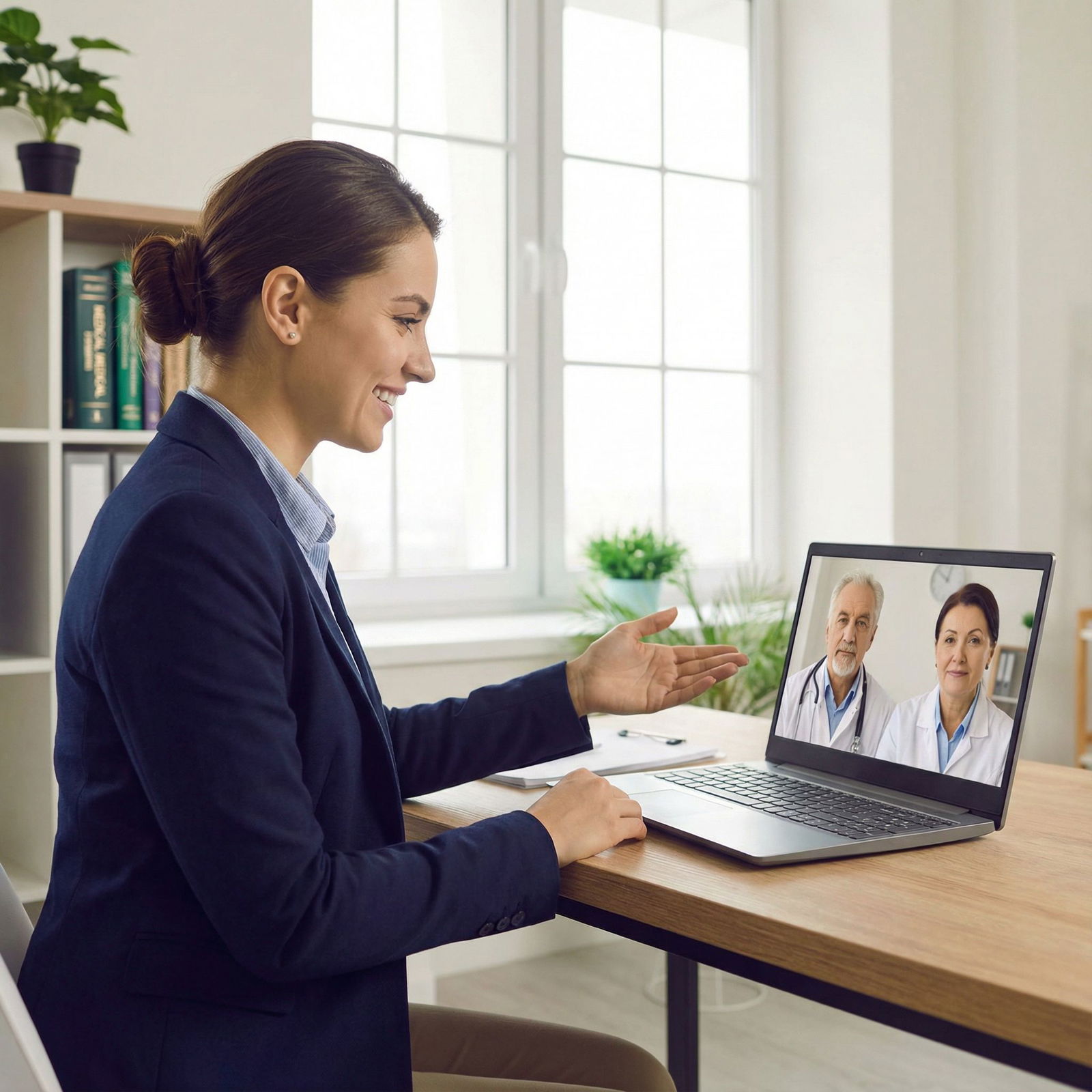
- Virtual Interviews: Neutral background, good lighting, camera at eye level, test your tech beforehand.
The goal is to convey professionalism so that your appearance supports the conversation rather than distracting from it.
Warm, Confident Opening
Offer a genuine smile.
Use a clear, steady greeting:
“Good morning, Dr. Lee. Thank you for taking the time to meet with me today.”
If appropriate, briefly express enthusiasm:
“I’ve really been looking forward to learning more about how your program supports resident autonomy.”
These small choices quickly signal respect, focus, and positive energy.
2. Use Body Language and Vocal Cues to Support Connection
Non-verbal communication often carries more weight than words.
Key Non-Verbal Strategies
Eye Contact
Maintain consistent but natural eye contact. In virtual interviews, look at the camera when you’re speaking and occasionally glance at the screen to read expressions.Open Posture
Sit upright with relaxed shoulders, hands visible (not hiding under the table), and avoid crossing your arms tightly.Subtle Mirroring
Gently mirror the interviewer’s pace, volume, and energy. If they’re very calm and measured, match that. If they’re more animated, you can increase your expressiveness slightly. Keep it subtle and natural.Responsive Cues
Nod occasionally, smile appropriately, and lean in slightly when they speak to show engagement.
Vocal Tone and Pace
- Speak clearly and at a moderate pace.
- Vary your tone to avoid sounding monotone or over-rehearsed.
- Pause briefly before answering complex questions—this shows thoughtfulness rather than hesitation.
3. Turn Q&A into a True Conversation
Even with structured Residency Interviews, you can cultivate a conversational flow.
Answer the Question, Then Build a Bridge
Structure your responses:
- Directly answer the question.
- Provide a brief example or reflection.
- Link back to the program, specialty, or your goals.
Example:
“My biggest growth area has been time management. Early in third year, I struggled to juggle pre-rounding with documentation. I sought out advice from a senior resident who showed me how to prioritize tasks, and I now use a structured checklist system. I’m still refining it, but I’ve noticed I’m much more efficient and less stressed on busy days. I’m particularly drawn to programs like yours that emphasize early intern support and feedback, because I know that’s where I continue to improve.”
This kind of answer naturally invites follow-up and shows self-awareness and growth.
Ask Thoughtful, Open-Ended Questions
Questions are one of your best tools for Building Rapport:
- “What do you most enjoy about working with residents in this program?”
- “How would you describe the program’s culture on a challenging call night?”
- “What changes have you seen in the program in the last few years, and where do you see it going?”
Good questions:
- Show you’re genuinely evaluating fit
- Allow interviewers to talk about what matters to them
- Help the interview feel like a dialogue between colleagues
4. Convey Genuine Enthusiasm and Alignment
Programs want residents who want to be there.
Show Enthusiasm Without Overdoing It
Be specific rather than generic:
Instead of:
“I really love your program.”
Try:
“I’m especially excited about your global health track and the longitudinal continuity clinic experience. Those align really well with my interests in caring for underserved populations and building long-term patient relationships.”
This demonstrates that your excitement is grounded in reality and self-knowledge.
Highlight Shared Values and Experiences
When you identify common ground, acknowledge it naturally:
- “I noticed you also did a chief year; I’m interested in medical education as well and could see myself pursuing a similar path.”
- “You mentioned the program’s focus on resident wellness. That’s important to me too, as I’ve been involved in my school’s wellness committee.”
Shared values are one of the most powerful foundations for rapport.
5. Navigate Difficult or Unexpected Moments with Poise
How you handle small bumps in the conversation can actually strengthen rapport.
If You Don’t Know an Answer
“I don’t have direct experience with that yet, but I imagine I would approach it by first…, and I’d seek guidance from…”
If You Misunderstand a Question
“I want to be sure I’m answering your question. When you ask about leadership, do you mean formal roles or times I’ve taken initiative informally?”
If There’s an Awkward Silence
It’s okay. Take a breath, smile, and continue.“I’m just pausing to gather my thoughts. One example that comes to mind is…”
Staying calm and honest during small challenges can increase respect and trust.
Strengthening the Connection After the Interview
Rapport-building doesn’t end when the conversation does. How you follow up can reinforce positive impressions and keep you memorable in a busy match season.
1. Send Thoughtful, Individualized Thank-You Messages
Within 24–48 hours, send a brief, sincere email to each interviewer if allowed by the program’s policy.
What to Include
Specific reference to your conversation
“I appreciated hearing your perspective on how residents gradually gain autonomy in the ICU.”
Reinforcement of fit and enthusiasm
“Our conversation further confirmed how well this program aligns with my goals in critical care and teaching.”
Professional closing
“Thank you again for your time and consideration. I hope to have the opportunity to train with your team.”
Avoid generic, copy-paste notes—interviewers can tell.
2. Reflect on What You Learned and How You Felt
After each interview day:
- Jot down:
- Who you met and key details from each conversation
- What you liked about the program
- Any concerns or lingering questions
- How you felt about the culture and residents
This reflection not only helps with rank list decisions, but also can inform future interviews and ongoing Career Development conversations.
3. Maintain Professional Boundaries
Rapport does not mean overfamiliarity or persistent contact:
- Respect program guidelines about post-interview communication.
- Avoid repeated emails or attempts to connect on personal social media.
- LinkedIn or professional networking after the match is more appropriate, unless explicitly invited earlier.
Your goal is to leave a strong, professional impression—not to create pressure or discomfort.
Frequently Asked Questions About Building Rapport in Residency Interviews
1. What are some effective questions to ask during a residency interview to build rapport?
Choose open-ended, program-specific questions that invite reflection:
- “What qualities do your most successful residents tend to share?”
- “How would you describe the culture among residents inside and outside the hospital?”
- “What recent program changes are you most excited about?”
- “How does the program support resident well-being and prevent burnout?”
- “What opportunities exist for residents interested in teaching or medical education?”
These questions show curiosity, maturity, and genuine interest in fit—all of which strengthen rapport.
2. How can I research my interviewers effectively without seeming intrusive?
Use only public, professional sources:
- Program website faculty profiles
- Academic institution pages (department biographies)
- PubMed or Google Scholar for recent publications
- Professional society pages if they hold leadership positions
In the interview, reference your research briefly and professionally:
“I saw on your faculty profile that you’re involved in point-of-care ultrasound education; that’s an area I’m eager to develop further.”
Avoid commenting on personal social media or private information. Keep it professional and relevant to your Interview Preparation and shared interests.
3. What if I’m naturally introverted or get very nervous—can I still build strong rapport?
Yes. Rapport is not about being extroverted; it’s about authenticity, respect, and presence.
Strategies that help:
- Practice mock interviews to reduce anxiety and increase familiarity.
- Prepare 2–3 personal stories and a few questions you feel comfortable asking.
- Use slow, steady breathing before and during the interview to calm your physiology.
- Give yourself permission to pause briefly before answering.
Many interviewers appreciate calm, thoughtful applicants. Your quiet presence can still convey warmth and professionalism.
4. How can I remain calm during the interview and not let anxiety hurt my rapport?
- Prepare, but don’t over-script. Over-rehearsed answers can sound robotic.
- Use grounding techniques. Before you enter, take 3–5 slow breaths and feel your feet on the floor.
- Reframe the interaction. View it as a two-way conversation between future colleagues, not an interrogation.
- Focus on the interviewer. Shifting attention to truly listening can reduce self-consciousness.
If you feel flustered:
“I’m sorry, I’m feeling a bit nervous because I’m very excited about this program. Let me take a moment to think.”
Stating this calmly and then collecting yourself can actually increase rapport by showing self-awareness and composure.
5. Why is a thank-you note important, and can it really influence my chances?
Thank-you notes serve several purposes:
- Reinforce your appreciation for their time
- Remind interviewers of specific positive interactions
- Emphasize your continued interest and fit
- Demonstrate professionalism and attention to detail
While a thank-you note alone won’t overcome a poor interview, it can tip the scale when many candidates are similarly strong, and it supports the overall impression that you are thoughtful, courteous, and genuinely interested.
Building rapport during Residency Interviews is not about performance or manipulation. It’s about showing up as the kind of physician you hope to be: attentive, empathetic, collegial, and genuinely engaged. With intentional Interview Preparation, clear personal narrative, strong Active Listening, and thoughtful follow-up, you can create interactions that feel meaningful on both sides—and that may make a decisive difference in your Residency Match and long-term Career Development.