Cardiothoracic surgery is among the most competitive and demanding surgical specialties. By the time you’re invited for a cardiothoracic surgery residency interview or integrated I-6 program visit, programs already know you are academically strong and technically promising. What distinguishes successful applicants is how well they prepare before interview day—how clearly they articulate their journey, how deeply they understand the specialty, and how effectively they communicate fit with each program.
This guide focuses specifically on pre-interview preparation for cardiothoracic surgery residency applicants, including both traditional fellowship pathways (after general surgery) and integrated programs. It will walk you through a structured, step-by-step approach so you know exactly how to prepare for interviews, what to research, how to refine your story, and how to practice for the most common interview questions residency programs ask.
Understanding the Cardiothoracic Surgery Interview Landscape
Before you start preparing, you need to understand what cardiothoracic surgery programs are actually assessing during interviews—beyond test scores and CV lines.
What Programs Look for in Cardiothoracic Applicants
Programs use the interview to evaluate:
Motivation and commitment to cardiothoracic surgery
- Do you understand what heart surgery training involves in terms of time, risk, emotional load, and lifestyle?
- Can you explain why CT surgery—not just “surgery” or “cardiology”—fits you?
Clinical judgment and maturity
- Can you think through complex, high-stakes scenarios?
- Do you recognize the limits of your knowledge and know when to ask for help?
Technical aptitude and trainability
- Have you demonstrated technical growth in heart surgery training or related rotations (cardiac, thoracic, vascular, trauma, ICU)?
- Are you reflective and coachable?
Teamwork and communication
- CT surgery is a team sport: surgeons, anesthesiologists, perfusionists, intensivists, nurses, and cardiologists work tightly together.
- Programs want residents who build trust under stress, not those who fuel tension in the OR or ICU.
Resilience and emotional intelligence
- Can you handle complications, loss, high-risk decisions, and long hours without burning out or disengaging?
- How do you process difficult events and learn from them?
Alignment with program strengths and culture
- Do your interests (e.g., transplant, aortic surgery, thoracic oncology, structural heart, ECMO) match the program’s case mix and faculty expertise?
- Will you thrive—and stay—throughout the full length of training?
Understanding these priorities will guide your pre-interview preparation and help you emphasize what matters most.
Researching Programs: Going Deeper Than the Website
Your pre-interview research should move beyond superficial facts (“large academic center with transplant program”) to specific, meaningful details you can use in conversation and in your own decision making.
Step 1: Know the Program Structure
For each cardiothoracic surgery residency or fellowship on your list, create a one-page summary including:
Program type
- Integrated I-6 CT surgery residency
- 4+3, 3+3, or 5+2 models
- Traditional fellowship after general surgery (often 2–3 years)
Clinical tracks and emphases
- Adult cardiac, congenital, thoracic, combined tracks
- Major strengths: transplant/VAD, aortic center of excellence, minimally invasive/robotic, lung and esophageal cancer, ECMO, structural heart
Rotation structure
- How early and how often you get into the cardiac OR
- Time in cardiology, cath lab, TEE, critical care
- Time at affiliated VA or community hospitals
Case volume and complexity
- Total annual CT case volume (if available)
- Types of cases: CABG, valves, aortic disease, transplant/VAD, lung resections, esophagectomy, BDC, etc.
This detailed understanding allows you to give substantive answers when asked, “What attracts you to our program?” and to ask informed questions.
Step 2: Research Faculty and Their Interests
You should know the key cardiothoracic surgery faculty before each interview:
Program Director and Section Chief
- Read their bios, training background, and main clinical interests.
- Look for clues: Do they emphasize education, innovation, or high-volume operative experience?
Faculty whose work intersects with your interests
- For example:
- If you’ve done research in ECMO, identify the surgeons leading the ECMO/VAD program.
- If you’re passionate about thoracic oncology, note the thoracic surgeons’ clinical and research focus.
- Skim a few of their recent papers:
- Titles
- Main topics
- Clinical vs basic science vs outcomes research
- For example:
Residents and fellows
- Check if the website lists current trainees and their backgrounds.
- Read any “resident spotlight” or “day in the life” features.
You won’t recite CVs, but this preparation lets you make genuine, specific comments:
- “I was excited to see your dedicated aortic program and recent outcomes paper on complex arch repair.”
- “I noticed you have a strong presence in lung cancer trials; that aligns closely with my research interests.”
Step 3: Understand the Program’s Culture and Outcomes
Look for signals about:
Education philosophy
- Protected didactic time?
- Boot camps, simulation labs, wet labs?
- Formal mentorship or 1:1 coaching?
Graduates’ outcomes
- Where do they go next?
- Academic vs private practice
- Advanced fellowships: transplant, aortic, structural, thoracic oncology
- Case logs and operative autonomy by graduation (if reported)
- Where do they go next?
Reputation and niche
- High-risk cardiac referral center?
- Leading lung transplant or esophageal center?
- Regional ECMO center?
This deeper understanding makes your questions more sophisticated and shows you are thinking like a future CT surgeon planning your career.

Crafting Your Story: Why Cardiothoracic, Why You, Why This Program
In a competitive field, your narrative—how you connect your experiences, values, and goals—matters as much as your metrics. Pre-interview preparation should include deliberate refinement of this story.
Step 1: Define Your Core Narrative
Answer these three questions explicitly in writing before interview season:
Why cardiothoracic surgery?
- Focus on:
- First meaningful exposure (not just “I liked anatomy”).
- A specific patient, operation, mentor, or rotation.
- What you saw in CT surgery that uniquely resonated:
- High-stakes decision making
- Technical precision
- Longitudinal patient relationships in transplant or congenital
- Integration of physiology, imaging, and technology
Example:
- “During my cardiac ICU rotation, I followed a young patient through ECMO, VAD placement, and eventual transplant. Watching the CT team navigate complex physiology and critical decisions while building trust with the family crystallized for me that I wanted a field where technical skill directly changes life trajectories in extreme situations.”
- Focus on:
Why you are a strong fit for heart surgery training
- Highlight:
- Work ethic and resilience in demanding rotations (ICU, trauma, CT, vascular).
- Evidence of technical growth and deliberate practice.
- Comfort with responsibility and acute care.
- Capacity to handle stress and communicate under pressure.
- Highlight:
Where you see yourself in 10–15 years
- Aspiring academic surgeon? Transplant or aortic specialist? Thoracic oncologist? Structural heart leader?
- It’s fine if your plan is evolving; communicate a direction, not a rigid script.
Example:
- “I’m most drawn to adult cardiac and aortic surgery in an academic center where I can combine high-volume operative work with outcomes research on complex aortic disease.”
Step 2: Prepare a Tight, Authentic “Tell Me About Yourself”
Almost every residency interview, including cardiothoracic, starts with some variation of this question. Pre-interview preparation should include a concise, 1–2 minute response that:
- Follows a logical structure:
- Brief background (where you grew up, where you trained)
- Key steps that led you toward surgery and then CT surgery
- A unifying theme: curiosity, resilience, leadership, or innovation
- Avoids a chronological reading of your CV
- Concludes with where you are now and what you’re seeking in a program
Example structure:
“I grew up in [X], completed medical school at [Y], and early on I found myself drawn to acute care settings—initially through trauma and then ICU. During my second year, a rotation in cardiothoracic surgery exposed me to [specific experience], which… [connect to motivation and skills]. Since then, I’ve focused my training and research on [brief specifics]. Now I’m looking for a cardiothoracic surgery residency that will challenge me technically, immerse me in high-acuity cardiac and thoracic care, and provide strong mentorship for an academic career in [interest area].”
Practice aloud until it feels natural.
Step 3: Anticipate and Prepare for Common Interview Questions
Most interview questions residency committees ask in cardiothoracic surgery interviews fall into predictable categories. Draft bullet-point answers for each:
Motivation and fit
- “Why cardiothoracic surgery?”
- “Why an integrated I-6 vs traditional pathway?” (or vice versa)
- “Why our program specifically?”
Technical and clinical experiences
- “Tell me about a challenging case you were involved in.”
- “Describe a time you had a complication or unexpected outcome and how you handled it.”
- “What is the most technically demanding thing you’ve done in the OR so far?”
Interpersonal and professionalism
- “Tell me about a conflict in the team and how you addressed it.”
- “Describe a time you received critical feedback.”
- “How do you handle stress and long hours?”
Ethics and judgment
- “Tell me about a time you advocated for a patient.”
- “How would you approach a disagreement between surgery and another service?”
Self-awareness
- “What are your biggest strengths and weaknesses?”
- “What worries you most about cardiothoracic training?”
Write structured, honest responses rather than memorized scripts. Use the STAR format (Situation, Task, Action, Result) to keep your answers clear and concise.
Strategic Practice: Mock Interviews, Technical Questions, and Behavioral Scenarios
Once you’ve built your narrative and anticipated core questions, deliberate practice turns preparation into performance.
Step 1: Conduct Structured Mock Interviews
Use at least 2–3 mock interviews with different audiences:
- Faculty mentors (ideally in surgery or cardiothoracic)
- Focus on content, judgment, and how you present as a colleague-in-training.
- Peers or recent graduates who matched in surgical fields
- Focus on flow, clarity, and filler words (“uh,” “like”).
- Career office / professional interview coaches (if available)
- Focus on body language, virtual interview etiquette, and timing.
Ask for specific feedback:
- Did my answers clearly convey motivation and maturity?
- Was my explanation of research understandable to a non-expert?
- Did any answers feel defensive, wordy, or rehearsed?
Record at least one mock (video if virtual, audio if in-person) and review it: posture, eye contact, pace, nervous habits.
Step 2: Prepare for Specialty-Relevant Clinical and Technical Questions
Cardiothoracic surgery interviews may include exploratory clinical questions—not formal oral boards, but basic probes of your understanding and thought process:
Examples:
- “You’re called to see a postoperative CABG patient with hypotension—what’s your initial approach?”
- “How do you think about preoperative risk stratification for major thoracic surgery?”
- “What intraoperative or postoperative complications worry you most after esophagectomy?”
Pre-interview preparation should include:
- Reviewing core cardiac and thoracic surgery principles at the level of:
- Common pathologies (CAD, valve disease, aortic aneurysm/dissection, lung cancer)
- Basic preop assessment (pulmonary function, echo/cath findings, risk scores)
- Initial management of common postop issues (bleeding, low cardiac output, arrhythmias, pulmonary complications)
Programs are not expecting board-certified answers from students or early residents; they want to see:
- Logical reasoning
- Awareness of safety and escalation
- Willingness to say, “I’m not sure, but I would start by…”
Step 3: Behavioral and Stress Interview Practice
CT surgery is high-pressure; interviewers may test how you respond under mild stress:
- Rapid-fire follow-ups:
- “What else?”
- “Why did you choose that?”
- Challenging scenarios:
- “Tell me about a time you made a serious mistake.”
- “A senior attending openly belittles a nurse during a case—how do you respond?”
When practicing:
- Maintain a steady tone.
- Take a brief breath before answering.
- Stick to one clear example instead of multiple half-examples.
- Own responsibility where appropriate; avoid blaming others.

Logistics, Materials, and Professional Presentation
Even the strongest interview performance can be undermined by sloppy logistics or unprofessional presentation. Much of this can—and should—be handled well before interview day.
Step 1: Organize Your Application Materials
Have a clean, updated digital folder for each program containing:
- Your ERAS application and personal statement
- Reread before each interview so your answers align with what you wrote.
- CV in PDF format
- With consistent formatting, dates, and clear headings.
- Abstracts, publications, and presentations
- A one-page “research summary sheet” with:
- Project titles
- Your specific role
- Key findings or takeaways
- This helps you quickly refresh your memory so you can confidently discuss any listed project.
- A one-page “research summary sheet” with:
If you claim experience (e.g., “assisted in 50 cardiac cases”), be ready to describe:
- Typical responsibilities
- What you learned
- A meaningful case or complication you saw
Step 2: Prepare Thoughtful Questions for Programs
You will always be asked, “What questions do you have for us?” Arriving with vague or generic questions is a missed opportunity. Prepare program-specific questions in advance, such as:
About training and operative experience
- “How do you structure graduated autonomy in the OR for complex cardiac cases?”
- “At what point in training do residents typically start leading sternotomy to closure on routine cases?”
- “How do residents get exposure to endovascular or structural heart procedures here?”
About mentorship and career development
- “How are research mentors assigned or chosen in the program?”
- “What support do residents receive for pursuing subspecialty fellowships in transplant or aortic surgery?”
About culture and wellness
- “How would you describe the culture of the CT team—particularly in the OR and ICU?”
- “What changes has the program made in the last few years in response to resident feedback?”
Avoid questions easily answered by the website, such as “How many residents do you take?” or “Do you have a thoracic track?” unless you are clarifying nuances.
Step 3: Professional Appearance and Virtual Setup
Whether your cardiothoracic surgery residency interviews are in-person or virtual, prepare your professional presentation in advance.
Attire
- Conservative, well-fitted suit (dark or neutral).
- Simple shirt/blouse, minimal jewelry.
- Clinical appearance: neat hair, trimmed facial hair, clean nails.
For virtual interviews
- Choose a quiet, well-lit space with a neutral background.
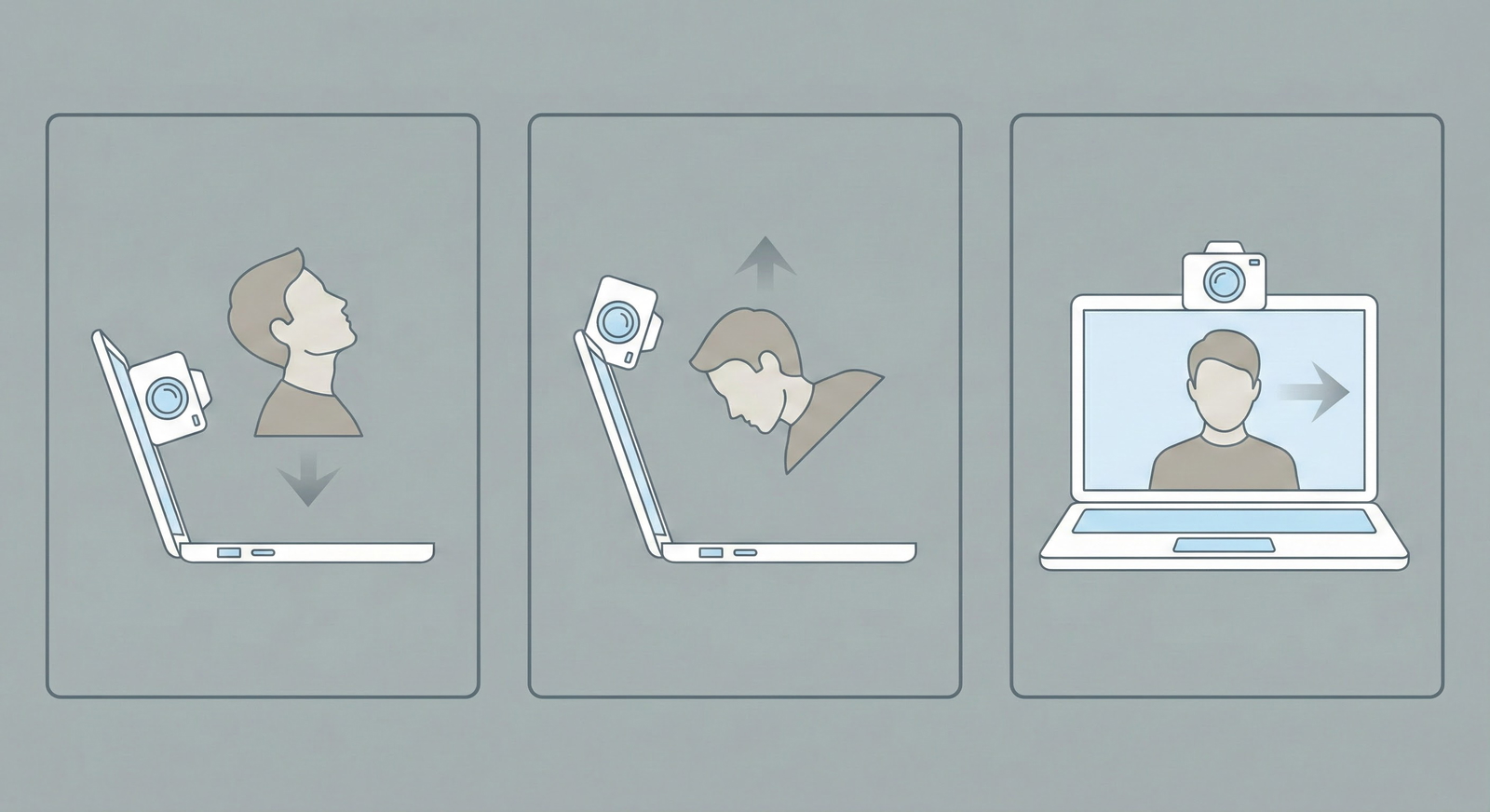
- Test camera angle (eye level), microphone, and internet connection.
- Have a printed list of programs, interviewers’ names (if provided), and key notes beside you—but don’t obviously read from them.
For in-person interviews
- Confirm travel and lodging well in advance.
- Know the exact building and meeting location; allow time for hospital security and navigation.
- Bring:
- A slim folder or padfolio
- Pen and notepad
- A small copy of your CV (not always needed but helpful)
Mindset, Wellness, and Post-Preparation Strategy
Cardiothoracic surgery interviews can feel high-stakes and emotionally charged. How you manage your mindset before the season can strongly influence your performance.
Step 1: Reframe the Interview Dynamic
Instead of viewing interviews as one-sided evaluations, approach them as bilateral conversations:
You are assessing:
- “Is this a place where I can become the cardiothoracic surgeon I want to be?”
- “Can I see myself working with these people at 2 a.m. during a massive dissection or lung bleed?”
Programs are assessing:
- “Is this someone we can trust as a colleague-in-training?”
This reframing reduces anxiety and leads to more authentic, confident interactions.
Step 2: Manage Stress Leading Up to Interviews
Before interview season:
Develop simple, reliable routines:
- Sleep schedule aiming for 7–8 hours when possible.
- Short, regular exercise (even 20 minutes) to clear your mind.
- Brief mindfulness practices: 5-minute breathing or body scan.
Normalize nerves:
- Being nervous means you care—your goal is to function effectively while nervous, not eliminate anxiety altogether.
Avoid last-minute cramming:
- Once your dashboards of programs and narratives are prepared, shift from heavy content prep to:
- Light review of notes the evening before each interview.
- A consistent pre-interview routine (sleep, clothes laid out, tech check).
- Once your dashboards of programs and narratives are prepared, shift from heavy content prep to:
Step 3: Plan for Post-Interview Reflection and Follow-Up
Your pre-interview preparation should also anticipate what happens after each interview:
Create a standardized note template you’ll complete within 24 hours:
- Overall impression of program and people
- Key strengths and possible concerns
- Unique features (case mix, faculty, culture)
- How it aligns with your career goals
Jot down specific details you might reference later in thank-you notes or ranking decisions:
- “Conversation with Dr. X about ECMO protocols”
- “Residents emphasized early autonomy in thoracic cases”
Decide in advance:
- Whether you will send thank-you emails (many applicants do; keep them short, genuine, and specific).
- How you will store and review notes when building your rank list.
Planning this early reduces decision fatigue when interview season becomes busy.
FAQs: Pre-Interview Preparation for Cardiothoracic Surgery Residency
1. How early should I start preparing for cardiothoracic surgery residency interviews?
Begin serious pre-interview preparation at least 4–6 weeks before interviews start. Earlier in the year:
- Solidify your core narrative (why CT surgery, your strengths, long-term goals).
- Clarify your research and clinical experiences and be ready to discuss them in depth.
In the final month before interviews:
- Build program-specific summaries.
- Conduct mock interviews.
- Refine answers to common interview questions residency programs ask.
For integrated I-6 or very competitive tracks, starting even earlier (late spring/early summer) allows more time for mentorship and practice.
2. How much detailed knowledge of cardiothoracic surgery is expected at the interview stage?
Programs do not expect you to function as a CT fellow, but they do expect:
- Solid understanding of the breadth of cardiothoracic surgery:
- Adult cardiac, thoracic, congenital, transplant/VAD.
- Ability to discuss:
- Common pathologies (CAD, valve disease, aortic aneurysms, lung cancer).
- Your own clinical exposures (e.g., CT rotations, ICU, related surgical specialties).
- A logical and safety-conscious approach to basic clinical scenarios.
If you show curiosity, humility, and a thoughtful approach to learning, you will meet expectations. Deep subspecialty expertise is not required—for that, you will have heart surgery training itself.
3. What if I haven’t done much cardiothoracic-specific research?
While CT-focused research can help, many successful applicants have broader or adjacent research (critical care, vascular, outcomes, oncology). Focus on:
- Clearly articulating how your research developed:
- Curiosity
- Persistence
- Analytical thinking
- Teamwork
- Connecting themes from your work (e.g., outcomes research in oncology) to interests in thoracic oncology, transplant outcomes, or quality improvement in CT surgery.
If you lack CT-specific projects, demonstrate strong understanding of the field through:
- Rotations
- Mentors
- Independent learning
4. How can I stand out in such a competitive field?
You stand out not by trying to appear perfect, but by showing:
- Clear, mature motivation for cardiothoracic surgery.
- Consistency between your story, your CV, and how you talk about your experiences.
- Self-awareness of strengths and growth areas.
- Thoughtful engagement with each program’s unique features—asking questions that only someone who has done real research could ask.
- Professionalism and reliability, reflected in your pre-interview communication, punctuality, and preparation.
When your pre-interview preparation is thorough, your confidence grows, and that confidence—anchored in real work, not bravado—is what most programs recognize as the mark of a future cardiothoracic surgeon.