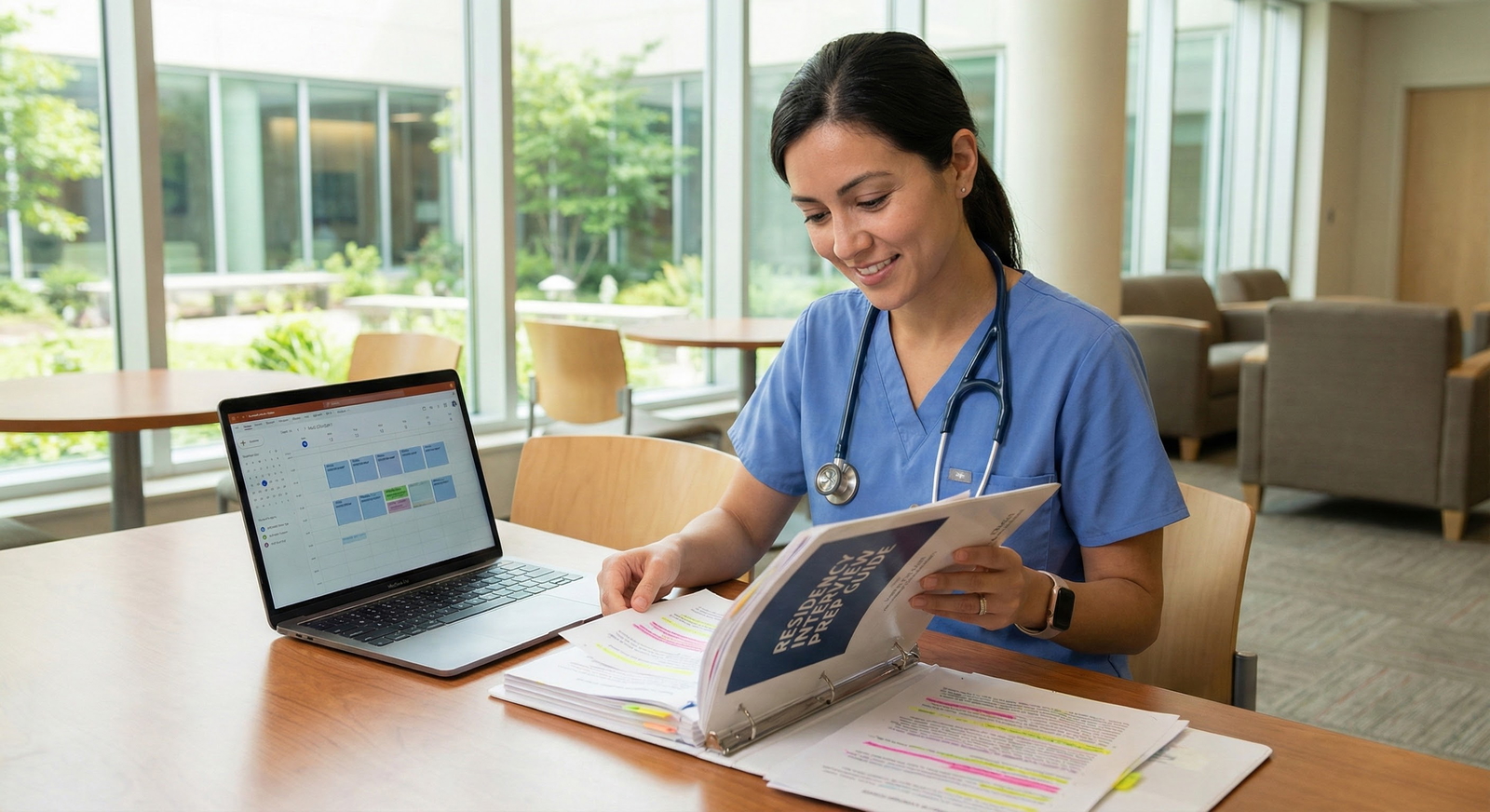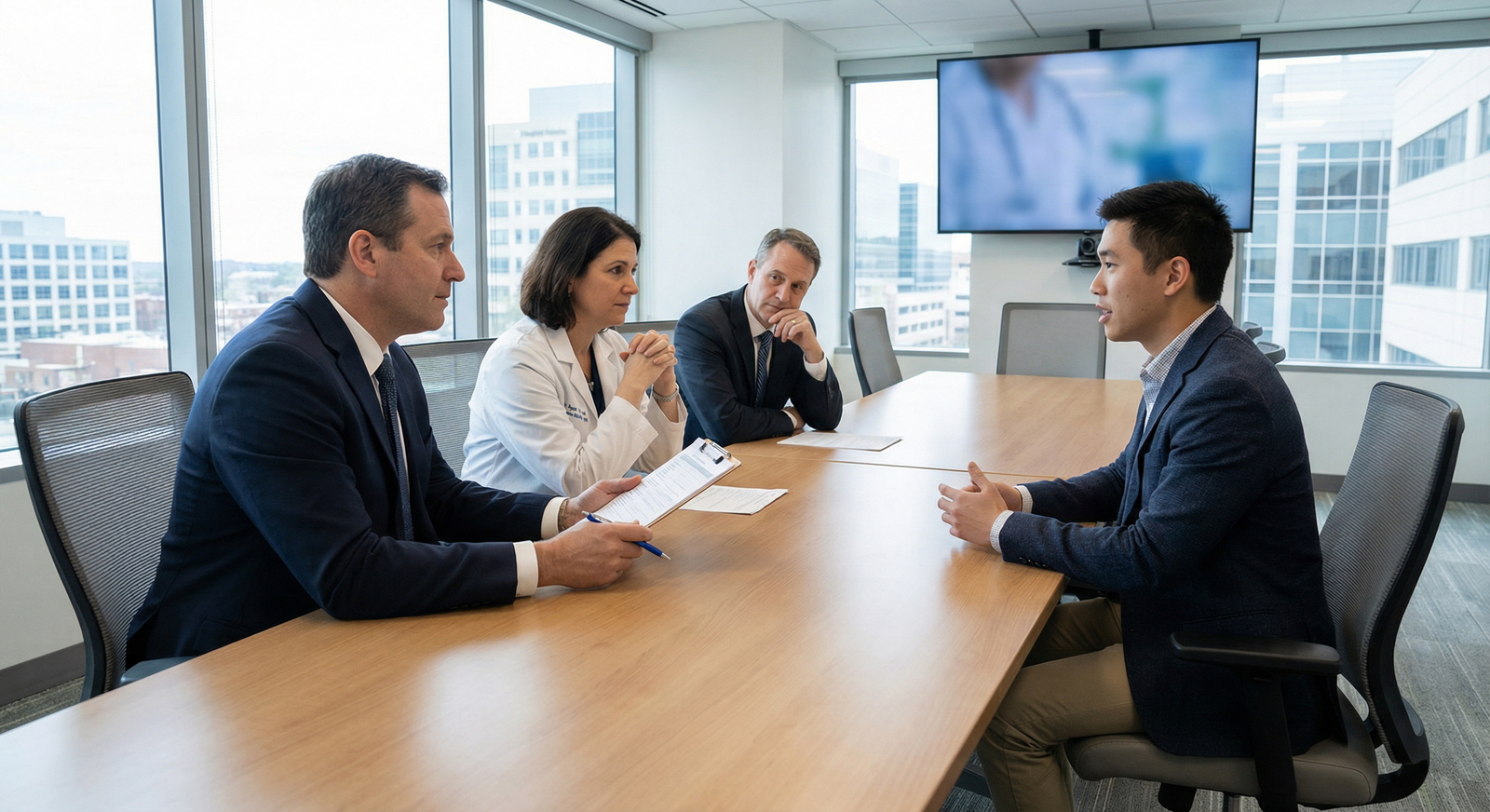
Why Your Questions Matter as a Caribbean IMG in Diagnostic Radiology
As a Caribbean international medical graduate (IMG) aiming for a diagnostic radiology match, the questions you ask residency programs can significantly influence how you are perceived—and how well you assess whether a program is right for you.
Programs already know your Step scores, transcript, and letters. Your questions show:
- How well you understand diagnostic radiology as a specialty
- How seriously you’ve researched their program
- How mature and teachable you are as a trainee
- How thoughtfully you’ve considered your path as a Caribbean IMG
This article focuses on what to ask—and just as importantly, how and when to ask—so you can walk into each interview or virtual meet-and-greet with a purposeful game plan.
We’ll cover:
- Core principles for asking strong questions
- Specific question sets tailored to Caribbean IMGs in radiology
- What to ask program directors, faculty, and residents
- Special considerations for the Caribbean medical school residency journey
- A checklist you can adapt for every interview
Throughout, we’ll weave in key topics like the diagnostic radiology match, SGU residency match experience, and strategic interview questions for them that highlight your insight and preparation.
Core Principles: How to Ask Strong Questions (and Avoid Weak Ones)
Before building your question list, you need a framework. Any question you ask should be:
Not easily Googleable
- Don’t ask: “How many residents do you have?” (It’s on the website.)
- Instead: “How do you decide on the optimal class size for case volume and faculty coverage?”
Program-specific
Show that you prepared:- “I noticed your program has strong ties with the cancer center. How does that shape resident exposure to oncologic imaging?”
Resident-focused
Your questions should subtly communicate that you care about learning, wellness, and team culture—not just prestige.- “How do you ensure junior residents are supported when they’re first taking independent call?”
Forward-looking
Especially as a Caribbean IMG, programs want to see your long-term thinking.- “How does the program support residents aiming for competitive fellowships like interventional radiology or neuroradiology?”
Open-ended but focused
Avoid questions that can be answered with “yes” or “no.”- Better: “Can you walk me through what a typical day looks like for a first-year radiology resident here?”
Finally, avoid “red flag” questions early in the interview that focus too heavily on:
- Moonlighting opportunities
- Vacation and benefits only
- Anything that sounds like you haven’t read their website
Those topics are valid—but time them appropriately and frame them professionally.
High-Impact Questions to Ask the Program Director
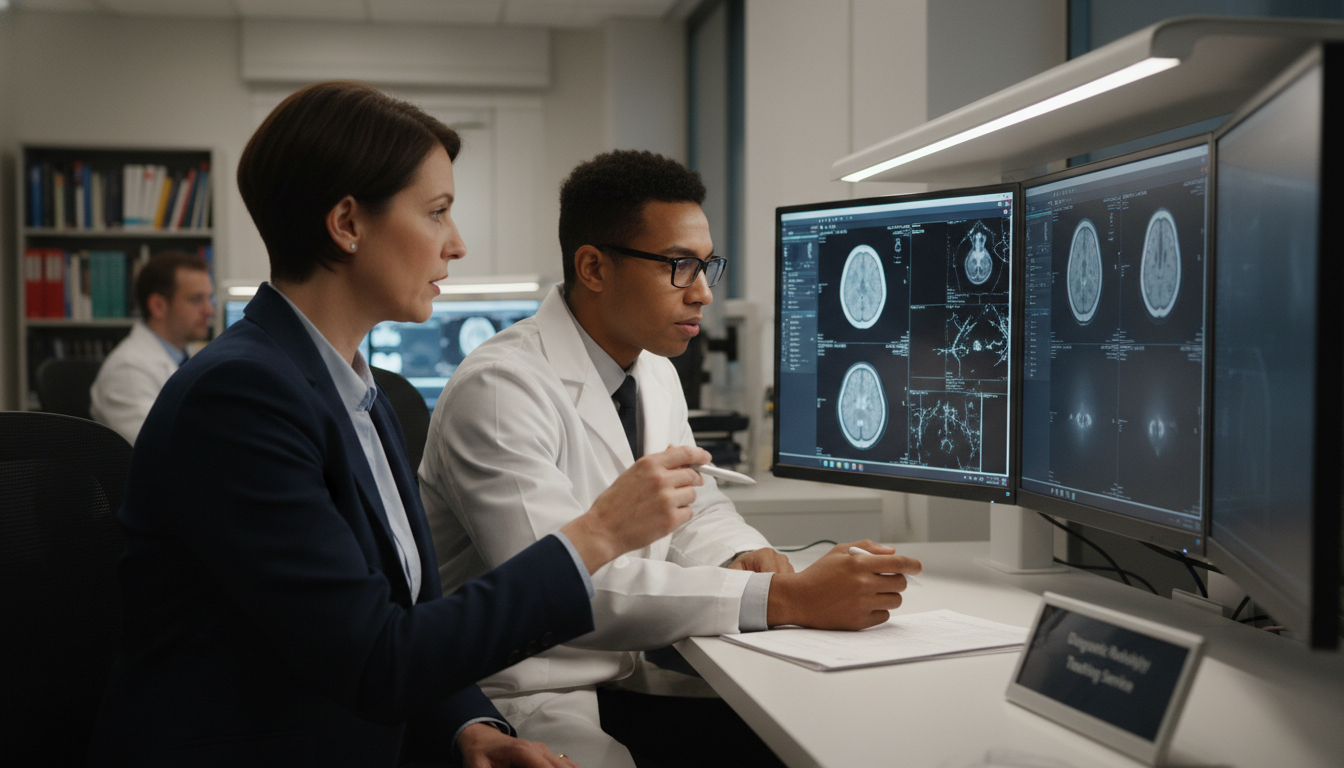
When planning what to ask program director leaders, prioritize questions that show insight into training quality, educational philosophy, and long-term outcomes. Program directors (PDs) are especially attuned to resident maturity and genuine curiosity.
1. Training Philosophy and Educational Structure
Goal: Show that you’re serious about becoming an excellent radiologist, not just getting a spot.
Example questions:
- “How would you describe your program’s philosophy on balancing service and education, especially for junior residents?”
- “What distinguishes the educational experience here compared to other diagnostic radiology programs in this region?”
- “How do you see the role of independent call in training, and how is resident readiness assessed before starting call?”
Why this matters for Caribbean IMGs:
You’re often fighting assumptions about variability in clinical preparation. Questions like these demonstrate you’re focused on structured growth and supervision.
2. Resident Development and Feedback
Goal: Signal that you’re coachable and invested in improvement.
Ask:
- “How is feedback delivered to residents—formally and informally? How often is performance reviewed?”
- “If a resident is struggling in a rotation or with a specific modality, what support systems are in place?”
- “How does the program help residents transition from general learning to more advanced subspecialty-level interpretation during the later years?”
These questions tell the PD you intend to seek and use feedback—something especially valued in Caribbean medical school residency applicants who may have had diverse training environments.
3. Fellowship and Career Outcomes (Including Caribbean IMG Perspective)
Diagnostic radiology is heavily fellowship-driven. As a Caribbean IMG, you must demonstrate that you’re thinking ahead.
Examples:
- “What have been the most common fellowships your graduates pursue in recent years, and how successful have they been in matching into their top choices?”
- “Are there particular subspecialties—like neuroradiology, body imaging, or interventional radiology—where your residents tend to be especially competitive?”
- “How does the program support residents interested in academic careers vs. private practice?”
If appropriate, you can gently incorporate your IMG background:
- “As an international graduate from the Caribbean, what strategies have you seen work best for residents in building strong fellowship applications from your program?”
This isn’t about apologizing for being an IMG; it’s about showing strategic planning and self-awareness.
4. Program Vision and Upcoming Changes
Programs appreciate applicants who care about where the training environment is heading.
Ask:
- “Where do you see the program in the next 3–5 years, and what key changes or initiatives are you most excited about?”
- “Are there any anticipated changes in case volume, hospital affiliations, or technology that might affect resident education?”
- “How has the program adapted to recent changes in radiology practice, like AI integration, and how will residents be prepared for these trends?”
This communicates that you’re committed to a dynamic, evolving specialty—not a static residency.
Questions for Faculty: Probing Depth of Training and Mentorship
Faculty interviews are usually more conversational and clinical. This is an ideal time to show how you think as a budding radiologist and future colleague.
1. Clinical Exposure and Case Mix
A strong diagnostic radiology match hinges on robust, diverse case exposure.
Ask:
- “What types of cases do you feel residents here see more of compared to other programs—trauma, oncology, pediatrics, advanced neuro, etc.?”
- “How early in training do residents get meaningful exposure to each modality—for example, MRI, high-end CT, nuclear medicine, and breast imaging?”
- “How is image-guided procedure experience structured for residents who are not pursuing interventional radiology?”
You can tailor follow-ups to your interests:
- “I’m particularly interested in body imaging. How does the program support residents in that area—both clinically and in research?”
2. Teaching Culture and Day-to-Day Learning
You’re not just asking “Is there teaching?” You want to know how it happens.
Try:
- “What does case-based teaching look like on a typical day in the reading room?”
- “How much direct supervision do junior residents receive on call and on high-stakes studies like stroke codes or trauma scans?”
- “Are there structured curricula for learning to give effective, succinct radiology reports and communicating critical findings to clinicians?”
As a Caribbean IMG, demonstrating you appreciate structured, US-style communication practices (e.g., conveying critical results) can help bridge assumptions about different medical cultures.
3. Research, Quality Improvement, and Scholarly Work
Many Caribbean IMGs use research to strengthen their profile. Radiology has abundant scholarly opportunities.
Ask faculty:
- “What are the most active research areas within the department, and how are residents typically involved?”
- “Is there protected time for residents who are heavily engaged in research or quality improvement projects?”
- “How do faculty help connect residents with mentors for projects that align with their fellowship interests?”
If you’re coming from SGU or another Caribbean school with research background, you might say:
- “I enjoyed imaging-related work during my Caribbean medical school training. How could a resident with that background best plug into existing projects here early on?”
This signals initiative and continuity.
4. Evaluation and Readiness for Independence
You want to come across as someone who takes responsibility for growth and patient safety.
Ask:
- “How do you assess when a resident is ready for more independent responsibilities, like night float or complex subspecialty rotations?”
- “What qualities do you see in your strongest residents by the end of training, and how does the program help them cultivate those attributes?”
These are mature, introspective questions that differentiate you from applicants asking only about schedule or perks.

Questions for Residents: Culture, Call, and Caribbean IMG Realities
Some of the most important questions to ask residency programs should be reserved for the residents. This is where you get the real picture of life in that radiology department.
1. Day-to-Day Life and Call Structure
Call is a defining part of diagnostic radiology training. You want clarity without sounding overly worried.
Ask:
- “Can you walk me through what a typical day looks like for a PGY-2 and for a senior resident here?”
- “How is call structured—night float vs. home call, frequency, and support from attendings?”
- “When you first started call, how supported did you feel? How easy is it to get help from a senior resident or attending when you’re uncertain?”
Probe manageable workload and learning environment:
- “On a busy call night, is the main challenge volume, complexity of cases, or workflow issues? How does the program respond to resident feedback on these issues?”
2. Resident Culture, Support, and Inclusion (Especially for IMGs)
As a Caribbean IMG, you need a program that truly supports international graduates, not just “accepts” them.
Examples:
- “How would you describe the culture among residents—collaborative, competitive, more independent?”
- “As someone who may be relocating far from my support system, how inclusive and welcoming have you found the resident community?”
- “For current IMGs in the program, what have been the biggest challenges, and how has the program or resident group helped address them?”
If they have visible Caribbean IMGs or SGU graduates:
- “As a Caribbean IMG myself, I’m interested in how the transition has been for others. What has the learning curve been like, and what helped the most early on?”
You can also ask this in the context of SGU residency match narratives if you know residents from your school.
3. Education Quality and Board Preparation
Ask residents directly how well the program prepares them for independent practice and boards:
- “How well does the program prepare you for the ABR Core Exam—what specific resources or structured curricula are in place?”
- “Do you feel that conferences and didactics are protected time, or are you frequently pulled away for service demands?”
- “Is there a culture of senior residents teaching juniors, for example, case reviews or informal teaching on call?”
Good programs usually have very clear answers here, and residents’ tone will tell you a lot.
4. Career Outcomes and Mentorship Reality
Ask the “unofficial” side of outcomes:
- “How involved are faculty in helping you plan your career—choosing fellowships, building CVs, and networking?”
- “Do residents feel they get honest guidance about competitiveness for certain fellowships or job markets?”
- “Where have recent graduates gone for fellowship and first jobs? Do you feel those paths aligned with their goals?”
For Caribbean IMGs:
- “As IMGs or as classmates of IMGs, do you feel there is equitable support when applying to fellowships and jobs?”
You want reassurance that IMG status doesn’t mean you’re left to figure things out alone.
5. Wellness, Burnout, and Safety to Ask for Help
This is especially important if you anticipate needing extra support transitioning from a Caribbean environment into US radiology residency.
Ask:
- “If someone is struggling—academically, personally, or with burnout—how does the program typically respond?”
- “Have you ever felt discouraged from asking for help or from slowing down to prioritize learning over speed?”
- “Do people actually use wellness or mental health resources here, or is there a stigma around that?”
Their candor will tell you more than any brochure.
Special Focus for Caribbean IMGs: Strategy, Red Flags, and Smart Follow-Up
As a Caribbean IMG targeting a diagnostic radiology match, your questions should serve two parallel goals:
- Advocate for yourself: Show you’re thoughtful, prepared, and ready for high-level training.
- Protect your future: Make sure the program can truly support your unique path and visa or career needs.
1. Subtly Addressing IMG-Specific Support
You don’t want every question to revolve around your IMG status, but you should gather critical information.
You might ask a PD or coordinator:
- “Do you foresee any challenges for international graduates here in terms of credentialing, visas, or state licensing?”
- “Are there particular resources you offer to IMGs to help with adapting to documentation expectations, communication styles, or exam preparation?”
To residents (especially other IMGs):
- “How did the program help you adjust—from both a clinical and cultural standpoint—when you first started?”
- “Did you feel that your prior international training was respected, and that any gaps were addressed constructively?”
2. Radiology-Specific Red Flags to Watch For
As you ask questions, be alert for:
- Vague answers about case volume (“We’re busy but I don’t really know the numbers”)
- Inconsistent messages between PD and residents about workload or support
- Residents hesitating or glancing at each other before answering culture or wellness questions
- Limited discussion of structured teaching or little mention of ABR Core Exam preparation
- No clear track record of IMG graduates matching into fellowships or securing jobs
If you sense a red flag, you can ask a gentle follow-up:
- “I’ve heard some programs struggle to protect conference time due to service needs. How has that played out here, and what steps have been taken to improve it?”
3. Showing You Understand the Caribbean Route
If you trained at SGU or another Caribbean school, you can use that experience proactively:
- “Coming from a Caribbean medical school, I’ve had to be very intentional about seeking out strong clinical experiences and mentors. How does your program feel about residents who’ve taken that path, and what qualities do you most value in them?”
This reframes your background as a strength: resilience, adaptability, and self-direction—traits radiology programs value.
4. How Many Questions to Ask—and When
During a typical interview day:
- Program Director interview: Prepare 3–5 strong questions (you may only use 2–3, depending on time).
- Faculty interviews: 2–3 questions each, tailored to their subspecialty.
- Resident panel / individual resident chats: 4–6 questions, with space for follow-up.
Prioritize quality over quantity. It’s better to ask two thoughtful, specific questions than to rush through a list of ten.
Practical Question Checklist You Can Adapt
Here’s a consolidated, customizable list of interview questions for them you can adapt for each diagnostic radiology residency.
Top 5 Questions for Program Directors
- “How would you describe the balance between service and education for residents, especially early in training?”
- “What are you most proud of about your graduates’ fellowship and job placements over the last few years?”
- “How does your program approach feedback and remediation when a resident is struggling—academically or clinically?”
- “How is independent call structured, and what safeguards ensure patient safety while allowing residents to grow?”
- “What upcoming changes or initiatives are you most excited about that will affect resident education?”
Top 5 Questions for Faculty
- “What makes a resident particularly successful on your rotation?”
- “How do you integrate teaching into the reading room without slowing down care?”
- “What kinds of research or scholarly projects are available to residents in your subspecialty?”
- “How do residents typically transition from supervised reads to more independent interpretations within your section?”
- “What qualities do you hope your residents will have by the time they graduate from your program?”
Top 6 Questions for Residents
- “What surprised you most about this program—good or bad—once you started?”
- “How manageable is the workload, especially on call, and do you feel it’s compatible with strong learning?”
- “How supportive are the senior residents and attendings when you’re unsure about a case?”
- “How well do you feel the program has prepared you for the Core Exam so far?”
- “Can you talk about the social / cultural environment among residents? Do people spend time together outside of work?”
- “If you had to choose a residency again, knowing what you know now, would you choose this program?”
Adapt these to your voice and to each program’s unique strengths or features. Customize by referencing something you saw on their website, in their curriculum, or in their case logs.
FAQs: Questions to Ask Programs for Caribbean IMG in Diagnostic Radiology
1. How many questions should I ask in each radiology residency interview?
Aim for 2–3 focused questions per conversation (PD, faculty, resident), with a total of about 8–12 questions across the interview day. Leave room for natural conversation. It’s better for your question to spark a meaningful 5-minute discussion than to fire off a checklist.
2. Is it okay to ask directly about fellowships and job placement as a Caribbean IMG?
Yes—in fact, you should. Programs expect this. Phrase it professionally:
- “What types of fellowships have recent graduates matched into, and how does the program support residents in that process?”
- “Have your IMG graduates had any particular challenges or successes in the job market, and how did the program assist them?”
You’re not asking for guarantees, just evidence of a supportive environment and an established track record.
3. What should I not ask during radiology residency interviews?
Avoid:
- Questions clearly answered on the website (basic stats, schedules, simple logistics)
- Overly aggressive questions about salary, benefits, or moonlighting as your first topic
- Anything that suggests you care more about prestige than training (“How do you rank compared to other big-name programs?”)
- Questions implying you’re counting on minimal work (“How much time do residents actually spend in the hospital?”)
You can still ask about wellness and work–life balance—just frame it around learning and sustainability.
4. Should I mention being a Caribbean IMG when asking questions?
Use your Caribbean background deliberately, not defensively. You don’t need to apologize for it or over-explain. Instead, integrate it naturally when relevant:
- “As a graduate from a Caribbean medical school, I’ve often sought out extra opportunities for clinical exposure and feedback. How can I leverage that mindset here to contribute positively as a resident?”
This turns your path into an asset and encourages programs to see your resilience, adaptability, and drive—all crucial qualities for a successful radiology residency trainee.
As a Caribbean IMG targeting a diagnostic radiology match, the questions you ask can distinguish you just as much as your scores and CV. Use them to demonstrate insight, maturity, and a genuine interest in rigorous training—and to ensure that the program you choose will truly support your growth into a confident, skilled radiologist.