Understanding the Unique Position of Caribbean IMGs in IR
Interventional Radiology (IR) is one of the most competitive specialties in the U.S. residency landscape. As a Caribbean IMG, you face additional layers of scrutiny: program directors will evaluate not only your academic record but also your clinical readiness, communication skills, and long-term commitment to the field. Pre-interview preparation is where you can convert those potential doubts into confidence and clarity.
In IR—whether you’re applying to Integrated IR, Independent IR, or Diagnostic Radiology with an ESIR track—programs want to see that you are:
- Technically curious and procedurally oriented
- Clinically strong and comfortable managing patients peri-procedurally
- Reliable, teachable, and able to function in a high-acuity environment
- Committed to IR as a career, not as a “back-up” or late decision
For Caribbean graduates (including SGU, AUA, Ross, Saba, and others), your Caribbean medical school residency story is neither a liability nor an automatic advantage—it’s a context. How you present that context in interviews can dramatically influence your IR match outcome.
This article focuses on pre-interview preparation tailored specifically for Caribbean IMGs in Interventional Radiology: what you should do weeks and days before interviews to convey your best professional self.
Know Your Story: Building a Clear, Cohesive Narrative
1. Craft Your “Why IR?” Story
Every IR program will probe your motivation. You should have a concise, compelling narrative that answers:
- Why medicine?
- Why imaging and procedures?
- Why specifically IR (over surgery, cardiology, or diagnostic radiology)?
- Why now, and where do you see yourself in 10–15 years?
Aim for a 60–90 second answer, polished but natural. For example:
“I was initially drawn to internal medicine because I loved diagnostic reasoning, but during my third-year rotation I met an interventional radiologist who performed a TIPS procedure on a patient with refractory ascites I had followed for weeks. Seeing a minimally invasive procedure give such immediate, dramatic benefit changed how I viewed patient care.
Over multiple IR electives—one at my Caribbean school’s affiliated hospital and one at a U.S. academic center—I realized IR integrates what I enjoy most: imaging-based problem solving, hands-on procedures, and continuity of care in complex patients. Long term, I want to practice in an academic center where I can focus on oncology interventions and help expand minimally invasive options for underserved populations.”
Key elements to weave in:
- Exposure to diverse IR procedures (e.g., embolization, venous interventions, percutaneous drains, biopsies, TACE, Y-90).
- Appreciation of IR’s clinical role, not just the technical aspects.
- A sense of IR as a career trajectory, not a last-minute discovery.
2. Address the “Caribbean Question” Proactively
You will almost never be asked “Why did you go to a Caribbean school?” bluntly, but you may sense curiosity. Be ready with a confident, non-defensive explanation if it comes up indirectly (e.g., in questions about challenges, resilience, or your path into medicine).
An effective framework:
- Honest context (brief, no excuses).
- Positive reframing (what you gained).
- Clear evidence of success in the U.S. system.
Example:
“I didn’t have the academic profile for a U.S. MD/DO program at the time I applied, but I was committed to becoming a physician. Choosing a Caribbean school allowed me to pursue that path. It pushed me to be very self-directed and disciplined, and I proved to myself I could compete by doing well on USMLE, securing U.S. clinical rotations, and performing strongly on my IR and radiology electives.
The experience made me more adaptable and appreciative of every opportunity, and I think that perspective will serve me well in a demanding field like Interventional Radiology.”
Your goal: communicate that your Caribbean medical school residency journey has built resilience, not raised red flags.
3. Integrate SGU or Other School Branding Thoughtfully
If you’re from a well-known Caribbean school such as SGU, Ross, or AUA, and especially if you’re referencing the SGU residency match or similar outcomes, frame it in terms of:
- Strong U.S. clinical networks
- Exposure to diverse patient populations
- Alumni presence in IR or Radiology
Do not oversell the school; instead, speak to your individual achievement within that environment.

Deep-Dive Content Preparation: IR Knowledge and Clinical Readiness
1. Master the IR Fundamentals You May Be Asked About
You are not expected to think like a fellow, but you should show a solid foundation. Before interviews, spend time reviewing:
Core IR domains:
- Vascular interventions
- Peripheral arterial disease interventions
- DVT/PE treatment options (thrombolysis, thrombectomy, IVC filters—indications and controversies)
- Oncologic interventions
- Liver-directed therapies (TACE, Y-90 basics, ablation vs. embolization)
- Biopsies and ports
- Non-vascular interventions
- Percutaneous drains and abscess management
- Nephrostomy tubes, biliary drains
- Vertebroplasty/kyphoplasty (conceptual understanding)
Focus on the clinical “why”:
- What problem does the IR procedure solve?
- What are main risks/contraindications?
- What imaging is needed pre-procedure?
2. Be Ready for “Clinical Scenario” Questions
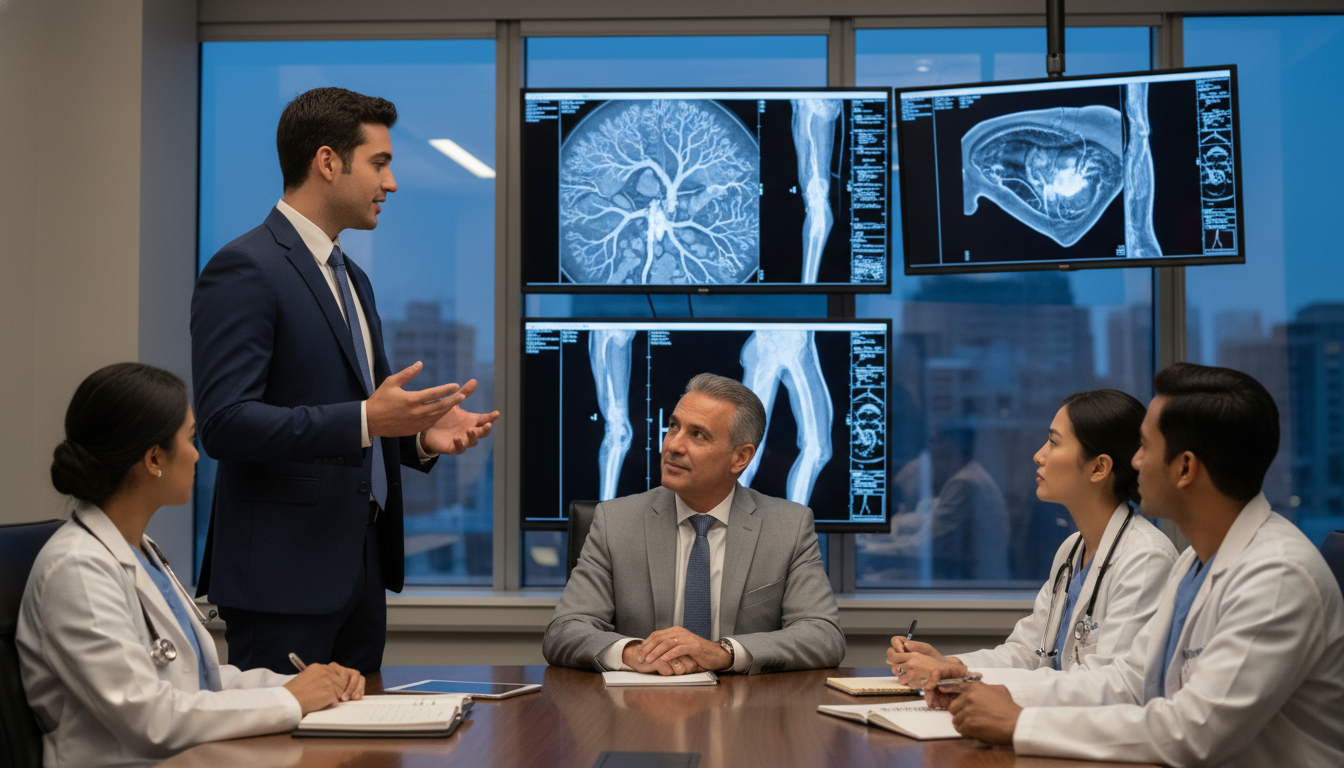
Some programs include scenario-based interview questions for residency applicants, especially in IR, to assess your clinical reasoning and communication.
Common formats:
- “A patient comes in with X; what’s your approach?”
- “You’re called about a patient with a possible complication after Y procedure; what do you do?”
You are not tested on obscure technical detail. They want to see:
- Recognition of urgency and safety
- Understanding of team communication
- Use of available resources (senior resident, attending, ICU, surgery, etc.)
Example scenario:
“You are a PGY-2 on call with IR. A nurse calls that a patient who just had a liver biopsy is hypotensive and tachycardic. What do you do?”
Strong answer outline:
- Assess ABCs, vital signs, and symptoms immediately
- Ask the nurse to re-check vitals, ensure IV access, and start fluids if appropriate
- Go see the patient personally
- Check for signs of bleeding (abdominal pain, distension, dropping hemoglobin if available)
- Escalate early: call senior/resident/attending
- Consider emergent imaging / return to IR / consult ICU depending on findings
Prepare 4–6 such scenarios (bleeding, infection, access site complications, contrast reaction, post-op pain/fever) and practice out loud.
3. Highlight Your Clinical IR Exposure
Before interview day, list all IR or radiology-related experiences and what they taught you:
- IR electives (Caribbean-affiliated vs. U.S. academic/private)
- Shadowing or observerships in IR
- IR-related research or quality improvement
- IR journal clubs, conferences (SIR, local chapters)
For each experience, write bullet points you can reference:
- What kinds of cases you saw
- How it shaped your understanding of IR’s role
- Any specific patient or case that left a strong impression
- Skills gained: procedure note writing, consent, imaging review, basic ultrasound use, pre/post-procedure evaluation
This level of preparation helps you move beyond generic statements and into specific, credible examples.
Strategic Self-Preparation: CV, Portfolio, and Personal Brand
1. Know Your CV Cold
Residency interviewers often build their questions directly from your ERAS application and CV. Pre-interview preparation means you should be able to speak comfortably and succinctly about every line on your application:
- Research projects: your role, hypothesis, methods, results, what you learned
- Publications/posters: be able to summarize in 2–3 sentences
- Leadership and volunteering: your responsibilities and impact
- Gaps or irregularities: have a brief, honest explanation
Create a “CV map” for yourself:
- Print your CV and personal statement
- Highlight items most likely to trigger questions
- Under each, jot down 2–3 key talking points or anecdotes
This helps you avoid fumbling when someone says, “Tell me about this research project you did in your third year.”
2. Prepare a One-Minute “Professional Introduction”
Often the first question is some version of: “Tell me about yourself.”
For IR, a strong structure is:
- Current status (Who are you now?)
- Key themes (clinical strengths, IR exposure, attributes)
- Future direction (what you are seeking in IR training)
Example:
“I’m a final-year medical student at [Caribbean school] who has completed my core clinical rotations and two IR electives, one of them at [U.S. institution]. I’ve developed a strong interest in interventional oncology and image-guided procedures. I enjoy being in high-acuity environments, working closely in teams, and following patients longitudinally through complex treatments.
I’m now looking for an Integrated IR residency that combines strong clinical training with early procedural exposure and mentorship in research, especially in liver-directed therapies and venous disease interventions.”
Practice until it feels natural, not memorized.
3. Prepare a Brief Portfolio (Physical and Digital)
Most interviews will be virtual, but some may be in-person or transition back to hybrid formats over time. Either way, organized documentation reflects maturity.
Consider having:
- Digital folder (ready on your desktop or cloud):
- Updated CV (PDF)
- USMLE score reports
- MSPE/dean’s letter
- Selected publications/posters
- IR-related presentations
- Physical folder (for in-person interviews):
- Printed CV
- Abstracts/posters (color printouts)
- A concise portfolio page summarizing IR experience and research
You likely won’t need to show this, but simply having it makes you more prepared and confident.

Residency Interview Preparation: Practicing Questions and Communication
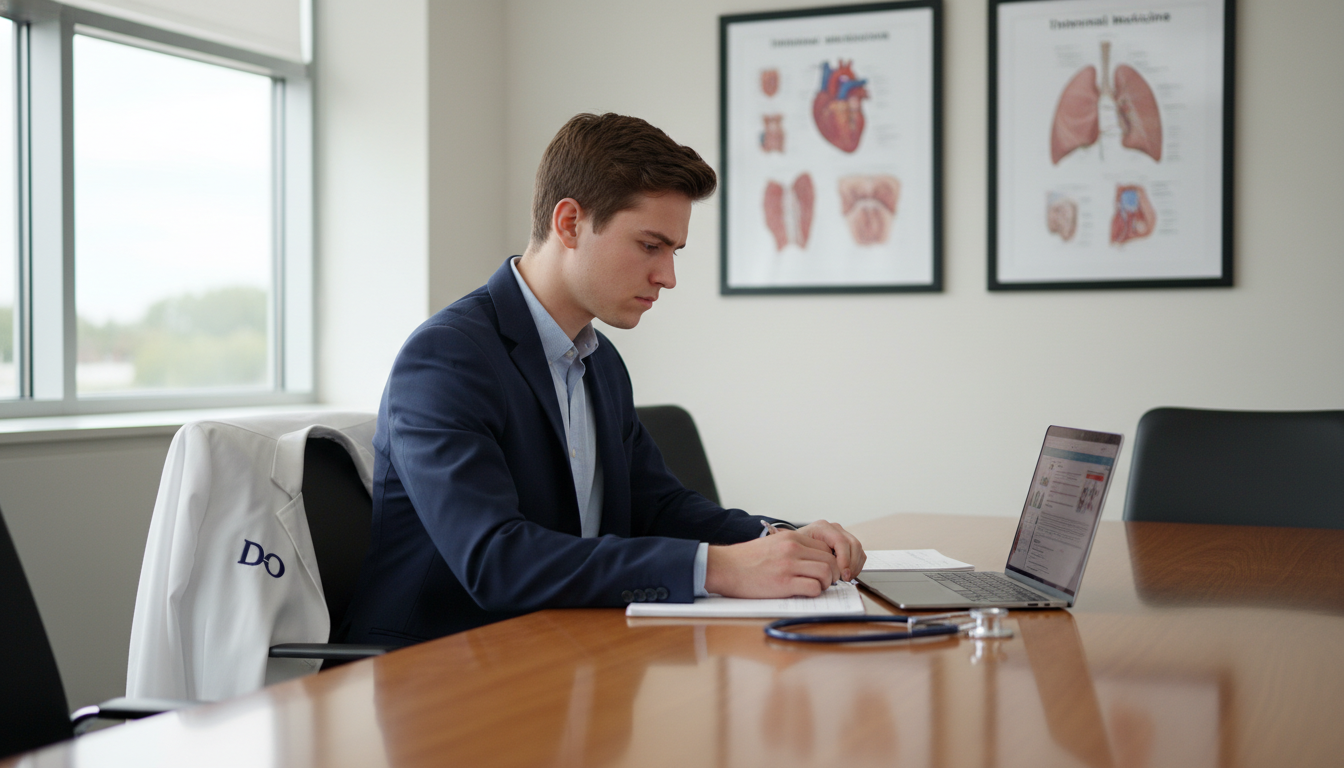
1. Build a Question Bank and Practice Aloud
For IR, your residency interview preparation should include both general and specialty-specific questions. Below is a structured approach.
Core General Questions to Prepare
- Tell me about yourself.
- Why Interventional Radiology?
- Why our program?
- What are your strengths and weaknesses?
- Tell me about a time you faced a conflict on a team.
- Describe a difficult patient encounter and what you learned.
- Tell me about a failure or setback.
- Where do you see yourself in 10 years?
IR-Specific and Clinical Questions
- What aspects of IR appeal to you the most?
- How do you see IR’s role in the healthcare system evolving?
- Tell me about an IR case that impacted you.
- How would you explain an IR procedure (e.g., TACE, biopsy, IVC filter) to a layperson?
- What do you think are the biggest challenges facing IR as a specialty?
- How would you respond if a referring physician questioned IR’s role in managing a patient?
Questions for Caribbean IMGs to Be Ready For
- Tell me about your transition from Caribbean rotations to U.S. clinicals.
- How have you adapted to different healthcare systems?
- Have you encountered biases as an IMG, and how did you handle them?
- How have you maintained clinical skills around exam and visa demands?
Write out bullet-point answers, then practice out loud—ideally with:
- A mentor or attending
- A co-applicant or friend
- Your medical school’s advising office (often they offer mock interviews)
Recording yourself on video and watching it critically is one of the most efficient ways to refine your communication.
2. Structure Behavioral Answers with STAR
For behavior-based interview questions residency programs often use (“Tell me about a time when…”), use the STAR method:
- Situation – brief context
- Task – what you needed to do
- Action – what you actually did
- Result – what happened + what you learned
Example:
“During my internal medicine rotation (S), I was part of a team managing a patient with advanced liver disease who was frequently non-adherent with fluid restriction (T). I realized he didn’t fully understand why it mattered. I took time to sit with him, used simpler language and visuals to explain ascites and how fluid builds up (A). Over the next days, his adherence improved and he even asked about procedures like paracentesis and TIPS, which eventually led to an IR consult (R). I learned how essential clear communication is, especially when bridging patients to IR procedures.”
This format keeps your answers organized and memorable.
3. Refine Accent, Clarity, and Pace (If Needed)
As a Caribbean IMG, you may:
- Speak multiple languages
- Have an accent that is unfamiliar to some interviewers
- Be more comfortable in a different cultural communication style
Pre-interview, focus on:
- Clarity: slow slightly, enunciate key technical terms (e.g., “embolization,” “angiography,” “catheter-directed”).
- Pacing: avoid rushing; short pauses are acceptable.
- Confidence: maintain eye contact (camera for virtual), upright posture, calm gestures.
You don’t need to “Americanize” your speech; you just need to be clearly understood in a clinical environment.
Program Research and Strategy: Tailoring Your Approach
1. Research Each Program in Detail
For a competitive IR match, generic answers are a red flag. Before each interview, review:
Program website:
- Number of IR attendings and their subspecialty focuses
- ESIR opportunities, case volume, call structure
- Resident-run clinic, longitudinal patient follow-up
- Research strengths (e.g., IO, venous disease, PAD, women’s IR)
Social media (Twitter/X, Instagram, program blogs):
- Resident culture and wellness initiatives
- Diversity and inclusion efforts
- Recent accomplishments or new services
Caribbean / IMG friendliness:
- Past residents from Caribbean schools or IMGs in DR/IR
- Visa sponsorship information (if applicable to you)
Create a program summary sheet for each place:
- 3–4 things you genuinely like about the program
- 2–3 questions you want to ask faculty
- Any geographic or personal ties you can highlight
This makes answering “Why our program?” specific and authentic.
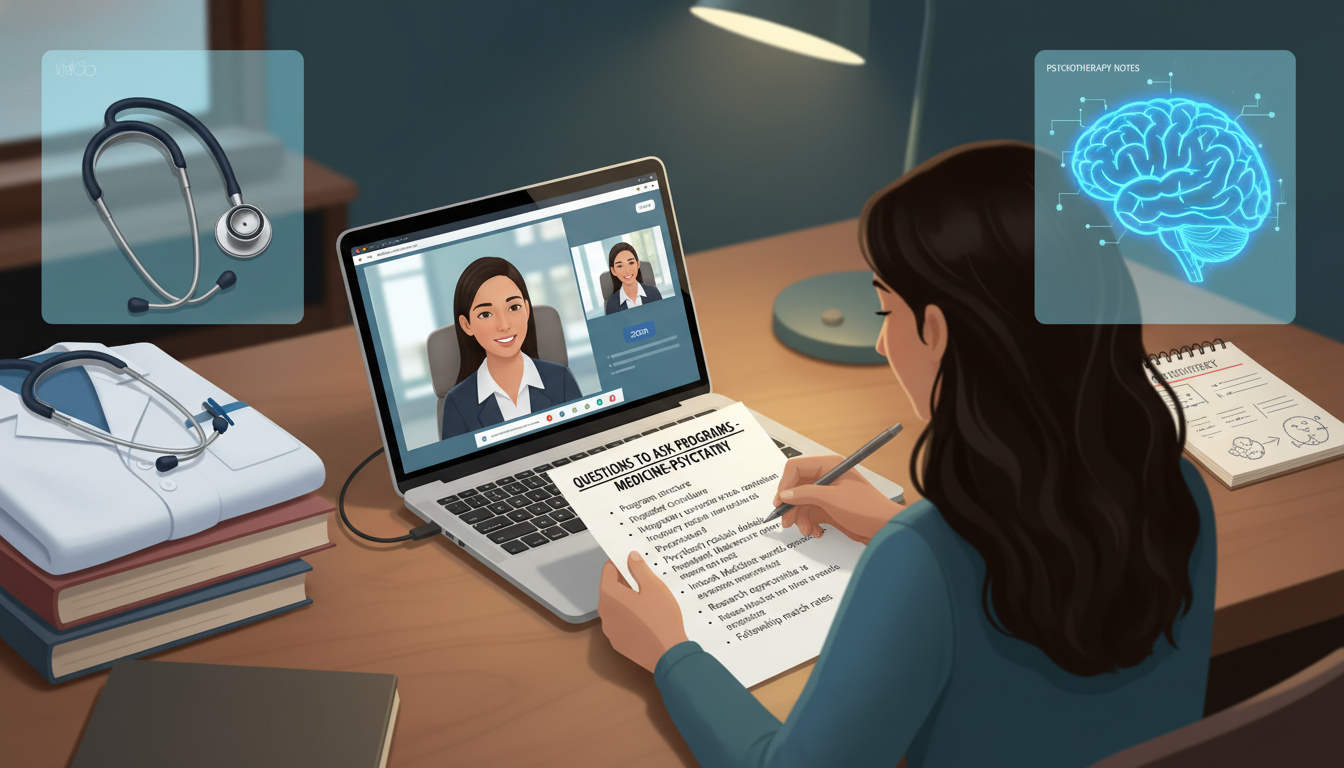
2. Prepare Strong Questions to Ask Interviewers
Programs expect you to ask questions; it signals genuine interest. Prepare questions for:
Faculty/Program Leadership:
- “How does your program balance diagnostic radiology training with early IR exposure for Integrated residents?”
- “How are residents involved in IR clinic and longitudinal patient care?”
- “What opportunities exist for residents to participate in IR research or quality improvement?”
Current Residents:
- “What do you think sets this IR training apart from others?”
- “How is the relationship between IR and other specialties, such as surgery and oncology?”
- “As a resident, do you feel supported when you’re on call or managing complex patients?”
As a Caribbean IMG, you might also ask delicately:
- “How does the program support residents transitioning from different medical school backgrounds or from international training?”
- “Can you share examples of how the program has supported residents with visa or relocation challenges?” (if applicable)
Questions should be genuine and linked to your priorities: case volume, clinic, research, lifestyle, location, or mentorship.
3. Map Out Your Interview Season Logistics
Pre-interview preparation isn’t only about content; it’s also about organizational discipline, which program directors value in future IR residents.
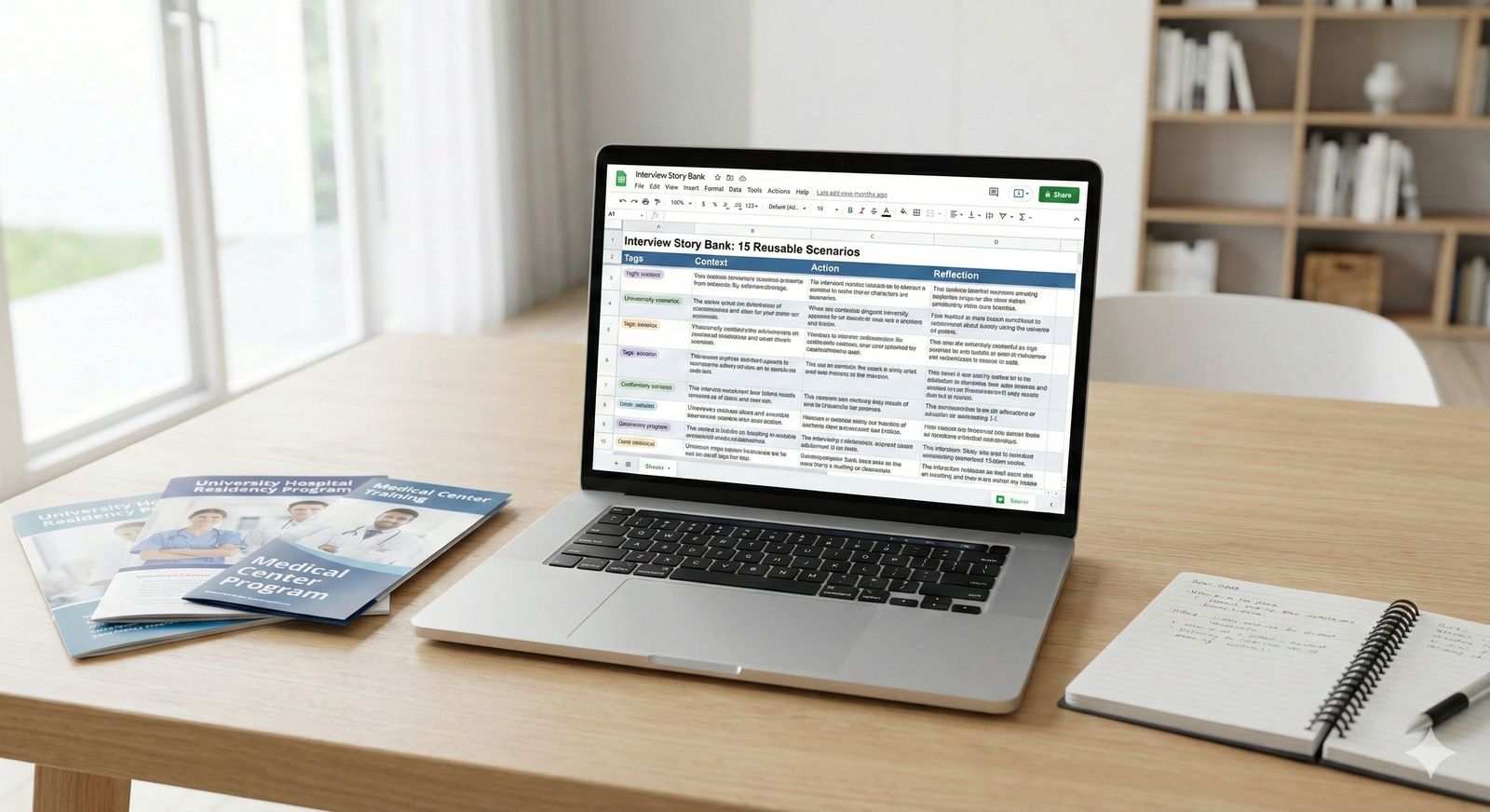
Keep an updated spreadsheet:
- Interview dates and times
- Platform (Zoom, Thalamus, Webex, etc.)
- Time zones (critical if you’re still in the Caribbean)
- Program director names, chief residents, and key faculty
- Notes from each interview day (to reference later in rank season)
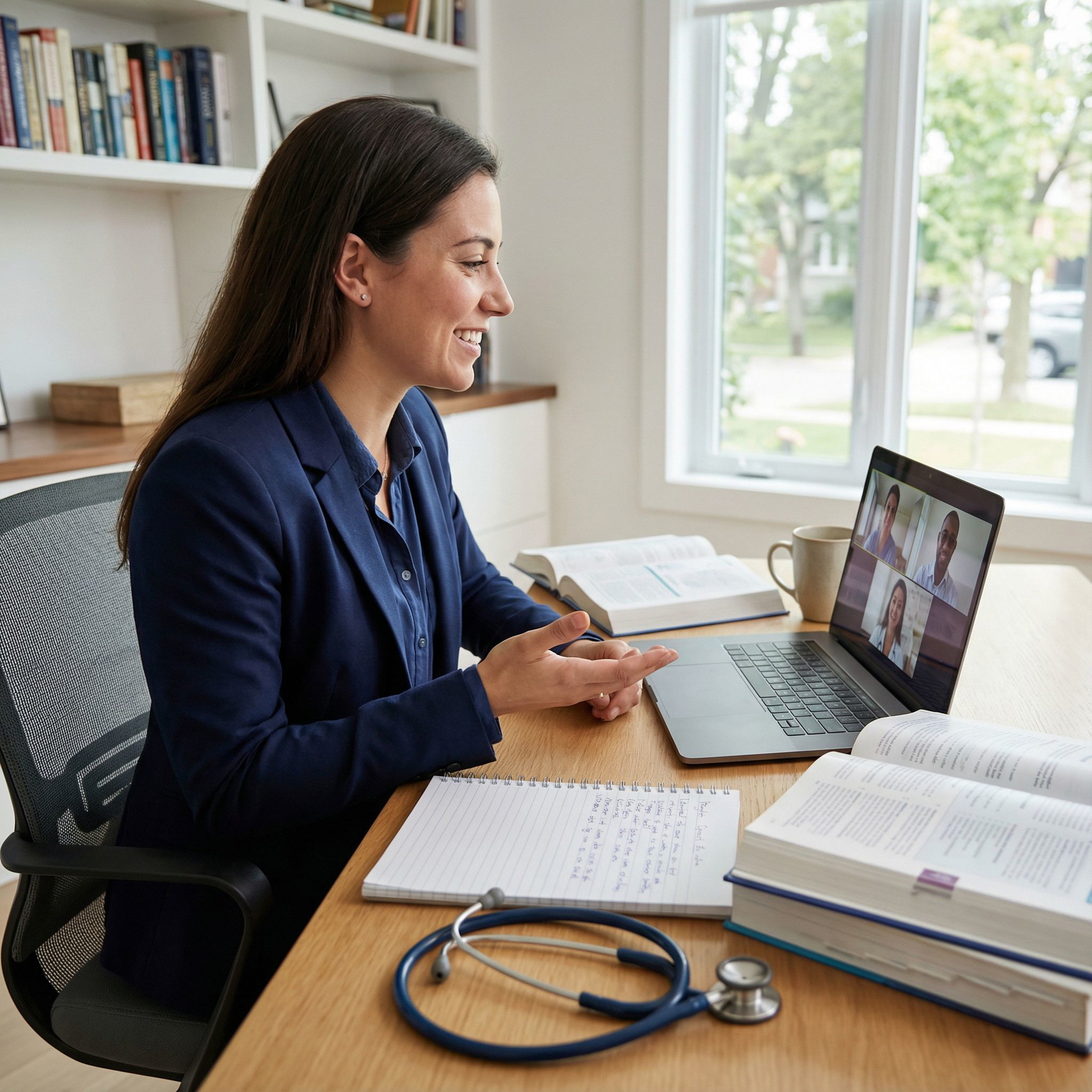
Confirm technology setup for virtual interviews:
- Reliable internet (consider wired if your Wi-Fi is unstable)
- Good lighting (natural light or desk lamp positioned in front of you)
- Neutral, uncluttered background
- Quiet environment—warn roommates/family in advance
Your demeanor on interview day—calm, punctual, prepared—subtly reinforces that you can handle the stress and coordination demands of IR training.
Personal Readiness: Mindset, Wellness, and Professionalism
1. Mental Preparation: Reframing Imposter Syndrome
Many Caribbean IMGs feel they must “prove” they belong in competitive fields like IR. This can create anxiety that undermines interview performance.
Shift your mindset:
- Programs invited you because your file already passed a high bar.
- Interviews are about fit, not proving basic competence.
- You are interviewing them as much as they are interviewing you.
A simple pre-interview thought exercise:
- List 5–7 reasons you are a strong candidate (e.g., USMLE scores, clinical evaluations, IR electives, research, resilience, language skills).
- Read this list the night before and the morning of each interview.
You are not “lucky to be there”; you earned the interview.
2. Pre-Interview Day Routine
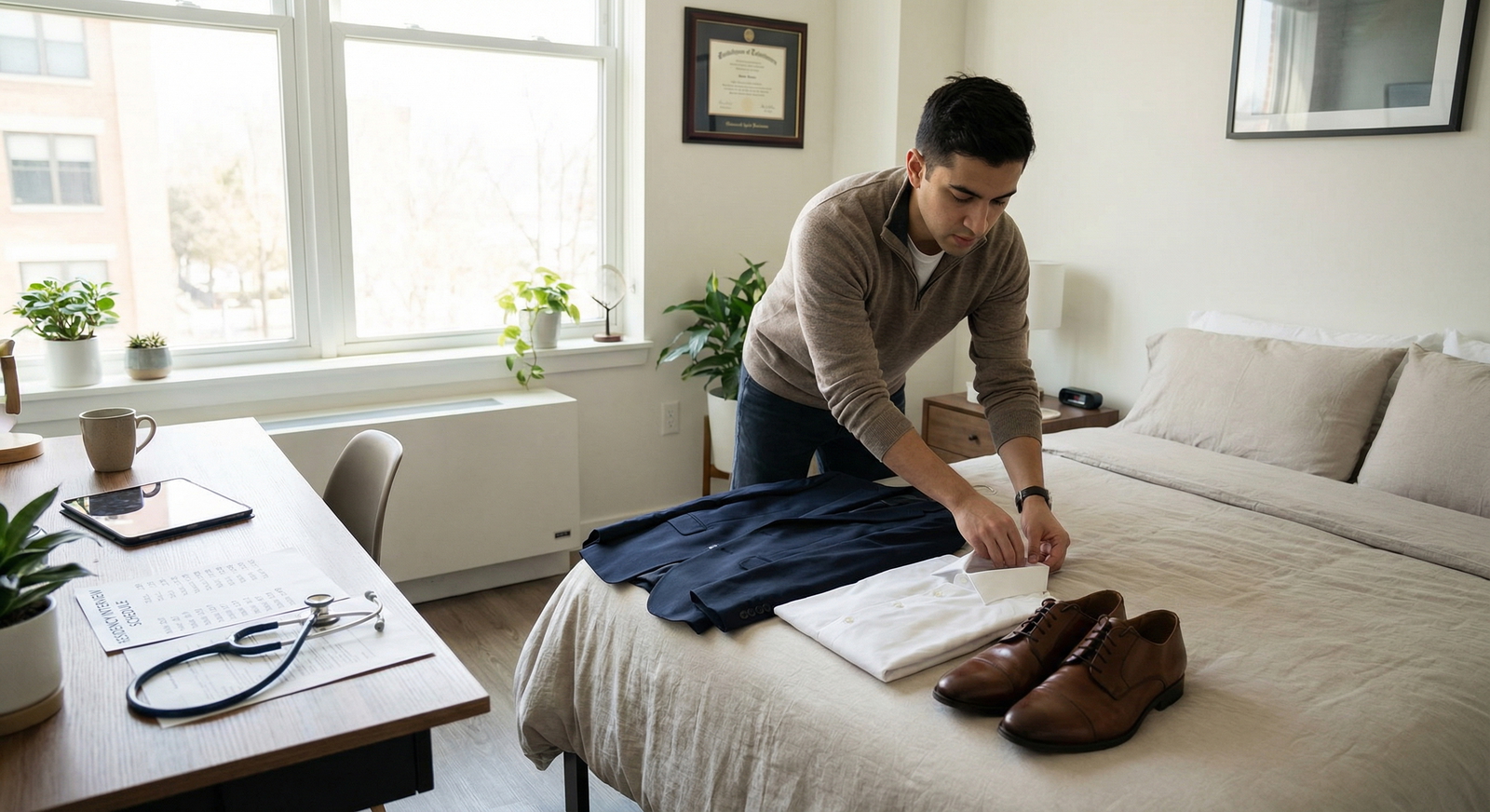
Develop a consistent routine you can repeat for every interview:
Day before:
- Review program summary and your notes.
- Rehearse “tell me about yourself” and “why IR?” once or twice.
- Set out your clothes (professional, comfortable, conservative).
- Confirm technology and backup (phone hotspot, extra device).
- Aim for 7–8 hours of sleep.
Morning of:
- Light breakfast (avoid heavy, greasy food).
- 5–10 minutes of deep breathing or mindfulness.
- Quick scan of your notes—not cramming, just refreshing.
- Log in 10–15 minutes early to each interview platform.
3. Professional Etiquette and Follow-Up
- Address everyone respectfully (Dr. / Professor) unless invited to use first names.
- Avoid negative comments about any school, program, or person.
- Listen carefully; don’t interrupt.
- Smile when appropriate; show genuine engagement.
After interviews:
- Within 24 hours, write brief thank-you emails to key interviewers:
- 3–4 sentences referencing something specific you discussed.
- Reaffirm interest in IR and in the program (if true).
These messages do not guarantee a Caribbean medical school residency position or influence the IR match outcome by themselves, but they reinforce professionalism and help you stay memorable.
FAQs: Pre-Interview Preparation for Caribbean IMG in Interventional Radiology
1. As a Caribbean IMG, can I realistically match into Interventional Radiology?
Yes, but IR is highly competitive, especially Integrated IR. Many Caribbean IMGs match into Diagnostic Radiology with ESIR and then pursue an IR fellowship or Independent IR residency; others match directly into Integrated IR programs. Your chances improve with:
- Strong USMLE scores and solid clinical evaluations
- Substantial U.S. clinical experience, including IR electives
- IR-related research or scholarly work
- Excellent letters from U.S. IR/radiology faculty
- Outstanding interview performance and clear commitment to IR
Your school’s track record (e.g., SGU residency match data) can be reassuring, but your individual profile and interview matter most.
2. How technical do my answers need to be in an IR interview?
You are interviewed as a future trainee, not as a fellow. Programs want to see:
- A good grasp of IR’s scope of practice
- Understanding of basic indications, risks, and benefits of common procedures
- Ability to think clinically and communicate clearly with patients and teams
You do not need to recite catheter sizes or detailed embolic agents, but you should be able to:
- Explain common IR procedures in simple terms
- Reason through clinical scenarios logically
- Demonstrate curiosity about learning more
3. How should I address lower grades or exam attempts in my interview?
Prepare a short, honest, and forward-looking explanation:
- Briefly acknowledge the issue (no excuses).
- Give context if relevant (illness, transition stress, etc.) without over-explaining.
- Emphasize what you learned and how you improved (study strategies, time management, seeking help).
- Point to later successes (better scores, strong clinical performance, research).
Then move on. Do not dwell on it or appear defensive. Programs care more about your trajectory than a single data point.
4. How is IR interview preparation different from other specialties?
Key differences:
- You must demonstrate interest in both clinical care and procedural work, plus comfort with imaging.
- Program research is more nuanced: IR can vary widely in case mix (oncology, PAD, venous, women’s IR, etc.).
- There’s greater emphasis on multidisciplinary collaboration (with surgery, oncology, vascular, ICU, etc.).
However, fundamentals are similar: clear communication, professionalism, self-awareness, and a coherent career narrative remain central to success in any residency interview preparation process.
By investing deeply in pre-interview preparation—intellectually, strategically, and personally—you transform interviews from high-stress hurdles into genuine professional conversations. As a Caribbean IMG pursuing Interventional Radiology, that transformation can be the difference between being perceived as a risk and being recognized as the future colleague they want in the IR suite.