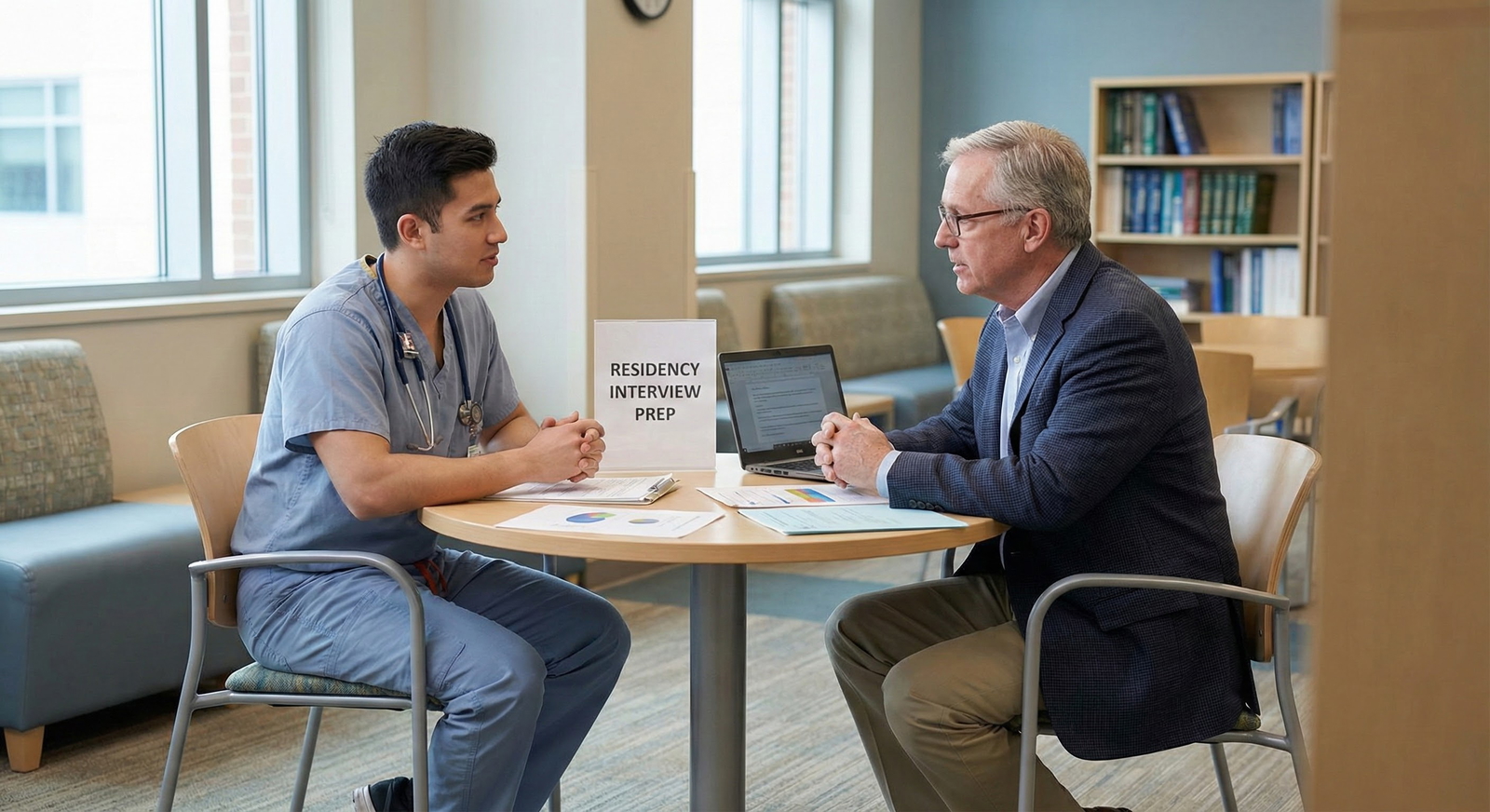
Understanding Your Goals Before You Start Asking Questions
Before you decide what to ask programs, you need clarity on what you want from a medical genetics residency. As a Caribbean IMG, you are not only navigating the usual residency match questions, but also issues unique to international graduates: visa sponsorship, institutional support, transition to the U.S. system, and long‑term career planning.
When you’re thinking about questions to ask residency programs, break your goals into four main areas:
- Training quality and fit for medical genetics
- Support for Caribbean IMGs
- Career development and genetics match outcomes
- Life outside the hospital (location, culture, wellness)
Keep these in mind as you build your list of interview questions for them—the faculty, residents, and program leadership. The strongest candidates treat the interview as a two‑way evaluation: you are also “interviewing” the program.
Why your questions matter
Thoughtful questions:
- Show you understand the medical genetics residency pathway and its demands.
- Signal that you are serious about your training and residency match outcomes.
- Help you determine if the program is truly prepared to support a Caribbean IMG, especially in a genetics‑focused pathway (often via pediatrics, internal medicine, or a categorical genetics track).
- Give you concrete information to compare programs when you’re building your rank list.
As you read the rest of this article, note which questions feel most relevant—and adapt the wording so it sounds natural for you.
High‑Yield Questions for Program Directors and Leadership
Program directors (PDs), associate PDs, and key faculty are the best people to ask big‑picture questions about program design, outcomes, and support for IMGs. When you think about what to ask a program director, focus on issues only leadership can answer accurately.
1. Training structure and genetics exposure
Many genetics‑bound physicians first match into another specialty (e.g., pediatrics, internal medicine) and then pursue medical genetics residency as a categorical or combined training pathway. It is essential to clarify how a program will actually get you to your genetics career goal.
Questions to consider:
- “How does your program support residents who are interested in pursuing a medical genetics residency or combined genetics training?”
- “At what point in training can residents start getting dedicated exposure to clinical genetics (rotations, electives, clinics)?”
- “Are there formal pathways, tracks, or mentorship specifically for residents planning a genetics match?”
- “Do you have a relationship with a dedicated medical genetics residency program or institution for advanced training?”
Why this matters for Caribbean IMGs
As a Caribbean IMG (for example, from SGU, AUC, Ross, Saba), you may need a clear, structured path. Programs that already have residents going into genetics, or have joint agreements with genetics training programs, are more likely to help you build a competitive portfolio.
If you’re specifically interested in the SGU residency match experience, you might say:
- “I’m a Caribbean IMG and many of my colleagues have matched through the SGU residency match. How has your program’s experience been with Caribbean graduates who later matched into subspecialties like genetics?”
This signals both transparency and a clear long‑term plan.
2. Program outcomes and genetics‑related careers
You are investing years of your life into a program. You deserve to know what that investment tends to produce.
Key questions:
- “In the past 5–10 years, how many residents have gone into medical genetics or genetics‑related fellowships?”
- “For residents interested in genetics or genomics, what types of research or scholarly projects have they completed?”
- “Do you track where your graduates practice after training, especially those in genetics or precision medicine roles?”
- “How does your program support residents applying to competitive fellowships like medical genetics?”
Push for specifics, not vague reassurances. Numbers, examples, and names of partner institutions are far more informative than “we’re very supportive.”
3. Support for Caribbean IMGs and visas
As a Caribbean IMG, you must address your status directly—but strategically. You want clear information without making the entire interview about immigration issues.
Questions to ask program director or coordinator:
- “What has been your experience with Caribbean IMGs in the program? What strengths do they typically bring, and what challenges have you learned to support them with?”
- “How many current residents are IMGs, and how many are from Caribbean medical schools?”
- “What types of visas does your institution sponsor for residents (J‑1, H‑1B), and has this changed in recent years?”
- “Is there institutional support (legal or administrative) for visa and immigration issues?”
If you are very concerned about your visa options, follow with:
- “Have any residents transitioned from J‑1 to H‑1B or stayed on for further training here after residency?”
These questions belong more in your conversation with the PD or program coordinator, not during informal chats with residents.
4. Program culture, expectations, and feedback
The PD sets the tone. You want to know what it’s truly like to train there.
High‑yield questions:
- “How would you describe the culture of your program in terms of teaching, supervision, and resident autonomy?”
- “What qualities do you think make residents successful here, especially for those who are IMGs?”
- “How do you give feedback to residents? Is it mostly informal, formal evaluations, or both?”
- “Have there been any significant program changes in the last 2–3 years, and what prompted them?”
For someone with a strong interest in genetics, also ask:
- “How open is the program to residents customizing their training—for example, adding genetics electives or research blocks?”
5. Red‑flag and clarifying questions
You can gently probe for program weaknesses without sounding confrontational.
Consider:
- “If I talked to your residents privately, what would they say is the biggest challenge of your program?”
- “What are you currently working to improve in the program?”
- “Have there been any challenges integrating residents who are Caribbean IMGs, and how have you addressed them?”
Honest, reflective answers are a good sign; defensive or evasive ones are a warning.

Smart Questions to Ask Residents and Fellows
Residents give you the real story about daily life, workload, and how the program treats IMGs. When planning interview questions for them, aim for specifics, not generic “Do you like it here?” questions.
1. Day‑to‑day experience and workload
You want to know what your actual life will look like.
Questions to ask residents:
- “Can you walk me through a typical day on a busy inpatient service?”
- “What does a typical call schedule look like at each PGY level?”
- “On average, how often do you leave on time vs stay late?”
- “Are duty hour violations common, and how does the program respond when they occur?”
Follow up with:
- “How manageable is the workload for someone who may initially be adjusting to the U.S. system, like an IMG from a Caribbean school?”
This acknowledges your background and invites them to comment on how supportive the environment is.
2. Teaching quality and supervision
For a future geneticist, strong foundations in clinical reasoning, pathophysiology, and research skills are critical.
Ask:
- “How often do you have formal teaching conferences (morning report, noon conference, genetics case conferences)?”
- “On most rotations, do you feel you have enough supervision while still getting autonomy?”
- “Are attendings approachable when you’re unsure about a case?”
- “How often do you interact with clinical geneticists, genetic counselors, or genomics labs during residency?”
Programs with integrated genetics training might also offer:
- Combined case conferences (e.g., tumor boards with molecular pathology).
- Interdisciplinary rounds with genetics input (NICU, pediatrics, oncology).
If residents mention these, probe further.
3. Genetics exposure and mentorship from the resident perspective
Residents will tell you if “supporting genetics interests” is real or just brochure language.
Targeted questions:
- “Do any current or recent residents plan to pursue medical genetics residency or related fellowships?”
- “Have you or your colleagues done genetics‑related projects (case reports, quality improvement, labs, or research)?”
- “Are there specific faculty known for mentoring residents in genetics, genomics, or precision medicine?”
- “If a resident wanted to tailor their training toward a genetics match, how realistic is that here?”
If they hesitate or say “not really,” that program may not be ideal for a genetics‑focused career.
4. Support for Caribbean IMGs
Residents often know exactly how IMGs are integrated and supported.
Ask residents:
- “How welcoming has the program been toward IMGs, especially graduates from Caribbean medical schools?”
- “Are there current Caribbean IMGs in your program? How have they been doing?”
- “Do you feel there is any difference in how IMGs are treated compared to U.S. grads?”
- “What kind of support did you see for colleagues struggling with clinical documentation, communication, or system differences early on?”
If you find another Caribbean IMG resident:
- “Looking back, what would you have asked the program before ranking it, specifically as a Caribbean IMG?”
- “What challenges did you face early in training, and how did the program respond?”
Their answers can be some of the most valuable data you’ll get on interview day.
5. Resident wellness and life outside the hospital
A genetics‑oriented career can be academically intense—you need a program that doesn’t burn you out.
Questions for residents:
- “Do you feel you have time for life outside of work, hobbies, family, or research?”
- “How supportive is the program when residents have personal crises or health issues?”
- “Are there wellness initiatives that are actually helpful, not just symbolic?”
- “How livable is the area on a resident salary, especially if you’re supporting family or sending money back home?”
For Caribbean IMGs far from home, also ask:
- “Do many residents here come from out of state or out of the country? Is there a sense of community for people who don’t have family nearby?”
Questions Focused on Genetics, Research, and Career Development
If your end goal is a medical genetics residency or a genetics‑intensive career, you must be strategic from the start. Ask programs exactly how they will help you build a strong genetics match portfolio.
1. Genetics curriculum and clinical exposure
Some categorical programs embed genetics content directly; others leave it to electives.
Ask faculty or the PD:
- “What formal genetics or genomics teaching is included in your core curriculum?”
- “Are there required rotations in clinical genetics, metabolic genetics, or related services?”
- “How early in training can I rotate with genetics, and can I repeat those rotations if I’m strongly interested?”
- “Do residents participate in multidisciplinary clinics involving genetic counselors or precision medicine teams?”
Make sure this is more than one optional week in PGY‑3. The more structured the exposure, the better.
2. Research and scholarly activity in genetics
A strong research portfolio can make your genetics match application stand out, especially as a Caribbean IMG.
Questions to ask research‑oriented faculty or PD:
- “What kind of research infrastructure exists here—protected time, statisticians, research mentors?”
- “Are there active projects or labs related to genetics, genomics, or rare diseases that residents can join?”
- “How many residents present at national meetings each year, especially in genetics or related fields?”
- “Does the program provide funding for conferences if we present genetics‑related work?”
You can personalize the question:
- “I’m particularly interested in [e.g., cancer genetics, metabolic disorders, pharmacogenomics]. Are there faculty here working in that area who involve residents?”
3. Building a competitive genetics application
Some programs have a clear track record of sending graduates into genetics. You want to know how they do it.
Ask:
- “What concrete steps do you recommend for a resident here who wants to match into medical genetics residency?”
- “Are there alumni in genetics or genomics who stay involved as mentors for current residents?”
- “How does the program help residents with letters, networking, and timing for fellowship applications, including genetics?”
If the program has successfully placed residents into genetics:
- “Could you share examples of recent graduates who matched into medical genetics—where they trained and what their paths looked like?”
This tells you whether the program just “supports the idea” or actually delivers.
4. Integration with genetics services and labs
Understanding how genetics integrates into the hospital system will shape your learning experience.
Questions:
- “How closely do residents work with clinical geneticists or genetic counselors in inpatient and outpatient settings?”
- “Do residents get to see the full pipeline—from genetic testing orders to interpretation and counseling?”
- “Are there opportunities to attend tumor boards, genomic case conferences, or variant review meetings?”
Programs that normalize genetics in day‑to‑day care will prepare you better for advanced training.

Strategy: How and When to Ask Your Questions
Knowing what to ask is only half the battle. You also need to deploy your questions strategically on interview day.
1. Prioritize and customize
You won’t have time to ask everything. Before each interview:
- Review the program’s website and brochure.
- Cross off questions clearly answered there.
- Highlight 5–7 “must‑ask” questions tailored to that program (e.g., if they advertise a genomics center, ask about resident access).
Have slightly different sets for:
- Program director / associate PD
- Residents
- Research faculty / genetics faculty
- Program coordinator (especially for logistics and visas)
2. Avoid questions with easily searchable answers
Avoid asking:
- “Do you have a genetics rotation?” if it’s clearly listed online. Instead, deepen it:
- “I saw you have a genetics rotation in PGY‑2—how flexible is that for someone who might want more intensive genetics exposure?”
This shows you’ve done your homework and are thinking a step ahead.
3. Phrase questions from a position of professionalism, not fear
As a Caribbean IMG, you may worry about bias or visa limitations. You can address concerns without sounding insecure.
Less helpful:
- “Will being a Caribbean IMG be a disadvantage here?”
Stronger:
- “What strengths have you noticed in Caribbean IMGs who’ve trained here, and what supports have you found help them adapt most successfully?”
This frames you as confident and solutions‑oriented.
4. Take notes discreetly
After each interview day:
- Write down key answers, especially around genetics exposure, IMG support, and fellowship outcomes.
- Note tone and non‑verbal cues: Did people light up when discussing genetics? Did they hesitate when discussing IMGs?
This will be invaluable when building your rank list.
5. Questions you should almost always ask
Across programs, these are consistently high‑yield questions to ask residency leadership:
- “How would you describe the resident who thrives in this program?”
- “How do you see the role of genetics and genomics evolving in your training over the next few years?”
- “If I matched here and wanted to pursue medical genetics residency, what concrete opportunities should I take advantage of from PGY‑1 onward?”
These anchor questions let the program reveal its true priorities and culture.
Frequently Asked Questions (FAQ)
1. As a Caribbean IMG, should I tell programs I want to pursue medical genetics?
Yes—but do it thoughtfully. Programs appreciate applicants with clear goals, especially in evolving fields like genetics. Frame it as:
- A strong interest you are eager to explore.
- Balanced with openness to other scholarly areas.
- Connected to concrete experiences (e.g., research, cases, coursework) rather than a vague fascination with DNA.
Avoid sounding like you view the core residency (pediatrics, internal medicine, etc.) as just a “stepping stone.” Emphasize that solid general training is essential for being an excellent geneticist.
2. Are there specific questions I should avoid asking during interviews?
Avoid:
- Questions that sound like you haven’t read the website (e.g., “How long is your program?” when it clearly states 3 years).
- Very personal questions to residents (salary details beyond what’s public, gossip about faculty).
- Aggressive or confrontational wording about visa issues. Instead, calmly ask the PD or coordinator about historical patterns and current policies.
Also avoid asking, “Where do you think I should rank your program?”—it puts interviewers in an awkward position.
3. How can I tell if a program truly supports Caribbean IMGs?
Look for:
- Clear history: “We’ve had X Caribbean IMGs in the past Y years.”
- Specific supports: orientation to the U.S. system, documentation training, feedback systems.
- Honest discussion of challenges and solutions—rather than, “Oh, everyone’s the same; we don’t see any differences.”
- Current residents who are Caribbean IMGs and appear integrated, respected, and successful.
Your questions to ask programs should push gently for these specifics.
4. Does it help to mention the SGU residency match or my Caribbean school by name?
Yes, in context. Instead of apologizing for being a Caribbean IMG, matter‑of‑factly integrate it into your questions and narrative:
- “Coming from [your school], I’ve seen many colleagues succeed through the Caribbean medical school residency pathway, including the SGU residency match. I’m interested in how your program has worked with Caribbean graduates, especially those pursuing subspecialties like genetics.”
This positions your background as normal and expected, not as a liability.
By preparing thoughtful, strategic interview questions for them—program directors, residents, and faculty—you transform the interview from a one‑sided evaluation into a meaningful conversation. As a Caribbean IMG with an interest in medical genetics residency, your questions should help you uncover:
- Whether a program can genuinely support your genetics match goals.
- How it treats and develops IMGs.
- What your day‑to‑day life and long‑term career trajectory will look like.
Use the questions in this guide as a template, customize them for each program, and let them showcase you as a focused, mature, and future‑oriented applicant.