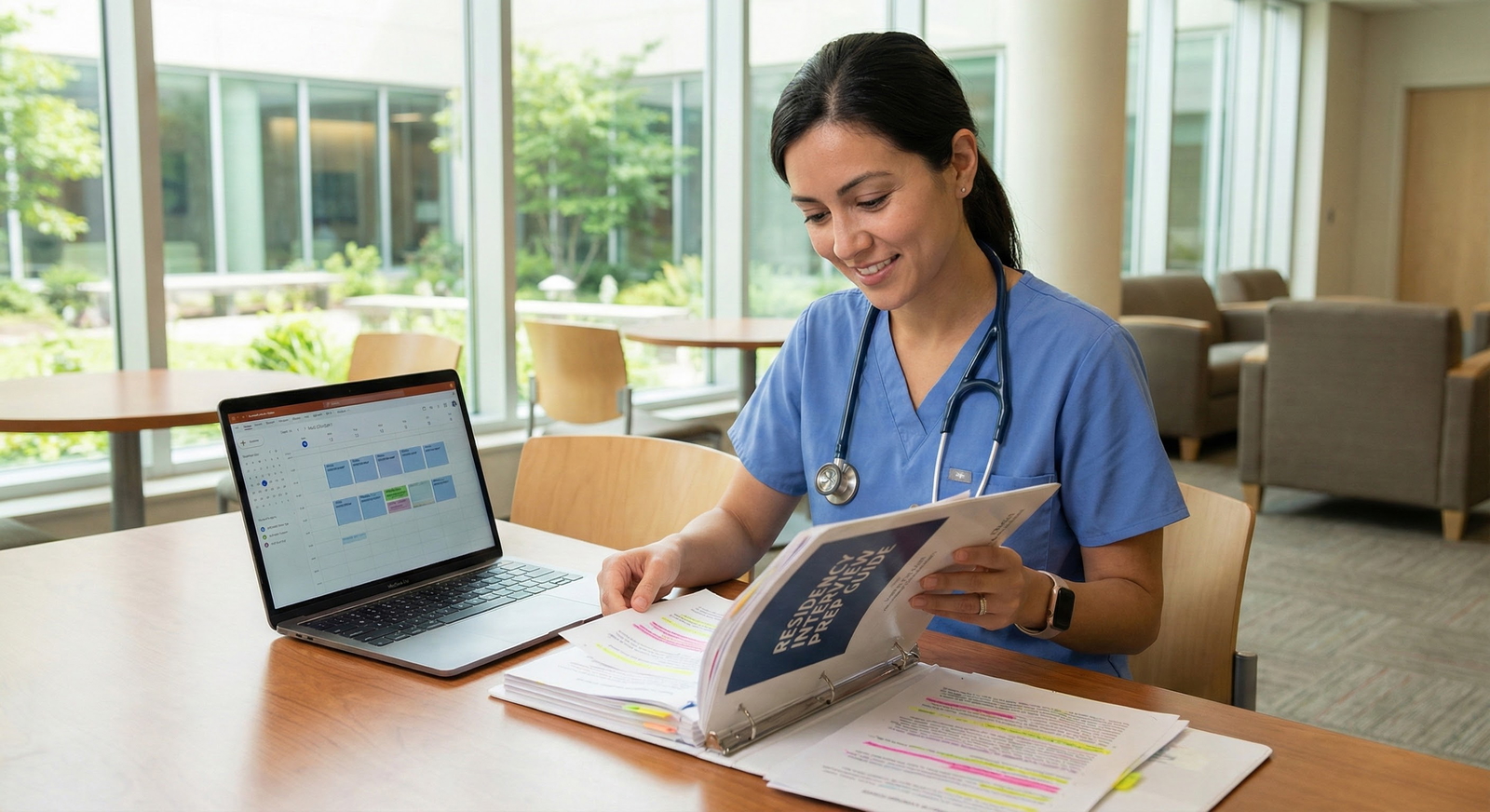
Why Your Questions Matter as a Caribbean IMG in Neurology
As a Caribbean IMG applying for neurology residency in the U.S., the questions you ask programs are not just polite conversation—they are one of your most powerful tools.
Strong, targeted questions will help you:
- Stand out as thoughtful and prepared
- Signal that you understand neurology as a specialty
- Clarify how supportive a program is toward IMGs, especially from Caribbean medical schools
- Decide whether this residency will realistically help you reach your career goals (fellowship, academic vs. community neurology, visa, family considerations)
- Avoid unpleasant surprises after Match Day
Program directors and faculty consistently say that the best candidates treat interviews like two-way conversations, not interrogations and not passive Q&A. For a Caribbean IMG, coming from SGU, AUC, Ross, Saba or other schools, having smart questions ready is especially important—you are showing that you are intentional, informed, and prepared for the U.S. neurology training environment.
This guide will walk you through:
- Core question areas you must cover
- Sample wording you can adapt
- Special considerations for Caribbean IMGs and neurology as a field
- How to tailor questions for program directors, residents, and coordinators
- Red flags to watch for in their answers
Strategy First: How to Use Your Questions Wisely
Before diving into lists, think strategically about when, how, and to whom you ask your questions.
1. Build a Question Bank (and Don’t Repeat Basics)
Review each program’s website and social media first. For Caribbean IMG applicants, this is essential—many programs already address:
- Visa sponsorship
- Recent match lists
- Rotation sites
- Research opportunities
Place those basic facts into your notes so you don’t waste question time asking what’s already clearly stated. Instead, ask follow‑ups that show you did your homework:
“I saw on your website that several residents matched into vascular and epilepsy fellowships in the last few years. What do you think helped them be successful, and how does the program support fellowship applicants now?”
2. Direct Questions to the Right Person
You will likely meet several groups:
- Program Director (PD) – big-picture training philosophy, curriculum, fellowships, institutional support
- Faculty – clinical training, subspecialty exposure, teaching culture
- Chief Residents / Current Residents – day-to-day reality, workload, culture, support
- Program Coordinator – logistics, visas, onboarding, schedule details
Tailor your questions:
- “What to ask program director?” → Vision, curriculum, outcomes
- “Interview questions for them (residents)?” → Lifestyle, wellness, culture, true experience
- “Questions to ask residency coordinator?” → Visas, start dates, onboarding, housing
3. Prioritize as a Caribbean IMG in Neurology
For a Caribbean medical school residency applicant in neurology, some issues are absolutely critical:
- Visa sponsorship and long‑term job prospects
- Graduate success in the neuro match (fellowships: stroke, epilepsy, neurophysiology, neurocritical care, etc.)
- Support for IMG integration (orientation, US clinical experience gaps)
- Call structure and supervision during the first year (especially if prelim medicine is separate)
- Opportunities to strengthen your CV given the competitive nature of some neurology subspecialties
Use these priorities to choose 5–7 “must ask” questions per program, rather than trying to memorize long lists.
Core Questions About Training, Curriculum, and Patient Exposure
These questions help you understand whether the program will actually train you into a strong, independent neurologist—and how they support Caribbean IMGs specifically.
A. Curriculum & Clinical Training
“How is neurology training structured across the four years, and what changes have you made recently based on resident feedback?”
- Shows you care about evolution and quality improvement, not just the static curriculum.
“What is the balance between inpatient, consult, and outpatient neurology here?”
- Clarifies if you’ll graduate well-rounded or heavily skewed toward one setting.
“How early do residents get exposure to subspecialties like stroke, epilepsy, neuromuscular, and neurocritical care?”
- Especially important for early career direction and fellowship exposure.
“What is your approach to autonomy versus supervision, especially for junior residents on night float or stroke call?”
- Critical for safety and learning; pay attention to whether supervision is accessible and supportive.
“How are neurology residents integrated with internal medicine rotations, especially for prelim or PGY-1 years?”
- For Caribbean IMGs, this is where adaptation to U.S. systems and documentation often happens. Programs with structured support here are valuable.
B. Patient Population and Pathology
“Can you describe your typical patient population and the kind of neurological pathology residents see most often?”
- You want diverse pathology: stroke, epilepsy, movement disorders, neuromuscular, neuroimmunology, etc.
“Do residents rotate at multiple sites (VA, county, private hospital, rehab, epilepsy center), and how do those sites differ?”
- Multiple sites often mean broader experience but also more complexity in commuting and systems.
“How much exposure do residents get to neuroimmunology, neuro-oncology, and rare disorders versus bread‑and‑butter stroke and epilepsy?”
- Neurology is evolving rapidly; exposure to modern subspecialties is key.
C. Teaching, Feedback, and Assessments
“What does a typical week of formal teaching look like for residents (conferences, morning reports, EEG/EMG teaching, neuroradiology rounds)?”
“How is resident performance evaluated, and how often do we receive structured feedback?”
“How do you support residents who are struggling—whether clinically, academically, or with exams?”
- As a Caribbean IMG, you want to know there is non-punitive remediation and genuine support.
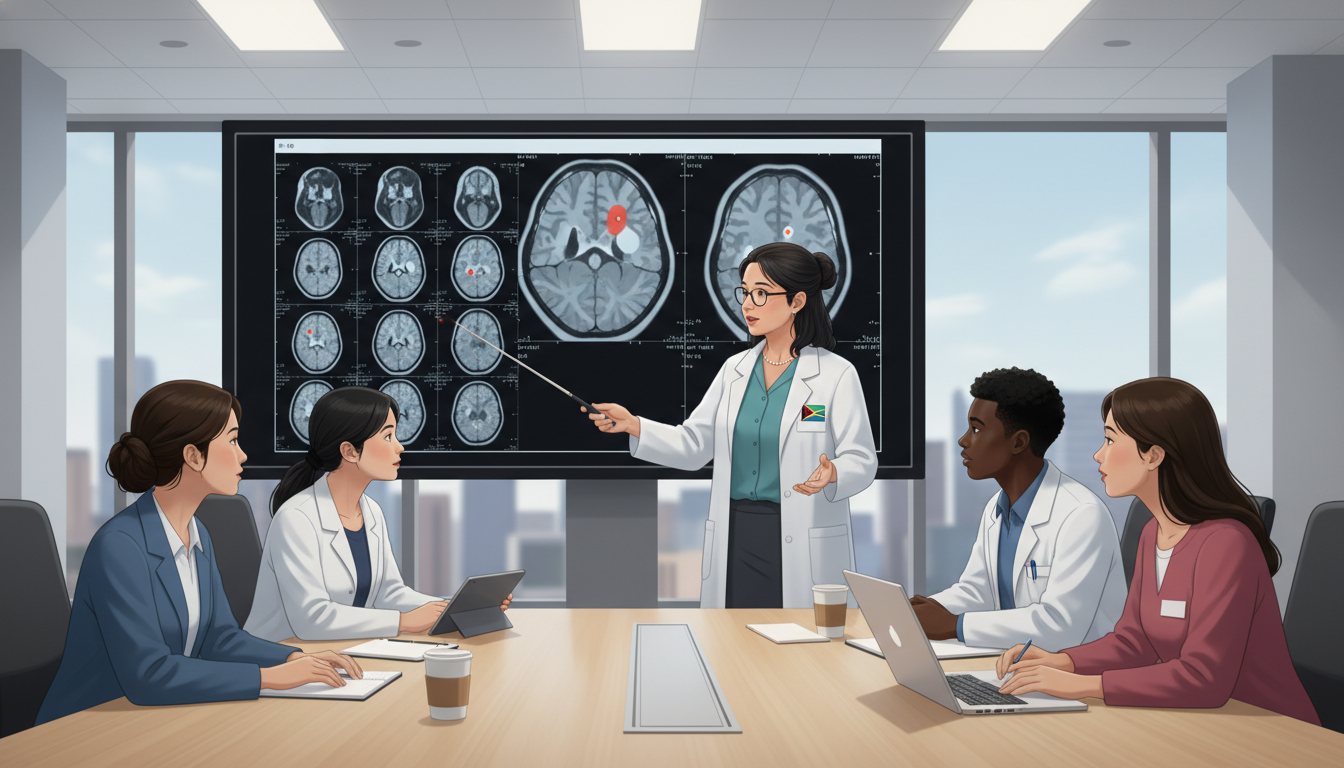
IMG‑Focused Questions: Support, Culture, and Outcomes
For a Caribbean IMG in neurology, not all programs are equally experienced in working with international graduates. These questions help you assess how IMG‑friendly and supportive a program truly is.
A. Program Culture and IMG Experience
“How many of your current neurology residents are IMGs, and how many are from Caribbean medical schools?”
- Listen not just for numbers, but for the tone of how they talk about these residents.
“What specific support do you offer IMGs during the transition to your hospital system (orientation, EMR training, documentation, communication skills)?”
“Can you share examples of how past Caribbean IMG residents have done in your program and where they are now?”
- Especially helpful for SGU residency match or similar schools—are graduates in fellowships, academics, private practice?
“How would you describe the overall culture among residents and faculty—particularly in terms of collaboration, feedback, and openness to diversity?”
- Look for specifics: examples of social events, mentorship, or wellness initiatives.
B. Visa and Employment Realities
Visa and long‑term employment may be the deciding factor for many Caribbean IMGs.
“What types of visas do you sponsor for international residents (J‑1, H‑1B), and has this changed recently?”
“Have you had any recent residents experience issues with visa processing or renewal, and how did the program support them?”
- You want to know they’re proactive, not leaving you to figure it out alone.
“Do you have a dedicated GME office or legal team that assists with immigration‑related matters?”
“For recent IMG graduates, what have been the typical first jobs after residency—fellowships, academic positions, or community practice?”
- This gives you a realistic view of what doors this program opens.
C. Board Exams and Academic Support
“What has been your recent neurology board pass rate, and what resources do you provide to help residents prepare?”
- Ask this to the PD or chief residents. Programs should know their outcomes.
“Do IMG residents receive any extra support if they need it, for example, for board prep, clinical documentation, or communication skills?”
“How do you help residents build competitive profiles for fellowships, especially those coming from non‑U.S. medical schools?”
Career Development, Research, and Fellowship: Planning Your Neuro Match
Caribbean IMGs often aim to strengthen their academic profile during residency to be more competitive in the neuro match for fellowship. Your questions should explore whether a program can truly support that.
A. Fellowship Outcomes and Mentorship
“What proportion of your residents pursue fellowships, and in which neurology subspecialties have they matched recently?”
- Look for concrete recent outcomes: stroke, epilepsy, neurocritical care, movement disorders, neuromuscular, neuroimmunology, etc.
“How early in residency do you encourage residents to start planning for fellowship, and is there a structured mentorship process for that?”
“Do you have in‑house neurology fellowships, and how competitive is it for your own residents to match into them?”
- In‑house fellowships can be a major advantage for an IMG.
“For residents interested in academia or research‑heavy fellowships, what support do you offer in terms of mentorship, protected time, and letters of recommendation?”
B. Research and Scholarly Activity
“What research opportunities are realistically available for residents, and how many residents typically present at conferences each year?”
“Is there structured support for residents who are new to research—for example, help with IRB, statistics, or manuscript writing?”
“Can you describe recent resident‑led research projects in neurology and how the faculty supported them?”
- Concrete examples show the program walks the talk.
“Do residents receive funding or time off to present at national conferences like AAN or subspecialty meetings?”
- Important if you need to strengthen your U.S. academic footprint as a Caribbean IMG.
C. Tailoring Questions to Your Specific Goals
If you already know your leaning (e.g., epilepsy vs. stroke vs. general neurology), you can go one step further:
Epilepsy‑interested:
“How much exposure do residents get to continuous EEG monitoring, EMU stays, and epilepsy surgery conferences?”
Stroke‑interested:
“How involved are residents in acute stroke codes, thrombectomy cases, and post‑stroke clinics?”
Neurocritical care‑interested:
“Do residents rotate in the neuro ICU, and what level of responsibility do they have in managing critically ill neurological patients?”

Lifestyle, Call, and Well‑Being: Questions You Must Not Skip
Neurology can be intense, especially with stroke call and night coverage. Caribbean IMGs—often far from family support—should be deliberate about understanding lifestyle and support systems.
A. Call Structure and Workload
“What does a typical call schedule look like for PGY‑2, PGY‑3, and PGY‑4 residents, including night float and weekends?”
“How busy is stroke call here in terms of pages, codes, and admissions on a typical night?”
- Ask residents for honest numbers: average consults, tPA/thrombectomy calls per shift.
- “When residents are on call, how accessible is faculty backup—for both clinical questions and difficult decisions?”
- You want strong supervision, especially early on.
- “How much of the documentation and order entry is done by residents versus advanced practice providers or scribes?”
- For a Caribbean IMG, heavy documentation with minimal support can be overwhelming in PGY‑2.
B. Wellness, Support, and Life Outside the Hospital
“What initiatives are in place to support resident wellness and mental health?”
“How do residents typically manage work–life balance here, especially during the busiest rotations?”
“Are there any formal or informal support networks for IMGs or residents who are far from family?”
“What is it like to live in this city as a resident in terms of cost of living, commute, and safety?”
- Ask residents, not just faculty, for real‑world perspectives.
Tailored Questions by Interviewer Type
Not all “questions to ask residency” should go to the same person. Here’s how to target them effectively and avoid repeating the same question to multiple people.
A. What to Ask the Program Director
PD time is limited; focus on vision, structure, and outcomes.
- “What qualities are you most proud of in your neurology residents?”
- “How do you see this program evolving over the next 3–5 years?”
- “What do you think distinguishes your neurology program from others in this region?”
- “How have you integrated IMG residents into your program, and what has worked well or needed adjustment?”
- “If I match here, what would you hope to see in my growth from PGY‑2 to PGY‑4?”
These questions show you’re thinking about fit, growth, and long‑term contribution, not just trying to get a spot.
B. Interview Questions for Them: Residents
Residents are your best source for candid information about daily life, culture, and how Caribbean IMGs fare in reality.
Ask them:
- “What surprised you most about the program after you started?”
- “How approachable are attendings when you’re uncertain about a case?”
- “Have you ever felt overwhelmed or burned out here, and how did the program respond?”
- “How have IMG residents, especially from Caribbean schools, done in this program? Do they feel integrated and supported?”
- “If you had to decide again, would you choose this neurology program?”
- Pay attention to pauses and body language.
C. Questions for the Program Coordinator
Program coordinators understand logistics and day‑to‑day operations.
- “For IMGs, what is the typical timeline and process for visa paperwork once Match results are out?”
- “Are there any specific onboarding challenges that Caribbean IMGs should be aware of, and how do you help with those?”
- “What is the typical schedule and structure of orientation before starting clinical duties?”
- “Are there any housing or relocation resources for incoming residents, especially those from outside the U.S.?”
Common Pitfalls and Red Flags to Watch For
As you ask these questions, you’re also evaluating the quality and transparency of the answers.
Potential Red Flags
- Very vague answers about board pass rates, fellowship outcomes, or visa support
- Dismissive comments about IMGs or Caribbean schools (“We take a few IMGs, but…”)
- Residents hesitating or exchanging looks when you ask about workload or culture
- No clear process for supporting struggling residents
- High call burden with minimal attending presence overnight
- Lack of recent resident scholarly activity or fellowships in competitive neurology subspecialties
Avoid These Common Applicant Mistakes
- Asking questions you could easily answer from the website (e.g., “Do you have a stroke service?” when it’s clearly described online)
- Asking only about lifestyle or moonlighting without first discussing training quality
- Asking aggressive or confrontational questions (“Why don’t you match more people into top fellowships?”)
- Sounding like you’re interrogating rather than engaging in a professional conversation
Putting It All Together: Practical Interview Day Checklist
Before each neurology interview, especially as a Caribbean IMG:
Review the website and recent news
- Note fellowships, research highlights, resident profiles.
Prepare 8–10 tailored questions, such as:
- 2–3 for the PD (curriculum, outcomes, vision)
- 3–4 for residents (culture, workload, support)
- 1–2 for faculty (teaching, subspecialty exposure)
- 1–2 for the coordinator (visa, logistics)
Prioritize your must‑ask topics:
- Visa support, IMG experience, board pass rates, neuro match outcomes, call structure
Take notes after each session
- Immediately jot down answers while they’re fresh; this will help with your rank list.
Reflect after the interview
- Did the program’s answers align with your goals as a Caribbean IMG?
- Can you realistically thrive and grow here—both clinically and personally?
If you treat your questions as a structured, thoughtful tool rather than a last‑minute formality, you’ll get a much clearer picture of which neurology programs will truly support your journey from Caribbean medical school residency applicant to confident, board‑certified neurologist.
FAQ: Questions to Ask Programs for Caribbean IMG in Neurology
1. How many questions should I ask in each neurology residency interview?
Aim for 3–5 strong, tailored questions per major interaction (PD session, resident breakout, faculty interview). You don’t need a long list—quality matters more than quantity. Prioritize questions about training quality, IMG support, and neuro match outcomes.
2. Is it okay to ask directly about visa sponsorship as a Caribbean IMG?
Yes—and you should. Phrase it professionally, such as:
“As an IMG who will require a visa, I wanted to confirm what types of visas your program sponsors and whether that has been consistent over recent years.”
Programs expect this and it’s an essential part of your decision-making.
3. Can I ask about SGU residency match or Caribbean IMGs specifically?
You don’t need to single out one school, but you can ask:
“How have graduates from Caribbean medical schools or other IMGs done in your program, and what are some examples of their current positions or fellowships?”
This gives you real data without centering only one institution.
4. What if I run out of questions by the end of the interview day?
Keep a few “universal” questions you can use anywhere, such as:
- “What kind of resident tends to thrive in your neurology program?”
- “What’s one thing you wish applicants knew about your program that isn’t obvious from the website?”
These are safe, insightful questions that work at almost any point in the day.