Understanding the Nuclear Medicine Residency Landscape as a Caribbean IMG
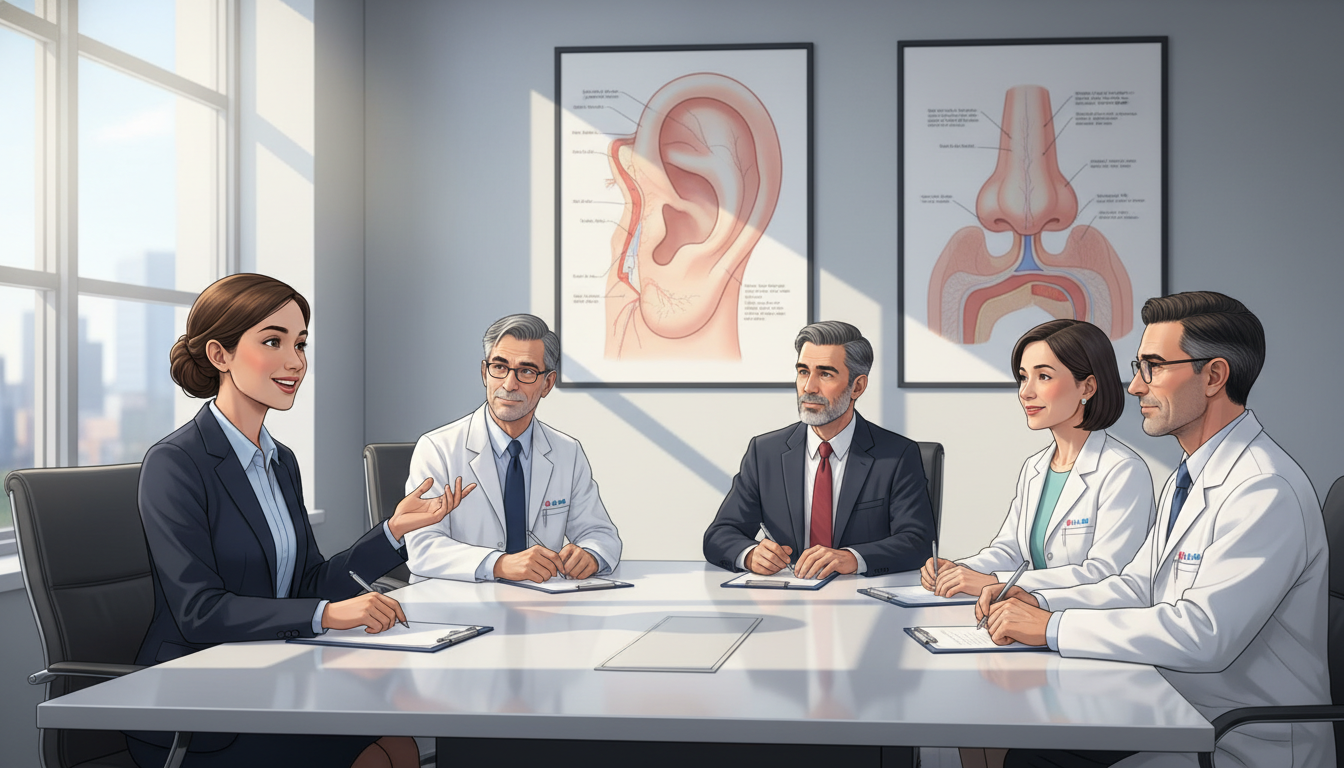
Nuclear medicine residency is a niche, highly specialized field that combines imaging, physics, radiopharmaceuticals, and patient care. As a Caribbean IMG—whether from SGU, AUC, Ross, Saba, or another Caribbean medical school—you face additional logistical and perceptual hurdles, but you also bring unique strengths.
Before you can focus on residency interview preparation, you need a clear view of the context you’re stepping into.
The Nuclear Medicine Training Pathway (U.S. Focus)
Most nuclear medicine programs in the U.S. follow one of these models:
- Independent Nuclear Medicine Residency (3 years)
- Usually entered after a preliminary/transitional year or another specialty (often internal medicine, radiology).
- Combined Diagnostic Radiology/Nuclear Medicine Programs
- Less common but attractive; heavy imaging focus.
- Pathways through Diagnostic Radiology
- Some residents do diagnostic radiology and then a nuclear medicine fellowship or focused nuclear radiology training.
As a Caribbean IMG, recognize that:
- Programs may be less familiar with your school.
- Visa status, graduation year, and US clinical experience will be scrutinized.
- You must demonstrate clear, informed interest in nuclear medicine specifically, not just “any residency.”
Why Nuclear Medicine Is Both a Challenge and an Opportunity
Challenges for Caribbean IMGs:
- Smaller specialty: fewer positions overall.
- Programs may prefer candidates with strong imaging or physics background.
- Many programs expect strong USMLE scores and robust letters.
Opportunities:
- Fewer applicants compared with primary care specialties.
- Programs value genuine interest, technical curiosity, and maturity.
- IMGs with prior training (e.g., internal medicine, radiology, or strong research) often match well.
If you’re coming from a Caribbean medical school residency track like SGU, you may have strong advising and match resources (e.g., SGU residency match support), but you still must individually prove your readiness and fit for nuclear medicine.
Step 1: Strategic Groundwork Before the Interview Invite
1. Clarify Your Nuclear Medicine Narrative
Before you can master how to prepare for interviews, you must define your story. Interviewers will look for a coherent, believable rationale:
- Why medicine?
- Why this training path?
- Why nuclear medicine?
- Why you, specifically, will thrive in this field?
Start by outlining:
Origin of your imaging interest
- A particular patient observed during a radiology or internal medicine rotation
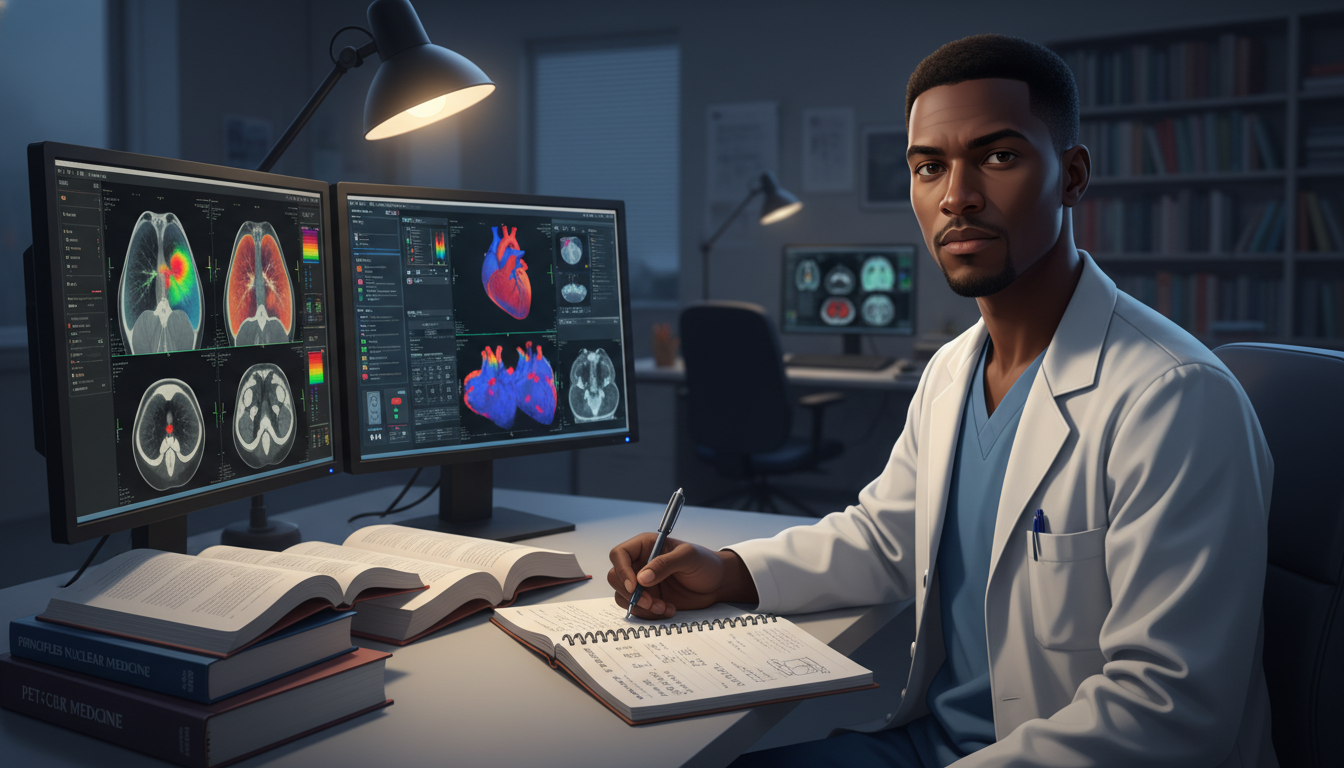
- Fascination with PET/CT for oncology staging or cardiac SPECT
- Interest in radiation physics or theranostics (e.g., I-131, Lu-177)
Reinforcing experiences
- Nuclear medicine elective or observership
- Research involving PET/CT, SPECT, theranostics, or radiopharmaceuticals
- Time spent with nuclear medicine faculty, technologists, or physicists
Long-term vision
- Academic nuclear medicine
- Hybrid clinician-imager focusing on oncology or cardiology
- Research in new tracers or dosimetry
- International collaboration, bringing nuclear medicine expertise back to the Caribbean or underserved communities
Document this in a paragraph or two; you will refine it later as your “elevator pitch.”
2. Audit Your Application from a Program Director’s Perspective
Look at your file the way a nuclear medicine program director would:
USMLE/COMLEX scores:
- Are they near or above the typical IMG threshold? If not, how will you explain?
Clinical experience:
- Do you have U.S.-based clinical rotations, ideally imaging or internal medicine?
- Did you have exposure to nuclear medicine or radiology in the U.S.?
Research and scholarly activity:
- Nuclear medicine match committees look favorably on imaging, oncology, or physics-related projects.
- Even quality improvement projects in imaging workflows are valuable.
Letters of recommendation:
- At least one from an imaging or nuclear medicine/radiology faculty is ideal.
- If letters were written by non-North American physicians, be prepared to contextualize their significance.
Seeing your application “from the other side of the table” helps you anticipate interview questions and potential concerns.
3. Strengthen Nuclear Medicine Exposure Before Interview Season
Even before you receive interview invites, you can improve your credibility:
Seek observerships or electives in:
- Nuclear medicine departments
- Diagnostic radiology with significant nuclear imaging
Complete online modules or courses in:
- Nuclear medicine basics
- Radiation safety
- PET/CT in oncology and cardiology imaging
Join relevant societies (as a student member):
- Society of Nuclear Medicine and Molecular Imaging (SNMMI)
- American College of Radiology (ACR), if accessible
These experiences give you content and vocabulary to bring into interview conversations.
Step 2: Targeted Program Research for Nuclear Medicine
Effective residency interview preparation means going far beyond reading program websites for 5 minutes.
1. Build a Nuclear Medicine Program Spreadsheet
Track details for every nuclear medicine residency program you apply to:
Columns to include:
- Program name and location
- Type (independent nuclear medicine, DR/NM combined, academic vs community)
- Number of residents per year
- Visa sponsorship (J-1, H-1B, none)
- Caribbean IMG or IMG-friendliness (from past match lists, forums, or FREIDA)
- Key faculty interests:
- PET/CT, SPECT, neuroimaging, cardiac imaging, theranostics, dosimetry
- Research strengths:
- Oncology tracer development, PSMA PET, neurodegenerative disease, etc.
- Notable features:
- Strong physics curriculum
- Hybrid training with radiology or internal medicine
- Major cancer center affiliation
This list will help you tailor answers about “Why this program?” and “Where do you see yourself in 5–10 years?”
2. For Caribbean IMGs: Leverage Alumni Networks
If you are from SGU or another Caribbean medical school:
- Check your school’s residency match lists (e.g., SGU residency match data) for:
- Nuclear medicine matches
- Radiology or oncology matches at the same institutions
- Reach out to alumni via:
- School alumni offices
- SNMMI membership directory (if applicable)
Ask them:
- What the interview style is like at that program.
- What the program values most in applicants (research, clinical maturity, teamwork).
- How they positioned themselves as Caribbean IMGs.
3. Prepare Program-Specific Talking Points
For each program, note:
- 2–3 clinical or academic features you admire (e.g., theranostic clinic, dedicated PET/CT for neuroimaging, strong physics lab).
- 1–2 ways your background aligns (e.g., oncology rotation, research in PET tracers).
- 1 question about training or curriculum that shows you did your homework.
This work transforms generic interest into a clear, persuasive fit during interviews.
Step 3: Mastering Core Interview Content for Nuclear Medicine
Most interview questions residency programs use are standard, but nuclear medicine brings its own flavor. As a Caribbean IMG, you must be ready to answer both general and specialty-specific questions clearly and confidently.
1. The Essential Personal and Professional Questions
Prepare concise, structured responses for:
“Tell me about yourself.”
- 60–90 seconds.
- Suggested structure:
- Brief background (Caribbean medical school, where you grew up)
- Key clinical or research experiences
- Transition to nuclear medicine interest
- One or two personal interests outside medicine
“Why nuclear medicine?”
Include:- A triggering experience (case, mentor, rotation)
- Features of nuclear medicine you value:
- Functional imaging
- Early disease detection
- Theranostics and personalized medicine
- Interdisciplinary collaboration (oncology, cardiology, endocrinology)
- How your personality fits:
- Detail-oriented, analytical
- Comfortable with physics and technology
- Enjoy team-based patient care and longitudinal follow-up
“Why are you a good fit for our program?”
- Connect program strengths to your goals (e.g., strong oncologic PET/CT, theranostics clinic, research infrastructure).
- Emphasize your readiness as an IMG (adaptability, multicultural patient care, resilience).
“What are your strengths and weaknesses?”
- Choose strengths that matter in nuclear medicine:
- Systematic thinking, comfort with complex datasets, calm under pressure.
- Choose a genuine weakness and show growth:
- Example: Initially hesitant to speak up in multidisciplinary meetings, but improved by actively preparing and seeking feedback.
- Choose strengths that matter in nuclear medicine:
“Tell me about a challenge you faced as an IMG / Caribbean graduate.”
- Be honest but solution-oriented:
- Adapting to new healthcare systems
- Proving yourself despite stereotypes
- Visa or logistical hurdles
- Highlight resilience and problem-solving.
- Be honest but solution-oriented:
2. Nuclear Medicine–Specific Interview Questions
Examples of interview questions residency programs might ask in nuclear medicine:
- “How do you see nuclear medicine evolving in the next 5–10 years?”
- “What aspects of nuclear medicine excite you the most—diagnostic imaging, theranostics, research, physics?”
- “Tell me about your exposure to nuclear medicine or radiology so far.”
- “What types of nuclear medicine cases or tracers have you found most interesting?”
- “Have you had any experience with PET/CT, SPECT, or dosimetry?”
- “How comfortable are you with physics and quantitative analysis?”
Plan specific, not generic, responses:
- Talk about theranostics (e.g., Lu-177 for neuroendocrine tumors, PSMA PET), advances in PET/MRI, or AI in image analysis.
- If you lack hands-on experience, leverage:
- Case-based learning
- Observership experience
- Reading from well-known texts or SNMMI resources
3. Preparing for Scenario and Behavioral Questions
Programs often use behavioral questions to assess professionalism and teamwork:
- “Describe a time you made a mistake in patient care and what you learned.”
- “Tell me about a conflict with a colleague and how you resolved it.”
- “How do you handle uncertainty in clinical decision-making?”
Use the STAR method (Situation, Task, Action, Result):
- Situation: Brief context
- Task: Your role/responsibility
- Action: What you did
- Result: Outcome + what you learned
As a Caribbean IMG, you can draw from:
- Rotations in different healthcare systems
- Adapting to language/accent differences
- Navigating patient education in different cultural contexts

Step 4: Systematic Practice and Mock Interview Preparation
Knowing how to prepare for interviews is not enough; you must practice under realistic conditions.
1. Design a Personal Question Bank
Create a document with:
- 20–30 common residency interview questions (personal, behavioral, ethical).
- 10–15 nuclear medicine–specific questions.
- 5–10 IMG-specific or visa-related questions (if applicable).
Write bullet-point answers, not full scripts. Memorizing word-for-word makes you sound robotic. Instead, rehearse key ideas and examples.
2. Conduct Mock Interviews
Ideally, arrange 3–5 mock interviews before your first real nuclear medicine interview:
With:
- Advisors from your Caribbean medical school
- Faculty mentors in nuclear medicine or radiology
- Senior residents who successfully navigated nuclear medicine match
- Peers who can role-play program faculty
Simulate:
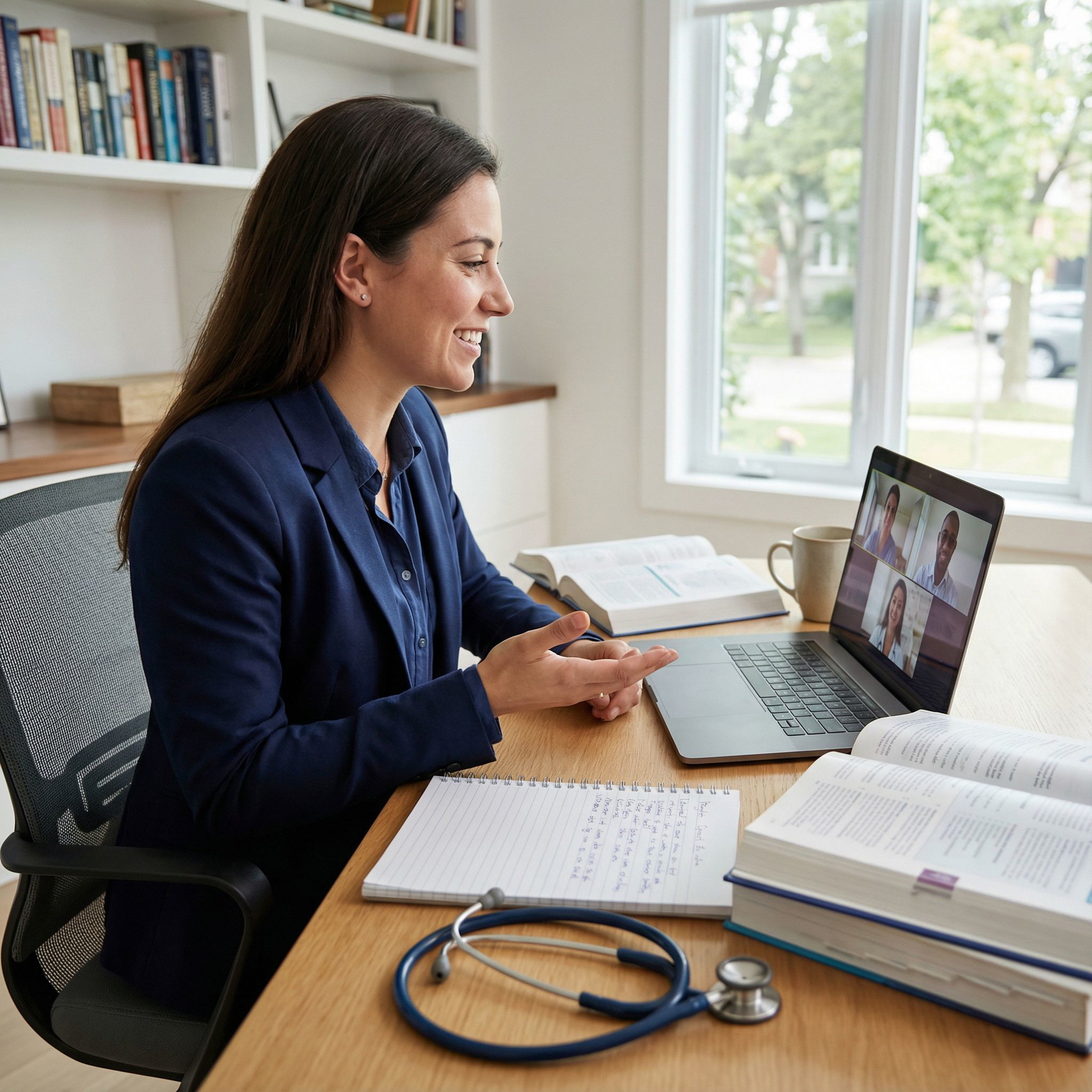
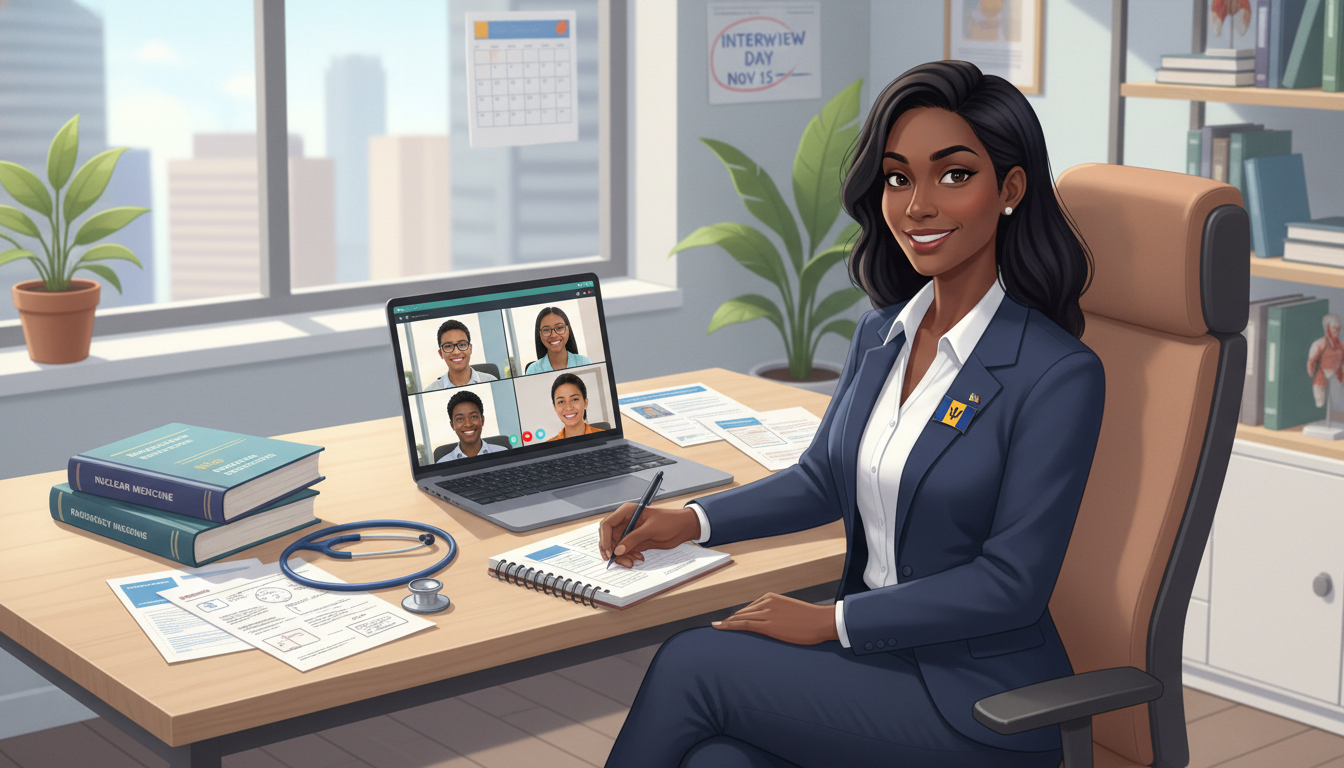
- Virtual interviews (common post-2020): test your platform (Zoom, Thalamus, Teams), camera, microphone, and background.
- In-person interviews: practice walking into a room, shaking hands (if culturally appropriate), and reading body language.
Ask for specific feedback on:
- Clarity and structure of answers
- Non-verbal communication (eye contact, posture, facial expression)
- How convincingly you convey interest in nuclear medicine
- Any patterns in filler words or rambling
3. Practice Specialty-Relevant Communication
Because nuclear medicine involves explaining complex concepts to non-specialists, practice:
- Describing a PET/CT scan to a patient in simple terms.
- Explaining the purpose of a tracer (e.g., FDG) without jargon.
- Summarizing a nuclear imaging case for a referring clinician.
Programs will look for applicants who can bridge the gap between technical imaging and patient-centered care.
Step 5: Technical and Logistical Preparation (Especially for IMGs)
Solid residency interview preparation also requires eliminating preventable logistical errors.
1. Document and Credential Preparation
Before interviews begin, create a digital and physical file of:
- Updated CV (consistent with ERAS)
- Personal statement(s)
- Copies of:
- Transcript
- MSPE/Dean’s Letter
- USMLE/COMLEX score reports
- ECFMG certificate (if available/eligible)
- List of all rotations with locations and dates
As a Caribbean IMG, you may be asked about:
- Transition from Caribbean medical school to U.S. or Canadian clinical sites.
- Any gaps in training or licensing exams.
- Visa needs (J-1/H-1B) and timeline.
Have clear, concise answers and avoid sounding defensive; focus on facts and solutions.
2. Technology and Environment Setup (Virtual Interviews)
For virtual nuclear medicine interviews:
Hardware and software:
- Use a reliable laptop with a good webcam and microphone or an external webcam if needed.
- Test internet stability; use wired Ethernet if possible.
- Install and test the exact platform used by programs (Zoom, Webex, Thalamus, etc.).
Background and lighting:
- Neutral, uncluttered background; avoid distractions.
- Good lighting from the front; avoid bright windows behind you.
- Camera at eye level; avoid “looking down” into a laptop.
Dress professionally:
- Business formal: suit or blazer with shirt/blouse.
- Avoid overly bright patterns or distracting accessories.
- Consider a small, subtle symbol of your Caribbean heritage (e.g., flag pin) only if natural and not forced.
3. Travel and Time Zone Planning (In-Person or Hybrid)
If any interviews are in-person:
- Arrive in the city at least 1 day early to buffer against delays.
- Pre-map the route from hotel to hospital/clinic.
- Prepare for climate differences (winter coat, formal shoes).
For time zones:
- Double-check all interview times in your local time and program time.
- Use a digital calendar with correct time zone settings and alarms.
Step 6: Pre-Interview Day Routine and Mindset
What you do in the 24–48 hours before each interview can dramatically affect performance.
1. Refine, Don’t Cram
The day before:
Review:
- Your personal statement and CV.
- Program notes and faculty interests.
- Key talking points for “Why nuclear medicine?” and “Why this program?”
Avoid:
- Learning entirely new topics.
- Obsessively studying physics formulas or tracer half-lives—it’s not an exam.
Focus on fluency and confidence, not new content.
2. Prepare Thoughtful Questions for Programs
Interviewers nearly always ask, “Do you have any questions for us?” Arriving unprepared suggests disinterest.
Possible question categories:
Curriculum and training:
- “How is time divided between PET/CT, SPECT, and therapy services?”
- “How much exposure will I have to theranostics during residency?”
Teaching and mentorship:
- “How are residents supported in research or QI projects?”
- “Is there structured physics teaching, and who leads those sessions?”
Resident life and culture:
- “How would you describe the culture among residents and faculty?”
- “What qualities help residents thrive in this program?”
Avoid overly basic questions easily answered on the website. Instead, show that you’ve already reviewed publicly available information and now seek insider details.
3. Mindset as a Caribbean IMG
Remind yourself:
- Your path—through a Caribbean medical school residency track toward nuclear medicine—is valid and increasingly common.
- You bring unique strengths:
- Comfort with diverse cultures and systems
- Adaptability and resilience
- Often stronger clinical exposure to resource-limited settings
Frame your Caribbean IMG background as an asset, not a liability.
The night before:
- Get 7–8 hours of sleep if possible.
- Prep your outfit, notes, and technology.
- Visualize yourself entering the interview calm, prepared, and curious.
Frequently Asked Questions (FAQ)
1. As a Caribbean IMG, do I realistically have a chance at a nuclear medicine residency match?
Yes. While nuclear medicine is a small specialty, IMGs—including graduates from Caribbean schools like SGU—have successfully matched. Your chances improve if you:
- Show sustained, specific interest in nuclear medicine.
- Gain U.S.-based nuclear medicine or radiology exposure (rotations, observerships).
- Demonstrate solid exam scores and professional letters of recommendation.
- Communicate clearly how your background and skills align with nuclear medicine’s needs.
2. How can I compensate for limited nuclear medicine exposure in medical school?
You can still be competitive if you:
- Arrange electives or observerships in nuclear medicine or radiology before interview season.
- Complete online courses or SNMMI modules on nuclear medicine basics.
- Read a concise nuclear medicine textbook or review articles on PET/CT, SPECT, and theranostics.
- Attend virtual SNMMI or radiology conferences (even as a student member) to demonstrate engagement.
Use these experiences in your interview answers to show initiative and informed interest.
3. What are some common red flags for Caribbean IMGs in the interview, and how can I avoid them?
Common red flags include:
- Vague answers to “Why nuclear medicine?” or “Why this program?”
- Appearing unfamiliar with fundamental nuclear medicine concepts.
- Overemphasizing needing “any residency” rather than genuine specialty interest.
- Defensive or unclear explanations for exam failures or gaps.
To avoid these:
- Prepare specific, experience-based narratives.
- Review nuclear medicine basics and the program’s special features beforehand.
- Address any academic or timeline issues directly, briefly, and with a focus on what you learned and how you improved.
4. How different is residency interview preparation for nuclear medicine compared with other specialties?
Core interview skills are similar—professionalism, communication, behavioral questions—but nuclear medicine interviews often place extra emphasis on:
- Your comfort with technology, imaging, and physics concepts.
- Interest in theranostics, oncology imaging, and multidisciplinary care.
- Research potential, especially in imaging sciences.
As a Caribbean IMG, orient your preparation toward:
- Clear articulation of your specialty-specific enthusiasm.
- Evidence that you understand what nuclear medicine practice actually looks like.
- Examples of analytical thinking, detail orientation, and teamwork in imaging-related scenarios.
By approaching your pre-interview preparation systematically—clarifying your nuclear medicine narrative, deeply researching programs, rigorously practicing common and specialty-specific questions, and handling logistics with care—you’ll present as a confident, well-prepared Caribbean IMG ready to contribute meaningfully to a nuclear medicine residency program.